8 Beautiful Ohio Plants That Fill Every Gap Without Taking Over
You know that gardener who swears they have a “black thumb”? They probably just picked the wrong plants.
Ohio’s climate is a beast, with brutal winters, sticky summers, and soil that keeps everyone guessing. Most plants throw in the towel.
But a handful of Ohio natives? They quietly do the work, filling in bare spots, smothering weeds, and looking gorgeous all season long without trying to take over your entire yard.
Sound too good to be true? It’s not.
Gardeners across the Buckeye State have been sitting on a goldmine of low-maintenance, gap-filling plants that practically take care of themselves.
No constant pruning. No aggressive spreading. No headaches.
So what makes a plant earn its spot in an Ohio garden? The sweet combination of resilience, beauty, and good neighborly behavior.
These plants check every single box, and your garden will thank you for it.
1. Let Wild Ginger Knit Shady Beds Into A Calm Green Carpet
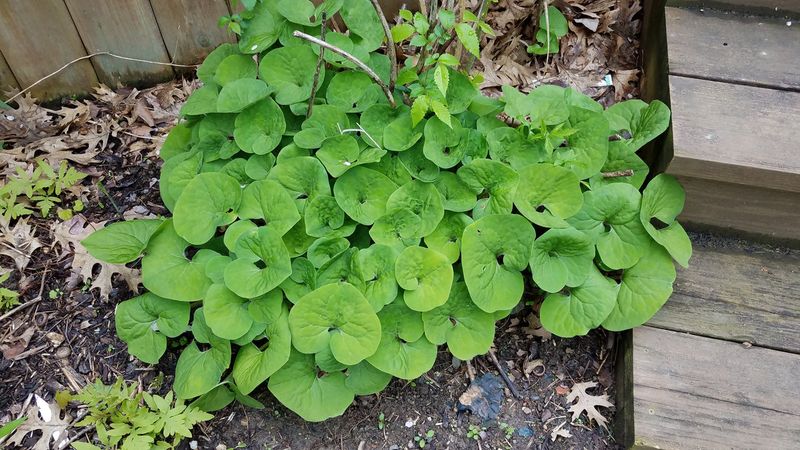
Tucked beneath a canopy of oak or maple, Asarum canadense, commonly called wild ginger, does something quietly impressive. It stitches together the bare, shadowy floor of a woodland bed into a seamless green carpet that looks like it has always belonged there.
Native to Ohio and much of eastern North America, this low-growing perennial rarely exceeds six inches in height, making it one of the most useful plants for shady gaps where taller fillers would feel clunky.
The leaves are broadly heart-shaped, soft to the touch, and a rich medium green that holds its color through the growing season. Wild ginger spreads by rhizomes just below the soil surface, slowly stitching outward rather than racing across a bed.
In most garden settings, this pace is an asset, not a concern. Ohio State University Extension notes it as a reliable native groundcover for shaded sites.
It performs best in rich, moist, well-drained soil with a good layer of leaf litter to mimic its woodland origins. Hot, dry, or fully exposed sites will stress it.
Gardeners in cooler, shaded parts of northern Ohio tend to get the most consistent coverage, while those in hotter urban or southern Ohio areas should plan to water during dry spells.
Occasional division every few years keeps colonies tidy and encourages fresh growth in adjoining gaps.
2. Tuck Wild Stonecrop Into Rocky Gaps And Let It Sparkle
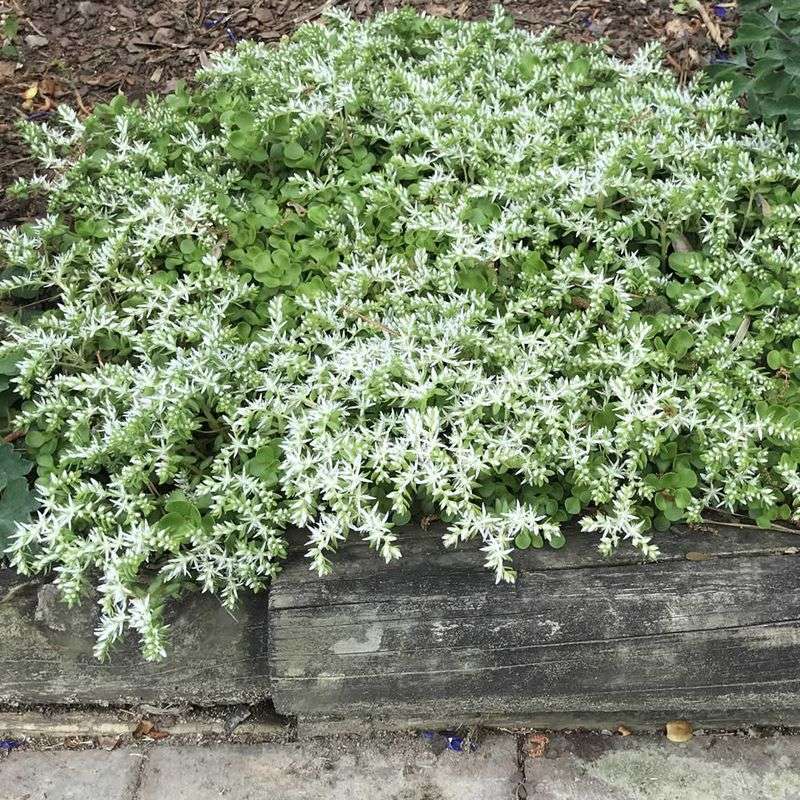
Rocky gaps, shallow ledges, and the narrow spaces between stepping stones often get overlooked because most plants want deeper, richer soil. Sedum ternatum, known as wild stonecrop, is one of the few Ohio natives that genuinely thrives in these lean, well-drained spots.
Unlike the aggressive spreading sedums sometimes sold as groundcovers, wild stonecrop has a measured, manageable spread that fills a crevice without consuming the surrounding bed.
The foliage is small and rounded, almost succulent in appearance, and stays low to the ground in tidy rosette clusters. In spring, it produces a flush of white star-shaped flowers that add a delicate sparkle to rocky or woodland edges.
It prefers part shade to light shade and does not perform as well in full sun with dry soil.
Your Ohio Garden Changes Every Week. Your Plan Should Too.
Gardening in Ohio changes quickly throughout the season. Every Friday you’ll receive a simple weekly plan showing exactly what to plant, prune, fertilize, harvest, and protect so you never miss the right timing.
The Lady Bird Johnson Wildflower Center lists it as native to Ohio, and it is well-regarded for stone wall plantings and path-edge situations across the region.
One caution worth noting is that wild stonecrop can spread gently in sites with favorable moisture and light, so gardeners who want strict containment may need to trim back runners occasionally.
Avoid planting it in soggy clay pockets, particularly in areas of Ohio that collect heavy rainfall or have poor drainage.
In well-drained rocky or sandy soil with filtered light, it fills gaps with almost no fuss at all.
3. Thread Wood Sedge Through Dry Shade For Tidy Movement
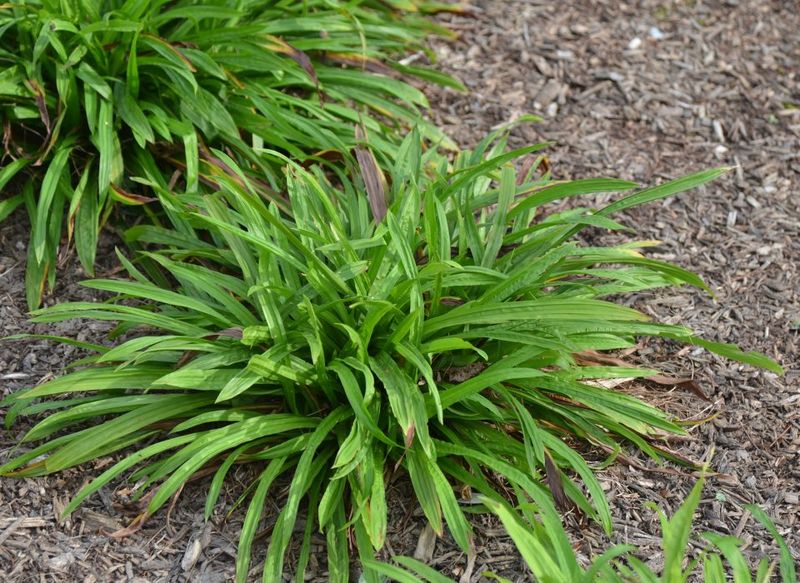
Dry shade under a mature tree is one of the toughest spots in any Ohio garden. Roots compete for water, light is scarce, and most plants sulk rather than settle in.
Carex platyphylla, known as broad-leaved wood sedge, is one of the few natives that actually looks comfortable in these conditions.
Its low, arching blades in a soft blue-green to gray-green tone bring a sense of quiet movement to spaces that might otherwise stay bare all season.
Unlike lawn grasses, this sedge is clump-forming and does not spread by aggressive runners or stolons. Each clump stays relatively contained, which makes it a sensible choice for weaving between shrubs, ferns, or shade perennials without crowding them out.
The Missouri Botanical Garden recommends it for dry to medium shade, and Ohio gardeners will find it especially useful beneath dense canopy trees where moisture-loving plants struggle.
Establishment is the trickiest part. In compacted urban soil, which is common in many Ohio neighborhoods, mixing in compost before planting and watering consistently through the first growing season makes a meaningful difference.
Once settled, wood sedge is notably tolerant of dry spells. It does not produce showy flowers, so its value is entirely textural, but that texture, layered, low, and gently swaying, is exactly what a monotonous shady gap needs.
Divide clumps every three to four years to refresh growth and fill new gaps nearby.
4. Let Blue Violets Soften Bare Soil With Spring Color
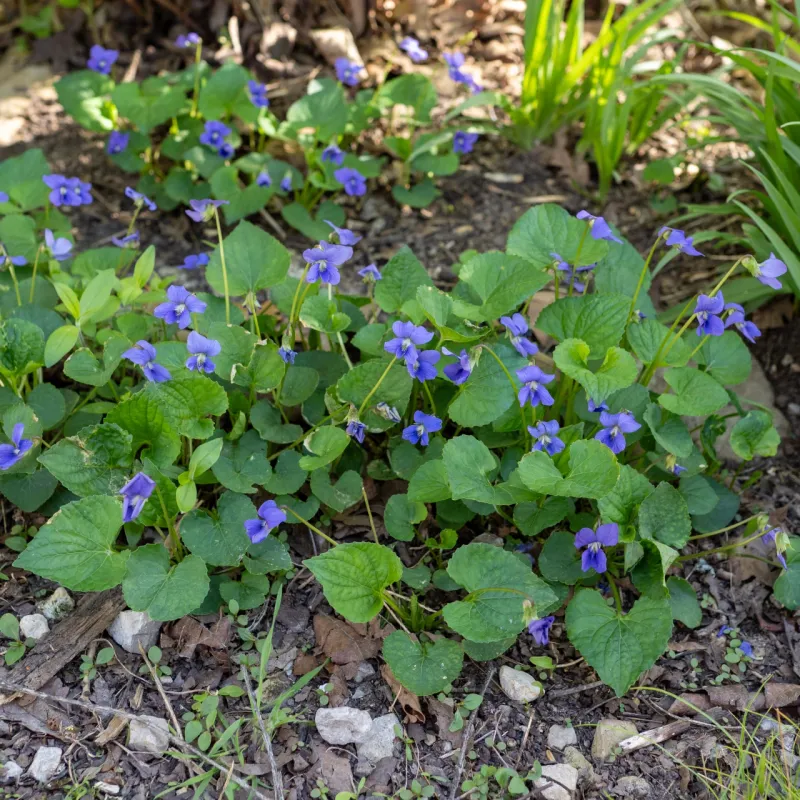
Few plants announce spring in Ohio as cheerfully as the common blue violet. Viola sororia pushes up its heart-shaped leaves and clusters of purple to violet-blue flowers right when the garden needs color most, often before most perennials have even broken ground.
Native across Ohio and much of the eastern United States, it is a host plant for several fritillary butterfly species, which makes it especially valuable in pollinator-friendly and wildlife-supportive gardens.
Violets work best in informal settings. Naturalized beds, cottage-style borders, and woodland edges are where they look intentional rather than weedy.
They do self-seed, and in loose, open soil they can spread more than some gardeners expect. For that reason, ultra-formal beds with precise edges are not the right home for them.
In a relaxed, layered planting, though, the self-seeding fills gaps in a way that looks organic and unforced.
Viola sororia is not listed as invasive by the Ohio Invasive Plants Council, and it supports native bee populations with early-season nectar.
Across Ohio, it adapts well to a wide range of conditions, but it performs most reliably where soil holds some moisture and the site offers partial shade.
In hot, dry, south-facing exposures, the foliage can look ragged by midsummer. Pairing it with taller companions that provide afternoon shade helps it stay fresh longer into the season and reduces excessive self-seeding in drier soil.
5. Plant Wild Geranium Where Shade Needs Polish And Pink Bloom
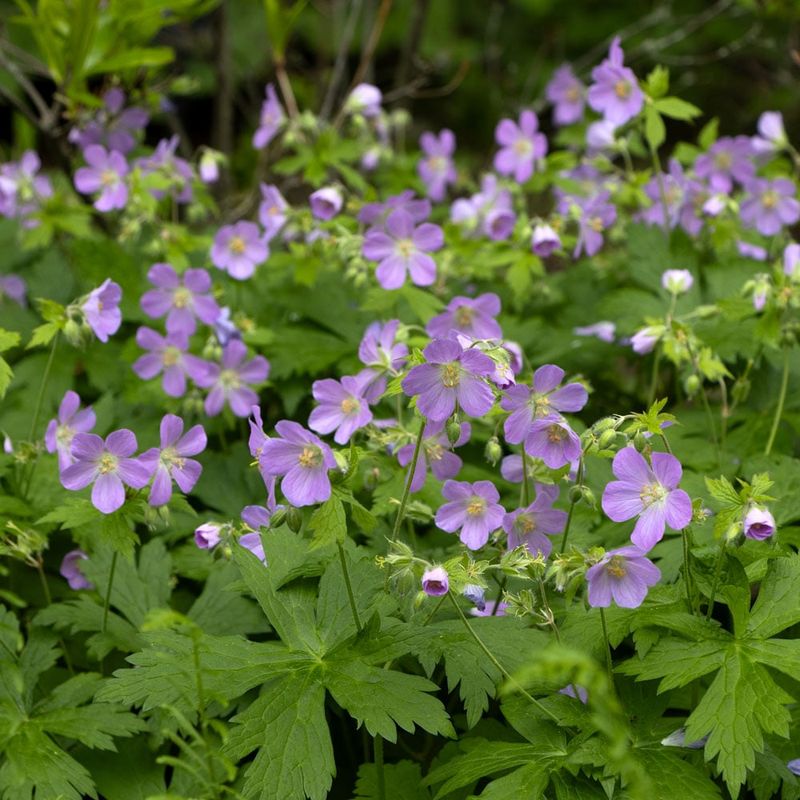
There is a height range in shaded borders that often goes unfilled. Low groundcovers stay flat, and tall shrubs take up the upper layer, but the middle ground, roughly one to two feet, can feel awkward and bare.
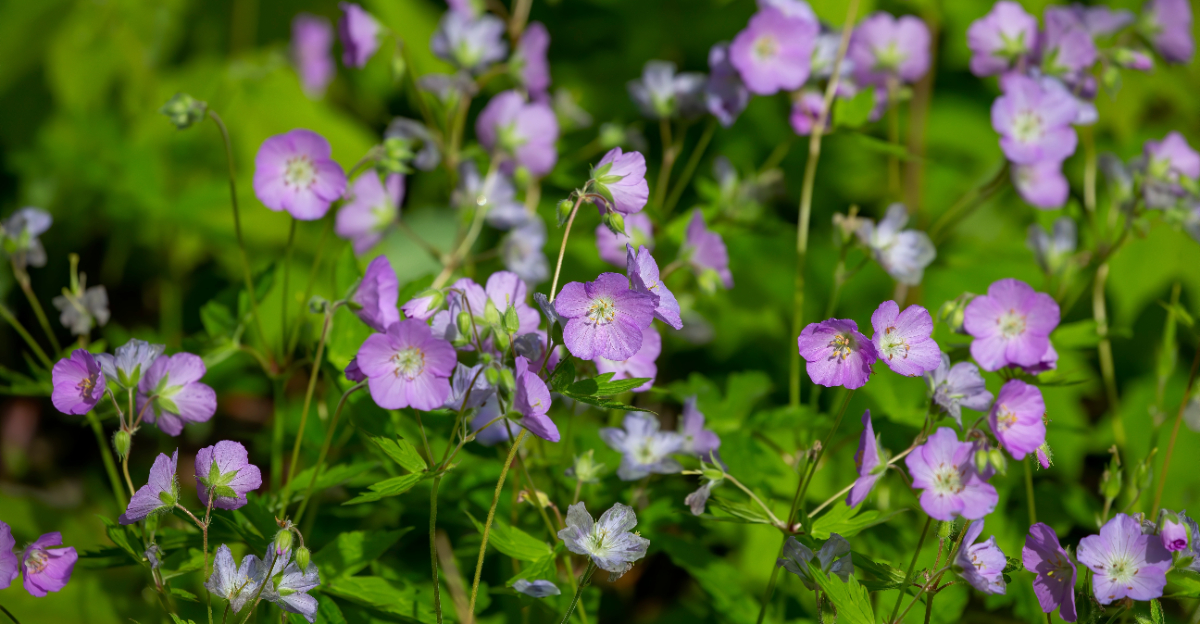
Geranium maculatum, called wild geranium, fits that space with mounded, deeply lobed foliage and a generous flush of pink to lavender flowers in mid-spring. It is native to Ohio and common in woodland edges across the state.
Wild geranium forms clumps that expand gradually over time and may develop into loose colonies in favorable conditions. In a garden setting, this spread is generally manageable with occasional division.
It is not listed as invasive, and Ohio State University Extension recognizes it as a valuable native perennial for shaded borders and naturalized areas. Pollinators, including native bees, visit the flowers regularly during their spring bloom window.
One honest caution is summer foliage decline. In hot, dry stretches, which are increasingly common in parts of Ohio, wild geranium leaves can yellow and look tired by August.
Pairing it with summer-blooming companions or placing it where it receives afternoon shade helps mask this seasonal slump. It performs most consistently in woodland-style soil with good organic content and reliable moisture.
Southern Ohio gardeners and those in heat-prone urban areas may need to water more attentively during dry periods to keep the foliage looking respectable through the warmer months.
6. Use Foamflower To Brighten Damp Shade With Airy Spring Wands
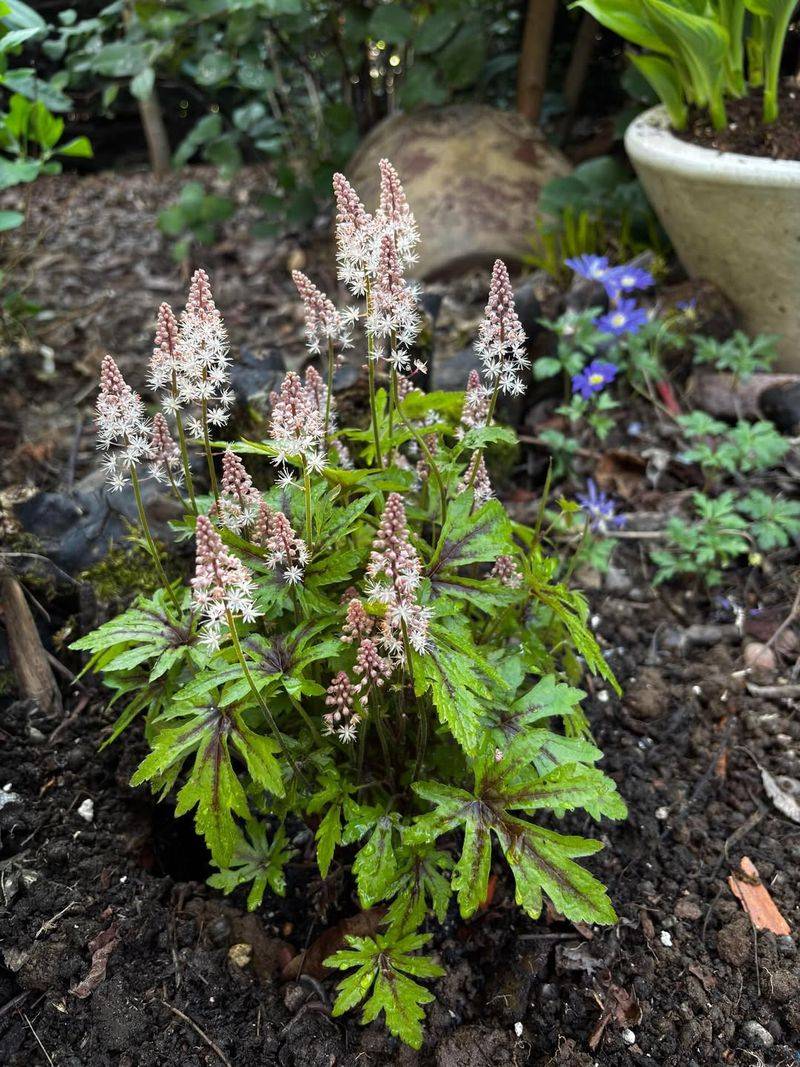
Damp, shaded corners often end up as problem spots, too wet for most groundcovers, too dark for sun-lovers, and too soggy for anything that needs good drainage.
Tiarella cordifolia, commonly called foamflower, is one of the most appealing solutions for exactly this situation.
Its maple-like leaves, often marked with dark veining or bronze tones, form a low mat that holds the soil and suppresses weeds between spring ephemerals, ferns, and sedges.
The flowers are the showstopper. In mid-spring, slender wands covered in tiny white to pale pink blooms rise several inches above the foliage, creating a frothy, almost ethereal effect that earns the plant its name.
Foamflower is native to parts of eastern North America, with its strongest native presence in Appalachian and northeastern regions.
Ohio gardeners should look for straight-species plants or selections sourced from regionally appropriate stock rather than heavily bred cultivars when using it in naturalistic settings.
Consistent moisture is non-negotiable for this plant. It can struggle in dry shade or during extended heat waves, so siting it near a rain garden edge, a downspout area, or a naturally damp woodland hollow makes a significant difference.
In northern Ohio, where cooler temperatures and more reliable moisture are common, it tends to perform with less intervention.
Southern Ohio gardeners should plan for supplemental watering in summer and choose planting sites that stay shaded through the hottest part of the afternoon to keep the foliage from scorching.
7. Edge Paths With Barren Strawberry For Gold Flowers And Clean Cover
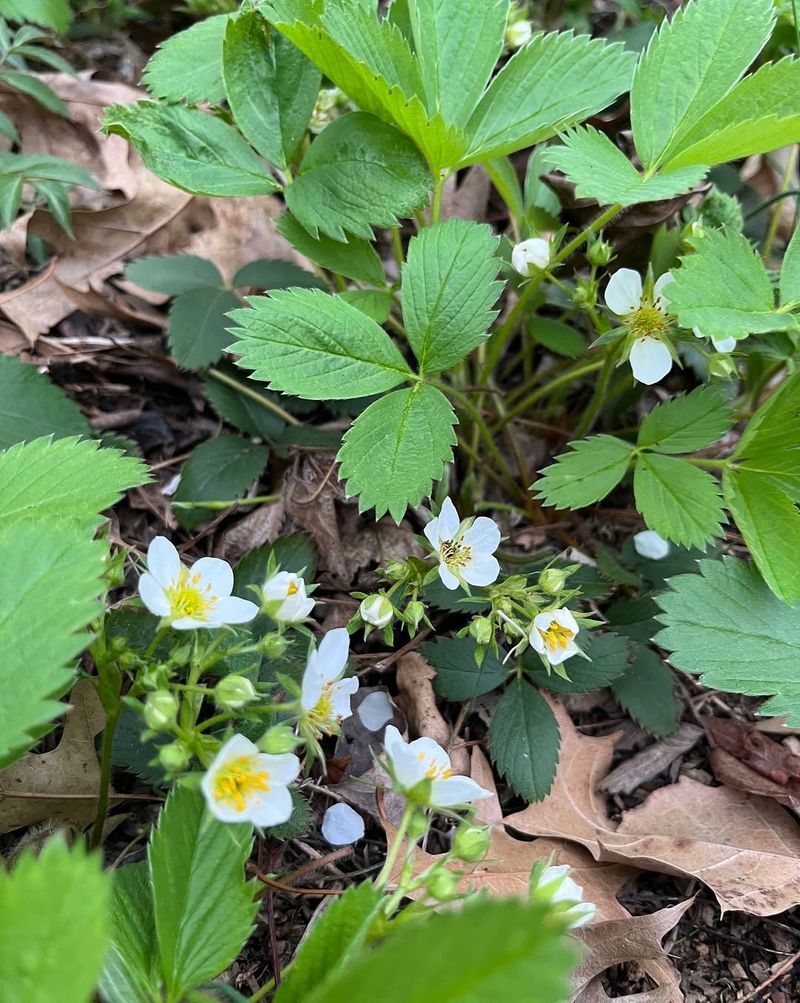
Path edges are notoriously hard to plant well. The soil is often compacted, foot traffic creates stress, and the narrow strip between a stone border and a shrub bed does not leave much room for anything ambitious.
Geum fragarioides, also referenced as Waldsteinia fragarioides in some older botanical sources, handles this kind of marginal space with a relaxed confidence that few low-growing plants can match.
Commonly called barren strawberry, it produces cheerful yellow flowers in spring above trifoliate leaves that look strikingly similar to edible strawberry foliage.
To be clear, barren strawberry does not produce edible fruit, which is where the name comes from. Its value is entirely ornamental and ecological.
The foliage stays semi-evergreen in Ohio, providing some visual interest even through mild winters, and the spring flowers attract early pollinators before much else is blooming. It spreads by creeping stems and can gradually fill a path edge or bed front in a way that looks intentional and tidy rather than chaotic.
The Missouri Botanical Garden notes that it performs best in part shade with decent drainage.
Heavy, constantly wet clay soil is its main weakness, so raised bed edges, sloped path borders, and well-amended planting strips suit it far better than low spots that collect standing water.
In Ohio, it tends to do well across a range of regions as long as drainage is adequate. Occasional trimming of runners keeps the spread where you want it without much effort.
8. Slip Crested Iris Into Part Shade For Low Waves Of Blue
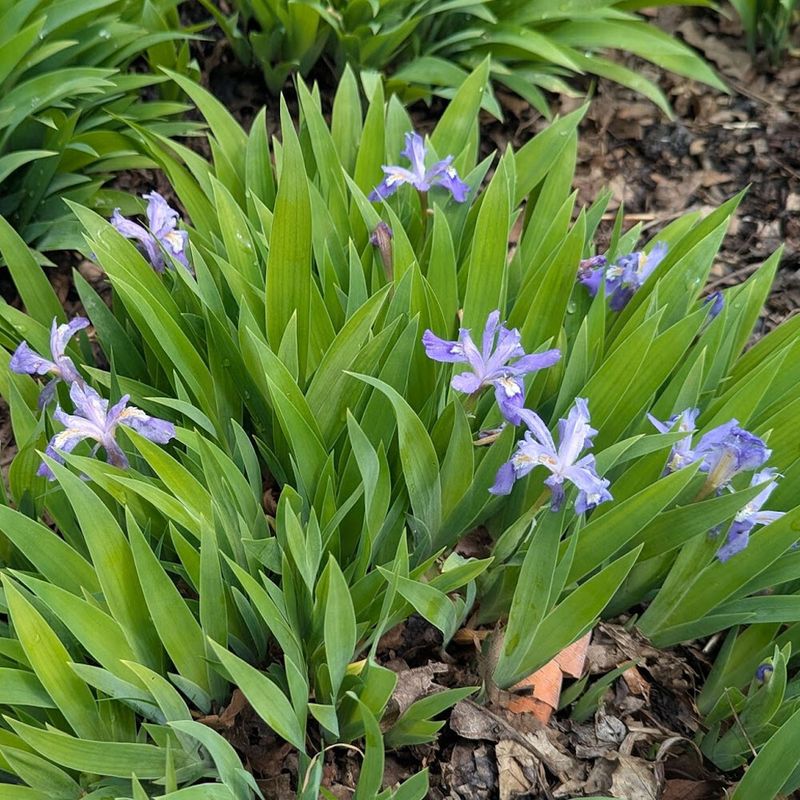
Some plants earn their place in a garden through sheer charm, and dwarf crested iris is one of them.
Iris cristata grows only four to six inches tall, but its blue to violet flowers, each marked with a distinctive yellow and white crest, have a refinement that looks far more deliberate than the plant’s casual spreading habit would suggest.
Native to woodland edges and slopes across much of the eastern United States, it is a confirmed Ohio native and a reliable choice for the front of shaded borders and woodland path edges.
It spreads by shallow rhizomes, forming patches that expand gradually over several seasons. In appropriate garden conditions, this spread is considered an asset rather than a problem.
The Ohio Department of Natural Resources recognizes it as a native species, and it is not listed as invasive by any credible regional source. Pollinators visit the flowers during their brief but vivid spring bloom, adding ecological value to its ornamental appeal.
Soil drainage is the most important factor for long-term success. Iris cristata can rot in heavy, wet clay, especially during Ohio winters when standing water is common.
Raised bed edges, sloped woodland spots, and well-amended planting areas with humus-rich, well-drained soil give it the best chance to thrive and spread attractively.
In northern Ohio, where winter wetness can be persistent, choosing a slightly elevated site or adding coarse compost to improve drainage before planting is a practical step worth taking.