12 Beautiful Oregon Wildflowers You Can Grow In Your Backyard Garden
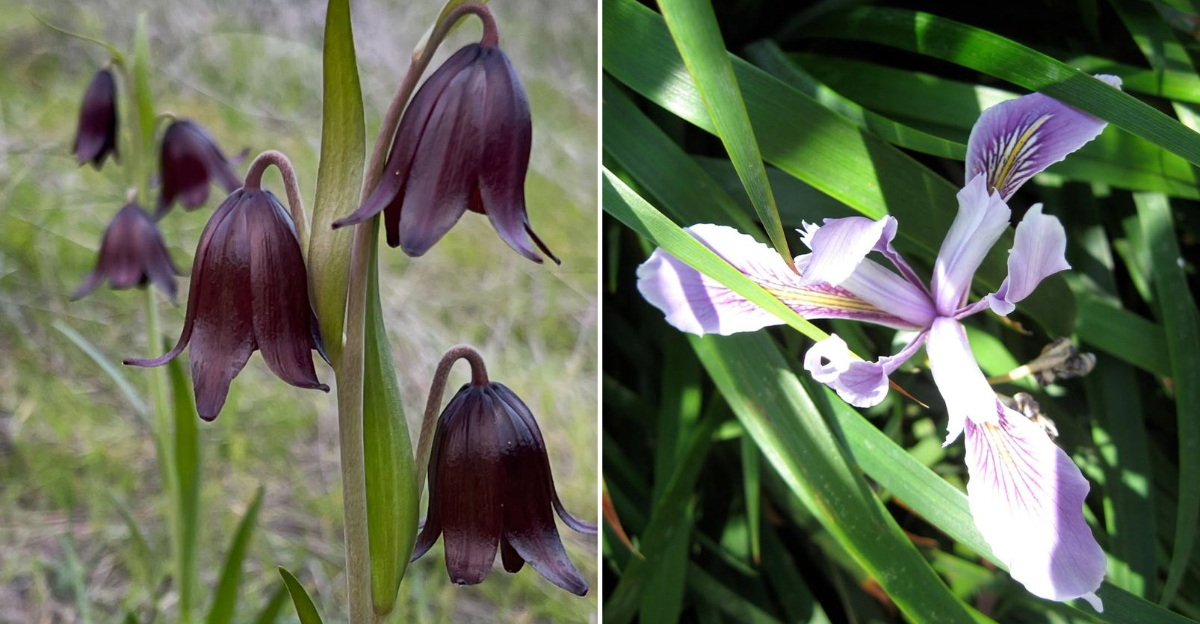
Stepping into an Oregon meadow during the peak of spring feels like walking through a living watercolor painting.
While many homeowners spend small fortunes on finicky imports that struggle with our signature drizzle, the real magic is often hiding right in our own foothills.
You deserve a backyard that captures that wild, untamed spirit of the Pacific Northwest without requiring a professional landscaping crew to maintain. Luckily, the local flora is already perfectly calibrated to handle our moody skies and heavy clay soil with style.
Forget about those high-maintenance garden center staples that demand constant coddling.
It is time to lean into the resilient, head-turning beauties that have called the Willamette Valley and the Cascades home for centuries.
We are talking about vibrant petals and architectural foliage that invite native bees and butterflies to a season-long feast.
Grab your gardening gloves and prepare to turn a patch of lawn into a stunning tribute to the local landscape. These botanical treasures are ready to bring a piece of the wilderness home to you.
1. Oregon Sunshine
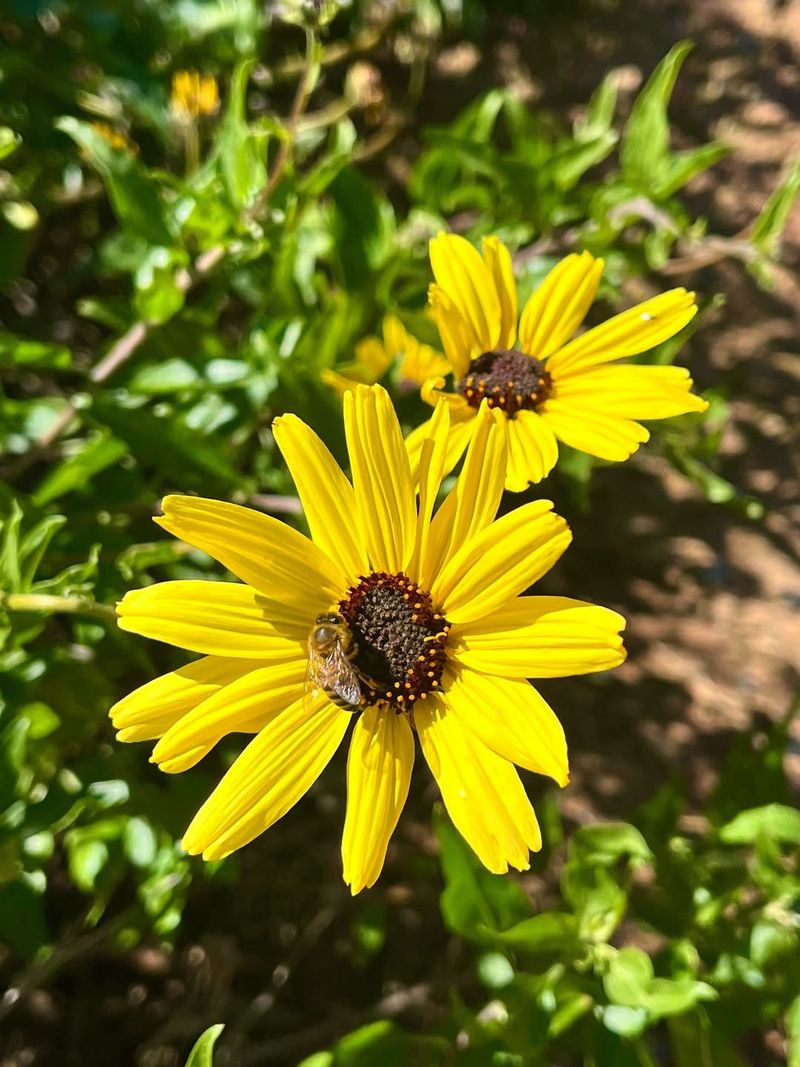
Bold, golden, and practically glowing in the sun, Oregon Sunshine is one of the most cheerful native wildflowers you can plant in your backyard. Known scientifically as Eriophyllum lanatum, this bright yellow daisy-like flower is a true Oregon original.
It thrives in dry, rocky, or sandy soils where many other plants struggle.
One of the best things about Oregon Sunshine is how low-maintenance it is. Once established, it needs very little water, making it a smart choice for gardeners who want beauty without a lot of effort.
It loves full sun and blooms from late spring through midsummer, bringing weeks of golden color to your yard.
Pollinators absolutely love it. Bees and butterflies flock to the bright blooms, making your garden a buzzing, lively place.
It grows about one to two feet tall and spreads nicely over time, filling in gaps in your garden beds. If you live in a dry part of Oregon, this plant is practically made for your yard.
Plant it along pathways, in rock gardens, or on sunny slopes for a natural, wildflower look that feels right at home in the Pacific Northwest landscape.
2. Columbia Tiger Lily
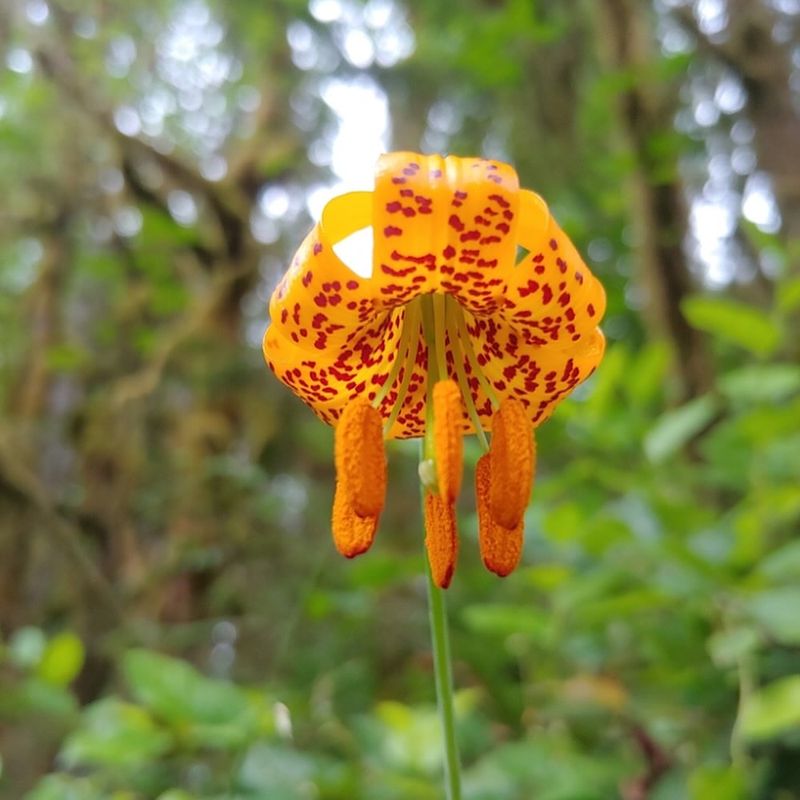
Few wildflowers command attention quite like the Columbia Tiger Lily. With its flaming orange petals dotted with dark purple-black spots, this flower looks like something straight out of a painting.
Native to Oregon and the broader Pacific Northwest, it grows naturally in meadows, open woodlands, and along stream banks.
In your backyard, Columbia Tiger Lily does best in a spot with partial shade and moist, well-drained soil. It can grow up to four feet tall, so it makes a dramatic statement at the back of a flower bed.
The blooms appear in early to midsummer and last for several weeks, giving you a long window to enjoy their fiery color.
Hummingbirds are especially drawn to these flowers, and seeing a hummingbird hover near the nodding blooms is a genuine garden highlight. Plant bulbs in the fall for blooms the following summer.
They spread slowly over time, forming natural clusters that look stunning in any Oregon garden. Did you know that Indigenous peoples of the Pacific Northwest traditionally used parts of this plant for food?
That rich history makes it an even more meaningful addition to your outdoor space.
3. Western Trillium
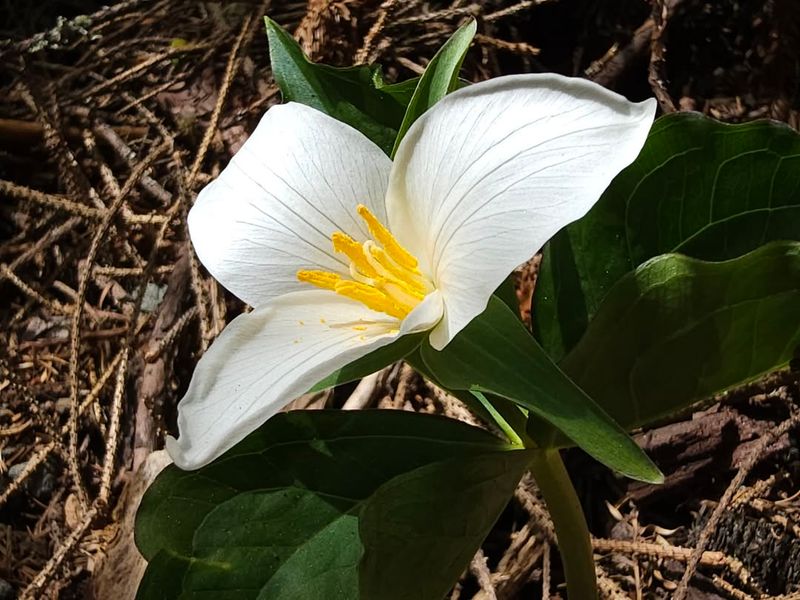
Walking through an Oregon forest in early spring and spotting a cluster of Western Trillium is one of those quiet, magical moments that gardeners try to recreate at home. This elegant wildflower has three broad white petals that slowly turn pink or deep rose as they age, giving you a changing show of color over several weeks.
Western Trillium, or Trillium ovatum, thrives in shaded woodland gardens with rich, moist soil. It is a slow grower, but the patience is absolutely worth it.
Once established, it returns every year without much fuss. Plant it under deciduous trees or in a shaded corner of your yard where it can mimic its natural forest habitat.
Because it grows slowly from seed, many gardeners start with nursery-grown plants. Avoid picking the flowers or leaves, since the plant needs them to store energy for the following year.
It typically blooms from February through April in Oregon, making it one of the earliest signs of spring in the garden. Western Trillium is also a symbol of old-growth forest health, so growing it in your backyard is a small but meaningful way to honor Oregon’s incredible natural heritage.
4. Blue Camas
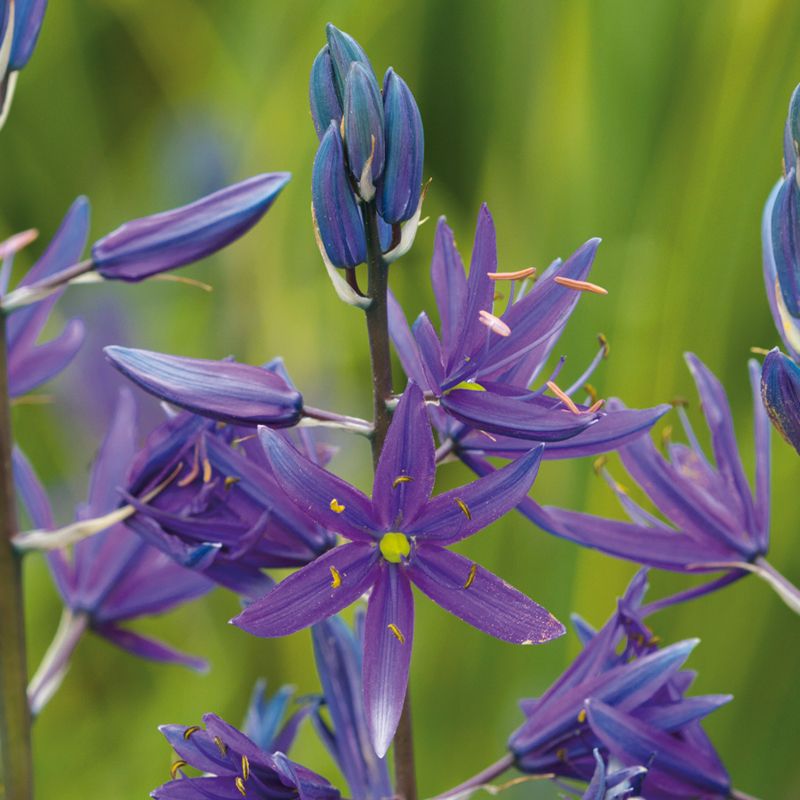
Imagine a meadow flooded with deep blue-violet blooms stretching as far as the eye can see. That is exactly what Blue Camas looks like when it blooms in Oregon’s wet prairies and meadows each spring.
Known as Camassia quamash, this stunning bulb flower has deep roots in Oregon’s Indigenous history and cultural landscape.
Blue Camas grows best in moist to wet soil and full to partial sun. It is a natural fit for rain gardens, pond edges, or low-lying areas of your backyard that stay damp in spring.
Plant the bulbs in fall, about three to four inches deep, and expect blooms from April through June. The star-shaped flowers grow on tall spikes that can reach two feet in height.
Beyond its striking beauty, Blue Camas is an important food source for pollinators in Oregon, especially native bumblebees. Historically, the bulbs were a vital food source for many Indigenous tribes throughout the Pacific Northwest, and the plant holds deep cultural significance.
Growing it in your backyard is a way to connect with Oregon’s living history. It naturalizes easily over time, spreading into a gorgeous, low-care meadow patch that looks absolutely wild and wonderful.
5. Douglas Iris
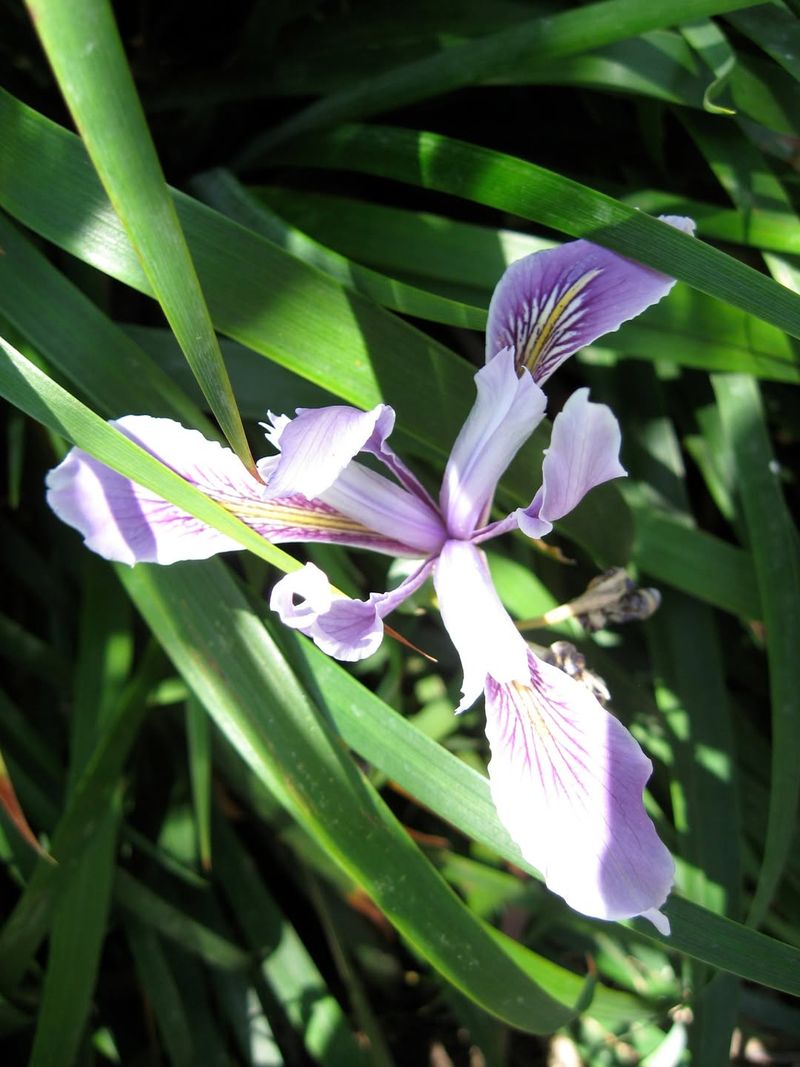
Native to the coastal regions and foothills of Oregon, Douglas Iris is a wildflower with serious style. Its blooms range from pale lavender to deep violet and even creamy white, often with beautiful veining on the petals.
It is one of Oregon’s most visually striking native plants and has been used in hybridizing programs to create many popular garden iris varieties.
Growing Douglas Iris is surprisingly straightforward. It prefers well-drained soil and full sun to partial shade.
Once established, it is quite drought-tolerant, making it a practical choice for Oregon’s dry summer months. It blooms in spring, typically from March through May, and the grass-like foliage stays attractive all year long.
This plant works beautifully along borders, in rock gardens, or planted in drifts for a naturalized look. Hummingbirds and native bees visit the flowers regularly, adding life and movement to your garden.
Douglas Iris also holds cultural significance for many Oregon Native tribes, who used the strong leaf fibers to make rope and other tools. Planting it in your backyard honors that heritage while giving you one of the most elegant and easy-care native flowers the Pacific Northwest has to offer.
6. Red-Flowering Currant
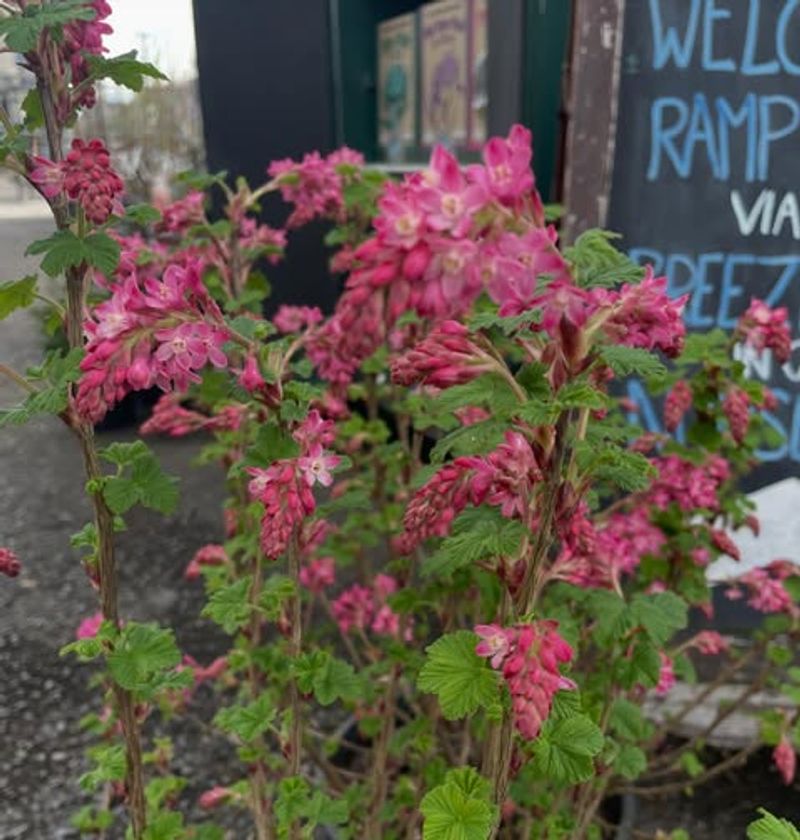
Every spring in Oregon, Red-Flowering Currant bursts into bloom before most other plants have even woken up. The drooping clusters of deep pink to red flowers appear as early as February, making it one of the first and most important nectar sources for returning hummingbirds.
If you want to attract hummingbirds to your yard, this shrub is practically a must-have.
Ribes sanguineum, as it is scientifically known, is a deciduous shrub that can grow four to ten feet tall. It adapts well to a wide range of conditions, doing fine in full sun to partial shade and tolerating both moist and fairly dry soils.
That flexibility makes it a reliable plant for many different Oregon backyards, from the rainy coast to the drier interior valleys.
After the flowers fade, small blue-black berries appear that birds love to eat. The lobed leaves add interesting texture to the garden through the growing season.
Red-Flowering Currant is also incredibly low-maintenance once it gets settled in. Prune it lightly after flowering if needed to keep its shape.
For a plant that gives so much color and wildlife value with so little effort, it is hard to beat this Oregon native shrub in any backyard setting.
7. Chocolate Lily
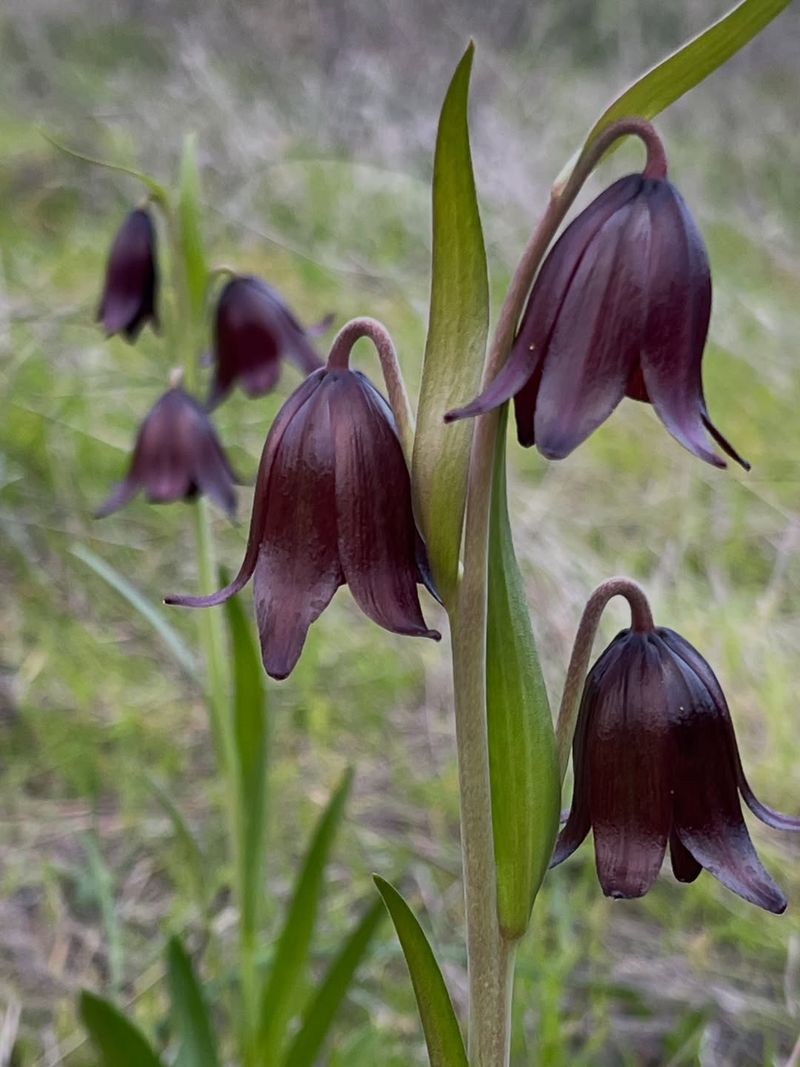
With a name like Chocolate Lily, curiosity is practically guaranteed. This unusual wildflower, known scientifically as Fritillaria affinis, has mottled brownish-purple bell-shaped blooms that hang gracefully from slender stems.
It is one of the quirkier native wildflowers of Oregon, and that unusual appearance makes it a real conversation starter in any garden.
Chocolate Lily grows naturally in open meadows, rocky slopes, and grassy bluffs across the Pacific Northwest, including many parts of Oregon. In the garden, it does best in well-drained soil with full sun to light shade.
Plant the small, rice-like bulblets in fall, and expect flowers to appear in spring, usually between March and May.
It tends to grow one to two feet tall and naturalizes slowly over time, forming loose colonies that look beautifully wild. The unusual dark color of the flowers actually attracts certain flies as pollinators, which is a fascinating piece of natural science.
Though it can be a bit tricky to establish, once it settles in it is quite resilient. Chocolate Lily is also a plant with cultural history in Oregon, as Indigenous peoples harvested the starchy bulbs for food.
Growing it adds both ecological value and a touch of Oregon’s Indigenous heritage to your backyard garden.
8. Lupine
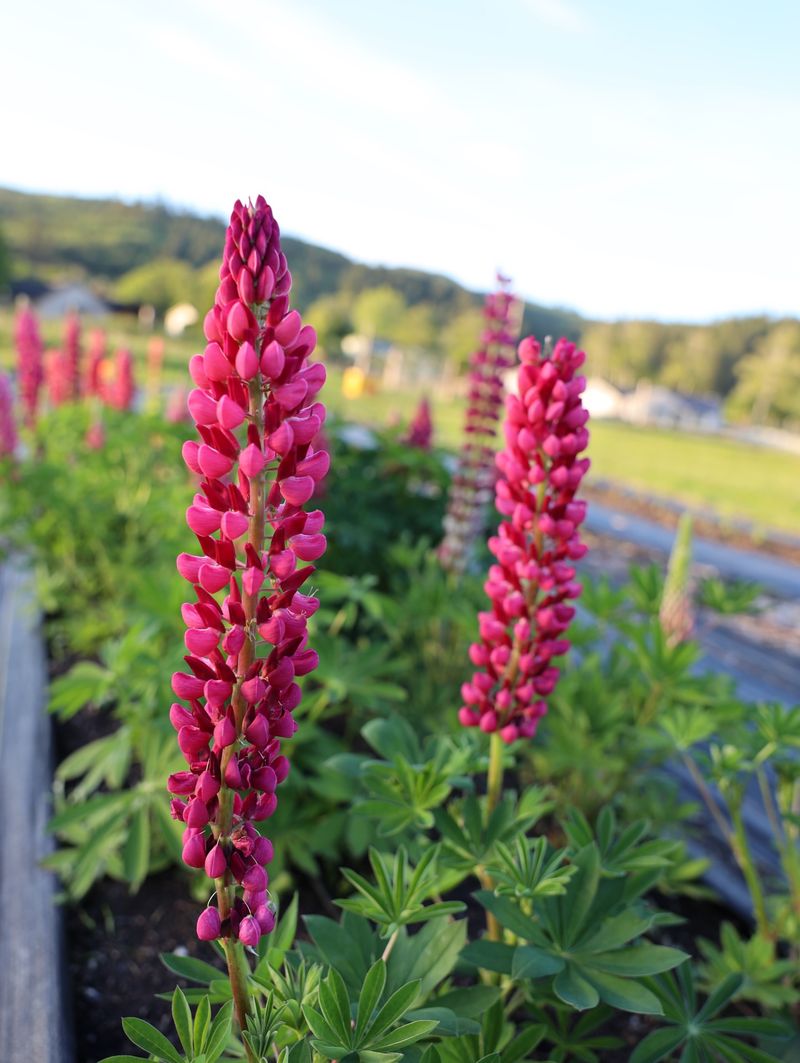
Few wildflowers are as boldly photogenic as Lupine. Those tall, cone-shaped spires packed with purple, blue, pink, or white pea-like flowers are impossible to miss, and they have a way of making any garden look like a wild Oregon meadow.
Several lupine species are native to Oregon, including Lupinus polyphyllus, which thrives in moist meadows and along stream banks.
Lupine is a nitrogen-fixer, meaning its roots work with soil bacteria to pull nitrogen from the air and add it to the soil. That makes it a genuinely helpful neighbor to other plants in your garden.
It grows best in full sun with well-drained to moist soil and can reach three to four feet tall. Blooming from late spring through early summer, it puts on a spectacular show for weeks.
Bumblebees are among the biggest fans of lupine flowers, and the plant also serves as a host or support plant for some native insects, while certain Oregon lupine species play an especially important role in habitat for rare butterflies. Sow seeds in fall or early spring directly in the garden, since lupine does not transplant well.
With its striking height, rich color, and ecological value, it is one of the most rewarding native wildflowers you can grow in any Oregon backyard.
9. Fairy Slipper Orchid
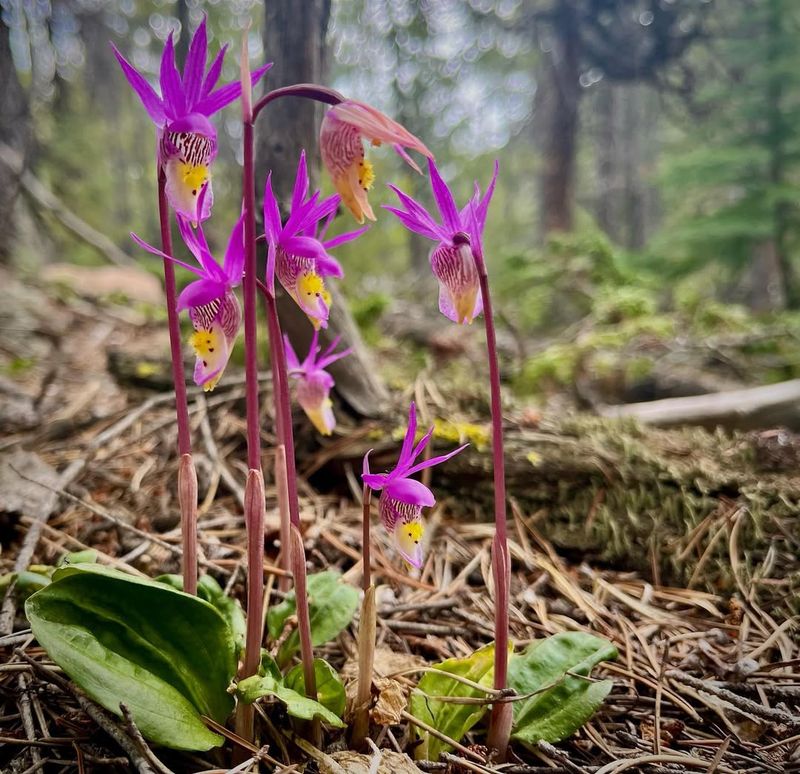
Spotting a Fairy Slipper Orchid in the wild feels like finding a tiny treasure hidden on the forest floor.
This petite native orchid, known as Calypso bulbosa, produces a single pink and purple bloom that looks like a miniature slipper, complete with a spotted, pouch-shaped lip.
It is one of Oregon’s most enchanting wildflowers and one of the most sought-after by native plant enthusiasts.
Growing Fairy Slipper Orchid at home is a challenge worth accepting carefully. It requires very specific conditions: deep shade, cool temperatures, and well-drained soil rich in organic matter and the right fungal partners.
It grows best under conifers, especially fir and cedar trees, which are common in Oregon’s forests. Disturbing the soil around it can set it back significantly, so choose its permanent spot wisely.
Because it is a delicate and somewhat sensitive plant, sourcing it from reputable native plant nurseries is essential. Never collect it from the wild.
When it blooms in early spring, typically March through May in Oregon, the single fragrant flower is breathtaking. It grows only four to eight inches tall, making it perfect for a shaded woodland corner of your garden.
For patient gardeners, the reward of seeing this tiny orchid bloom is genuinely unforgettable.
10. Pacific Bleeding Heart
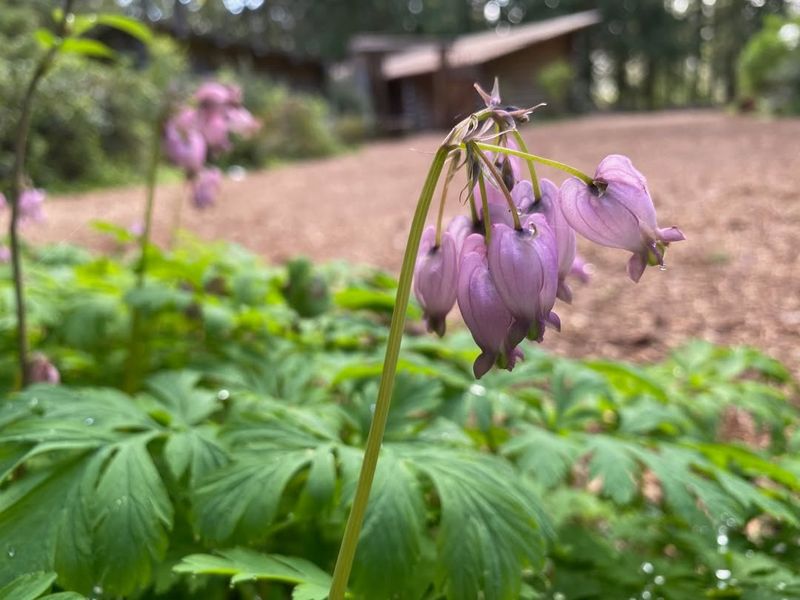
There is something undeniably romantic about Pacific Bleeding Heart. The arching stems carrying rows of dangling, heart-shaped pink flowers have a soft, dreamy quality that makes shaded garden corners feel like enchanted forest spaces.
Native to the moist forests of Oregon and the broader Pacific Northwest, Dicentra formosa is both beautiful and surprisingly tough.
Pacific Bleeding Heart thrives in partial to full shade with consistently moist, humus-rich soil. It is a perfect match for spots under trees or along the north side of a fence or building where shade is plentiful.
It blooms from March through July, offering months of color during Oregon’s spring and early summer season. The ferny, blue-green foliage looks attractive even when the plant is not in bloom.
This wildflower spreads gently by rhizomes, slowly filling in shaded areas with lush ground cover. It pairs beautifully with ferns, trillium, and other woodland natives to create a layered, natural-looking garden.
Hummingbirds are known to visit the tubular flowers for nectar. In hot, dry summers, the foliage may go dormant, but it comes back reliably the following spring.
For Oregon gardeners looking to bring woodland magic into their backyard, Pacific Bleeding Heart is one of the most reliable and lovely choices available.
11. Shooting Star
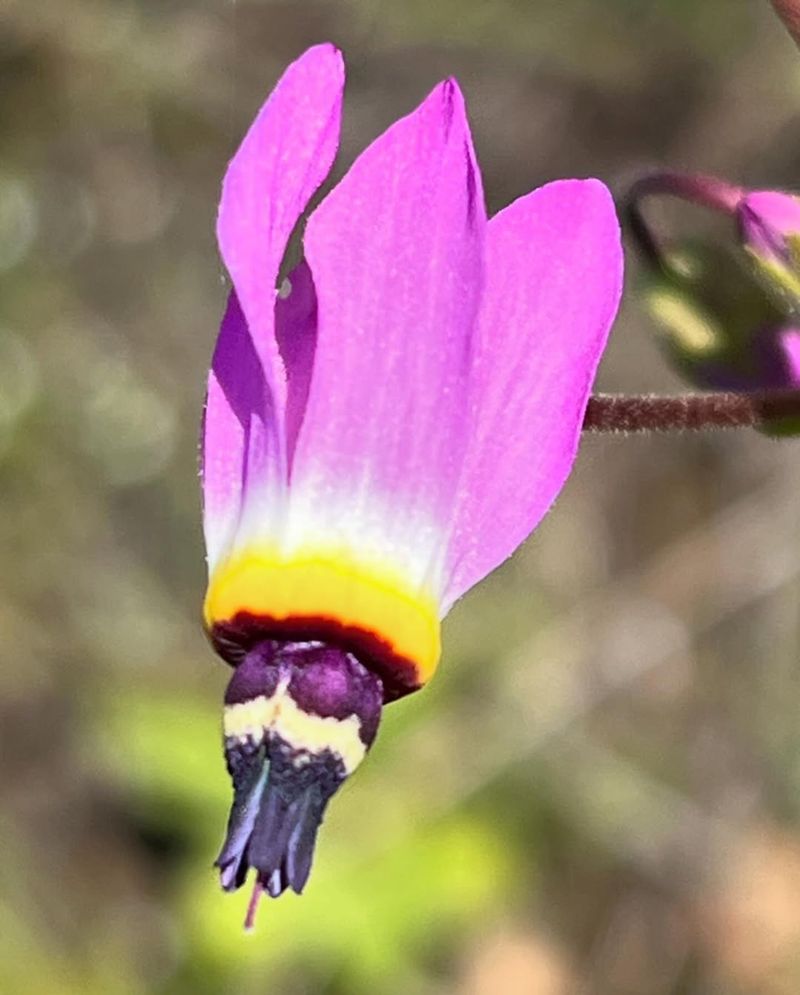
Shooting Star looks exactly like its name suggests: a flower that appears to be rocketing through the sky.
The swept-back magenta to pink petals and pointed yellow-tipped center give each bloom a dynamic, mid-flight appearance that is unlike almost any other wildflower.
Oregon’s native species, Dodecatheon hendersonii, is one of the most visually exciting plants you can add to your garden.
In the wild, Shooting Star grows in moist meadows, open woodlands, and grassy hillsides across Oregon and the Pacific Northwest. In your backyard, it does best in partial shade with moist to seasonally wet soil.
It blooms from March through May, then goes completely dormant by midsummer as the soil dries out. That summer dormancy is completely normal, so do not be alarmed when the foliage disappears.
Plant it alongside other spring bloomers that will fill in the space after it goes dormant, like ferns or summer-blooming perennials. Native bumblebees are the primary pollinators of Shooting Star, using a buzz pollination technique to release the pollen.
Growing it from seed takes patience, as it can take several years to bloom. But for gardeners who love a wildflower with personality and drama, Shooting Star is absolutely worth the wait in any Oregon backyard.
12. Pacific Aster
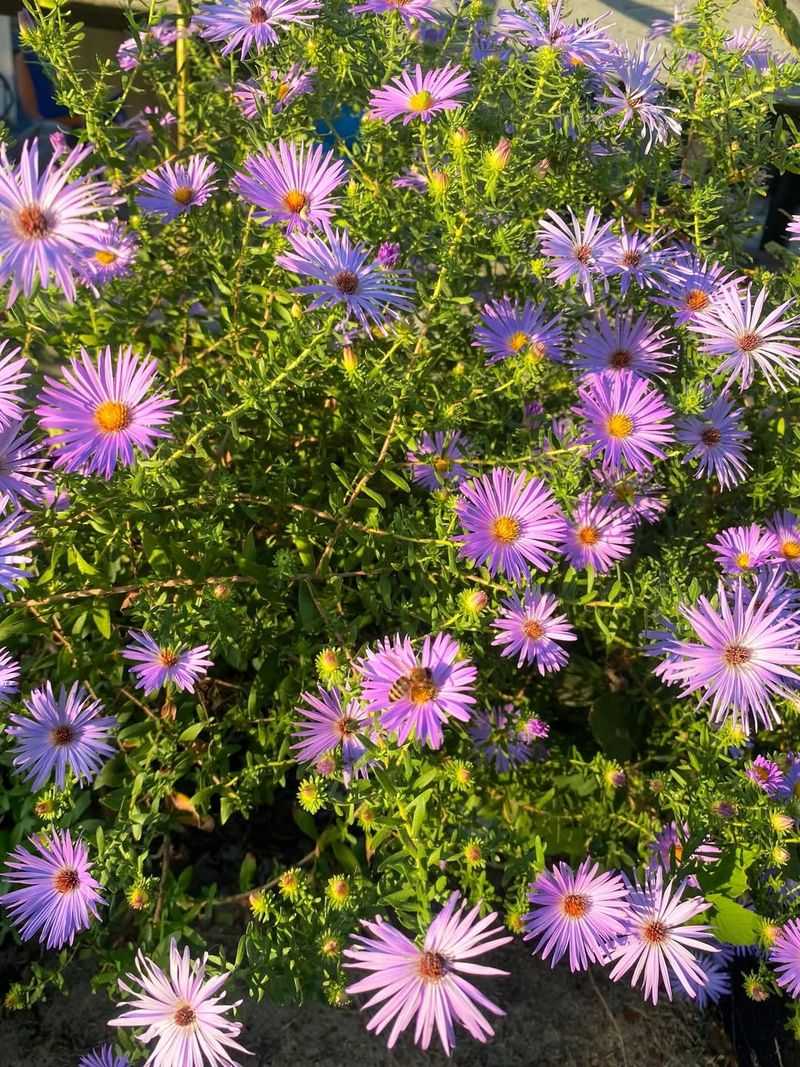
When most garden flowers are winding down for the season, Pacific Aster is just hitting its stride.
This cheerful native wildflower, known as Symphyotrichum chilense, blooms from late summer into fall, covering itself in lavender-purple daisy-like flowers with bright yellow centers.
It is one of the most valuable late-season plants for pollinators in Oregon.
Pacific Aster grows naturally in coastal bluffs, meadows, and roadsides throughout Oregon and the Pacific Northwest.
In a home garden, it adapts well to a range of conditions, doing fine in full sun to partial shade and tolerating both moist and somewhat dry soils.
It grows two to four feet tall and spreads into a full, bushy clump over time. Blooms typically appear from August through October.
Monarch butterflies, native bees, and many other pollinators rely on late-blooming plants like Pacific Aster to fuel up before cooler weather arrives. Planting it gives your backyard a critical role in supporting the fall migration cycle.
It also pairs beautifully with goldenrod and other fall-blooming natives for a warm, autumnal color palette.
Pacific Aster is easy to grow from nursery plants or seeds and requires minimal care once established, making it a fantastic finishing touch to any Oregon wildflower garden.