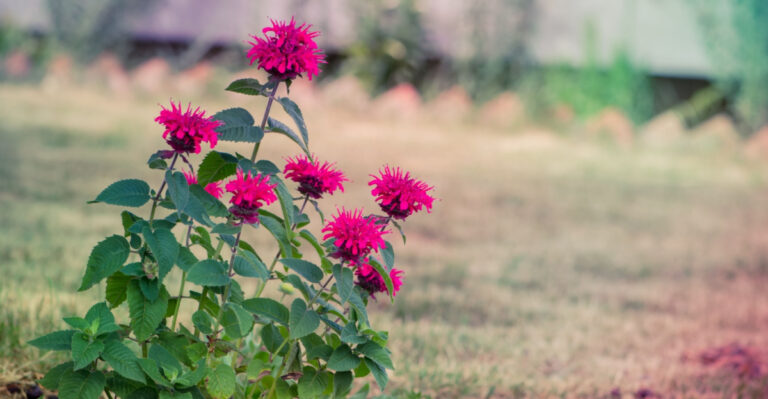
9 Beautiful Plants To Grow Instead Of Roses In Ohio
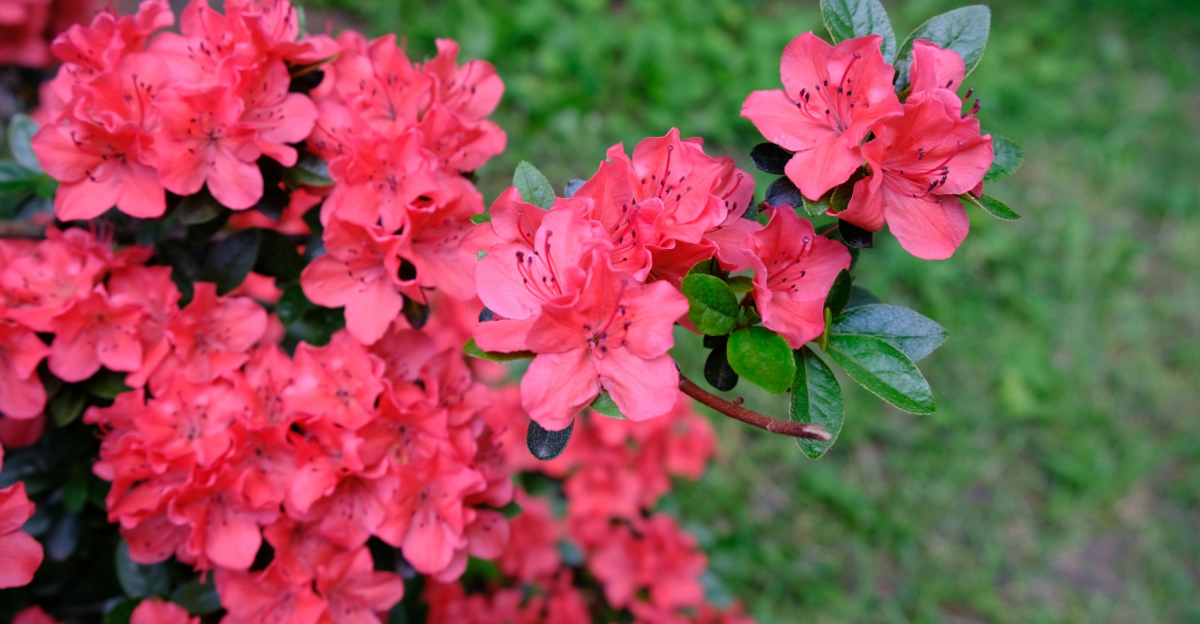
Roses get all the glory, but in Ohio, they are not always the easiest path to a beautiful garden. Between disease pressure, fussy care, and weather swings that can leave them looking rough, plenty of gardeners start wondering if the payoff is really worth it.
The good news is that you do not need roses to create a yard packed with color, charm, and standout blooms. In fact, some of the most impressive plants for Ohio gardens offer the same romantic feel with far less trouble.
Some bring long bloom seasons. Some deliver bold texture, fragrance, or pollinator appeal that roses cannot match.
Others simply handle Ohio conditions with a lot more grace. That is where smart plant choices can completely change the game.
Swap high-maintenance rose bushes for stronger performers, and your garden can still look lush, vibrant, and full of personality without turning into a constant upkeep project.
1. Peonies Bring The Big Romantic Blooms Roses Wish They Had
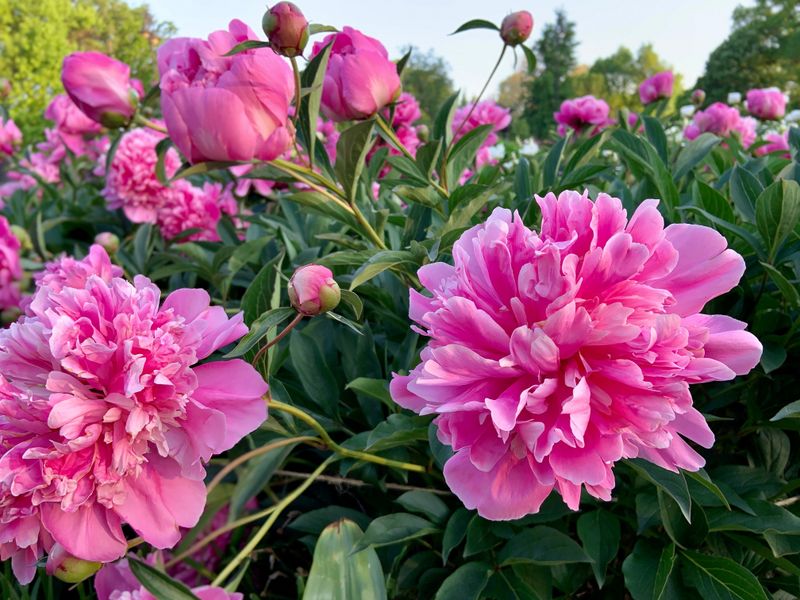
Few flowers in the garden world match the sheer drama of a peony in full bloom. The blooms are enormous, layered, and often delightfully fragrant, arriving in shades of pink, red, white, and soft yellow each spring.
For Ohio gardeners who love the romantic look of roses but want something more dependable, peonies are a seriously compelling choice.
Planted in full sun with well-drained soil, peonies settle in quickly and can thrive in the same spot for decades, sometimes outlasting the gardener who planted them. They are largely pest- and disease-resistant compared to roses, and they rarely need much intervention once established.
Most varieties bloom in late May through early June in Ohio, which makes them a spectacular spring centerpiece.
The main trade-off is bloom season length. Peonies put on a breathtaking show for two to three weeks, then spend the rest of the season as a tidy mound of handsome foliage.
Pairing them with summer-blooming perennials fills any gap nicely. Mature plants typically reach two to four feet tall and wide.
Avoid planting them too deep, since burying the eyes more than two inches below the soil surface can prevent blooming. That is the one rule peonies really insist on.
2. Smooth Hydrangea Keeps Ohio Gardens Full And Fresh All Summer
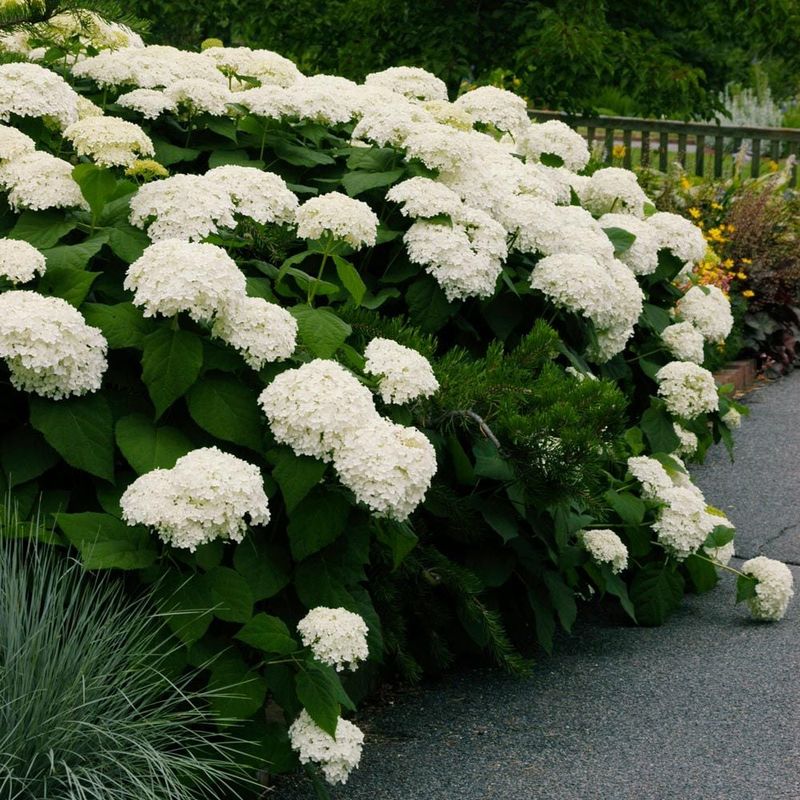
Picture a shrub so loaded with blooms that the stems bend slightly under the weight of the flowers. That is smooth hydrangea at its summer peak, and it is one of the most reliably stunning plants you can grow in Ohio.
The native species Hydrangea arborescens, especially the popular cultivar Annabelle, produces enormous white flower clusters that can reach twelve inches across.
Unlike roses, smooth hydrangea asks for very little in return for its generous display. It tolerates a wide range of soil types, bounces back quickly from harsh winters, and blooms on new wood, so even if stems get knocked back in a tough Ohio winter, fresh growth in spring brings fresh flowers in summer.
It performs best in full sun to part shade, and consistent moisture helps it look its best during hot stretches.
Mature shrubs typically reach three to five feet tall and wide, making them ideal for borders, foundation plantings, or massed groupings. The blooms age gracefully from creamy white to soft green and parchment tones as summer winds down, giving the plant multi-week appeal.
Cutting spent flowers back in late winter or early spring keeps plants tidy and encourages a strong new flush of growth. No thorns, no spraying schedule, no drama.
3. Virginia Sweetspire Adds Fragrance Fall Color And Easy Charm
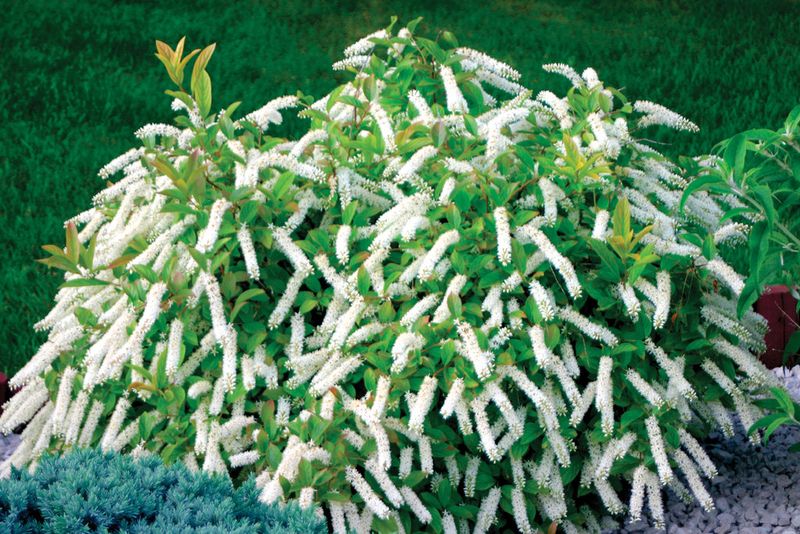
Not every garden star gets the attention it deserves, and Virginia sweetspire is a perfect example. This graceful native shrub produces arching stems lined with small, sweetly fragrant white flower spikes in late spring to early summer, creating a soft and romantic effect that pairs beautifully with perennials and other shrubs.
The scent is gentle and pleasant, making it a lovely choice near patios or walkways.
What makes sweetspire especially valuable in Ohio landscapes is what happens after the flowers fade. The foliage transitions through shades of orange, red, and burgundy in autumn, delivering one of the most reliable and vivid fall color displays of any native shrub.
Even in part shade, the fall color holds up impressively well.
Virginia sweetspire, known botanically as Itea virginica, adapts to a wide range of conditions including moist soils and low-lying areas where other shrubs struggle. It grows naturally along stream banks and woodland edges, so it handles Ohio’s variable spring moisture without complaint.
Most cultivars stay compact, reaching three to five feet tall and wide, with some dwarf selections staying even smaller. It spreads slowly by suckers, forming a tidy colony over time.
For gardeners who want beauty in every season without fighting their plants, this shrub is genuinely hard to beat.
4. Eastern Ninebark Brings Flowers Texture And Four Season Interest
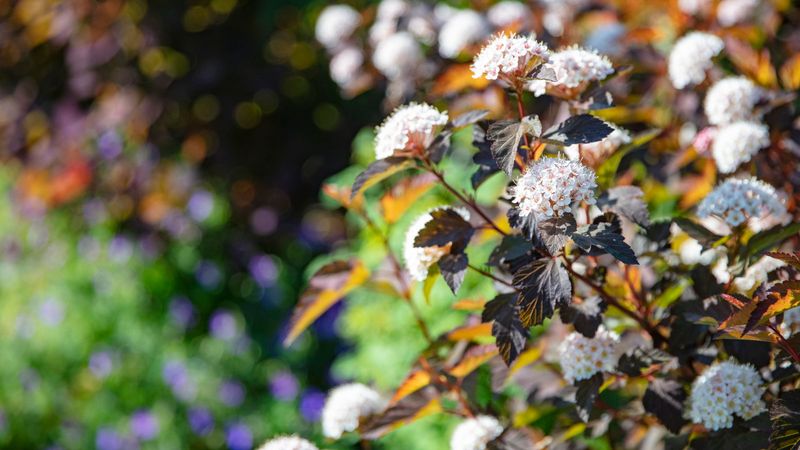
Some plants earn their place in the garden with one spectacular moment. Eastern ninebark earns its place every single month of the year.
This tough native shrub, Physocarpus opulifolius, offers clusters of small white to pinkish flowers in late spring, attractive foliage that varies from green to deep burgundy depending on the cultivar, and peeling bark that adds visual interest even in the depths of winter.
Compared to roses, ninebark is remarkably low-maintenance. It tolerates a range of soil types including clay, handles both dry and moist conditions once established, and bounces back from hard pruning with enthusiasm.
Popular cultivars like Diablo and Summer Wine offer rich purple-red foliage that makes a bold statement in mixed borders or as a hedge. Full sun brings out the richest leaf color, though part shade is tolerated.
Mature plants vary by cultivar but often reach six to ten feet tall in Ohio gardens, so site selection matters. Compact varieties stay more manageable at three to five feet.
The seed clusters that follow flowering attract birds in late summer and fall, adding another layer of seasonal interest. For gardeners who want a plant that looks good in June and still earns its space in February, eastern ninebark is a smart, hardworking, and genuinely beautiful choice.
5. Bottlebrush Buckeye Makes Shade Gardens Feel Anything But Boring
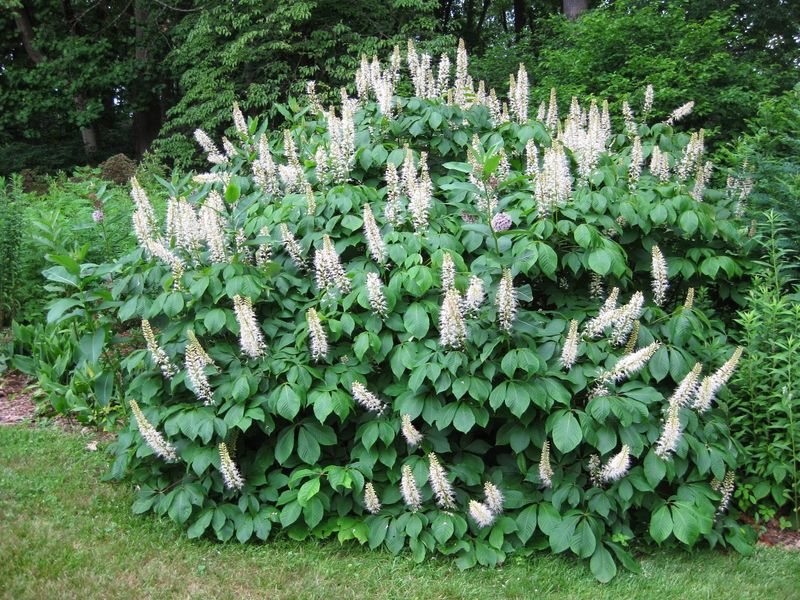
Shaded corners of Ohio gardens often get treated as afterthoughts, filled with the same old hostas year after year. Bottlebrush buckeye, Aesculus parviflora, completely rewrites that story.
This bold native shrub produces dramatic, upright flower spikes that can reach twelve to eighteen inches tall, covered in hundreds of tiny white flowers with long pink-tipped stamens. The effect is striking, almost tropical, and nothing like what you would expect from a shade plant.
Blooming in mid to late summer when many other shrubs have finished their show, bottlebrush buckeye fills a valuable gap in the garden calendar. The large, compound leaves create a lush, tropical texture that reads as luxurious even when the plant is not in flower.
It spreads slowly by suckering to form a wide colony, so it works best in larger landscapes or naturalized areas where it has room to expand.
Mature plants typically reach eight to twelve feet tall and can spread considerably wider over time. It prefers part shade to full shade and moist, organic-rich soil, making it an ideal fit for Ohio woodland gardens or the shaded north side of a house.
This is not a plant for tight urban spaces, but for gardeners with room to let it roam, bottlebrush buckeye delivers a level of drama that no rose could match in low light.
6. Oakleaf Hydrangea Delivers Bold Blooms And Stunning Fall Leaves
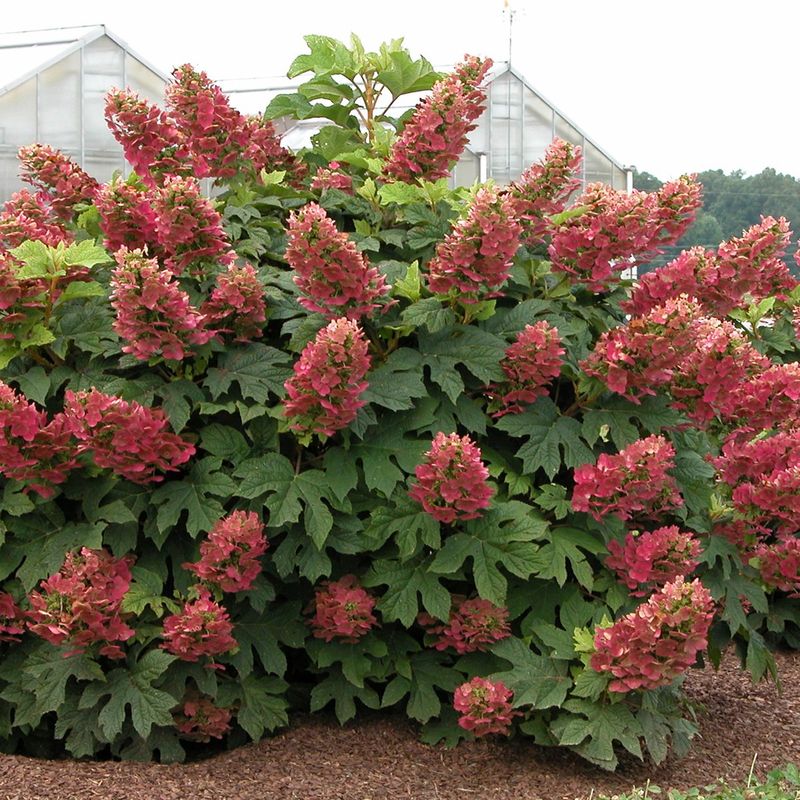
Bold, architectural, and loaded with seasonal interest, oakleaf hydrangea is one of the most rewarding shrubs you can plant in an Ohio garden. Hydrangea quercifolia produces large, cone-shaped flower panicles in early to mid-summer that open creamy white and age to parchment and rose-blush tones over several weeks.
The flowers dry beautifully on the plant, extending their visual interest well into autumn and even winter.
The foliage is equally impressive. Large, deeply lobed leaves that resemble oak leaves turn rich shades of orange, burgundy, and deep red in fall, rivaling the best of the season’s color show.
The peeling cinnamon-brown bark provides texture and warmth during winter when the garden is otherwise bare. Few shrubs check as many seasonal boxes as this one.
Oakleaf hydrangea blooms on old wood, so avoid heavy pruning in fall or early spring. It performs best in part shade to full sun with consistent moisture and well-drained soil.
In full sun, it may need supplemental watering during dry Ohio summers. Mature plants typically reach six to eight feet tall and wide, so give it space to develop its full form.
For gardeners who want a bold, multi-season presence with less maintenance than roses demand, this hydrangea is a genuinely excellent investment in long-term garden beauty.
7. Dwarf Fothergilla Packs Spring Flowers And Fiery Autumn Color
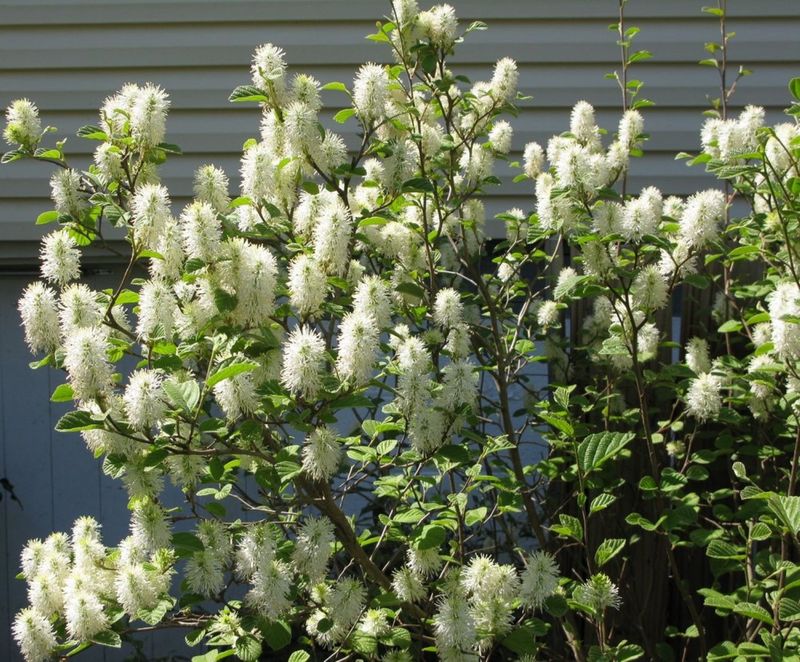
Early spring in Ohio can feel slow to arrive, which makes any plant that blooms before most others feel like a small miracle. Dwarf fothergilla, Fothergilla gardenii, is exactly that kind of plant.
Before the leaves even fully emerge, this compact native shrub covers itself in small, honey-scented bottlebrush flowers in creamy white. The fragrance is soft and sweet, carrying pleasantly on cool spring air.
Beyond its spring performance, fothergilla earns its keep with one of the most reliable and vibrant fall color displays of any small shrub. Leaves shift through yellow, orange, and deep red simultaneously, often displaying all three colors at once on a single plant.
The effect is genuinely stunning and rivals much larger fall-color trees in terms of intensity.
Dwarf fothergilla typically stays between two and three feet tall and wide, making it a perfect fit for smaller Ohio gardens, mixed borders, or foundation plantings where scale matters. It prefers acidic, moist, well-drained soil and performs best in full sun to part shade, with richer fall color in sunnier spots.
Unlike roses, it needs no deadheading, no spray program, and no significant pruning to look its best. For gardeners who want something refined, fragrant, and genuinely four-season, this compact native shrub is an exceptional choice that rarely disappoints.
8. Common Lilac Still Owns Spring With Its Classic Fragrance
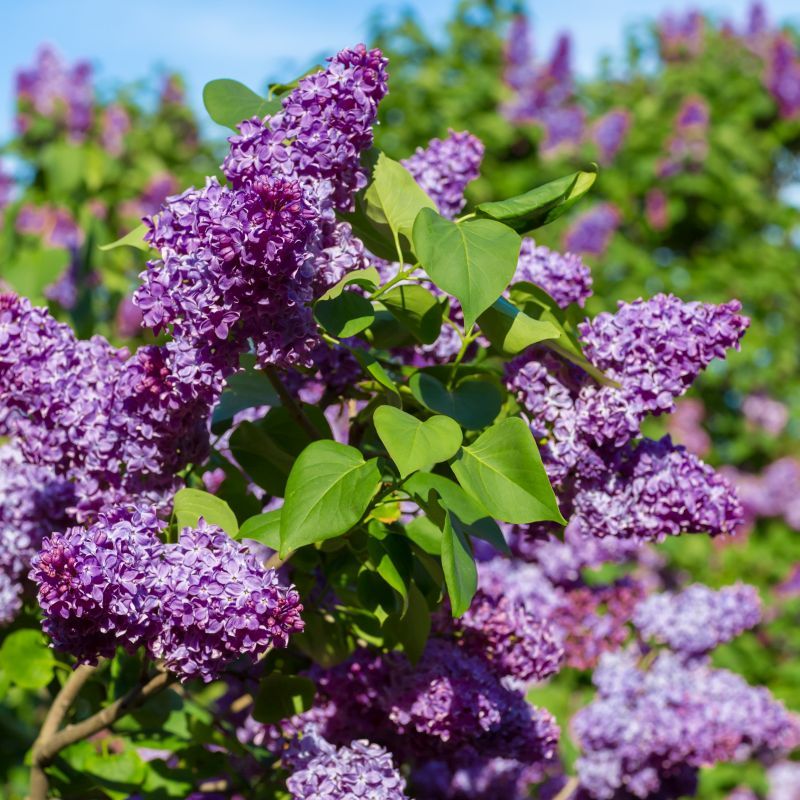
There is a particular kind of spring morning when the air smells like lilacs and everything feels right with the world. Few plants are more deeply woven into the memory of Ohio gardens than the common lilac, Syringa vulgaris, and for good reason.
Its dense, cone-shaped flower clusters in shades of purple, lavender, white, and blush pink deliver a fragrance that is simply unmatched in the spring garden. No rose comes close to that iconic scent.
Lilacs are long-lived and surprisingly tough once established. They thrive in full sun with good air circulation, which is an important detail because crowded conditions can encourage powdery mildew on the foliage.
Well-drained, slightly alkaline soil suits them best, and Ohio’s naturally moderate soil pH works in their favor. Bloom time is typically mid to late May in most parts of the state.
Mature lilacs can reach eight to fifteen feet tall depending on the cultivar, so they work best as specimen plants, informal hedges, or background shrubs rather than tight foundation plantings. The bloom season is short, usually lasting two to three weeks, but the impact is enormous.
Deadheading spent flowers and thinning old wood every few years keeps plants vigorous. For gardeners who prioritize fragrance and nostalgic charm over long bloom seasons, lilacs remain one of the most satisfying plants Ohio soil can grow.
9. Native Azalea Lights Up Ohio Gardens With Brilliant Color
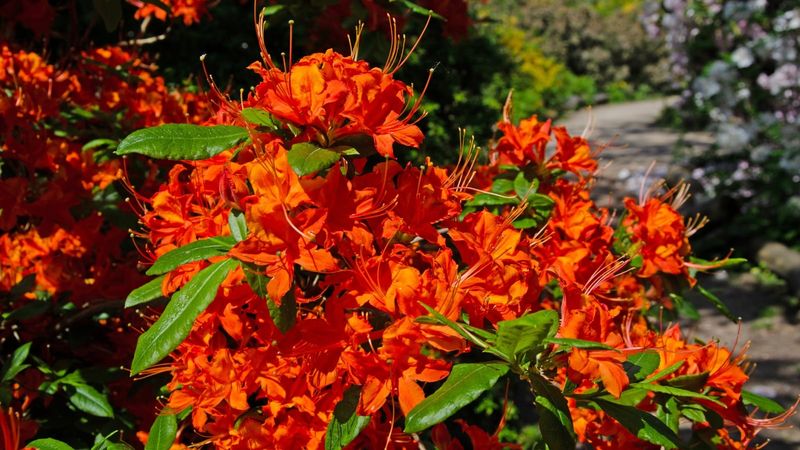
Vivid, unexpected, and wildly beautiful, native azaleas are among the most exciting flowering shrubs available to Ohio gardeners. Unlike the evergreen Asian azaleas commonly sold at big-box stores, native species such as flame azalea (Rhododendron calendulaceum) and roseshell azalea (Rhododendron prinophyllum) are deciduous, cold-hardy, and perfectly suited to Ohio’s climate.
They produce clusters of tubular flowers in blazing shades of orange, yellow, coral, pink, and soft white, creating a display that stops people in their tracks.
Native azaleas prefer acidic, well-drained, organic-rich soil and perform best in light to moderate shade, mimicking their natural woodland habitat. They do not tolerate heavy clay, wet feet, or full blazing sun without protection, so site selection is genuinely important.
A woodland garden edge, the north or east side of a building, or beneath the filtered canopy of tall trees gives them the conditions they need to thrive.
Most native azalea species bloom in May in Ohio, with some extending into early June. Plants are generally moderate in size, reaching four to eight feet tall depending on species and growing conditions.
They support native pollinators beautifully, including specialist bees and hummingbirds. For gardeners who want something showy, ecologically valuable, and completely different from the predictable rose bed, native azaleas offer a breathtaking woodland alternative with real staying power.