8 Beautiful Plants You Can Easily Propagate From Cuttings In Arizona
Some plants in Arizona gardens do more than just grow well. They also make it incredibly easy to create new plants without buying anything new.
With just a simple cutting from a healthy stem, many plants will quickly develop roots and start growing into a brand new plant.
That is one reason propagation has become so popular among Arizona gardeners. It saves money, fills empty spots in the garden, and lets favorite plants multiply surprisingly fast.
A single plant can turn into several within one growing season.
Many Arizona-friendly plants root easily from cuttings, especially when temperatures start warming up.
With a little patience and the right conditions, those small cuttings can soon turn into strong, thriving plants ready for containers, garden beds, or sharing with friends.
1. Bougainvillea Cuttings Root Easily In Arizona’s Warm Climate
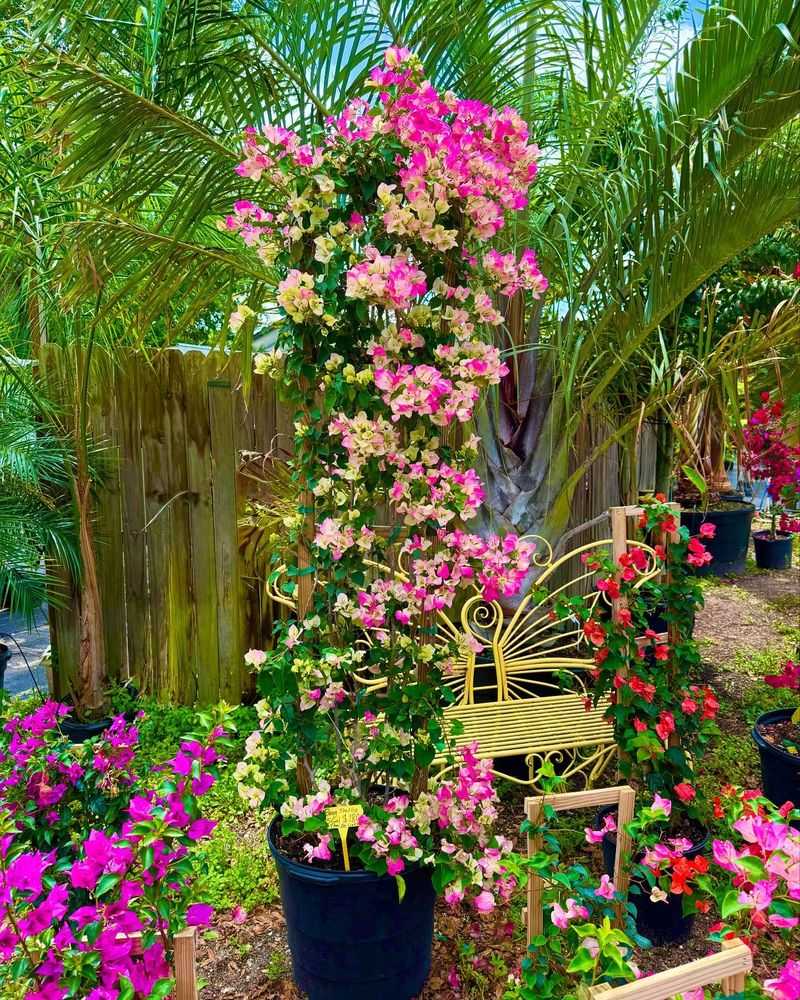
Nothing says Arizona like a wall covered in blazing bougainvillea. Luckily, propagating this stunner is way easier than most people think.
Grab a semi-hardwood cutting about six inches long from a healthy branch, ideally in late spring or early summer when the plant is actively growing.
Strip the lower leaves off, leaving just a couple at the top. Dip the cut end in rooting hormone powder — you can find it at any local nursery — then push it a few inches into a well-draining mix of perlite and potting soil.
Keep the soil barely moist, not soggy.
Arizona’s warm temperatures actually speed up the rooting process significantly. Place your pot somewhere it gets bright light but not harsh afternoon sun while roots develop.
Within four to six weeks, you should see new growth starting, which means roots are forming below the surface.
Bougainvillea is surprisingly forgiving during propagation as long as you avoid overwatering. Roots rot fast in wet soil, so err on the dry side.
Once your cutting has a solid root system, move it to a sunnier spot and watch it take off. Arizona’s heat and sunshine are exactly what bougainvillea craves, so a well-rooted cutting can grow into a full, flowering plant within a single season.
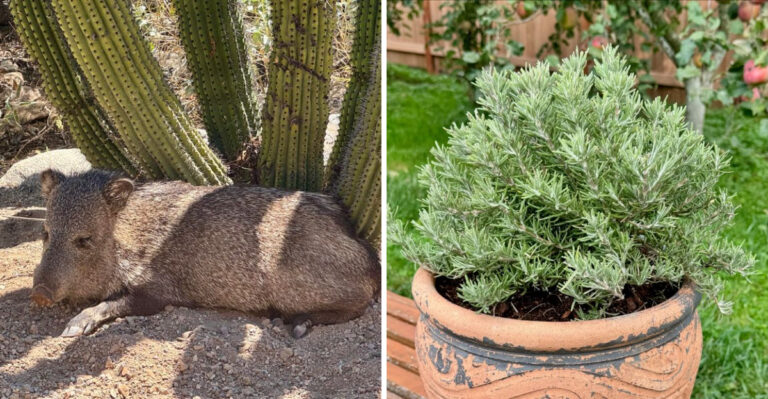
2. Rosemary Grows Quickly From Simple Stem Cuttings
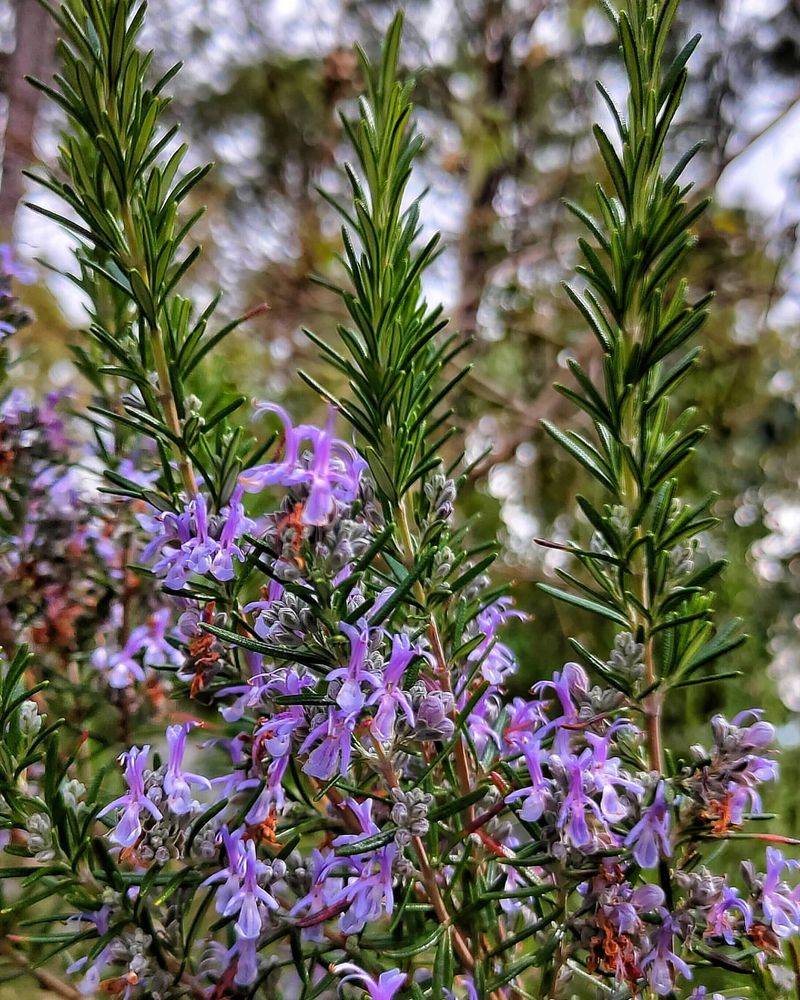
Rosemary is practically made for Arizona. It handles the heat, tolerates drought, and smells incredible every time you brush past it.
Better yet, a single established plant in your yard can give you dozens of free cuttings to root and share with neighbors or fill in bare spots in your garden.
Cut a four to six inch piece from the soft, newer growth at the tips of the plant. Avoid the woody older stems — they root much more slowly.
Pull off the leaves from the bottom two inches, then either place the cutting in a glass of water near a bright window or stick it directly into a sandy, well-draining potting mix.
Water propagation works surprisingly well with rosemary and lets you watch the roots develop, which is oddly satisfying. Change the water every couple of days to keep things fresh.
Roots usually show up within two to three weeks, especially during Arizona’s warmer months.
Once roots are an inch or two long, pot the cutting up in a gritty, fast-draining soil mix. Rosemary hates sitting in wet soil, so good drainage is non-negotiable in Arizona’s heavier clay soils.
Plant it somewhere it gets at least six hours of direct sun daily, and within a few months you will have a full, bushy herb ready to harvest for cooking or landscaping.
3. Lantana Cuttings Establish Fast In Warm Soil
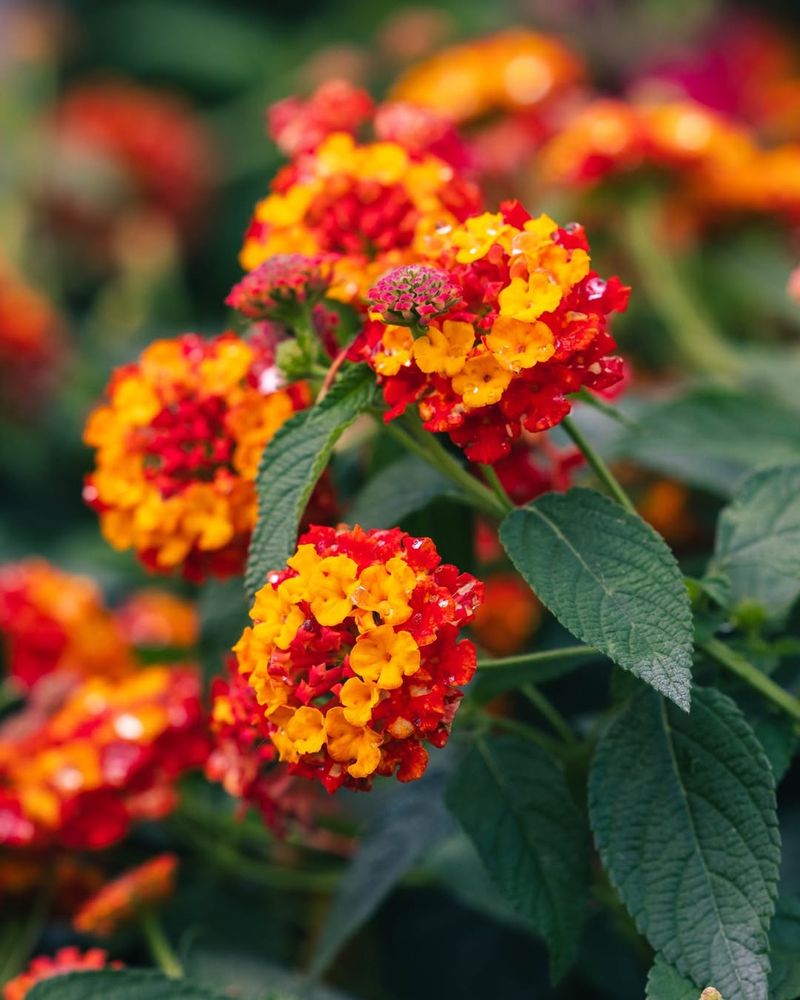
Lantana is one of those plants that practically begs to be propagated. Cut a few stems, stick them in soil, and Arizona’s warmth does most of the work for you.
Few plants respond this quickly to propagation, which is why you see lantana in so many Phoenix and Tucson yards.
Take softwood cuttings about four to five inches long from the tips of healthy stems. Remove the bottom leaves and any flower buds — you want the plant’s energy going into root production, not blooming.
A light dip in rooting hormone helps speed things along, though lantana often roots fine without it.
Plant your cuttings in a mix of potting soil and perlite, water them in gently, and set them in a spot with bright but indirect light. Full afternoon sun can stress unrooted cuttings in Arizona’s intense summer heat, so a bit of shade during the hottest part of the day makes a real difference.
Roots typically develop within three to four weeks. You can test by giving the cutting a very gentle tug — resistance means roots are forming.
After rooting, lantana adapts quickly to Arizona’s full sun and dry conditions. It attracts butterflies and hummingbirds, handles reflected heat from walls and pavement, and blooms from spring well into fall across most of Arizona’s lower elevations.
4. Geranium Stems Root Easily In Pots Or Garden Beds
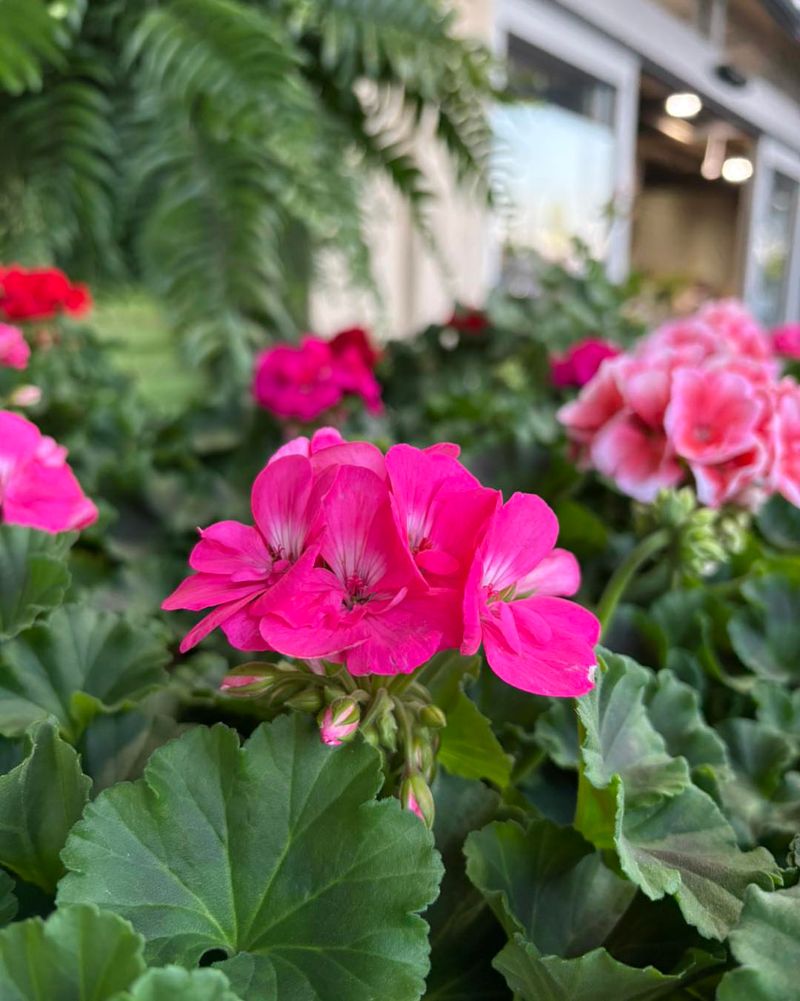
Ask any experienced Arizona gardener about geraniums and they will tell you the same thing — these plants practically propagate themselves.
A healthy stem cutting can go from snipped to rooted in under three weeks, which makes them one of the most beginner-friendly plants to multiply in the state.
Snip a stem about four to five inches long, cutting just below a leaf node. Let the cutting sit out in a shaded spot for a few hours before planting — this allows the cut end to callous slightly, which actually reduces the chance of rot.
Remove the lower leaves and any blooms before sticking the stem into moist potting soil.
Unlike some plants, geraniums do not need rooting hormone to get started. They root reliably in regular potting mix, a perlite blend, or even directly in a garden bed during Arizona’s milder seasons.
Keep the soil evenly moist but never waterlogged.
Spring and fall are ideal times to propagate geraniums in Arizona since the temperatures are gentler.
During summer, move cuttings to a shaded patio or covered area to protect them from the brutal afternoon heat.
Geraniums come in so many colors and leaf shapes that rooting a few different varieties lets you create a really colorful container garden or border without spending a dime at the nursery.
5. Jade Plant Cuttings Develop Roots With Very Little Effort
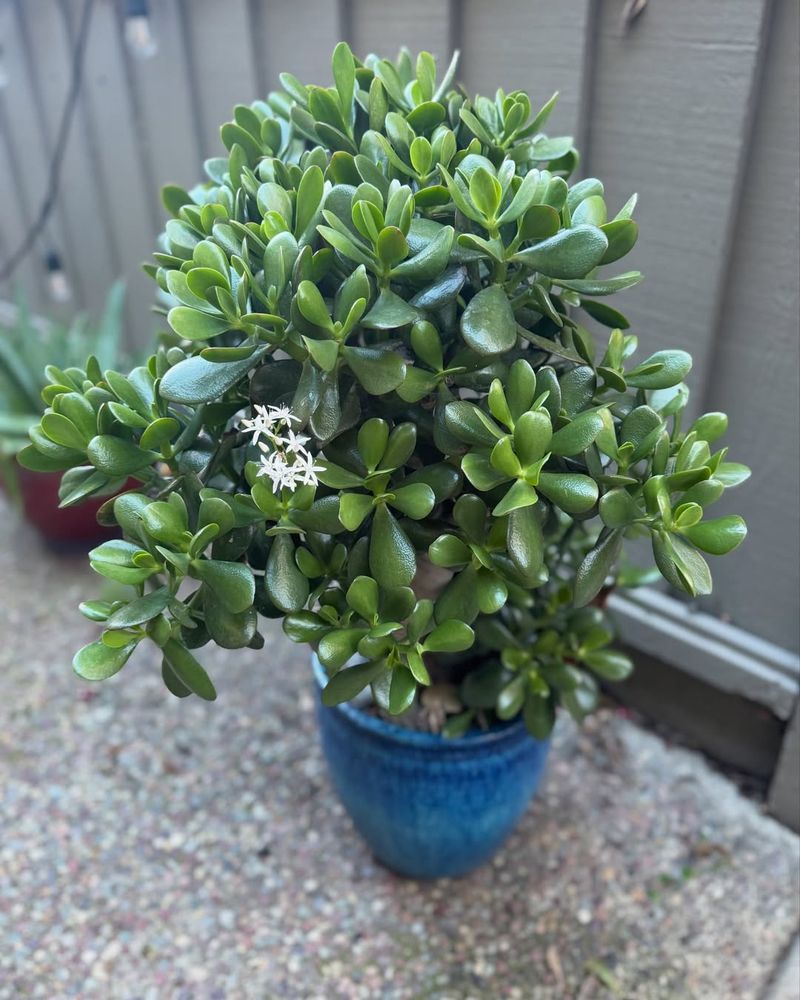
Jade plants are almost embarrassingly easy to propagate. Snap off a healthy stem, let it sit on a dry surface for a day or two, then set it in some gritty cactus mix — and that is genuinely most of the work.
Arizona’s dry indoor air actually helps the cut end callous faster, which is exactly what jade cuttings need before they hit soil.
You can propagate jade from either stem cuttings or individual leaves. Stem cuttings are faster and more reliable, so start there.
Choose a stem that is a few inches long with at least two or three sets of leaves. After the callousing period, plant the cut end about an inch deep in dry cactus soil and wait a few days before watering for the first time.
Overwatering is the number one mistake people make with jade cuttings. Water sparingly — every ten to fourteen days is plenty while roots are establishing.
Place the pot in bright indirect light near a south or east-facing window.
Roots typically form within three to four weeks, and new leaf growth signals that the cutting has successfully rooted. Jade plants thrive in Arizona’s warm, dry indoor environment and can eventually grow into impressive, long-lived houseplants.
Propagating extras makes a thoughtful gift for friends and family around the state who want a nearly indestructible, beautiful succulent for their home.
6. Aloe Vera Offsets And Cuttings Grow Into New Plants Quickly
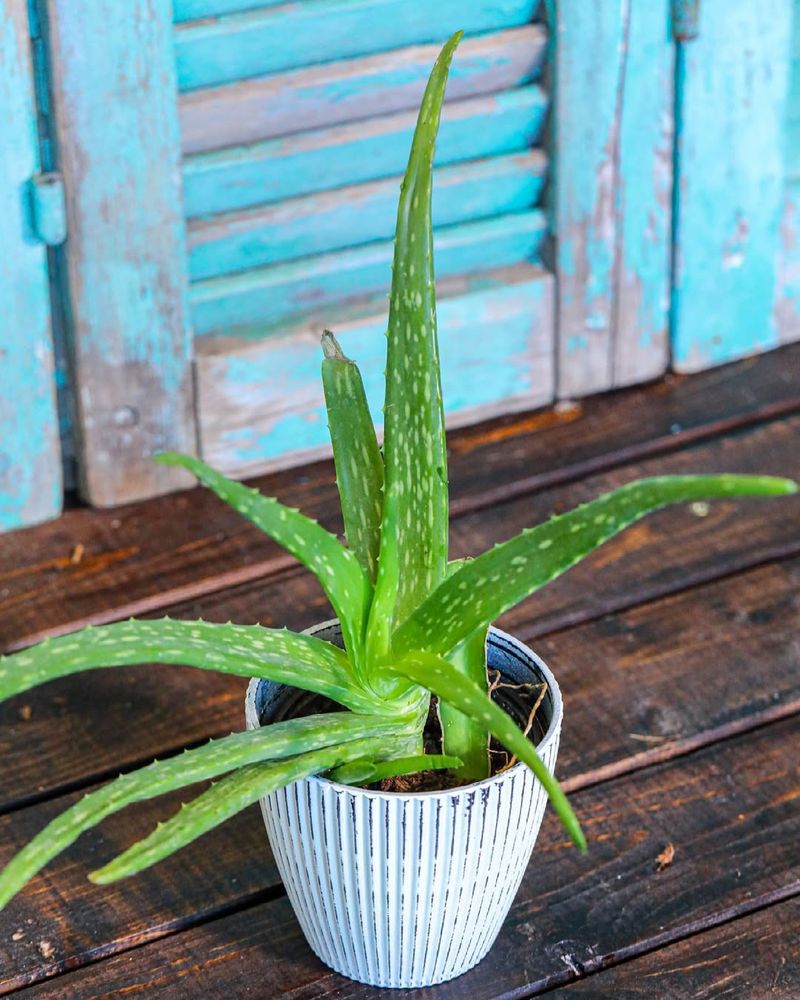
Aloe vera practically multiplies on its own in Arizona. Walk past a mature plant and you will almost always find a cluster of baby pups growing around the base, each one ready to become a new plant with almost zero effort on your part.
Separating and replanting these offsets is one of the simplest propagation methods in the garden.
Use a clean, sharp knife or trowel to separate a pup from the mother plant, making sure it has some roots attached. Let it dry in the shade for a day or two before potting it up in a sandy, fast-draining cactus mix.
Planting in wet soil before the wound calloused can cause the base to rot, so patience during this step matters.
Place the newly potted offset in bright, indirect light for the first week, then gradually move it into full sun. Arizona’s intense sunlight can bleach or stress a freshly transplanted aloe, so a slow transition helps.
Water sparingly for the first month while the root system establishes itself in the new container.
Aloe vera thrives in Arizona’s warm, dry climate and needs very little attention once settled. Beyond being beautiful, it is genuinely useful — the gel inside the leaves soothes minor burns and skin irritation.
Propagating several plants means you always have one on hand when you need it, and extras make wonderful gifts for neighbors across the Valley.
7. Pothos Cuttings Root Easily In Water Or Soil Indoors
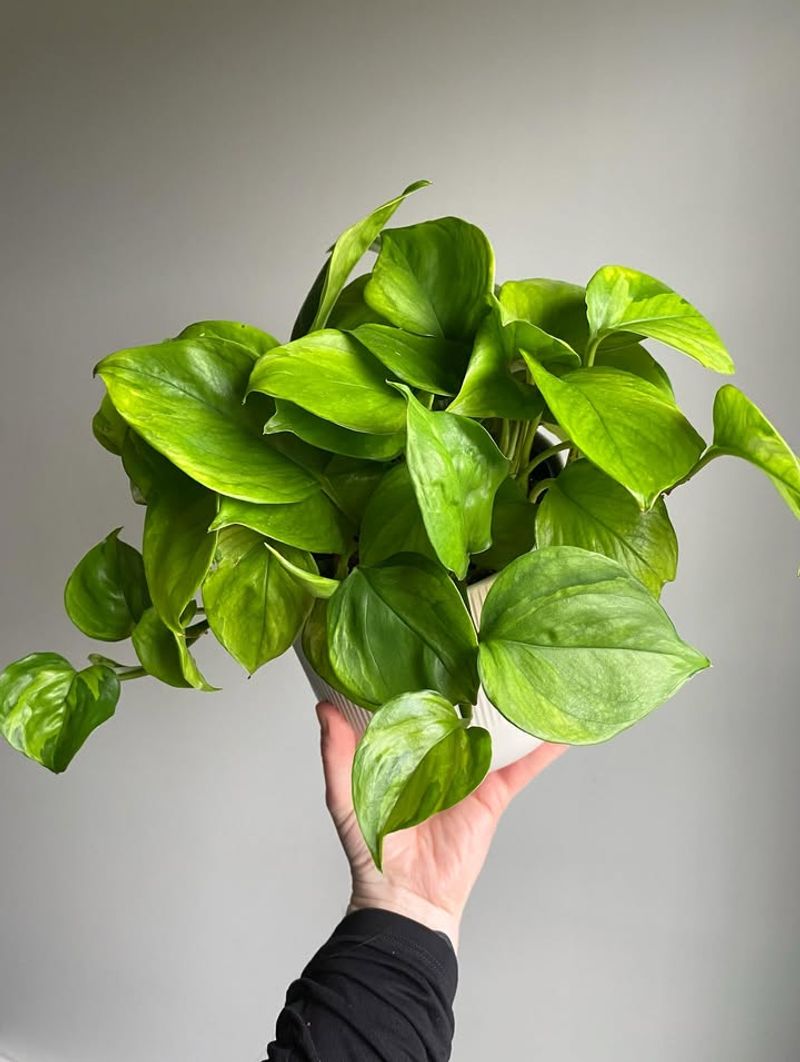
Pothos might be the single easiest plant to propagate on this entire list. Snip a stem just below a node, drop it in a jar of water, set it on a windowsill, and roots appear within days.
Seriously — days, not weeks. Arizona’s warm indoor temperatures make pothos cuttings root even faster than they would in cooler climates.
Each cutting should have at least one node, which is the small brown bump where roots emerge. A few leaves are fine, but remove any that would sit below the waterline to prevent them from rotting.
Bright indirect light is all pothos needs — a north or east-facing window works perfectly in most Arizona homes.
Change the water every few days to keep it fresh and oxygenated. Within one to two weeks you will have visible roots, and by week three or four those roots are long enough to transfer the cutting into a pot of regular potting mix.
Pothos adapts easily from water to soil as long as you keep the soil consistently moist for the first week or two after transplanting.
Indoors, pothos handles Arizona’s air-conditioned environments remarkably well. It tolerates low light and irregular watering once established in soil, making it a perfect plant for offices, apartments, and busy households throughout the state.
One long trailing vine can produce ten or more cuttings, giving you an endless supply of free plants to fill your space.
8. Coleus Cuttings Produce New Plants In Just A Few Weeks
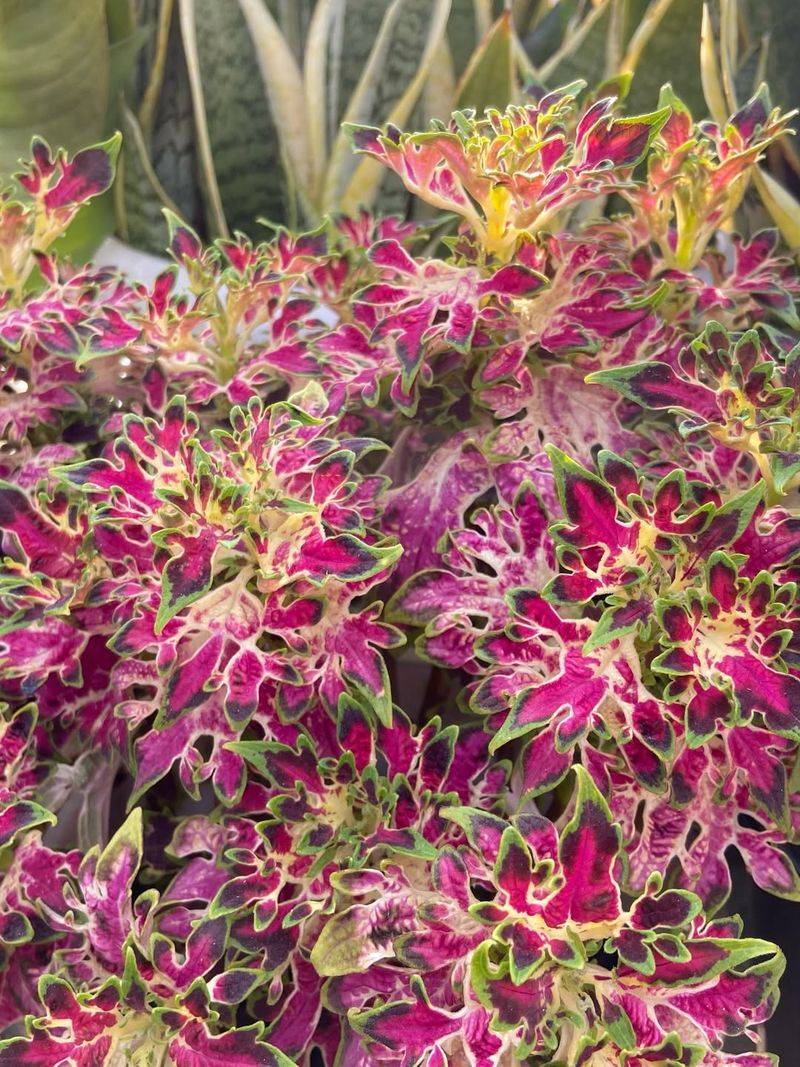
Coleus is the plant that makes you want to take cuttings the moment you see it. The leaf colors — deep purples, bright limes, fiery reds, and everything in between — are so vivid that filling a whole patio with propagated plants sounds like an excellent idea.
Good news: coleus cuttings root so fast and reliably that you can do exactly that.
Snip a stem about three to four inches long, cutting just below a node. Remove the bottom leaves and any flower spikes — pinching off flowers actually encourages bushier, more colorful growth.
Stick the cutting directly into moist potting soil or drop it into a glass of water. Both methods work well, though water rooting lets you monitor progress more easily.
In Arizona, coleus cuttings root best during spring and fall when temperatures are between 65 and 80 degrees.
Summer heat can stress cuttings quickly, so if you are propagating during monsoon season, keep them in a shaded, humid spot — under a covered patio or inside near a window works well.
Roots show up within one to two weeks in warm conditions.
Coleus prefers bright shade or filtered light rather than full Arizona sun, which can bleach and scorch the leaves. Use it to brighten shaded corners of your yard, covered patios, or indoor spaces.
With so many color combinations available, propagating coleus lets you create a genuinely unique garden display across your Arizona property without ever buying the same plant twice.