9 Beautiful Shrubs To Plant Instead Of Hydrangeas In Ohio
Hydrangeas once ruled Ohio landscapes, filling yards with oversized blooms and soft summer color. Lately, many gardeners crave something different.
Heavy flowers flop in rain, late frosts damage buds, and constant pruning steals weekend time. Across the state, homeowners search for shrubs that deliver bold beauty without delicate demands.
Ohio’s shifting seasons call for plants that handle humid summers, surprise cold snaps, clay soil, and strong wind with confidence. Fresh choices now rival hydrangeas in color, texture, and impact while offering stronger stems and longer lasting appeal.
From vibrant spring displays to rich fall foliage, these shrubs create layered interest through multiple seasons. Garden beds feel renewed, curb appeal rises, and maintenance drops.
Ready to refresh your landscape with standout alternatives that thrive in Ohio conditions?
1. Ninebark With Four Season Beauty
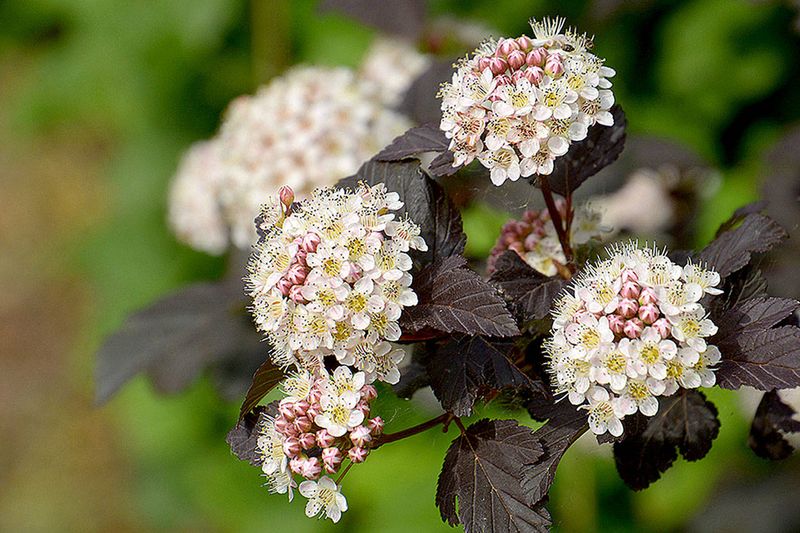
Few shrubs can match the year-round appeal and toughness that ninebark brings to Ohio landscapes. This native powerhouse adapts to almost any soil type, from heavy clay to sandy loam, making it perfect for our diverse growing conditions across the state.
The exfoliating bark creates winter interest with strips of reddish-brown peeling away to reveal lighter layers beneath.
Clusters of white or pink flowers appear in late spring, attracting beneficial pollinators to your garden. Cultivars like ‘Diablo’ offer deep purple foliage that holds its color through summer heat, while ‘Dart’s Gold’ provides bright chartreuse leaves that illuminate shady spots.
The plant typically reaches four to eight feet tall depending on variety.
Ohio State University Extension recommends ninebark for low-maintenance landscapes because it resists most pests and diseases. It tolerates both drought and occasional wet conditions once established.
The seedheads persist into winter, feeding birds when other food sources become scarce.
As a native species, ninebark supports local ecosystems without any risk of invasiveness. It works beautifully as a specimen plant, in mixed borders, or massed for screening.
Pruning is minimal, usually just removing old stems every few years to maintain vigor and shape.
2. Virginia Sweetspire With Graceful Blooms
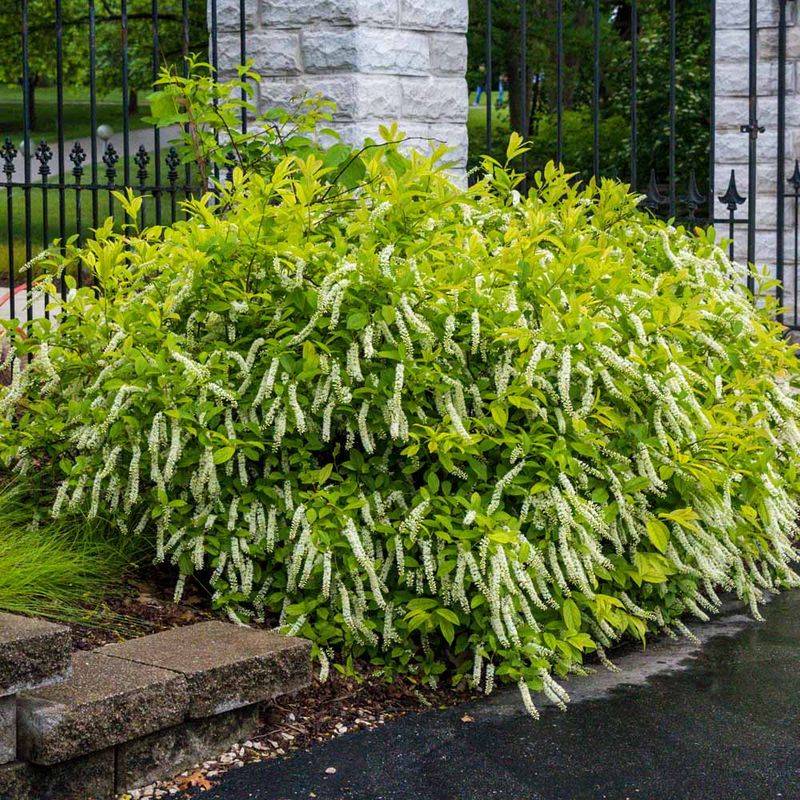
Arching branches covered in fragrant white flower spikes make Virginia sweetspire a showstopper in June and July when many other shrubs have finished blooming. The delicate, drooping racemes can stretch six inches long, creating an elegant waterfall effect that sways gently in summer breezes.
Bees and butterflies flock to these blooms, making your garden buzz with activity during peak pollinator season.
This Ohio native thrives in conditions where hydrangeas often struggle, particularly in spots with inconsistent moisture. It handles wet feet remarkably well, making it ideal for rain gardens or along stream banks.
Yet it also adapts to average garden soil with regular watering during establishment.
Fall transforms Virginia sweetspire into a blaze of brilliant red, orange, and burgundy foliage that rivals any burning bush. The color develops reliably even in partial shade and persists for several weeks.
Plants typically grow three to five feet tall with a rounded, spreading habit.
Ohio gardeners appreciate its resistance to deer browsing and its low-maintenance nature. It spreads slowly by suckers, forming attractive colonies over time without becoming aggressive.
The native status means it supports local wildlife while fitting naturally into woodland or naturalized garden designs throughout the state.
3. Summersweet Produces Fragrant Summer
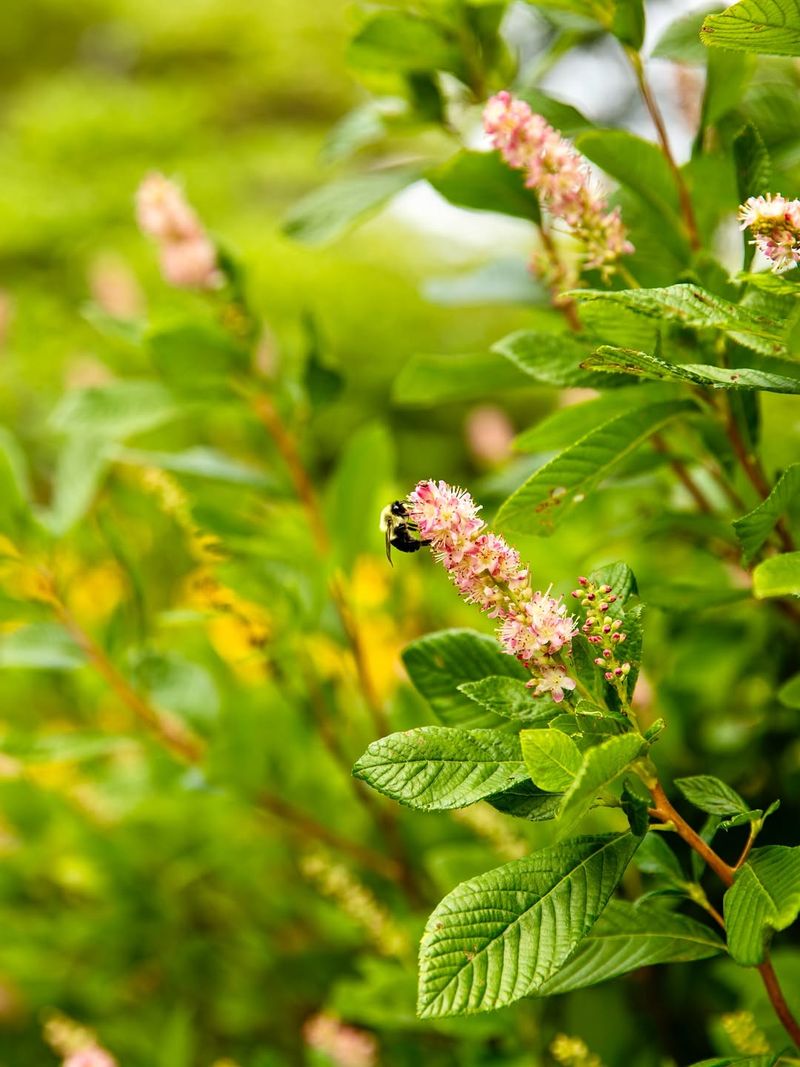
When July heat settles over Ohio gardens and many plants look tired, summersweet bursts into bloom with intensely fragrant white or pink flower spikes. The sweet, spicy scent carries across the yard, perfuming patios and drawing every pollinator from blocks around.
Hummingbirds, butterflies, and numerous bee species consider these late-season blooms essential food sources.
Shade tolerance sets summersweet apart from sun-loving hydrangeas, making it valuable for woodland edges or north-facing foundation plantings. It performs beautifully with just three to four hours of sunlight, though it blooms more heavily in brighter locations.
The glossy green foliage stays clean and attractive all season before turning golden yellow in autumn.
Native to eastern North America including Ohio wetlands, this shrub handles our clay soils and summer humidity without complaint. It prefers consistent moisture but tolerates short dry spells once roots are established.
Plants typically reach four to six feet tall with an upright, rounded form that fills space nicely.
Ohio State University Extension lists summersweet among top choices for low-maintenance landscapes because it rarely suffers from pests or diseases. It works wonderfully in mixed borders, alongside streams, or massed in naturalized areas.
The seedheads provide winter interest and food for small birds during cold months.
4. New Jersey Tea Is A Compact Native With White Blooms
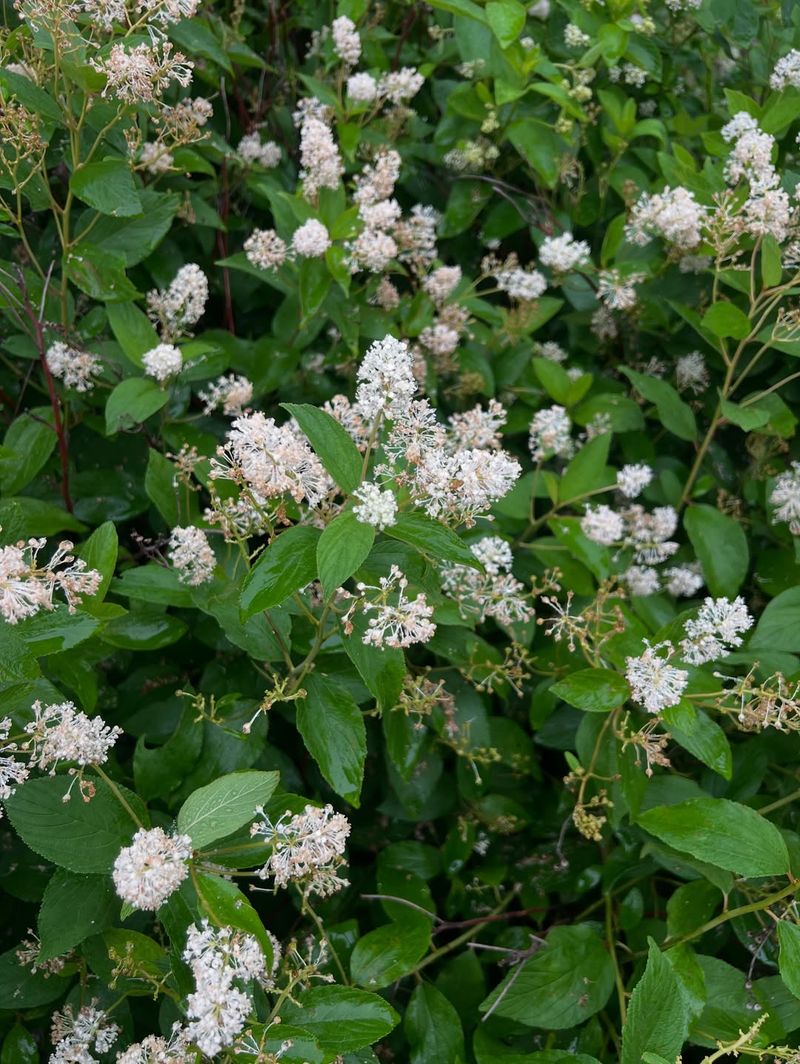
Compact size and drought tolerance make New Jersey tea an excellent choice for smaller Ohio gardens or challenging dry sites where larger shrubs would struggle. This native reaches just three feet tall and wide, creating a tidy mounded form perfect for front yards or perennial borders.
The small, oval leaves have a soft texture that contrasts nicely with bolder foliage plants.
Clusters of tiny white flowers cover the plant in June, creating a frothy appearance that attracts numerous native bees and butterflies. The blooms have a subtle sweet fragrance and continue opening over several weeks.
Despite the common name referencing tea, modern gardeners value it primarily for ornamental and ecological benefits rather than beverage use.
As a prairie native that once grew across Ohio’s grasslands, New Jersey tea handles heat, drought, and poor soils better than most flowering shrubs. It actually fixes nitrogen in the soil through root associations, improving growing conditions for neighboring plants.
The deep taproot makes it extremely drought-tolerant once established, though young plants need regular watering their first season.
This shrub works beautifully in rock gardens, native plant landscapes, or anywhere you need tough, low-maintenance beauty. It prefers full sun and well-drained soil, making it ideal for those sunny, dry spots where hydrangeas would languish during Ohio summers.
5. Buttonbush Has Unique Blooms For Pollinators
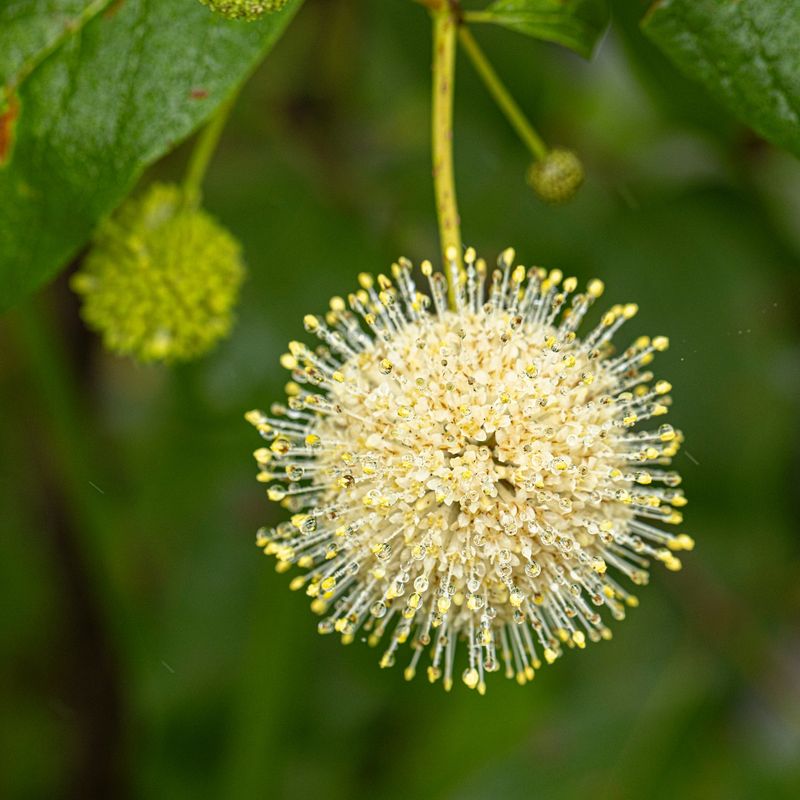
Spherical white flowers resembling pincushions or small fireworks make buttonbush instantly recognizable and utterly charming in midsummer. These unusual blooms emerge in July and August when many shrubs have finished flowering, providing crucial nectar for butterflies, bees, and hummingbirds.
Each flower ball consists of dozens of tiny tubular florets radiating outward, creating the distinctive round shape.
Ohio wetlands naturally host buttonbush, making it supremely adapted to our climate and particularly valuable for rain gardens or pond edges. It thrives in consistently wet soil that would rot the roots of most other flowering shrubs.
However, it also adapts surprisingly well to average garden moisture with regular watering, making it more versatile than many gardeners realize.
The glossy green leaves stay attractive all summer, and the round seedheads persist through winter, adding architectural interest and feeding waterfowl and songbirds. Plants typically grow five to eight feet tall with an irregular, open branching pattern that looks natural in informal landscapes.
As a native species, buttonbush supports local ecosystems without any invasiveness concerns. Ohio State University Extension recommends it for bioretention areas and naturalized settings.
It works beautifully at water’s edge, in wet meadows, or anywhere you need a tough, wildlife-friendly shrub that offers something truly different from typical garden plants.
6. Native Viburnum With Classic White Flowers
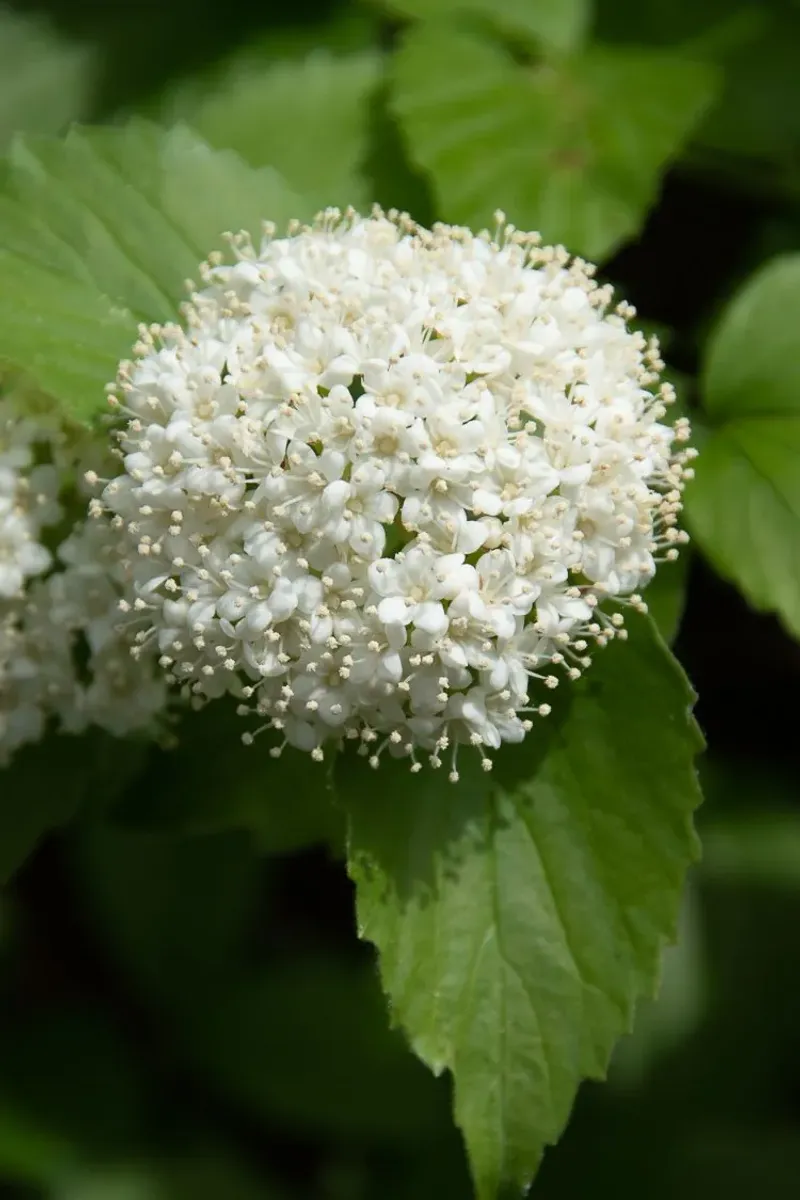
Strong branching structure and reliable flowering make native viburnums excellent hydrangea alternatives throughout Ohio gardens. Species like arrowwood viburnum and nannyberry offer flat-topped clusters of creamy white flowers in spring that attract numerous pollinators.
The blooms develop into berries that birds eagerly consume in fall and winter, providing important wildlife food when insects become scarce.
Some non-native viburnums have naturalized in parts of Ohio, so selecting native species is recommended. Arrowwood viburnum grows six to ten feet tall with excellent fall color ranging from red to purple.
Nannyberry reaches slightly larger at twelve to fifteen feet, creating an upright form suitable for screening or small tree use.
Both species handle Ohio’s clay soils and temperature extremes without special care. They tolerate partial shade while blooming best in full sun.
The foliage stays clean and attractive all season, and the plants rarely suffer from serious pest problems. Fall color adds bonus interest beyond the spring flowers and summer berries.
Ohio State University Extension emphasizes selecting native viburnums to avoid contributing to invasive plant problems. These natives support local ecosystems, hosting specialized insects and providing food for dozens of bird species.
They work beautifully in mixed borders, woodland edges, or naturalized areas where their ecological value shines alongside their ornamental appeal.
7. Fothergilla With Soft Blooms And Bold Fall Color
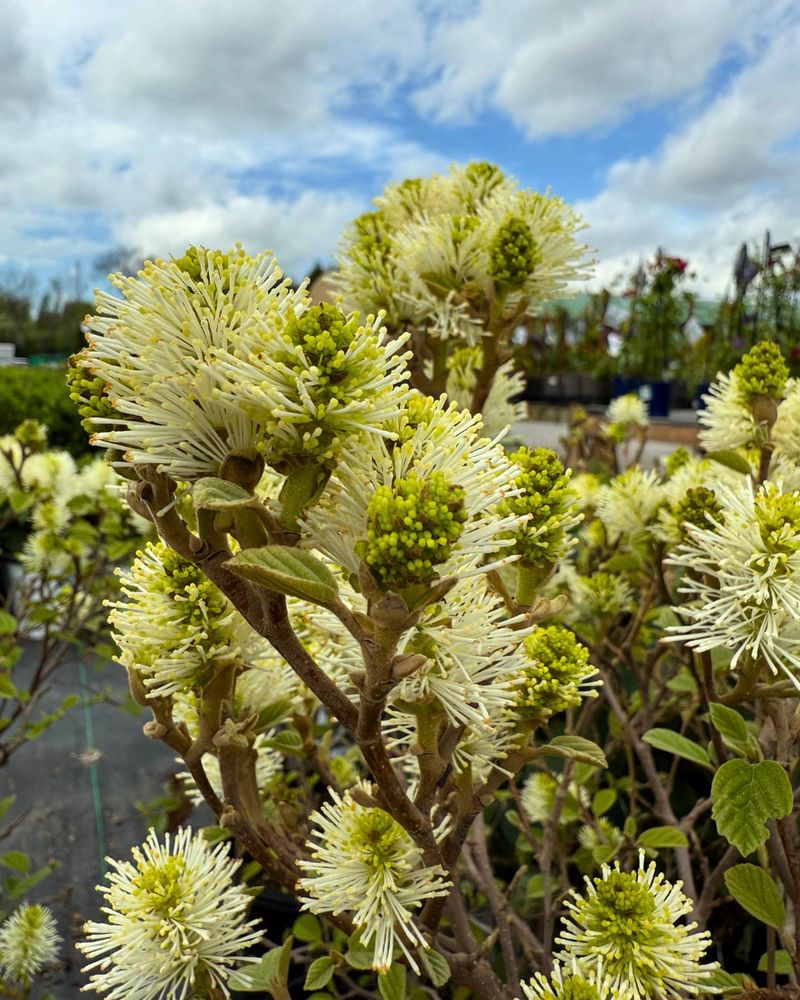
Bottlebrush flowers appear before the leaves in early spring, covering fothergilla branches with fuzzy white blooms that look like tiny bottle brushes or fireworks. The honey-scented flowers attract early-season pollinators emerging from winter dormancy.
This early bloom time means the show happens when most gardens are just waking up, providing welcome color after Ohio’s long winters.
Compact growth makes fothergilla perfect for smaller spaces or foundation plantings where hydrangeas might grow too large. Most cultivars stay three to five feet tall and wide, creating neat mounds that fit easily into perennial borders or alongside walkways.
The blue-green foliage provides a soft backdrop for other plants throughout summer.
Fall color rivals any shrub grown in Ohio, with leaves turning brilliant combinations of yellow, orange, red, and purple all on the same plant. The color develops reliably and persists for weeks, creating one of autumn’s most spectacular displays.
Even in partial shade, fothergilla delivers impressive fall performance.
This shrub prefers acidic soil but adapts to Ohio’s neutral soils with occasional amendments. It handles heat and humidity well while remaining completely non-invasive.
Ohio gardeners appreciate its low-maintenance nature and resistance to pests and diseases. It works beautifully in mixed borders, as a specimen, or massed for maximum impact during spring bloom and fall color seasons.
8. Spicebush With Early Flowers
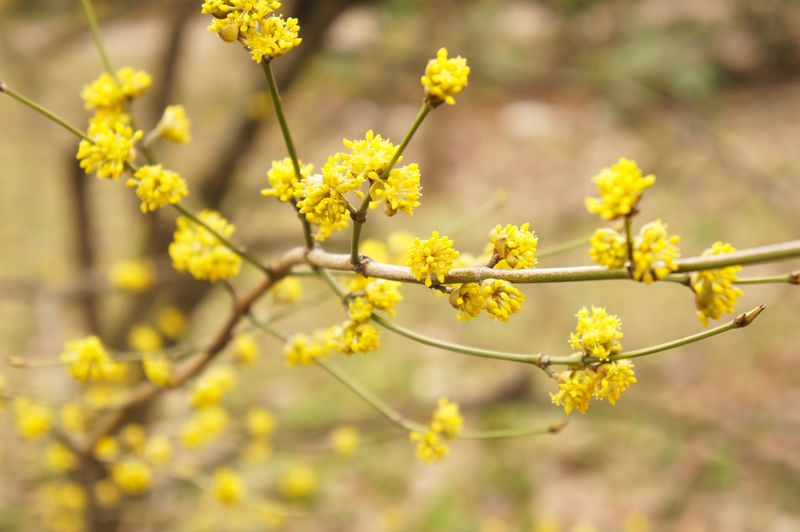
Woodland gardens and shady areas become magical when spicebush blooms in earliest spring, covering bare branches with tiny yellow flowers before leaves emerge. The subtle blooms appear in March or April, often while snow still lingers in shaded spots.
These early flowers provide essential food for native bees and other pollinators just beginning their seasonal activity.
Female plants produce bright red berries in fall that migrating birds eagerly consume, making spicebush valuable for supporting wildlife during critical travel periods. The berries have high fat content, providing energy-rich food when birds need it most.
Only female plants produce berries, so planting several ensures you get both sexes for fruit production.
As a host plant for spicebush swallowtail butterflies, this native shrub supports the complete lifecycle of these beautiful insects. The caterpillars feed on the aromatic leaves, which smell spicy when crushed.
This same aromatic quality makes deer generally avoid browsing spicebush, a significant advantage in many Ohio gardens.
Shade tolerance is exceptional, with spicebush thriving in conditions too dark for most flowering shrubs. It naturally grows in Ohio’s deciduous forests, making it perfectly adapted to our climate and soils.
Plants reach six to twelve feet tall with an open, rounded form. The golden yellow fall color adds seasonal interest, and the bare winter stems have an attractive green color that brightens shady spots.
9. Shrubby St Johns Wort With Bright Yellow Summer Blooms
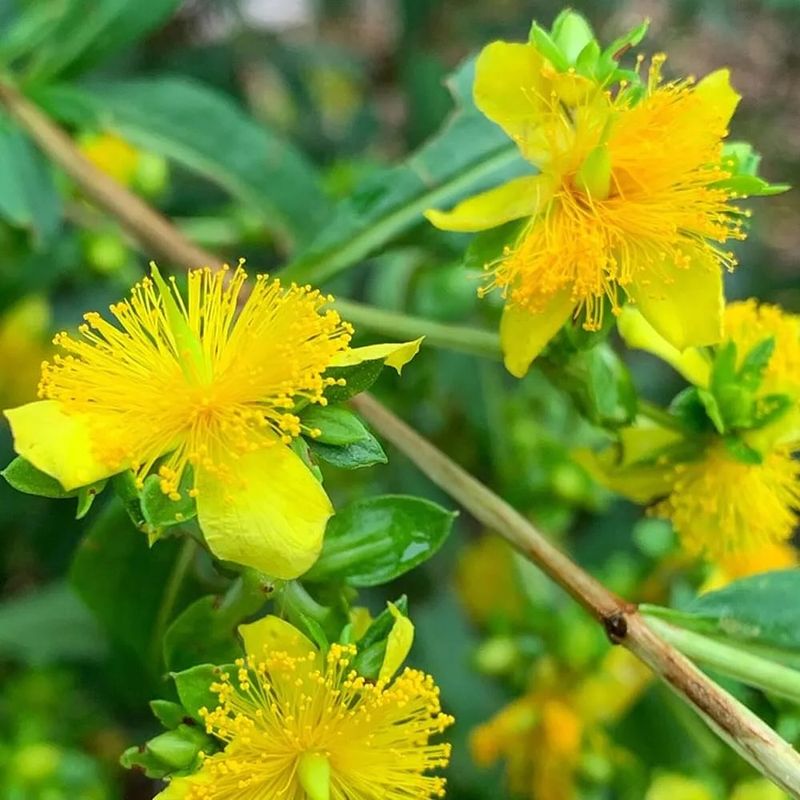
Cheerful yellow flowers brighten Ohio gardens from June through September, making shrubby St. Johns wort a reliable source of color during the hottest months. The bright blooms feature prominent stamens that create a delicate, almost fluffy appearance.
Each flower lasts just a day, but new ones open continuously for months, ensuring constant color throughout summer.
Compact size and tidy growth habit make this native perfect for smaller gardens or front-yard plantings. Most plants stay two to four feet tall and wide, creating dense mounds covered in narrow, blue-green leaves.
The foliage stays attractive all season, providing a soft texture that contrasts nicely with bolder-leaved perennials.
Toughness is a standout feature, with shrubby St. Johns wort handling heat, drought, and poor soils once established. It thrives in full sun and well-drained conditions, making it ideal for those challenging hot, dry spots in Ohio landscapes.
The plant rarely suffers from pests or diseases, requiring minimal maintenance beyond occasional shaping.
As an Ohio native, this shrub supports local pollinators without any risk of becoming invasive. Bees and butterflies visit the flowers regularly, and the seedheads provide winter interest along with food for small birds.
It works beautifully in rock gardens, perennial borders, or massed as a low hedge. The long bloom period and reliable performance make it an excellent low-maintenance alternative to hydrangeas.