13 Beautifully Rare Philodendrons Michigan Indoor Gardeners Are Obsessed With
Michigan indoor gardeners are chasing something special this year—rare philodendrons with dramatic leaves, unusual textures, and serious collector appeal.
These plants turn houseplant shelves into galleries and spark instant conversation.
Despite their exotic appearance, many of these philodendrons adapt surprisingly well to indoor life.
With the right light and care, they thrive even through Michigan’s long winters.
For plant lovers, the appeal lies in both beauty and rarity.
Each leaf feels like a small victory, a reminder that something extraordinary can grow indoors, even when snow piles up outside.
1. Philodendron Gloriosum
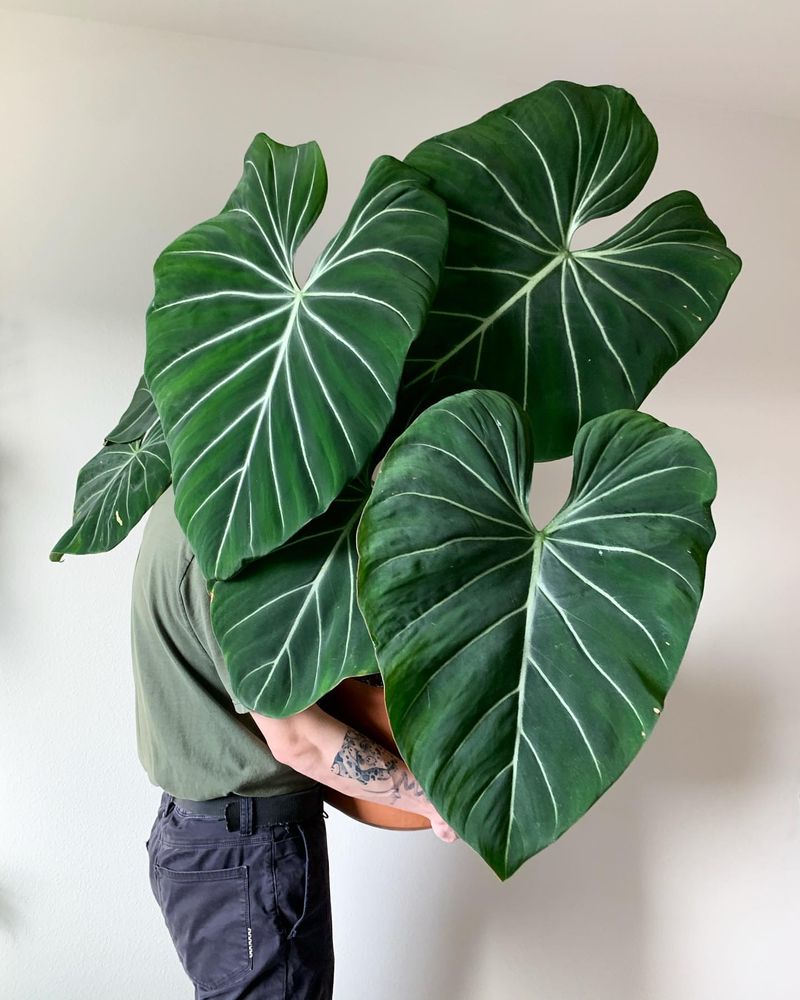
Collectors absolutely adore Philodendron gloriosum for its stunning heart-shaped leaves that feel like soft velvet to the touch.
The bold white veins running through deep green foliage create a striking contrast that catches everyone’s eye.
This ground-dwelling beauty grows horizontally rather than climbing, making it perfect for wide containers on shelves or plant stands.
Michigan gardeners find gloriosum surprisingly adaptable to indoor conditions during harsh winter months.
The plant appreciates consistent warmth and humidity, which many locals provide with humidifiers or pebble trays filled with water.
Bright indirect light keeps those magnificent leaves looking their best without risking sunburn.
Watering requires a gentle touch since gloriosum prefers soil that stays slightly moist but never soggy.
Many growers use well-draining potting mixes with added perlite or orchid bark to prevent root problems.
The slow growth rate means you won’t need to repot frequently, but when you do, those gorgeous leaves make every bit of patience worthwhile.
Finding gloriosum has become easier as more nurseries recognize its popularity among serious plant enthusiasts.
The velvet texture and dramatic veining make this philodendron an absolute showstopper that transforms any indoor garden into something truly special.
2. Philodendron Melanochrysum
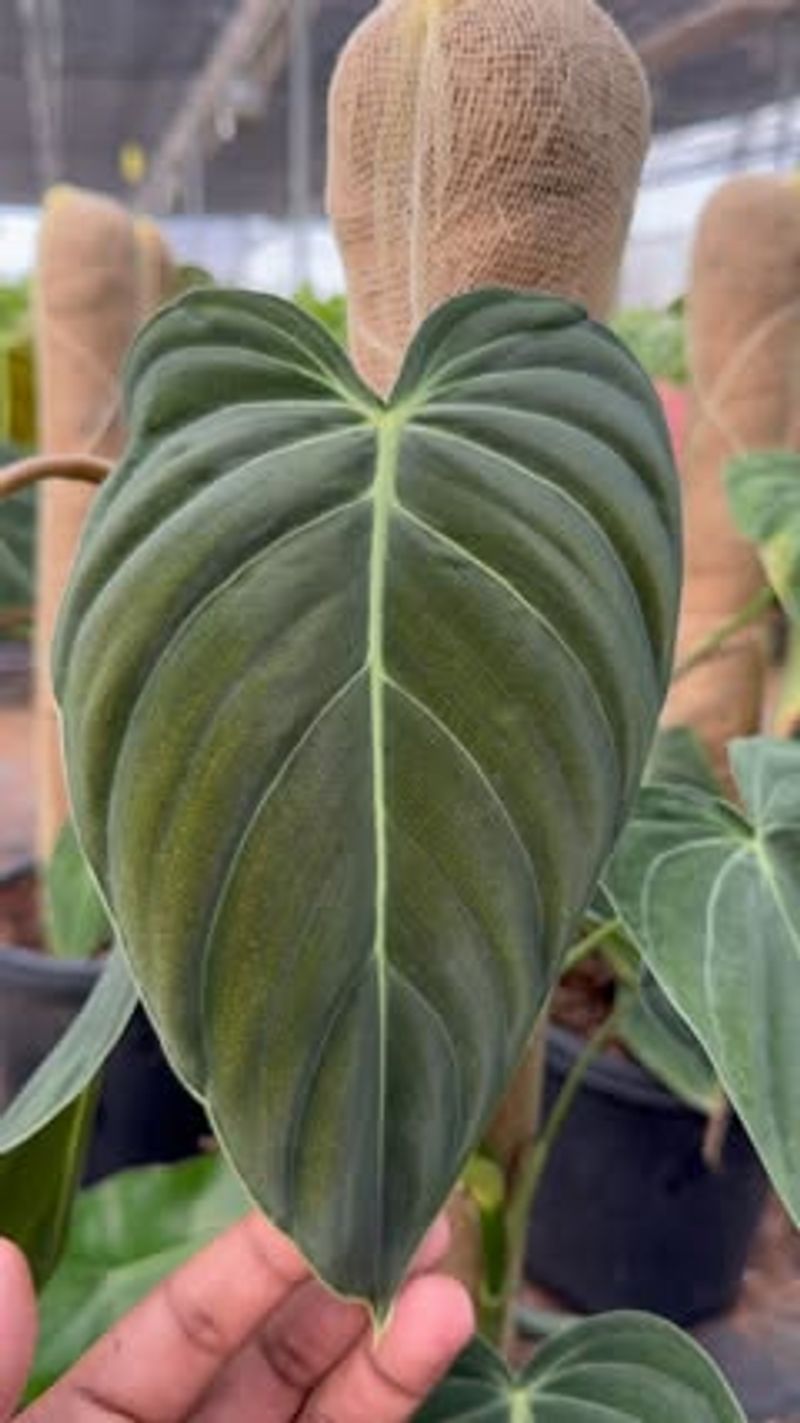
Few plants create drama quite like Philodendron melanochrysum with its elongated, almost black leaves that shimmer with a velvety texture.
The foliage can reach impressive lengths, sometimes growing over two feet long when conditions are just right.
This climbing variety naturally wants to grow upward, so providing a moss pole or wooden plank helps it thrive and display those magnificent leaves properly.
Michigan indoor gardeners have mastered creating the humid, warm environment melanochrysum craves during cold months.
Many use closed cabinets with grow lights or dedicate humid corners of their homes to these tropical treasures.
The effort pays off when new leaves unfurl in shades of bronze and copper before maturing to deep emerald green.
Consistent moisture matters for this species, though overwatering remains a common mistake that leads to yellowing leaves.
Well-draining soil amended with chunky materials like bark and perlite keeps roots happy and healthy.
Bright filtered light brings out the best coloration while preventing the leaves from becoming pale or losing their distinctive shimmer.
The jungle aesthetic melanochrysum brings to indoor spaces makes it worth every bit of extra attention.
Watching those dramatic leaves emerge and darken over time creates an exciting growing experience that keeps collectors coming back for more.
3. Philodendron Verrucosum
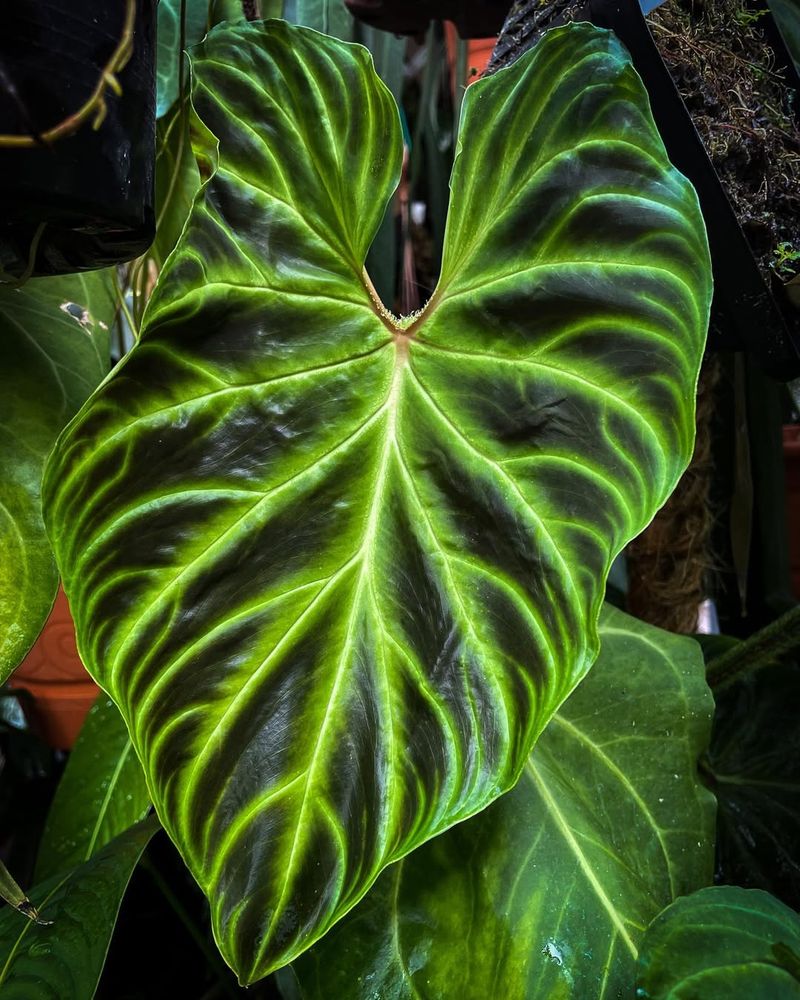
Experienced plant lovers seek out Philodendron verrucosum for its incredible vein contrast that looks almost painted onto velvety leaves.
The bright veins glow against dark green foliage, while fuzzy, textured petioles add another layer of visual interest.
This rare beauty challenges growers with specific care requirements that make success feel like a genuine accomplishment.
High humidity ranks as the most critical factor for keeping verrucosum happy in Michigan homes.
Many collectors use greenhouse cabinets or humidifiers running constantly to maintain moisture levels above sixty percent.
The plant rewards this extra effort with stunning leaf production that showcases those remarkable veins.
Temperature stability matters tremendously since sudden drops can stress the plant and slow growth considerably.
Keeping verrucosum away from drafty windows during winter prevents cold damage to those precious leaves.
Bright indirect light encourages robust growth without fading the dramatic coloration that makes this species so desirable.
Watering requires careful attention because verrucosum dislikes both drought and soggy conditions.
Well-draining potting mix with excellent aeration helps prevent root issues while maintaining adequate moisture.
The challenge of growing this rare philodendron successfully attracts experienced gardeners who enjoy pushing their skills to new levels.
When verrucosum thrives, its breathtaking appearance justifies all the careful attention it demands from dedicated indoor plant enthusiasts.
4. Philodendron Billietiae
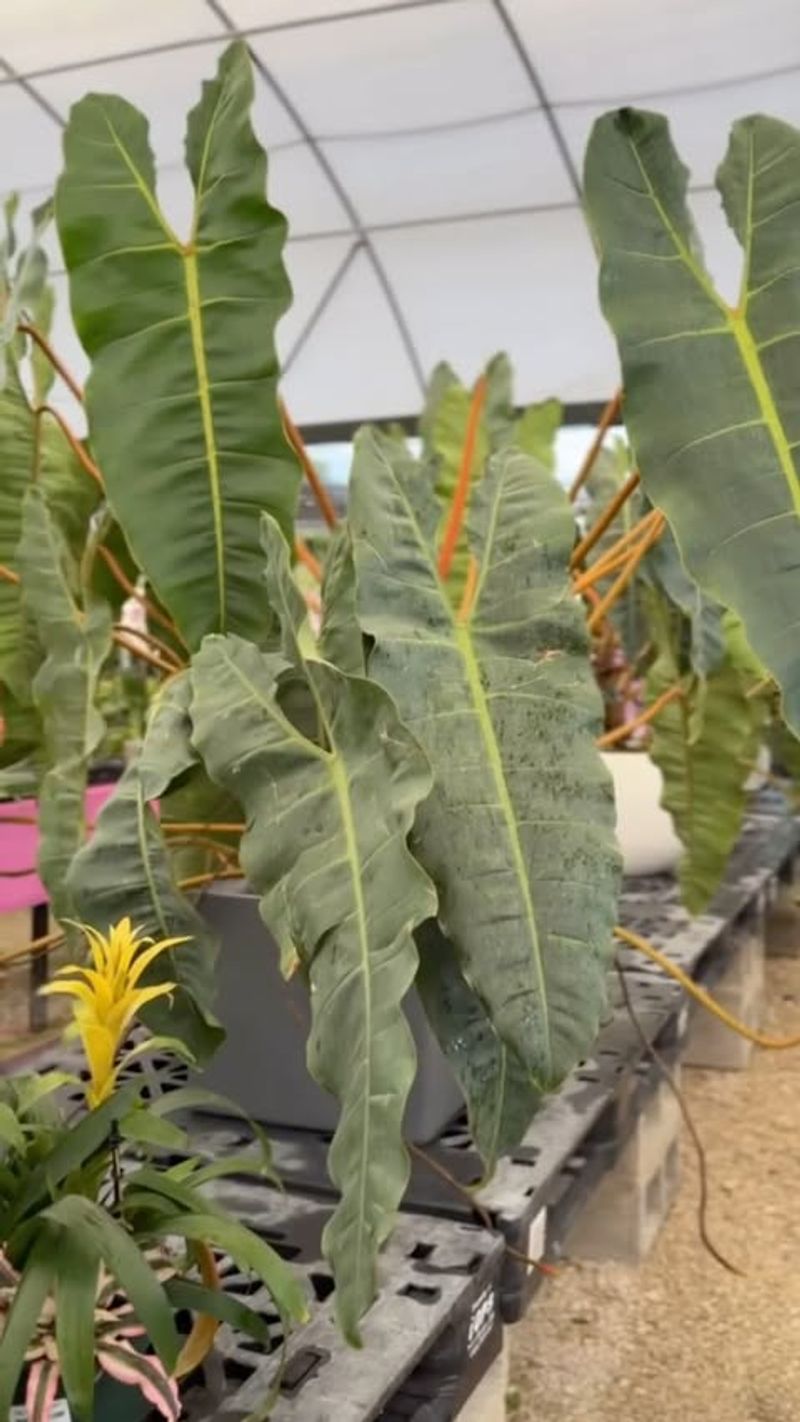
Philodendron billietiae commands attention with its extraordinarily long, narrow leaves that can stretch over three feet in mature specimens.
The real showstopper, however, is the vibrant orange petioles that contrast beautifully against deep green foliage.
These distinctive leaf stems remain colorful throughout the plant’s life, making billietiae instantly recognizable among philodendron enthusiasts.
Collectors value this species as a true statement plant that brings architectural interest to any indoor garden.
The climbing habit means billietiae benefits from sturdy support structures like moss poles or wooden stakes.
As the plant matures and produces longer leaves, it creates an impressive vertical display that draws eyes upward.
Michigan growers find billietiae relatively forgiving compared to some other rare philodendrons on this list.
Moderate humidity levels between forty and sixty percent keep the plant content without requiring elaborate setups.
Bright indirect light encourages those signature long leaves to develop fully while maintaining the brilliant orange coloration on the stems.
Watering follows the typical philodendron pattern of allowing the top few inches of soil to dry between waterings.
Well-draining potting mix prevents root problems while supporting healthy growth throughout the year.
The combination of unusual leaf shape and striking orange petioles makes billietiae a prized addition to serious collections.
Finding this rare beauty takes patience, but its unique appearance makes the search absolutely worthwhile for dedicated plant lovers.
5. Philodendron Spiritus-sancti
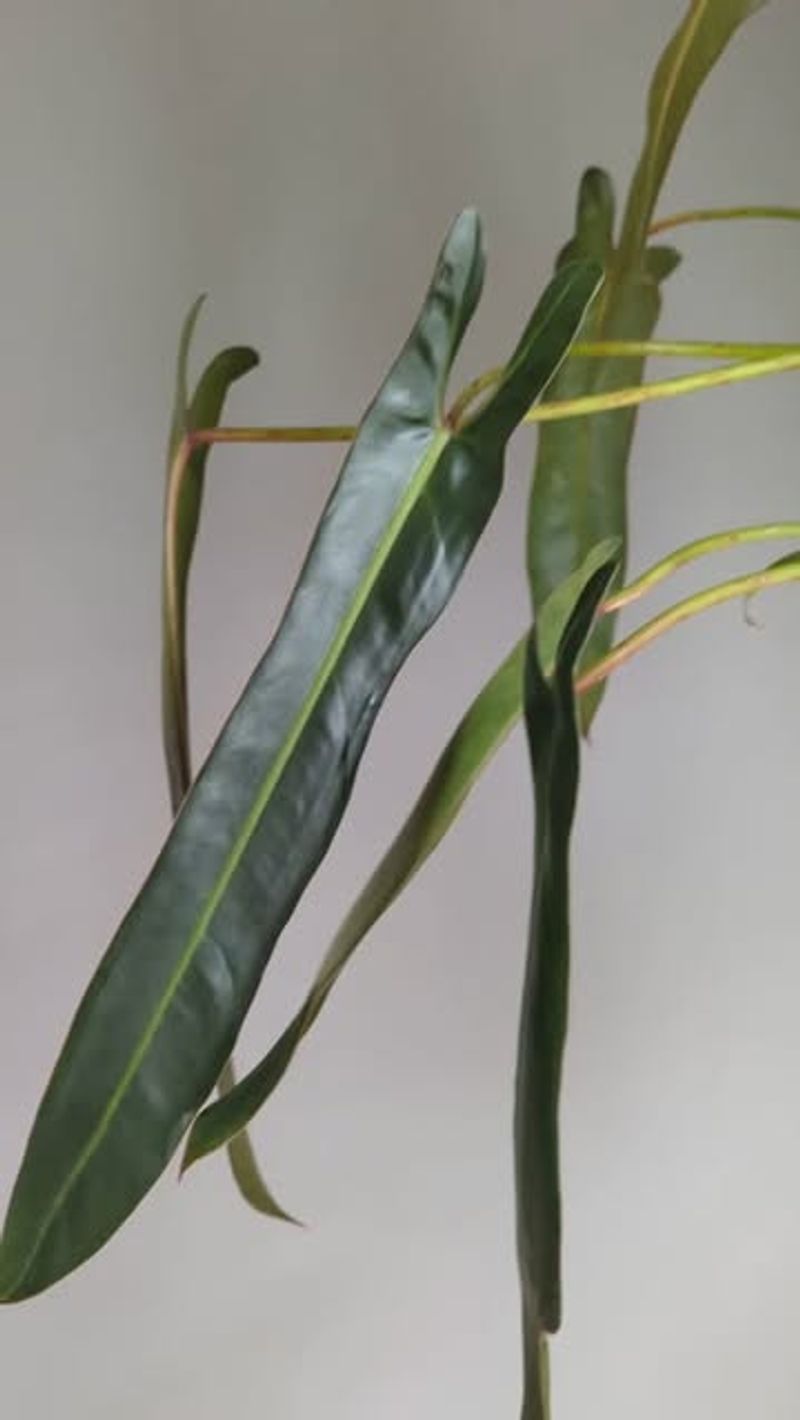
Among rare philodendrons, Philodendron spiritus-sancti holds legendary status as one of the most difficult species to acquire.
Native to a tiny region in Brazil, this plant faces serious conservation concerns in its natural habitat.
The slender, pendulous leaves grow unusually narrow compared to most philodendrons, creating an elegant and distinctive appearance.
Serious collectors view spiritus-sancti as a holy grail plant, with specimens commanding astronomical prices when they become available.
The extreme rarity stems from limited wild populations and slow propagation rates that make cultivation challenging.
Michigan enthusiasts who manage to acquire this treasure treat it with extraordinary care and pride.
Growing spiritus-sancti requires attention to detail since the plant evolved in specific microclimate conditions.
Consistent warmth, high humidity, and excellent air circulation help recreate its native environment indoors.
Bright filtered light encourages healthy growth without scorching those delicate, narrow leaves.
The conservation significance adds emotional weight to growing this species successfully at home.
Each cultivated plant represents hope for preserving genetic diversity outside threatened wild populations.
Well-draining soil and careful watering prevent the root issues that can quickly damage rare specimens.
Owning spiritus-sancti connects collectors to broader conservation efforts while providing the satisfaction of growing something truly extraordinary.
The slender form and extreme rarity make this philodendron an unforgettable centerpiece in any collection.
6. Philodendron Pink Princess
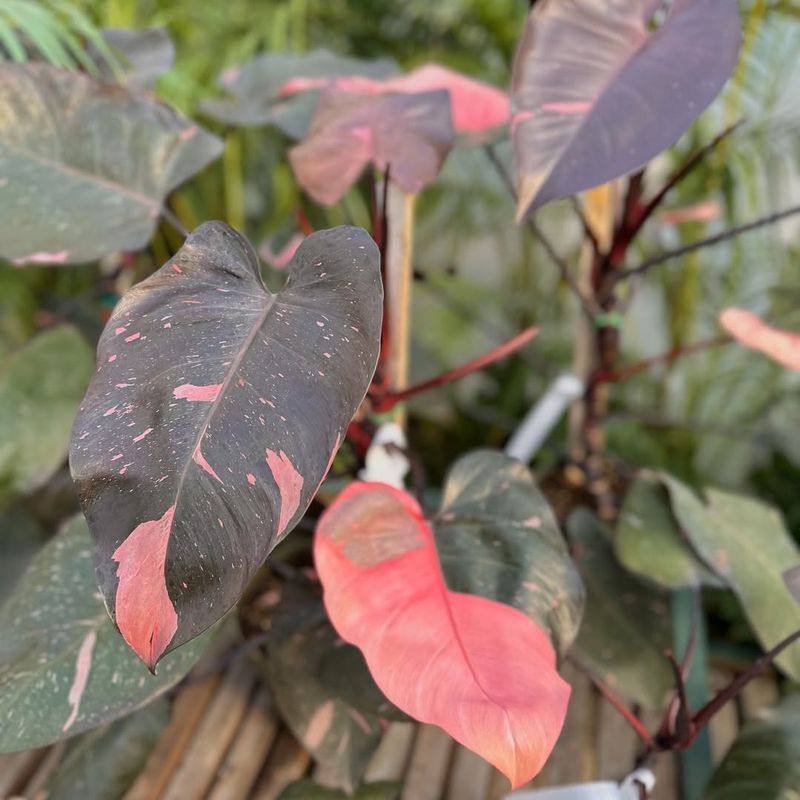
No variegated plant has captured hearts quite like Philodendron Pink Princess with its stunning pink splashes across dark green leaves.
The unpredictable variegation means every leaf unfurls as a delightful surprise, sometimes showing more pink, other times more green.
This randomness adds to the excitement of growing Pink Princess and explains why collectors remain obsessed with this particular cultivar.
Light plays a crucial role in maintaining that coveted pink coloration that makes this plant so desirable.
Bright indirect light encourages pink variegation, while lower light often results in leaves reverting to solid green.
Michigan growers position their Pink Princess near east or west-facing windows or supplement with grow lights during darker winter months.
The plant occasionally produces all-pink leaves that look spectacular but cannot sustain themselves through photosynthesis.
Many growers remove these fully pink leaves to redirect energy into producing balanced variegation.
Pruning back green-only growth encourages the plant to produce more variegated sections over time.
Prices for Pink Princess have fluctuated wildly as availability has increased through tissue culture propagation.
Despite becoming more accessible, demand remains incredibly strong among Michigan indoor plant enthusiasts.
Well-draining soil and moderate watering keep the plant healthy while those gorgeous pink patterns develop.
The combination of dark foliage and bright pink variegation creates an eye-catching display that never gets old, no matter how many times you admire it.
7. Philodendron White Knight
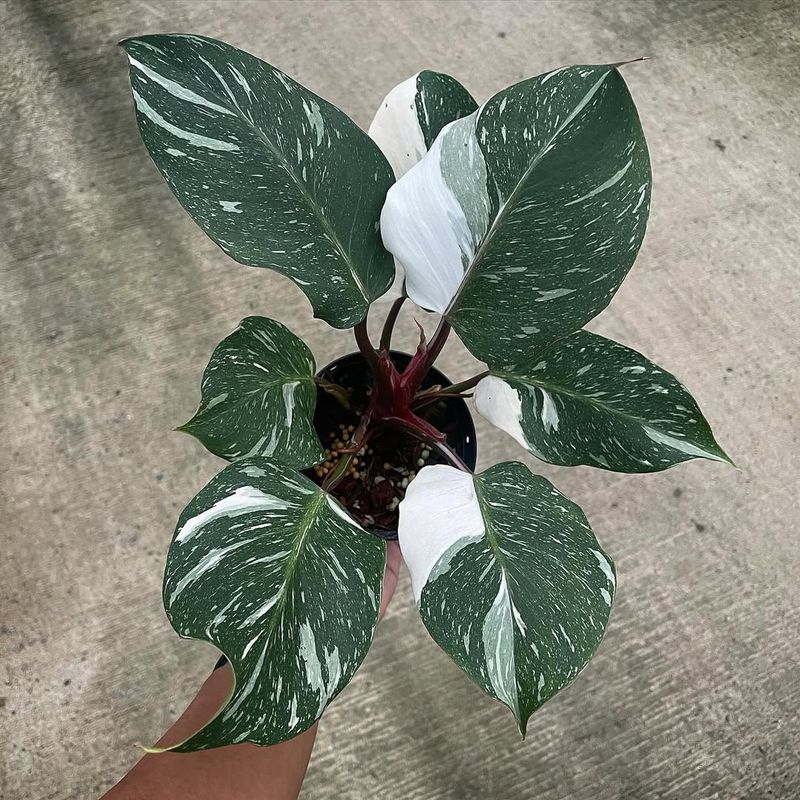
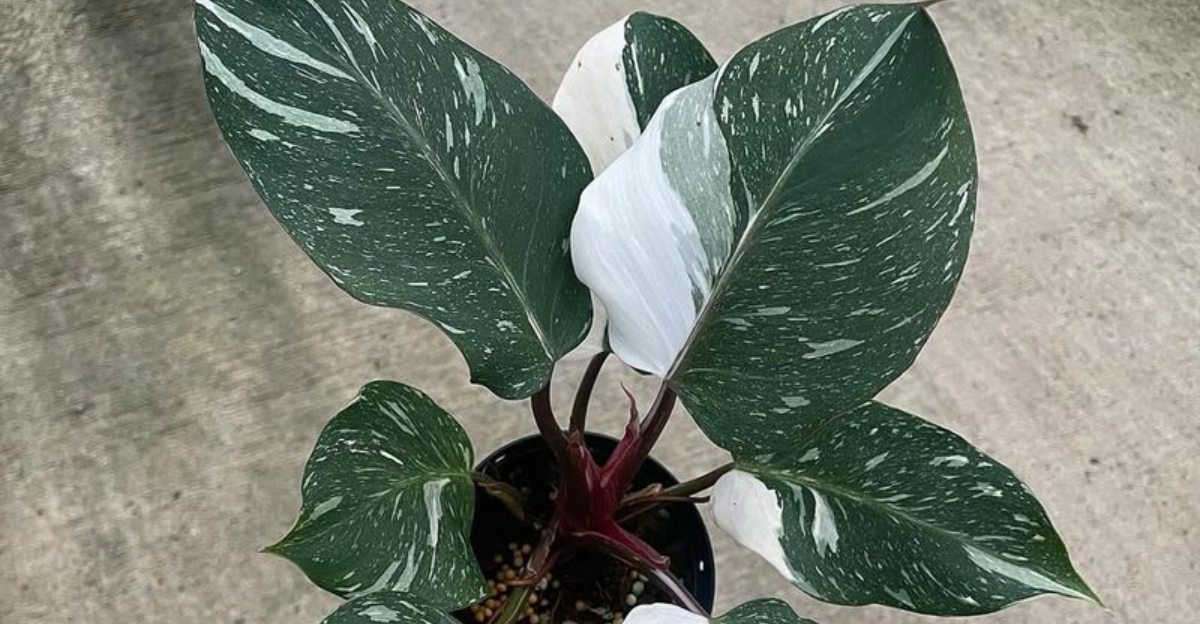
Philodendron White Knight distinguishes itself from other variegated varieties through its bold white variegation paired with distinctively dark, almost burgundy stems.
The contrast between bright white patches and deep green sections creates a sophisticated color palette.
Those dark petioles add an extra dimension that sets White Knight apart in crowded collections of variegated philodendrons.
Collectors appreciate how White Knight tends to maintain stable variegation without reverting to solid green as readily as some varieties.
The white sections stay crisp and clean, creating a fresh appearance that brightens any indoor space.
Each new leaf brings anticipation as the variegation pattern emerges, sometimes showing dramatic white sectors or elegant speckles.
Michigan growers find White Knight relatively straightforward to care for despite its rare status and striking appearance.
Bright indirect light supports healthy growth and maintains variegation without causing leaf burn on white sections.
The darker stems provide a visual anchor that makes the white variegation pop even more dramatically.
Watering requires attention since variegated sections contain less chlorophyll and can be more sensitive to stress.
Well-draining potting mix with good aeration prevents root problems while supporting consistent growth.
Humidity levels between fifty and seventy percent keep leaves looking their best without requiring extreme measures.
The elegant combination of white variegation and dark stems makes White Knight a sophisticated choice for collectors seeking something truly special and distinctive.
8. Philodendron White Wizard

Plant enthusiasts favor Philodendron White Wizard for its clean, well-defined white variegation that appears in bold patches and sectors.
The variegation tends to be more stable and predictable compared to some other white-variegated varieties.
Large leaves provide plenty of surface area for those stunning white sections to make a real visual impact.
Indoor gardeners in colder climates particularly appreciate White Wizard’s reputation for steady, reliable growth.
The plant doesn’t seem as temperamental as some rare philodendrons, making it more forgiving for collectors still developing their skills.
Consistent care produces consistent results, with new leaves regularly displaying that sought-after white variegation.
Bright filtered light brings out the best in White Wizard without risking damage to the white portions of leaves.
The variegated sections lack protective chlorophyll, so avoiding direct sun prevents unsightly browning or burning.
Many Michigan growers use sheer curtains to filter intense light while still providing adequate brightness for healthy growth.
The white patches on White Wizard often appear larger and bolder than those on similar variegated varieties.
This generous variegation creates a striking appearance without compromising the plant’s overall health and vigor.
Well-draining soil and careful watering support robust growth while protecting those beautiful white sections.
White Wizard’s combination of dramatic variegation and stable growth habits makes it a favorite among collectors who want reliability alongside stunning aesthetics.
The clean white patterns never fail to impress visitors and fellow plant enthusiasts alike.
9. Philodendron White Princess

Philodendron White Princess offers collectors an intriguing blend of white variegation with occasional pink tones that add unexpected color.
The pinkish accents appear unpredictably, sometimes showing up in new growth or along leaf edges.
This combination creates a softer, more romantic appearance compared to stark white variegation alone.
While still considered rare, White Princess has become more attainable than some other highly sought-after variegated philodendrons.
Increased availability through propagation means more Michigan collectors can add this beauty to their growing collections.
The plant maintains desirability despite improved availability because those pink tones remain genuinely special and unique.
Light conditions significantly influence whether pink coloration develops in new leaves.
Bright indirect light encourages both white variegation and those coveted pink hints that make White Princess distinctive.
Some growers experiment with light levels to maximize pink development, though results can vary between individual plants.
The variegation pattern on White Princess tends toward smaller speckles and streaks rather than large sectors.
This creates a delicate, almost watercolor effect across the foliage that many collectors find particularly appealing.
Well-draining potting mix and moderate humidity support healthy growth while those beautiful color combinations develop.
Watching for pink tones in new leaves adds an element of excitement to growing White Princess.
The possibility of pink appearing alongside white variegation keeps collectors engaged and eager to see what each new leaf will bring to their indoor garden.
10. Philodendron Luxurians
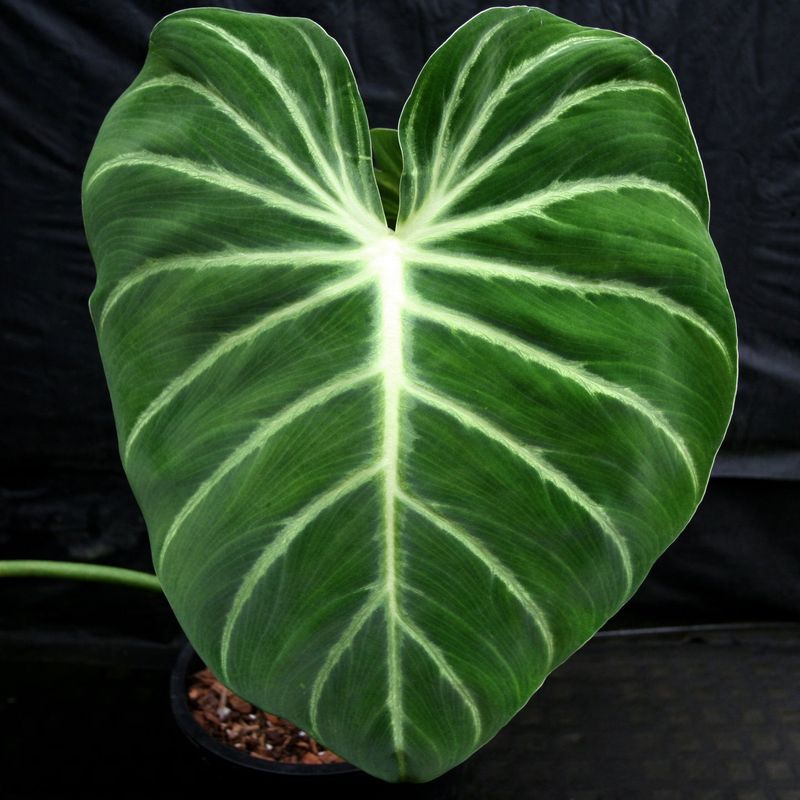
Philodendron luxurians stands out immediately thanks to its extraordinarily thick, deeply textured leaves that feel almost prehistoric.
The bumpy, quilted surface creates dramatic shadows and highlights that change throughout the day as light shifts.
This unusual texture sets luxurians apart from smoother-leaved philodendrons and makes it instantly recognizable to plant enthusiasts.
Slow growth adds significantly to the rarity and desirability of this remarkable species.
Patience becomes essential when growing luxurians since new leaves emerge gradually over extended periods.
Michigan collectors who commit to this plant understand that the wait for each magnificent leaf makes the reward even sweeter.
The thick, substantial leaves suggest toughness, but luxurians still requires attentive care to thrive indoors.
Consistent warmth and moderate to high humidity help recreate the tropical conditions this plant evolved to prefer.
Bright indirect light encourages healthy growth without causing stress to those heavily textured leaves.
Well-draining soil with excellent aeration prevents root problems while supporting the plant’s deliberate growth pace.
Watering when the top few inches of soil dry out maintains appropriate moisture levels without risking overwatering.
The slow growth means luxurians rarely needs repotting, making it suitable for collectors who prefer low-maintenance rare plants.
Those deeply textured leaves create an almost sculptural quality that transforms luxurians into living art.
The combination of unusual texture and genuine rarity makes this philodendron a prized possession for serious indoor gardeners seeking something truly extraordinary.
11. Philodendron Plowmanii
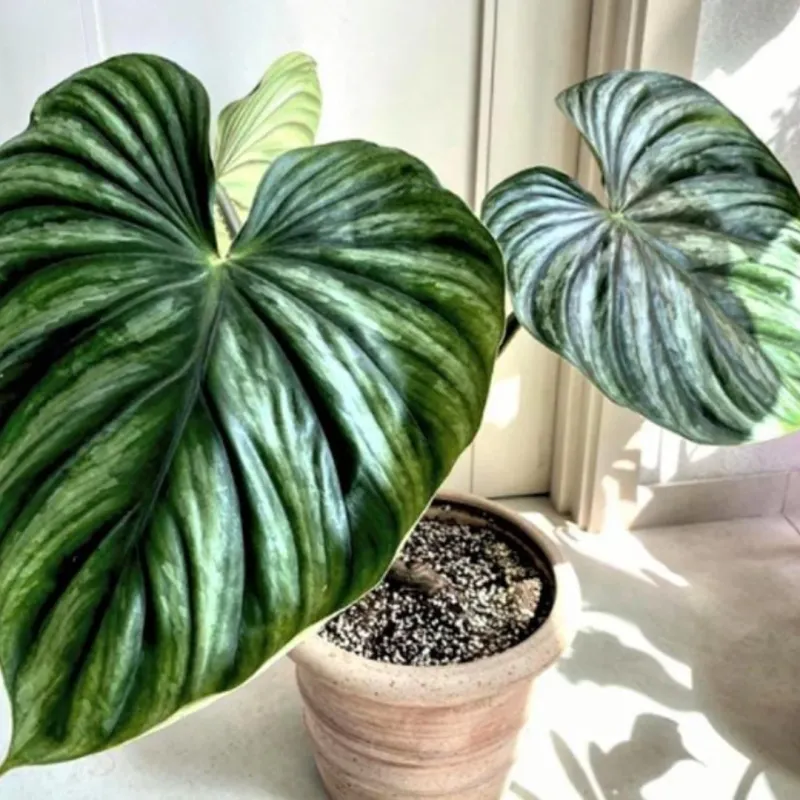
Philodendron plowmanii catches attention with its distinctive rippled leaf edges that create a ruffled, almost decorative appearance.
The wavy margins add movement and visual interest that flat-edged philodendrons simply cannot match.
This crawling species grows horizontally rather than climbing, making it perfect for wide, shallow containers that accommodate its spreading habit.
Michigan collectors appreciate how plowmanii’s growth pattern works beautifully on tabletops, wide shelves, or specially designed plant stands.
The horizontal spread creates an impressive display as the plant matures and produces more of those gorgeous rippled leaves.
Unlike climbing varieties, plowmanii doesn’t require support structures, simplifying care and display options considerably.
The leaves emerge with subtle silver markings along the veins that add another layer of beauty to already attractive foliage.
As leaves mature, the rippled edges become more pronounced, creating that signature ruffled look collectors adore.
Bright indirect light encourages robust growth and brings out the subtle sheen on those wavy leaves.
Well-draining potting mix allows roots to spread horizontally just as the foliage does above soil level.
Watering when soil begins to dry maintains adequate moisture without creating soggy conditions that could harm roots.
Moderate humidity levels keep plowmanii content without requiring the extreme measures some rare philodendrons demand.
The combination of rippled leaves and crawling growth habit makes plowmanii a unique addition that brings something different to philodendron collections.
Its distinctive appearance and manageable care requirements explain why collectors actively seek out this wonderful species.
12. Philodendron Pastazanum
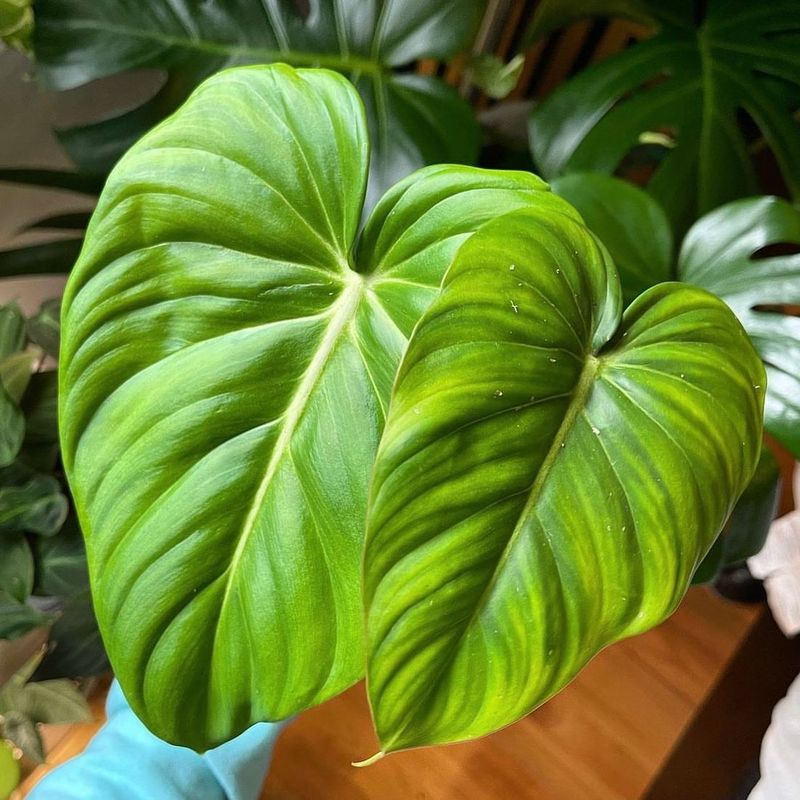
Philodendron pastazanum often gets compared to gloriosum due to similar velvety, heart-shaped leaves with prominent veining.
However, closer examination reveals distinct differences in leaf shape and growth patterns that make pastazanum its own special species.
The leaves tend to be slightly broader and more rounded, with a glossier finish that catches light beautifully.
This crawling philodendron grows horizontally like gloriosum, making it another excellent choice for wide containers.
Michigan collectors who love the gloriosum look often add pastazanum to create variety while maintaining that gorgeous ground-dwelling aesthetic.
The subtle differences between the two species become more apparent as plants mature and develop their characteristic features.
Pastazanum produces leaves with slightly different vein patterns that create their own unique beauty.
The veining appears more subtle in some lights, creating an elegant rather than dramatic appearance.
Bright indirect light brings out the glossy quality of the foliage while maintaining healthy, vibrant green coloration.
Care requirements mirror those of other crawling philodendrons, with attention to moisture and humidity being most important.
Well-draining soil prevents root issues while maintaining the consistent moisture pastazanum prefers.
Moderate humidity levels support healthy leaf development without requiring excessive environmental manipulation.
The rarity of pastazanum combined with its distinctive beauty makes it a worthy addition for collectors seeking variety.
Having both pastazanum and gloriosum allows enthusiasts to appreciate the subtle but meaningful differences between these closely related species.
13. Philodendron Joepii
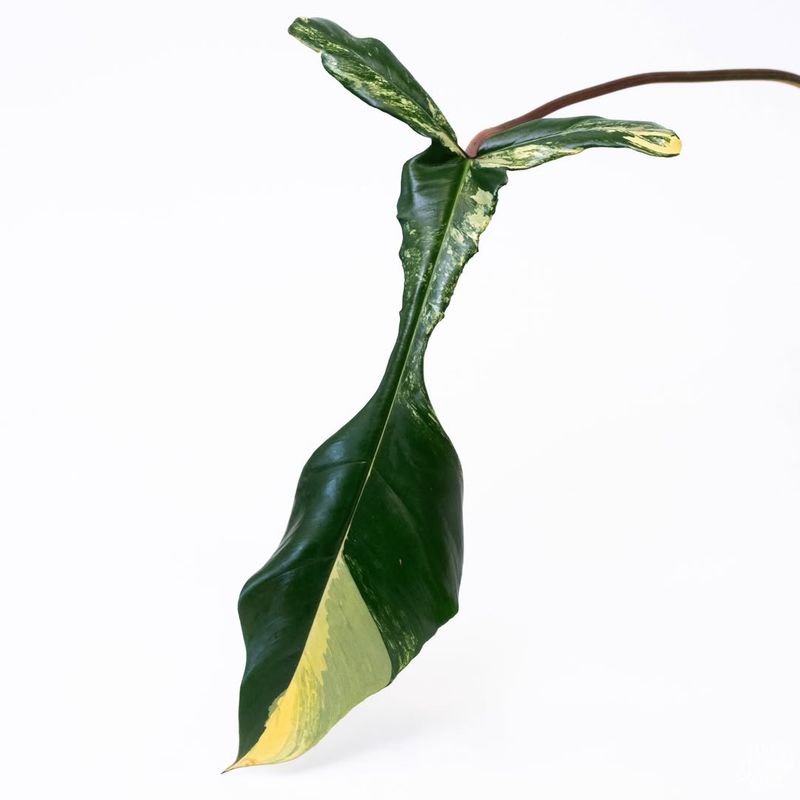
Philodendron joepii fascinates plant enthusiasts with its bizarre, irregularly shaped leaves that look unlike any other philodendron species.
The lobed, almost alien appearance creates instant conversation whenever someone encounters this extraordinary plant.
Discovered relatively recently in the wild, joepii remains exceptionally rare in cultivation and highly prized by serious collectors.
The unusual leaf shape develops as the plant matures, with juvenile leaves looking more typical before transforming into those distinctive lobed forms.
Watching this transformation unfold adds tremendous excitement to growing joepii and keeps collectors engaged throughout the process.
Each new mature leaf brings anticipation as those strange, wonderful lobes begin to develop and define themselves.
Michigan indoor gardeners who successfully grow joepii earn serious respect within plant collecting communities.
The rarity and unusual appearance make this species a true trophy plant that represents dedication and skill.
Bright indirect light and consistent warmth help joepii thrive and produce those remarkable leaves collectors dream about.
Well-draining soil with excellent aeration supports healthy root development while the plant focuses energy on producing unique foliage.
Moderate to high humidity helps recreate the tropical conditions where joepii naturally grows.
Careful watering prevents stress that could slow growth or prevent proper leaf development.
The irregular, lobed leaves of joepii create an almost prehistoric appearance that transforms indoor spaces into exotic jungles.
Owning this incredibly rare philodendron represents the pinnacle of collecting for many serious enthusiasts who appreciate truly unusual plants.