Beginner’s Guide To Buying Fresh Christmas Trees In Georgia And What Every Buyer Should Know
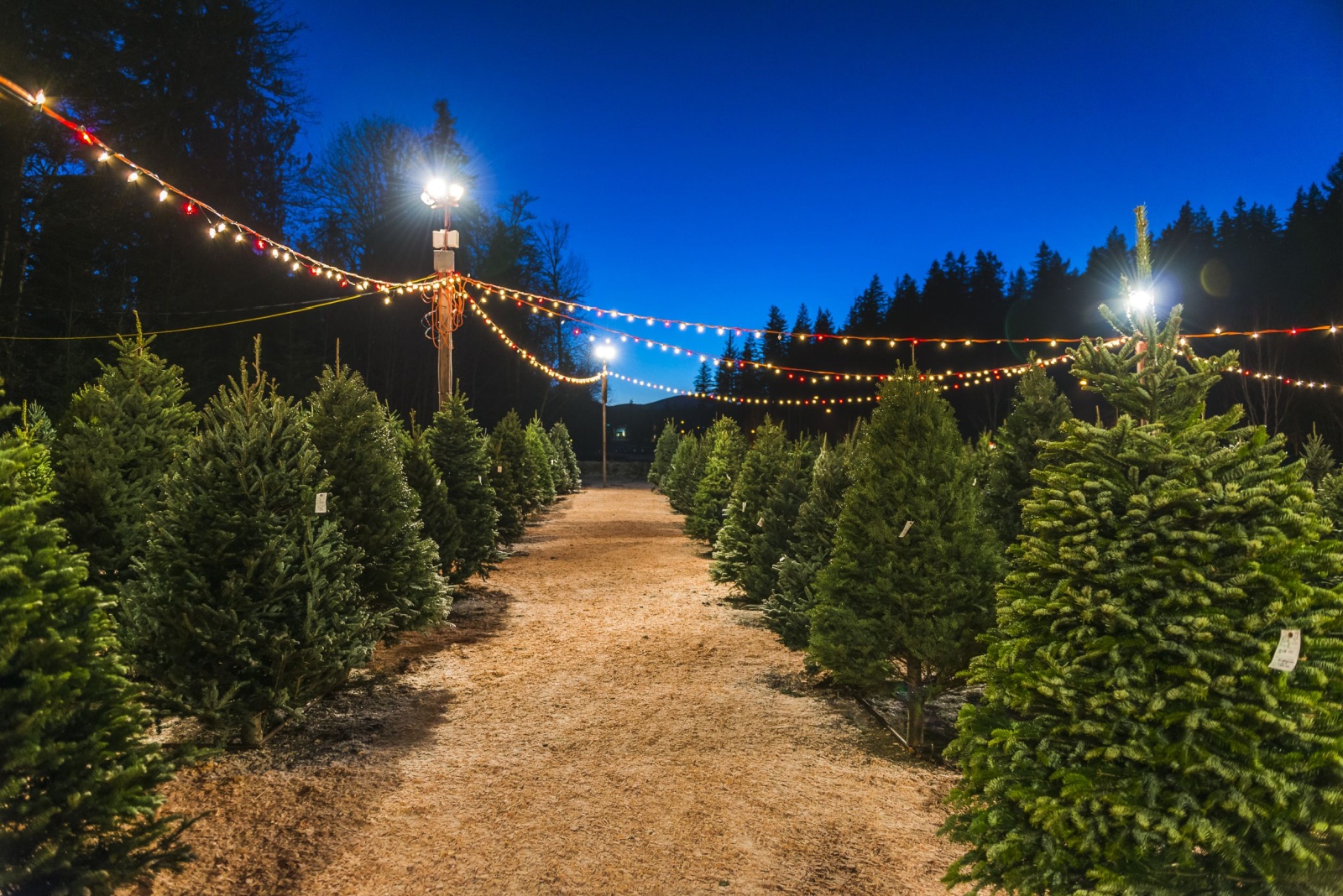
Georgia families kick off the season with a timeless tradition: finding that perfect fresh Christmas tree.
The hunt turns into a holiday adventure, with farms across the state offering rows of evergreens that seem to glow with festive promise.
A tree stands as more than décor; it becomes the heart of the home, a symbol of celebration that sets spirits soaring.
First-time buyers often feel swept up in the excitement, yet a smart approach keeps surprises at bay and ensures a tree that holds its sparkle well past Christmas morning.
From understanding local varieties to spotting the signs of peak freshness, Georgia shoppers gain the upper hand once they know the ropes.
With the right know-how, every buyer walks away confident, proud, and ready to usher in the season with a tree that truly steals the show.
Know Your Tree Species Options
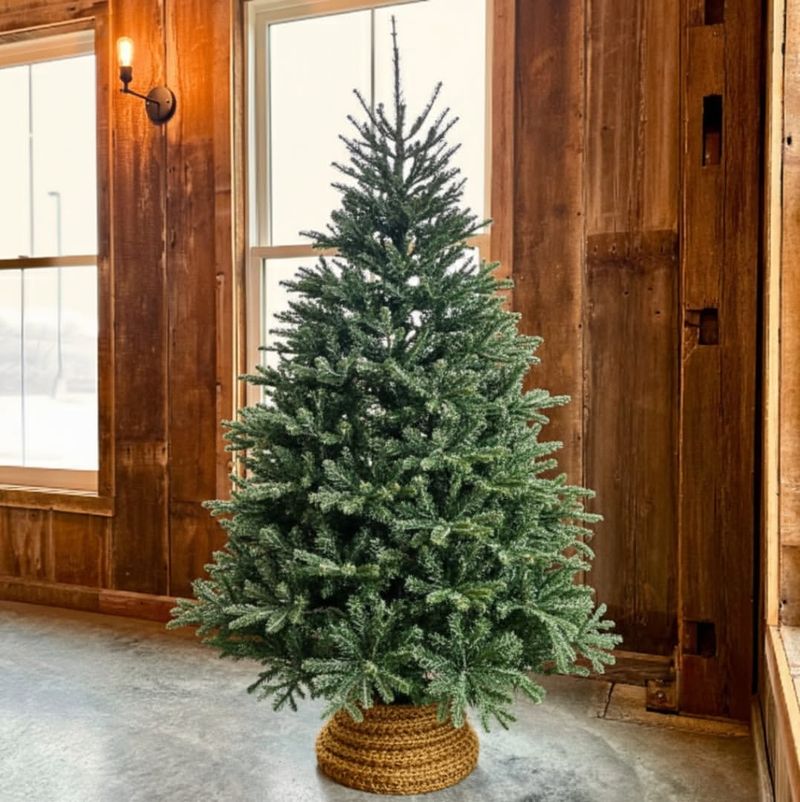
Georgia farms grow several types of Christmas trees, and each one has its own special features.
Fraser firs are incredibly popular because their strong branches hold ornaments well and they smell amazing.
Virginia pines grow naturally in Georgia and cost less than other varieties, making them budget-friendly choices for families.
Leyland cypress trees are another option you’ll see at local farms.
They have a unique look with feathery branches and work great if someone in your house has allergies to traditional pines.
Eastern white pines offer soft needles and a classic Christmas tree shape that many people love.
Before you head to the farm, think about what matters most to you.
Do you want a strong pine scent filling your living room?
Are you worried about needles dropping everywhere?
Maybe you need sturdy branches for heavy ornaments.
Each species has different needle retention rates and scent levels.
Researching beforehand helps you ask the right questions when you arrive.
Most Georgia tree farms have staff who can explain the differences and help you choose based on your family’s needs and preferences.
Measure Your Space Before Shopping

Nothing feels worse than bringing home a gorgeous tree only to discover it doesn’t fit through your door or scrapes your ceiling.
Grab a tape measure and check three important measurements: your ceiling height, the width of your doorways, and the space where you plan to put the tree.
Write these numbers down on your phone or a piece of paper to bring with you.
Remember that trees look smaller outdoors at the farm than they will inside your house.
A seven-foot tree seems reasonable at the lot but can feel enormous in your living room.
Always buy a tree that’s at least six inches shorter than your ceiling to leave room for a tree topper and the stand underneath.
Consider the tree’s width too, not just its height.
Some species grow wider than others, and you’ll need walking space around it.
Measure the area where the tree will sit, including space for presents underneath.
Taking measurements might seem boring, but it saves you from disappointment later.
You’ll feel confident choosing the right size tree, and your family won’t have to deal with trimming branches or returning to the farm for a smaller one.
Visit Choose-and-Cut Farms For Freshness
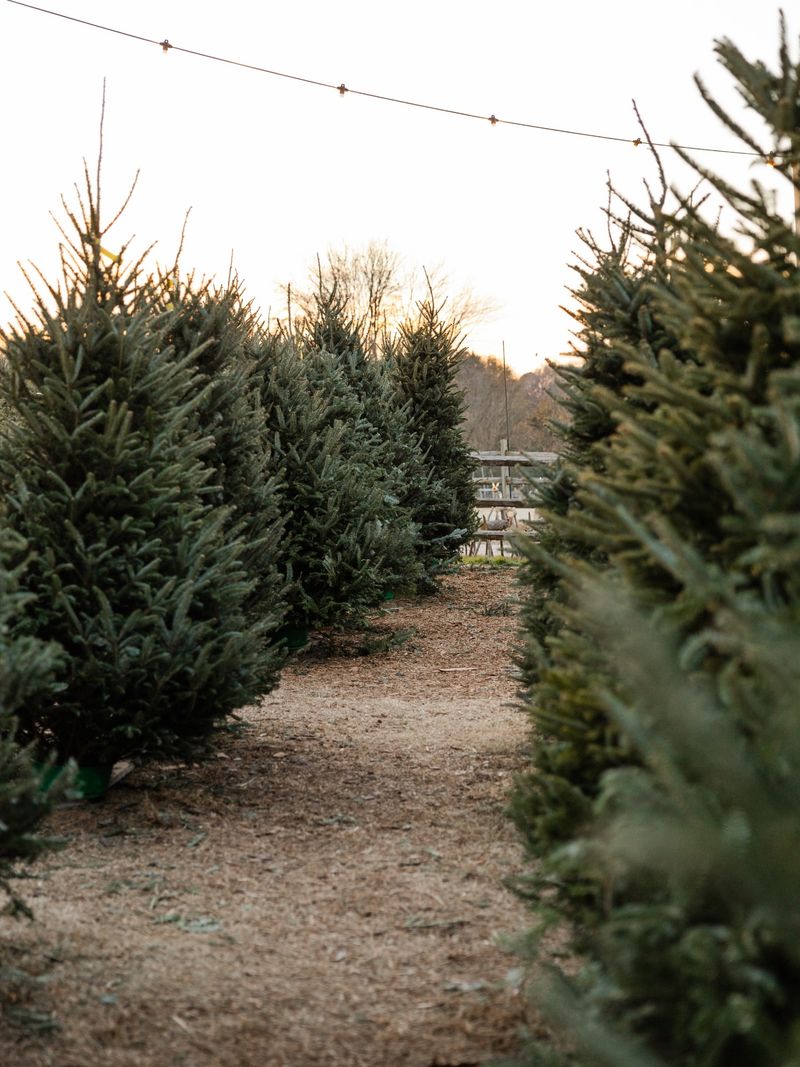
Choose-and-cut farms let you walk through fields of growing trees and select the exact one you want.
Workers then cut it down right in front of you, which means you’re getting the freshest tree possible.
Georgia has dozens of these farms scattered across the state, especially in the northern mountain regions where the climate is perfect for growing evergreens.
Freshly cut trees last much longer than pre-cut ones sitting in parking lots.
When you cut your own, you know exactly when it was harvested.
The tree hasn’t been sitting around losing moisture for days or weeks.
Many choose-and-cut farms offer fun activities beyond just picking a tree.
You might find hayrides, hot chocolate stands, or even visits with Santa Claus.
Going to a farm becomes a whole family adventure instead of a quick shopping trip.
Call ahead to check if the farm requires reservations, especially on weekends near Thanksgiving.
Some popular locations get crowded, and you’ll want to know their hours and whether they provide saws or if you need to bring your own equipment for cutting.
Check For Freshness Indicators
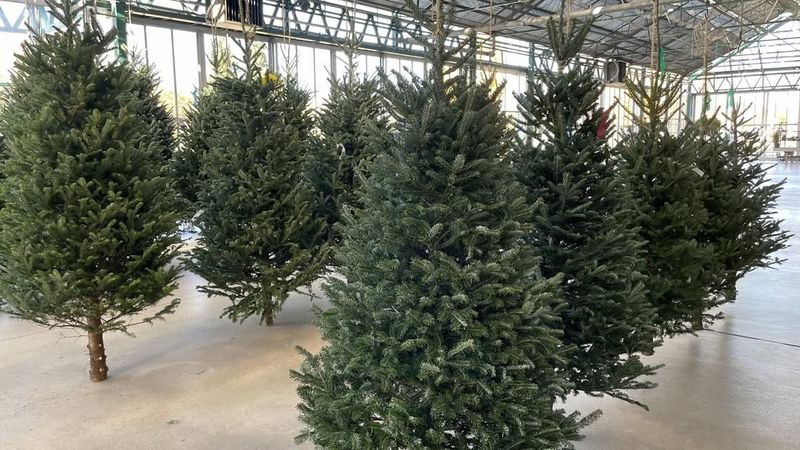
A fresh tree will brighten your holidays for weeks, while a dry one drops needles everywhere and becomes a fire hazard.
Start by gently pulling on the needles—they should stay firmly attached to the branches.
If needles fall off easily when you tug them, that tree has been sitting too long.
Lift the tree a few inches and tap the bottom on the ground.
Watch what happens next.
A fresh tree might drop a few interior brown needles, which is totally normal, but green needles shouldn’t rain down.
Excessive needle drop means the tree is already drying out.
Look at the trunk’s cut end closely.
It should appear light-colored and slightly moist, not dark brown or gray.
When trees sit for weeks, the cut end oxidizes and turns darker.
A fresh cut looks clean and bright.
Bend some needles between your fingers gently.
Fresh needles feel flexible and snap back into shape.
Dry, brittle needles that break easily indicate an old tree that won’t last through Christmas.
Understand Pricing And Budget Accordingly
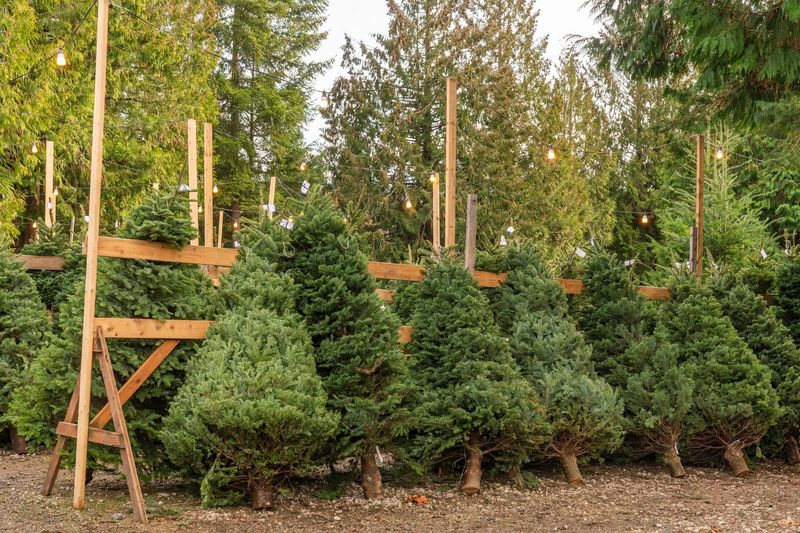
Christmas tree prices in Georgia vary based on several factors, and understanding them helps you budget wisely.
Tree height is the biggest price factor—taller trees cost more because they took longer to grow.
Most farms price trees by the foot, with rates ranging from around twenty to sixty dollars depending on the species and location.
Premium species like Fraser firs command higher prices than Virginia pines or Eastern white pines.
Fraser firs are harder to grow and take longer to reach selling size, which explains the cost difference.
If you’re working with a tight budget, consider a smaller Fraser fir or a larger Virginia pine for similar money.
Choose-and-cut farms sometimes charge less than retail lots because they skip the middleman.
However, pre-cut lot trees offer convenience if you don’t have time for a farm visit.
Some lots negotiate prices late in the season when they’re trying to clear inventory.
Don’t forget to factor in extras like tree stands, preservatives, and delivery fees if the farm offers that service.
Bringing your own stand from home saves money.
Many families find that spending a bit more on a quality tree pays off in freshness and longevity.
Inspect The Tree’s Shape And Symmetry
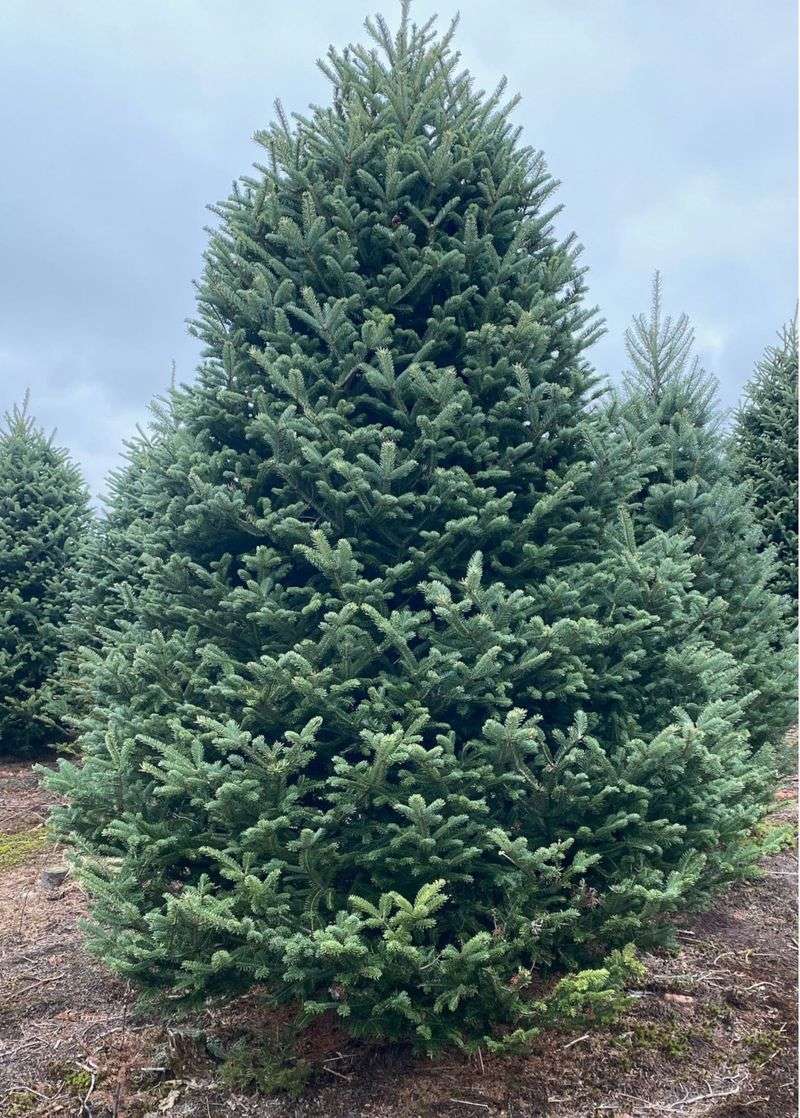
Walking around the entire tree before buying it saves regrets later.
Trees grow in nature, so they don’t always develop perfectly even shapes.
Some have bare spots, crooked trunks, or lopsided branches that you might not notice from just one angle.
Take a full lap around your chosen tree to see it from every direction.
A slightly imperfect tree isn’t necessarily bad—you can position the less attractive side against a wall.
Many families actually prefer trees with character over artificially perfect specimens.
Just make sure you’re aware of any flaws before committing to purchase.
Check that the trunk grows reasonably straight.
A severely crooked trunk makes the tree difficult to secure in a stand and might cause it to lean dangerously.
Gentle curves are fine, but major bends create stability problems.
Look at branch distribution from bottom to top.
Good trees have branches spaced evenly along the trunk without huge gaps.
Dense branch coverage gives you more places to hang ornaments and creates that full, lush appearance everyone loves.
Sparse areas will be noticeable once you get the tree home and decorated.
Ask About Shaking And Baling Services
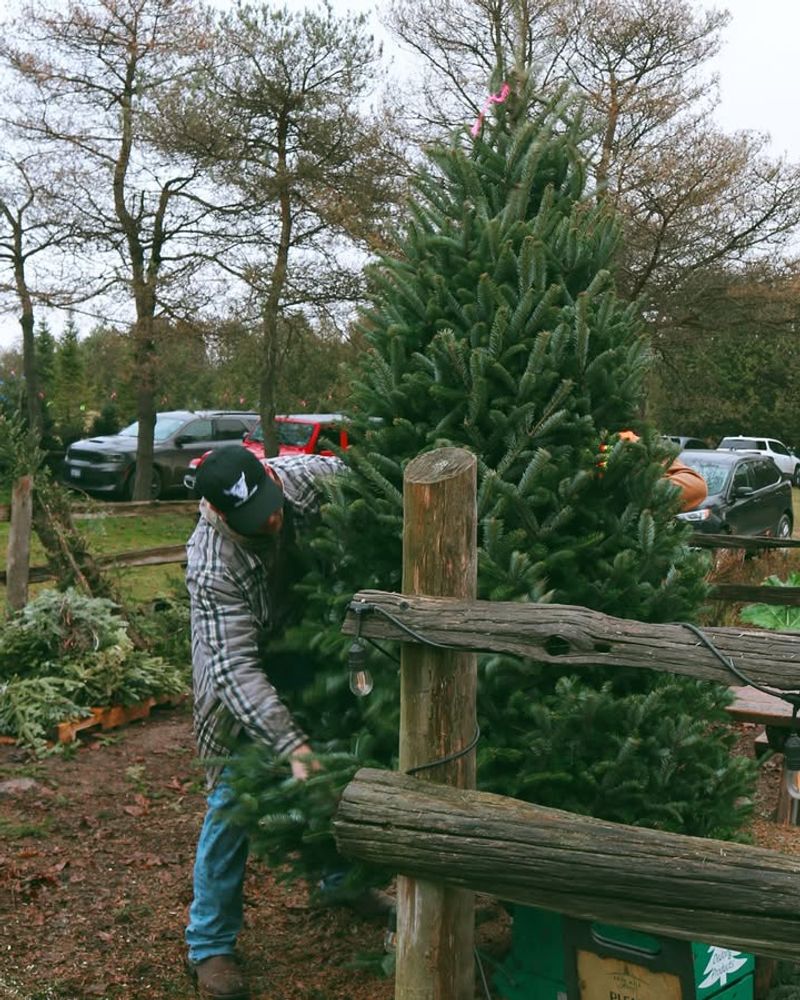
Most Georgia tree farms offer shaking and baling services that make transporting your tree much easier.
Tree shakers are machines that vibrate the trunk, causing dead needles, dust, and debris to fall out before you take the tree home.
This service helps keep your car and house cleaner while also letting you see the tree’s true condition.
Shaking removes the interior brown needles that naturally die off as new growth appears.
These dead needles would eventually fall in your house anyway, so getting rid of them at the farm is smart.
The process takes less than a minute and usually costs just a few extra dollars.
Baling involves wrapping the tree in netting that compresses the branches close to the trunk.
This makes the tree narrower and easier to handle, especially important if you’re tying it to your car roof or squeezing it through narrow doorways.
The netting protects branches from breaking during transport.
Once you get home, cut the netting carefully from bottom to top using scissors.
Let the tree sit for a few hours so branches can settle back into their natural position before you start decorating.
Plan For Safe Transportation Home
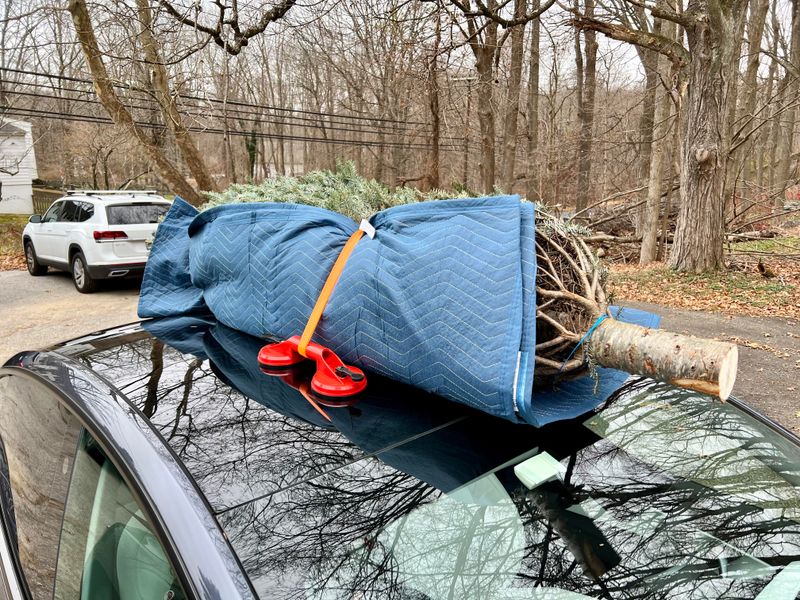
Getting your tree home safely requires some planning, especially if you’re buying a large one.
Many people underestimate how difficult it is to transport a seven or eight-foot tree.
If you have a truck or SUV with the seats folded down, you’re in great shape.
Make sure to protect your vehicle’s interior with old blankets or tarps because sap can stain upholstery.
When strapping a tree to your roof, position it with the trunk facing forward and the top pointing toward the back of your car.
This orientation reduces wind resistance and prevents branches from lifting during highway driving.
Use sturdy rope or ratchet straps—never rely on bungee cords alone because they can snap.
Secure the tree at three points: near the trunk, in the middle, and near the top.
Thread rope through your car’s door frames or around roof rack bars.
Pull everything tight and test the tree by shaking it firmly before leaving the parking lot.
Drive slowly and carefully, especially on highways.
Stop after the first few miles to check that nothing has shifted.
Some farms offer delivery services for a fee, which might be worth it if you have a small car or feel nervous about transporting a large tree yourself.
Make A Fresh Cut Before Setting Up

Even if you just cut your tree at the farm, making another fresh cut before setting it up helps tremendously.
When trees are cut, sap quickly seals over the exposed wood within hours.
This seal prevents the tree from absorbing water properly, which leads to faster drying and needle drop.
Remove about one inch from the bottom of the trunk using a handsaw.
Make the cut straight across rather than at an angle—flat cuts provide more surface area for water absorption and sit more securely in tree stands.
Some people think angled cuts help, but they actually make stands wobble.
Set up your tree in water as soon as possible after making the fresh cut.
The longer you wait, the more the cut end will seal again.
If you can’t set it up immediately, store the tree in a cool garage or shaded area with the trunk sitting in a bucket of water.
Keep the trunk cut smooth without jagged edges or bark peeling.
A clean cut allows the tree to drink water efficiently.
This simple step dramatically extends your tree’s indoor life, keeping it fresh and green throughout the entire holiday season.
Maintain Your Tree With Proper Watering
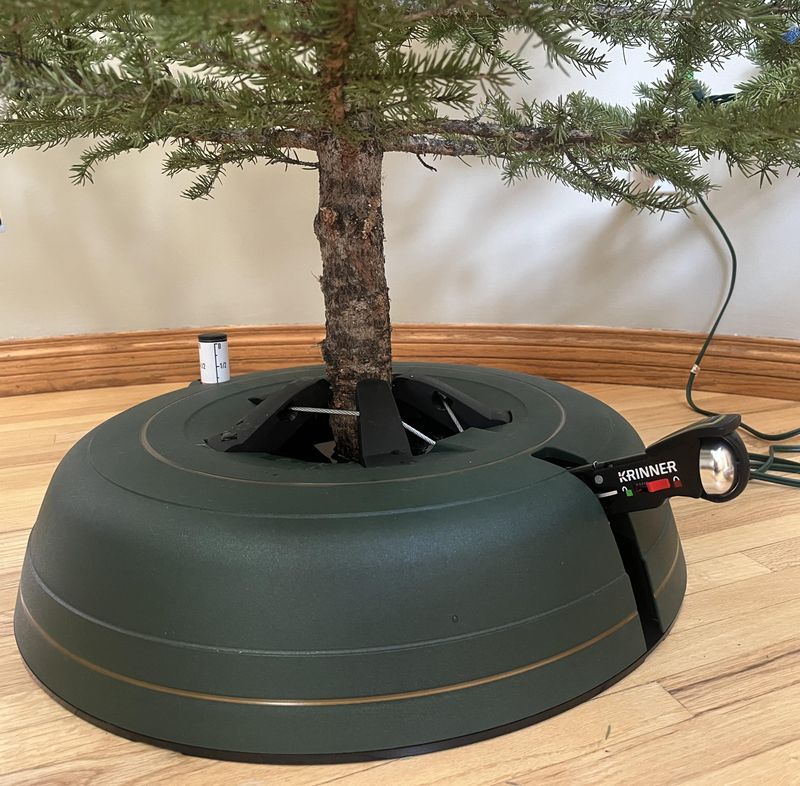
Watering your Christmas tree properly is the single most important thing you can do to keep it fresh.
Trees drink surprising amounts of water, especially during the first week indoors.
A typical six-foot tree can absorb a gallon of water in the first twenty-four hours and about a quart daily after that.
Check your tree stand’s water level twice daily—morning and evening works well.
Never let the water level drop below the trunk’s base because once the cut end dries out, it seals over again.
If this happens, you’ll need to take the tree down, make another fresh cut, and set it back up.
Use plain tap water without adding anything special.
Despite what you might hear, trees don’t need sugar, aspirin, or commercial preservatives.
These additives can actually encourage bacterial growth that clogs the trunk’s water-absorbing cells.
Clean water works best.
Position your tree away from heat sources like fireplaces, radiators, and heating vents.
Heat causes trees to dry out faster, increasing water consumption and shortening their indoor life.
A cooler location helps your tree stay fresh longer while reducing fire risk and keeping your home safer during the holidays.