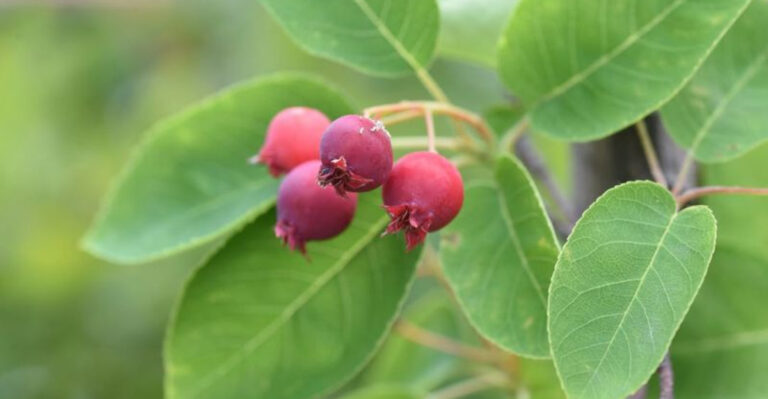
Berry Plants That Bring More Birds And Color Into Virginia Gardens
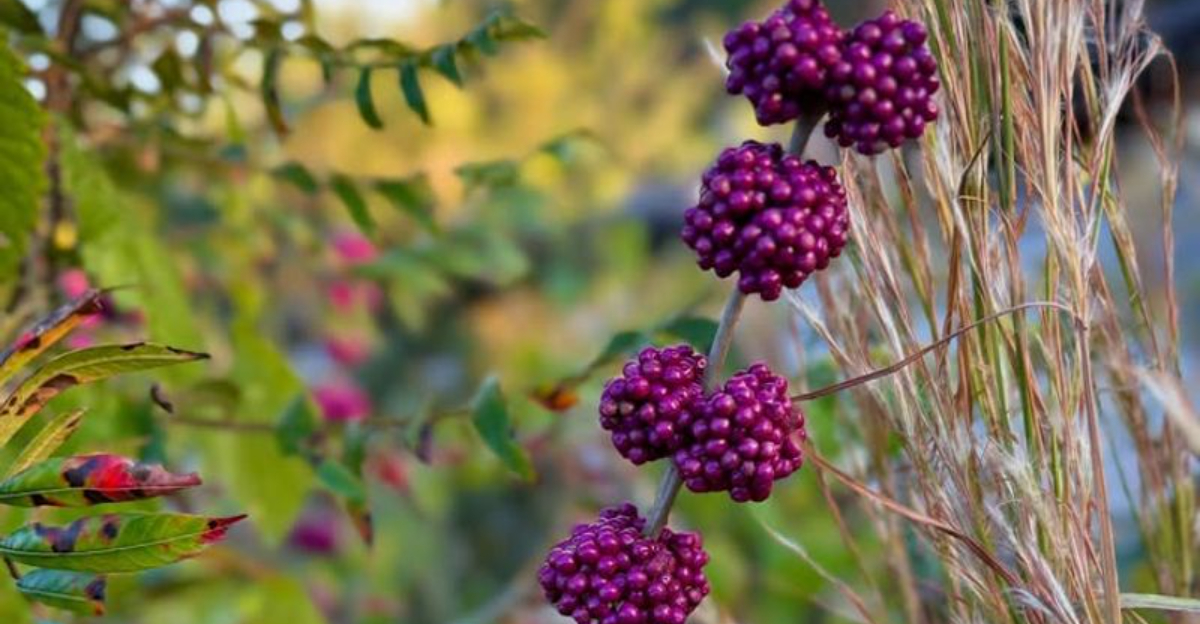
Nothing brings life to a Virginia garden quite like birds—and the easiest way to attract them is with berry-producing plants.
These shrubs and vines provide natural food through the seasons, especially in winter when resources are scarce.
From brilliant winterberry reds to the rich purples of beautyberry, berry plants add year-round color that stands out even when flowers fade.
They also support Virginia’s diverse bird species, offering energy-rich food that keeps wildlife active and visible.
Many of these plants are native and thrive without heavy maintenance, making them perfect for both new and experienced gardeners.
Whether you’re hoping to attract bluebirds, robins, cedar waxwings, or finches, choosing the right berry plants can transform your yard into a lively habitat.
A bird-friendly garden is not only beautiful—it supports local ecosystems in a meaningful way.
Winterberry Holly (Ilex Verticillata)
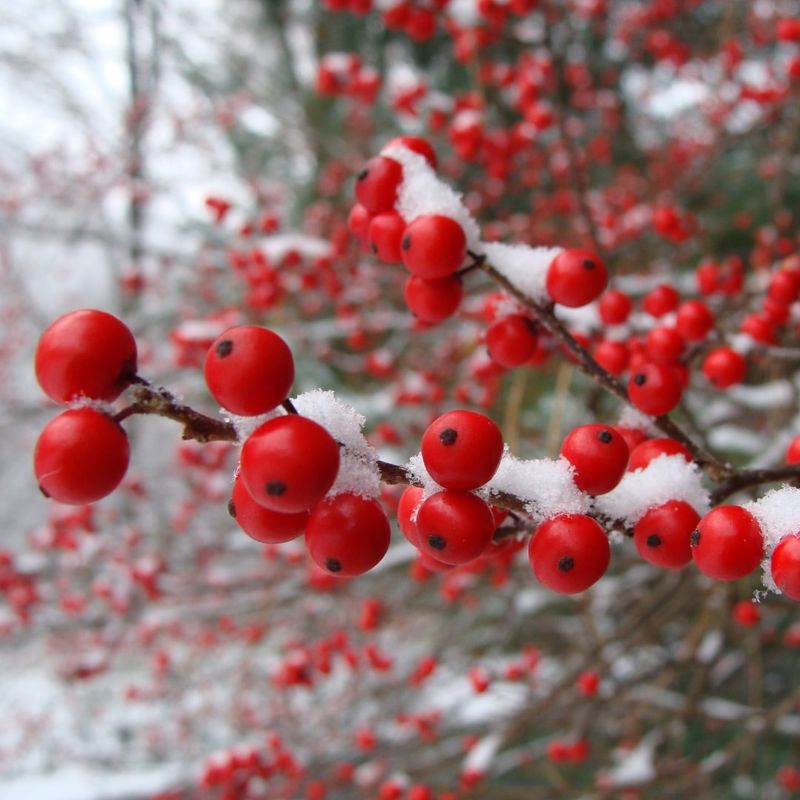
Brilliant scarlet berries glow against bare winter branches, creating a stunning display when most gardens look dull and lifeless.
Winterberry holly transforms into a beacon for hungry birds during the coldest months.
Robins, bluebirds, and cedar waxwings flock to feast on these nutritious fruits when other food sources become scarce.
This deciduous holly loses its leaves in autumn, which makes the berry clusters even more dramatic and visible.
Female plants produce the showy berries, but you need at least one male plant nearby for pollination to occur.
Virginia’s wet areas and garden borders provide ideal growing conditions for winterberry.
The shrub thrives in full sun to partial shade and tolerates soggy soil better than most ornamentals.
Berries typically ripen in September and persist through February, offering months of visual interest and bird food.
Plant several varieties with different ripening times to extend the feeding season even longer.
Gardeners love how winterberry requires minimal maintenance once established.
Prune lightly in early spring before new growth emerges to maintain shape and encourage berry production for the following season.
Beautyberry (Callicarpa Americana)
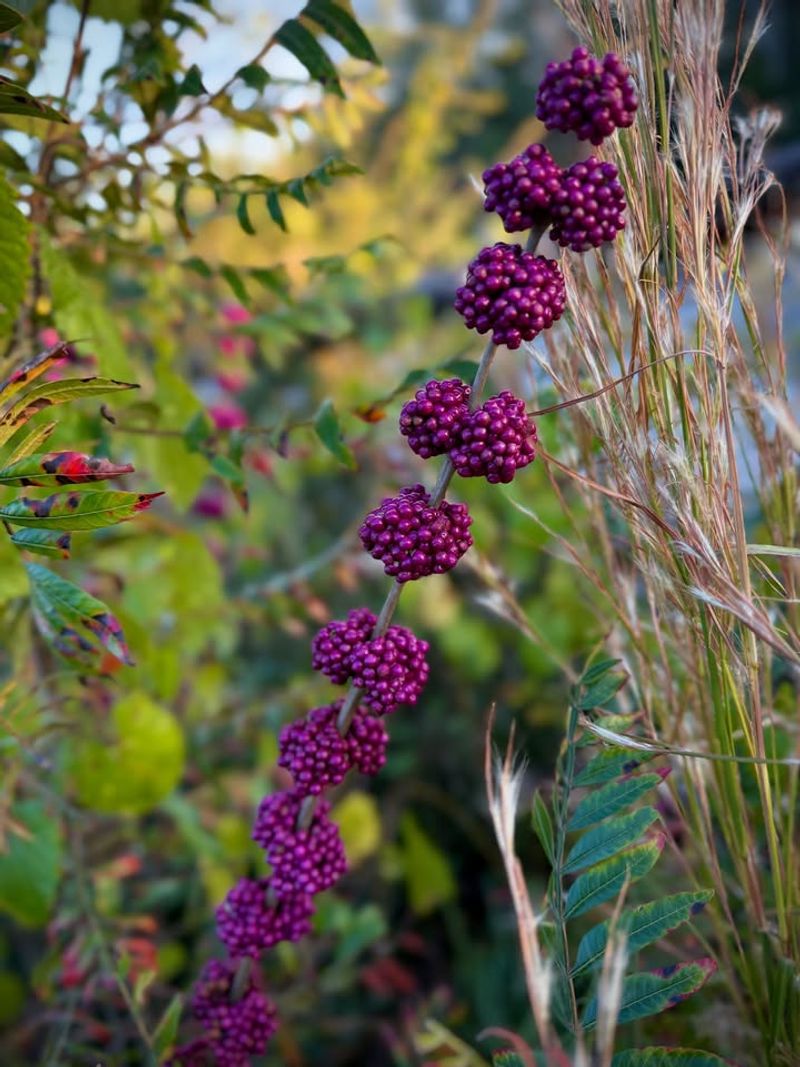
Imagine clusters of electric purple berries wrapping around graceful arching stems like strings of amethyst beads.
American beautyberry earns its name with jewel-bright fruits that appear in late summer and early fall.
Mockingbirds and cardinals can’t resist these distinctive berries, visiting repeatedly throughout autumn.
The shrub grows naturally in Virginia’s woodlands and adapts beautifully to home landscapes.
Its loose, open habit creates an informal cottage garden feel that pairs wonderfully with more structured plantings.
Besides the spectacular berry display, beautyberry offers pale pink flowers in spring that attract bees and butterflies.
The foliage turns soft yellow before dropping in fall, adding another layer of seasonal color.
Growing beautyberry couldn’t be simpler in Virginia’s climate.
Plant it in partial shade with average moisture, and it will reward you with abundant fruit clusters.
Cut stems back hard in late winter to encourage vigorous new growth and heavier berry production.
This aggressive pruning keeps plants compact and loaded with the flowering wood that produces those magnificent purple fruits.
Serviceberry (Amelanchier Canadensis)
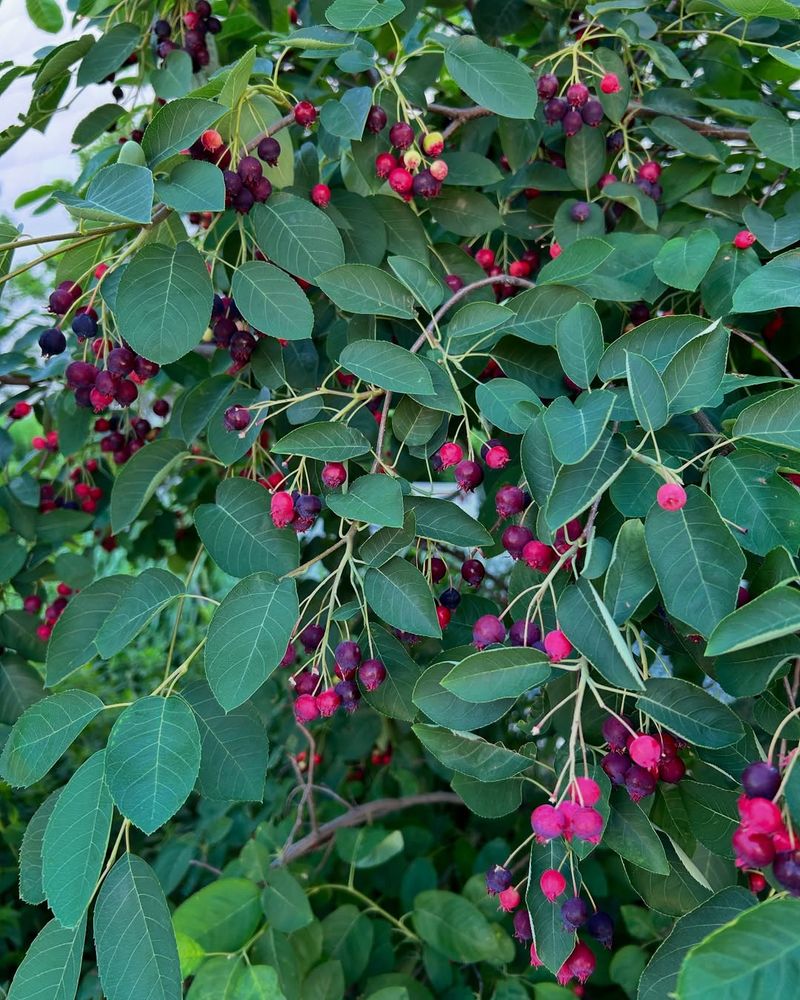
Delicate white blossoms announce spring’s arrival before most trees have even leafed out, creating clouds of snowy flowers against blue skies.
Serviceberry delivers beauty across multiple seasons, starting with that breathtaking spring bloom.
By early summer, small purple-red berries ripen and disappear quickly as catbirds, thrushes, and orioles devour them eagerly.
Virginia gardeners appreciate how this native tree works in various landscape settings.
Whether grown as a multi-stemmed shrub or trained into a small tree, serviceberry fits beautifully in woodland gardens and suburban yards alike.
The berries taste sweet and mild, similar to blueberries with a hint of almond.
You can harvest some for yourself to make jams and pies, though you’ll need to beat the birds to the ripest fruits.
Fall brings another show when leaves turn brilliant shades of orange, red, and gold.
Smooth gray bark adds winter interest, making serviceberry a true four-season performer.
Plant serviceberry in full sun to partial shade with well-drained soil.
Established trees tolerate drought reasonably well and resist most pests and diseases naturally.
Elderberry (Sambucus Nigra Ssp. Canadensis)
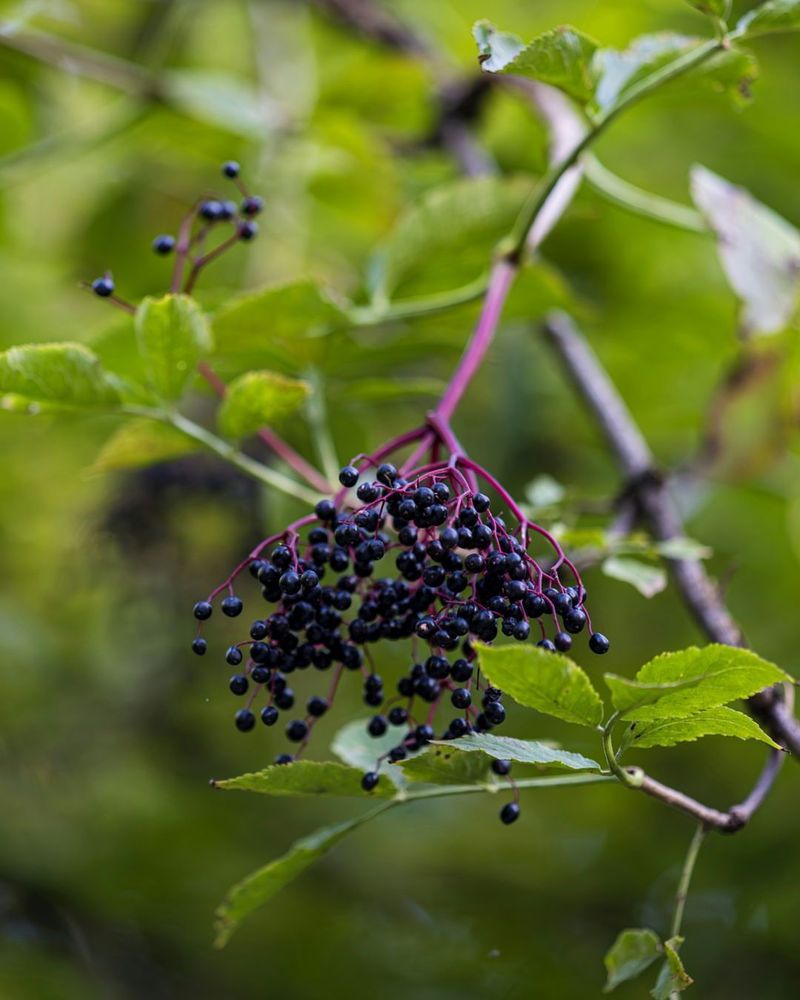
Massive flat-topped clusters of tiny white flowers in June create landing platforms for pollinators before transforming into drooping bunches of dark purple berries.
More than fifty bird species rely on elderberry as a critical food source during late summer.
Warblers, tanagers, and grosbeaks join the usual suspects to feast on these nutritious fruits.
Elderberry grows fast and spreads enthusiastically through Virginia gardens, forming thickets that provide excellent cover for nesting birds.
The large compound leaves create dense shade and a lush, tropical appearance.
Humans have harvested elderberries for generations to make syrups, wines, and preserves.
The cooked berries contain beneficial compounds that support immune health, though raw berries and other plant parts should not be consumed.
This vigorous shrub tolerates wet soil and even thrives in areas that stay damp year-round.
Full sun produces the heaviest berry crops, but elderberry adapts to partial shade without complaint.
Prune older canes to the ground each winter to encourage fresh, productive growth.
New shoots produce the most flowers and berries, keeping your elderberry patch youthful and abundant.
Virginia Creeper (Parthenocissus Quinquefolia)
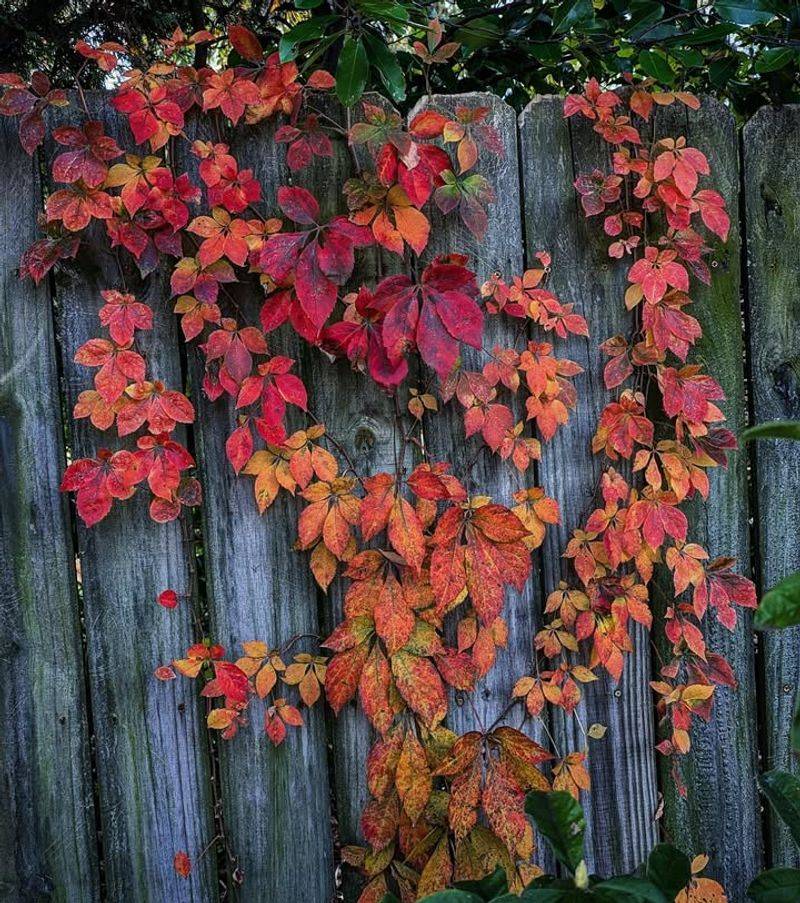
Brilliant crimson leaves cascade down fences and climb up tree trunks each autumn, creating one of Virginia’s most spectacular natural displays.
Virginia creeper produces small blue-black berries in fall that provide essential fuel for woodpeckers and migratory birds preparing for long journeys south.
The timing couldn’t be better for hungry travelers passing through the region.
This native vine grows with remarkable vigor, attaching itself to surfaces using small adhesive disks rather than damaging tendrils.
It can cover unsightly structures quickly or create a living privacy screen.
The compound leaves consist of five leaflets arranged like fingers on a hand, making identification easy.
In spring and summer, the foliage provides a lush green backdrop for flowering plants.
Virginia creeper tolerates almost any growing condition, from full sun to deep shade and dry to moist soil.
Its adaptability makes it perfect for challenging spots where other plants struggle.
Keep this enthusiastic grower in check by pruning whenever it ventures beyond its designated area.
The vine responds well to trimming and quickly fills in bare spots with fresh growth.
Red Chokeberry (Aronia Arbutifolia)
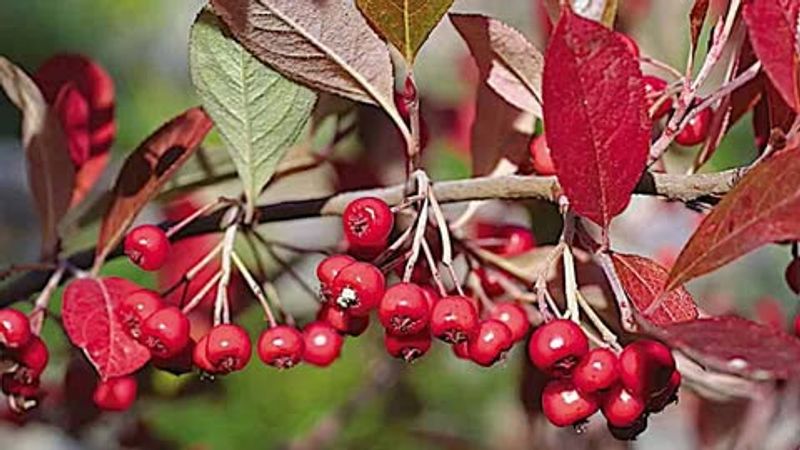
Glossy crimson berries cling to branches well into winter, providing emergency rations when snow covers the ground and other food sources vanish.
Red chokeberry fills an important ecological role by offering persistent fruit that feeds birds during the leanest months.
The berries soften after frost, becoming more palatable and easier for birds to digest.
Virginia’s native chokeberry adapts to various soil conditions, including clay and sandy soils that challenge many ornamentals.
It tolerates wet feet better than most shrubs while also handling periodic drought.
White or pale pink spring flowers attract early pollinators before transforming into the distinctive red fruits.
Fall foliage turns deep burgundy and purple, adding rich color to the autumn landscape.
The shrub’s suckering habit creates informal colonies that work beautifully in naturalized areas and rain gardens.
For more formal settings, simply remove unwanted suckers to maintain a tidy appearance.
Plant red chokeberry in full sun for the best berry production and fall color.
Partial shade works fine, though fruit set may be lighter and autumn hues less intense in shadier locations.
Black Chokeberry (Aronia Melanocarpa)
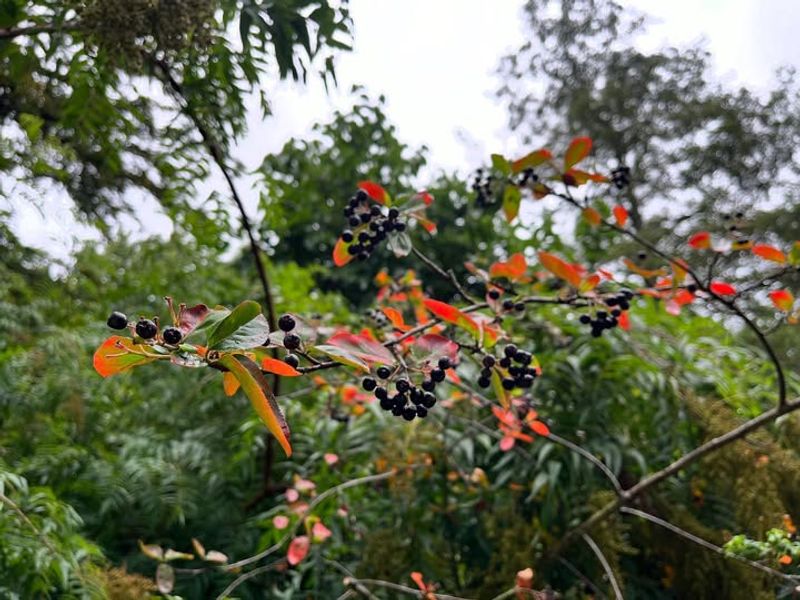
Clusters of dark purple-black berries hang like tiny grapes from compact branches, creating striking contrast against fiery orange and red autumn leaves.
Black chokeberry attracts finches and thrushes that appreciate the high antioxidant content of these nutritious fruits.
The berries taste astringent to humans but provide excellent nutrition for wildlife.
Gardeners value this tough native for its ability to thrive in challenging conditions.
Black chokeberry handles urban pollution, salt spray, and compacted soil better than most ornamental shrubs.
Spring brings clusters of small white flowers with pink stamens that create a delicate display.
Bees and beneficial insects visit these blooms enthusiastically, supporting garden pollination.
The compact growth habit makes black chokeberry perfect for foundation plantings and mixed borders.
It stays smaller than its red cousin, typically reaching four to six feet tall and wide.
Full sun produces the heaviest fruit crops and most intense fall color, though the shrub tolerates partial shade gracefully.
Plant in groups of three or more for maximum visual impact and better berry production through cross-pollination.
Blueberry (Vaccinium Spp.)
Plump blue fruits dangle from branches in midsummer, tempting both human gardeners and feathered visitors to sample the sweet harvest.
Native blueberries provide double duty by feeding families and wildlife alike.
Robins, catbirds, and thrashers compete with you for the ripest berries, so plant extra bushes to share.
Virginia’s native species include highbush and lowbush varieties that thrive in acidic soil conditions.
Amend your planting area with sulfur and organic matter if your soil pH runs too high.
Bell-shaped white or pink flowers appear in spring, attracting early-season pollinators.
Planting multiple varieties extends the harvest season and improves berry production through cross-pollination.
Fall transforms blueberry foliage into brilliant shades of scarlet, orange, and burgundy.
The colorful leaves rival any ornamental shrub for autumn impact.
Choose a sunny location with excellent drainage for best results.
Blueberries need consistent moisture during fruit development but won’t tolerate waterlogged roots.
Mulch plants with pine needles or shredded oak leaves to maintain soil acidity and conserve moisture.
Prune older canes every few years to encourage vigorous new growth.
Hawthorn (Crataegus Spp.)
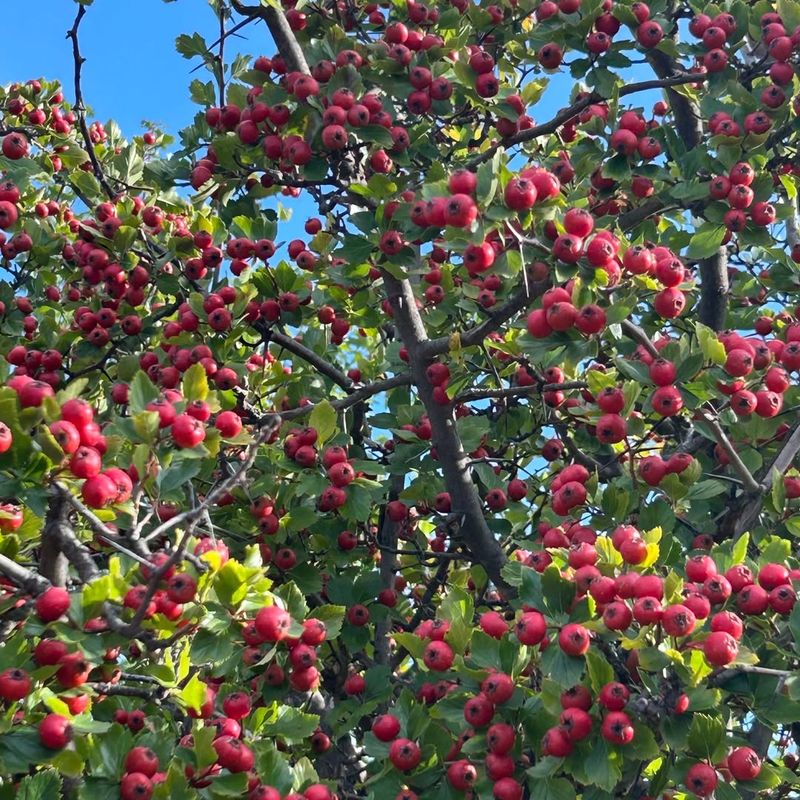
Clusters of bright red berries called haws persist through winter, providing reliable food when birds need it most desperately.
Hawthorn serves as a wildlife powerhouse, supporting pollinators with spring flowers and feeding winter birds with persistent fruits.
The dense branching structure offers excellent nesting sites and protection from predators.
Virginia’s native hawthorn species include several excellent choices for home gardens.
Washington hawthorn and cockspur hawthorn both produce abundant berries and striking fall color.
White flowers blanket branches in late spring, creating a spectacular display that attracts bees and butterflies.
The blooms release a distinctive fragrance that some find pleasant while others consider overpowering.
Sharp thorns protect the tree from browsing animals and make hawthorn an excellent living fence or barrier planting.
These thorns require careful placement away from pathways and play areas.
Fall foliage ranges from orange to purple depending on the species and growing conditions.
The colorful leaves drop to reveal the bright berry clusters that remain through winter.
Plant hawthorn in full sun with well-drained soil for optimal health and fruit production.
Established trees tolerate drought and urban conditions remarkably well.