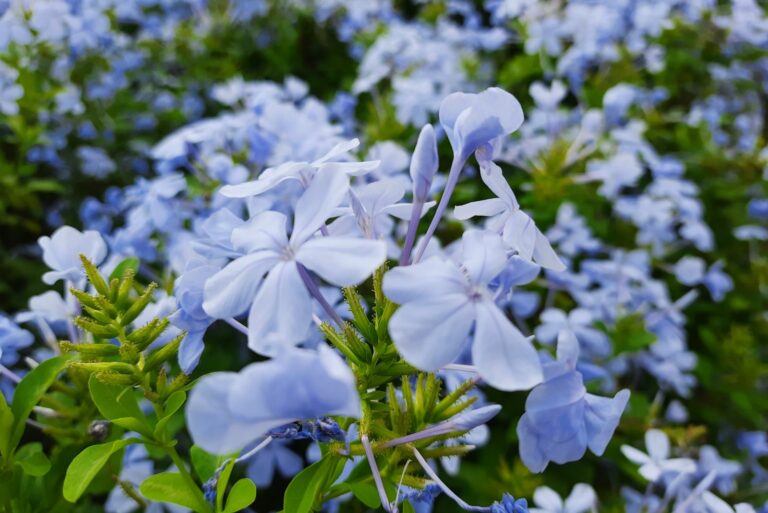
8 Berry Plants That Thrive When Planted In Early Spring In Pennsylvania
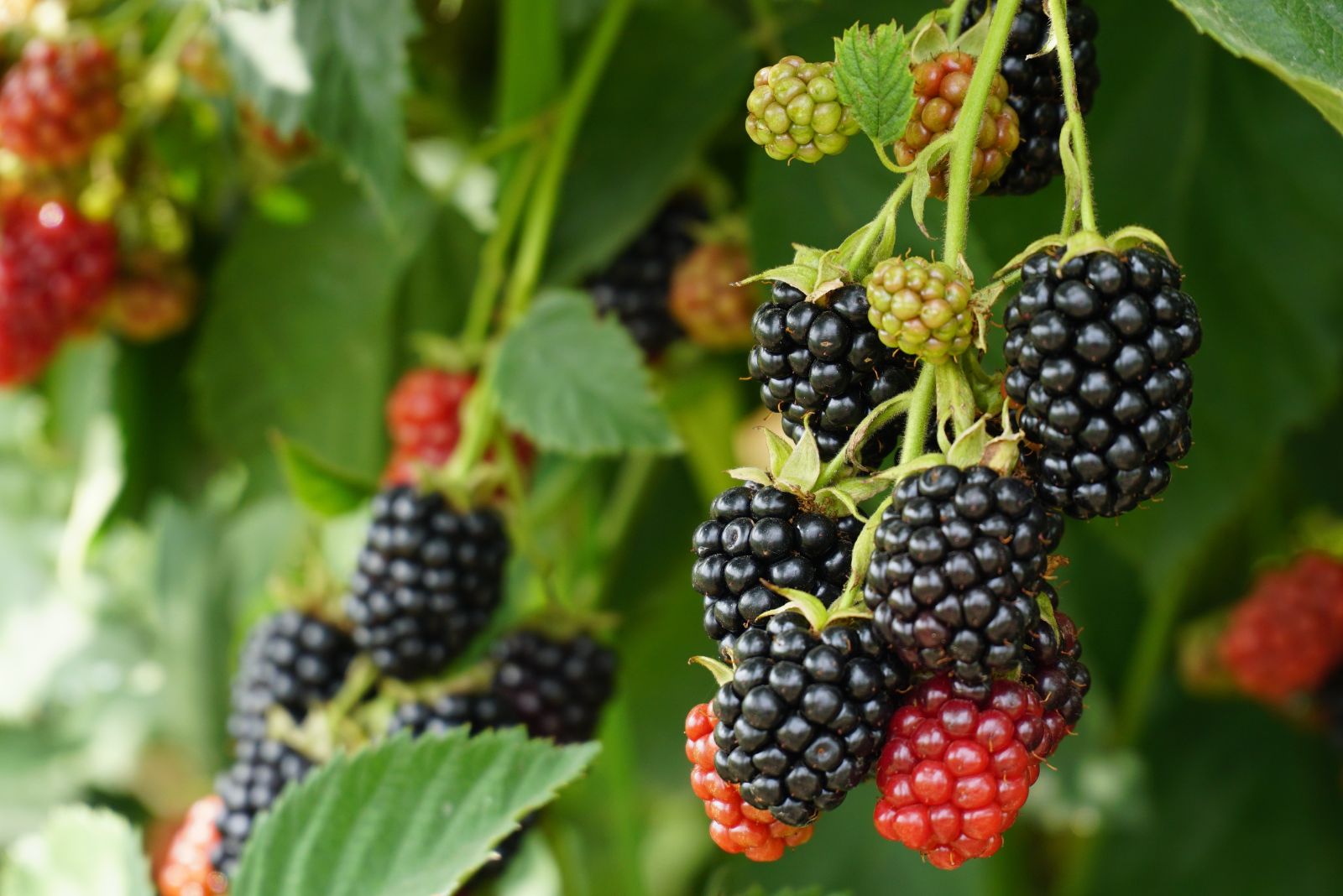
Have you ever thought about stepping into your backyard and picking fresh berries straight from the plant? Early spring in Pennsylvania is the perfect moment to make that idea a reality.
As the soil begins to warm and the days slowly grow longer, berry plants get the conditions they need to settle in and start growing strong.
Planting berries in early spring gives them a valuable head start. Cooler temperatures and steady moisture help young plants focus on building healthy roots before the heat of summer arrives.
By the time the growing season is in full swing, they are already established and ready to put their energy into producing fruit.
Berry plants also bring more than just a tasty harvest. Many produce delicate spring flowers, attract helpful pollinators, and add texture to garden beds.
With the right varieties, your Pennsylvania garden can offer fresh flavor, seasonal beauty, and a reason to spend even more time outdoors.
1. Strawberries
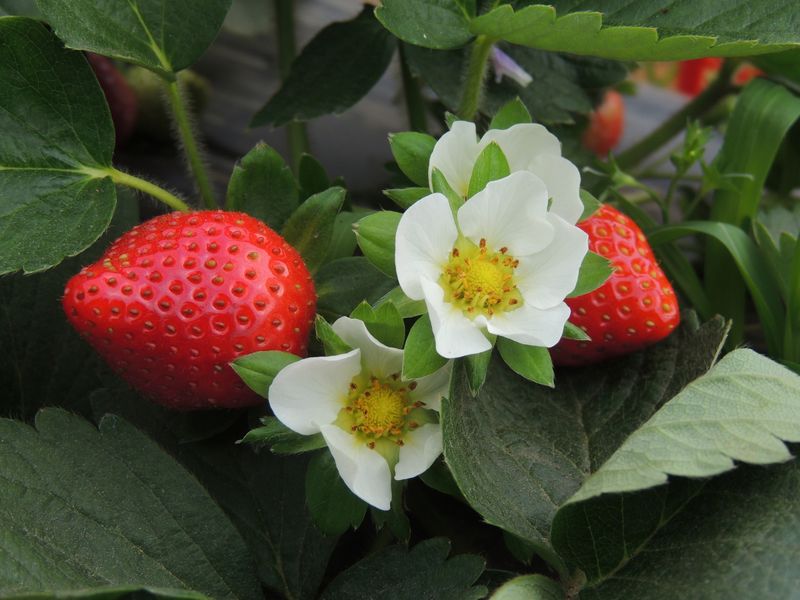
Nothing beats the smell of fresh strawberries ripening in your own backyard. Strawberries are one of the easiest and most rewarding berry plants you can grow in Pennsylvania, especially when you get them in the ground during early spring.
The cool air and moist soil help young plants develop strong, healthy root systems before the summer heat kicks in.
Pennsylvania gardeners have three main types to choose from. June-bearing strawberries produce one large crop in late spring or early summer.
Everbearing types give you two harvests, one in spring and one in fall. Day-neutral varieties keep producing fruit throughout the growing season, which is great if you want a steady supply of berries all summer long.
Plant your strawberries in a sunny spot with well-drained soil. They love full sun, so aim for at least six to eight hours of direct sunlight each day.
Space the plants about 12 to 18 inches apart to give them room to spread. Adding a layer of straw mulch around the plants helps keep the soil moist and protects the fruit from touching the ground.
With a little care, you can expect a bountiful harvest by late spring or early summer. Strawberries also work great in raised beds, which is a popular setup for Pennsylvania home gardeners with limited yard space.
2. Raspberries
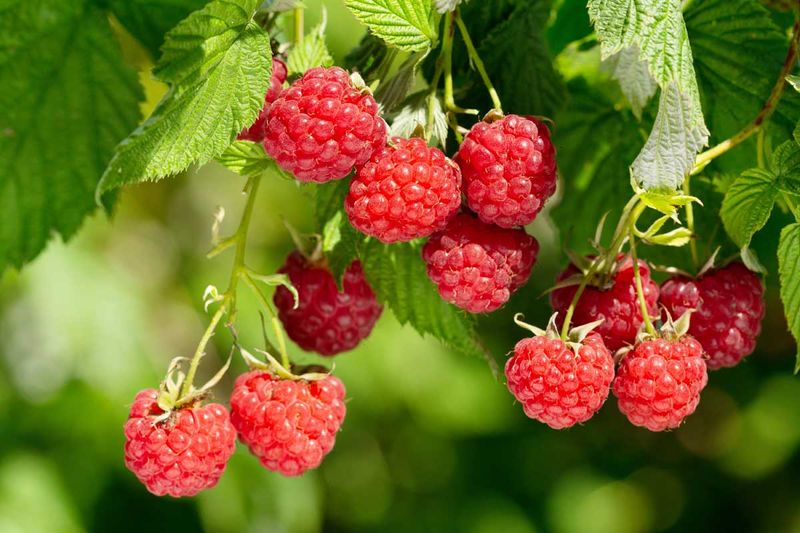
Raspberries have a way of making any garden feel lively and productive. These cane fruits are a fantastic choice for Pennsylvania gardeners who want a reliable, long-term berry plant.
Planting them in early spring gives the canes time to establish strong roots before summer arrives, which sets them up for healthy growth in the seasons ahead.
You have two main options when it comes to raspberry varieties. Summer-bearing types produce one large crop in early to mid-summer.
Fall-bearing raspberries, sometimes called everbearing, give you fruit in late summer and fall. Many Pennsylvania gardeners love fall-bearing types because the second harvest often comes right when other berries have finished for the season.
One thing to keep in mind is that raspberries typically produce fruit in their second year after planting. So the first year is really about letting the plant build its strength.
Plant your canes in a sunny location with rich, well-drained soil. They grow best with a trellis or support system to keep the tall canes upright.
Water regularly during dry spells, and add compost to the soil each spring to keep plants healthy.
Pennsylvania’s cooler climate is actually a big plus for raspberries, since they prefer temperatures that do not get too hot too fast. Once established, a single raspberry patch can produce fruit for ten years or more.
3. Blackberries
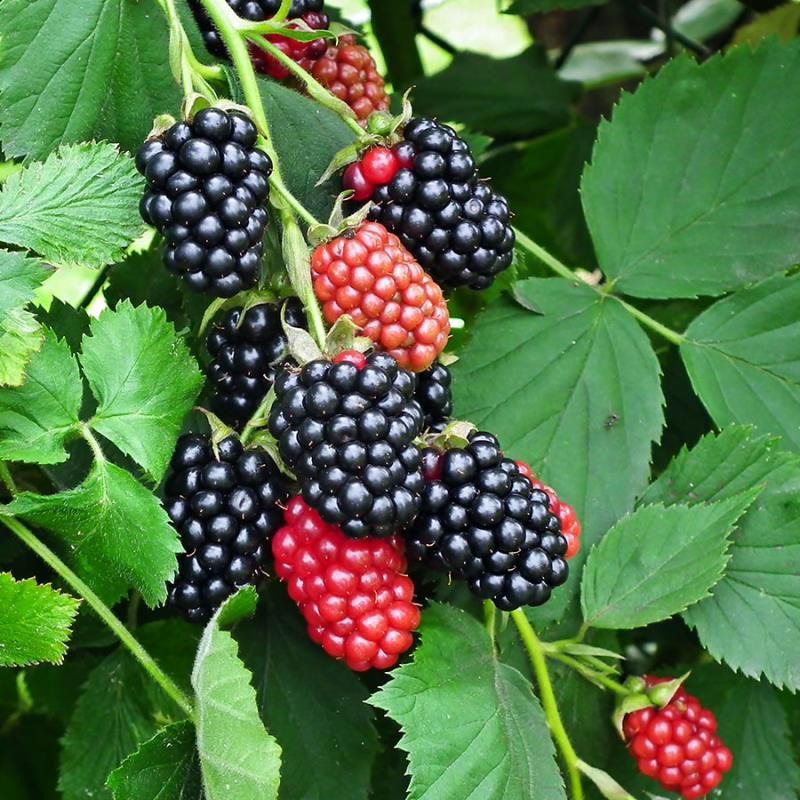
Blackberries are tough, productive, and surprisingly easy to grow once you know what they need. If you have a sunny corner of your Pennsylvania yard that you are not sure what to do with, blackberries might be exactly the right fit.
Early spring planting lets the canes settle in while the soil is still cool and moist, which is when they do their best rooting.
There are three main types to consider. Erect blackberries stand on their own without much support.
Semi-erect varieties grow a bit more loosely and benefit from a trellis. Trailing types spread along the ground and are great for covering slopes or fences.
All three types thrive in Pennsylvania’s climate, especially when given full sun and well-drained soil.
Blackberries are known for being highly productive. A single well-cared-for plant can produce several pounds of fruit each season.
They are also packed with vitamins and antioxidants, making them a smart addition to any home garden. Plant them about three to four feet apart to give each cane room to grow.
Prune older canes after harvest to encourage new growth the following year. One helpful tip for Pennsylvania gardeners is to mulch heavily around the base of each plant.
This keeps the roots cool during hot summers and reduces the need for frequent watering throughout the growing season.
4. Goji Berries (Lycium barbarum)
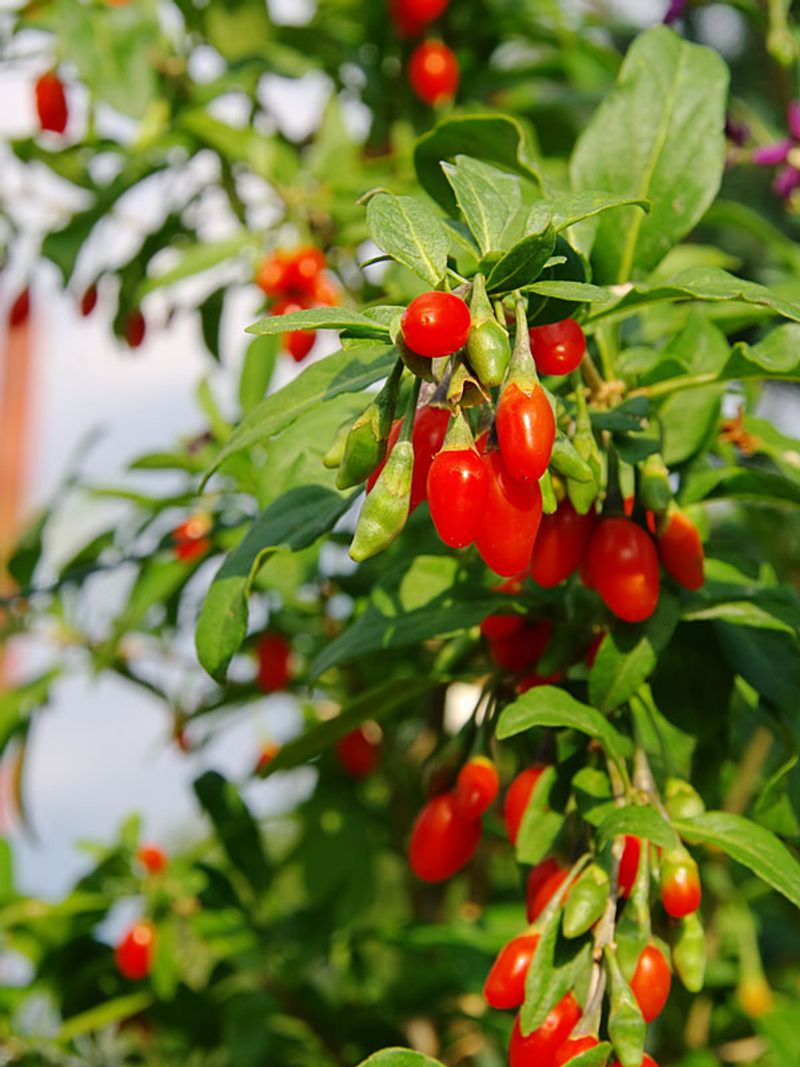
Goji berries might not be the first plant that comes to mind for a Pennsylvania garden, but they are full of surprises.
These bright red berries have been used in traditional Asian medicine for centuries, and today they are popular all over the world for their impressive nutritional profile.
Rich in antioxidants, vitamin C, and fiber, goji berries are as healthy as they are eye-catching.
The good news for Pennsylvania growers is that goji berry plants are cold-hardy and can handle early spring frosts without much trouble. That makes them a great candidate for getting into the ground as soon as the soil can be worked.
Look for cold-hardy varieties specifically bred for northern climates to get the best results in Pennsylvania’s unpredictable spring weather.
Goji berry plants are shrubby and can grow four to eight feet tall, so give them plenty of room. They prefer full sun and well-drained soil with a slightly alkaline pH.
Once established, these plants are remarkably low-maintenance. They are drought-tolerant, pest-resistant, and can produce berries for many years.
You can eat goji berries fresh, dry them for snacks, or add them to teas and smoothies. Most plants will begin producing fruit in their second or third year.
For Pennsylvania gardeners looking for something a little different and highly rewarding, goji berries are absolutely worth trying in your spring planting lineup.
5. Blueberries
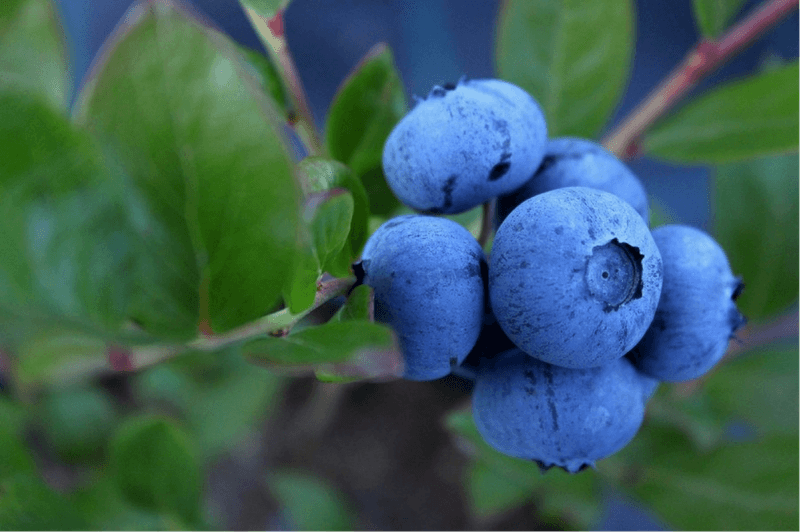
Blueberries are practically made for Pennsylvania. The state’s naturally acidic soil in many regions is exactly what these shrubs love, and planting them in early spring gives them the best possible start.
Once established, blueberry bushes can produce fruit for decades, making them one of the best long-term investments you can make in your garden.
Highbush varieties are the most popular choice for Pennsylvania gardeners. Varieties like Legacy and Bluecrop are well-suited to the state’s climate and are known for producing large, flavorful berries.
For best results, plant at least two different varieties near each other. Cross-pollination between varieties leads to bigger fruit and heavier harvests, which is always a welcome bonus.
Blueberries need acidic soil with a pH between 4.5 and 5.5. If your soil is not naturally acidic, you can lower the pH by mixing in sulfur or peat moss before planting.
Full sun is important, so choose a spot that gets at least six hours of direct sunlight each day. Water regularly, especially during the first couple of growing seasons while the roots are getting established.
Blueberry flowers also attract bees and other pollinators, which benefits your entire garden. Come summer, you will enjoy a steady supply of sweet, antioxidant-rich berries that are perfect for eating fresh, baking, or freezing for later use throughout the year.
6. Gooseberries
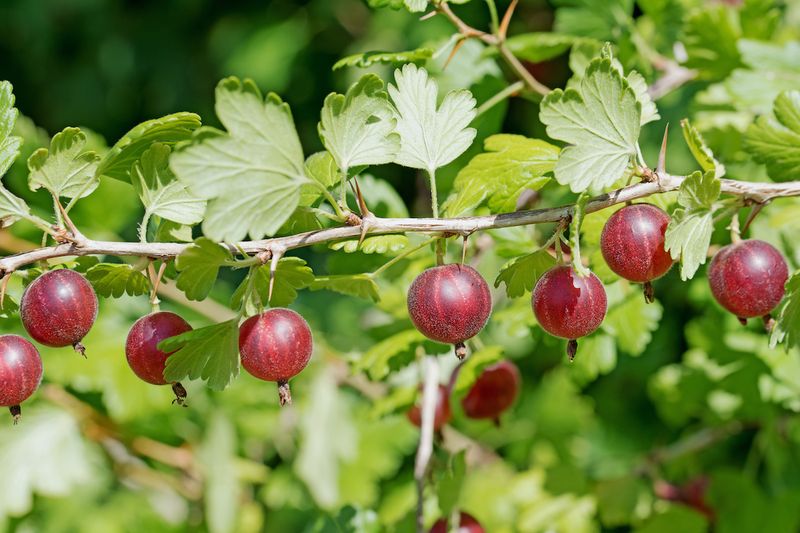
Gooseberries are a bit of an old-fashioned garden gem that deserves a comeback in Pennsylvania yards. These tart little berries were a staple in American gardens a hundred years ago, and for good reason.
They are incredibly hardy, easy to grow, and produce generous harvests even in less-than-perfect conditions. Early spring is the ideal time to get them in the ground in Pennsylvania.
Two popular varieties for Pennsylvania are Invicta and Hinnonmaki. Invicta is known for its large, pale green fruit and strong resistance to mildew.
Hinnonmaki comes in both red and yellow versions and is prized for its excellent flavor. Both varieties handle cool spring temperatures well and establish quickly when planted early in the season.
Gooseberry shrubs prefer a spot with partial to full sun and well-drained, fertile soil. They are one of the more shade-tolerant berry plants, which makes them a flexible choice if your yard does not get full sun all day.
Space plants about four to five feet apart to allow for good air circulation, which helps prevent disease. Gooseberries are low-maintenance once established and rarely need much attention beyond occasional pruning and a layer of compost each spring.
The tart fruit is fantastic for pies, jams, jellies, and chutneys. Pennsylvania gardeners who enjoy homemade preserves will find gooseberries to be an incredibly useful and satisfying addition to their property.
7. Currants
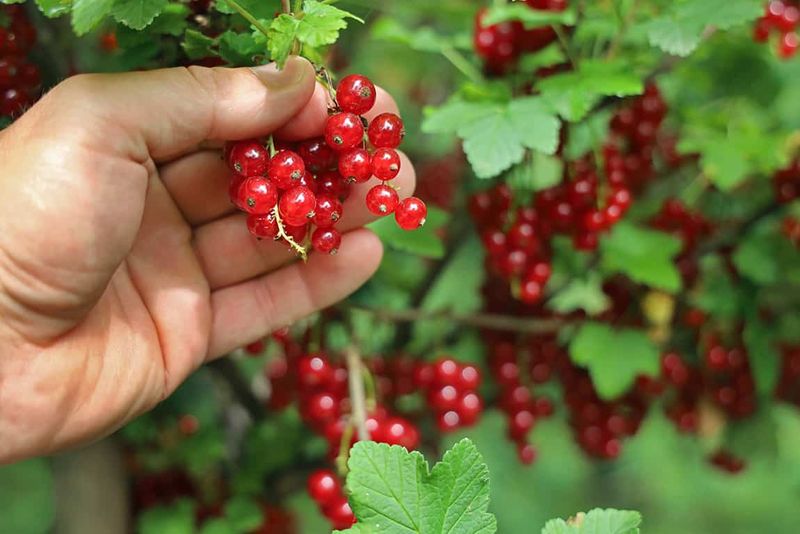
Currants are one of those underappreciated berry plants that truly shine in Pennsylvania’s climate. They are cold-hardy, reliable, and loaded with flavor.
If you have ever tasted homemade currant jam or a fresh glass of currant juice, you already know why so many gardeners make room for these shrubs in their yards. Early spring planting gives them plenty of time to settle in before the summer heat arrives.
Pennsylvania gardeners can choose from red, black, or white currant varieties. Red Lake is one of the most popular red currant varieties, known for its heavy yields and bright, tangy fruit.
Black currants have a stronger, earthier flavor and are especially high in vitamin C. White currants are the mildest and sweetest of the three, making them a great option for fresh eating right off the bush.
Currants are adaptable shrubs that grow well in partial shade, which sets them apart from many other berry plants. They prefer cool, moist soil and do not like extreme heat, so Pennsylvania’s climate suits them well.
Plant them in early spring as soon as the ground is workable, and space them about four to five feet apart. Prune older stems each year to encourage fresh growth and better fruit production.
Currants start producing fruit within two to three years of planting and can remain productive for fifteen years or more, making them a smart long-term addition to any Pennsylvania garden.
8. Elderberries
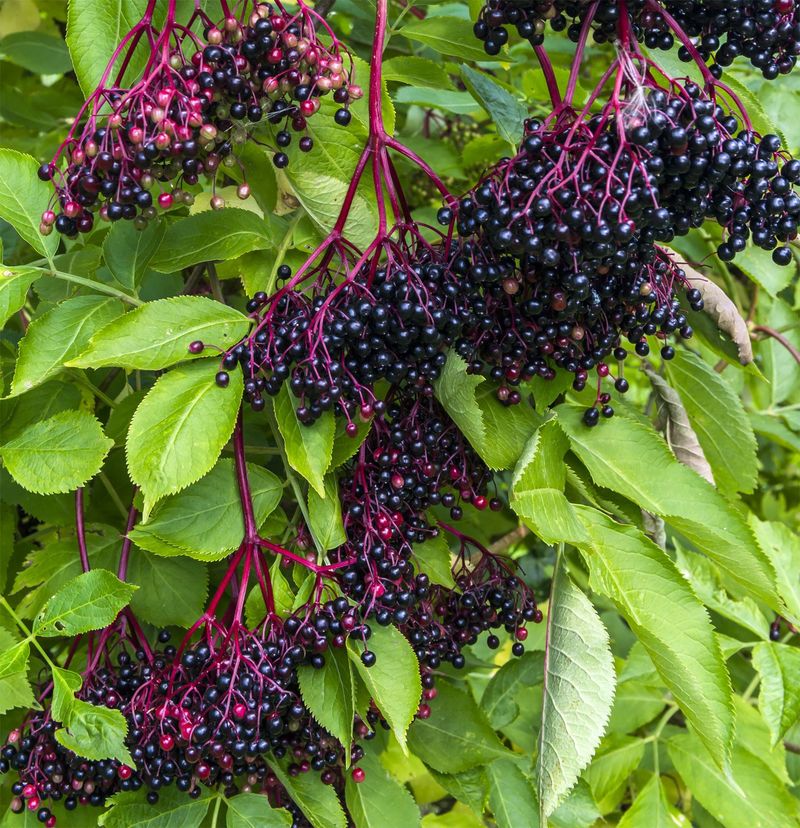
Elderberries have become one of the most talked-about berry plants in recent years, and Pennsylvania gardeners are lucky to have a native variety that thrives right in their own backyard.
The American elderberry, Sambucus canadensis, is perfectly suited to Pennsylvania’s climate and grows naturally along roadsides, stream banks, and woodland edges throughout the state.
Planting elderberries in early spring works beautifully because the cool, moist conditions help young plants establish quickly. Elderberries are adaptable shrubs that can handle a range of soil types, from sandy to clay-heavy, as long as the soil stays reasonably moist.
They grow best in full sun to partial shade and can reach six to twelve feet tall at maturity, so give them plenty of space to spread out.
One fun fact about elderberries is that they are incredibly attractive to wildlife. Birds love the dark purple berries, and the large, flat flower clusters attract dozens of pollinator species in late spring and early summer.
For people, elderberries are popular for making syrups, juices, jams, and even wine. Many Pennsylvania families use elderberry syrup as a seasonal wellness staple during the colder months.
Plant at least two shrubs near each other to improve pollination and boost your harvest. Within two to three years of planting, a healthy elderberry shrub can produce several pounds of fruit per season, rewarding your early spring efforts generously.