9 Berry Plants That Will Attract Birds To Your Georgia Garden
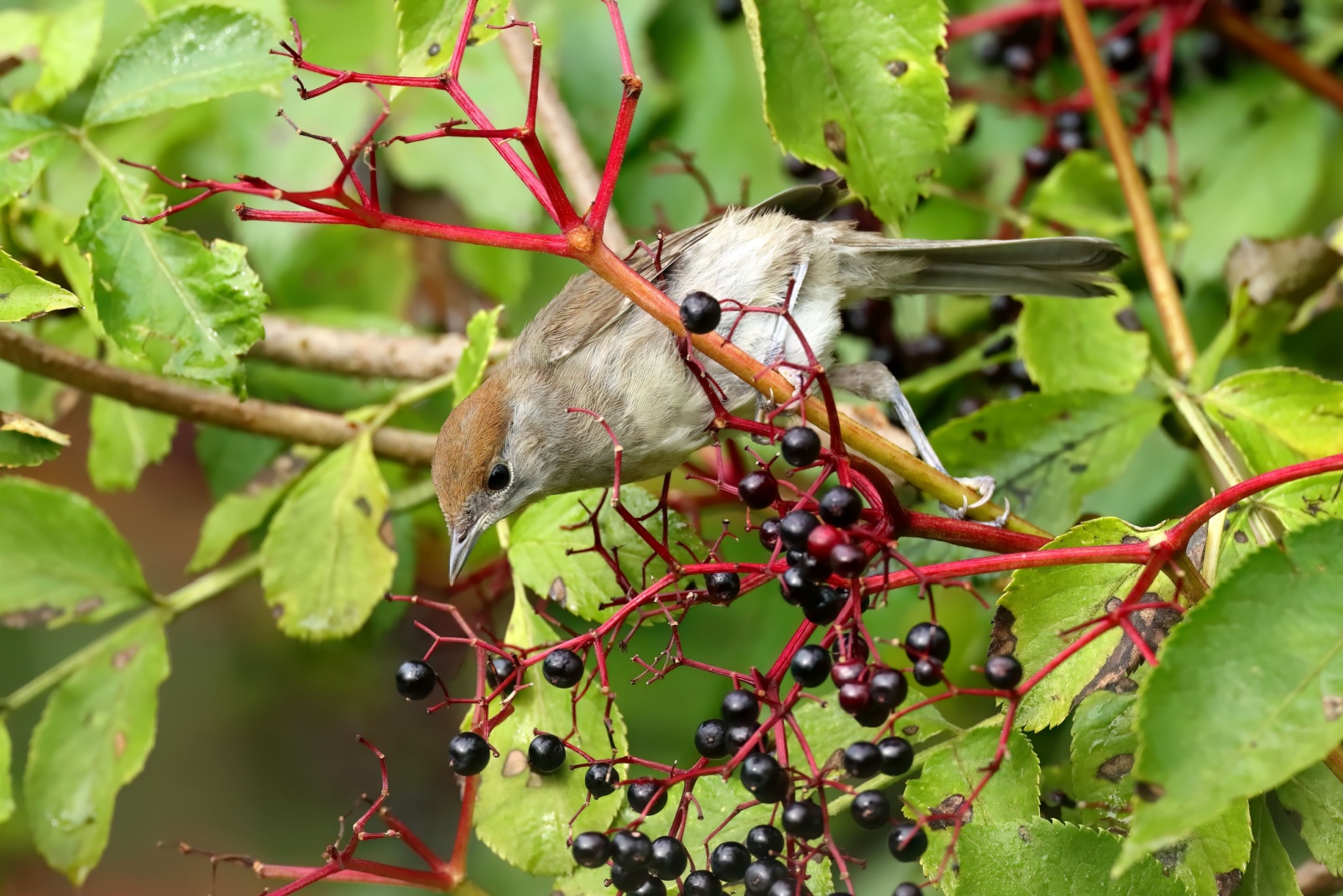
Georgia gardens come alive the moment berry-producing plants take root.
Mockingbirds, bluebirds, thrushes, and cedar waxwings flock to yards that offer a reliable buffet of colorful, nutrient-rich fruit.
A thoughtfully planted berry patch transforms an ordinary landscape into a seasonal wildlife hub, supporting both resident birds and migrating species passing through the state.
Climate, soil conditions, and local ecosystems all favor specific berries that thrive in Georgia and keep birds returning all year long.
A garden built with these plants creates a space filled with movement, song, and natural balance.
1. American Beautyberry
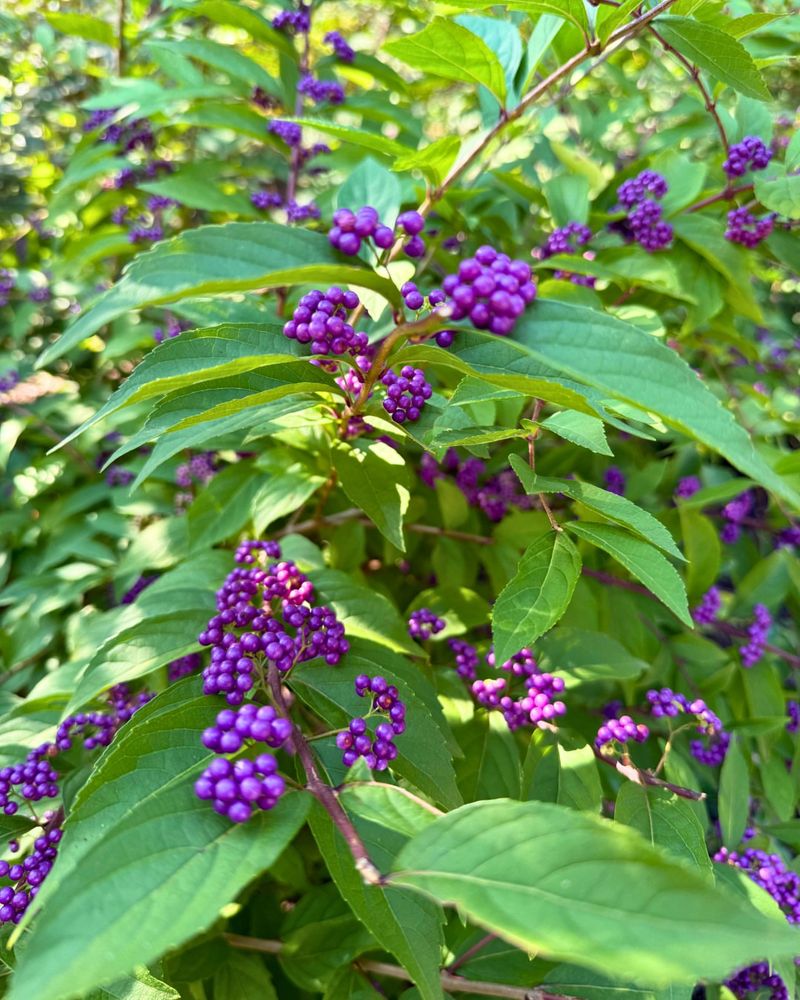
Few native shrubs create such a spectacular show as this Georgia favorite with its electric purple berries that practically glow in autumn sunlight.
Cardinals, mockingbirds, and thrashers flock to these vibrant clusters once frost sweetens the fruit, making your yard a busy feeding station.
The berries appear in tight bunches along arching branches, creating an eye-catching display that lasts from September through winter.
This deciduous shrub grows four to six feet tall and thrives in Georgia’s climate, tolerating both sun and partial shade with ease.
Plant it in groups for maximum visual impact and to provide abundant food sources for migrating and resident bird populations.
The pink summer flowers attract butterflies before transforming into those famous purple gems that birds adore.
Beautyberry handles Georgia’s heat remarkably well and requires minimal maintenance once established in your landscape.
Prune it back in late winter to encourage fuller growth and even more berry production for the following season.
This native plant supports local ecosystems while adding unique color that few other Georgia shrubs can match.
Wildlife enthusiasts consider it essential for any bird-friendly garden design throughout the state.
2. Elderberry Shrubs
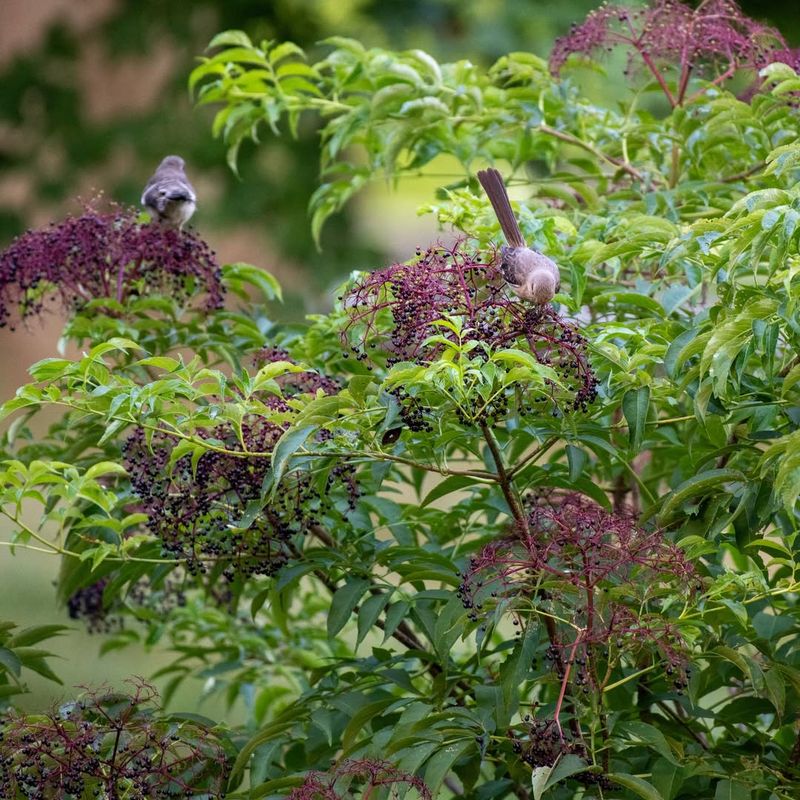
Dark purple clusters hang heavy on these fast-growing shrubs, offering nutritious treats that more than 120 bird species absolutely cannot resist.
Robins, waxwings, and woodpeckers devour the berries as soon as they ripen in late summer, often stripping branches within days.
Elderberries grow rapidly in Georgia, reaching heights of eight to twelve feet with equal spread, creating substantial wildlife habitat.
The creamy white flower clusters that appear in spring smell sweetly and attract beneficial insects before developing into fruit.
These adaptable shrubs tolerate wet soil conditions better than many berry producers, making them perfect for low-lying Georgia yards.
Plant at least two varieties for better cross-pollination, which significantly increases your berry yield and bird visitation.
The compound leaves provide excellent cover where birds can hide from predators while feasting on the abundant fruit.
Elderberries contain high levels of vitamins and antioxidants that help birds build strength for migration and breeding seasons.
Gardeners throughout Georgia appreciate how quickly these shrubs establish and begin producing generous crops.
Prune older canes each winter to maintain vigor and ensure continued heavy fruiting year after year in your landscape.
3. Winterberry Holly
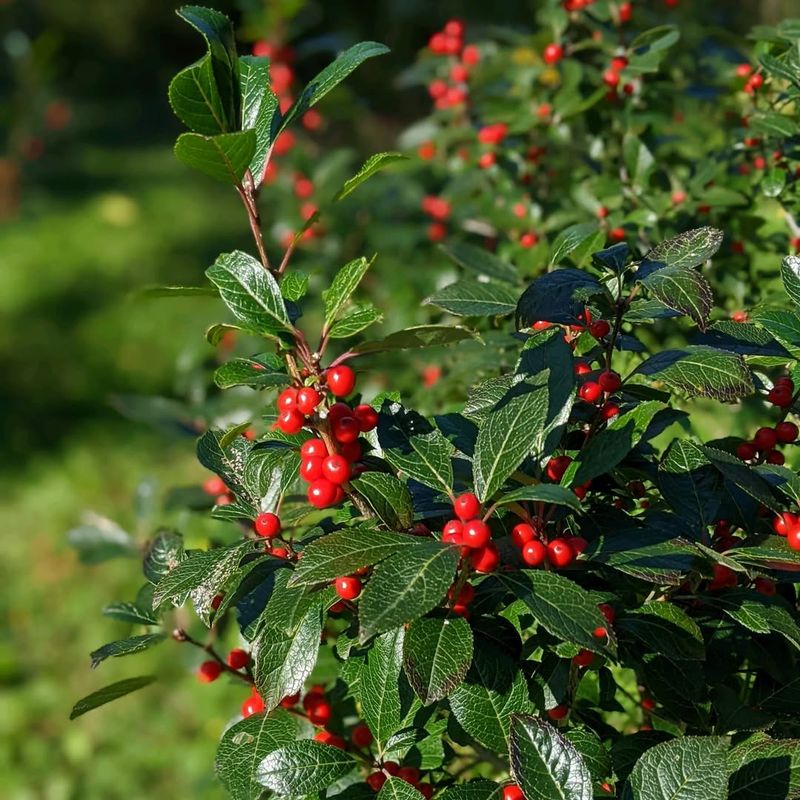
Brilliant red berries persist through Georgia winters on bare branches, creating stunning displays that act like neon signs for hungry birds.
This deciduous holly loses its leaves in fall, allowing the scarlet fruit to shine against winter skies and snow-dusted landscapes.
Bluebirds, robins, and cedar waxwings rely heavily on these berries during cold months when other food sources become scarce.
Female plants produce the berries, but you must plant a male pollinator nearby for fruit production to occur successfully.
Winterberry adapts well to Georgia’s varying moisture conditions, thriving in both average garden soil and wetter locations.
The berries start out orange in fall before deepening to rich crimson as temperatures drop and days grow shorter.
This native shrub typically reaches six to ten feet tall, fitting nicely into foundation plantings or mixed border designs.
Birds often ignore the berries initially, preferring softer fruits first, but devour them eagerly as winter progresses and options dwindle.
Plant winterberry where you can view it from windows, creating natural entertainment as flocks arrive to feed throughout the season.
Georgia gardeners value this holly for providing critical winter nutrition when birds need energy most desperately.
4. Serviceberry Trees
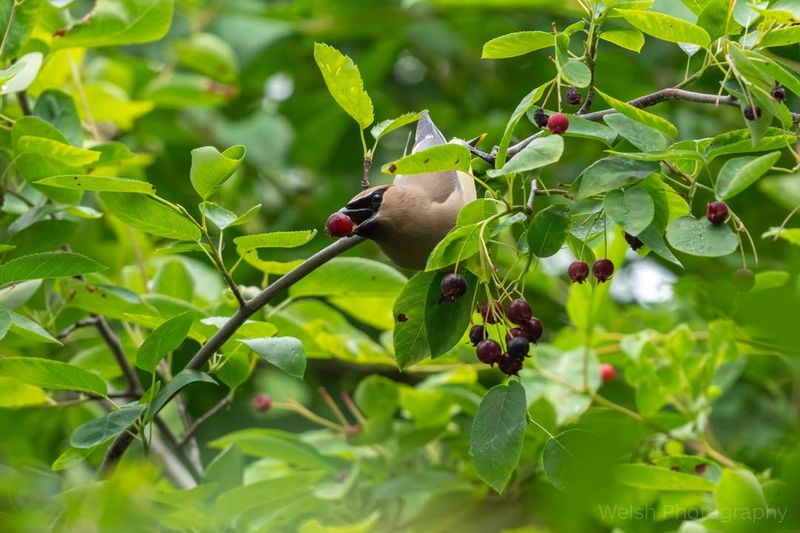
Sweet berries ripen to deep purple in early summer, disappearing almost instantly as birds compete for these delicious treats that taste remarkably like blueberries.
Catbirds, tanagers, and orioles time their nesting seasons to coincide with serviceberry fruiting, ensuring fresh food for hungry chicks.
These small trees bloom with clouds of white flowers in early spring before most Georgia trees leaf out, creating breathtaking displays.
The fall foliage turns brilliant shades of orange, red, and gold, providing three seasons of ornamental interest beyond bird attraction.
Serviceberries adapt to various soil types throughout Georgia and tolerate both full sun and partial shade conditions quite well.
Growing fifteen to twenty-five feet tall, they fit comfortably in smaller yards while still providing substantial wildlife value.
The berries are edible for humans too, though birds usually claim them before gardeners can harvest many for pies or jams.
Multiple trunks create an attractive branching structure that adds winter interest even after leaves and berries have vanished.
Plant serviceberries near patios or seating areas where you can enjoy watching birds feast on the abundant fruit.
Georgia wildlife experts recommend this native tree as one of the absolute best choices for supporting diverse bird populations.
5. Pokeweed Plants
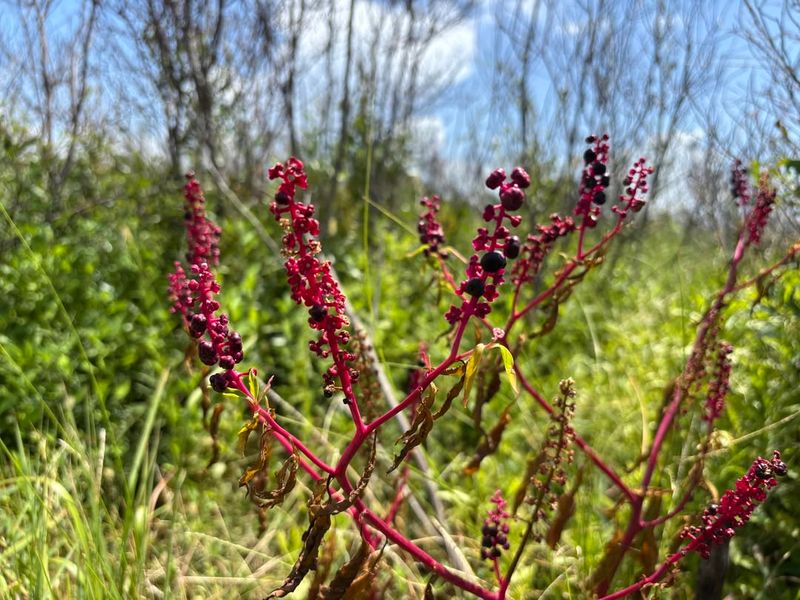
Clusters of dark purple berries dangle from bright magenta stems on this vigorous native that birds absolutely adore despite its toxicity to humans.
Mourning doves, mockingbirds, and dozens of other species safely digest the fruit, using special enzymes that neutralize compounds harmful to mammals.
Pokeweed grows rapidly from seed, often appearing spontaneously in Georgia gardens where birds have deposited the seeds naturally.
The large tropical-looking leaves create bold texture in informal garden areas, reaching heights of six to ten feet by midsummer.
White flower spikes appear in summer, gradually developing into drooping clusters of berries that ripen progressively from top to bottom.
This herbaceous perennial returns reliably each spring from thick taproots that survive Georgia’s occasional winter freezes without trouble.
While some gardeners consider it weedy, wildlife enthusiasts recognize its tremendous value as a late-season food source for birds.
The berries ripen from August through October, providing nutrition precisely when many birds are migrating southward through Georgia.
Allow pokeweed to grow in wilder garden sections or woodland edges where its informal habit looks natural and appropriate.
Remember that all plant parts are toxic to people and pets, so locate it away from areas where children play regularly.
6. Dogwood Trees
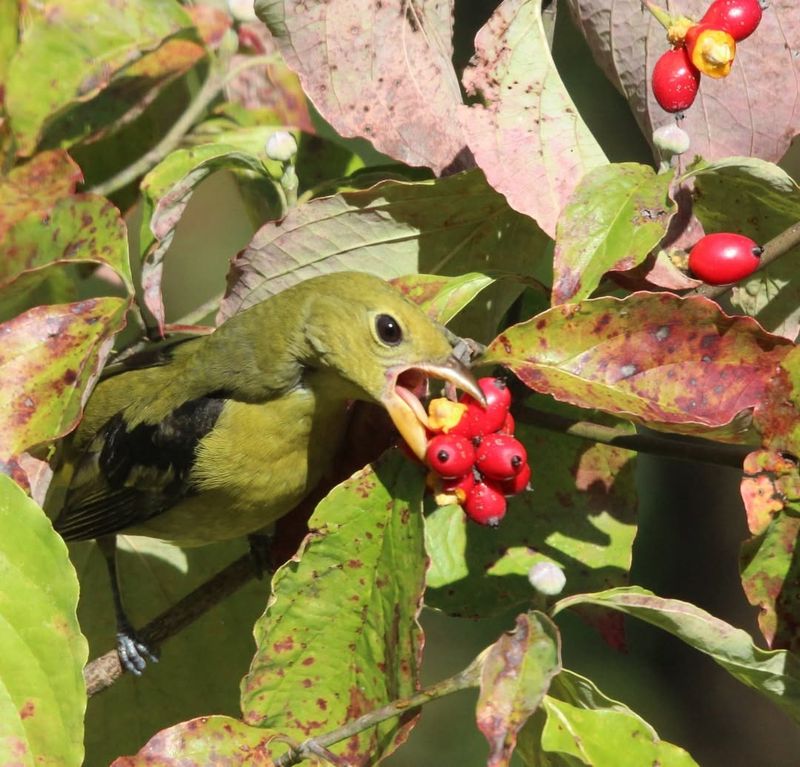
Bright red oval berries cluster at branch tips in fall, providing high-fat nutrition that helps birds prepare for migration or survive cold Georgia winters.
Cardinals, grosbeaks, and woodpeckers crack open these nutritious fruits, while smaller songbirds swallow them whole to access the rich oils inside.
The iconic white or pink spring blossoms that blanket these trees are actually modified leaves called bracts surrounding tiny true flowers.
Dogwoods serve as Georgia’s state tree, thriving in the dappled shade beneath taller oaks and pines in woodland settings.
These understory trees typically reach twenty to thirty feet tall, creating perfect scale for residential landscapes throughout the state.
The berries begin forming in summer as green clusters, gradually ripening to glossy scarlet as autumn approaches and temperatures cool.
Fall foliage turns deep burgundy or purple-red, adding dramatic color before leaves drop and expose the attractive horizontal branching pattern.
Plant dogwoods in groups to increase berry production and create more substantial food sources for bird populations.
They prefer acidic soil with good drainage and protection from harsh afternoon sun, conditions common in many Georgia gardens.
Wildlife biologists consider dogwoods essential components of healthy forest ecosystems that support diverse bird communities year-round.
7. Viburnum Shrubs
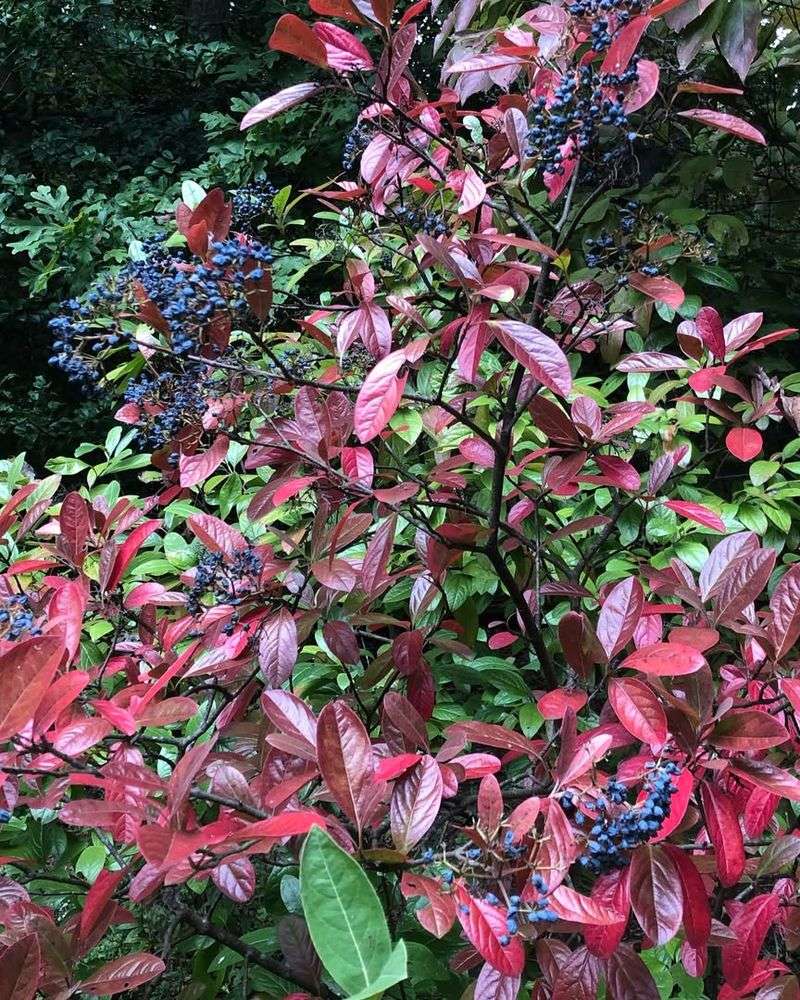
Blue-black berries ripen in late summer on these versatile shrubs, attracting an impressive variety of bird species to Georgia gardens throughout autumn months.
Thrushes, waxwings, and bluebirds strip the fruit quickly, often gathering in noisy flocks that create lively activity in your landscape.
Several native viburnum species thrive in Georgia, including arrowwood, possumhaw, and blackhaw, each offering slightly different ornamental characteristics.
Spring flowers bloom in flat or rounded clusters, ranging from pure white to creamy shades that attract pollinators before berries develop.
These adaptable shrubs handle various light conditions from full sun to partial shade, making them easy to incorporate into existing landscapes.
Most viburnums grow six to twelve feet tall with dense branching that provides excellent nesting cover for birds raising young.
The berries initially appear red or pink before maturing to dark blue or black, creating a two-toned effect as they ripen gradually.
Fall foliage on many species turns brilliant shades of red, orange, or purple, extending ornamental interest well beyond the fruiting season.
Plant different viburnum varieties to extend the berry availability period, ensuring food sources remain available longer for bird populations.
Georgia landscapers frequently recommend viburnums for their reliable performance, low maintenance needs, and exceptional wildlife value in home gardens.
8. Yaupon Holly
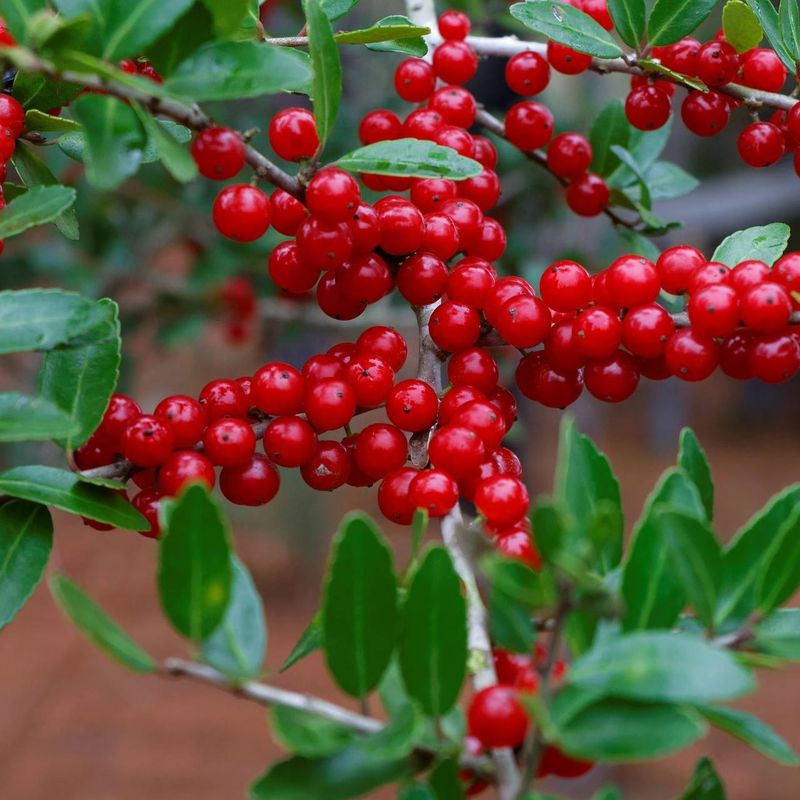
Tiny red berries cover female plants so densely that branches appear painted crimson, creating spectacular displays that persist throughout Georgia winters.
This native evergreen holly produces incredible quantities of fruit that sustain bird populations when many other food sources have vanished completely.
Robins, mockingbirds, and cedar waxwings gather in large groups to feast on the abundant berries during cold snaps and migration periods.
Yaupon adapts to diverse conditions throughout Georgia, tolerating drought, salt spray, and poor soil that challenges many other berry producers.
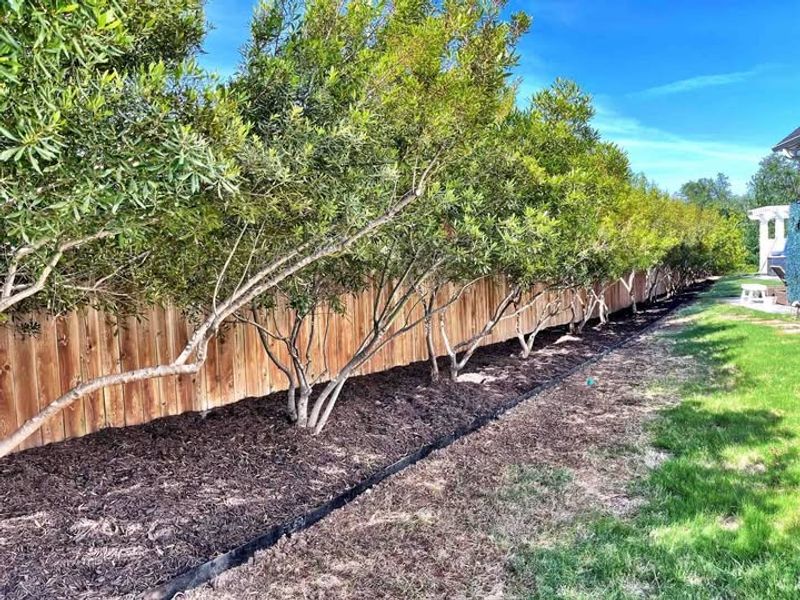
The small glossy leaves remain attractive year-round, providing screening and privacy while supporting wildlife in your landscape simultaneously.
Plants can be trained as small trees, clipped into formal hedges, or allowed to grow naturally as informal shrubs reaching fifteen to twenty feet.
Male pollinator plants must be present for berry production, though one male can pollinate multiple females planted within reasonable proximity.
The berries contain caffeine, which apparently does not affect birds but made this plant historically important for Native American ceremonial beverages.
Yaupon requires minimal maintenance once established, handling Georgia’s heat and humidity without the disease problems that plague some other hollies.
Landscape designers throughout the state consider it indispensable for creating bird-friendly gardens with year-round structure and interest.
9. Wax Myrtle
Small blue-gray berries coat the stems of this aromatic evergreen, providing high-energy food that helps birds survive Georgia’s coldest weather.
Yellow-rumped warblers, tree swallows, and other species rely heavily on these waxy fruits, which remain available throughout winter when insects disappear.
The berries contain fats and waxes that provide concentrated calories, making them especially valuable for maintaining body temperature during freezing nights.
Wax myrtle grows rapidly into a large shrub or small tree, reaching fifteen to twenty feet with dense branching that offers excellent shelter.
This native thrives in Georgia’s coastal regions but adapts well inland too, tolerating both wet and dry soil conditions remarkably well.
The aromatic foliage releases a pleasant bayberry scent when brushed, adding sensory interest to your garden beyond its wildlife value.
Female plants produce the berries after pollination by male plants, which must be present nearby for fruit set to occur successfully.
Colonists historically used the waxy berry coating to make fragrant candles, though birds certainly discovered this resource long before humans arrived.
The evergreen leaves provide year-round screening and privacy while simultaneously supporting bird populations through all seasons in Georgia.
Plant wax myrtle in groups to create substantial wildlife habitat that will buzz with activity as birds discover this reliable food source.