11 Berry Plants That Will Draw Birds To Your Pennsylvania Garden

Pennsylvania gardens can become lively sanctuaries when you plant berry-producing shrubs and trees that attract colorful feathered visitors throughout the year.
Birds rely on berries as essential food sources, especially during migration seasons and harsh winter months when other options become scarce.
Choosing native and adapted berry plants creates a natural buffet that supports local bird populations while adding beautiful foliage to yards.
These eleven berry plants thrive in Pennsylvania’s climate and will transform your outdoor space into a bustling bird-watching haven you’ll enjoy.
1. American Elderberry
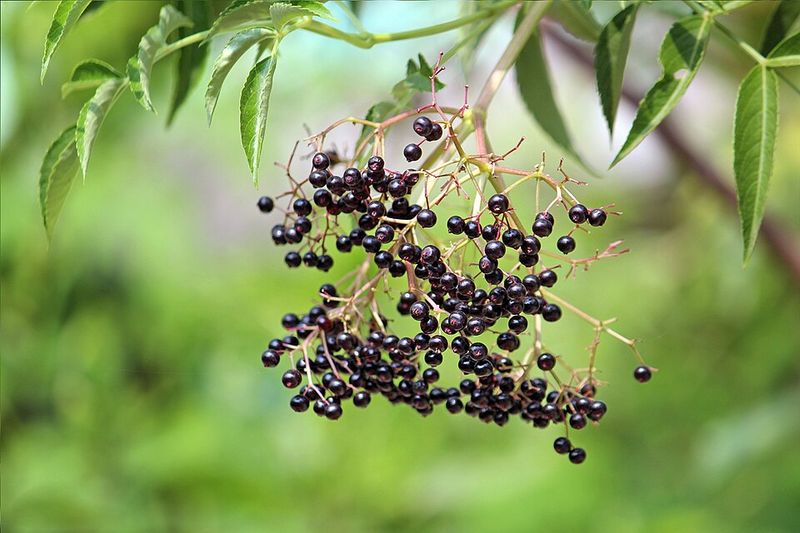
American elderberry produces massive clusters of tiny purple-black berries that over 120 bird species find absolutely irresistible during late summer months.
This native Pennsylvania shrub grows quickly, reaching heights between six and twelve feet, making it perfect for property borders or hedgerows.
Elderberries prefer moist soil conditions and will tolerate partial shade, though they produce more berries when planted in full sunlight.
Cardinals, robins, and waxwings flock to these plants, stripping branches clean within days once the fruit ripens in August and September.
The creamy white flowers that bloom in June also attract beneficial insects, creating a complete ecosystem in your backyard wildlife habitat.
Plant at least two elderberry shrubs together because they produce better berry crops when cross-pollination occurs between different individual plants.
Pennsylvania gardeners appreciate how elderberries require minimal maintenance once established, needing only occasional pruning to maintain attractive shapes and encourage growth.
These hardy shrubs survive cold winters without protection and bounce back vigorously each spring with fresh green compound leaves.
2. Serviceberry
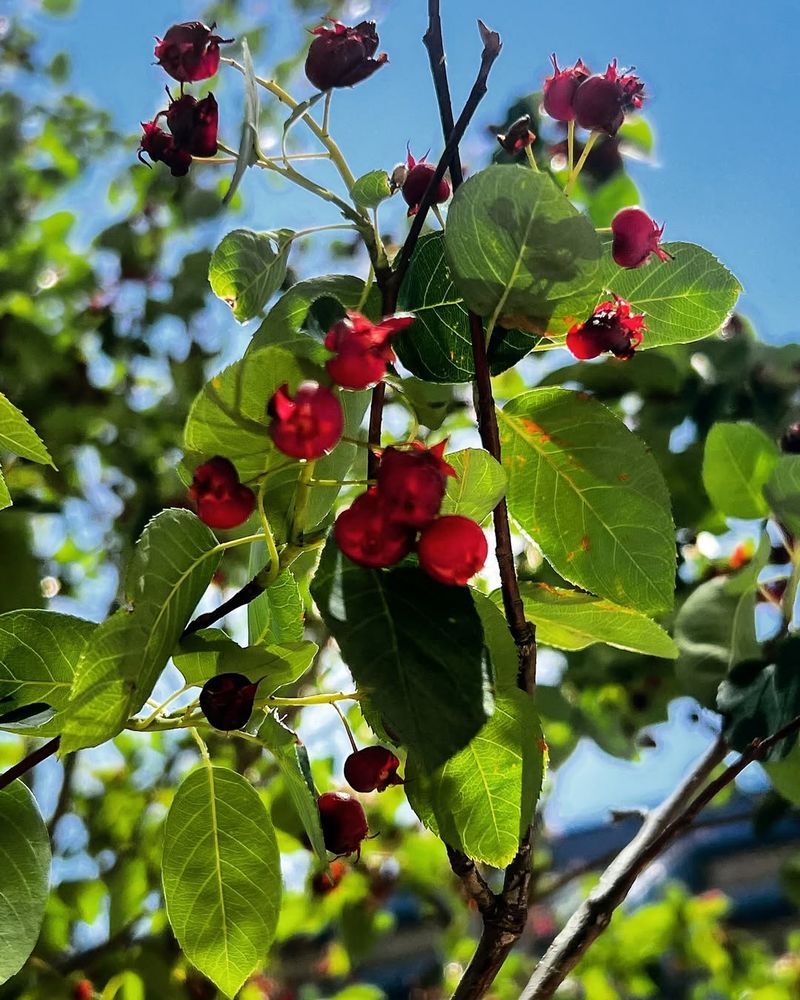
Serviceberry trees offer a triple-season show with spring blossoms, summer berries, and brilliant fall foliage that transforms Pennsylvania landscapes into artwork.
Birds adore the sweet, juicy berries that ripen in June, often competing with humans who also find them delicious for pies.
This adaptable tree grows well in various soil types and handles both sunny locations and partially shaded areas without complaint.
Reaching heights between fifteen and twenty-five feet, serviceberries work beautifully as specimen trees or planted in naturalized woodland garden settings.
Robins, catbirds, and orioles arrive in noisy flocks when the purplish-red berries reach peak ripeness during early summer weeks.
The delicate white flowers that appear in April provide early nectar for bees and other pollinators emerging from winter dormancy.
Serviceberries rarely suffer from serious pest problems and tolerate Pennsylvania’s temperature fluctuations better than many other ornamental fruit-bearing tree species.
Autumn brings stunning foliage colors ranging from yellow to orange to deep red, extending this plant’s visual appeal far beyond berry season.
3. Gray Dogwood
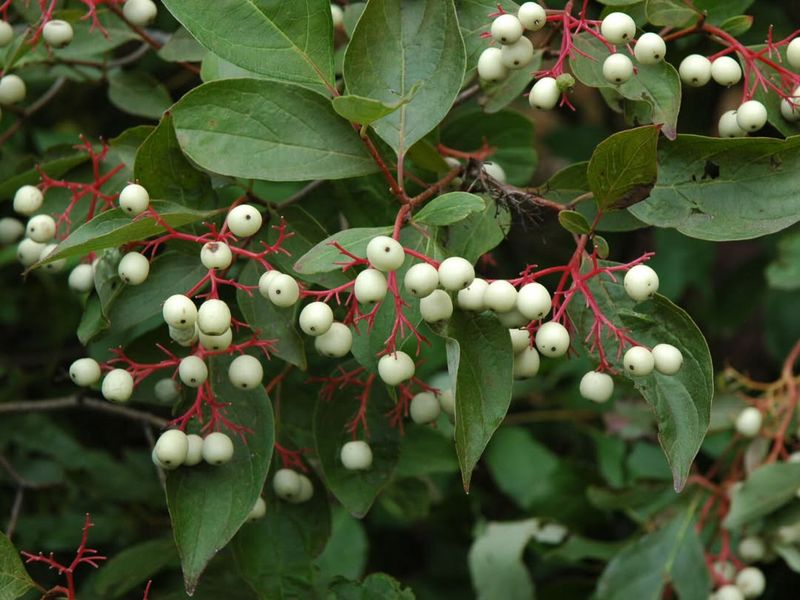
Gray dogwood produces white berries on striking red stems that create dramatic visual interest during autumn when most other plants fade away.
This Pennsylvania native shrub spreads through underground runners, forming dense thickets that provide excellent cover for ground-nesting birds and small wildlife.
Over fifty bird species consume these berries, including bluebirds, thrushes, and woodpeckers who appreciate the high-fat content during migration preparation.
Growing between ten and fifteen feet tall, gray dogwood tolerates poor soil conditions and handles both wet and dry locations remarkably well.
The small white flowers that bloom in late spring attract numerous pollinators before transforming into the berry clusters birds eagerly await.
Pennsylvania gardeners use gray dogwood for erosion control on slopes because the spreading root system stabilizes soil while creating wildlife habitat.
This shrub requires minimal care once established and actually benefits from occasional hard pruning to encourage fresh growth and berry production.
Winter landscapes gain visual appeal from the reddish stems that remain colorful even after birds have consumed every last berry.
4. Winterberry Holly
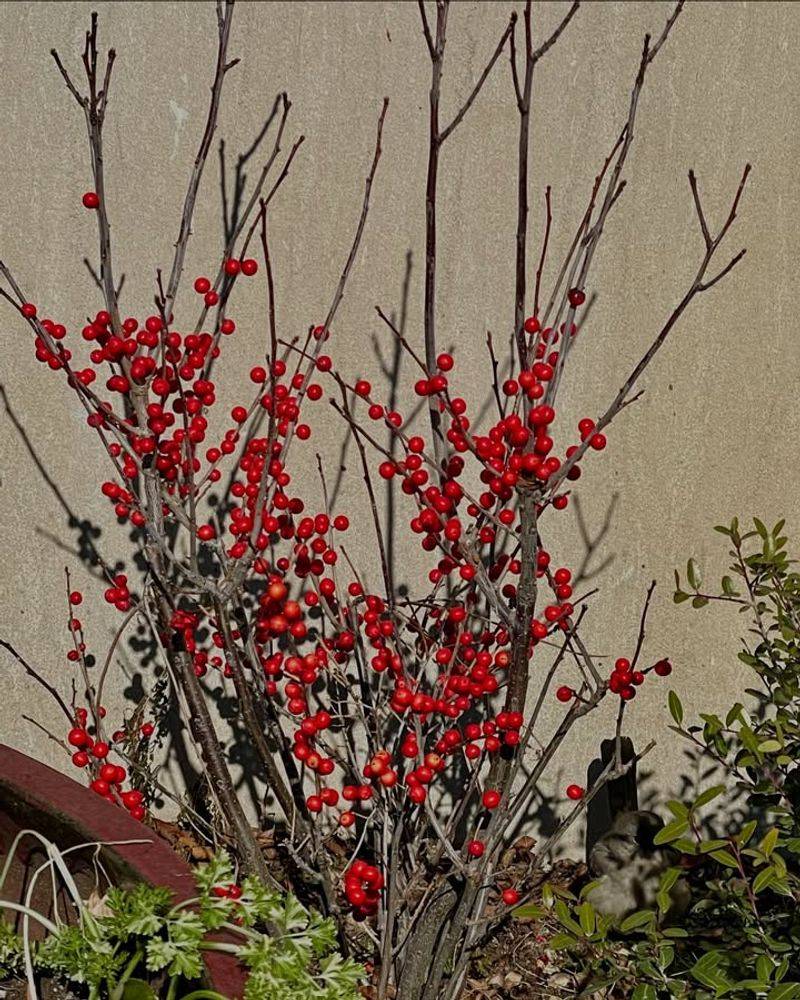
Winterberry holly transforms Pennsylvania gardens into vibrant red displays during winter months when its brilliant berries persist on bare branches.
Unlike evergreen hollies, this deciduous shrub drops its leaves in fall, making the spectacular berry clusters even more visible to hungry birds.
Robins, waxwings, and mockingbirds rely on these berries as crucial winter food sources when snow covers the ground and options dwindle.
Female plants produce the berries, but you must plant at least one male winterberry nearby to ensure proper pollination and fruit set.
These shrubs thrive in moist to wet soil conditions, making them ideal choices for low-lying areas or near ponds where drainage challenges exist.
Growing between six and ten feet tall, winterberries work well as foundation plantings or massed in groups for maximum visual impact.
The berries ripen in September but often remain on branches through February, providing reliable food during Pennsylvania’s harshest weather conditions.
Gardeners appreciate how winterberries require little maintenance beyond occasional shaping and continue producing abundant berry crops for decades when properly sited.
5. Arrowwood Viburnum
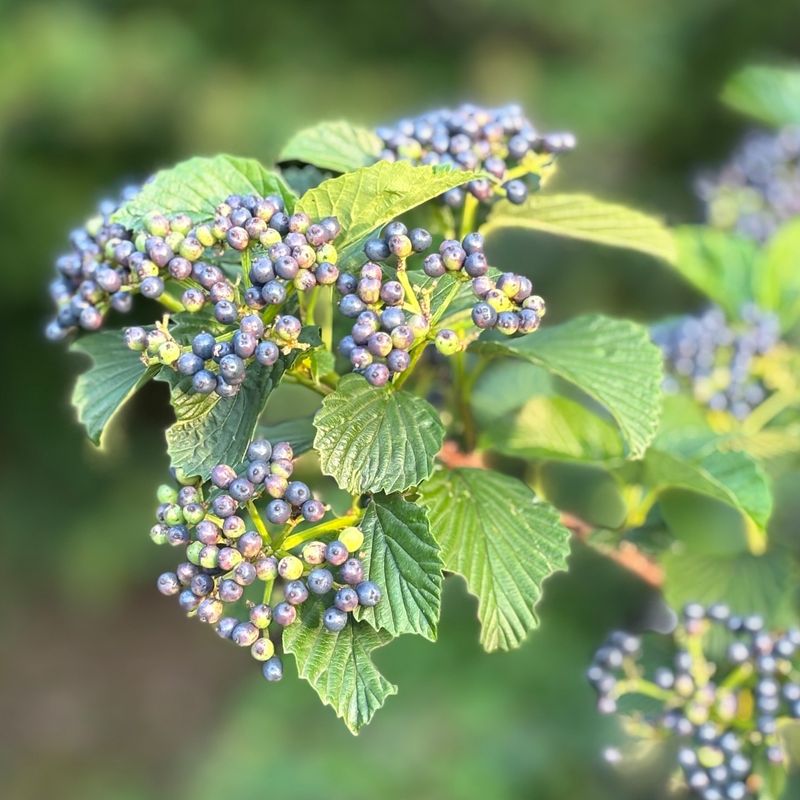
Arrowwood viburnum earned its name from Native Americans who used its straight stems for arrow shafts, though today gardeners value its wildlife benefits.
The blue-black berries that ripen in September attract at least thirty-five bird species, including thrushes, vireos, and cardinals seeking autumn nutrition.
This Pennsylvania native shrub grows six to ten feet tall with a rounded shape that requires minimal pruning to maintain attractive form.
Creamy white flower clusters bloom in late spring, creating a sweet fragrance that draws butterflies and bees before berries develop later.
Arrowwood viburnum tolerates various soil conditions and grows successfully in both full sun and partial shade locations throughout Pennsylvania’s diverse regions.
The glossy green leaves turn shades of yellow, orange, and burgundy in fall, adding seasonal color beyond just the berry display.
Birds appreciate the dense branching structure that provides safe perching spots while they feast on the nutritious berry clusters during migration.
Pennsylvania gardeners find this shrub extremely reliable and low-maintenance, surviving harsh winters and bouncing back quickly from occasional deer browsing damage.
6. Black Chokeberry
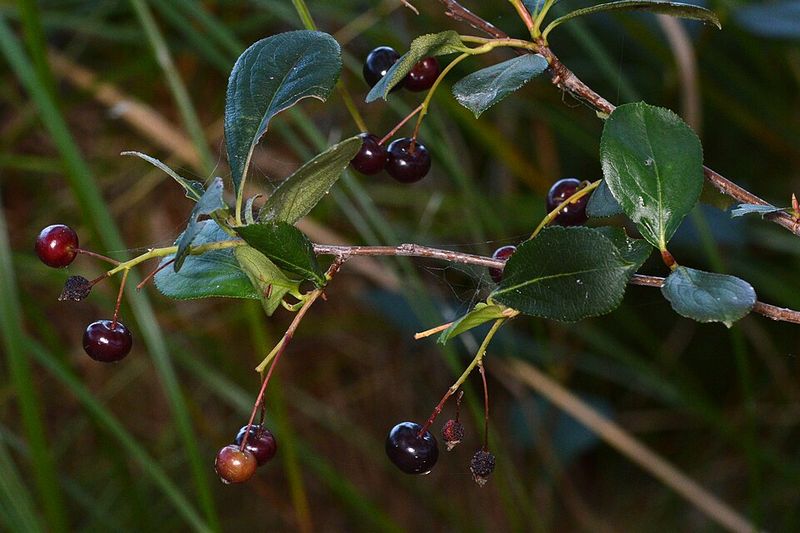
Black chokeberry produces glossy dark berries that persist well into winter, offering reliable food when other sources have long since disappeared.
This compact native shrub typically reaches three to six feet tall, making it perfect for smaller Pennsylvania yards or foundation plantings.
The astringent berries taste too tart for most humans, but birds absolutely love them, with grouse, thrushes, and waxwings consuming them eagerly.
White spring flowers with pink-tinged centers provide early-season nectar for pollinators before the berry clusters form during summer months ahead.
Black chokeberry tolerates wet soil conditions better than many berry-producing shrubs, thriving in areas where drainage problems challenge other plant selections.
Fall foliage turns brilliant shades of red, orange, and purple, creating a spectacular show that rivals any ornamental shrub in the landscape.
Pennsylvania gardeners appreciate how chokeberries resist most pests and diseases, requiring virtually no chemical treatments or intensive management throughout the growing season.
These shrubs spread slowly through suckers, eventually forming attractive colonies that provide even more berries and shelter for visiting bird populations.
7. American Holly
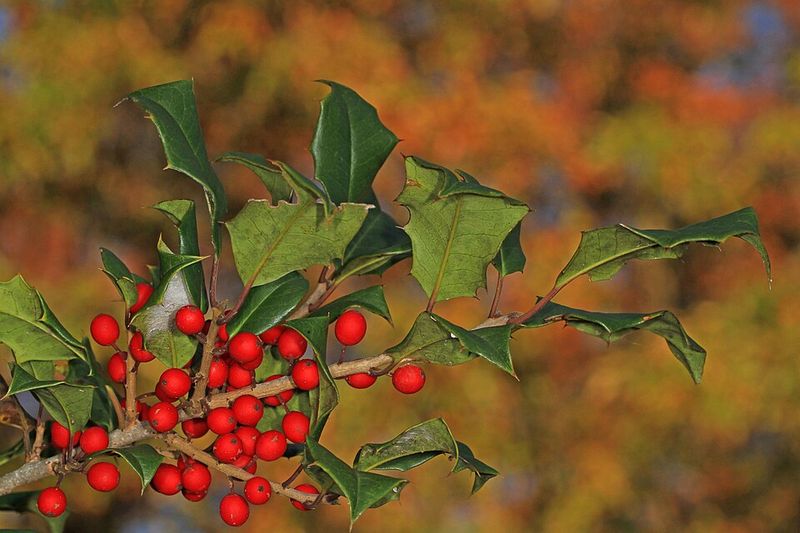
American holly stands as an iconic evergreen that provides year-round shelter for birds while producing red berries during winter’s bleakest months.
The glossy, spiny leaves offer protection from predators and harsh weather, making holly trees favorite roosting spots for cardinals and juncos.
Female trees produce the brilliant red berries that ripen in fall and persist through winter, though you’ll need a male nearby for pollination.
Growing slowly to heights between fifteen and thirty feet, American holly works as a specimen tree or privacy screen in Pennsylvania landscapes.
Mockingbirds, thrushes, and waxwings consume these berries enthusiastically, though they often wait until late winter when the fruit softens slightly.
The dense branching structure creates excellent nesting sites for various bird species who return year after year to raise their young families.
American holly prefers slightly acidic, well-drained soil and grows best in locations protected from harsh winter winds that can damage the evergreen foliage.
Pennsylvania gardeners prize these trees for their ornamental value and wildlife benefits, creating living holiday decorations that support local bird populations naturally.
8. Spicebush
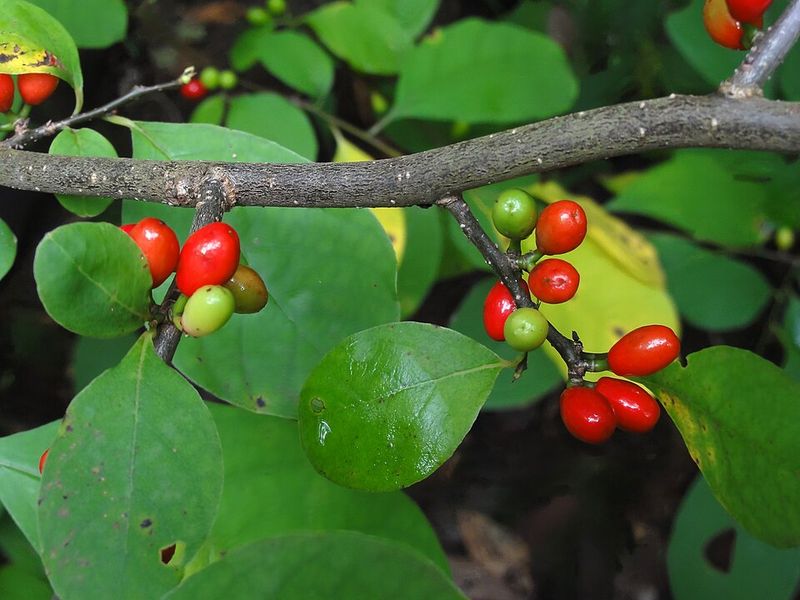
Spicebush produces aromatic leaves and stems that release a pleasant fragrance when brushed, adding sensory appeal beyond just visual berry displays.
The bright red berries ripen in September and contain high fat content, making them especially valuable for birds preparing for long migration journeys.
This Pennsylvania native understory shrub grows six to twelve feet tall and thrives in shaded woodland settings where many berry plants struggle.
Thrushes, vireos, and flycatchers seek out spicebush berries specifically, often stripping branches clean within days of the fruit reaching ripeness.
Small yellow flowers bloom very early in spring before leaves emerge, providing crucial nectar for early-emerging butterflies and native bee species.
Spicebush serves as the host plant for spicebush swallowtail butterfly caterpillars, creating additional wildlife value beyond just feeding adult birds.
The rounded leaves turn beautiful shades of yellow in fall, brightening shaded garden areas where autumn color can be challenging to achieve.
Pennsylvania gardeners find spicebush extremely easy to grow, requiring no special care once established in appropriate locations with adequate moisture and shade.
9. Red-Osier Dogwood
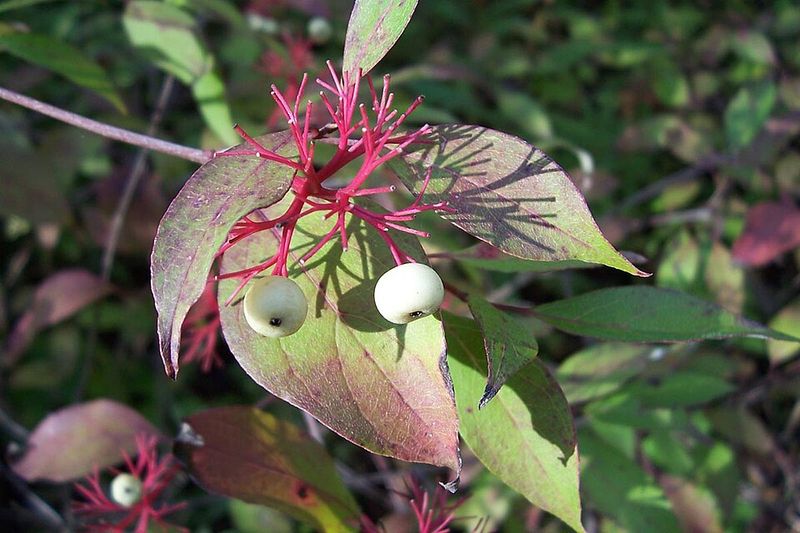
Red-osier dogwood dazzles with crimson stems that glow brilliantly against winter snow, providing visual interest long after birds consume the berries.
The white berries ripen in late summer and attract waxwings, thrushes, and woodpeckers who appreciate the nutritious fruit during fall migration.
This moisture-loving shrub grows four to eight feet tall and spreads through underground stems, creating attractive colonies along Pennsylvania stream banks.
Flat-topped clusters of small white flowers bloom in late spring, attracting numerous pollinators before transforming into the berry clusters birds eagerly anticipate.
Red-osier dogwood tolerates poorly drained soil and even occasional flooding, making it ideal for challenging wet areas where other shrubs fail.
The stems become more intensely colored during winter months, especially on younger growth, creating stunning landscape displays throughout the dormant season.
Pennsylvania gardeners use this shrub for erosion control and naturalizing wet areas while simultaneously providing valuable wildlife habitat and food sources.
Pruning back older stems every few years encourages fresh growth with the brightest red color and promotes better berry production for birds.
10. Virginia Creeper
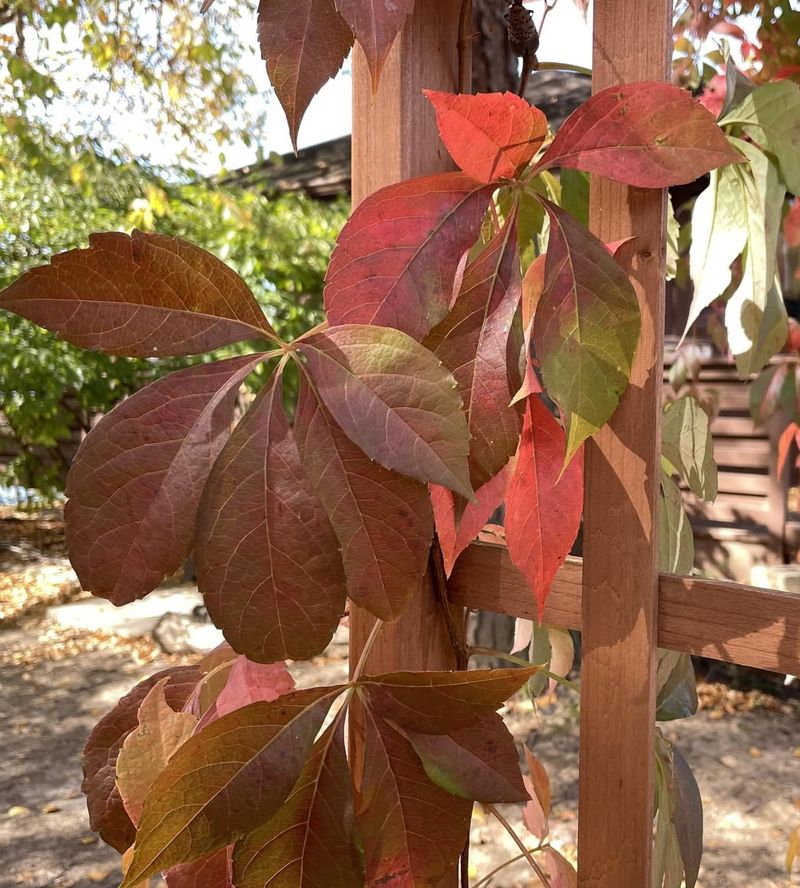
Virginia creeper vines climb fences, trees, and structures while producing blue-black berries that at least thirty-five bird species consume during fall months.
The compound leaves with five leaflets turn spectacular shades of scarlet in autumn, creating dramatic displays that rival any ornamental vine available.
This vigorous Pennsylvania native grows quickly, reaching heights of thirty to fifty feet when given vertical support structures to climb upon.
Woodpeckers, thrushes, and vireos feast on the berry clusters that ripen in September and October, often perching directly on the vines.
Small greenish flowers bloom in summer but remain inconspicuous, though they attract beneficial pollinators before developing into the berry clusters later.
Virginia creeper attaches to surfaces using adhesive tendrils rather than damaging roots, making it safer for buildings than some other climbing vines.
The dense foliage provides excellent cover for nesting birds and roosting spots where they can hide from predators while staying close to food.
Pennsylvania gardeners appreciate how this vine tolerates various soil conditions and light levels, growing successfully in locations where other plants struggle consistently.
11. Nannyberry Viburnum
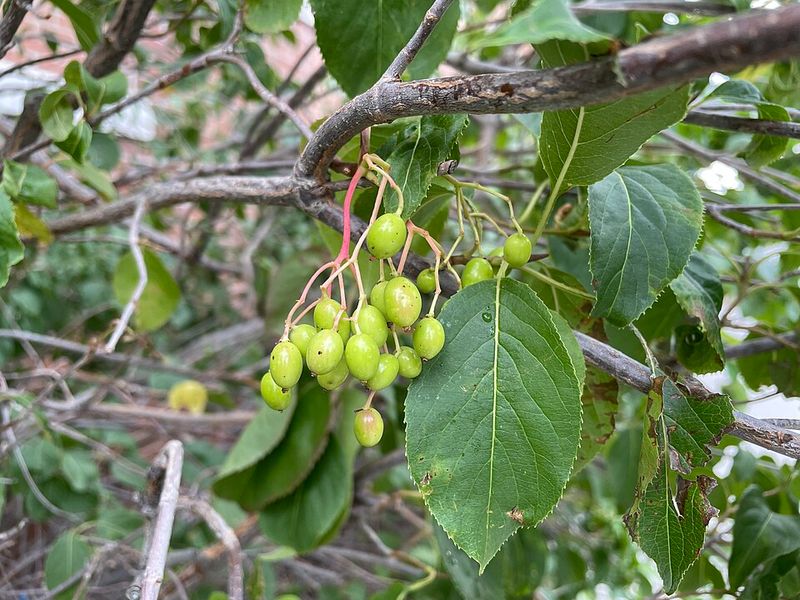
Nannyberry viburnum grows as a large shrub or small tree reaching twelve to eighteen feet tall, creating substantial berry-producing presence in landscapes.
The blue-black berries ripen in September and taste surprisingly sweet, earning the common name from their edibility for both humans and wildlife.
Cedar waxwings, thrushes, and grosbeaks consume these berries enthusiastically, often arriving in large flocks that strip branches within hours of discovery.
Creamy white flower clusters bloom in late spring, creating a showy display that attracts butterflies and bees before berries develop later.
This Pennsylvania native tolerates various soil conditions and grows successfully in both full sun and partial shade locations throughout the state.
The glossy green leaves turn shades of red and purple in fall, providing seasonal color that complements the ripening berry clusters beautifully.
Nannyberry viburnum works well as a specimen plant, privacy screen, or naturalized in woodland edges where birds appreciate the shelter and food.
Pennsylvania gardeners find this shrub extremely reliable and low-maintenance, surviving harsh winters without damage and producing abundant berry crops for decades.