9 Berry Shrubs That Are Safe For Wildlife In Pennsylvania
Pennsylvania’s forests and backyards come alive when native berry shrubs provide food and shelter for local wildlife.
Birds, deer, rabbits, and countless other creatures depend on these plants for survival throughout the year.
Choosing the right berry shrubs creates a thriving ecosystem right in your own yard while supporting the animals that call Pennsylvania home.
Native berry shrubs offer more than just wildlife benefits.
They require less maintenance than exotic plants, resist local pests better, and adapt perfectly to Pennsylvania’s climate and soil conditions.
When you plant these shrubs, you’re investing in a landscape that practically takes care of itself while feeding hungry animals during harsh winters and busy breeding seasons.
Creating a wildlife-friendly garden with berry shrubs brings nature closer to your doorstep.
You’ll enjoy watching cardinals, blue jays, and cedar waxwings feast on colorful berries while butterflies and bees visit the flowers.
These nine berry shrubs will transform your Pennsylvania property into a safe haven for wildlife while adding natural beauty to your outdoor space.
1. Elderberry
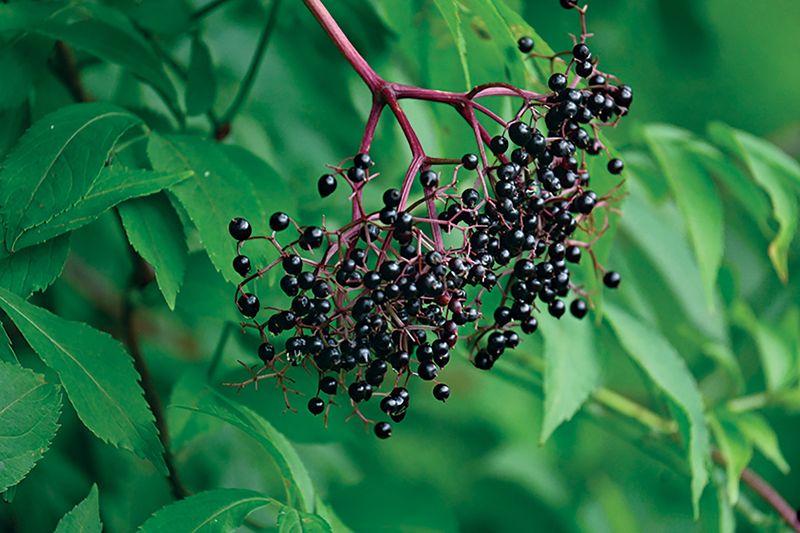
Elderberry stands as one of Pennsylvania’s most generous berry producers, offering massive clusters of tiny purple-black berries that wildlife absolutely adore.
More than 120 bird species feast on these nutritious fruits, making this shrub a superstar in any wildlife garden.
The creamy white flower clusters that appear in early summer also attract beneficial pollinators like bees and butterflies to your yard.
This fast-growing shrub reaches heights of 6 to 12 feet and spreads almost as wide, creating excellent cover for nesting birds and small mammals.
Pennsylvania’s native elderberry thrives in moist soil and can handle both full sun and partial shade.
The berries ripen in late summer, providing crucial food when many other natural sources have dried up.
Planting elderberry near wetlands, streams, or naturally damp areas of your property yields the best results.
The shrub produces suckers that create dense thickets over time, offering even more shelter for wildlife.
Deer occasionally browse the foliage, but they typically leave enough plant material for healthy growth.
Humans can also harvest elderberries for jams, syrups, and wines, though you’ll want to leave plenty for your feathered friends.
The raw berries and other plant parts contain compounds that can cause stomach upset, so always cook them before eating.
This dual-purpose shrub brings beauty, wildlife value, and potential harvest opportunities to Pennsylvania gardens.
2. Arrowwood Viburnum
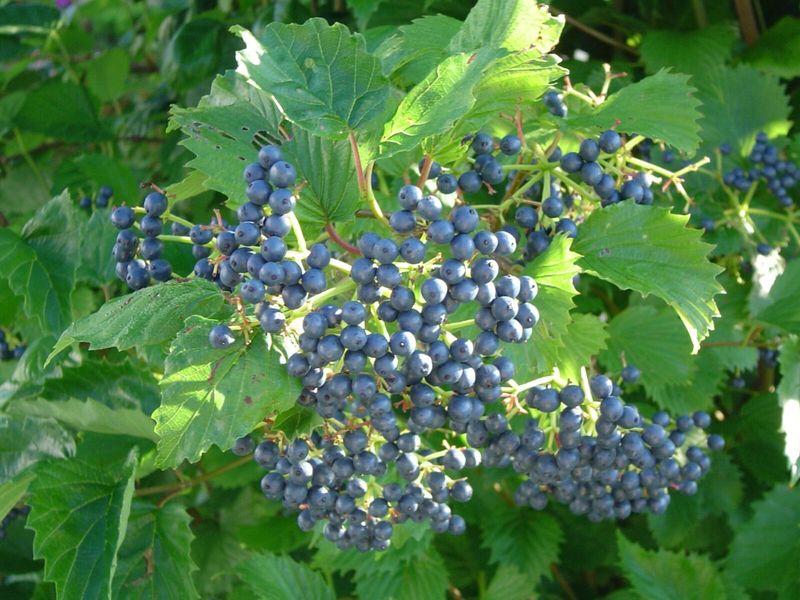
Native Americans once used the straight stems of this shrub to make arrows, which explains its memorable common name.
Arrowwood viburnum produces flat-topped clusters of white flowers in late spring that transform into beautiful blue-black berries by fall.
These berries serve as critical food for migrating birds passing through Pennsylvania during autumn months.
The shrub grows 6 to 10 feet tall with an equally wide spread, creating a rounded form that works perfectly as a hedge or specimen plant.
Its glossy green leaves turn stunning shades of yellow, orange, and red in fall, adding seasonal color to your landscape.
Pennsylvania’s thrushes, waxwings, and cardinals eagerly consume the fatty berries to fuel their long journeys.
Arrowwood viburnum adapts to various soil types and moisture levels, though it prefers slightly acidic conditions common throughout Pennsylvania.
The shrub tolerates both full sun and partial shade, making it versatile for different garden locations.
Its dense branching structure provides excellent nesting sites for songbirds during spring and summer.
This low-maintenance shrub rarely suffers from serious pest or disease problems in Pennsylvania gardens.
Occasional leaf beetles may chew the foliage but seldom cause lasting damage.
The berries persist into winter if birds don’t eat them all, offering emergency food during harsh weather when wildlife needs it most.
3. Gray Dogwood
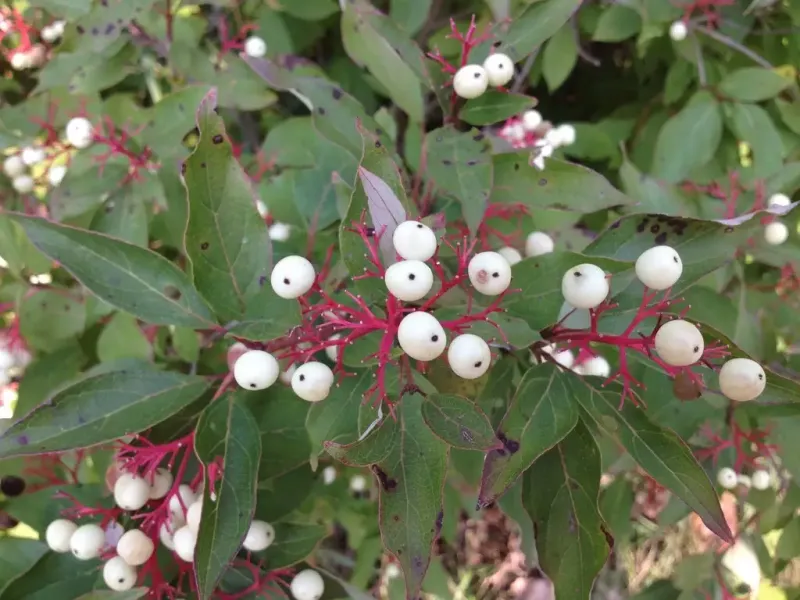
Gray dogwood earns its place in Pennsylvania wildlife gardens through its incredible adaptability and generous berry production.
The shrub produces clusters of white berries on striking red stems that create a dramatic display from late summer through fall.
Over 100 bird species feed on these berries, including robins, bluebirds, and various woodpeckers common to Pennsylvania.
This tough native shrub handles difficult growing conditions that would challenge other plants, including poor soil, drought, and road salt exposure.
It grows 10 to 15 feet tall and spreads through underground runners to form colonies that provide extensive wildlife habitat.
The creamy white flower clusters that bloom in late spring attract numerous pollinating insects to your Pennsylvania garden.
Gray dogwood’s spreading habit makes it ideal for erosion control on slopes or naturalizing in larger landscape areas.
The shrub’s red twigs provide winter interest after leaves drop, standing out beautifully against Pennsylvania’s snowy landscapes.
Small mammals like rabbits and chipmunks also benefit from the dense cover this shrub creates.
Pruning older stems to the ground every few years maintains the brightest twig color and keeps the shrub vigorous.
The plant tolerates both wet and dry conditions once established, though it performs best with moderate moisture.
Gray dogwood works wonderfully in mixed shrub borders or as part of a wildlife hedgerow across Pennsylvania properties.
4. Winterberry Holly
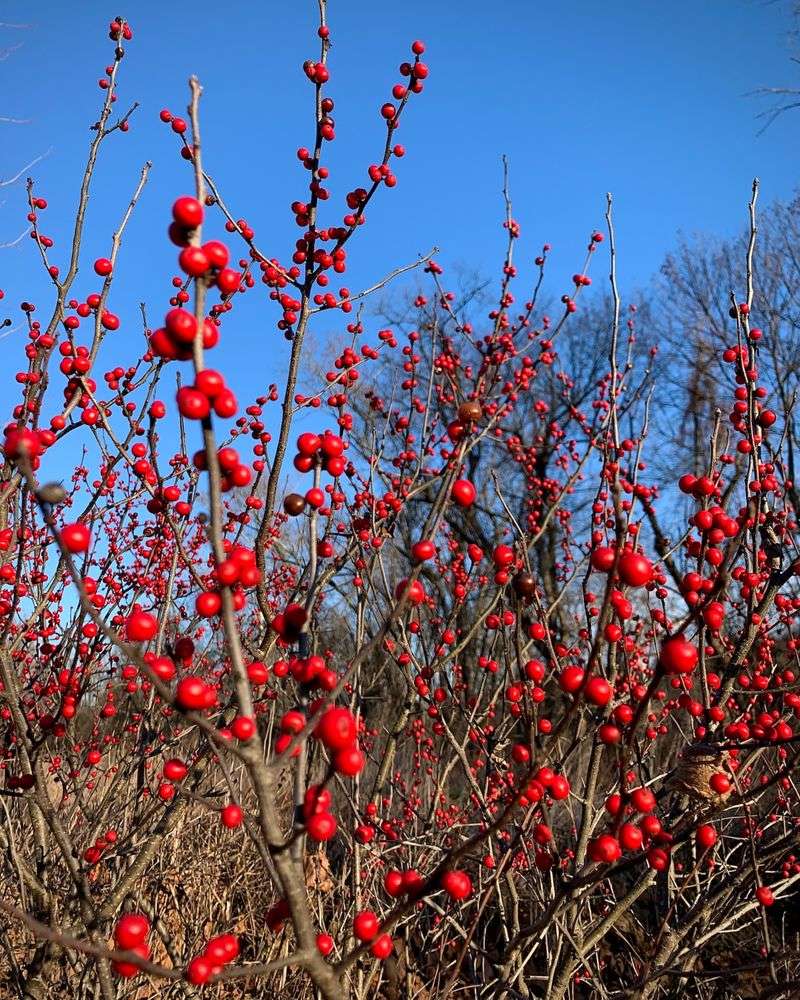
Imagine a shrub so loaded with brilliant red berries that it looks like Christmas decorations growing naturally in your yard.
Winterberry holly delivers exactly that spectacle from late fall through winter, becoming a beacon for hungry birds when Pennsylvania’s landscape turns brown and white.
This deciduous holly loses its leaves in autumn, allowing the stunning berry display to take center stage.
Female plants produce the berries, but you’ll need at least one male plant nearby for pollination to occur.
The shrub grows 6 to 10 feet tall and thrives in the moist, acidic soils found throughout much of Pennsylvania.
Robins, mockingbirds, and cedar waxwings gorge themselves on the berries, especially during late winter when other food sources become scarce.
Winterberry holly prefers partial shade to full sun and appreciates consistently moist soil, making it perfect for low-lying areas or near water features.
The small white flowers that bloom in early summer attract bees but remain relatively inconspicuous compared to the spectacular berry show.
Pennsylvania gardeners often plant multiple shrubs in groups for maximum visual impact and better pollination.
The berries typically persist well into winter because their slightly bitter taste makes them less appealing than other options.
However, once temperatures drop and food becomes limited, birds strip the branches clean.
This timing makes winterberry holly especially valuable for supporting Pennsylvania wildlife during the harshest season.
5. Black Chokeberry
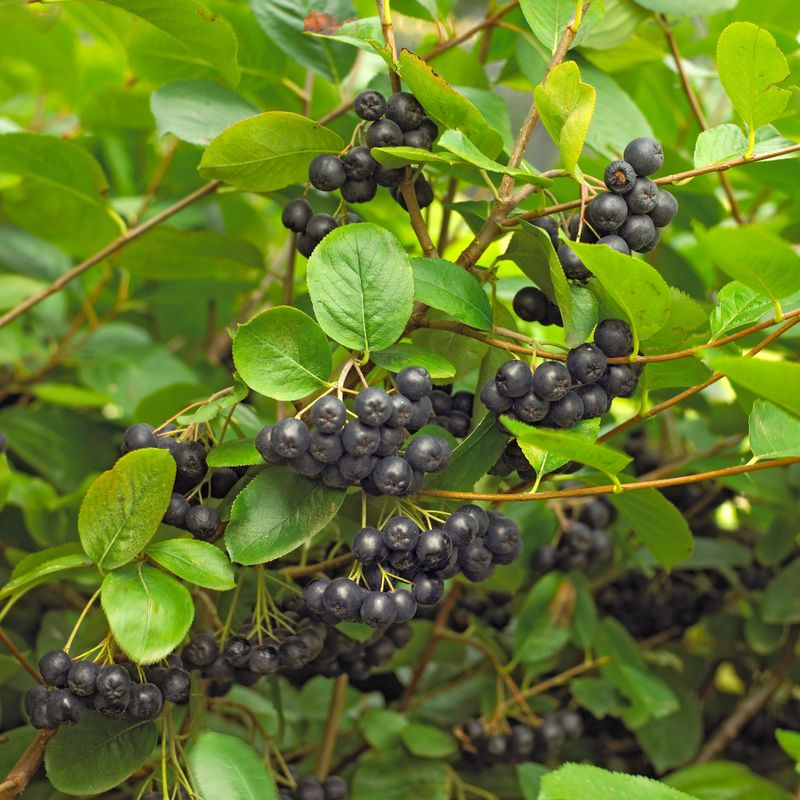
Black chokeberry packs more antioxidants than almost any other fruit, making these berries incredibly nutritious for both wildlife and humans.
The shrub produces clusters of white or pale pink flowers in spring that develop into glossy black berries by late summer.
Pennsylvania’s wildlife, including various thrush species and small mammals, eagerly consume these vitamin-rich fruits throughout fall and winter.
This compact native shrub typically reaches 3 to 6 feet in height, making it suitable for smaller Pennsylvania gardens or foundation plantings.
The dark green leaves turn brilliant shades of red, orange, and purple in autumn, creating a stunning seasonal display.
Black chokeberry tolerates a wide range of soil conditions, from wet to moderately dry, and handles both sun and partial shade.
The common name comes from the berries’ astringent taste when eaten raw, though cooking them reduces the puckering quality.
Wildlife doesn’t seem to mind the flavor, especially as temperatures drop and the berries sweeten slightly with frost.
The shrub’s dense branching provides good cover for ground-nesting birds and small animals seeking shelter.
Black chokeberry rarely suffers from pest or disease problems in Pennsylvania, making it truly low-maintenance once established.
The shrub spreads slowly through suckers, gradually forming small colonies that increase habitat value.
Its four-season interest, from spring flowers to fall color to persistent winter berries, makes it a valuable addition to any Pennsylvania wildlife garden.
6. Serviceberry
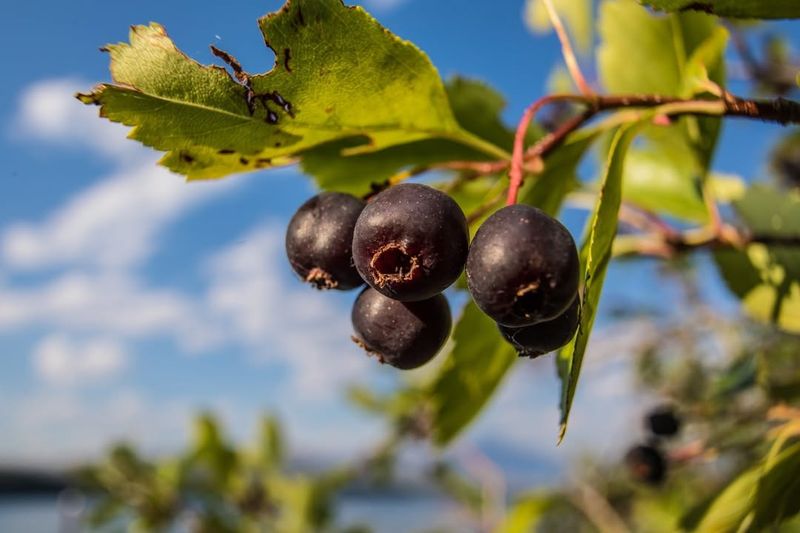
Serviceberry earns first place in many Pennsylvania gardeners’ hearts because it offers something special in every season.
Delicate white flowers appear in early spring before most other plants bloom, providing crucial nectar for early pollinators.
The sweet, juicy berries that follow in June taste remarkably similar to blueberries and disappear quickly as birds, squirrels, and chipmunks compete for every last fruit.
This versatile native can grow as a large shrub or small tree, typically reaching 15 to 25 feet tall in Pennsylvania landscapes.
Its smooth gray bark adds winter interest, while the oval leaves turn vibrant shades of yellow, orange, and red each autumn.
At least 40 bird species feast on serviceberries, including robins, catbirds, and orioles that visit Pennsylvania during breeding season.
Serviceberry adapts to various light conditions from full sun to partial shade and tolerates different soil types.
The shrub works beautifully as a specimen plant, in mixed borders, or naturalized in woodland settings throughout Pennsylvania.
Its early flowering and fruiting schedule means it feeds wildlife when many other food sources haven’t yet become available.
Humans often harvest serviceberries for pies, jams, and fresh eating, though you’ll need to act quickly before wildlife claims them all.
The berries contain no toxins and taste delicious right off the branch.
This multi-season beauty brings exceptional value to Pennsylvania wildlife gardens while requiring minimal care once established.
7. Red Raspberry
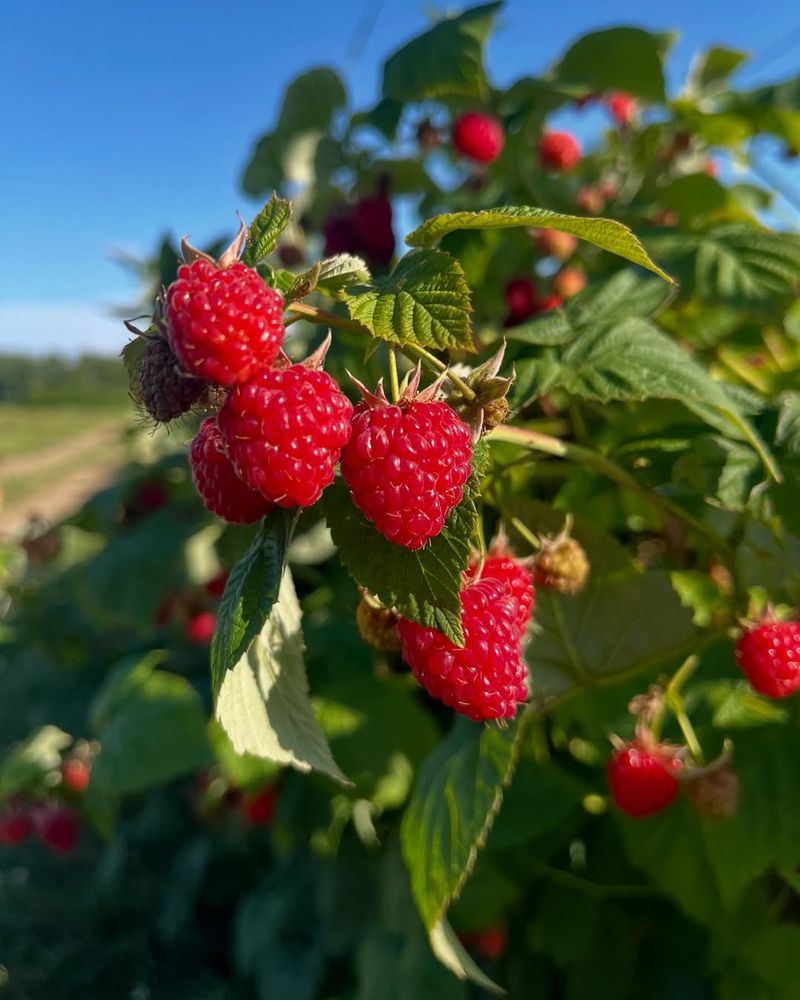
Wild red raspberry grows abundantly throughout Pennsylvania’s woodlands, field edges, and disturbed areas, creating natural feeding stations for countless animals.
The bright red berries ripen in midsummer, offering sweet rewards to birds, bears, foxes, and anyone else lucky enough to find them.
Unlike cultivated varieties, wild raspberry plants spread vigorously through underground runners and arching canes that root where they touch soil.
These native shrubs typically grow 3 to 6 feet tall, forming dense thickets that provide excellent cover for ground-dwelling wildlife.
The white flowers that bloom in late spring attract bees and other pollinators to Pennsylvania gardens.
Thorny canes offer extra protection for small birds and mammals seeking refuge from predators.
Red raspberry thrives in full sun to partial shade and prefers well-drained soil with moderate moisture.
The plant tolerates Pennsylvania’s cold winters without any protection and bounces back quickly even after harsh weather.
Birds like catbirds, thrashers, and towhees build nests within the protective tangles of raspberry canes.
The berries provide important nutrition during the busy breeding season when parent birds need high-energy food for their growing chicks.
Deer browse the foliage and young shoots, while rabbits and groundhogs nibble the lower canes.
Allowing wild raspberry to naturalize in appropriate areas of your Pennsylvania property creates valuable habitat while controlling erosion on slopes.
The fruit production continues for several weeks, feeding multiple generations of wildlife throughout summer.
8. Spicebush
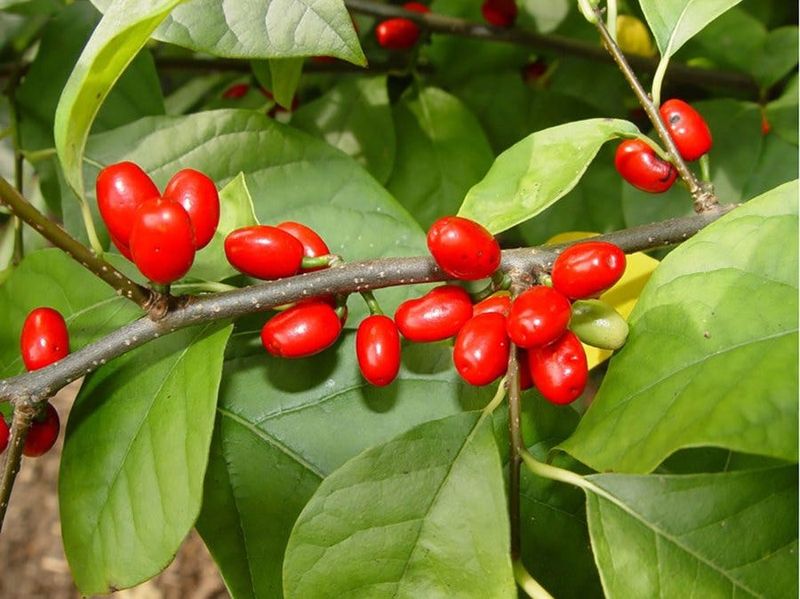
Crushing a spicebush leaf releases a wonderful lemony-spicy fragrance that explains this Pennsylvania native’s common name perfectly.
The shrub produces small yellow flowers in early spring before leaves emerge, providing nectar when few other plants are blooming.
Female plants develop bright red berries by late summer that contain high levels of fat, making them especially valuable for migrating birds preparing for long journeys.
Spicebush grows 6 to 12 feet tall and wide, creating a rounded form that works well in shaded Pennsylvania gardens.
The shrub naturally inhabits woodland understories, making it perfect for areas beneath larger trees where many plants struggle.
Wood thrushes, veeries, and other forest-dwelling birds eagerly consume the nutritious berries throughout fall.
The plant serves as the host for the beautiful spicebush swallowtail butterfly, whose caterpillars feed exclusively on its leaves.
Pennsylvania gardeners who want to support butterflies should definitely include this shrub in their landscapes.
The aromatic foliage generally deters deer from browsing, though desperate animals may nibble it during harsh winters.
Spicebush prefers moist, well-drained soil and partial to full shade, mimicking its natural woodland habitat throughout Pennsylvania.
The leaves turn clear yellow in autumn, brightening shady areas before dropping.
Native Americans and early settlers used various parts of this shrub for medicinal purposes and as a spice substitute.
Today, it remains valuable primarily for its wildlife benefits and adaptability to challenging shade conditions in Pennsylvania gardens.
9. Nannyberry Viburnum
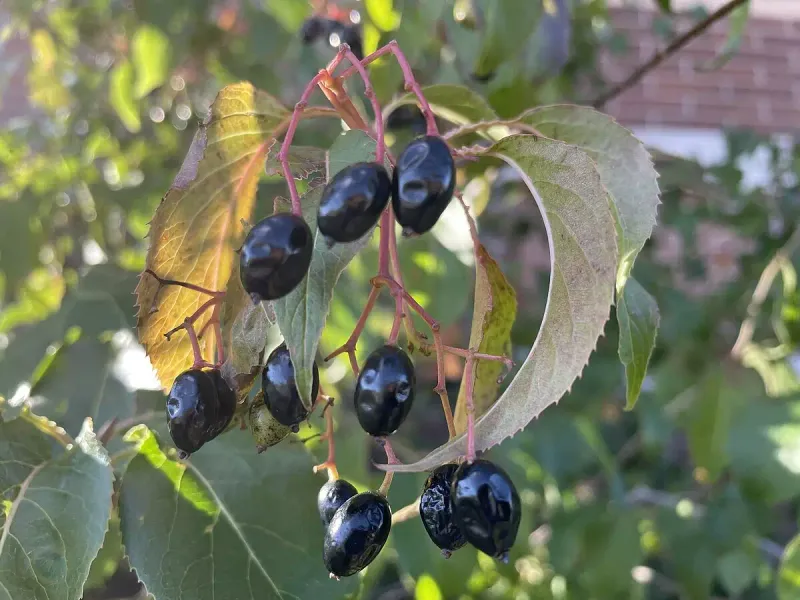
Nannyberry viburnum produces berries that actually taste good to humans, with a sweet, raisin-like flavor when fully ripe.
This Pennsylvania native grows as a large shrub or small tree, reaching 15 to 20 feet tall with an upright, spreading form.
The creamy white flower clusters that bloom in late spring attract numerous pollinators, while the blue-black berries that follow feed at least 35 bird species throughout autumn and winter.
The glossy green leaves turn beautiful shades of red and purple in fall, adding seasonal color to Pennsylvania landscapes.
Nannyberry tolerates a wide range of growing conditions, including clay soil, periodic flooding, and drought once established.
This adaptability makes it suitable for various locations across Pennsylvania, from suburban yards to rural properties.
The shrub’s dense branching structure provides excellent nesting sites for cardinals, catbirds, and other songbirds during breeding season.
Rabbits, squirrels, and chipmunks also enjoy the sweet berries, often harvesting them before birds get their share.
The fruits hang in drooping clusters that persist into winter if wildlife doesn’t consume them all.
Nannyberry viburnum grows well in full sun to partial shade and requires minimal maintenance once established in Pennsylvania gardens.
The shrub rarely suffers from serious pest or disease problems and tolerates urban conditions better than many native plants.
Its combination of wildlife value, edible fruit, attractive form, and adaptability makes nannyberry an excellent choice for Pennsylvania gardeners wanting to support local animals while creating beautiful landscapes.