12 Berry Shrubs That Support Wildlife In North Carolina Gardens
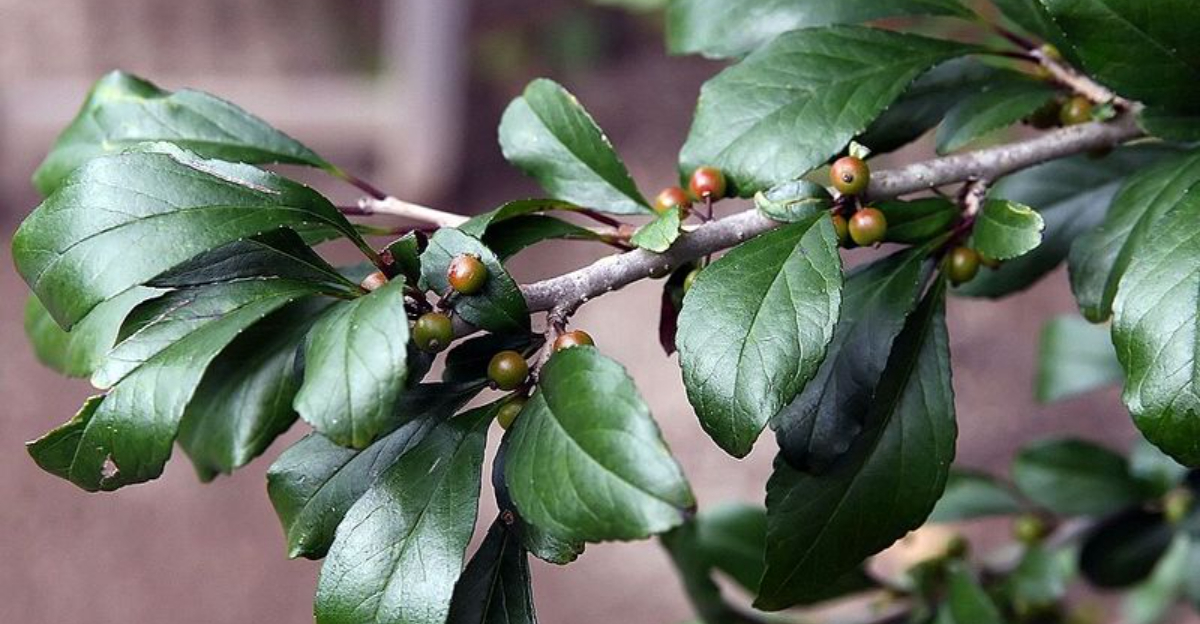
North Carolina gardens can become amazing havens for birds, butterflies, and other wildlife when you plant the right berry-producing shrubs in your yard.
Native and adapted berry shrubs offer food sources that help local animals thrive throughout different seasons while adding beautiful colors to your landscape design.
These shrubs require less maintenance than exotic plants and naturally fit into the regional ecosystem, making them smart choices for any gardener who cares.
Learning which berry shrubs attract the most wildlife will help you create a vibrant outdoor space that buzzes with life all year long.
1. American Beautyberry
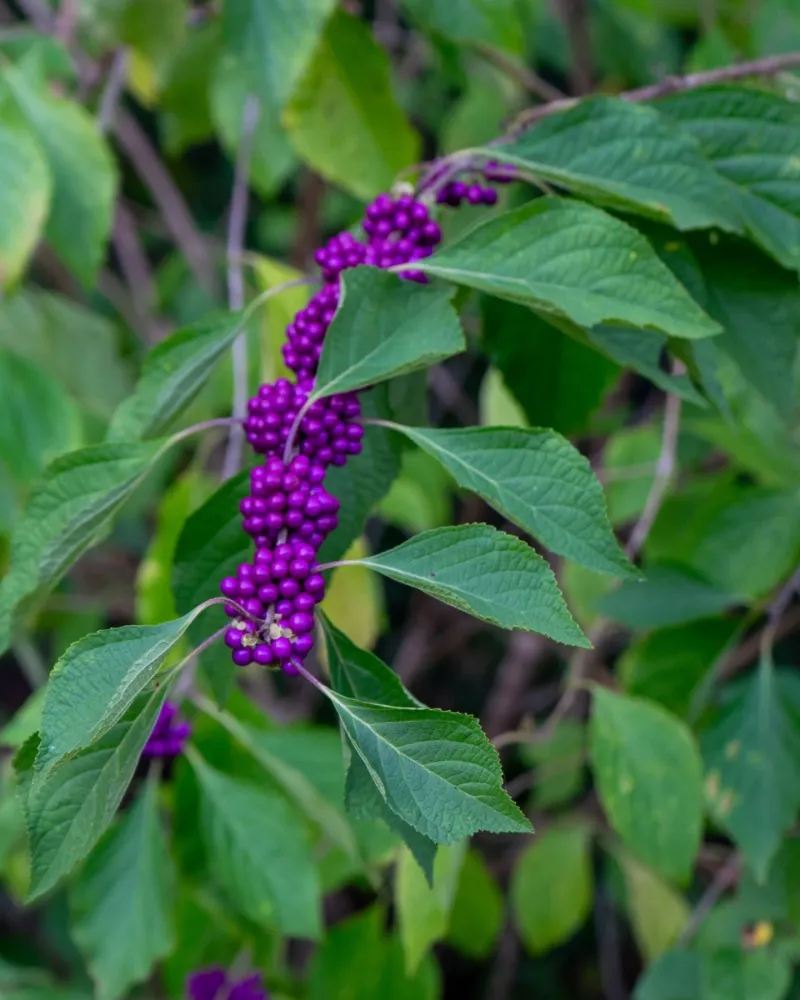
Brilliant purple berries cover this native shrub every fall, creating a stunning display that catches your eye from across the entire North Carolina garden space today.
Birds absolutely love feasting on these bright fruits, especially when other food sources start becoming scarce as temperatures drop during late autumn months here.
American beautyberry grows well in partial shade or full sun, making it adaptable to various garden spots you might have available around your property.
The shrub reaches about five feet tall and wide, so give it plenty of room to spread out and develop its naturally graceful shape.
Butterflies and bees visit the small pink flowers that bloom in summer, adding even more wildlife value to your yard throughout the growing season ahead.
Deer tend to avoid this plant, which means your berries will actually stick around long enough for the birds to enjoy them properly each year.
2. Elderberry
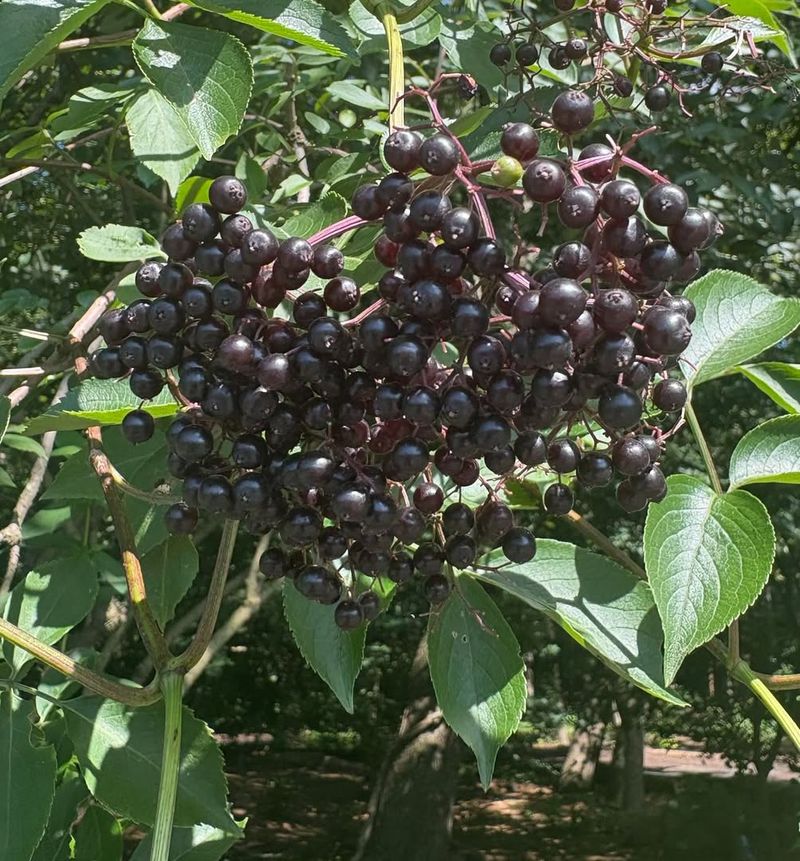
Dark purple clusters hang heavy on elderberry branches by midsummer in North Carolina, offering an incredible feast that attracts over forty different bird species to your garden.
This fast-growing native shrub can reach twelve feet tall, creating a living screen that provides both privacy and abundant food for your local wildlife.
Creamy white flower clusters appear in early summer, drawing countless pollinators before transforming into those nutritious berries that everyone loves so much during harvest time.
Elderberries prefer moist soil and full sun but will tolerate some shade, making them flexible enough for most garden conditions you might encounter here.
You can harvest some berries for making jams and syrups while still leaving plenty behind for the birds and other creatures visiting your yard.
The shrub spreads through suckers, so consider placing it where it has space to form a natural thicket that wildlife can use safely.
3. Spicebush
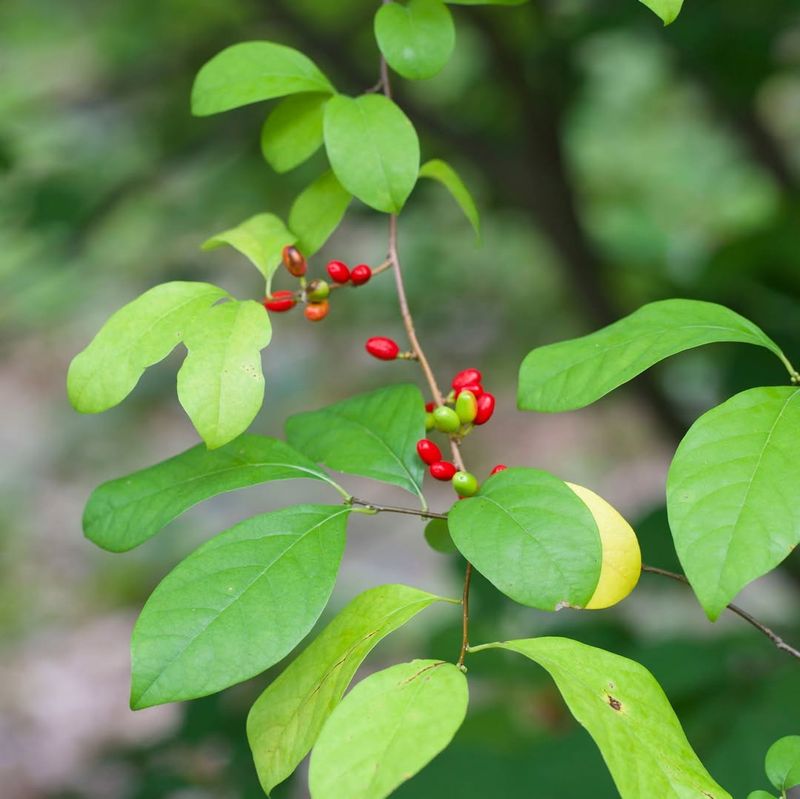
Bright red berries ripen in early fall on this woodland native, providing high-fat food that helps migrating birds build energy for their long journeys ahead.
Spicebush thrives in shady spots where many other berry shrubs struggle, making it perfect for those difficult areas underneath trees in your North Carolina landscape design.
The leaves release a wonderful spicy fragrance when crushed, and they turn brilliant yellow in autumn, adding seasonal interest beyond just the berries themselves.
Female plants produce the berries, so you need both male and female shrubs planted nearby to ensure good fruit production for wildlife each season.
Spicebush swallowtail butterflies lay eggs on the leaves, and their caterpillars depend entirely on this plant for survival during their early life stages.
Wood thrushes and other songbirds seek out these nutritious berries, making spicebush an essential component of any wildlife-friendly garden you create in Carolina.
4. Winterberry Holly
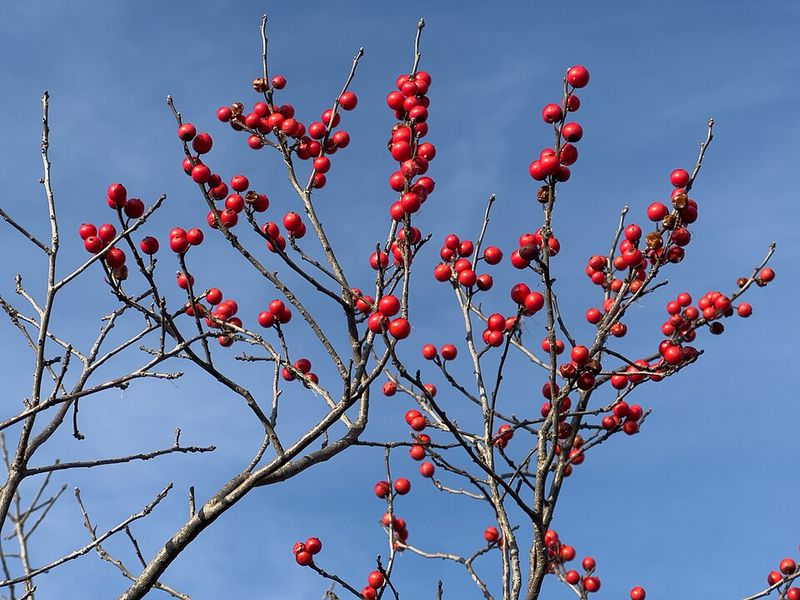
Brilliant red berries persist through winter on bare branches, creating a stunning contrast against snow and providing crucial food when other sources disappear completely.
This deciduous holly loses its leaves in fall, which makes the berry display even more dramatic and visible to both wildlife and human admirers alike.
Robins, cedar waxwings, and bluebirds depend on winterberry fruits during cold months when insects and other foods become impossible to find in frozen North Carolina landscapes.
Female plants produce the berries, so plant at least one male winterberry nearby to ensure proper pollination and abundant fruit set every single year.
Winterberry prefers moist, acidic soil and can tolerate wet areas where other shrubs might struggle or fail to thrive in your yard or garden.
The shrub grows four to eight feet tall and works beautifully in rain gardens or along pond edges where its roots help stabilize soggy soil.
5. Arrowwood Viburnum
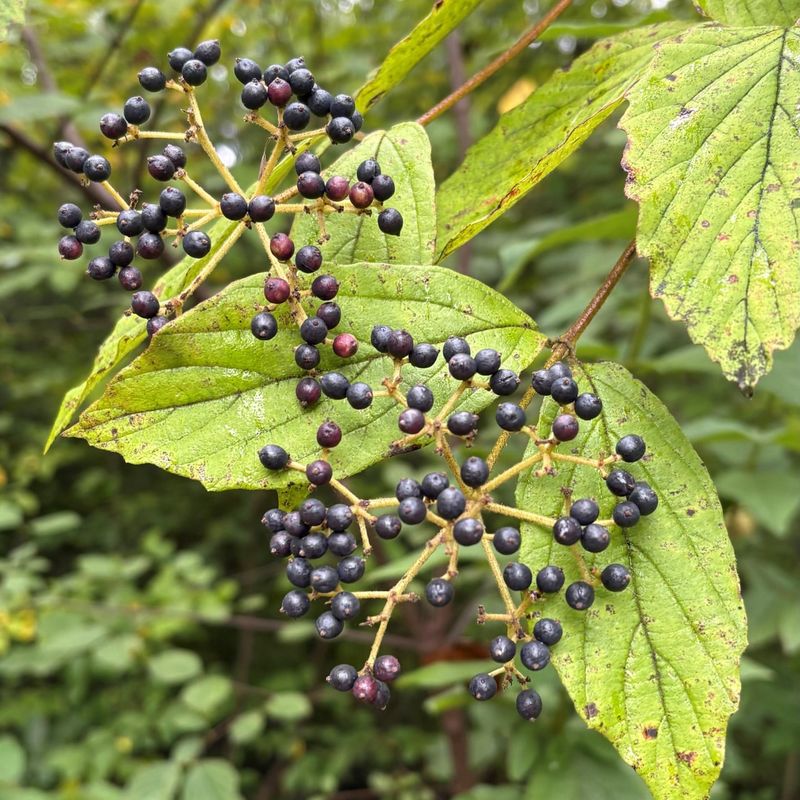
Dark blue berries appear in late summer on this tough native shrub, quickly disappearing as birds eagerly consume every single fruit they can possibly reach.
Arrowwood viburnum adapts to almost any soil type and handles both wet and dry conditions, making it one of the most reliable choices for gardens.
White flower clusters bloom in spring, attracting numerous pollinators before developing into those berries that wildlife find absolutely irresistible throughout the fall season ahead.
The leaves turn beautiful shades of red and purple in autumn, adding ornamental value that extends well beyond the shrub’s wildlife benefits for your yard.
This viburnum grows six to ten feet tall and wide, creating excellent screening while providing food and shelter for countless birds and small mammals nearby.
Over thirty bird species eat arrowwood berries, including thrushes, waxwings, and cardinals that visit gardens regularly throughout North Carolina during migration periods and beyond.
6. Black Chokeberry
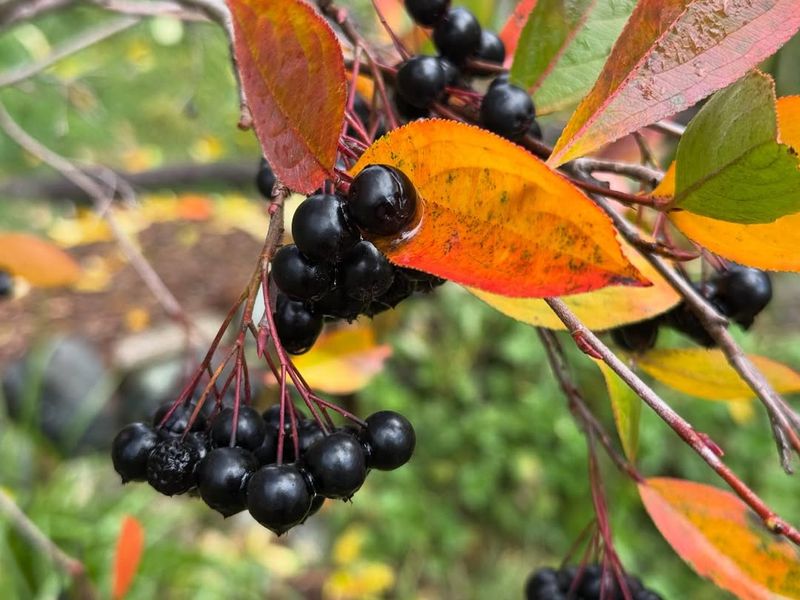
Glossy black berries ripen in late summer and often persist into winter in North Carolina, giving birds a reliable food source that lasts much longer than offerings.
Black chokeberry tolerates poor soil, wet conditions, and even salt spray, making it incredibly versatile for challenging garden spots you might have struggled with before.
White flowers appear in spring, creating lovely clusters that butterflies and native bees visit frequently before the berries develop later in the growing season here.
The foliage turns brilliant red and purple in fall, providing stunning color that rivals any ornamental shrub you might consider planting in your landscape.
This shrub grows four to eight feet tall and spreads slowly through suckers, eventually forming a dense thicket that provides excellent cover for nesting birds.
Grouse, thrushes, and other songbirds eat the berries, and the dense branching structure offers safe hiding spots for small animals seeking shelter daily.
7. Possumhaw Holly
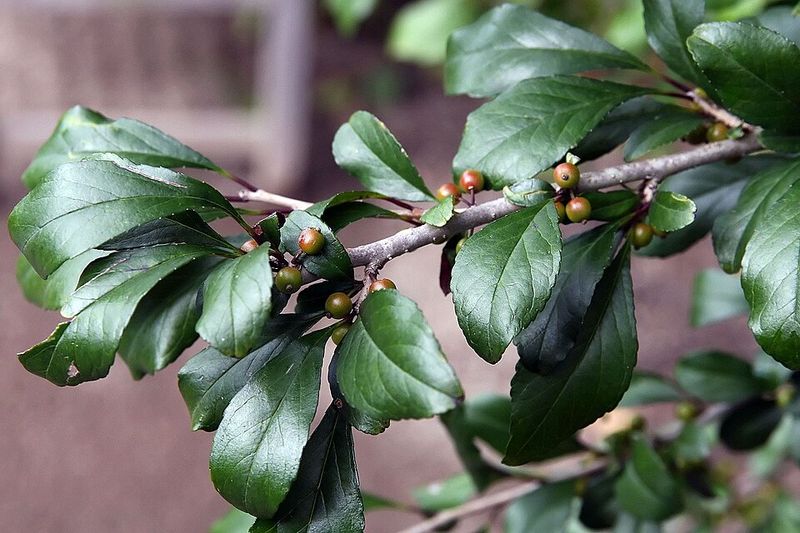
Orange-red berries glow on bare winter branches, providing a cheerful sight during gray months while feeding hungry birds that depend on these persistent fruits.
Possumhaw grows naturally in wet areas and along streams, making it perfect for rain gardens or low spots where water tends to collect seasonally.
This deciduous holly loses its leaves in fall, which makes the berry display more visible and accessible to birds searching for food during winter.
Female plants produce the berries, so remember to include a male possumhaw nearby to ensure pollination and good fruit production every single growing season.
The shrub can grow fifteen to twenty feet tall, creating a small tree form that adds vertical interest and wildlife habitat to your landscape design.
Cedar waxwings, robins, and mockingbirds feast on possumhaw berries, often stripping branches clean once they discover this valuable food source in your North Carolina yard or garden.
8. Southern Wax Myrtle
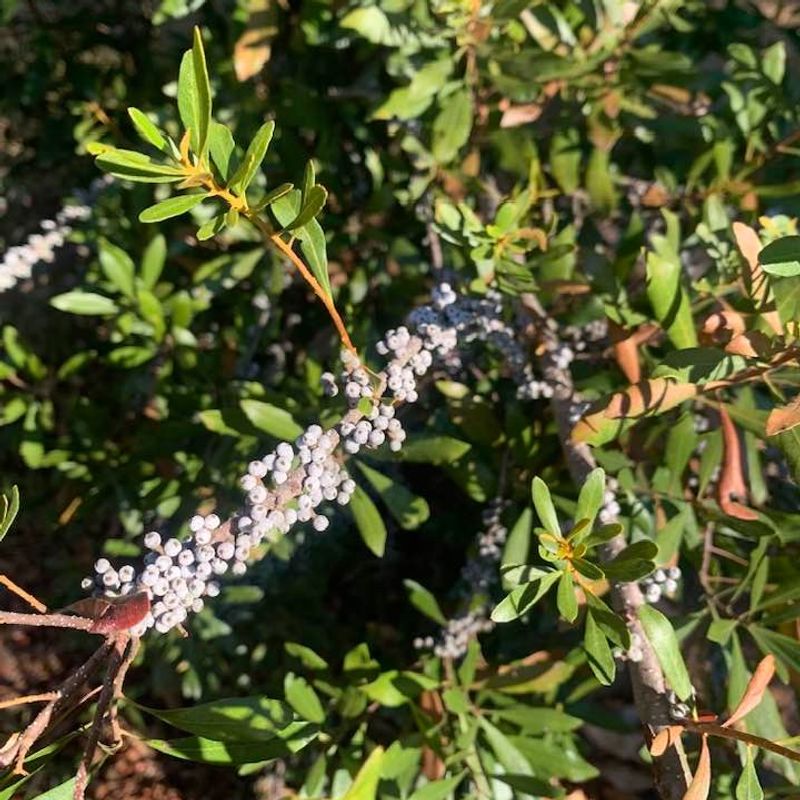
Gray waxy berries cover this evergreen shrub in fall, providing high-energy food that helps birds survive cold snaps and prepare for spring breeding seasons in North Carolina.
Southern wax myrtle tolerates salt spray and sandy soil, making it ideal for coastal gardens or areas with challenging conditions that limit other plant options.
The aromatic foliage releases a pleasant bayberry scent when brushed, and the dense evergreen branches provide year-round shelter for birds and small mammals alike.
Female plants produce the berries, so plant both male and female shrubs nearby to ensure proper pollination and maximize fruit production for wildlife visitors.
This shrub grows rapidly and can reach fifteen feet tall, creating an excellent screen or windbreak that also serves important ecological functions in landscapes.
Over forty bird species eat wax myrtle berries, including yellow-rumped warblers that rely heavily on this food source during winter months spent in Carolina regions.
9. Red Chokeberry
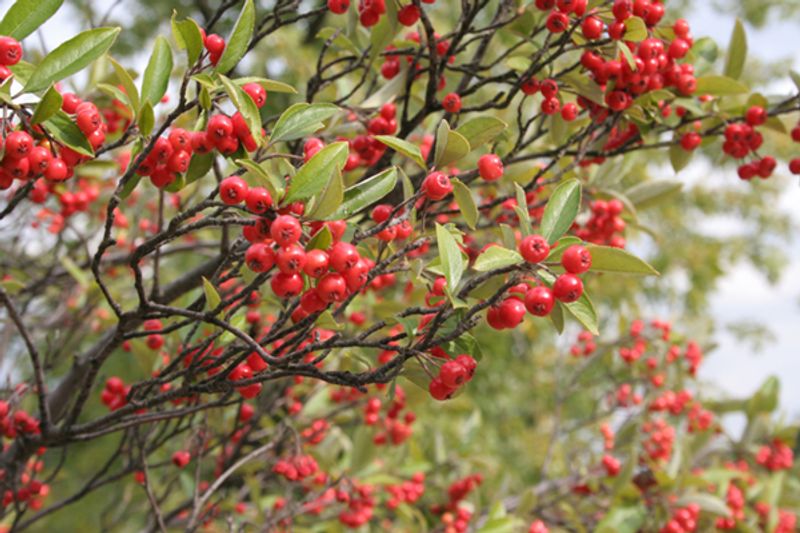
Bright red berries shine on this compact shrub from late summer through winter, offering a long-lasting food source that benefits wildlife across multiple seasons.
Red chokeberry handles wet soil and full sun beautifully, making it suitable for rain gardens or sunny borders where you want both beauty and function.
White spring flowers attract pollinators before developing into those colorful berries that add visual interest while serving an important ecological role in your yard.
The foliage turns brilliant red in autumn, creating a spectacular display that rivals any ornamental shrub you might plant purely for decorative purposes alone.
This shrub stays relatively small at three to six feet tall, fitting nicely into smaller North Carolina gardens or foundation plantings where space is somewhat limited.
Grouse, waxwings, and other birds consume the berries, and the dense branching provides nesting sites and protective cover for various wildlife species throughout the year.
10. Yaupon Holly
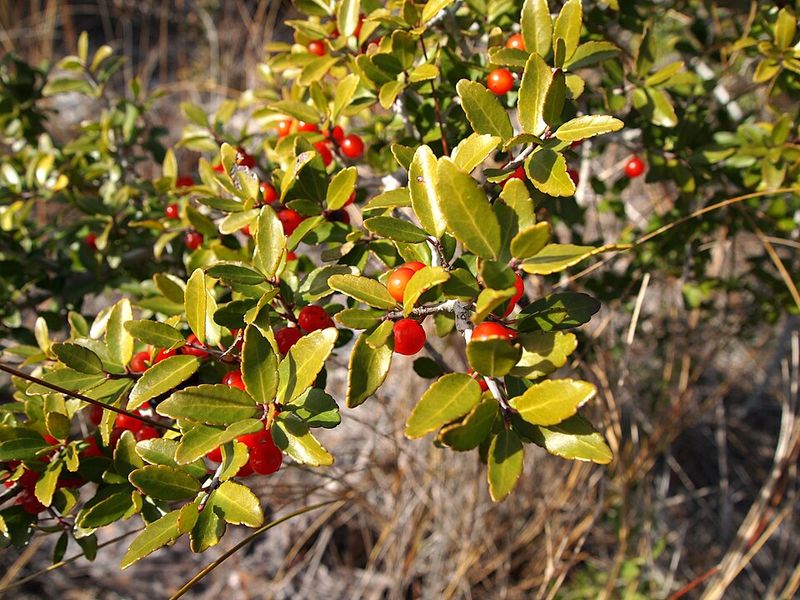
Tiny red berries cover female yaupon hollies in fall, creating a vibrant display that persists through winter and feeds countless birds during lean months.
This evergreen native tolerates drought, salt, and poor soil, making it one of the toughest and most adaptable shrubs you can choose for North Carolina landscapes.
Yaupon grows naturally along the coast but adapts well to inland gardens, thriving in various conditions that would challenge less resilient plant species today.
Small white flowers appear in spring, attracting bees and other pollinators before transforming into those brilliant berries that wildlife depends on throughout winter months.
The shrub can be pruned into hedges or left natural, reaching eight to fifteen feet tall and providing flexible design options for your specific needs.
Cedar waxwings, mockingbirds, and thrushes eagerly consume yaupon berries, often visiting repeatedly once they locate this reliable food source in your garden or yard.
11. Inkberry Holly
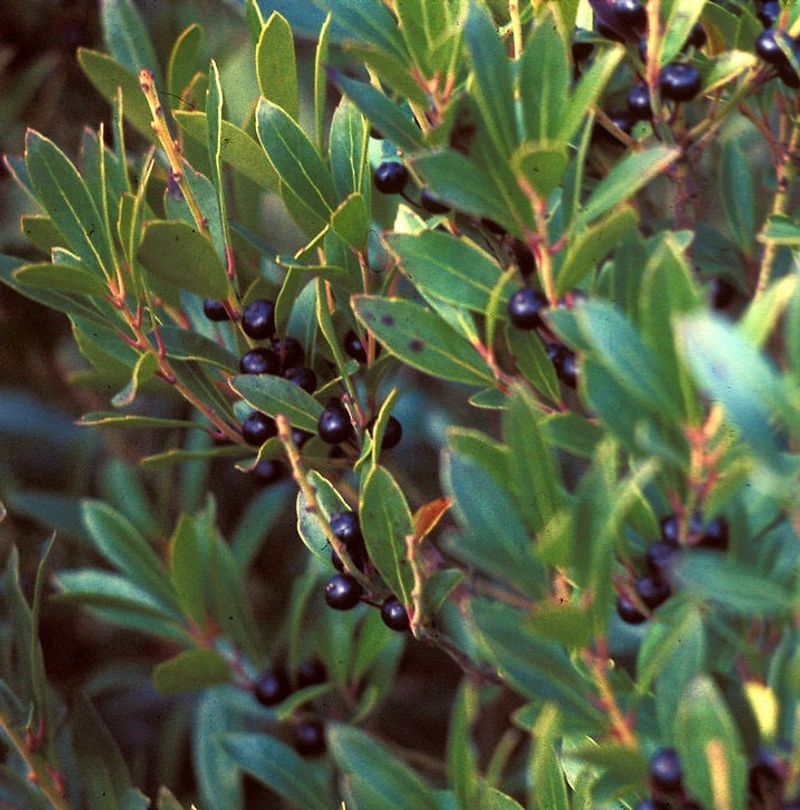
Dark black berries appear on this evergreen holly in fall, offering food that persists through winter in North Carolina and supports birds when other options become scarce.
Inkberry tolerates shade, wet soil, and even coastal conditions, making it incredibly versatile for gardens with challenging environments or difficult growing spots you struggle with.
The glossy evergreen leaves provide year-round interest and shelter, creating dense cover where birds can hide from predators and harsh weather throughout all seasons.
Female plants produce the berries, so include a male inkberry nearby to ensure pollination and abundant fruit production that wildlife can depend on annually.
This shrub grows slowly to six or eight feet tall, maintaining a compact form that works well in foundation plantings or mixed borders throughout landscapes.
Thrushes, catbirds, and other songbirds eat inkberry fruits, and the dense branching structure offers excellent nesting habitat for species that prefer sheltered locations near homes.
12. Virginia Sweetspire
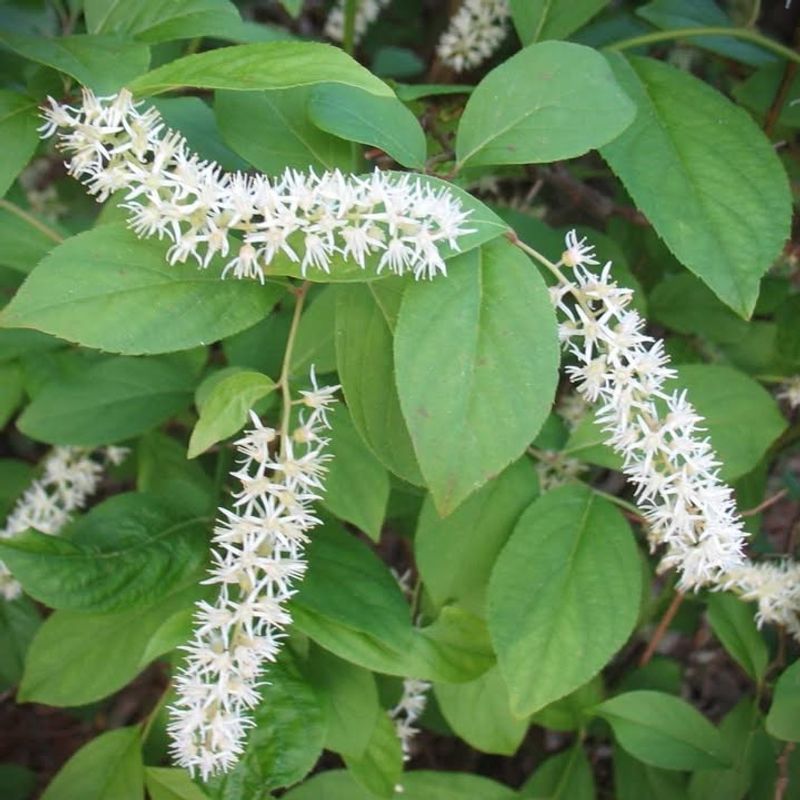
Fragrant white flower spikes bloom in early summer, attracting butterflies and bees before developing into small dark berries that birds appreciate during fall months.
Virginia sweetspire thrives in wet areas and tolerates periodic flooding, making it perfect for rain gardens or along streams where other shrubs might struggle.
The leaves turn brilliant red, orange, and purple in autumn, creating one of the most spectacular fall displays among native shrubs in Carolina landscapes today.
This shrub grows three to five feet tall and spreads slowly through underground stems, eventually forming attractive colonies that provide extensive wildlife habitat over time.
Birds and small mammals eat the berries while the dense growth offers nesting sites and protective cover throughout the year for various species visiting regularly.
Virginia sweetspire adapts to sun or partial shade and requires minimal maintenance once established, making it an easy choice for busy gardeners who value wildlife.