8 Best Coleus Color Combinations That Actually Work In North Carolina Gardens
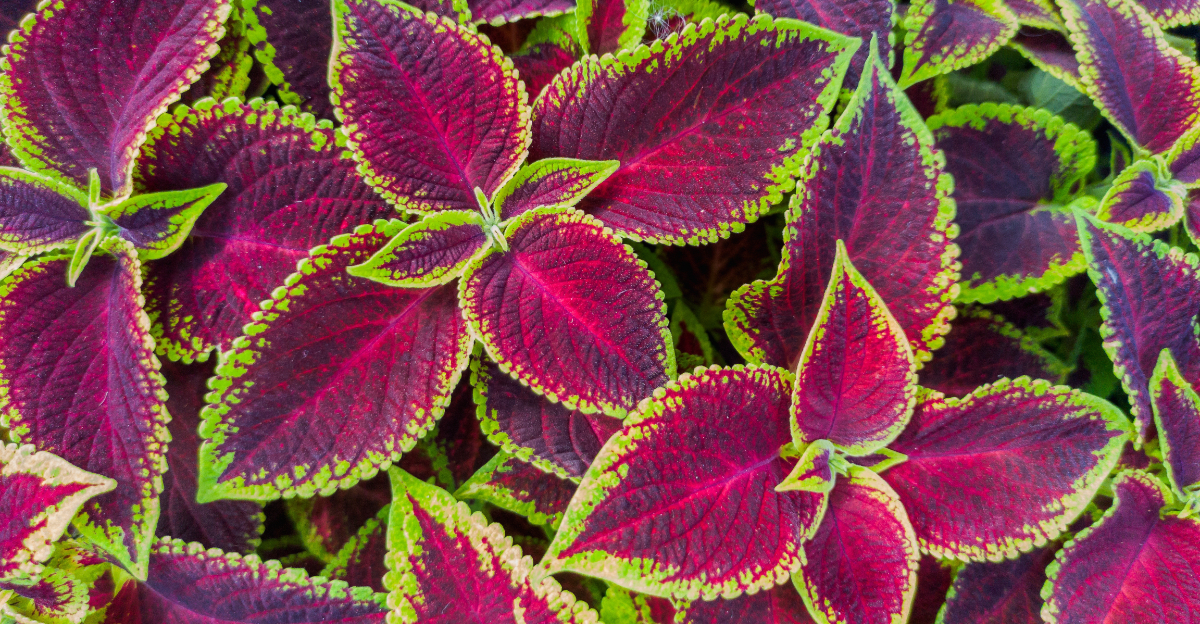
Coleus is one of the easiest ways to add serious color to a North Carolina garden, and it performs through summer heat and humidity in ways that flowering annuals often cannot match.
The leaves do all the work, which means you get consistent color from planting day straight through fall without depending on bloom cycles or schedules for removing spent blooms.
Where coleus gets interesting, and occasionally overwhelming, is in the sheer number of color options available. Picking individual plants is easy enough, but putting combinations together that actually look intentional rather than random takes a bit more thought.
The wrong pairings clash visibly or cancel each other out in a way that makes a bed look busy without being bold. The right combinations create contrast, depth, and a finished look that holds up across the whole season.
North Carolina’s light and heat affect how certain coleus colors read in the garden, and that is worth factoring in before you fill a cart at the garden center. These eight combinations consistently work and are worth building a planting plan around.
1. Lime Green + Deep Burgundy Coleus
Few color contrasts in the plant world hit as hard as lime green paired with deep burgundy. When you place these two coleus varieties side by side in a shaded North Carolina garden bed or porch container, the visual impact is immediate and stunning.
The bright, almost electric lime foliage acts like a natural spotlight, making the rich burgundy leaves look even deeper and more dramatic by comparison.
North Carolina summers are no joke when it comes to heat and humidity, but this combination handles both like a champ. Burgundy coleus varieties tend to hold their dark color well even when temperatures climb into the upper 90s.
The lime varieties stay vivid as long as they get consistent moisture and some protection from harsh afternoon sun, which is easy to manage with a little shade cloth or a well-placed tree canopy.
Container planting works especially well for this duo. A deep navy or terracotta pot makes both colors pop even more against the backdrop of a wooden deck or brick patio.
For best results across North Carolina, water consistently and add a slow-release fertilizer at planting time. You will be amazed at how full and lush this combination grows from late spring right through October.
2. Hot Pink + Chocolate Brown Coleus
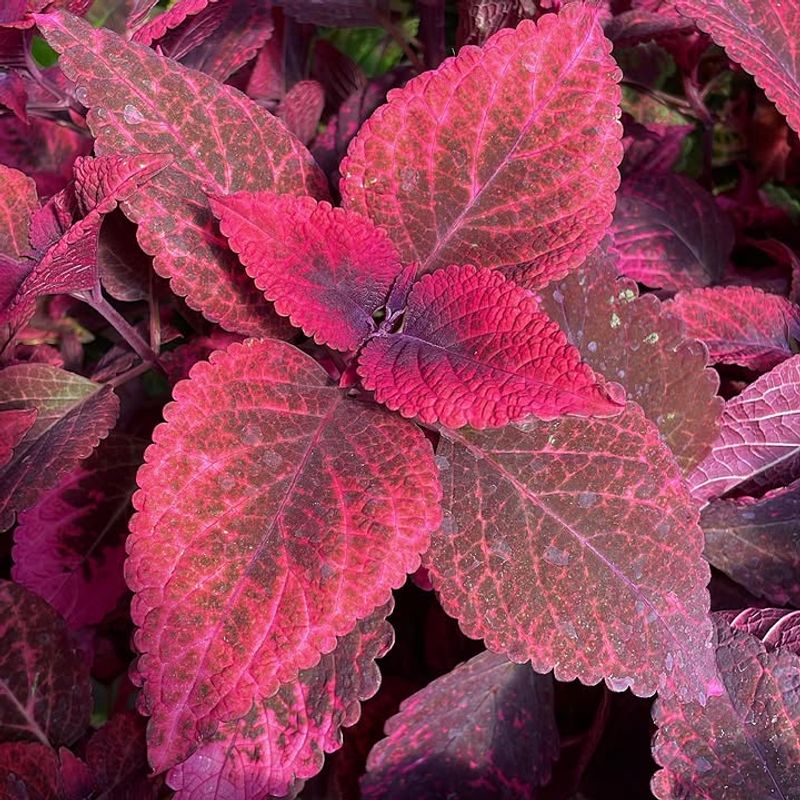
There is something almost edible about the hot pink and chocolate brown coleus pairing. It sounds bold on paper, but in real life, this combination feels warm, rich, and surprisingly sophisticated.
The pink varieties bring an energetic burst of color while the chocolate foliage grounds the whole planting with a deep, earthy richness that feels right at home in a Southern garden.
Across North Carolina, this pairing performs especially well in spots that get morning sun and afternoon shade. Coleus with pink centers can bleach out under intense midday sun, so giving them filtered light keeps those vivid tones looking fresh all season long.
Your North Carolina Garden Changes Every Week. Your Plan Should Too.
Gardening in North Carolina changes quickly throughout the season. Every Friday you’ll receive a simple weekly plan showing exactly what to plant, prune, fertilize, harvest, and protect so you never miss the right timing.
Chocolate brown varieties are generally more sun-tolerant, which makes them a great anchor for mixed containers or raised beds where light conditions shift throughout the day.
One smart trick for North Carolina gardeners is to pair this combination with a dark mulch like shredded hardwood. The mulch echoes the chocolate tones in the foliage and makes the pink centers absolutely glow by contrast.
Make sure to pinch back any flower spikes as they appear, because coleus blooms can actually mute the foliage color over time.
Keep the plants bushy and well-watered, and this duo will reward you with spectacular color from May straight through the first cool nights of autumn.
3. Red + Chartreuse Coleus
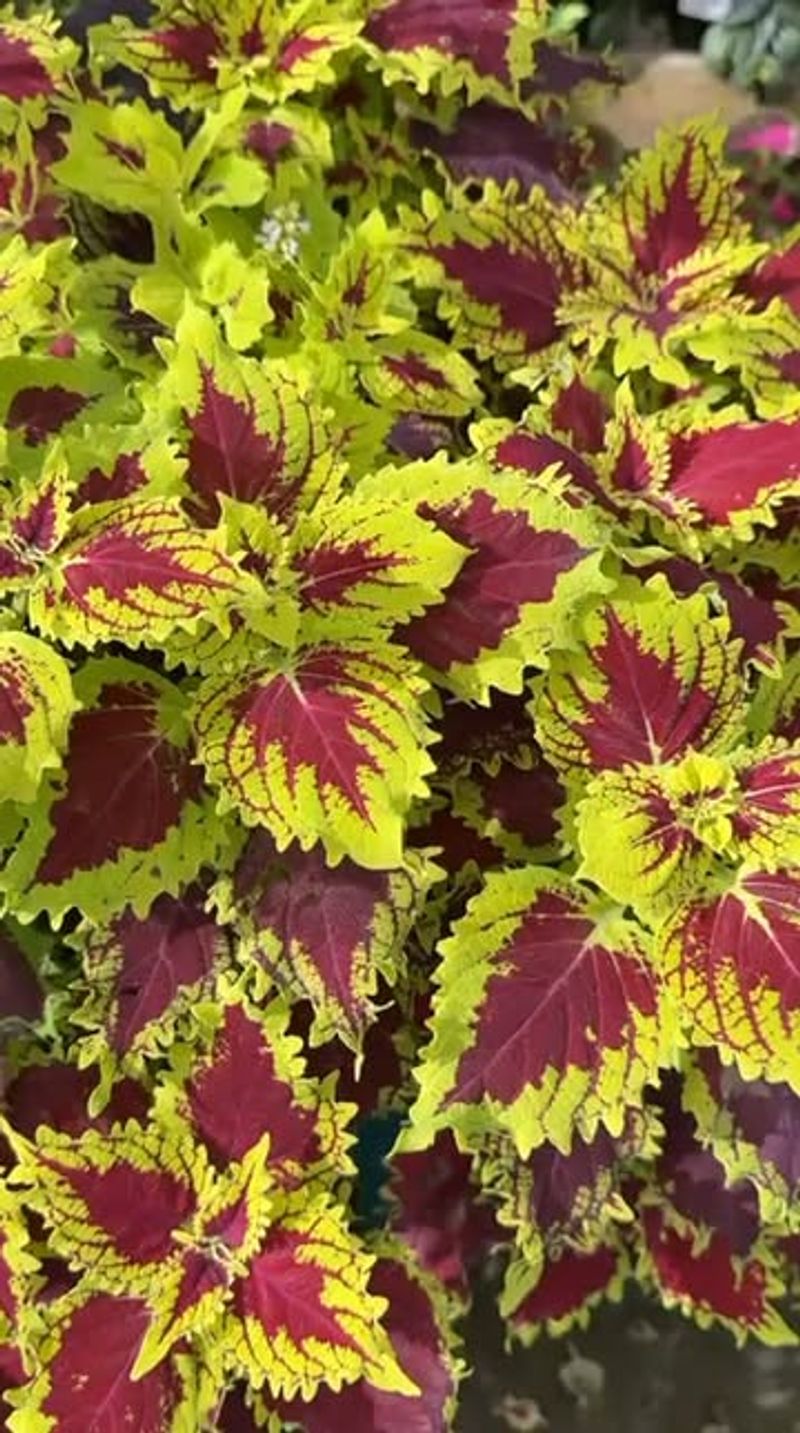
Red and chartreuse coleus is one of those combinations that garden designers reach for again and again, and for good reason.
The pairing is bold, clean, and incredibly reliable, especially in the shaded beds and woodland gardens that are so common throughout North Carolina.
Bright chartreuse foliage acts as a natural frame around the deeper red varieties, giving the whole planting a sense of energy and movement.
What makes this combination especially great for North Carolina landscapes is how well both color types handle the region’s warm, humid summers. Red coleus varieties tend to be vigorous growers, filling in gaps quickly and creating a lush, full appearance by midsummer.
Chartreuse varieties grow at a similar pace, so the two stay balanced without one overtaking the other, which is a common problem with mismatched coleus pairings.
Shaded beds along the north side of a house or under large hardwood trees are perfect spots for this combination across the Piedmont and coastal regions of North Carolina.
For a really polished look, plant the red varieties in the center of the bed and let the chartreuse spill out toward the edges.
Add a border of dark mondo grass or black-stemmed elephant ears to frame the whole display, and you will have a garden bed that stops traffic all summer long.
4. Coral Pink + Copper Coleus
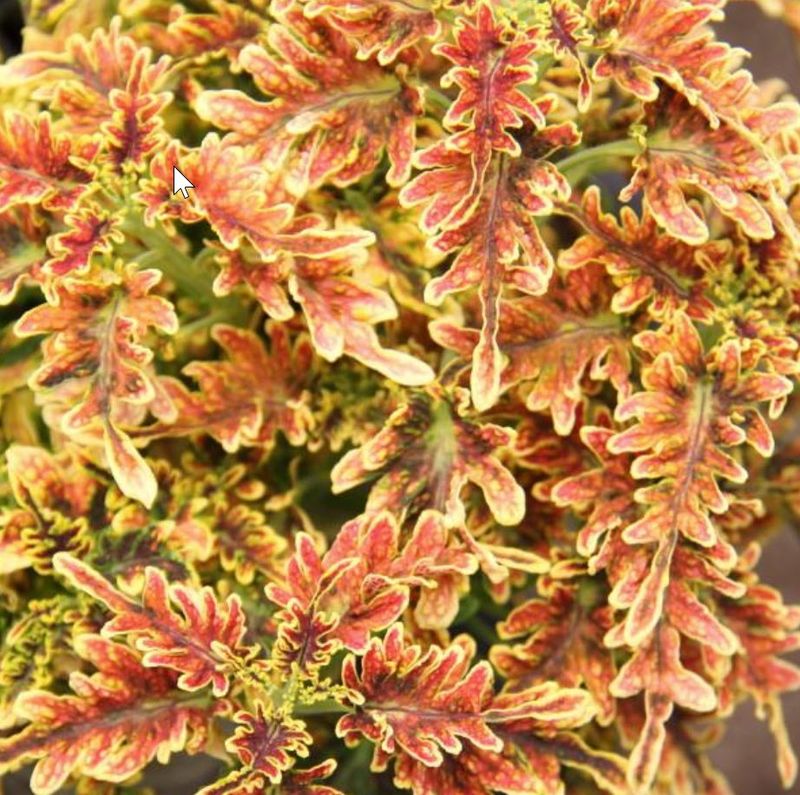
Warm-toned color combinations have a special magic in Southern gardens, and coral pink paired with copper coleus is proof of that.
Unlike cool pastels that can fade and look washed out under intense summer light, these warm tones actually seem to deepen and glow as the season heats up.
It is one of the most visually satisfying combinations you can plant in a North Carolina garden.
Copper coleus varieties, like the popular Coleus scutellarioides cultivars with bronzy-orange tones, add a richness to the garden that feels almost autumnal even in the middle of summer.
When paired with soft coral pink varieties, the result is a planting that feels both lively and refined at the same time.
Gardeners in Charlotte, Raleigh, and Wilmington have all found great success with this combination in porch containers and raised beds.
Because both colors sit on the warm side of the color wheel, they create a cohesive and harmonious look that is easy to build on. Try adding a few stalks of bronze fennel or copper-leafed sweet potato vine nearby to extend the palette and add some texture.
Keep the soil consistently moist since coleus in containers can dry out fast during North Carolina’s July and August heat waves. A layer of mulch in ground beds will help retain moisture and keep roots cool all season.
5. Purple + Lime Edge Coleus
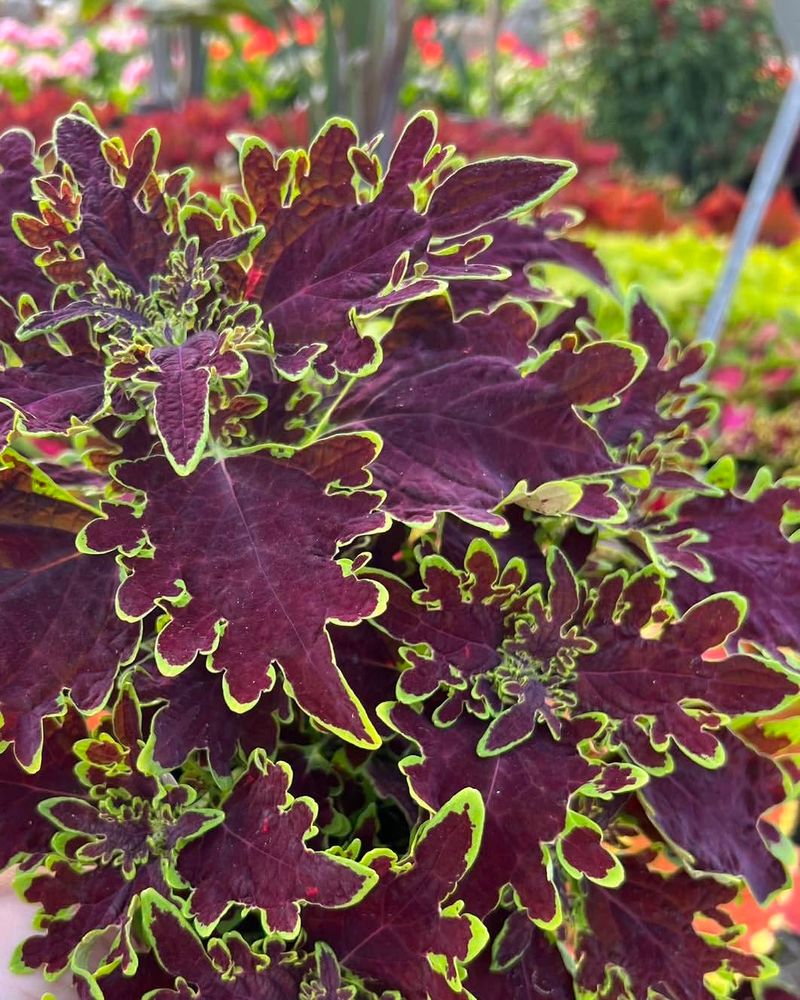
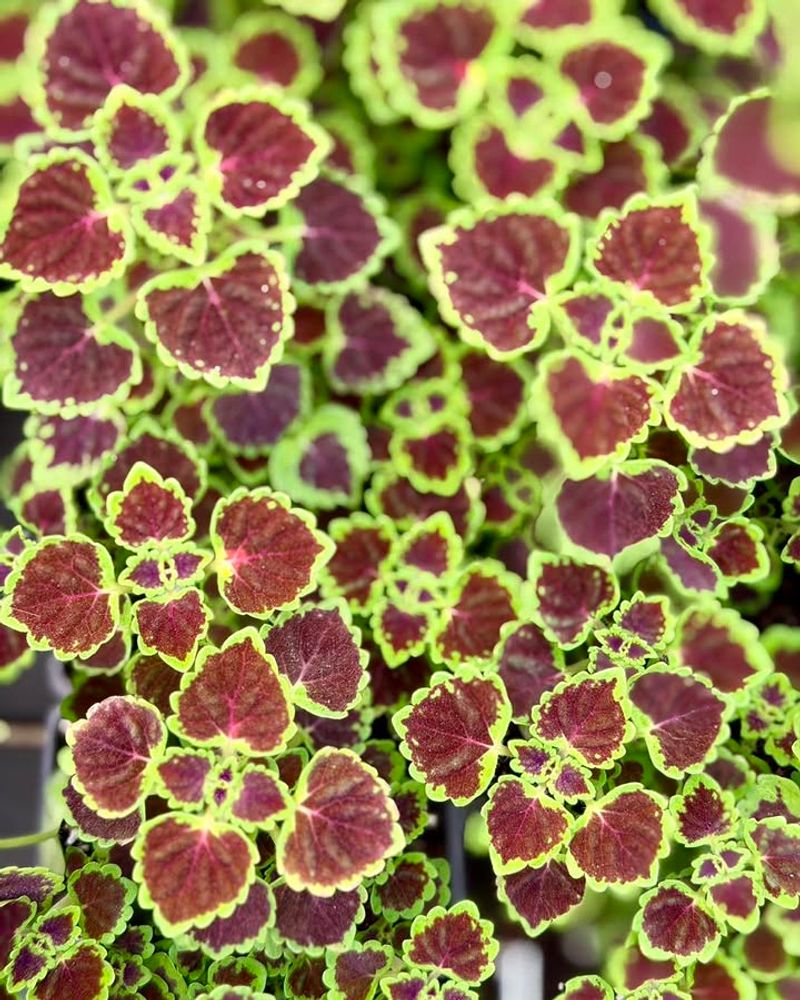
Purple-centered coleus with lime green margins is one of the most visually striking foliage plants you can grow in a North Carolina garden.
Each leaf looks like a tiny piece of art, with the rich purple core bleeding outward into soft green mid-tones before ending in a bright lime edge. When you plant a whole bed of these, the layered color effect is genuinely breathtaking.
What really sets this combination apart is its staying power through the full growing season. Many coleus pairings look great in June but start to fade or get leggy by August.
Purple and lime edge varieties tend to stay compact and vivid right through fall, especially when you pinch them back regularly and keep them well-fed with a balanced liquid fertilizer every two to three weeks.
Woodland-style beds are where this combination truly shines in North Carolina. Under the dappled light of dogwoods, redbuds, or large oaks, the lime edges seem to catch every bit of available light and radiate it back outward.
Pairing these coleus with dark brown or black mulch creates a stunning contrast that makes the whole planting feel intentional and polished.
Ferns, astilbe, and hostas make excellent companion plants that complement the purple and lime tones without competing for attention.
6. Burgundy + Rust Orange Coleus
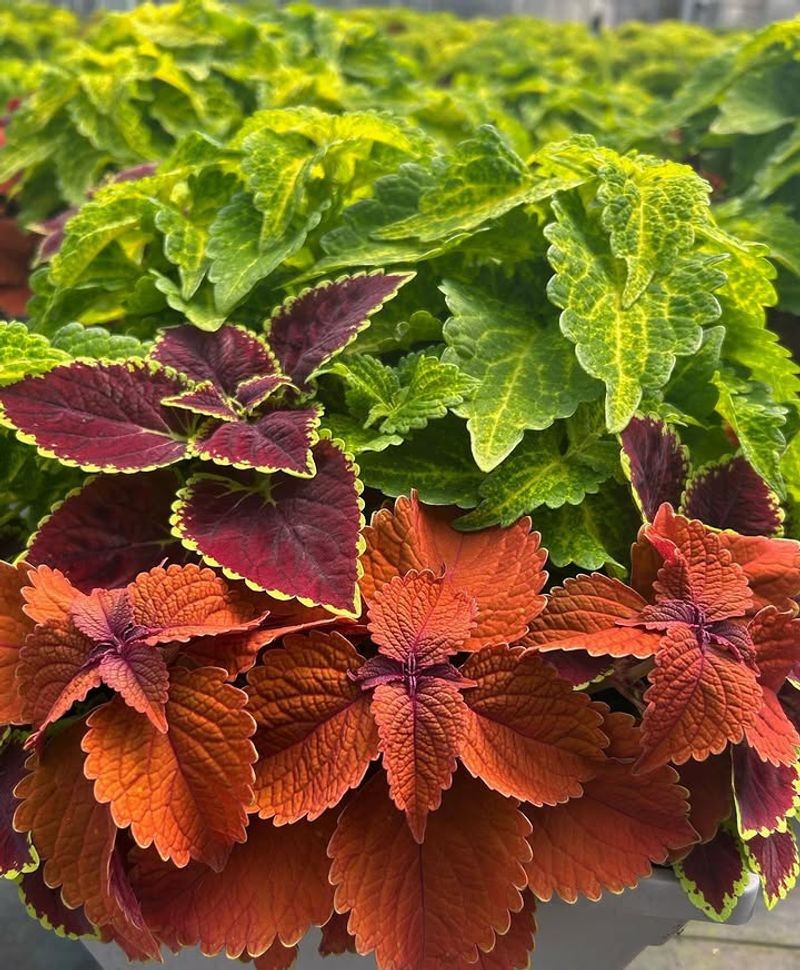
Some color combinations feel like they belong to a specific season, and burgundy paired with rust orange coleus is pure late summer magic.
These rich, warm tones look incredible from August through October across North Carolina, especially as the light shifts to that golden late-afternoon quality that makes everything glow.
It is the kind of planting that makes neighbors stop and ask what you planted.
North Carolina’s late summer heat can be brutal, but burgundy coleus varieties are among the toughest performers in those conditions. They hold their deep color even when temperatures stay in the high 90s for weeks at a time.
Rust orange varieties add a fiery warmth to the planting that bridges the gap between summer and fall beautifully, making the garden feel seasonally appropriate without needing any replanting.
This combination works especially well near brick homes and natural wood fences, which are incredibly common throughout neighborhoods in Raleigh, Durham, and Winston-Salem.
The earthy tones in the coleus echo the warm reds and browns of the architecture, creating a cohesive, intentional look that feels custom-designed.
Plant in masses of at least five to seven plants per color for maximum impact. Add a few ornamental grasses in bronze or copper tones nearby to extend the visual theme and give the planting some height and movement.
7. Watermelon Pink + Dark Green Coleus
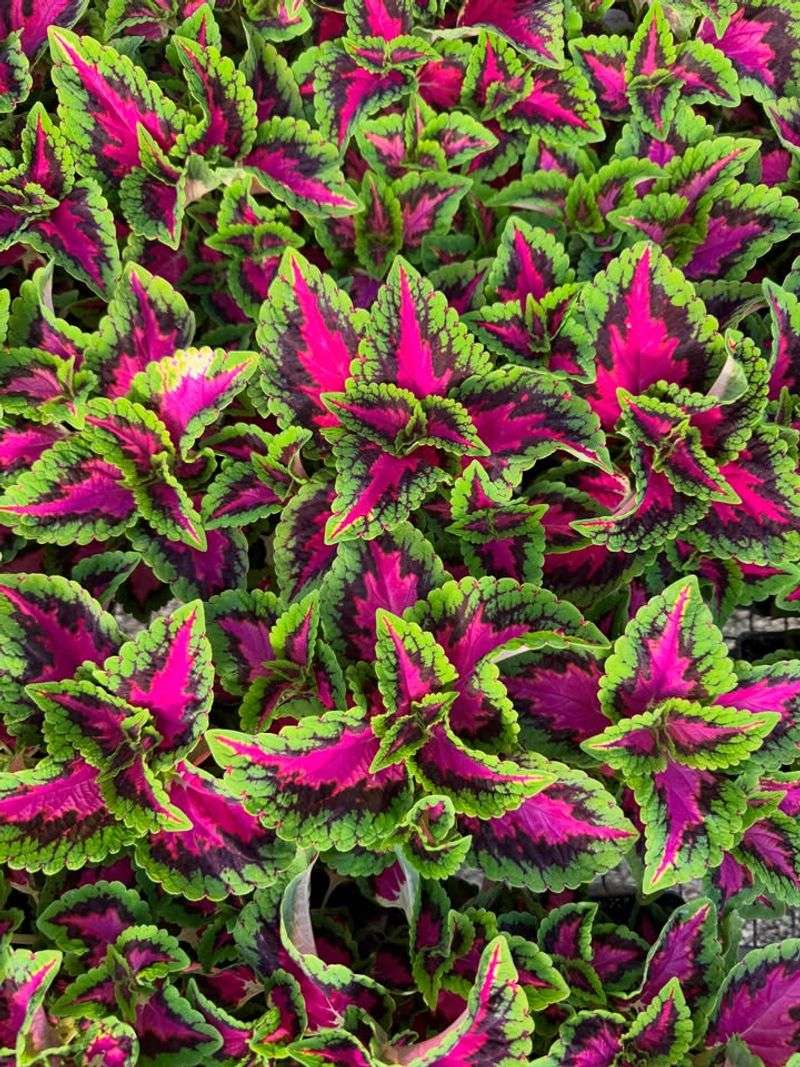
Watermelon pink coleus with deep dark green edges is one of those combinations that feels fresh and cheerful from the very first day you plant it.
The vivid pink centers are bold enough to compete with flowering plants, which means you get season-long color without worrying about blooms coming and going.
For gardeners who love a bright, lively garden but want low-maintenance results, this is a fantastic choice.
The key to keeping this combination looking its best in North Carolina is finding the right light. Filtered light or morning sun with afternoon shade is the sweet spot for watermelon pink varieties.
Too much direct sun will bleach out those vibrant pink tones, while too much shade can make the colors look muddy and dull. A spot under a high canopy tree or on an east-facing porch works beautifully throughout the growing season.
Dark green edges on coleus leaves create a natural framing effect that makes the pink centers look even more vivid and intentional.
When you plant these in a mass grouping, the repeating pattern of pink and green creates a tapestry effect that is genuinely eye-catching.
Try combining this coleus with white impatiens or pale yellow begonias for a fresh, summery look that holds up well all the way through North Carolina’s warm fall months. Consistent watering is the most important care step for keeping the colors bright.
8. Mixed Jewel-Tone Coleus Plantings
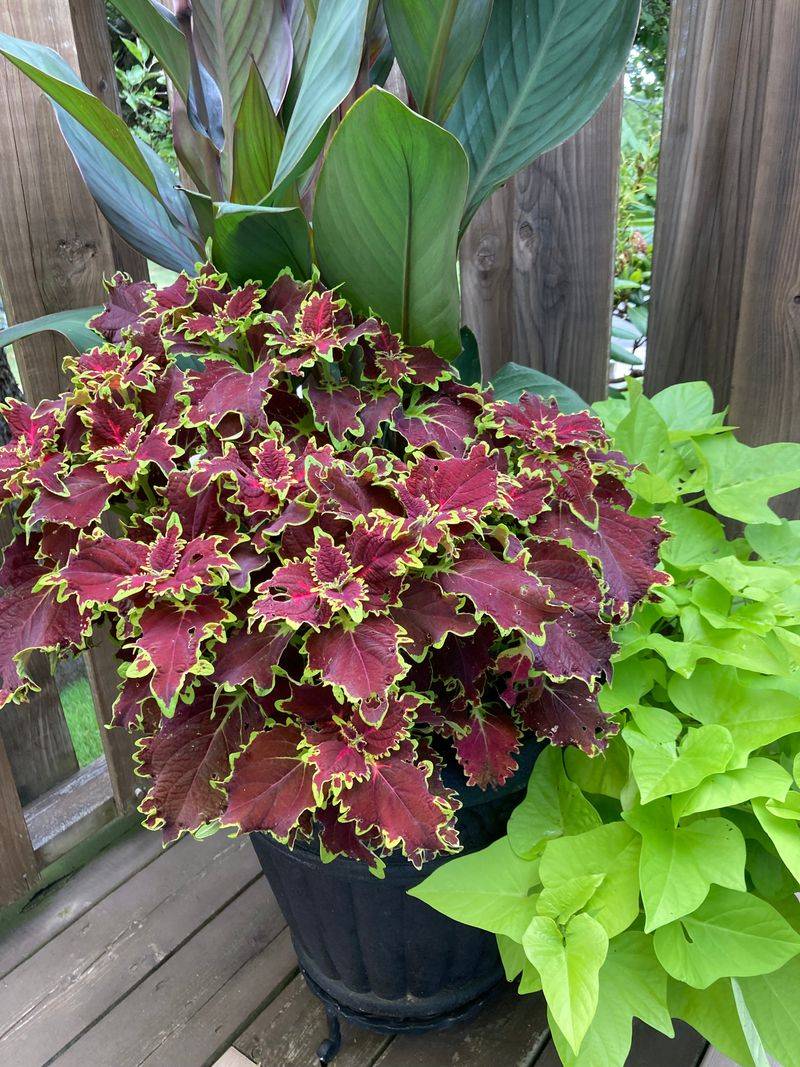
Sometimes the most spectacular garden look comes from throwing the rulebook out and going full jewel-tone.
Combining burgundy, magenta, lime, copper, and deep purple coleus together in one bed creates a rich, tapestry-like effect that is honestly hard to achieve with any other plant.
Coleus is uniquely suited to this approach because the foliage naturally varies in scale, texture, and tone, so the mix never looks chaotic.
North Carolina gardeners have a real advantage with this style of planting because the long, warm growing season gives mixed coleus beds plenty of time to fill in and develop that lush, layered look.
By midsummer, a well-planted mixed jewel-tone bed can look like something out of a botanical garden catalog.
The trick is to plant in odd-numbered groups of each color and vary the heights so taller varieties sit toward the back and lower-growing types cascade toward the edges.
One of the best things about mixed jewel-tone plantings is how forgiving they are. If one variety grows faster than expected or a color does not perform as well as you hoped, the other colors fill in around it naturally.
Shaded beds along fences and under large trees across the Triangle and Triad regions of North Carolina are ideal spots for this style.
Keep plants consistently watered, pinch regularly for fullness, and feed with a balanced fertilizer every few weeks for the most vibrant results all season long.