11 Best Fruit Trees Beginners Can Grow Successfully In California
Starting your first fruit tree in California can feel intimidating. I remember planting my first tree and worrying it wouldn’t survive the summer heat.
With the right choices, even beginners can enjoy homegrown fruit without stress or frustration. The right fruit tree makes growing your own produce easy and rewarding.
These eleven trees, including dwarf citrus, figs, plums, peaches, and apples, are hardy, productive, and well-suited to California climates.
They require minimal pruning, tolerate common pests, and produce reliable harvests with basic care. Proper placement, sunlight, and watering ensure young trees grow strong and healthy.
Choosing beginner-friendly varieties sets you up for success from the start. California gardeners who plant these trees can enjoy fresh, flavorful fruit, increased confidence in gardening, and a thriving backyard orchard.
Start your first fruit tree now and savor the rewards of homegrown produce.
1. Meyer Lemon (Citrus × Meyeri)
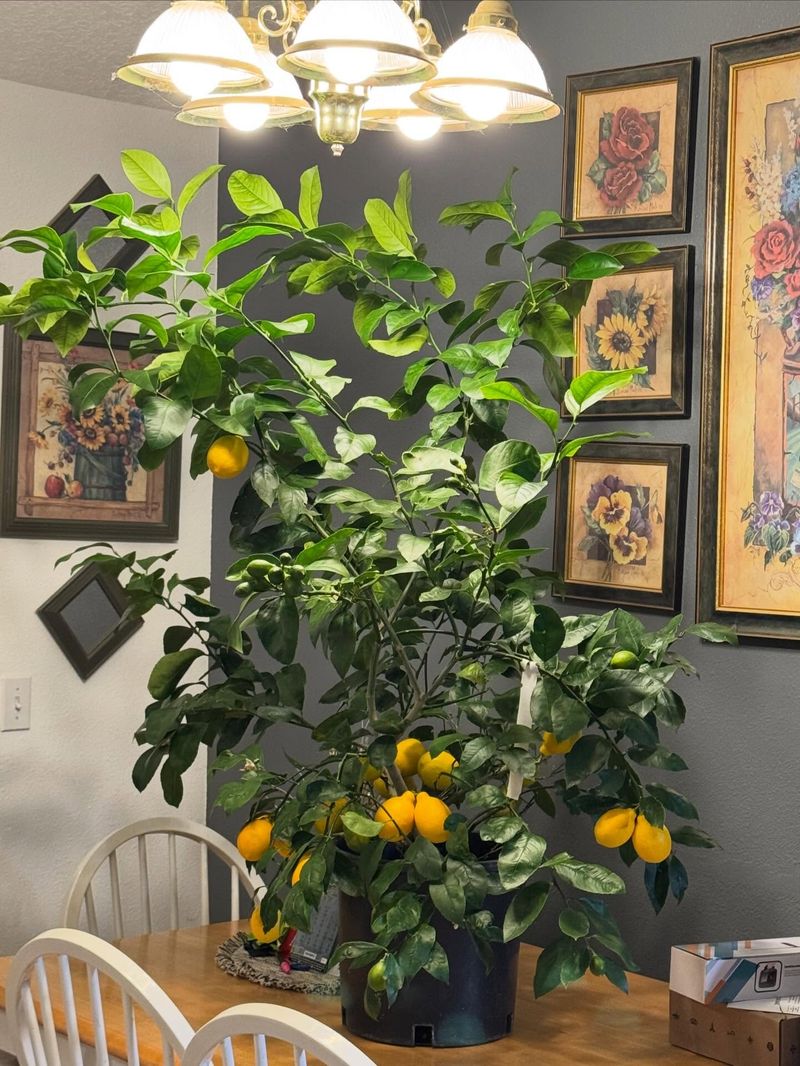
Meyer lemon trees offer one of the easiest entry points into growing citrus at home because they stay compact and produce fruit reliably throughout the year.
Their smaller stature makes them perfect for patios, balconies, and even indoor spaces if you have a sunny window.
Unlike some citrus varieties that demand large yards and specific conditions, Meyer lemons adapt beautifully to container life and reward you with fragrant blossoms and sweet, juicy fruit.
These trees do best in coastal regions where temperatures stay moderate, but they can also thrive inland with a bit of frost protection during cold snaps.
A light freeze can damage the leaves and fruit, so consider bringing potted trees indoors or covering them with frost cloth on chilly nights.
Consistent watering is important, especially during the warmer months when the soil dries out quickly. Meyer lemons prefer well-draining soil and benefit from regular feeding during the growing season to support their steady production.
The fruit has a sweeter, less acidic flavor than traditional lemons, making it a favorite for cooking, baking, and fresh lemonade.
With minimal pruning and straightforward care, this tree delivers impressive results for beginners who want to enjoy homegrown citrus without a steep learning curve.
2. Valencia Orange (Citrus Sinensis)
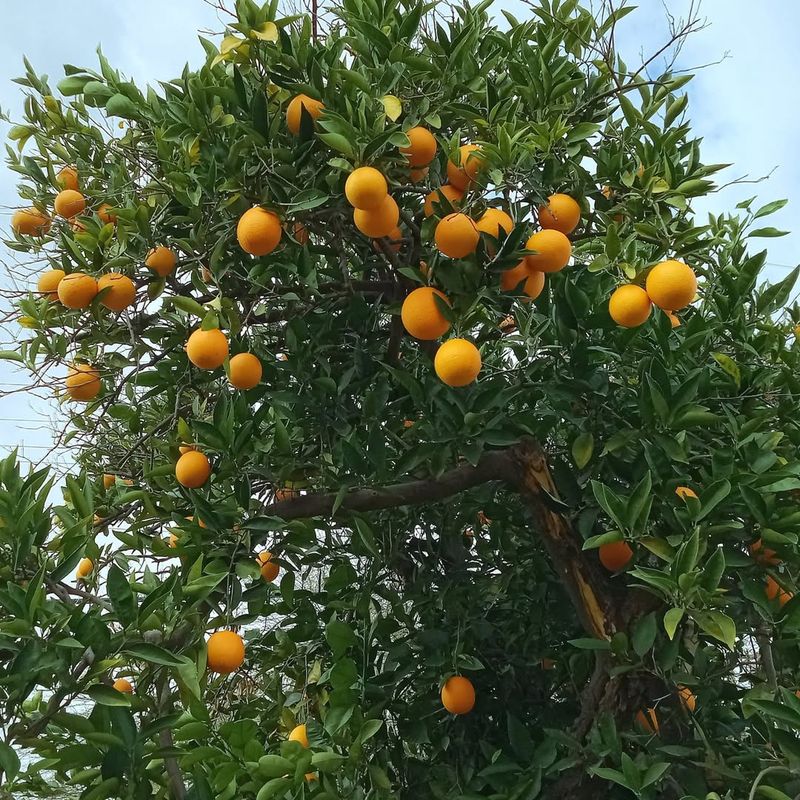
Valencia oranges love the heat and flourish in the warm, sunny climates of Southern and Central California, making them a natural choice for gardeners in those regions.
These trees produce juicy, sweet oranges that are perfect for fresh eating and juicing, and they can bear fruit for many months once they mature.
Their ability to handle hot summers without wilting or dropping fruit sets them apart from more temperamental citrus varieties. Full sun is essential for Valencia oranges, so pick a planting spot that gets at least six to eight hours of direct sunlight each day.
The trees also need well-draining soil to prevent root rot, which can happen if water sits around the roots for too long. Amending heavy clay soils with compost or planting on a slight mound can improve drainage significantly.
Harvest timing for Valencia oranges typically falls in late spring through summer, which gives you fresh fruit during the warmer months when citrus flavors are most welcome.
Watering should be regular but not excessive, allowing the top few inches of soil to dry out between sessions.
These trees grow vigorously and can reach a good size, so give them plenty of space to spread out and enjoy the California sunshine.
3. Fig (Ficus Carica)
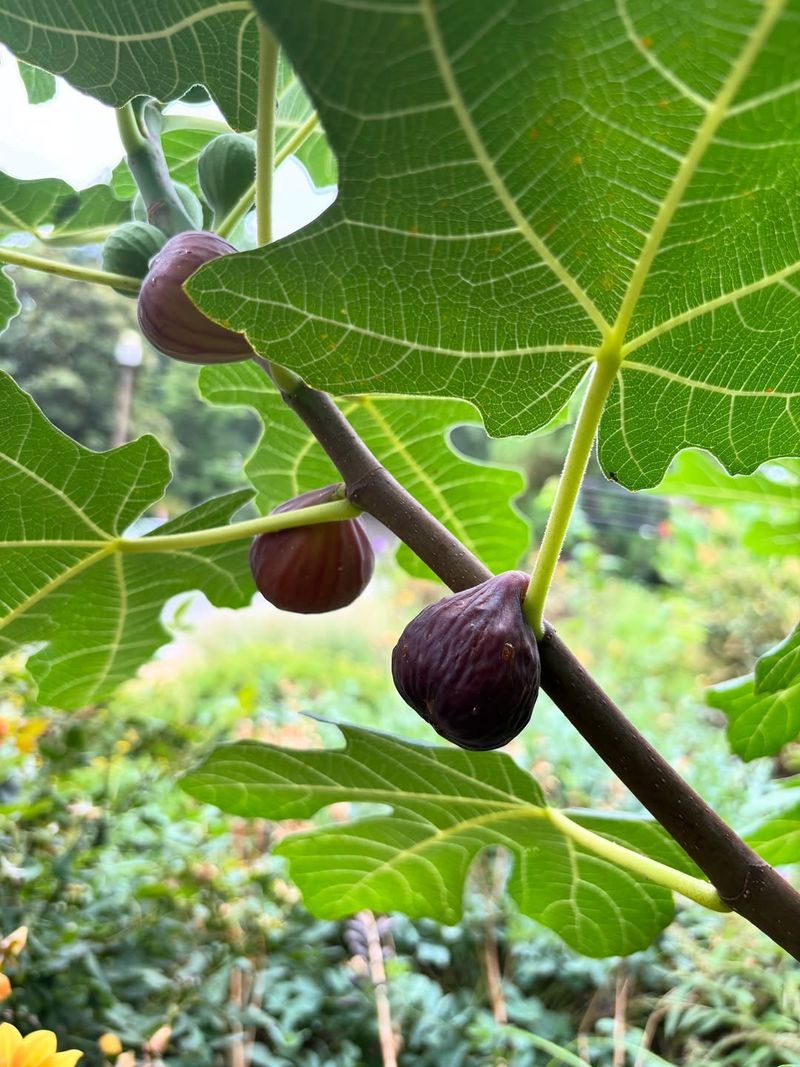
Fig trees are legendary for their ability to thrive on very little water once their roots are established, making them a dream come true for California gardeners facing dry summers.
These trees produce sweet, tender fruit that tastes incredible fresh off the branch, and they adapt to a wide range of soil types and growing conditions.
Their resilience and low maintenance requirements make them one of the most forgiving fruit trees for beginners.
Pruning figs is straightforward and involves removing any branches that cross or crowd the center to keep air circulating through the canopy. This simple step helps prevent fungal issues and encourages better fruit production.
If you have limited space, many fig varieties grow beautifully in large containers, giving you the flexibility to move them around your patio or balcony as needed.
Popular varieties like Brown Turkey and Mission figs are especially well-suited to California’s climate, producing reliable crops with minimal fuss.
Brown Turkey offers a mild, sweet flavor and adapts to both coastal and inland conditions, while Mission figs bring a richer, more intense sweetness that many gardeners adore.
Once established, these trees require only occasional deep watering during extended dry spells, making them an excellent choice for water-conscious growers who still want abundant, delicious fruit.
4. Pomegranate (Punica Granatum)
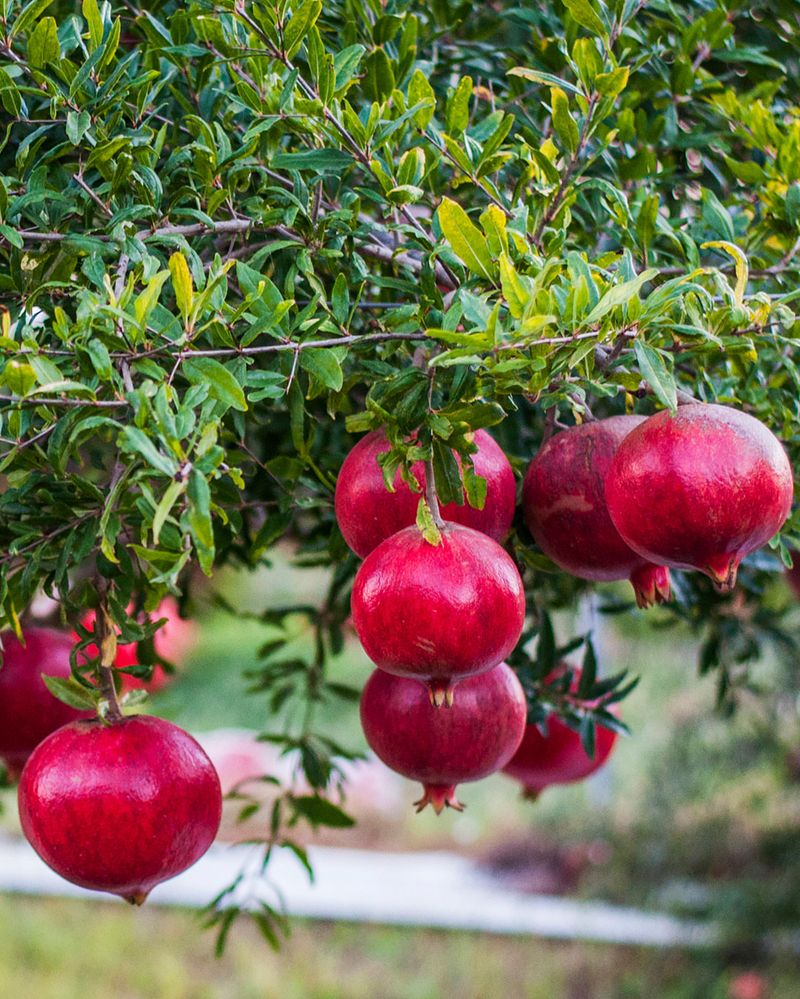
Pomegranate trees stand out for their remarkable tolerance of both heat and drought, thriving in conditions that would stress many other fruit trees.
Their vibrant orange-red flowers add ornamental beauty to your yard in spring, and the glossy, jewel-like seeds inside each fruit are packed with flavor and nutrition.
These trees are incredibly forgiving and can handle neglect better than most, making them ideal for beginners who want impressive results without constant attention.
Planting pomegranates in a sunny location with good air circulation sets them up for success, and they adapt to a wide range of soil types as long as drainage is adequate.
Even heavy clay soils can work if you amend them with compost or plant on a slight slope to prevent water from pooling around the roots. Once established, pomegranates need very little supplemental watering, even during California’s long, hot summers.
Fruit development takes several months, with blossoms appearing in spring and the pomegranates ripening by late summer or fall, depending on your specific climate zone.
The trees can grow as multi-trunked shrubs or be trained into a single-trunk tree form, giving you flexibility in how you shape them to fit your landscape.
With minimal pruning and almost no pest problems, pomegranates deliver beautiful foliage, stunning flowers, and delicious fruit with remarkably little effort.
5. Peach (Prunus Persica – Low-Chill Varieties)
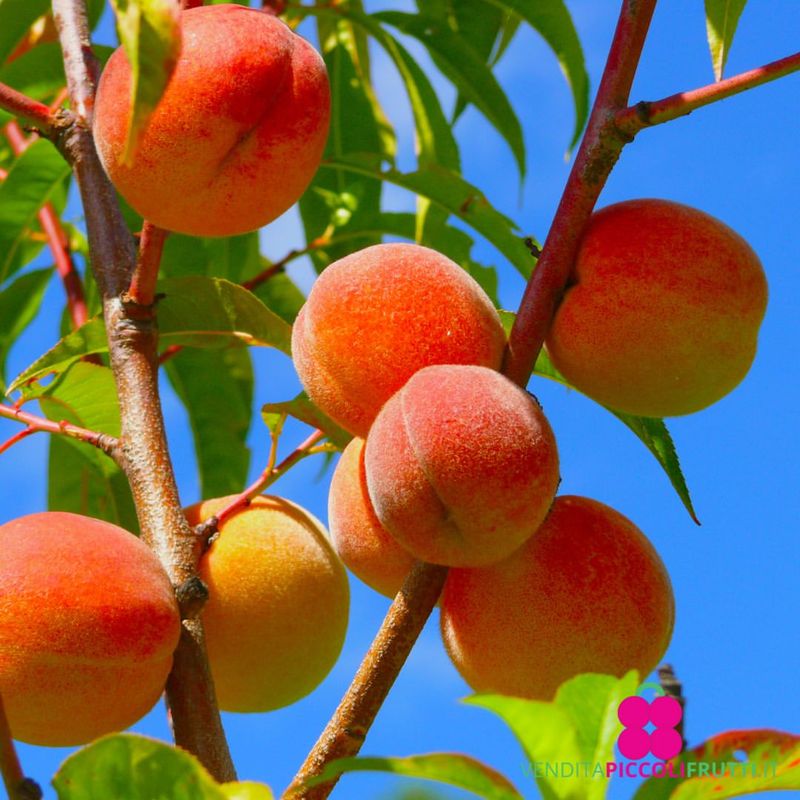
Low-chill peach varieties have transformed backyard fruit growing in California by eliminating the need for long, cold winters that traditional peaches require.
These specially bred cultivars need far fewer chill hours to set fruit, making them perfect for the state’s milder climate zones where freezing temperatures are rare.
Choosing a variety that matches your area’s chill hours ensures your tree will produce abundant, sweet peaches year after year.
Pruning peach trees annually helps maintain their shape, encourages strong branch structure, and promotes better fruit production by allowing sunlight to reach all parts of the tree.
Remove any branches that grow straight up or cross through the center, and aim for an open, vase-like shape that lets air flow freely. This simple practice reduces disease pressure and makes harvesting much easier when the fruit ripens.
Consistent watering is important during the growing season, especially as the fruit develops and swells on the branches.
Peaches need regular moisture to produce juicy, flavorful fruit, but avoid letting the soil stay soggy, which can lead to root problems.
Mulching around the base of the tree helps retain moisture and keeps the roots cool during hot summer days, giving your peach tree the best chance to thrive and reward you with delicious homegrown fruit.
6. Apple (Malus Domestica – Low-Chill Types)
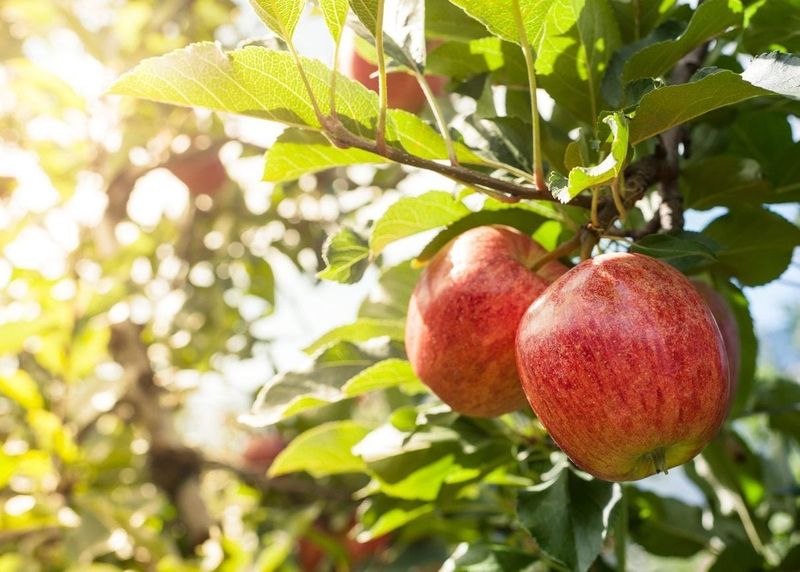
Apple trees might seem like a challenge in California’s warm climate, but low-chill varieties have made growing crisp, delicious apples entirely possible for backyard gardeners throughout the state.
These specially selected types need far fewer cold hours than traditional apples, allowing them to thrive in regions that never see heavy frost or prolonged winter cold.
Varieties like Anna, Dorsett Golden, and Fuji bring reliable harvests to California gardens with minimal fuss.
Pollination is an important consideration when planting apples, as most varieties need pollen from a different apple tree to produce fruit.
Planting two compatible varieties within pollinating distance ensures both trees will set fruit successfully.
If space is limited, look for self-fertile varieties or consider grafting multiple varieties onto a single rootstock for a compact, productive solution.
Spacing your apple trees properly gives them room to grow and allows air to circulate through the branches, reducing the risk of fungal diseases that can affect apples in humid conditions.
Coastal areas with cool, moist air may see more disease pressure than inland regions, so choosing disease-resistant varieties can save you headaches down the road.
Regular watering during the growing season and a yearly application of balanced fertilizer keep your apple trees healthy and productive, rewarding you with fresh, homegrown fruit that tastes far better than anything from the store.
7. Avocado (Persea Americana)
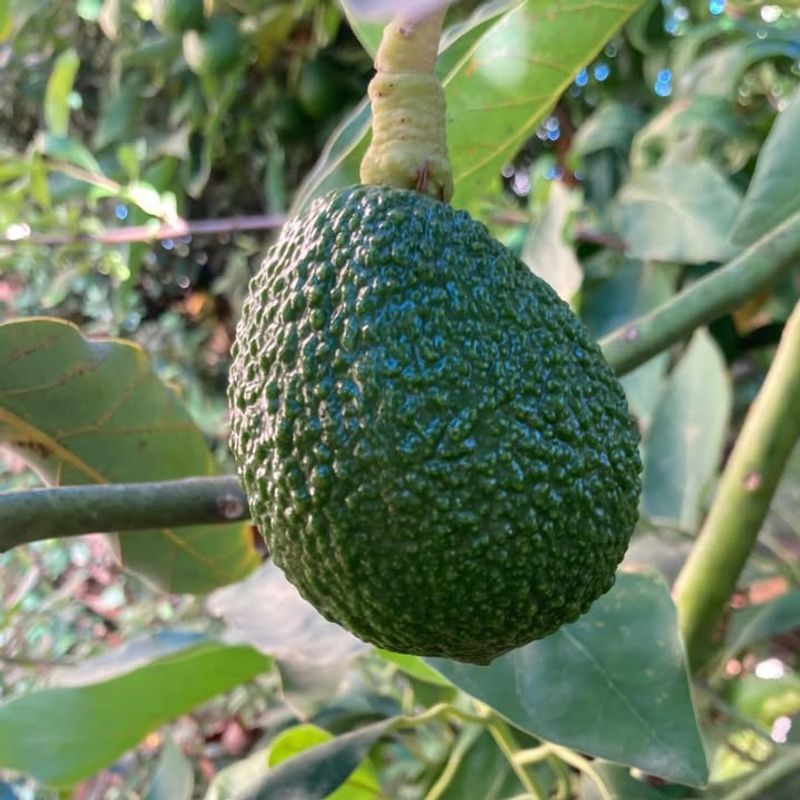
Avocado trees bring a taste of the tropics to Southern California and mild coastal areas, producing creamy, nutrient-rich fruit that has become a staple in kitchens across the state.
These trees thrive in regions where frost is rare and temperatures stay moderate year-round, making them a natural fit for the southern coastal belt and protected inland valleys.
Their lush, evergreen foliage adds beauty to your landscape while the trees work on producing their prized fruit.
Frost sensitivity is the biggest challenge with avocados, as even a light freeze can damage young trees and reduce fruit production.
If you live in an area that occasionally dips below freezing, consider planting your avocado in a protected spot near a south-facing wall or covering it with frost cloth on cold nights.
Once established, mature trees can handle brief cold snaps better, but young trees need extra care during their first few years.
Soil drainage is absolutely critical for avocado success, as these trees are highly susceptible to root rot in waterlogged conditions. Planting on a slope or mound and avoiding heavy clay soils gives your tree the best chance to thrive.
Young avocados need regular watering to establish strong root systems, but mature trees can handle some dryness once they settle in, making them surprisingly water-efficient for the amount of fruit they produce.
8. Plum (Prunus Salicina – Japanese Plum Types)
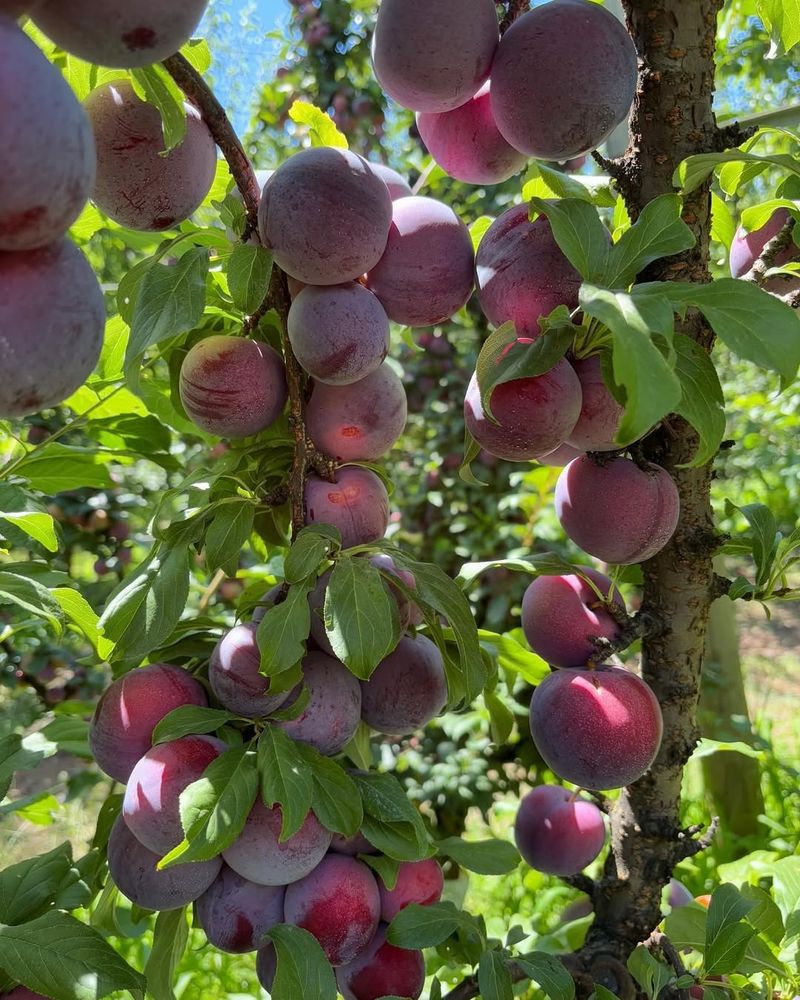
Japanese plums outperform their European cousins in California’s warmer regions, producing juicy, sweet fruit that ripens earlier in the season and handles heat much better.
These trees bloom earlier in spring than European plums, which helps them avoid late frosts that can damage blossoms and reduce fruit set.
Their vigorous growth and reliable production make them a favorite among California gardeners who want abundant harvests without excessive maintenance.
Cross-pollination is often necessary for Japanese plums, so planting two different varieties that bloom at the same time ensures both trees will produce fruit.
Many nurseries label plum varieties with their pollination partners, making it easy to choose compatible trees. If you only have space for one tree, look for self-fertile varieties like Santa Rosa, which can produce fruit without a pollination partner.
Pruning Japanese plums annually helps maintain their shape and encourages the development of fruiting wood, which produces the best crops.
Remove any branches that grow too vertically or crowd the center of the tree, aiming for an open structure that allows sunlight to reach all the fruiting branches.
These trees need regular watering during the growing season, especially as the fruit develops and ripens, to ensure the plums stay juicy and flavorful rather than becoming dry or mealy on the tree.
9. Loquat (Eriobotrya Japonica)
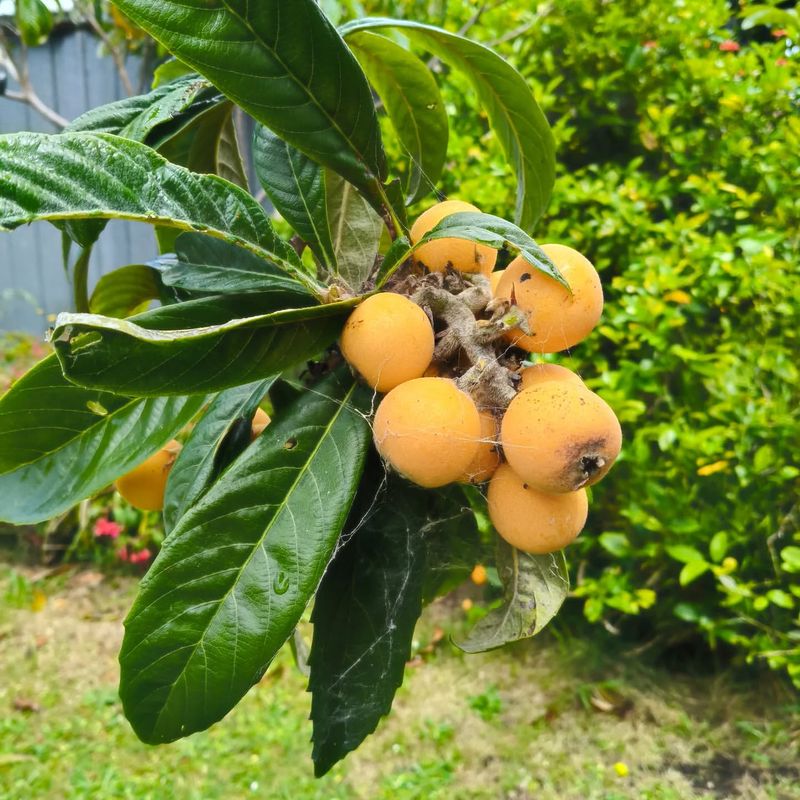
Loquat trees bring an exotic touch to California gardens with their large, tropical-looking leaves and sweet, tangy fruit that ripens in late winter to early spring when few other fruits are available.
These evergreen trees stay attractive year-round and adapt beautifully to Southern and Central California’s climate, tolerating both coastal fog and inland heat with ease.
Their unique winter flowering habit sets them apart from most fruit trees, adding visual interest to your garden when other plants are dormant.
Blooming in late fall or winter means loquat flowers are occasionally exposed to cold temperatures that can damage the blossoms and reduce fruit set.
In areas that experience occasional freezes, some years may produce lighter crops than others, but the trees themselves are quite hardy and bounce back quickly.
The fruit ripens in clusters and has a sweet-tart flavor that works wonderfully in fresh eating, jams, and desserts.
Cold sensitivity is mainly a concern for the flowers and young fruit rather than the tree itself, so loquats can grow successfully in a wider range of California climates than you might expect.
These trees need minimal pruning and very little fertilizer once established, making them an excellent low-maintenance choice for beginners.
Their dense, evergreen foliage provides year-round beauty and shade, while the early spring fruit harvest fills a gap when most other fruit trees are still months away from producing.
10. Kumquat (Citrus Japonica)
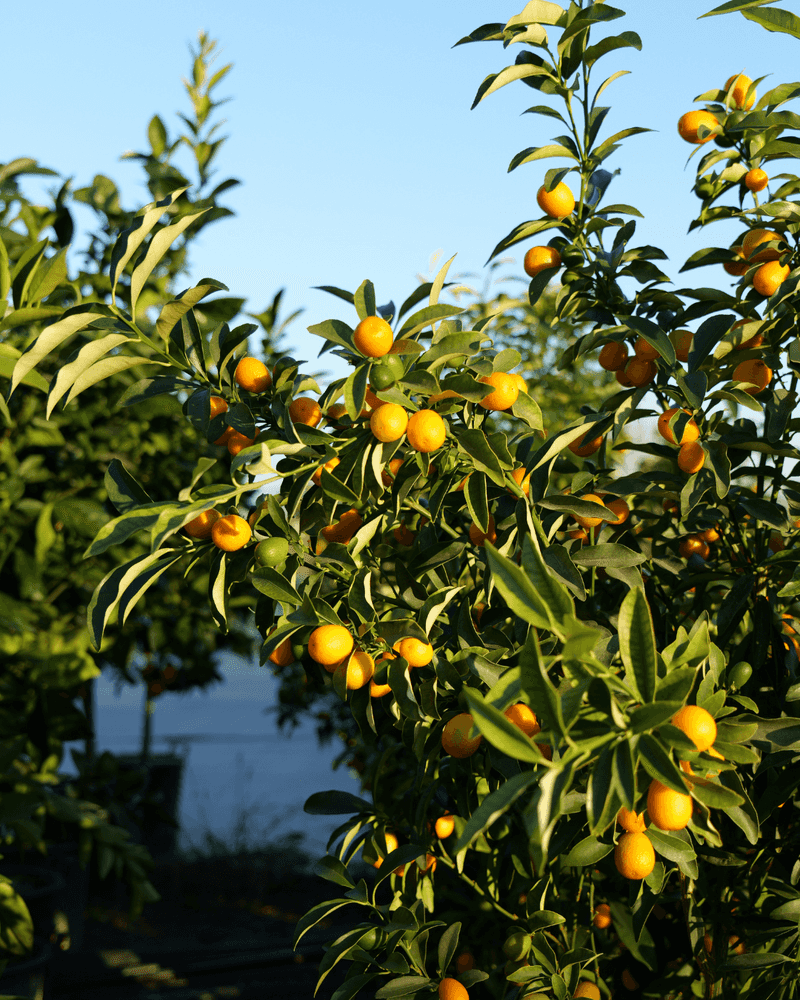
Kumquat trees pack big flavor into a compact package, making them perfect for small yards, patios, and even balconies where space is at a premium.
Unlike most citrus, kumquats are eaten whole, peel and all, with the sweet rind balancing the tart flesh inside for a unique and delicious experience.
Their small size and attractive appearance make them as ornamental as they are productive, adding beauty and function to any outdoor space.
Cold tolerance sets kumquats apart from other citrus varieties, as they can handle brief dips into the mid-20s Fahrenheit without suffering significant damage.
This extra hardiness expands the range of California gardens where citrus can be grown successfully, including areas that occasionally see light frost.
Container growing works beautifully for kumquats, allowing you to move the tree to a protected spot if unusually cold weather threatens.
Watering needs are similar to other citrus, with regular moisture during the growing season and slightly reduced watering in winter when growth slows.
The trees produce abundant fruit that hangs on the branches for weeks, giving you a long harvest window and adding visual appeal with their bright orange color.
Kumquats need very little pruning beyond removing any branches that cross or rub together, making them one of the easiest citrus varieties for beginners to grow successfully in California gardens.
11. Jujube (Ziziphus Jujuba)
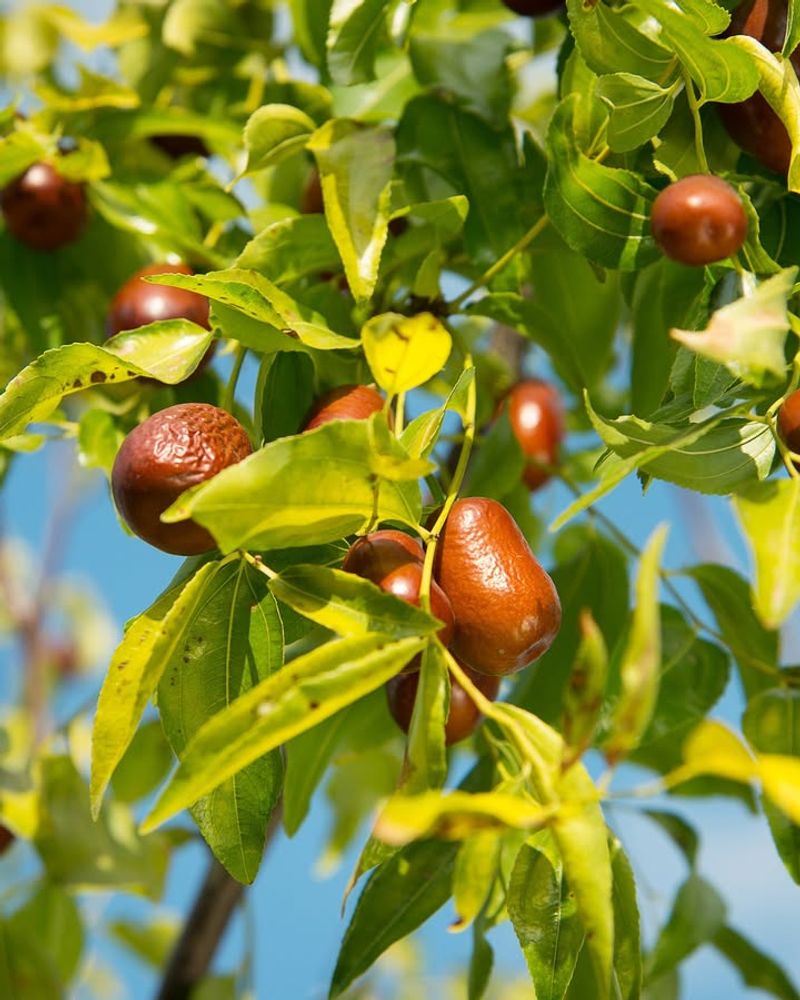
Jujube trees thrive in conditions that would stress most other fruit trees, handling extreme heat and drought with remarkable ease.
These tough, adaptable trees are perfect for California’s hottest inland valleys and desert-edge climates, where summer temperatures regularly soar above 100 degrees and water conservation is a priority.
The fruit, sometimes called Chinese dates, has a crisp, apple-like texture when fresh and becomes sweet and chewy when allowed to dry on the tree.
Low water needs make jujubes an excellent choice for gardeners who want productive fruit trees without high irrigation demands.
Once established, these trees can survive on rainfall alone in many parts of California, though occasional deep watering during extended dry periods improves fruit size and quality.
Their deep root systems allow them to access moisture that other trees cannot reach, making them remarkably self-sufficient. Pest issues are almost nonexistent with jujubes, as few insects or diseases bother these hardy trees.
This means you can grow organic fruit without worrying about spraying or dealing with complicated pest management strategies.
The trees produce best in full sun and well-draining soil, but they tolerate poor soil conditions better than most fruit trees.
With minimal pruning, no significant pest problems, and exceptional heat and drought tolerance, jujubes offer one of the easiest paths to homegrown fruit in California’s toughest growing conditions.