Best Fruit Trees For Mountain Gardens In North Carolina
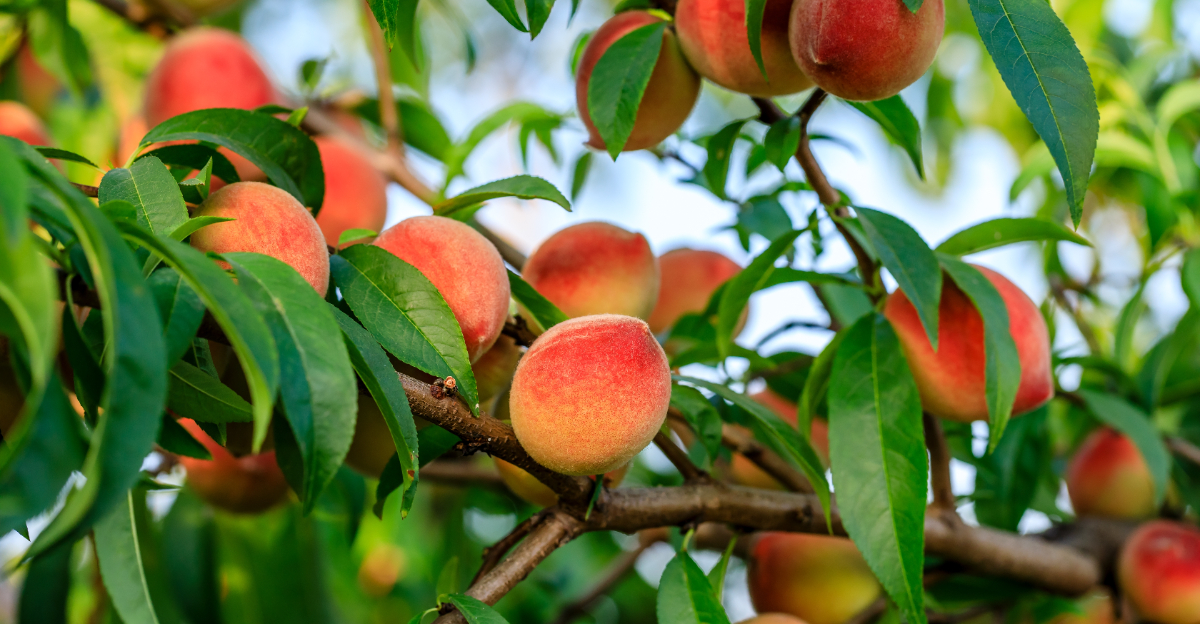
Fruit trees can do surprisingly well in the mountains of North Carolina, and many gardeners are starting to realize just how much potential the region holds.
The cooler temperatures, fresh mountain air, and well drained soils create a growing environment that certain fruit varieties truly appreciate.
When the right trees are planted, mountain gardens can produce impressive harvests year after year.
Across western North Carolina, from the Blue Ridge Parkway foothills to the higher Appalachian ridges, the climate supports more fruit options than many people expect.
Apples, berries, and several other hardy fruits grow especially well in these conditions and often develop excellent flavor in the mountain climate.
With the right choices and a little planning, a backyard orchard can thrive in this part of the state.
These fruit trees are among the best options for gardeners looking to grow reliable harvests in the North Carolina mountains.
1. Apple
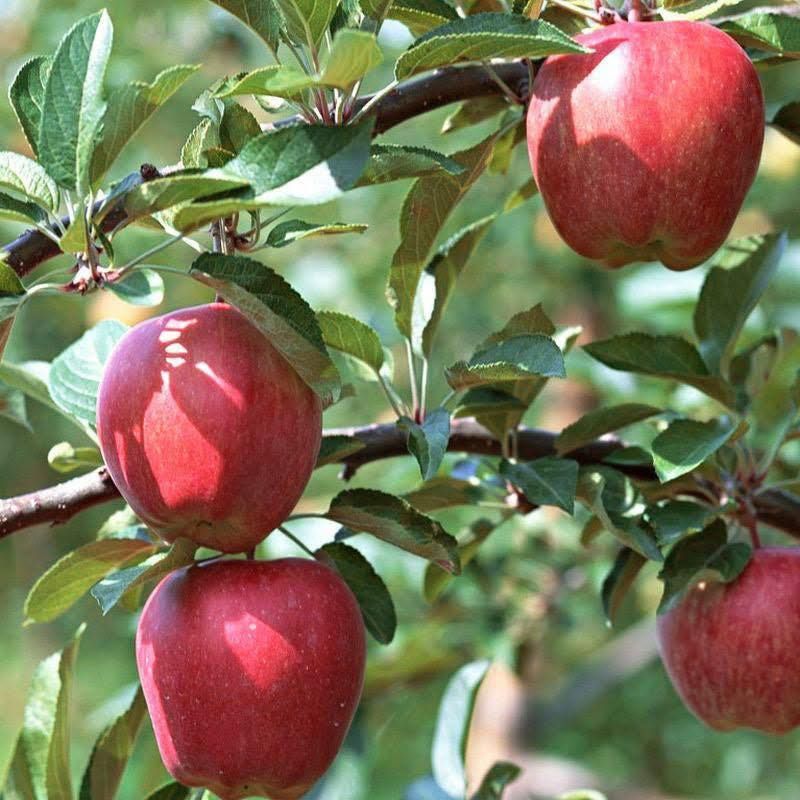
Few sights beat a loaded apple tree in full harvest mode on a crisp North Carolina mountain morning.
Apple trees (Malus domestica) are arguably the most popular fruit trees for mountain gardeners in western NC, and for very good reason.
The Blue Ridge and Appalachian foothills deliver the cool winter temperatures that apples absolutely need to produce fruit, known as chilling hours, and the mountains deliver them reliably every year.
Disease-resistant varieties like Liberty and Enterprise are especially smart choices for mountain gardens.
Plant your apple tree in a spot that gets full sun for at least six to eight hours daily, and make sure the soil drains well so roots stay healthy.
Slightly acidic, loamy soil gives apple trees the best possible start in the NC mountains. Most apple trees bloom beautifully in spring, filling the garden with white and pink blossoms before summer even arrives.
Harvest time runs from late summer through fall depending on which variety you choose, giving you weeks of fresh fruit to enjoy.
Most apple varieties also need a second compatible tree nearby for good pollination, so plan to plant at least two trees for the best fruit production in your mountain garden.
2. Pear
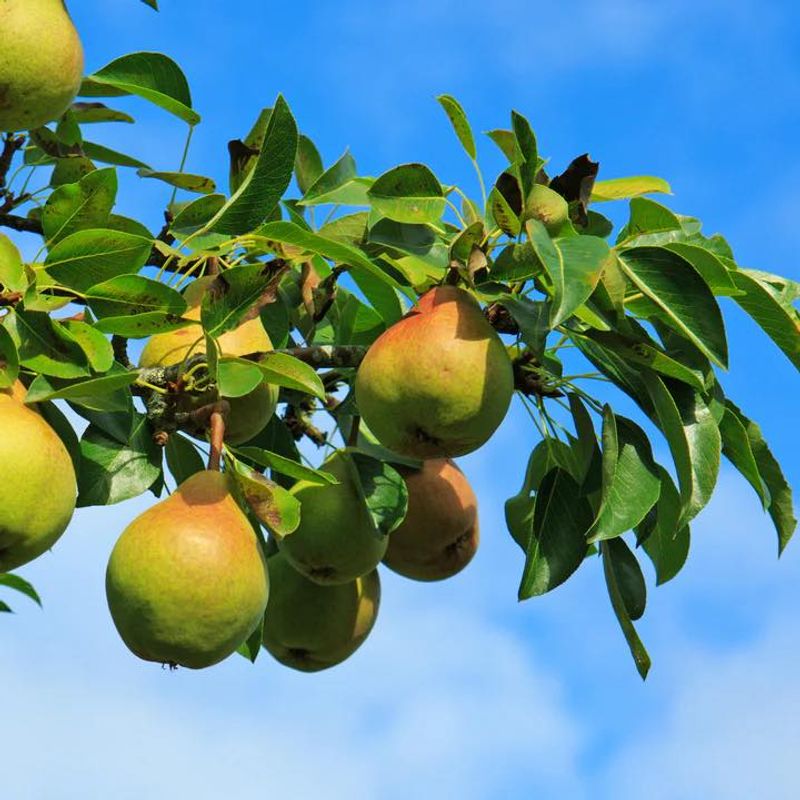
Pear trees bring a quiet elegance to mountain gardens that is hard to match.
Both European pears (Pyrus communis) and Asian pears (Pyrus pyrifolia) grow successfully in western North Carolina, thriving in the cooler temperatures and mild summers that the mountains naturally provide.
Varieties like Bartlett and Anjou are cold-hardy favorites that hold up well through mountain winters without much fuss.
One thing to keep in mind is that most pear varieties need a second compatible tree planted nearby to pollinate properly and set fruit.
Without a pollination partner, you may get beautiful blossoms but very little actual fruit. Spacing two trees within 50 feet of each other is usually enough to get the job done well.
Pears prefer full sun and well-drained soil, much like most other fruit trees in the NC mountain region.
They are actually a bit more tolerant of heavier clay soils than apples, which gives mountain gardeners some extra flexibility when choosing a planting spot.
Expect your pear tree to reward your patience after a few years of establishment, producing generous crops of sweet, juicy fruit that tastes even better when you grew it yourself right here in the North Carolina mountains.
3. Plum
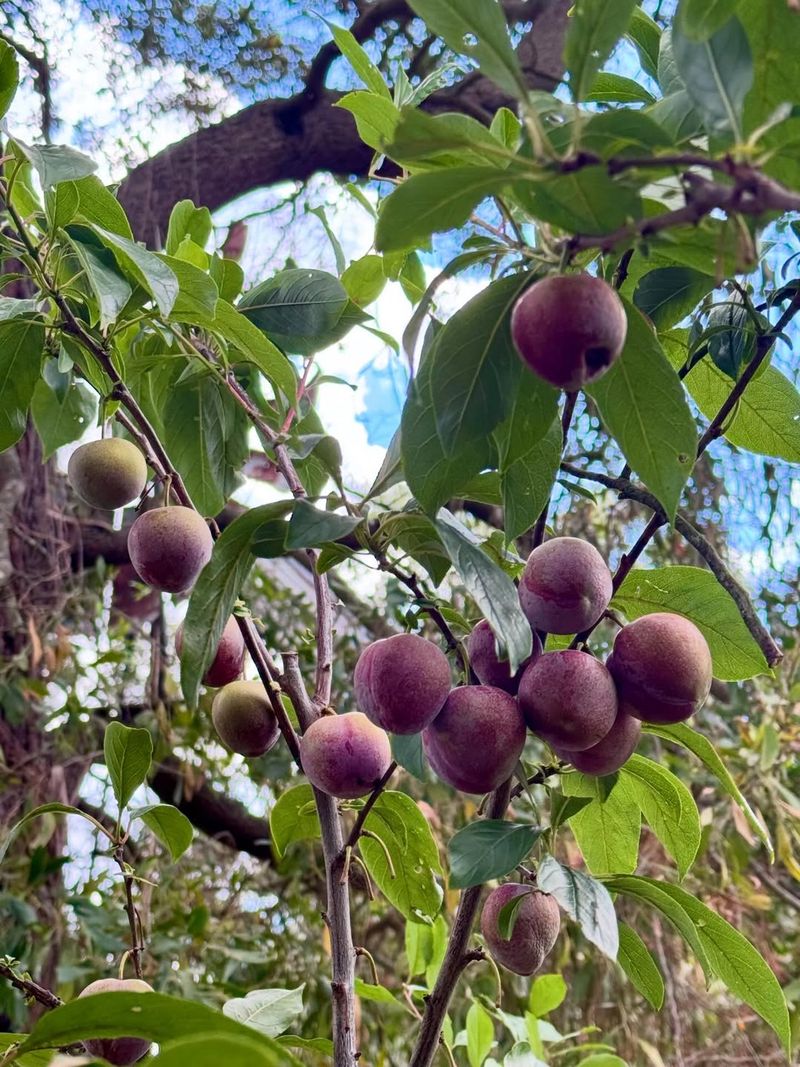
Spring in the North Carolina mountains gets even more spectacular when plum trees burst into bloom.
Plum trees (Prunus domestica and Prunus americana) cover themselves in delicate white flowers early in the season, well before most other fruit trees even wake up.
That early bloom is one of the reasons mountain gardeners absolutely love them, because the show starts when the garden still feels quiet and fresh.
European varieties like Stanley and Mount Royal are cold-tolerant, productive, and well suited to the mountain climate of western NC.
Native American plum (Prunus americana) is another excellent option that handles tough mountain conditions with ease and produces tart, flavorful fruit that works beautifully in jams and preserves.
Plant plums in full sun with well-drained soil for the strongest growth and best fruit production.
Sweet summer fruit is the real reward after all that springtime beauty, and plums deliver it generously.
The fruit ripens from midsummer onward depending on the variety, and fresh plums picked right off the tree in the NC mountains have a flavor that store-bought fruit simply cannot compete with.
Some varieties are self-fertile, but planting two different varieties nearby almost always improves fruit set and overall harvest size significantly for mountain gardeners.
4. Peach
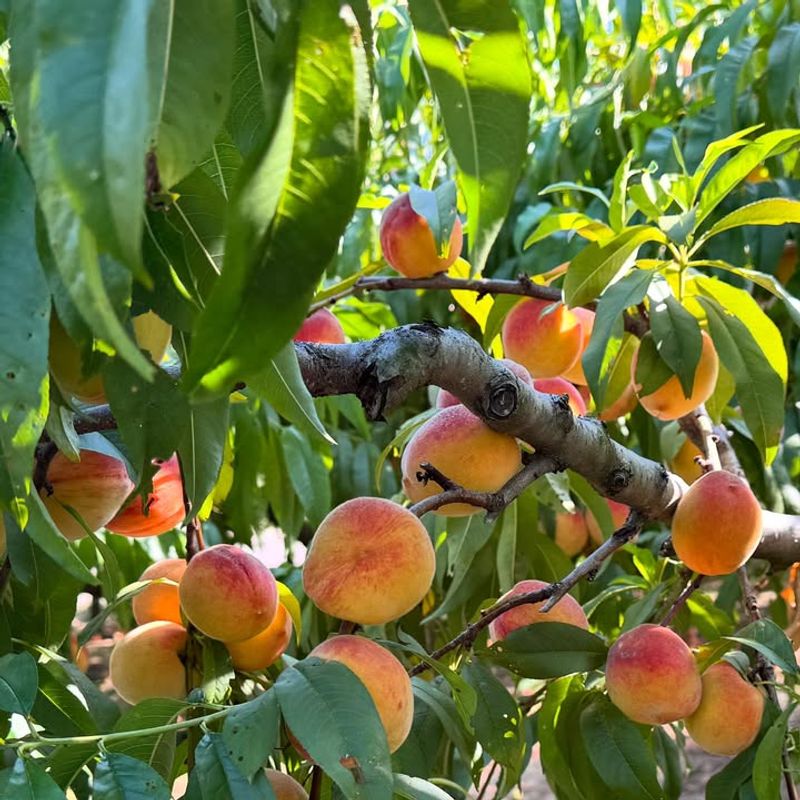
Peaches have a reputation for being picky, but mountain gardeners in North Carolina know a secret: the right spot makes all the difference.
Peach trees (Prunus persica) actually perform very well in parts of the NC mountains where sun exposure is strong and the soil drains freely.
The mountain climate provides the winter chill hours that peaches need to break dormancy and produce fruit the following summer.
The biggest challenge for mountain peach growers is late spring frost, which can damage or wipe out blossoms right when the season is getting exciting.
Choosing a planting site on a slight slope or elevated ground helps cold air drain away from the blossoms on frosty nights, reducing frost damage significantly.
South-facing slopes in western North Carolina are particularly popular locations for peach trees because they warm up faster in spring.
Varieties like Reliance and Contender were specifically bred to handle cold snaps and still produce generous crops of juicy, fragrant peaches.
Full sun is non-negotiable for peaches, so choose your spot carefully and avoid low-lying areas where frost tends to settle.
With a little attention to site selection and variety choice, a peach tree in the North Carolina mountains can become one of the most satisfying trees you ever plant in your garden.
5. Cherry
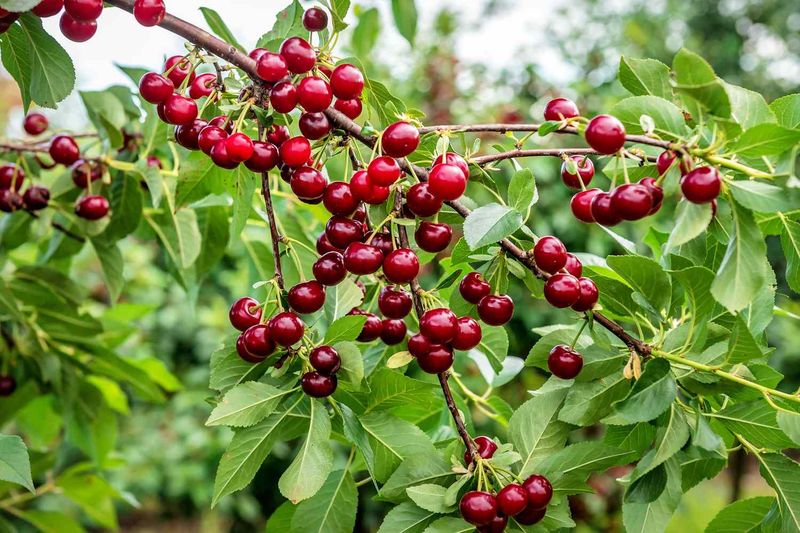
Cherry trees are the kind of trees that make neighbors stop and stare every single spring.
Both sweet cherries (Prunus avium) and tart cherries (Prunus cerasus) can perform beautifully in the cooler areas of western North Carolina, where the mountain climate keeps summer temperatures manageable and winters provide the chill hours cherries need.
Tart varieties like Montmorency tend to be especially reliable in the NC mountains.
Spring blossoms on a cherry tree are genuinely breathtaking, covering branches in white or pale pink flowers before the leaves even fully open.
By early summer, those blossoms turn into clusters of bright red fruit that taste incredible fresh off the tree.
Picking cherries on a warm June morning in the North Carolina mountains is one of those simple pleasures that makes all the work worthwhile.
Good airflow around the tree is important for cherry health, since cherries can be prone to fungal diseases in humid conditions.
Planting on a gentle slope or elevated area where air moves freely helps reduce disease pressure considerably. Full sun is essential, so avoid shady spots or areas crowded by larger trees.
Sweet cherry varieties often need a second tree for pollination, while many tart varieties are self-fertile, making them an easier choice for smaller mountain gardens with limited planting space.
6. Persimmon
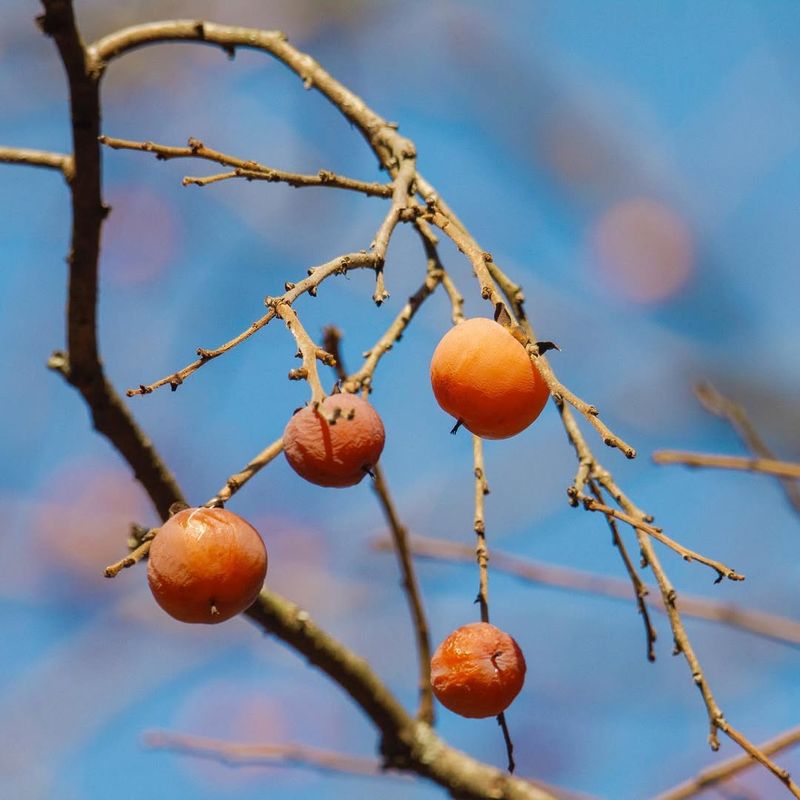
Not many fruit trees can claim to be truly native to North Carolina, but the American persimmon (Diospyros virginiana) earns that title proudly.
Found naturally in forests and woodland edges across the state, this tree feels completely at home in mountain landscapes.
It is tough, adaptable, and remarkably low-maintenance compared to many other fruit trees mountain gardeners might consider planting.
The fruit is small, round, and a gorgeous shade of deep orange, ripening in fall after the first frost softens its natural astringency into rich, honey-sweet flavor.
Before frost, unripe persimmons can taste surprisingly puckery, so patience is genuinely key with this tree.
Once the fruit is ripe, though, the flavor is something special that many mountain gardeners describe as a mix of brown sugar and spice.
American persimmons support a wide range of wildlife, attracting birds, deer, and other animals that appreciate the late-season food source when other fruits are long gone.
Plant in full sun with well-drained soil for best results, although persimmons tolerate a wider range of soil conditions than most fruit trees. Note that you typically need both a male and female tree to get fruit, so plan accordingly.
For NC mountain gardeners who want a native, resilient, and beautiful tree, persimmon is an outstanding choice worth serious consideration.
7. Pawpaw
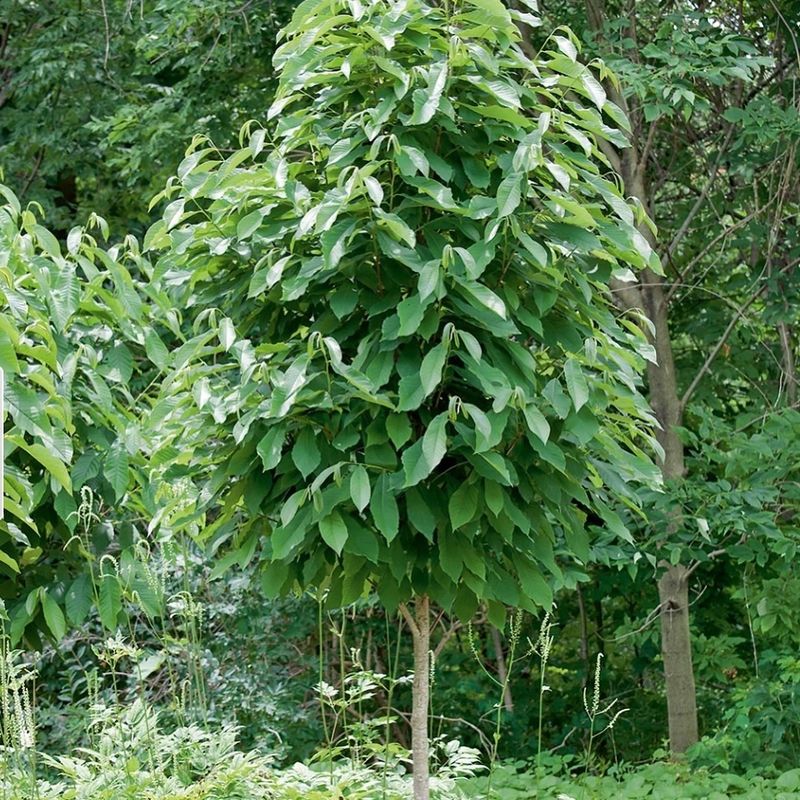
Pawpaw (Asimina triloba) might just be the most surprising fruit tree you can grow in the North Carolina mountains, and that is saying something.
North America’s largest native fruit tree produces custard-like fruits with a flavor that genuinely reminds people of banana mixed with mango, all growing right here in the Appalachian foothills.
Finding pawpaws at a grocery store is nearly impossible, which makes growing your own even more exciting.
Young pawpaw trees actually prefer partial shade, making them one of the few fruit trees that thrive in the dappled light under taller trees or along woodland edges.
As they mature, they can handle more sun, especially in the cooler mountain climate of western NC where intense summer heat is less of a problem.
Moist, rich, well-drained soil similar to a forest floor gives pawpaws the best possible growing conditions.
Pawpaws grow naturally in clusters and spread through root sprouts, forming small groves over time that look beautiful in a naturalistic mountain garden setting.
You will need at least two genetically different trees for good pollination and reliable fruit production.
The large, tropical-looking leaves make pawpaw trees visually striking all season long, even before the fruit arrives.
For NC mountain gardeners looking for something unique, native, and genuinely delicious, the pawpaw tree is an absolute must-try addition to any garden.
8. Mulberry
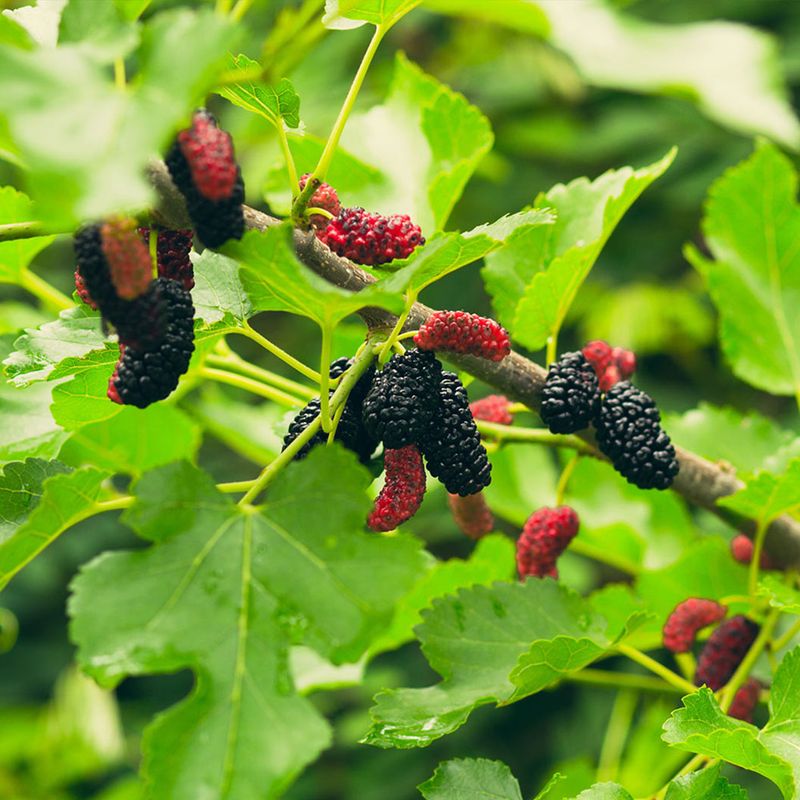
Mulberry trees are the definition of generous.
The native red mulberry (Morus rubra) is a fast-growing, highly productive tree that thrives across North Carolina, including in mountain regions where some fruit trees struggle to keep up.
By late spring and into early summer, the branches fill with juicy, blackberry-like berries that ripen over several weeks, giving gardeners a long window to enjoy the harvest.
One fun fact about mulberries: the fruit stains fingers, clothes, and everything else it touches with deep purple-red color, which is practically a badge of honor for anyone lucky enough to harvest them.
The flavor is sweet with a mild tartness that works wonderfully eaten fresh, baked into pies, or made into jam.
Birds absolutely love mulberries too, so expect to share some of the harvest with your feathered neighbors in the NC mountains.
Red mulberry adapts well to a range of soil types and conditions, making it one of the more forgiving fruit trees for mountain gardeners who are still learning.
Full sun produces the heaviest fruit crops, but mulberry tolerates partial shade better than most other fruit trees. The tree grows quickly and can reach impressive size, so give it plenty of room to spread.
For low-effort, high-reward fruit growing in the North Carolina mountains, few trees can match what a red mulberry delivers season after season.
9. Serviceberry
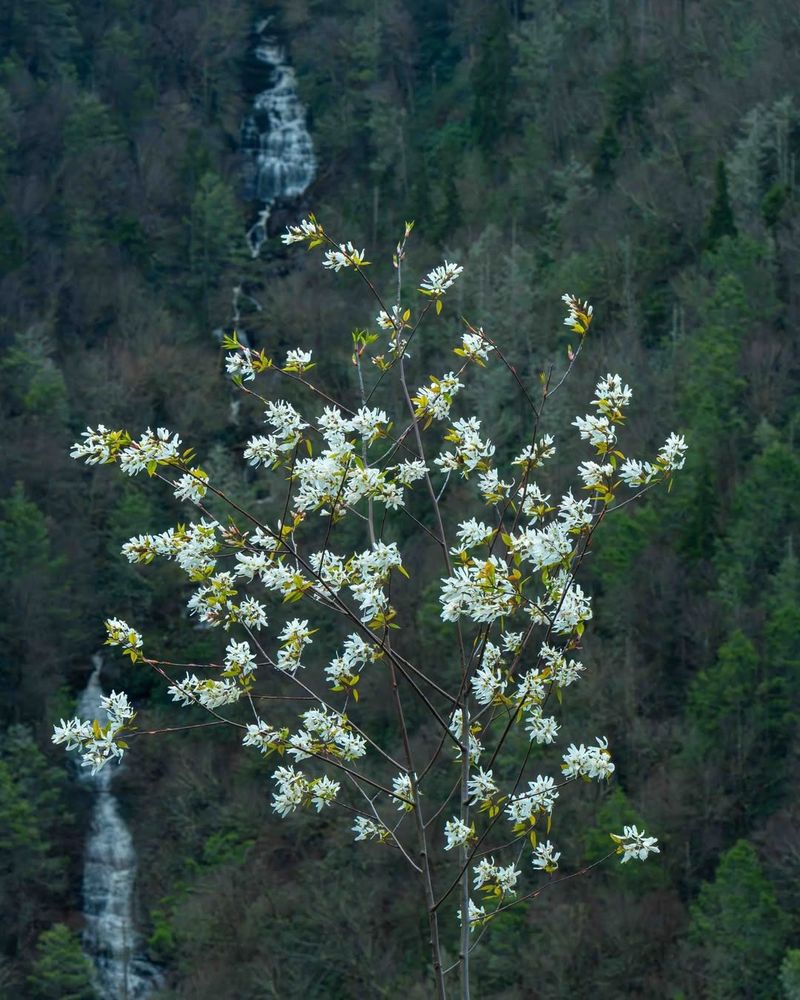
Every spring in the North Carolina mountains, serviceberry trees put on one of the earliest and most beautiful floral displays in the entire garden.
Serviceberry (Amelanchier arborea), also called Juneberry or Shadbush, covers itself in delicate white blossoms before most other trees have even started to bud out.
Seeing a serviceberry in full bloom against a backdrop of gray mountain ridges is genuinely one of the most beautiful sights in an Appalachian spring garden.
The edible berries ripen in early summer, turning from red to deep purple as they sweeten on the branch.
Flavor-wise, serviceberries taste like a cross between a blueberry and a mild cherry, sweet and rich with a hint of almond.
They work wonderfully in pies, jams, and muffins, or simply eaten fresh off the branch while walking through the garden on a warm June morning in western NC.
Wildlife value is another major reason to plant serviceberry in a mountain garden. Birds, pollinators, and small mammals all benefit from the flowers and fruit throughout the season.
The tree grows naturally along woodland edges and stream banks across the NC mountains, so it feels completely at home in naturalistic garden designs.
Serviceberry also offers stunning fall foliage color in shades of orange and red, meaning it earns its space in the garden across every single season of the year.
10. Fig
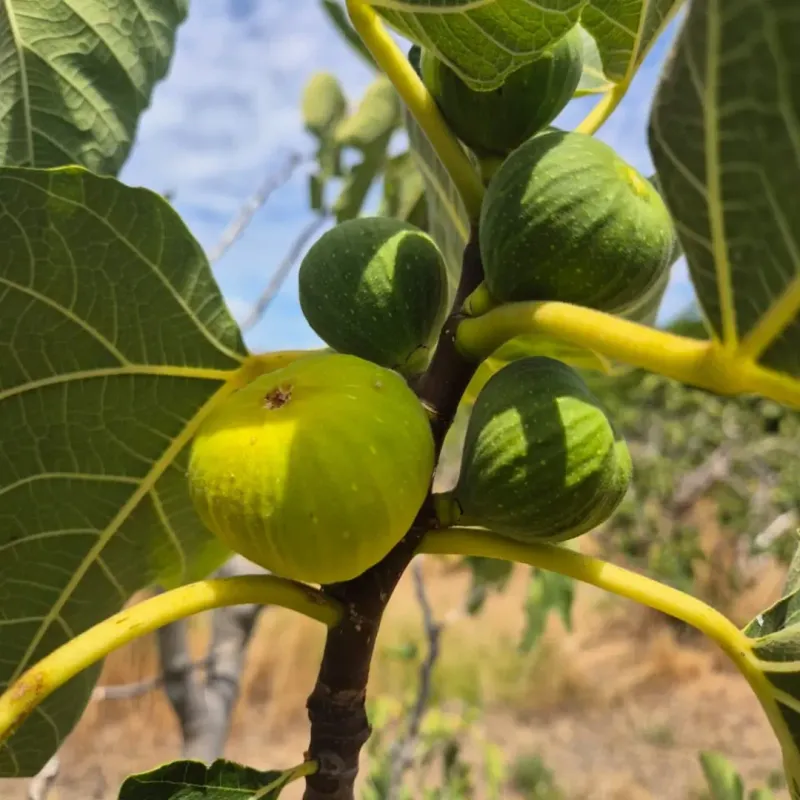
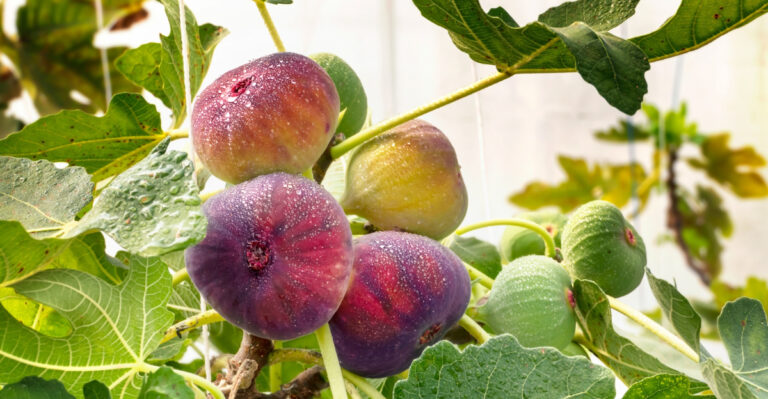
Figs have a warm, almost Mediterranean personality, which makes growing them in the North Carolina mountains feel like a small act of horticultural adventure.
Fig trees (Ficus carica) can absolutely thrive in the NC mountains when planted in the right microclimate, specifically a sheltered, south-facing spot that traps warmth and blocks harsh winter winds.
Old stone walls, south-facing slopes, and protected courtyard gardens are perfect locations for mountain fig growing.
Full sun is essential for figs to produce sweet, richly flavored fruit, so do not compromise on the planting location.
Figs grown in warm, sunny spots in western NC develop deep, jammy flavor that fresh grocery store figs rarely match.
The large, sculptural leaves also add a bold tropical texture to the garden that looks striking all through the growing season.
Winter protection is the main consideration for mountain fig growers in colder elevation areas.
Wrapping the trunk and lower branches with burlap or frost cloth during the coldest months helps protect the wood from freezing damage and keeps the tree healthy for the following season.
In milder mountain valleys and lower elevations of western NC, established fig trees often need little to no protection at all.
Varieties like Brown Turkey and Celeste are particularly well suited to the NC mountain climate and reward gardeners with generous, sweet harvests that make every bit of extra care completely worthwhile.