9 Best Hedges For Privacy In North Carolina Gardens
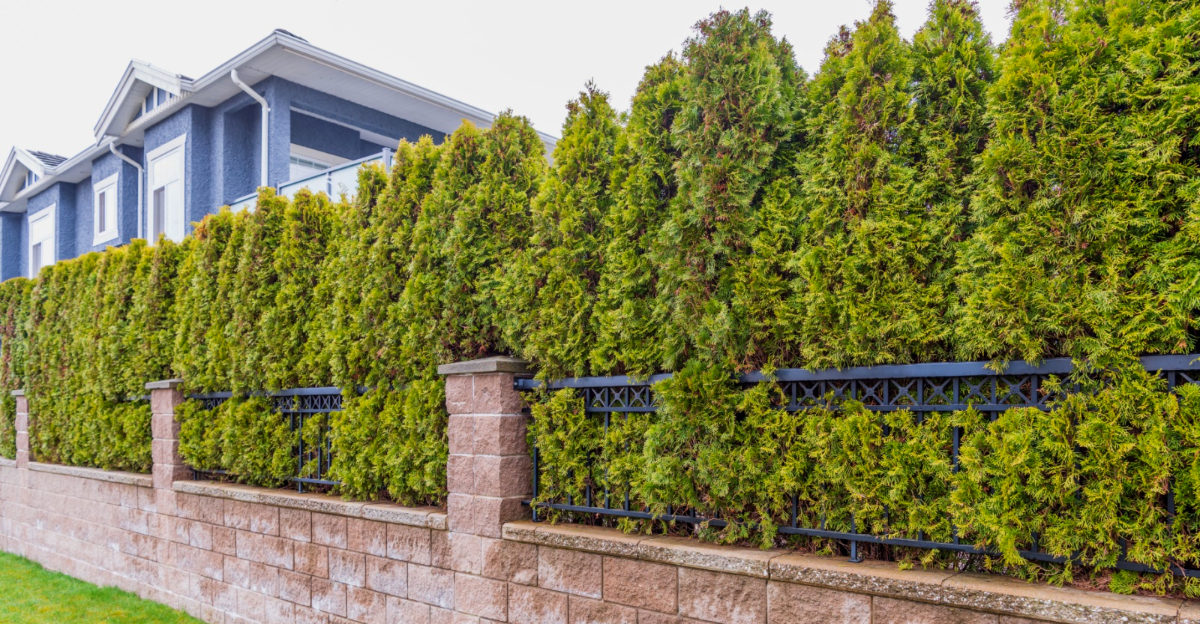
Feeling a little too visible in your own backyard? A well-chosen privacy hedge can change that fast.
Across North Carolina, gardeners are using native plants to block unwanted views, soften noise, and make outdoor spaces feel calmer and more secluded.
The best part is that native hedges are often better adapted to local soil, humidity, and weather than many common landscape shrubs.
From the Blue Ridge Mountains to the coastal plain, the right plant can give you anything from a neat evergreen wall to a softer, more natural screen.
1. Yaupon Holly Creates A Dense Evergreen Screen
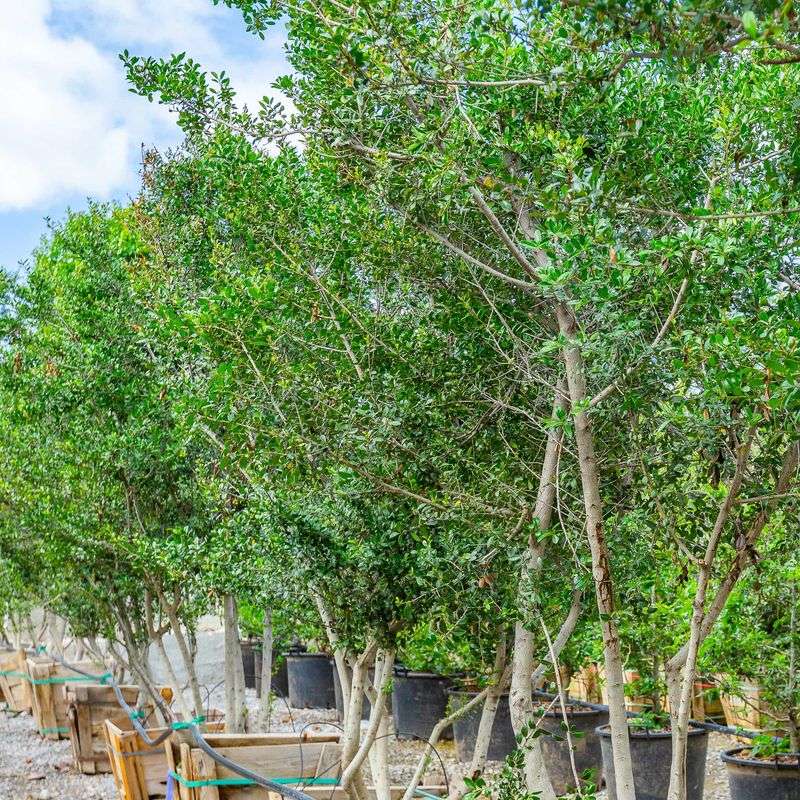
Few native plants earn their keep in a North Carolina garden quite like Yaupon Holly. This tough, adaptable shrub grows naturally from the mountains to the coast, handling everything from sandy coastal soil to heavy red clay in the Piedmont without much fuss.
Gardeners who want reliable year-round coverage often turn to Yaupon Holly because it holds its small, dark green leaves through every season.
Yaupon Holly can reach 15 to 20 feet tall when left to grow naturally, but it responds well to pruning and can be shaped into a neat formal hedge anywhere from 6 to 10 feet tall.
For a dense privacy screen, plant shrubs about 4 to 6 feet apart and allow them to grow together over two to three seasons.
Female plants produce small red berries in winter that birds absolutely love, adding extra life to your garden during the colder months.
One thing many gardeners overlook is just how drought-tolerant Yaupon Holly becomes once it is well established. It handles salt spray along the coast and tolerates occasional wet feet in low-lying areas.
Minimal pruning once or twice a year keeps the hedge looking sharp without a lot of effort.
2. Inkberry Keeps Privacy Soft And Polished
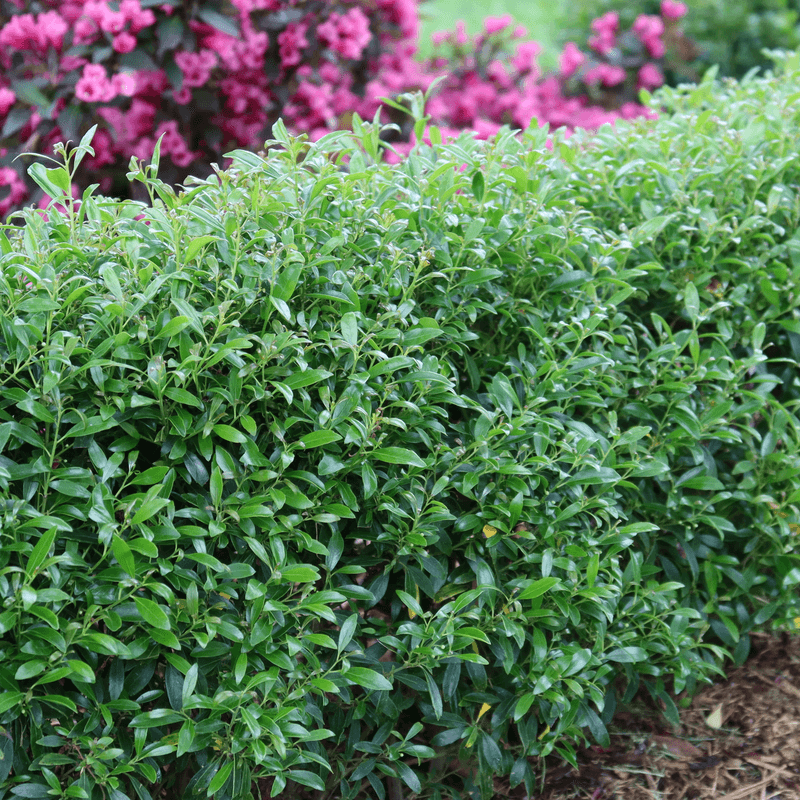
Inkberry is the kind of plant that works quietly in the background, doing exactly what you need without drawing too much attention to itself.
A native holly relative, it produces glossy dark green leaves that stay on the plant year-round, giving you a soft but consistent privacy screen that looks polished even without regular shaping.
It naturally grows in a rounded, upright form that fits well into both formal and casual landscape designs.
In North Carolina, Inkberry performs especially well in wetter areas where other plants struggle. It tolerates boggy soil, heavy clay, and partial shade, making it a smart choice for low spots in the yard or areas near drainage swales.
Along the coastal plain, it handles humidity and occasional flooding without skipping a beat. In the Piedmont and mountain foothills, it appreciates a bit of afternoon shade during the hottest summer months.
For a privacy hedge, space Inkberry plants about 4 feet apart to encourage them to fill in and create a continuous screen. Compact cultivars like Shamrock stay around 5 to 8 feet tall, which works well for smaller yards.
Female plants produce small black berries that attract songbirds through fall and winter, adding bonus wildlife value to your backyard planting.
3. Wax Myrtle Grows Fast And Fills In Quickly
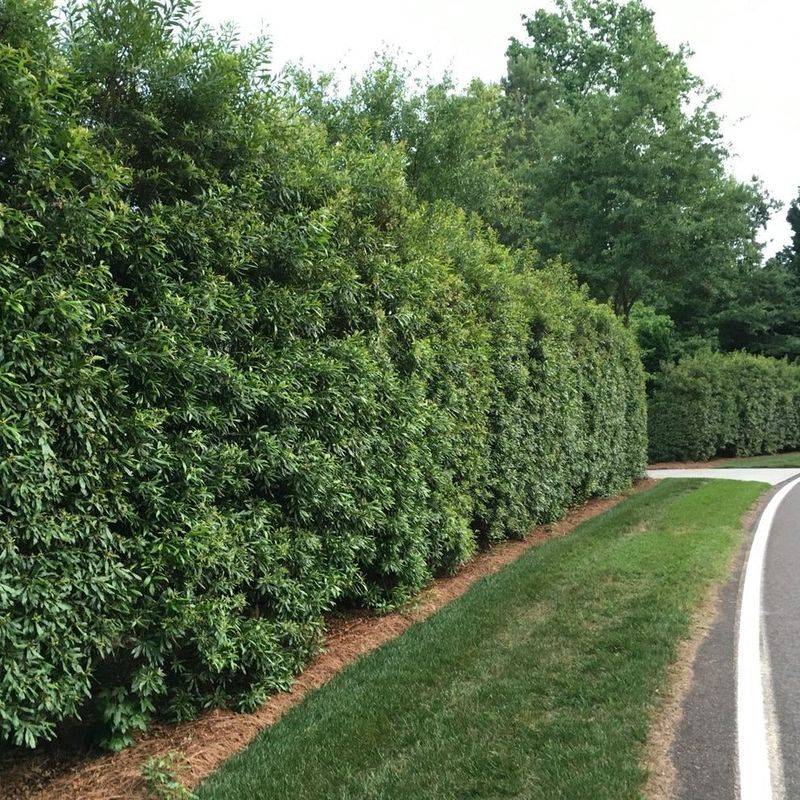
Speed matters when you want privacy, and Wax Myrtle delivers. This native evergreen shrub is one of the fastest-growing privacy plants available to North Carolina gardeners, capable of putting on 3 to 5 feet of new growth in a single season under good conditions.
Within just a couple of years, a row of young Wax Myrtles can transform an open, exposed yard into a sheltered outdoor space.
Wax Myrtle thrives across the entire state but really shines along the coast, where it tolerates salt spray, sandy soils, and high humidity that would stress many other shrubs.
Inland gardeners in the Piedmont also have great success with it, as long as the planting site gets full sun to partial shade and has decent drainage.
The aromatic gray-green leaves give off a pleasant bayberry scent when brushed, which is a nice bonus for anyone spending time near the hedge.
Left unpruned, Wax Myrtle can reach 10 to 20 feet tall with a similar spread, so it works well as a large natural screen. For a tidier look, prune it once or twice a year to maintain a more compact shape.
Space plants 6 to 8 feet apart for a natural screen, or closer together at 4 to 5 feet for a denser hedge that fills in faster.
4. American Holly Brings Privacy With Classic Structure
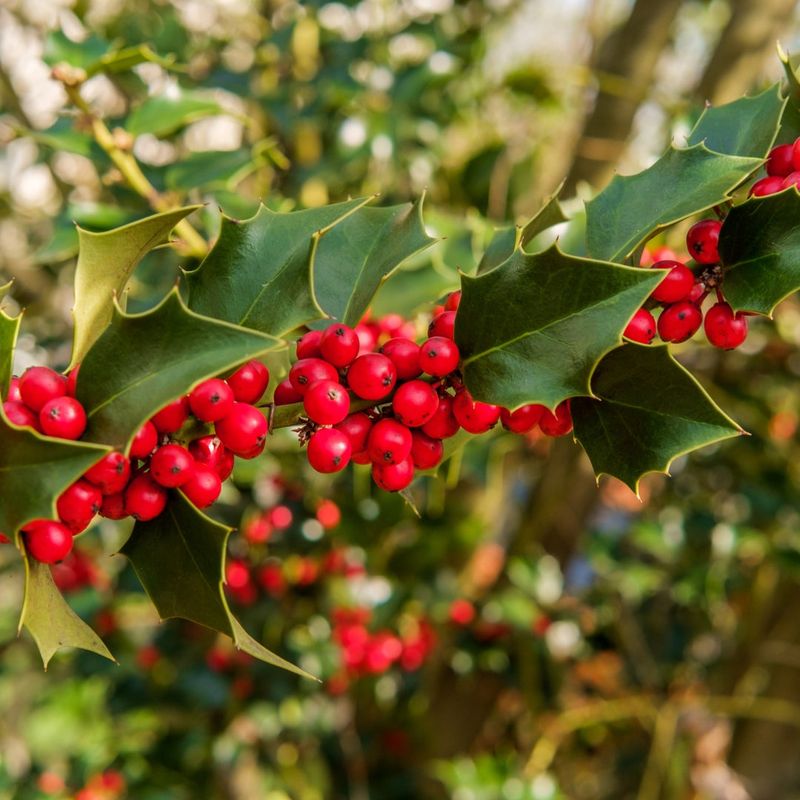
There is something timeless about a row of American Holly standing tall along a property line. With its deep green, spiny leaves and bright red winter berries, American Holly brings classic structure and year-round color to any privacy planting.
It is a true North Carolina native that grows naturally throughout the state and has been a landscape staple for generations.
American Holly is a slower grower compared to Wax Myrtle, typically adding 1 to 2 feet per year, but its patience pays off in the long run. Mature trees can reach 40 to 50 feet tall, making it one of the most substantial privacy options on this list.
For hedge use, regular pruning keeps it at a manageable 10 to 20 feet and encourages a denser, more uniform appearance. Plant trees about 6 to 8 feet apart for a formal hedge effect.
It adapts well to a range of soil types, from sandy coastal soils to the clay-heavy ground common in the Piedmont. Full sun brings out the best growth and berry production, though it tolerates partial shade reasonably well.
One practical tip worth knowing: you need at least one male tree planted near your female trees to get berry production, so plan your planting layout accordingly.
5. Carolina Cherry Laurel Builds A Tall Green Backdrop
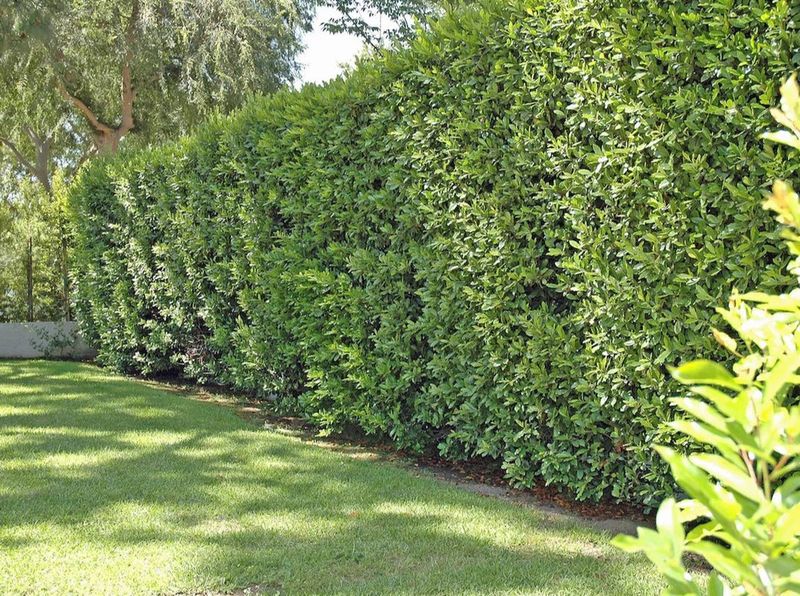
Walk past a well-established Carolina Cherry Laurel hedge and you immediately understand why so many North Carolina gardeners reach for it when they want serious privacy.
The glossy, dark green leaves are large and bold, creating a lush visual backdrop that blocks sightlines quickly and holds its coverage through every season.
This plant means business when it comes to building a tall, green screen.
Carolina Cherry Laurel is a southeastern native that handles North Carolina’s heat and humidity with ease. It grows vigorously, often adding 3 to 4 feet per year in good conditions, and can eventually reach 20 to 30 feet tall if left unmanaged.
Most gardeners keep it pruned to 8 to 15 feet for a formal hedge. Spacing plants 5 to 6 feet apart gives them room to fill out while still creating a solid screen within two to three growing seasons.
It performs best in the Piedmont and coastal plain regions, where winters are mild enough to keep the foliage looking fresh and green.
Mountain gardeners should choose cold-hardy selections carefully, as harsh winters can cause some leaf damage at higher elevations.
Prune once in late spring after the white flower clusters fade to keep the hedge neat and encourage bushy, compact growth throughout the season.
6. Eastern Redcedar Forms A Strong Year Round Barrier
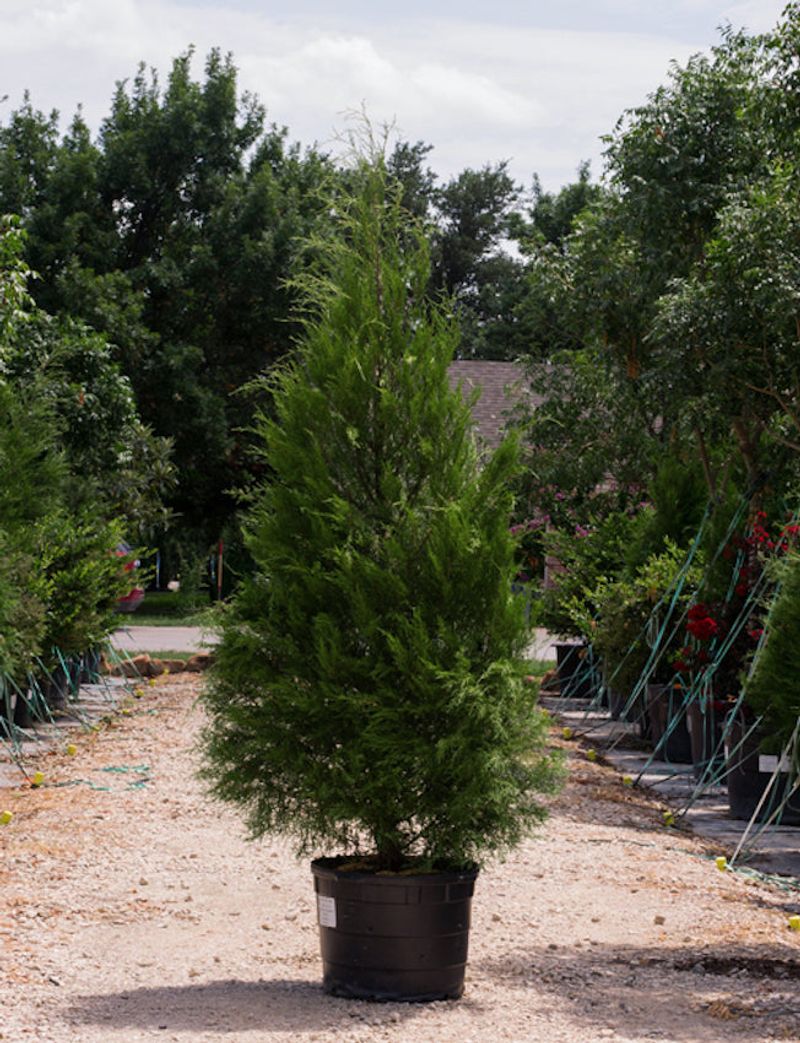
Eastern Redcedar has been anchoring North Carolina landscapes for centuries, and there is a very good reason for that staying power.
This native evergreen conifer is one of the most rugged, reliable privacy plants you can put in the ground, tolerating drought, poor soils, heat, and cold temperatures that would send less adaptable plants into decline.
It is genuinely built for the conditions found across the state.
In the wild, Eastern Redcedar grows throughout North Carolina from the mountains to the coast, often colonizing old fields and roadsides on its own.
In a planned hedge, it forms a dense, columnar to pyramidal shape with dark blue-green, scale-like foliage that stays attractive year-round.
Growth rate averages 1 to 2 feet per year, reaching a mature height of 30 to 40 feet.
For a privacy screen, plant trees 6 to 8 feet apart and allow them to grow naturally without heavy pruning, as they develop their best density when left mostly undisturbed.
Eastern Redcedar thrives in full sun and handles clay, sandy, or rocky soils without complaint.
It is also highly drought-tolerant once established, which makes it an excellent low-maintenance option for gardeners who prefer a plant-it-and-forget-it approach.
Female trees produce small blue-gray berries that cedar waxwings and other songbirds find irresistible throughout fall and winter.
7. Arrowwood Viburnum Adds Coverage And Wildlife Value
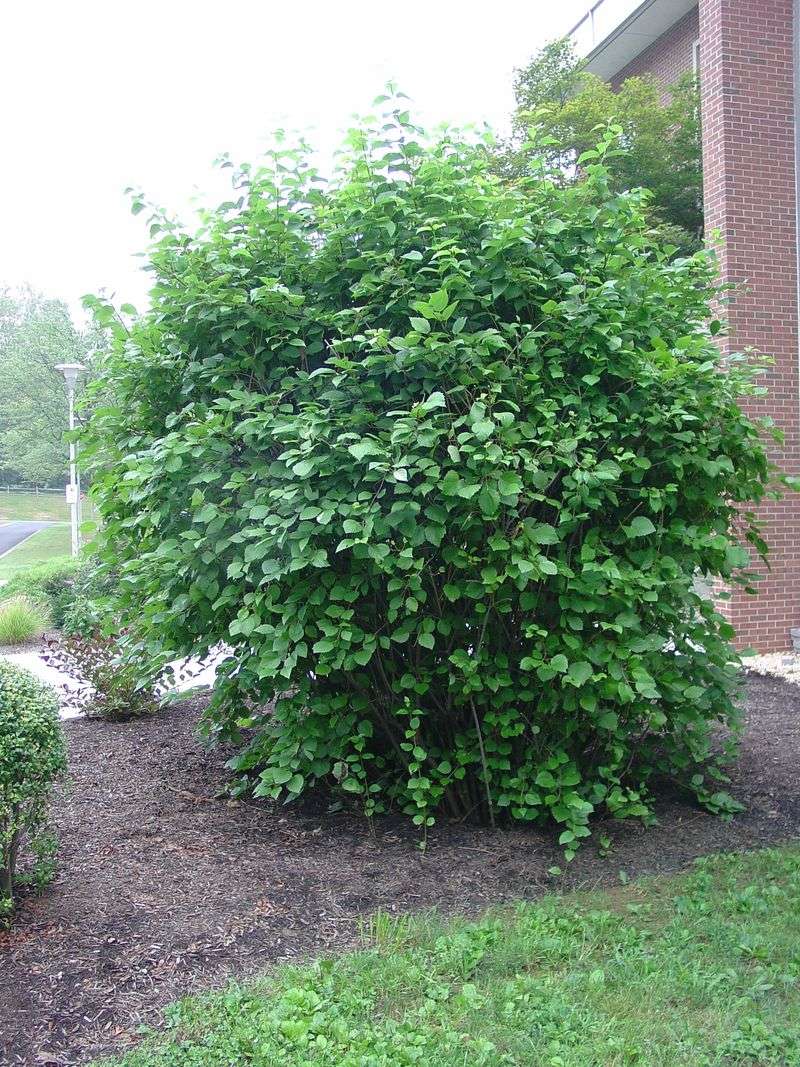
Not every privacy hedge needs to look like a clipped wall of green, and Arrowwood Viburnum makes that case beautifully.
This native deciduous shrub grows into a full, rounded shape with dense branching that provides solid screening from spring through late fall.
The flat-topped clusters of white flowers that appear in late spring are genuinely showy, and the dark blue berries that follow in late summer are a favorite food source for migrating birds passing through North Carolina.
Arrowwood Viburnum grows 6 to 10 feet tall and wide, making it well-suited for medium-height privacy screens rather than tall barriers.
It adapts to a wide range of soil conditions, including clay-heavy Piedmont soils and the sandy ground found in coastal areas.
Partial shade is tolerated, though full sun encourages the best flowering and densest growth. Space plants 5 to 6 feet apart for a natural, informal hedge that fills in over two to three seasons.
Because it is deciduous, Arrowwood Viburnum loses its leaves in winter, so it works best as a three-season privacy screen or as part of a layered planting that includes evergreens for year-round coverage.
Fall foliage turns attractive shades of red and purple before dropping, giving the hedge one final moment of color before the season ends.
Minimal pruning right after flowering keeps the plant shapely and productive.
8. Possumhaw Viburnum Brings Seasonal Privacy And Color
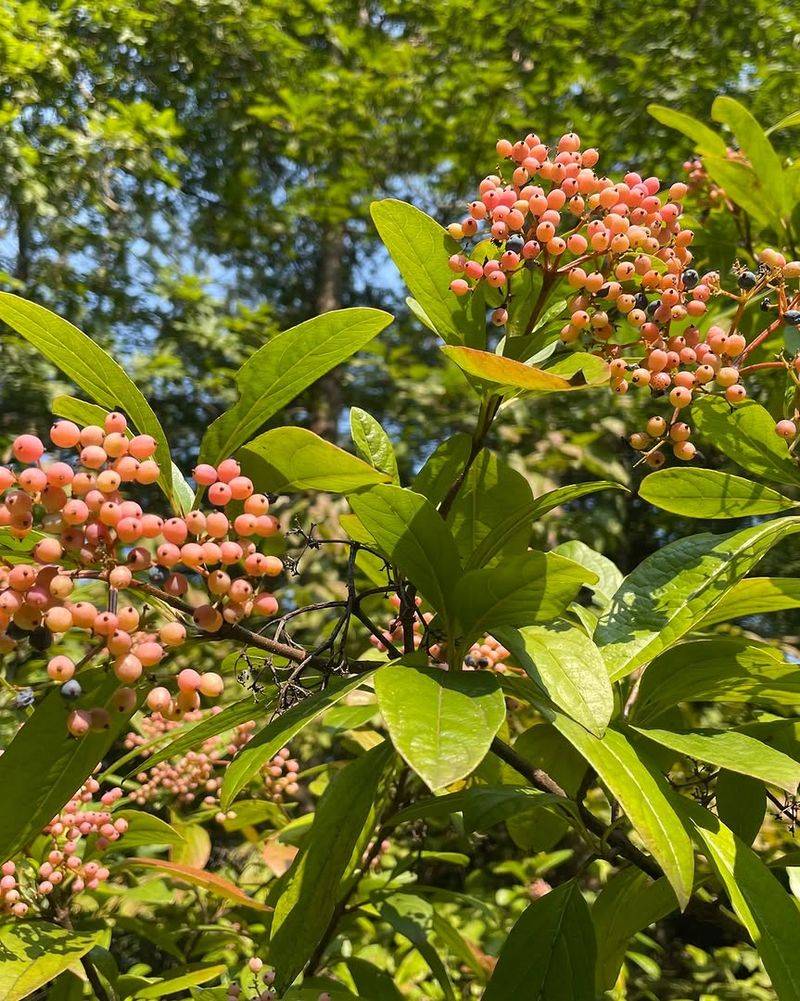
Possumhaw Viburnum is one of those plants that rewards patient gardeners with something beautiful in every season. In spring, it covers itself with flat clusters of creamy white flowers that attract pollinators.
Summer brings dense, deep green foliage that creates a lush privacy screen.
Then fall arrives and the show really begins, with clusters of bright red, orange, and yellow berries that hang on long after the leaves have dropped, painting the hedge in warm autumn color.
This native shrub grows 6 to 12 feet tall with a slightly open, arching habit that gives it a naturalistic look well-suited to informal garden borders and woodland edges.
It performs reliably across the Piedmont and mountain regions of North Carolina, where it tolerates moist soils and partial shade better than many other privacy shrubs.
Coastal gardeners can use it in inland areas away from direct salt exposure.
For a seasonal privacy screen, space plants 5 to 6 feet apart and allow them to grow in their natural form with minimal pruning. Light shaping after flowering keeps the plant tidy without sacrificing the berry display.
Because it is deciduous, pairing Possumhaw Viburnum with an evergreen backdrop gives the planting year-round structure while still showcasing the spectacular fall berry show that makes this plant so memorable in North Carolina gardens.
9. Summersweet Softens Backyard Borders With Native Charm
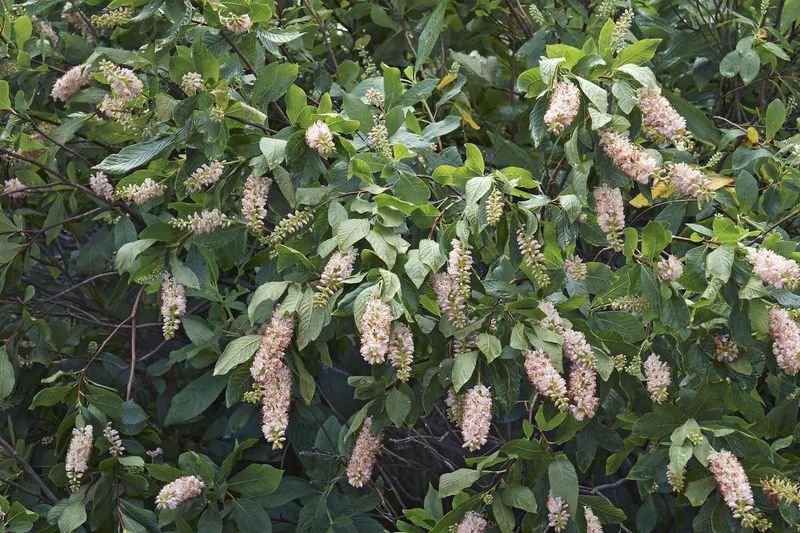
On a warm July evening in a North Carolina backyard, few things beat the sweet, spicy fragrance drifting from a row of blooming Summersweet.
This native shrub earns its name honestly, producing tall spikes of white or pale pink flowers in midsummer that perfume the garden for weeks.
Beyond the flowers, Summersweet builds a dense, multi-stemmed form that softens property edges and creates a relaxed, natural privacy screen with real seasonal character.
Summersweet grows 4 to 8 feet tall with a similar spread, spreading gradually by root suckers to form a thicket-like mass over time.
That spreading habit is actually an asset for privacy plantings, as it helps fill in gaps and build a fuller screen without requiring you to plant additional shrubs.
It thrives in moist to wet soils and tolerates partial to full shade, making it one of the best choices for shaded, damp spots in North Carolina yards where other privacy plants refuse to cooperate.
Fall foliage turns bright yellow before dropping, giving the planting one last seasonal highlight before winter. Space plants 4 to 5 feet apart initially and let the natural suckering do the rest of the work over time.
Because it is deciduous, Summersweet pairs beautifully with evergreen companions like Inkberry or Yaupon Holly to maintain year-round coverage along the garden border.