8 Best Hedges That Create Privacy In Arizona Gardens
Privacy in Arizona yards can be tricky, especially when open layouts and bright sunlight leave everything fully exposed.
The right hedge changes that feeling without making the space look closed in or heavy, creating a natural barrier that still fits the desert landscape.
What works here is not the same as in milder climates. Plants need to handle intense sun, dry air, and long stretches of heat while still growing thick enough to actually block views.
The best choices fill in well, stay healthy, and do not turn into constant maintenance.
Once established, a strong hedge softens harsh lines, reduces visibility, and makes the yard feel more settled and comfortable. With the right plants, privacy becomes part of the landscape instead of something that feels added on.
1. Oleander Grows Fast And Creates A Thick Privacy Screen
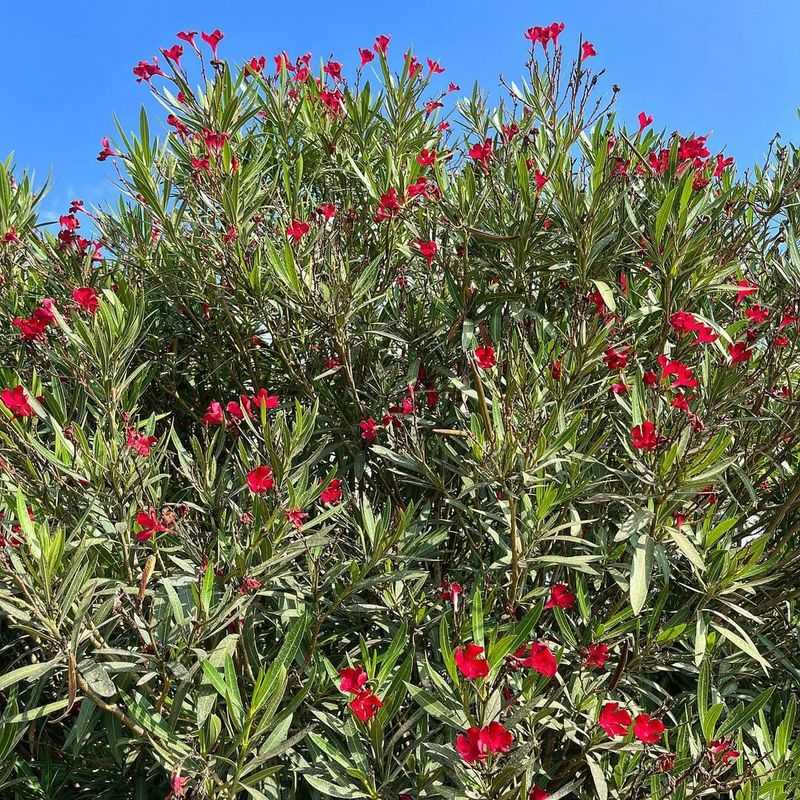
Few shrubs in Arizona can match oleander when it comes to sheer speed and coverage. Plant a few of these in a row and within a couple of seasons, you have a wall of green that blocks sightlines completely.
Oleander pushes out thick, leathery leaves year-round, so privacy does not disappear in winter the way it does with deciduous plants.
Flowers show up in pink, red, white, or yellow depending on the variety you choose. Beyond looking great, those blooms attract pollinators and add real color to an otherwise plain fence line.
In Phoenix or Tucson, oleander is practically a staple plant because it handles triple-digit heat without flinching.
Spacing plants about five to six feet apart gives each one room to fill in while still forming a continuous screen. Watering deeply but infrequently encourages strong root growth.
Keep in mind that all parts of oleander are toxic if ingested, so place it away from areas where small children or pets spend a lot of time. Pruning once or twice a year keeps the hedge shaped and prevents it from getting leggy at the base.
With minimal effort, oleander delivers one of the most reliable privacy screens available to Arizona gardeners today.
Dense growth also helps reduce dust and soften noise from nearby roads, making it useful along busy streets or exposed property edges.
2. Hopseed Bush Handles Heat And Forms A Dense Hedge
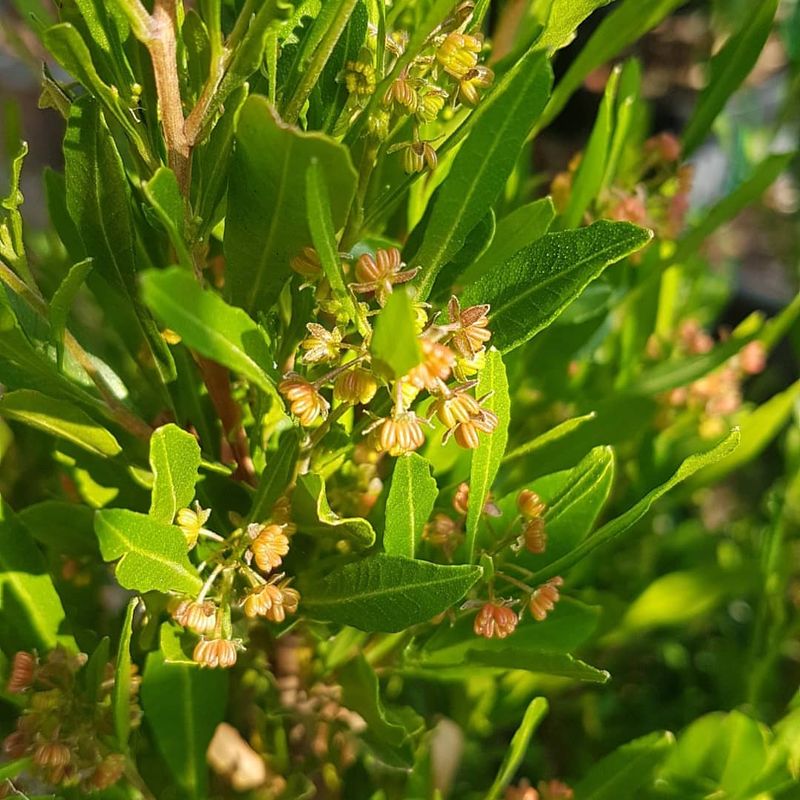
Hopseed bush does not get nearly enough credit in Arizona landscapes, and that is a real shame. It grows upright and dense, reaching heights of eight to ten feet without much fuss.
The foliage is narrow, deep green or purple depending on the cultivar, and stays on the plant all year long.
One thing that sets hopseed apart is how well it handles reflected heat. If your yard has a south or west-facing wall baking in afternoon sun, many plants will struggle there.
Hopseed takes that kind of punishment in stride, which makes it a smart pick for some of the toughest spots in Arizona gardens.
Purple hopseed is especially popular because the reddish-purple leaves add visual interest beyond just a green wall. Plant them three to four feet apart for a tight hedge that fills in within a year or two.
Watering every week or two during summer is usually enough to keep them healthy. Fertilizing lightly in spring can speed up growth if you want faster coverage.
Hopseed also handles cold snaps better than many desert shrubs, so gardeners in higher elevation Arizona towns like Prescott or Flagstaff can still use it with confidence. It is a workhorse plant that rarely gets the spotlight it deserves.
Regular tip pruning encourages thicker branching, helping the hedge fill in faster and maintain a more solid, uniform screen over time.
3. Texas Ranger Thrives In Dry Conditions And Stays Compact
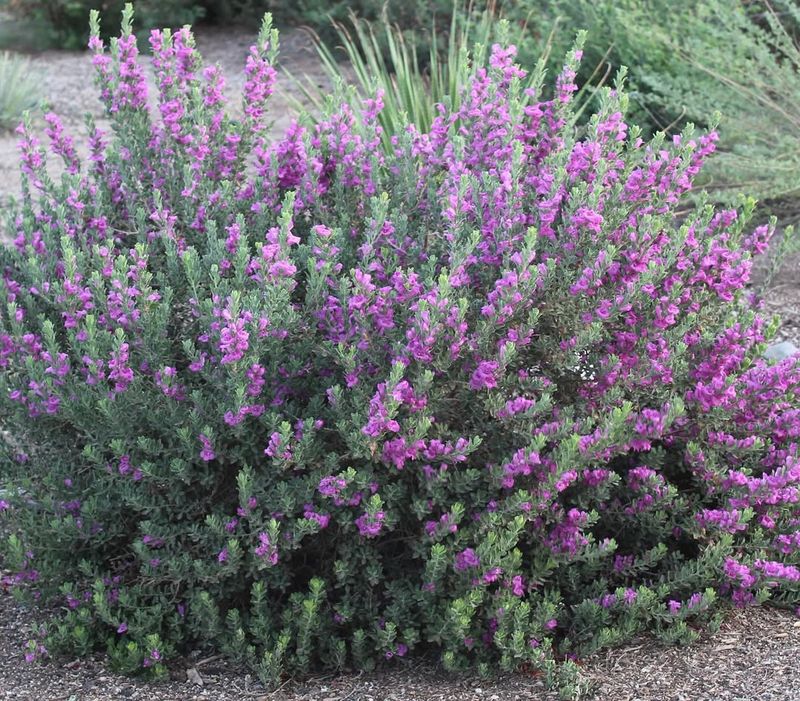
Right after a monsoon storm rolls through, Texas Ranger bursts into a cloud of purple or pink blooms almost overnight. It is one of those plants that surprises people every single time.
Beyond the flowers, the silvery-gray foliage creates a soft, almost frosted look that stands out in any Arizona yard.
Texas Ranger stays naturally compact, usually topping out around five to eight feet tall. It does not need constant trimming to look tidy, which saves a lot of weekend labor.
If you want a formal hedge line, a couple of light trims per year is plenty to keep it shaped up.
Drought tolerance is genuinely impressive with this plant. In established Arizona landscapes, Texas Ranger often survives on rainfall alone during cooler months.
Summer watering every two to three weeks is usually sufficient. It prefers fast-draining soil, so if your yard has heavy clay, mixing in some gravel or coarse sand before planting helps a lot.
Full sun is where it performs best, and it handles alkaline desert soils without complaint. Pest pressure is minimal, which is a big plus in areas where other shrubs constantly battle insects.
For low-water privacy hedges in Arizona, Texas Ranger earns a permanent spot on the shortlist every time someone asks for plant recommendations.
Overwatering is one of the few ways to cause problems, since too much moisture can lead to root issues and fewer of those signature post-rain blooms.
4. Arizona Yellow Bells Can Be Shaped Into A Flowering Screen
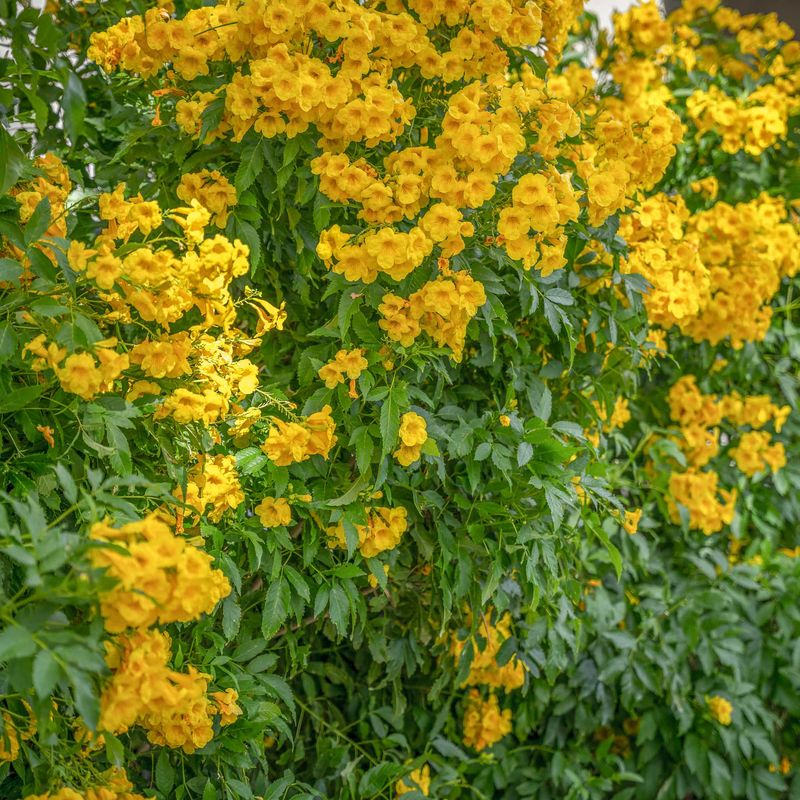
Bright yellow trumpet flowers covering a hedge that also blocks your neighbor’s view? That is exactly what Arizona Yellow Bells delivers.
Most flowering shrubs make you choose between looks and function, but this one refuses to compromise on either. It blooms heavily from late summer through fall, which is when a lot of other plants in Arizona look tired and worn out.
Growth is vigorous enough that a young plant can reach six feet tall within its first couple of seasons with regular water. Shaping it into a hedge is straightforward because it responds well to pruning.
Cutting it back in late winter or early spring encourages fresh, dense growth and even more flowers come summer.
Arizona Yellow Bells handles full sun and reflected heat without any drama. It is native to the Sonoran Desert region, so it is already dialed in to the conditions found across southern and central Arizona.
Watering deeply once or twice a week during the hottest months keeps growth strong. Once plants are established in the ground, water needs drop significantly.
Hummingbirds are drawn to the flowers constantly, so planting a hedge of these near a patio adds a lively, natural element to the space. It is one of the more underused privacy options in Arizona, and more gardeners should be taking advantage of it.
5. Podocarpus Works Well In Warmer Areas With Regular Water
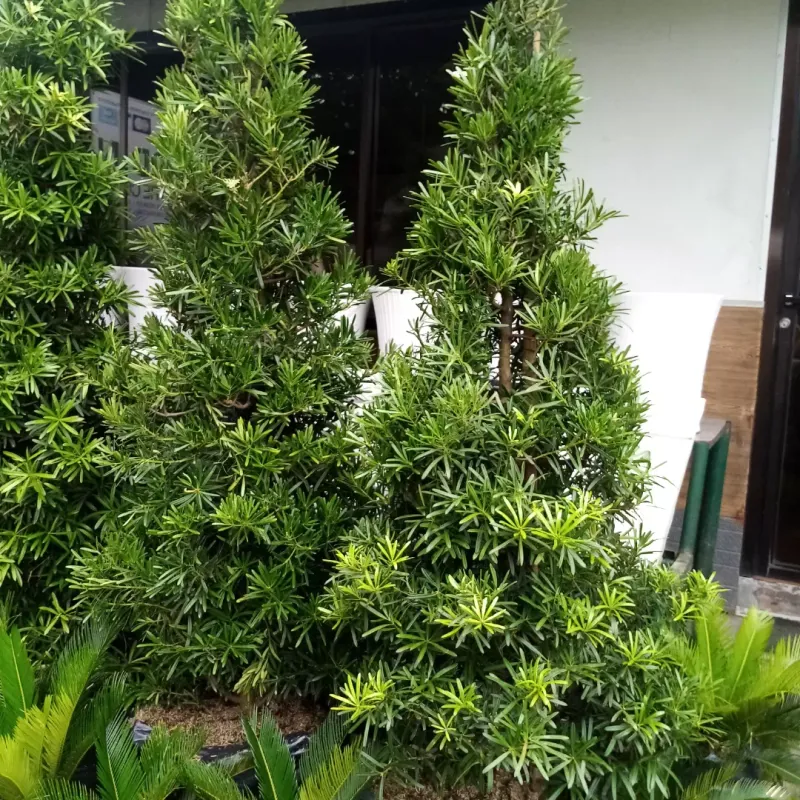
Podocarpus looks like it belongs in a formal garden, and honestly, it kind of does. The fine-textured, dark green foliage creates a hedge that looks polished and intentional rather than wild.
In warmer parts of Arizona like the Phoenix metro area and the low desert valleys, it performs reliably year after year.
Height is one of its strongest selling points. Podocarpus can reach fifteen to twenty feet if left unpruned, making it one of the tallest hedge options available in Arizona landscapes.
For complete privacy from second-story windows or elevated views, few plants come close to matching it.
Water is the one thing Podocarpus needs more of compared to strictly desert-adapted plants. Plan on deep watering every five to seven days during summer, tapering off in cooler months.
Drip irrigation works well because it delivers water directly to the root zone without wasting it on surrounding soil. Planting in full sun or partial shade both work, though full sun produces denser growth.
Soil quality matters more with podocarpus than with some other hedges, so mixing in compost at planting time gives it a strong start. Spacing plants four to five feet apart creates a tight screen without overcrowding.
If you are willing to put in a bit more water, podocarpus rewards you with an exceptionally clean and elegant privacy hedge.
It performs best in irrigated landscapes and is not suited for low-water desert plantings.
6. Bottlebrush Handles Heat And Forms A Dense Flowering Hedge
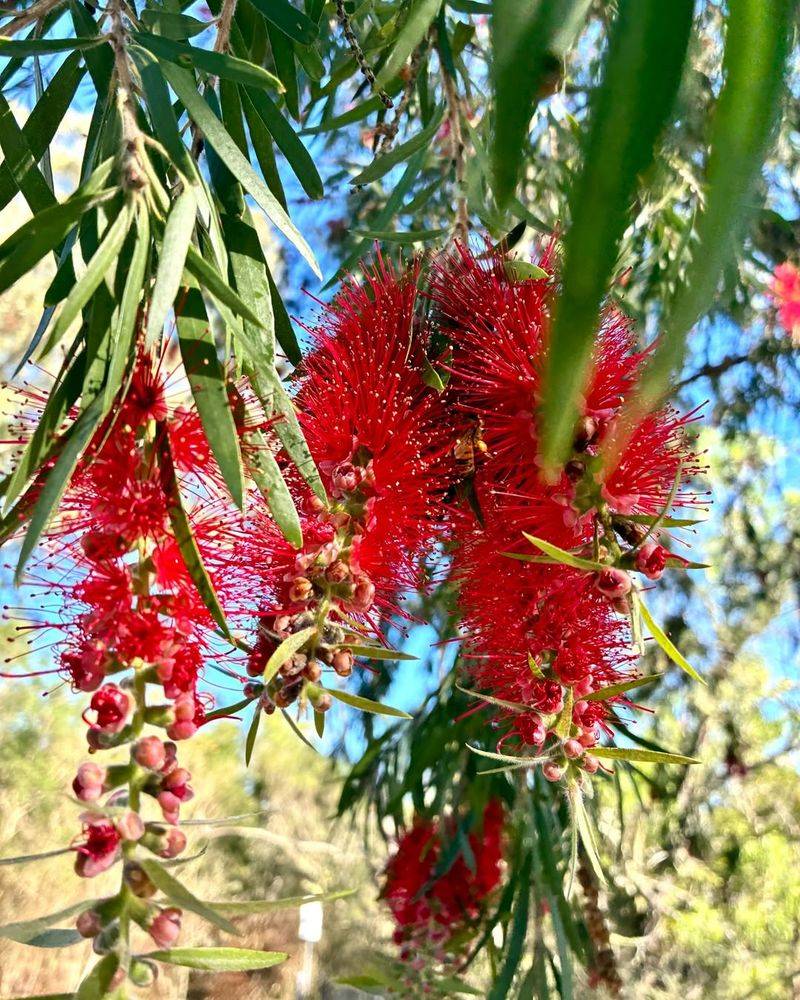
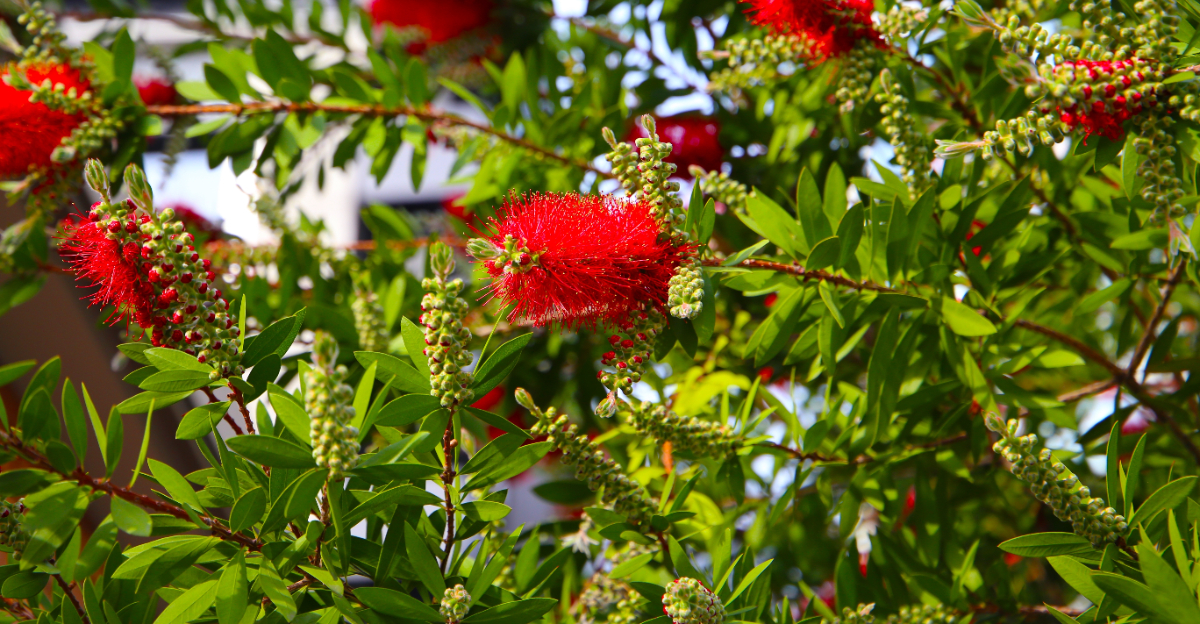
Bottlebrush is one of those plants that earns its place quickly once it gets established. In Arizona landscapes, it handles intense sun, reflected heat, and long dry stretches without constantly struggling the way many flowering shrubs do.
That reliability makes it a strong option for anyone trying to build a hedge that actually lasts.
Growth is steady and predictable, which makes it easier to shape into a dense screen over time. With regular tip pruning, the branches thicken up and start filling in gaps, creating a hedge that blocks views while still looking clean and intentional.
Most varieties can reach anywhere from six to ten feet tall, depending on how they are maintained.
The bright red, brush-like flowers show up multiple times a year and bring consistent color to the hedge. They also draw hummingbirds, which adds movement and life to the yard without any extra effort.
Bottlebrush does best with deep watering every one to two weeks during the hottest months. Once roots are established, it becomes more forgiving and can handle short dry periods without showing stress.
Planting three to five feet apart gives each shrub enough space to grow together into a continuous hedge. Over time, it forms a thick, flowering barrier that holds up well in Arizona conditions without turning into a high-maintenance project.
7. Waxleaf Ligustrum Forms A Dense And Easy To Shape Hedge
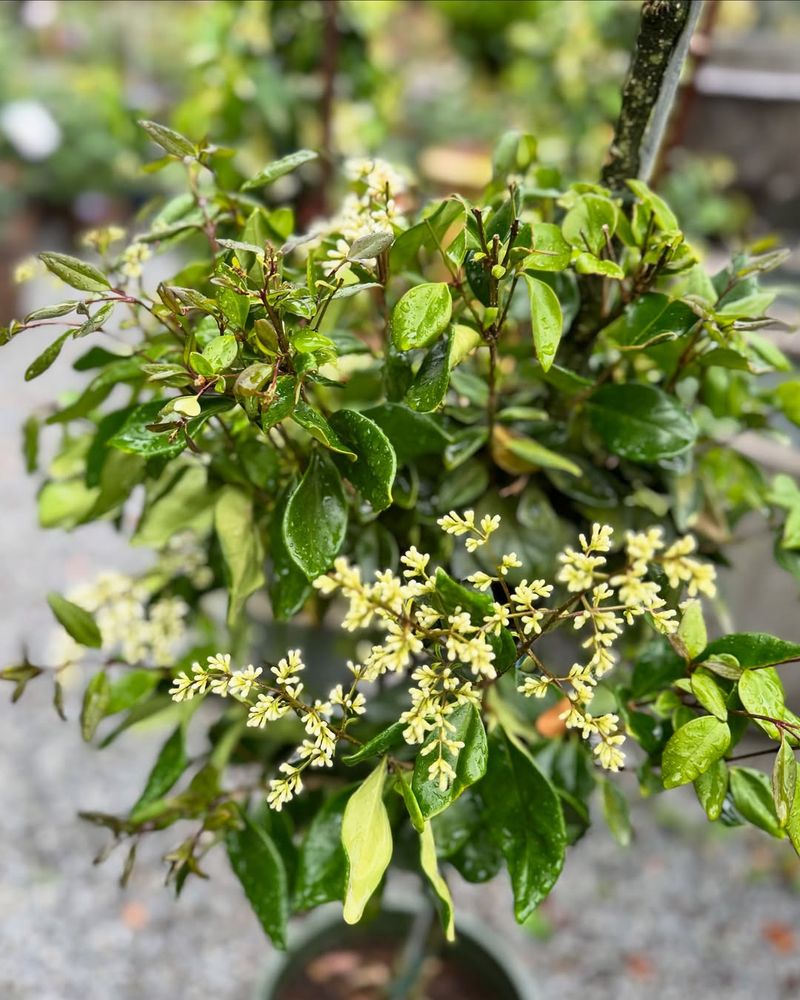
Waxleaf ligustrum is one of those plants that just does what you want it to do without putting up a fight. The leaves are thick, waxy, and a deep glossy green that holds its color even through hot Arizona summers.
Planted in a row, it fills in tightly and forms a wall that is genuinely hard to see through.
Shaping is where waxleaf ligustrum really shines. It tolerates heavy pruning without stress, so you can cut it into a formal square hedge, a rounded screen, or let it grow more naturally into a softer form.
Most homeowners in Arizona trim it two or three times a year to maintain a clean look.
Growth rate is solid but not aggressive, which actually makes it easier to manage than faster-growing options. Expect about two to three feet of new growth per year under good conditions.
Water needs are moderate, and established plants handle short dry spells reasonably well. Full sun is ideal, but partial shade works fine in hotter microclimates where afternoon sun is brutal.
Soil adaptability is another strength since waxleaf ligustrum grows in alkaline desert soils without showing nutrient deficiencies the way some plants do. It also resists most common pests.
For a hedge that looks intentional, stays tidy, and holds up to Arizona conditions, waxleaf ligustrum is a practical and dependable choice.
8. Pyracantha Creates A Thick Thorny Barrier For Privacy
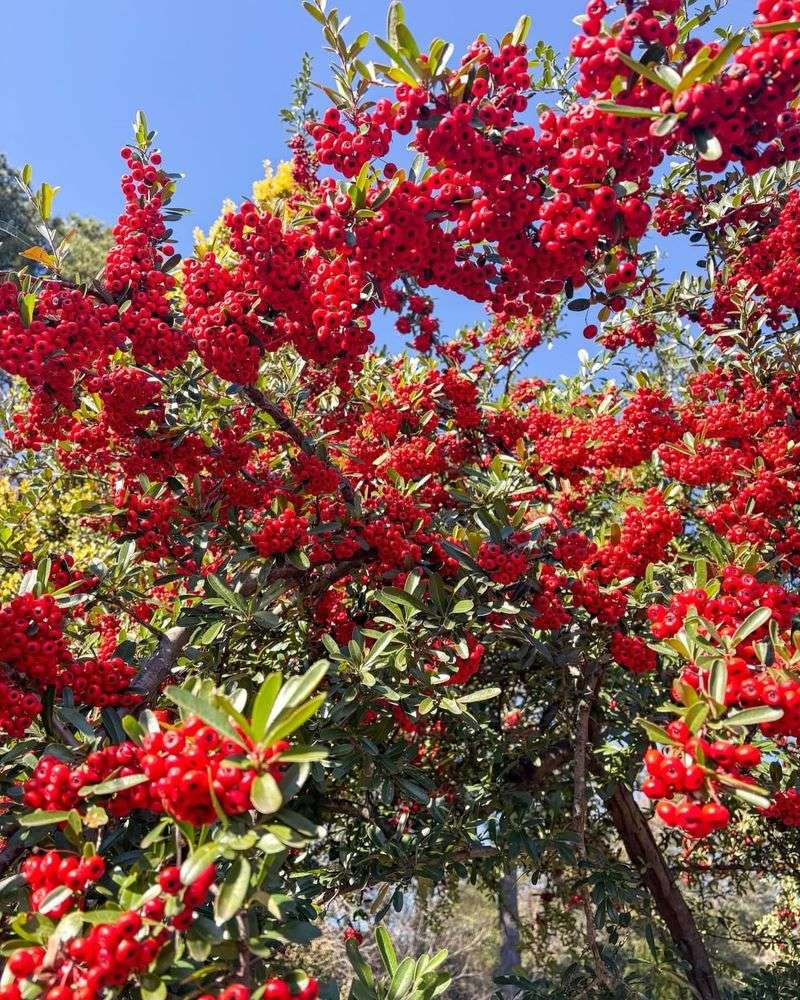
Pyracantha is the hedge you plant when you want privacy and a serious deterrent at the same time. Those thorns are no joke, and anything or anyone trying to push through a mature pyracantha hedge is going to have a very bad time.
It is one of the most effective natural barriers available to Arizona homeowners.
Beyond the security angle, pyracantha is genuinely attractive. Clusters of bright orange or red berries cover the branches from fall through winter, creating a striking display when most other plants look dull.
Birds flock to it for the berries, so it doubles as a wildlife habitat right in your own backyard.
Growth is vigorous and the branches fill in densely with minimal encouragement. Planting five to six feet apart gives each shrub room to expand while still closing the gaps quickly.
Full sun brings out the best berry production, though it tolerates partial shade. Water needs are moderate, and once plants are anchored in Arizona soil, they become fairly self-sufficient through cooler months.
Spring is the best time to do any major pruning, and wearing thick gloves is non-negotiable when working with pyracantha. The thorns make it worth the extra effort to handle carefully.
In Tucson, Phoenix, and surrounding areas, pyracantha has a long track record as a tough, beautiful, and functional privacy hedge that earns its space every single year.