4 Best Herbs To Grow Now In Pennsylvania And 3 That Struggle In Early Spring
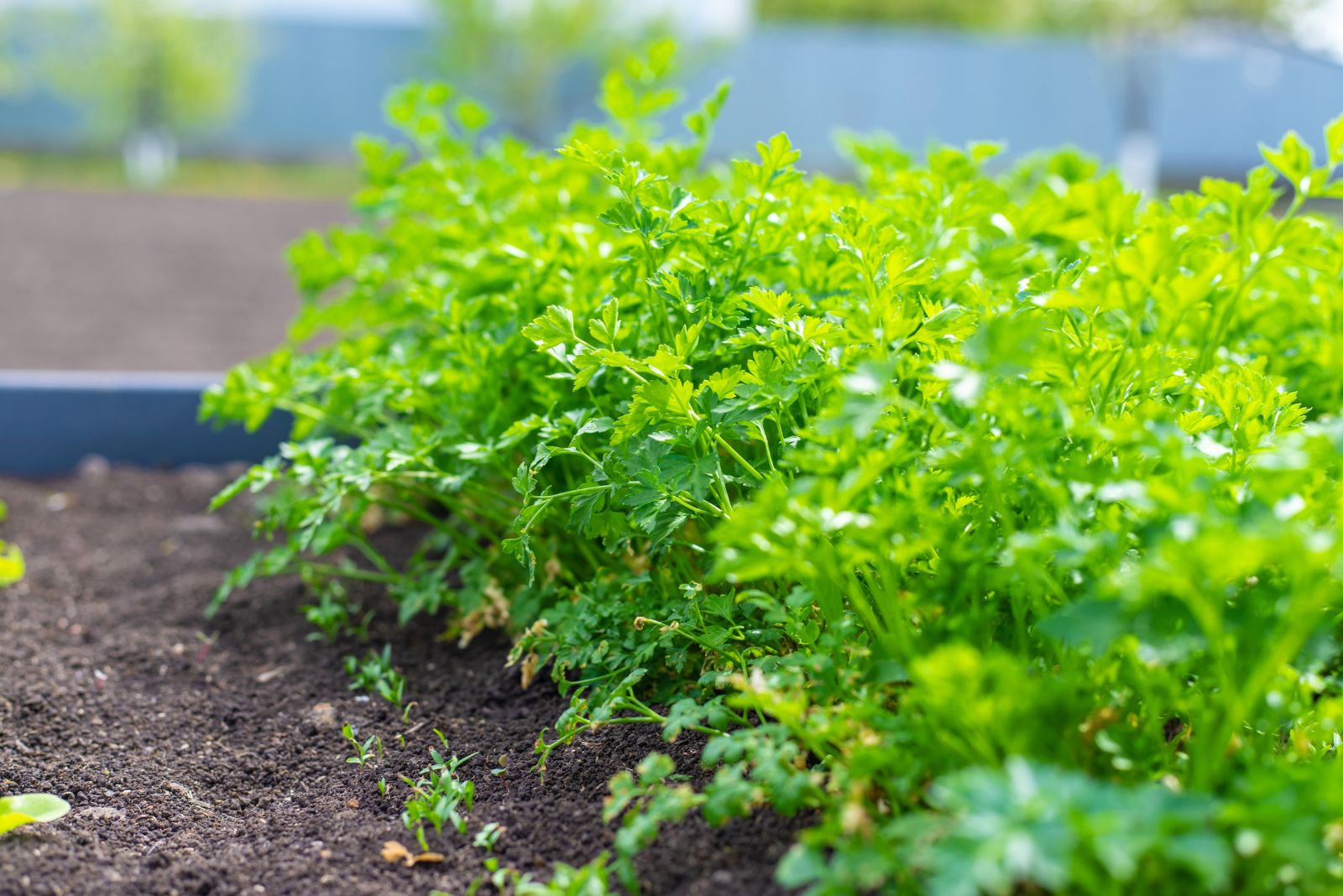
Spring in Pennsylvania brings longer days, warmer temperatures, and the perfect opportunity to start a fresh herb garden.
Growing your own herbs means easy access to fresh flavors for cooking, vibrant greenery for your kitchen or garden, and a satisfying sense of accomplishment.
Some herbs thrive in early spring, tolerating cool soil and fluctuating temperatures, while others need warmer conditions before they take off.
Herbs like chives, parsley, and cilantro grow quickly and handle early spring weather well, giving gardeners an early start on flavorful harvests.
On the other hand, basil, rosemary, and thyme are more sensitive to cold and benefit from waiting until the soil warms and the risk of frost passes.
By knowing which herbs can handle early planting and which need patience, Pennsylvania gardeners can create a thriving herb garden. With proper timing and care, your garden will stay productive, colorful, and full of fresh, aromatic herbs throughout the season.
1. Parsley
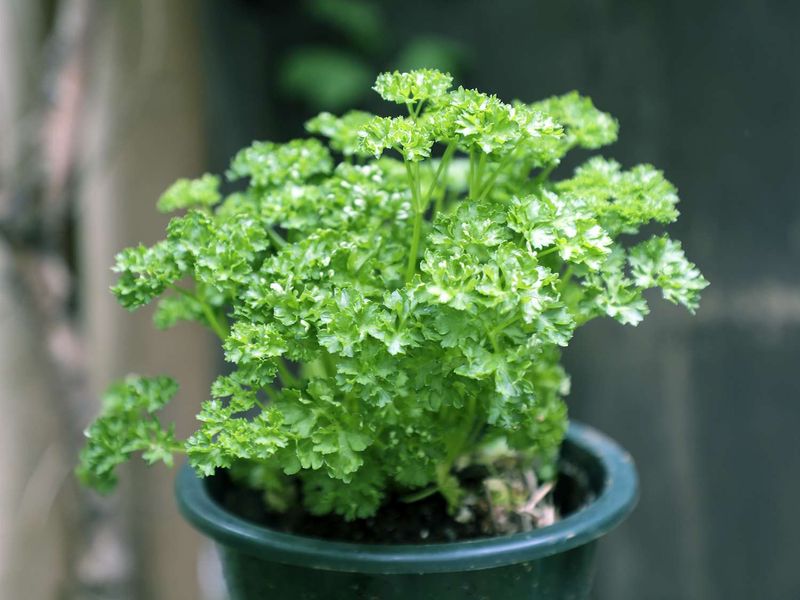
Parsley is one of those dependable herbs that never seems to get the credit it deserves. Most gardeners think of it as a garnish, but in Pennsylvania, it is one of the smartest choices you can make for an early spring planting.
This herb is cold-hardy and frost tolerant, which means it can handle those unpredictable April nights that Pennsylvania is known for.
You can start parsley from seed directly in the garden as soon as the soil can be worked, usually around late February or early March in southern Pennsylvania. Cooler soil actually helps germination, making it a great fit for early spring conditions.
If you want a head start, transplants from a local garden center work just as well and speed things up considerably.
One thing to keep in mind is that parsley germinates slowly, sometimes taking two to four weeks to sprout from seed. Soaking the seeds overnight before planting can help speed up that process.
Patience pays off here because once parsley gets going, it grows strong and steady through the cool months.
Parsley also survives light freezes without much trouble, which makes it especially useful in Pennsylvania where late frosts can pop up unexpectedly even in April. Plant it in full sun or partial shade and keep the soil moist but well-drained.
Both curly and flat-leaf varieties do well in Pennsylvania gardens, so pick whichever one your cooking calls for most. It is a reliable, low-fuss herb that rewards early planters.
2. Chives
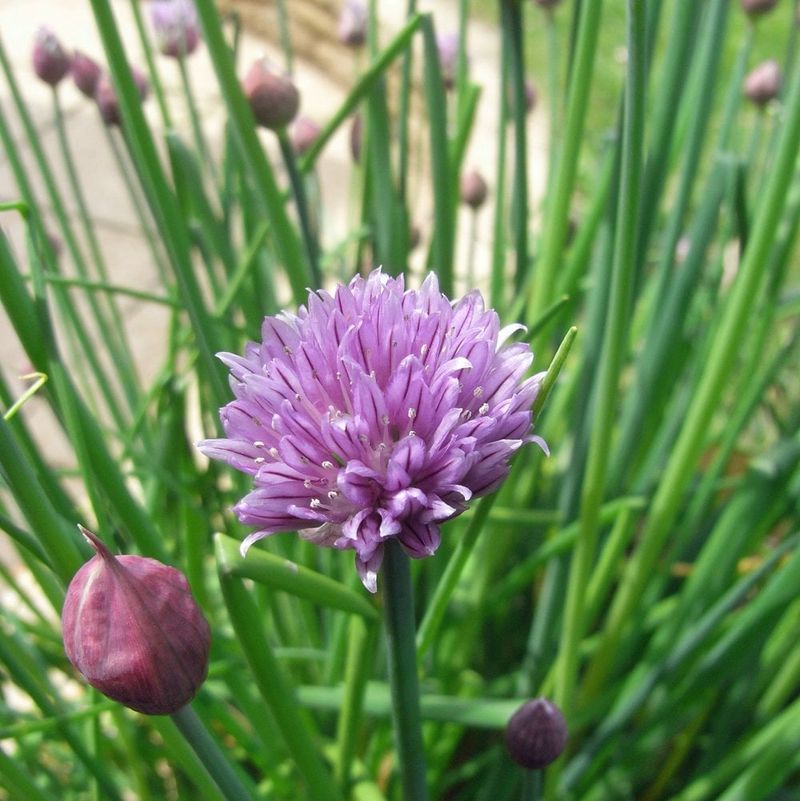
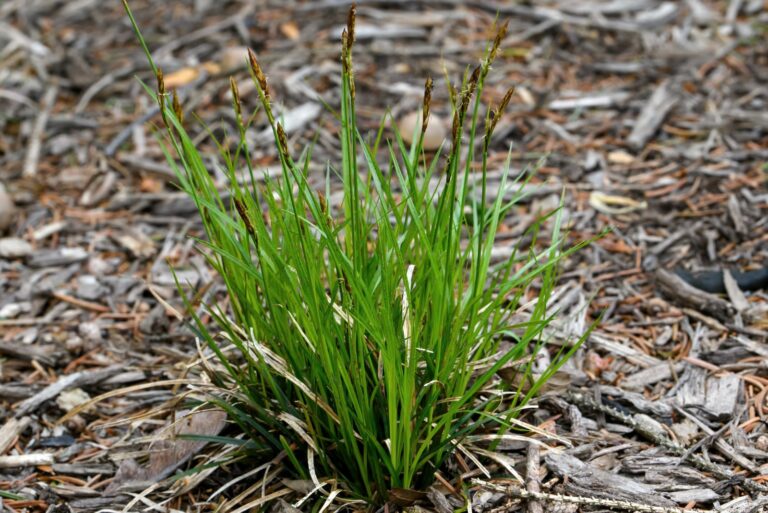
If you want proof that spring has truly arrived in your Pennsylvania garden, just look for the chives. These tough little herbs are often the very first to push up through the soil after winter, sometimes poking through even when there is still a light frost in the forecast.
Chives are perennial, which means they come back every single year without you needing to replant them.
For Pennsylvania gardeners, that reliability is a huge bonus. Once you plant chives, they settle in and become a permanent part of your herb garden.
They tolerate cold and frost with ease, and they bounce back quickly from hard weather. You can harvest them early and often, snipping the green tops right down to about an inch above the soil.
Chives are also incredibly low maintenance compared to most other herbs. They do not need much fertilizer, they resist most pests, and they are perfectly happy in containers or raised beds.
A sunny spot with decent drainage is really all they ask for. In Pennsylvania, they tend to thrive in both spring and fall when temperatures are mild.
Did you know chives have been grown for over five thousand years? They were used in ancient China long before they made their way to American gardens.
Their mild onion flavor makes them a favorite topping for baked potatoes, eggs, and soups. Growing chives in Pennsylvania is one of the easiest gardening wins you can have all season long. Start them now and enjoy fresh flavor for years to come.
3. Cilantro
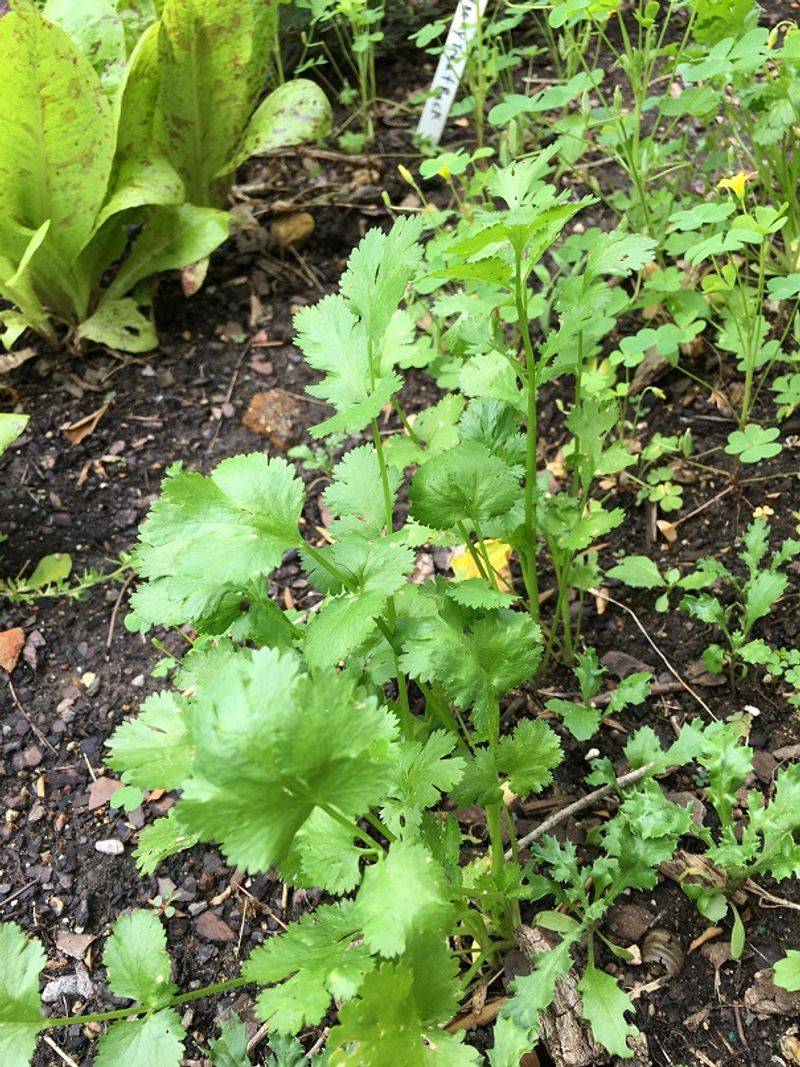
Cilantro has a strong personality, and not just in the kitchen. In the garden, it is stubborn about one thing: it absolutely prefers cool weather over heat.
That makes Pennsylvania’s early spring the perfect window to get it going. Plant it too late and the summer heat will cause it to bolt, meaning it shoots up a flower stalk and stops producing flavorful leaves almost overnight.
Getting cilantro in the ground early gives you a much longer harvest window before that happens. In Pennsylvania, you can direct sow cilantro seeds as early as late March or early April, right into cool garden soil.
The seeds germinate surprisingly well in chilly conditions, which puts cilantro in a small but impressive group of herbs that actually benefit from an early start.
Cilantro can also tolerate a light frost, so you do not need to panic if a cold night sneaks up after you have planted it.
The leaves may look a little wilted in the morning, but they usually bounce right back once the temperature climbs again. This resilience makes it a smart choice for Pennsylvania’s unpredictable spring weather.
One helpful tip is to sow small batches of cilantro seeds every two weeks rather than all at once. This approach, called succession planting, keeps fresh leaves coming throughout the spring season.
Cilantro grows quickly, so you can often harvest within three to four weeks of planting. It pairs beautifully with salsas, tacos, and Asian dishes, making it one of the most versatile herbs you can grow in a Pennsylvania spring garden.
4. Dill
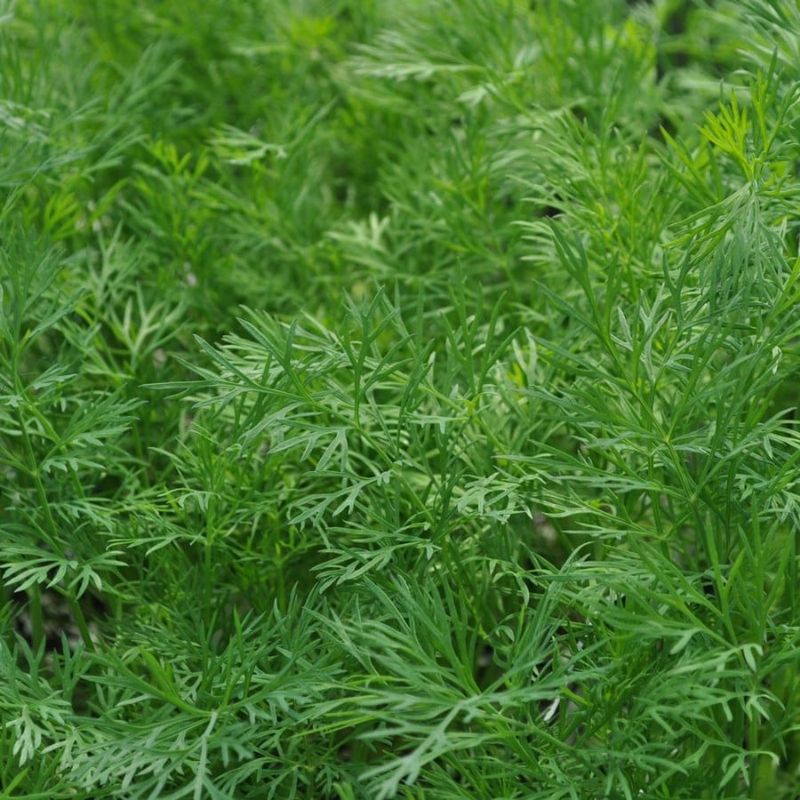
Feathery, fragrant, and surprisingly tough, dill is a cool-season superstar that deserves a spot in every Pennsylvania spring garden. Most people associate dill with pickles, but this herb is also wonderful fresh in salads, dips, and fish dishes.
The best part is that dill actually thrives when planted early in the season, long before summer herbs like basil are ready to go in the ground.
Direct sowing dill in early spring is the way to go in Pennsylvania. Dill does not like having its roots disturbed, so skipping transplants and planting seeds straight into the garden works best.
The seeds germinate well in cool soil, and the seedlings handle mild frost without much stress. Aim to get seeds in the ground in late March or early April for a strong spring crop.
Beyond its culinary uses, dill is a fantastic herb for your whole garden ecosystem. It attracts beneficial insects like ladybugs, lacewings, and parasitic wasps that help manage pest populations naturally.
If you are growing vegetables nearby, having dill in the mix is a smart strategy for keeping your garden healthy and balanced without using chemicals.
Dill grows quickly and can reach two to three feet tall by late spring. It enjoys full sun and well-drained soil, both of which are easy to provide in most Pennsylvania gardens.
Once the plants mature, you can harvest the feathery leaves regularly. Letting a few plants go to seed gives you dill seeds for cooking and free volunteers that will sprout again the following spring.
5. Basil
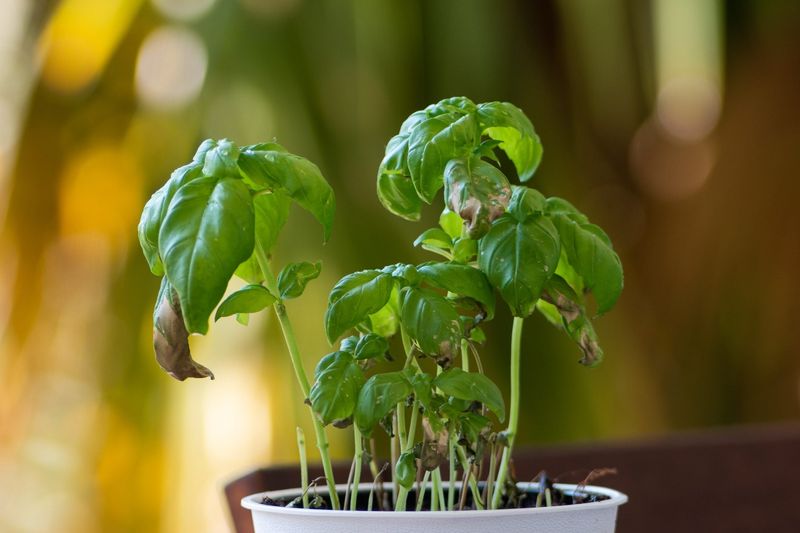
Basil is the herb that looks you right in the eye and says, “Not yet.” Pennsylvania gardeners who rush to plant basil in early spring almost always regret it.
This tropical herb is extremely sensitive to cold, and temperatures below around 50 degrees Fahrenheit can cause real damage to the leaves and roots.
Cold soil is just as harmful as cold air for basil, which is why early planting is a gamble that rarely pays off.
Even a night that dips into the low 50s can cause basil leaves to turn black and mushy. The plant does not need a hard frost to suffer.
Cool, damp spring soil in Pennsylvania slows basil’s growth dramatically and leaves it vulnerable to fungal issues and root problems. Planting too early often means losing the plant entirely and having to start over anyway.
The smart move is to wait until after the last frost date for your area of Pennsylvania, which typically falls between late April and mid-May depending on your location.
Soil temperature should be at least 60 degrees Fahrenheit, and ideally closer to 70, before basil goes in the ground.
Checking soil temperature with an inexpensive thermometer takes the guesswork out of timing.
While you wait, start basil seeds indoors under grow lights about six weeks before your planned outdoor planting date. By the time the weather cooperates, your seedlings will be strong and ready to take off.
Basil rewards patience with lush, aromatic growth through the warm summer months. Rushing it in Pennsylvania’s cool spring is one of the most common herb gardening mistakes beginners make.
6. Rosemary
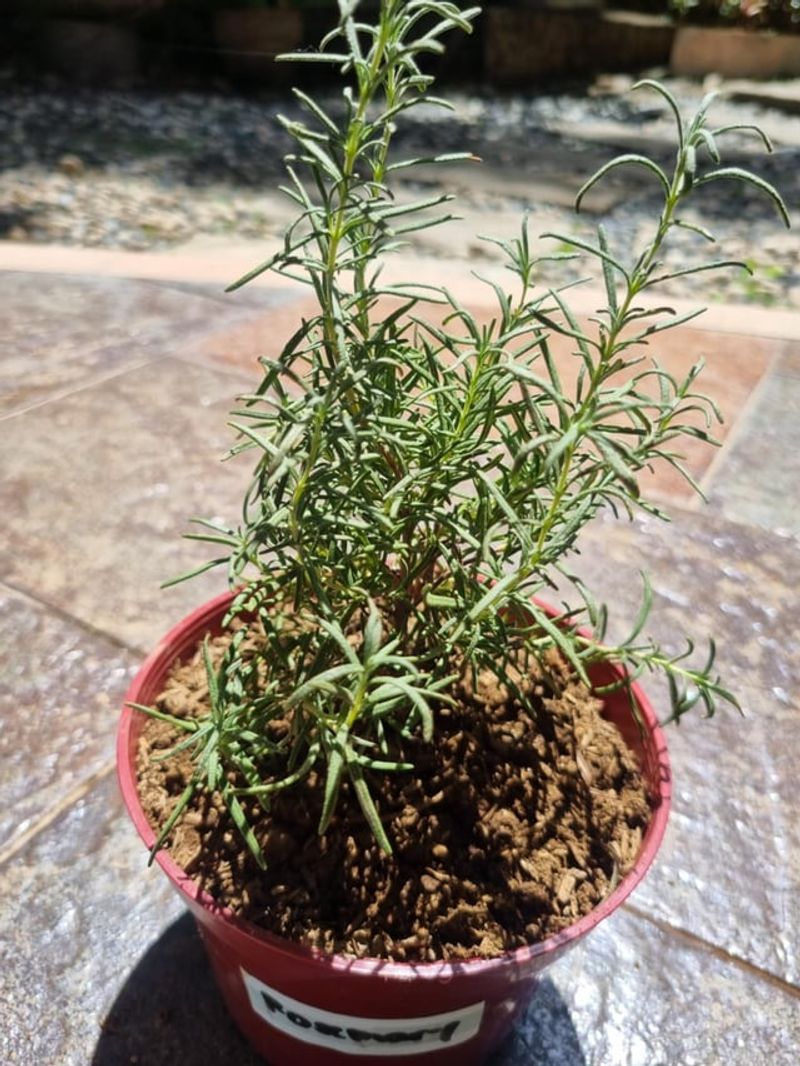
Rosemary has a reputation as a tough Mediterranean herb, and mature, well-established plants can handle a decent amount of cold. But young rosemary plants are a completely different story, especially in Pennsylvania’s wet and chilly early spring.
If you are starting with a new rosemary plant from a nursery or growing from a cutting, planting it out in early spring can put it under serious stress right from the start.
The biggest challenge is not just the cold temperatures but the combination of cold and wet soil. Rosemary roots do not do well sitting in soggy, cold ground.
That combination creates the perfect conditions for root rot, a fungal problem that spreads quickly and can wipe out a young plant before it ever gets a chance to establish itself. Pennsylvania’s spring rains make this risk even higher than in drier climates.
Young rosemary also grows very slowly when soil temperatures are cold. Even if the plant survives the wet conditions, it may just sit there looking miserable for weeks without putting on any new growth.
That slow start can make it harder for the plant to build a strong root system before the heat of summer arrives.
A smarter approach for Pennsylvania gardeners is to keep young rosemary in containers indoors or in a sheltered spot until late May or early June. Make sure the pot has excellent drainage and the plant gets plenty of light.
Once the soil warms up and the heavy spring rains taper off, rosemary will establish much more successfully and grow with much more confidence through the warmer months ahead.
7. Thyme
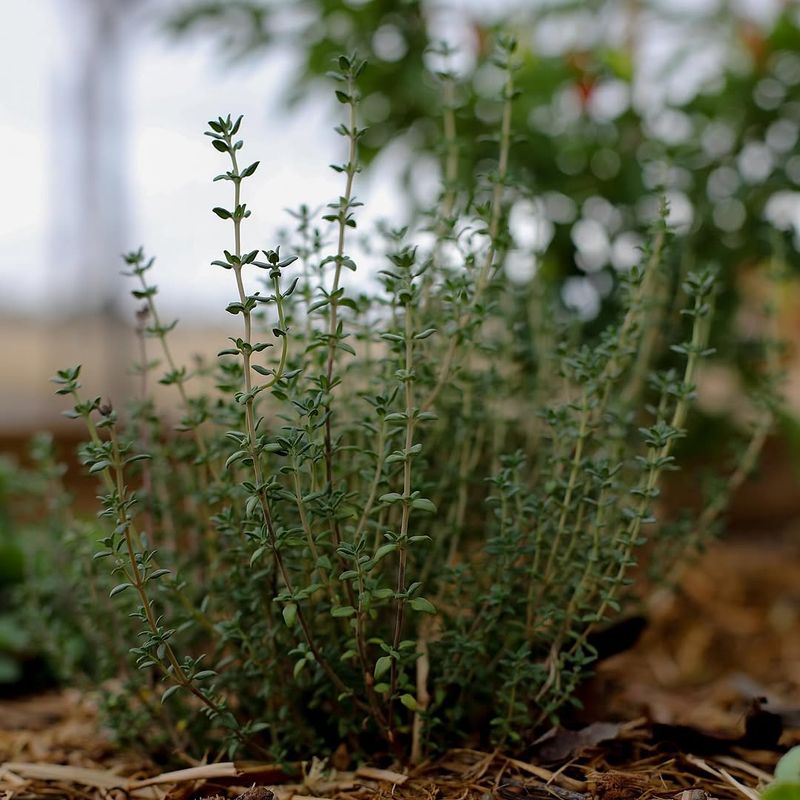
Thyme has a well-earned reputation as a tough, drought-tolerant herb that can handle harsh conditions once it is established. But here is the part that often surprises Pennsylvania gardeners: young thyme plants in early spring can be a real struggle.
Cold, wet soil is thyme’s least favorite environment, and Pennsylvania’s early spring tends to offer plenty of both.
When soil is cold and waterlogged, thyme roots sit in conditions that invite fungal problems and slow growth dramatically. You might plant thyme in March, check on it weeks later, and find it has barely moved.
That stalled growth is frustrating, and it can also leave the plant more vulnerable to disease before it has a chance to toughen up. The herb is simply not built to thrive in soggy, chilly ground.
Established thyme plants that have been in the ground for a full season or more tend to handle Pennsylvania springs much better. Their root systems are deeper and more developed, giving them better drainage and more resilience against cold and wet.
If you already have thyme in your garden from last year, chances are it will bounce back just fine once temperatures start climbing.
For new plantings, waiting until the soil warms up noticeably, usually by late May in most parts of Pennsylvania, gives thyme a much better shot at success. Well-drained soil is absolutely essential for thyme at any time of year, but it matters even more in early spring.
Adding some coarse sand or perlite to the planting area improves drainage quickly and sets new thyme plants up for a healthier, stronger growing season.