Best Landscape Plants For Michigan In 2026 For A Beautiful Garden
Michigan gardeners have a unique chance to build landscapes that look beautiful in every season, from snowy winters to lush summer days. The secret is choosing plants that truly belong here.
When you pick native and well adapted varieties, your garden becomes stronger, more colorful, and far easier to maintain. These plants handle cold, bounce back in spring, and keep your yard lively through heat, rain, and changing weather.
Even better, they attract birds, butterflies, and other local wildlife that bring your outdoor space to life. The difference is noticeable.
Instead of struggling plants and constant upkeep, you get a landscape that grows fuller and more vibrant year after year.
Whether you are starting from scratch or refreshing an existing garden, these ten standout plant choices will help you create a thriving, eye catching space that shines in every Michigan season.
1. Serviceberry (Amelanchier Canadensis)
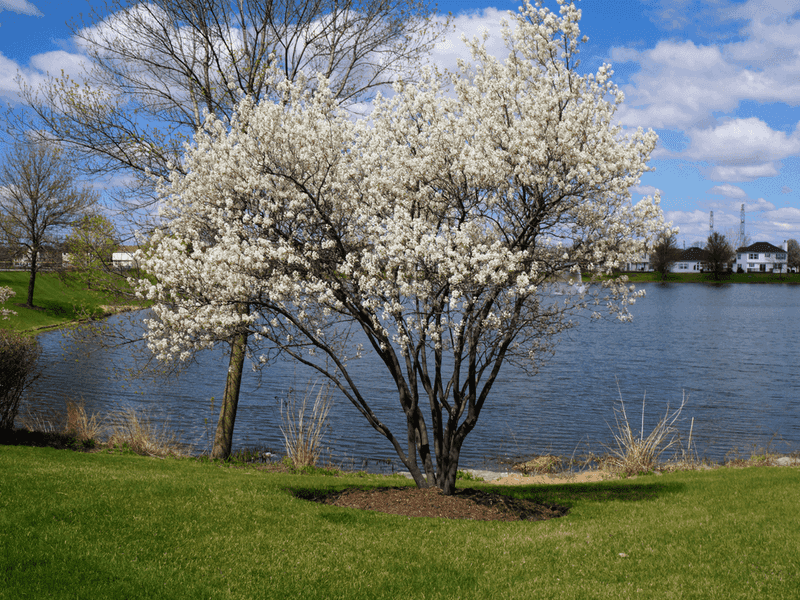
Spring arrives with a spectacular show when serviceberry bursts into clouds of delicate white flowers. This native treasure adapts beautifully to Michigan’s unpredictable weather patterns and rewards you with multiple seasons of interest.
Birds absolutely adore the sweet berries that follow the blooms, and you can enjoy them too in pies or fresh off the branch.
Growing serviceberry couldn’t be simpler for Michigan gardeners. It handles various soil types without complaint, from slightly acidic to neutral pH levels.
Full sun to partial shade works perfectly, making it versatile for different spots in your yard. The tree stays manageable in size, typically reaching 15 to 25 feet tall.
Fall transforms serviceberry into a fiery display of orange and red foliage that rivals any imported ornamental. Winter reveals attractive smooth gray bark with subtle striping that adds visual interest when other plants rest.
This multi-stemmed form creates a lovely silhouette against snowy backdrops. Established serviceberries tolerate drought surprisingly well once their roots settle in. They resist most pests and diseases naturally, saving you time and worry.
Plant one near a patio or window where you can watch songbirds feast on the June berries. This hardworking native brings beauty, food, and wildlife value all wrapped into one outstanding landscape choice.
2. Little Bluestem (Schizachyrium Scoparium)
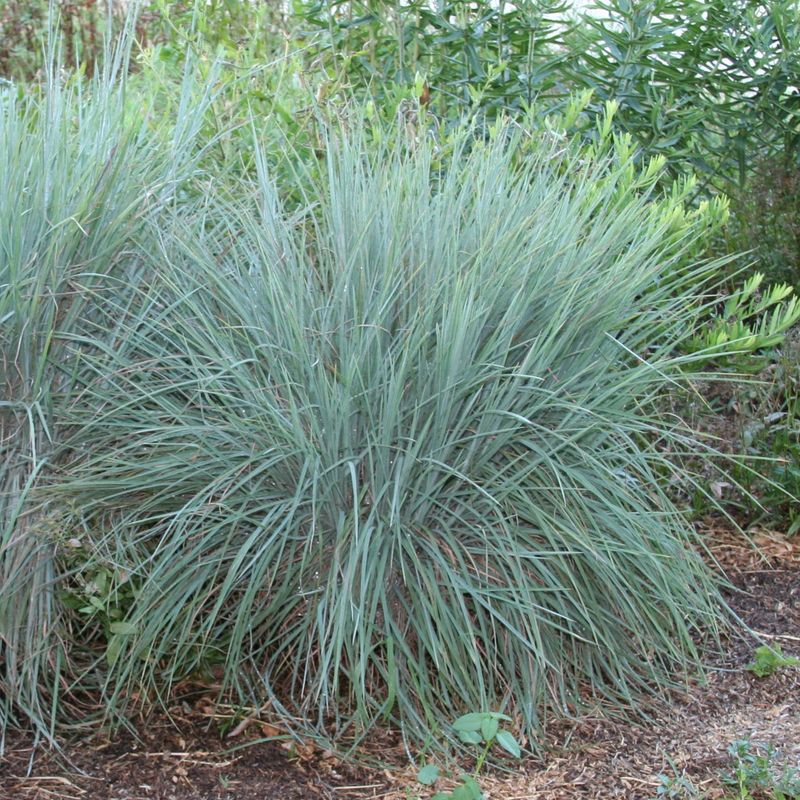
Ornamental grasses bring movement and texture that other plants simply cannot match. Little bluestem stands out as a Michigan superstar, offering year-round beauty with minimal fuss.
Its fine blue-green blades sway gracefully in summer breezes, creating a soft, natural look that complements both modern and traditional landscapes.
This prairie native evolved to handle whatever Michigan throws at it. Scorching summer heat? No problem. Bitter winter cold? It laughs in the face of subzero temperatures.
Poor soil that makes other plants sulk? Little bluestem actually prefers lean conditions and performs better without rich fertilizer.
Fall brings the real magic when foliage transforms into stunning shades of copper, orange, and burgundy. The color intensifies as temperatures drop, providing a spectacular show through October and November.
Fluffy white seed heads appear in late summer, catching sunlight and adding another dimension of beauty.
Winter structure keeps your garden interesting when most plants disappear. The dried stems stand upright through snow and ice, creating architectural interest and providing shelter for beneficial insects.
Full sun exposure brings out the best colors and strongest growth. Space plants about two feet apart for a natural meadow effect, or use them as striking accents among shrubs and perennials.
This drought-tolerant grass thrives on neglect, making it perfect for busy gardeners.
3. Purple Coneflower (Echinacea Purpurea)
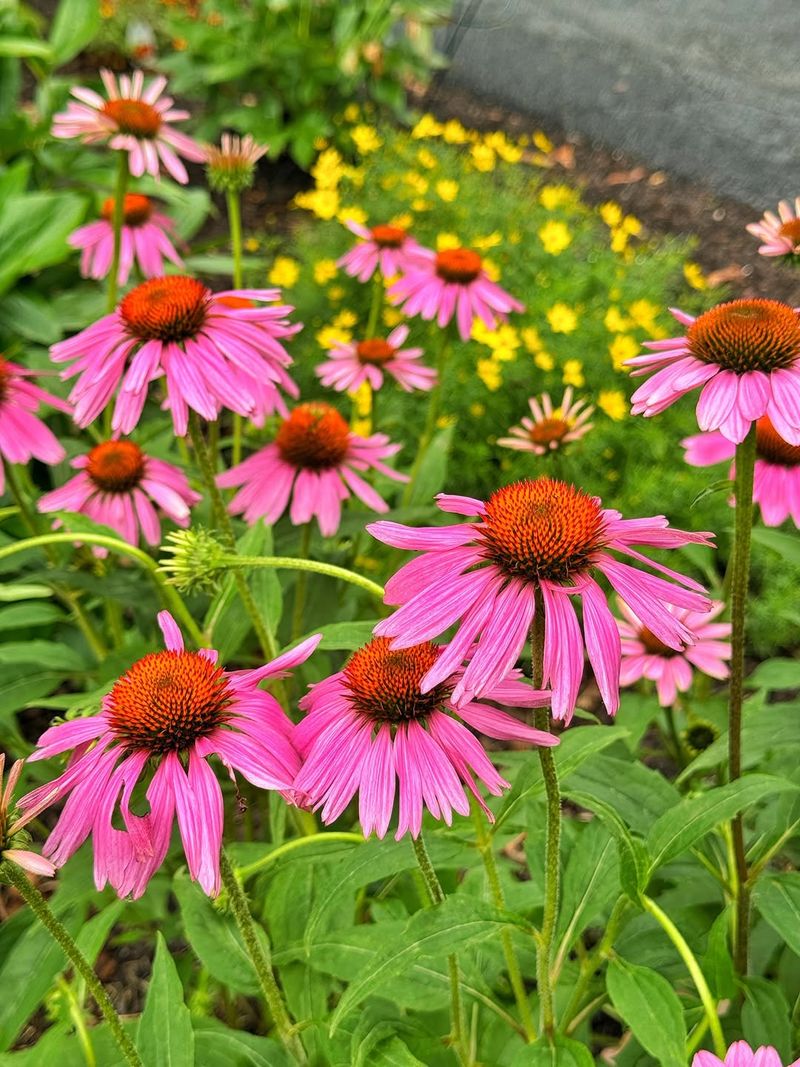
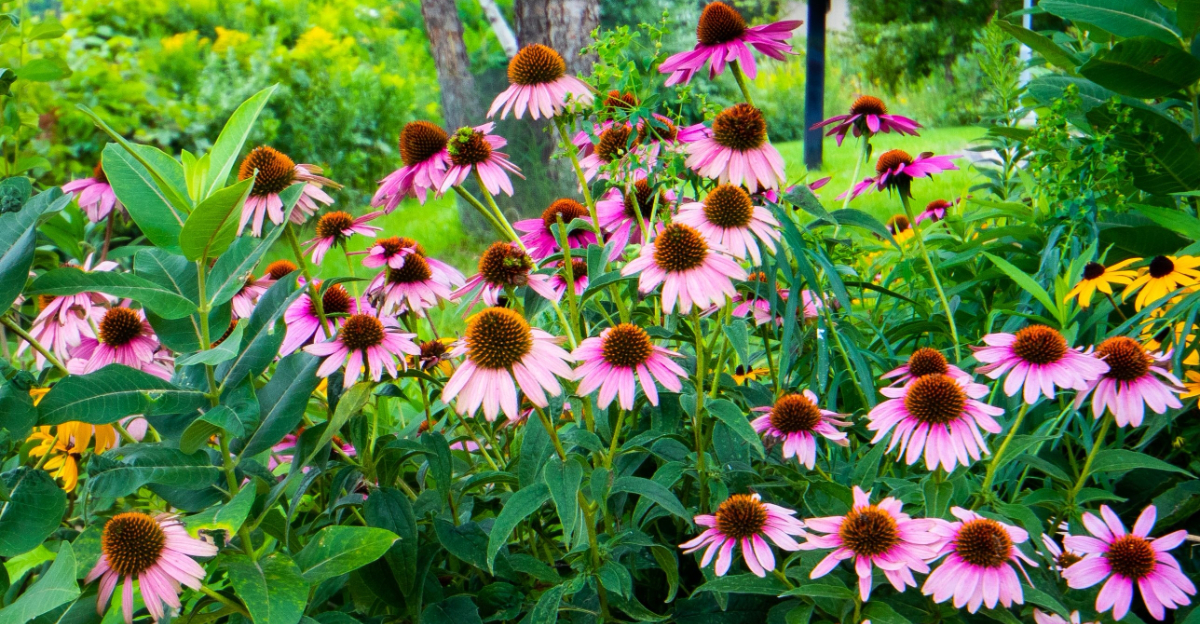
Few perennials deliver more bang for your buck than purple coneflower. Butterflies, bees, and hummingbirds flock to these cheerful blooms from June through September, turning your garden into a wildlife haven.
The distinctive raised orange centers surrounded by pink-purple petals create an iconic look that never goes out of style.
Michigan’s cold winters pose no threat to these tough natives. They bounce back reliably each spring, often growing larger and more impressive with each passing year.
Well-drained soil in full sun creates ideal conditions, though they tolerate partial shade reasonably well. Average garden soil works perfectly without amendments or special preparation.
Deadheading spent flowers encourages more blooms and extends the flowering season significantly. However, leaving some seed heads in fall provides food for goldfinches and other seed-eating birds.
The dried cones add winter interest and architectural structure to dormant garden beds.
Purple coneflowers spread slowly into attractive clumps but never become aggressive or invasive. They resist deer browsing better than many perennials, protecting your investment.
Drought tolerance improves dramatically after the first year as roots establish deeply. These reliable performers handle heat, humidity, and occasional neglect without missing a beat.
Plant them in groups of three or five for maximum visual impact and pollinator appeal throughout the growing season.
4. Red Osier Dogwood (Cornus Sericea)
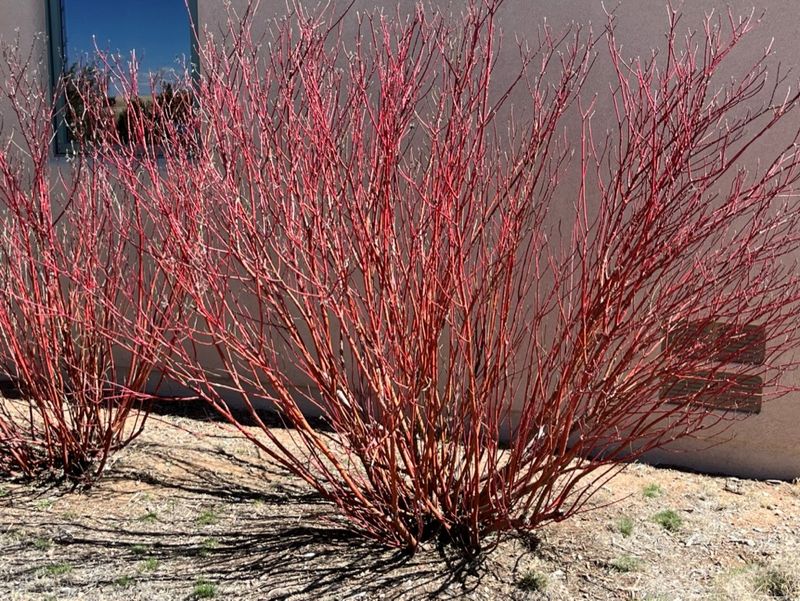
Winter landscapes often look drab and colorless, but red osier dogwood changes that equation dramatically. Brilliant red stems glow against white snow and gray skies, creating stunning visual impact when most plants offer nothing.
This native shrub earns its keep in every season while adapting to challenging conditions that frustrate other landscape plants.
Wet areas that plague many homeowners become prime real estate for red osier dogwood. It thrives in moist soils near downspouts, rain gardens, or low spots where water collects after storms.
However, it also tolerates average garden conditions surprisingly well once established, showing remarkable flexibility.
Small white flowers appear in late spring, attracting various pollinators without creating a showy display.
White berries follow in summer, providing valuable food for songbirds migrating through Michigan. The berries disappear quickly as birds devour them eagerly.
Stem color intensifies on younger growth, so periodic pruning keeps the display vibrant and eye-catching. Cutting back one-third of the oldest stems each spring encourages fresh red growth while maintaining overall plant size.
This shrub spreads by underground stems, gradually forming attractive colonies that stabilize soil and prevent erosion.
Fall foliage turns shades of burgundy and purple before dropping to reveal those spectacular red stems. Plant red osier dogwood in groups for maximum winter impact, or use it along property lines for natural screening that looks beautiful year-round.
5. Black-Eyed Susan (Rudbeckia Fulgida)
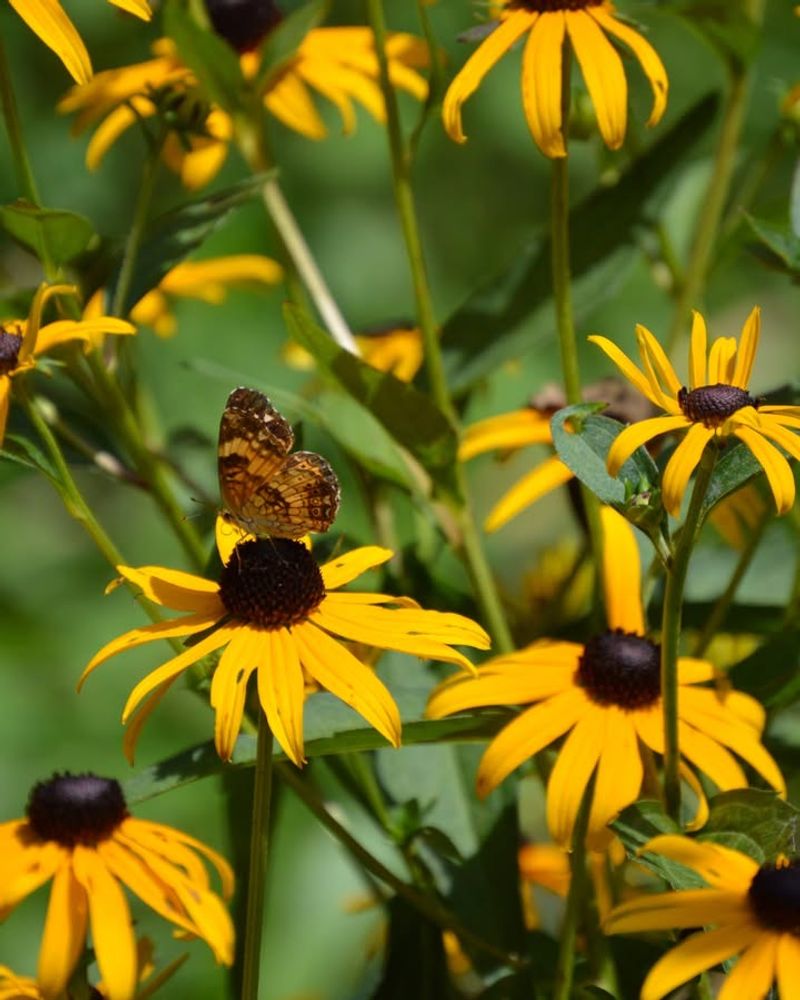
Golden sunshine seems to pour from every black-eyed Susan bloom during the peak summer months. These cheerful natives brighten gardens when heat makes many other flowers fade or struggle.
The classic combination of bright yellow petals surrounding dark chocolate centers creates instant happiness wherever they grow.
Adaptability makes black-eyed Susans perfect for Michigan gardeners at any skill level. They thrive in various soil types and handle both drought and occasional wet periods without complaint.
Full sun brings the most prolific blooming, though they manage reasonably well with four to six hours of direct light daily.
Blooming begins in early July and continues through September with proper care. Cutting flowers for indoor arrangements actually encourages more buds to form, giving you beautiful bouquets while keeping plants productive.
The flowers last well in vases, bringing outdoor beauty inside your home.
These perennials reseed readily but not aggressively, gradually filling in gaps and creating natural drifts over time. Clumps expand steadily, and dividing them every three to four years keeps plants vigorous and flowering heavily.
Goldfinches adore the seeds, performing acrobatic feeding displays in fall. Black-eyed Susans resist most pests and diseases naturally, requiring virtually no chemical interventions.
Their reliable performance and extended bloom time make them indispensable for creating colorful, low-maintenance Michigan landscapes that attract beneficial wildlife throughout the growing season.
6. Prairie Dropseed (Sporobolus Heterolepis)
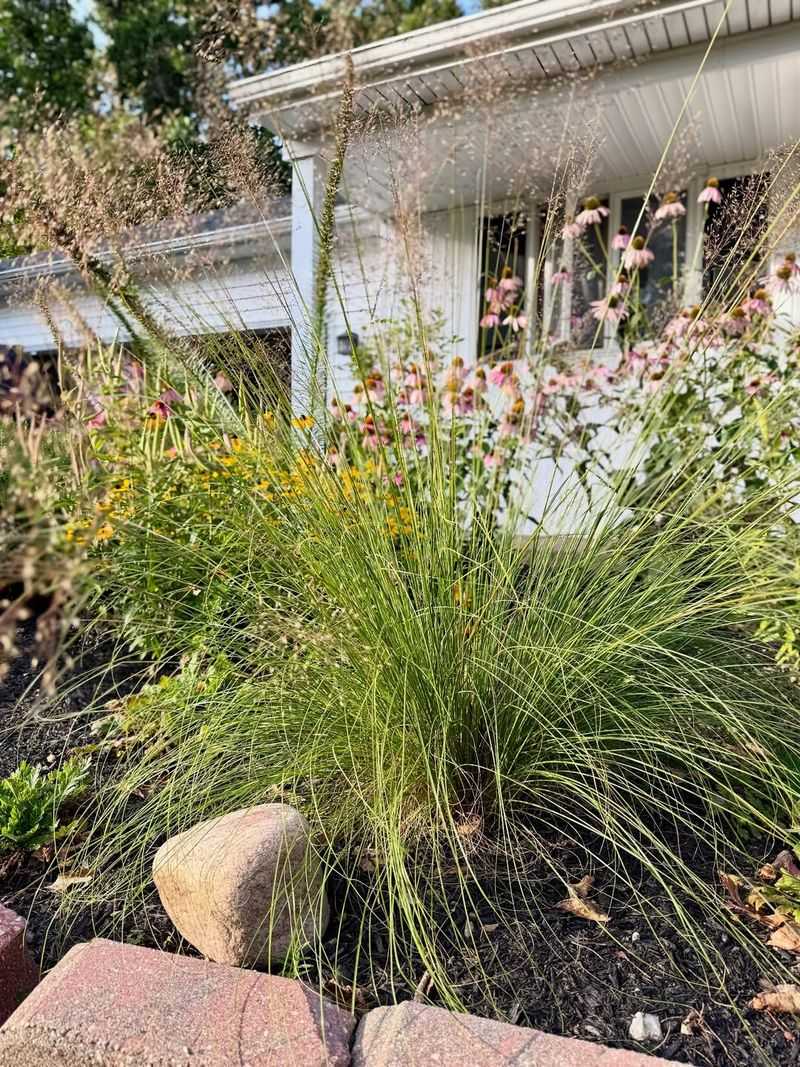
Elegance and toughness rarely combine so beautifully as they do in prairie dropseed. This native grass forms perfect mounds of ultra-fine foliage that looks almost like green fountains during the growing season.
The delicate appearance belies incredible durability and adaptability to Michigan’s challenging climate extremes.
Texture sets prairie dropseed apart from coarser ornamental grasses in the landscape. The thread-like leaves create a soft, flowing effect that contrasts wonderfully with bold perennials and shrubs.
Plants maintain their tidy mounding shape without flopping or spreading aggressively, making them ideal for borders and mass plantings.
Late summer brings airy flower panicles that rise above the foliage on thin stems. The blooms release a distinctive fragrance often compared to buttered popcorn or cilantro, adding an unexpected sensory element.
Seeds attract small birds that appreciate the food source in fall. Fall color transforms the green mounds into shades of orange, gold, and copper that rival any tree. The color persists well into late autumn, extending seasonal interest significantly.
Winter finds the dried foliage standing strong through snow and ice, providing structure and movement.
Full sun and well-drained soil create perfect conditions for prairie dropseed to thrive. It tolerates drought exceptionally well once established, rarely needing supplemental water.
This low-maintenance native grass resists pests and diseases naturally while providing year-round beauty that enhances any Michigan landscape design.
7. New ‘Beyond Midnight’ Bluebeard (Caryopteris × Clandonensis)
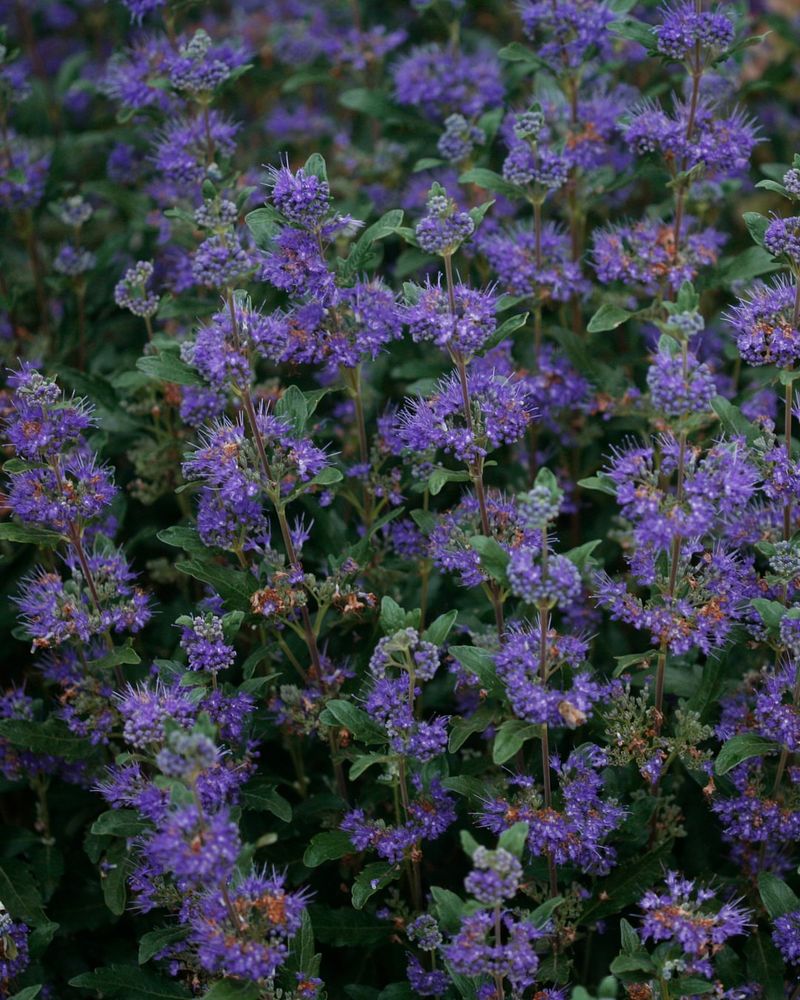
Late summer can leave gardens looking tired and past their prime. Beyond Midnight bluebeard arrives like a breath of fresh air precisely when you need it most.
Deep blue-purple flowers cover this compact shrub from August through September, attracting clouds of butterflies and bees during a critical time when food sources dwindle.
This newer cultivar improves on traditional bluebeard varieties with darker foliage and more intense flower color. The silvery-green leaves create a beautiful backdrop for the vivid blooms, making the blue tones appear even more saturated.
Plants stay naturally compact, typically reaching two to three feet tall and wide without pruning.
Full sun exposure brings the heaviest flowering and best overall performance. Well-drained soil is essential, as bluebeard dislikes wet feet during winter months.
Sandy or loamy soils work perfectly, and the plant tolerates alkaline conditions that trouble many flowering shrubs.
Cold hardiness in Michigan requires some consideration, as bluebeard may experience winter stem damage in harsh years.
However, it blooms on new growth, so spring pruning removes any damaged wood and encourages vigorous flowering. Cut plants back to six inches in early spring before new growth begins.
Aromatic foliage releases a pleasant fragrance when brushed or crushed, adding another sensory dimension. Deer typically avoid bluebeard due to the scented leaves, protecting your landscape investment.
This pollinator magnet deserves a spot near patios or walkways where you can enjoy the late-season butterfly show it provides.
8. Wild Columbine (Aquilegia Canadensis)
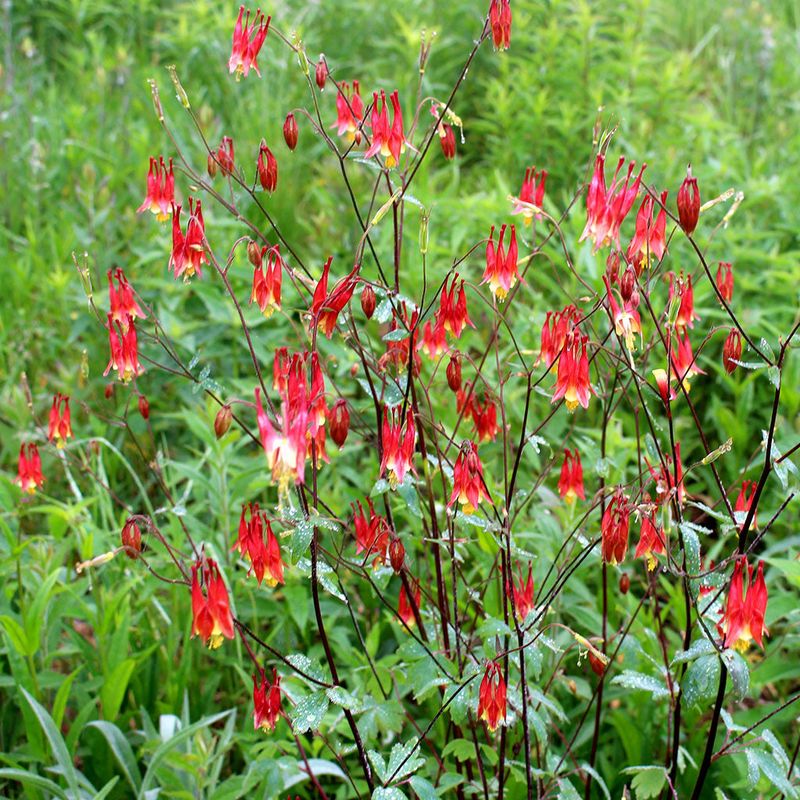
Woodland gardens come alive in spring when wild columbine unfurls its distinctive red and yellow flowers. The nodding blooms dangle like tiny lanterns from delicate stems, creating an enchanting display that signals winter’s end.
Hummingbirds arrive at precisely the right moment to feast on the nectar-rich flowers, often returning to the same plants year after year.
Native to eastern woodlands, wild columbine adapts perfectly to Michigan’s shaded garden conditions. It thrives under deciduous trees where dappled sunlight filters through the canopy.
The plant blooms in April and May before tree leaves fully expand, taking advantage of early spring light.
Growing wild columbine from seed is remarkably easy and rewarding. Plants self-sow readily without becoming weedy or aggressive, gradually naturalizing in suitable conditions.
Seedlings appear in unexpected spots, creating charming surprises throughout woodland areas. Allow some spent flowers to mature and scatter seeds naturally.
Foliage resembles delicate maidenhair fern leaves, remaining attractive after flowers fade. The blue-green foliage provides textural interest through summer before going dormant in fall.
Plants handle dry shade reasonably well once established, though consistent moisture produces the best growth and flowering.
Wild columbine combines beautifully with other native woodland plants like ferns, trilliums, and Solomon’s seal. It fills the important early spring niche when few other flowers bloom, providing crucial food for emerging pollinators.
This charming native brings authentic Michigan woodland character to shaded gardens while supporting local wildlife populations throughout the growing season.
9. Ninebark ‘Ginger Wine’ (Physocarpus Opulifolius)
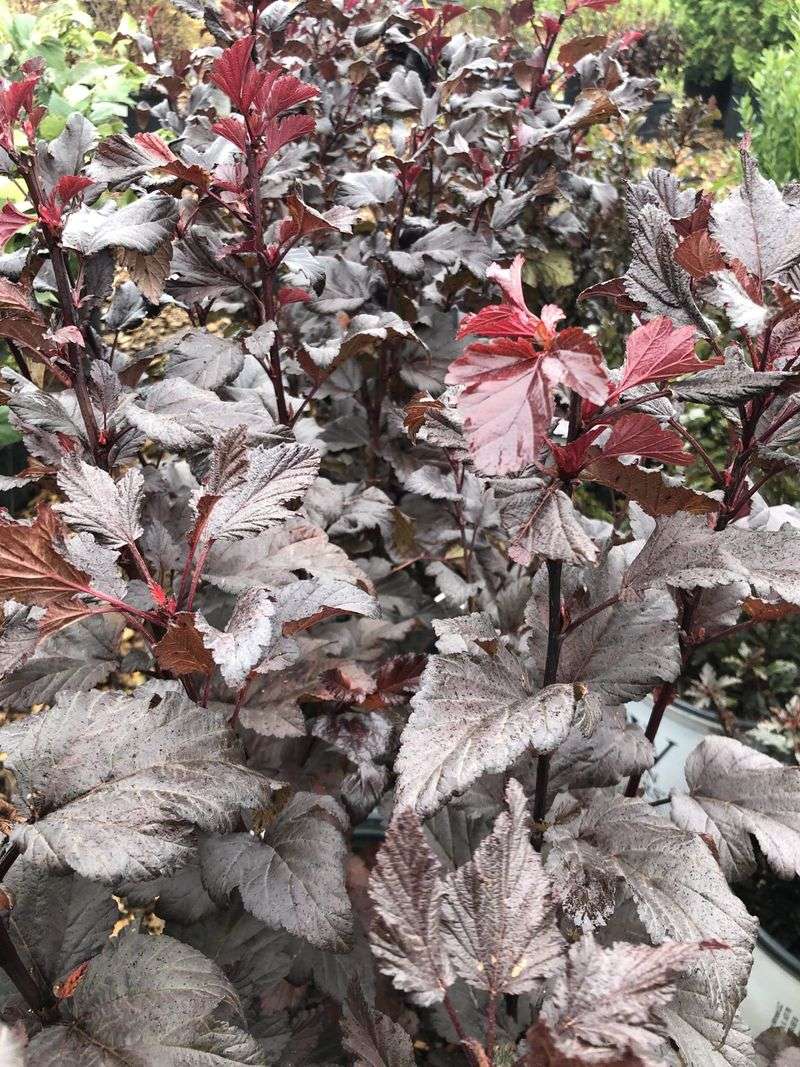
Bold foliage color transforms ordinary landscapes into extraordinary spaces. Ginger Wine ninebark delivers exactly that transformation with stunning burgundy-purple leaves that hold their color beautifully throughout the growing season.
This newer cultivar of a tough native shrub combines outstanding ornamental value with the bulletproof hardiness Michigan gardeners need.
Adaptability makes Ginger Wine ninebark a smart choice for various landscape situations. It handles full sun to partial shade, though foliage color intensifies with more direct light.
The shrub tolerates clay soils, sandy soils, and everything in between without special amendments or preparations.
Spring brings clusters of small white or pale pink flowers that contrast beautifully against the dark foliage. Pollinators visit the blooms eagerly, adding movement and life to your garden.
The flowers give way to attractive seed pods that add textural interest through summer and fall.
Exfoliating bark becomes visible as plants mature, revealing layers of tan and cinnamon tones underneath. This adds winter interest when leaves drop and gardens need visual elements to prevent boredom.
The natural branching structure creates an attractive silhouette against snow or evergreen backdrops.
Mature size reaches five to six feet tall and wide, making Ginger Wine perfect for foundation plantings, mixed borders, or informal hedges. Pruning flexibility allows you to maintain smaller sizes or let plants develop naturally.
This low-maintenance native cultivar resists pests and diseases while providing year-round beauty and supporting local wildlife in Michigan landscapes.