10 Best Native Wildflowers For Montana Backyards This Year
Montana is wild at heart. Nowhere is that more obvious than in its wildflowers.
Every spring and summer, hillsides and open plains burst into color as native blooms take over the landscape.
That same beauty can thrive much closer to home. Many of Montana’s most striking wildflowers grow just as happily in backyard gardens, bringing a little piece of the state’s untamed charm right to your doorstep.
And here’s the best part. Native wildflowers don’t ask for much.
Give them a bit of space and the right varieties, and your yard can start to look like a living slice of the Montana landscape.
Rocky Mountain Columbine (Aquilegia Caerulea)
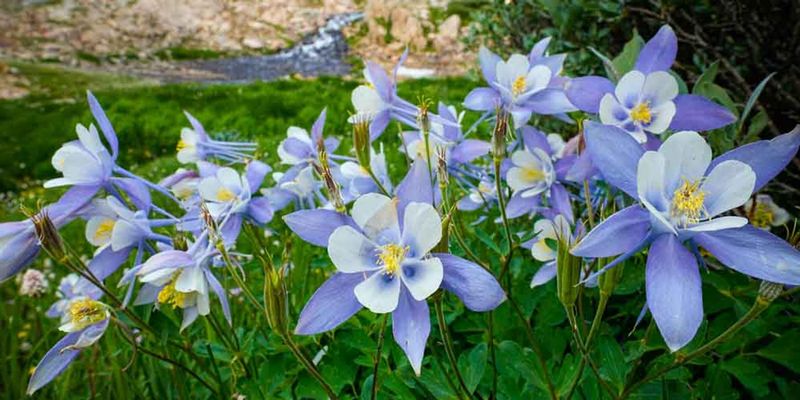
Few flowers stop people in their tracks quite like the Rocky Mountain Columbine. Its nodding, spurred blooms in shades of blue, violet, and white look like something straight out of a fairy tale.
Montana gardeners have adored this wildflower for generations, and it is easy to see why.
Rocky Mountain Columbine thrives in partially shaded spots with well-drained soil, making it a wonderful fit for mountain-facing backyards.
It blooms from late spring through midsummer, giving you weeks of gorgeous color.
Hummingbirds absolutely cannot resist its nectar-rich flowers, so expect some tiny, buzzing visitors.
Plant seeds in fall or start them indoors six to eight weeks before the last frost.
Once established, this columbine is surprisingly drought-tolerant and low-maintenance.
It self-seeds freely, meaning your garden will get more beautiful every single year without much effort from you.
Fun fact: Native tribes across the region used columbine seeds for medicinal and ceremonial purposes for centuries.
That deep history makes growing it feel even more meaningful.
Add Rocky Mountain Columbine to your yard and enjoy a living piece of Montana’s natural heritage.
Blanket Flower (Gaillardia)
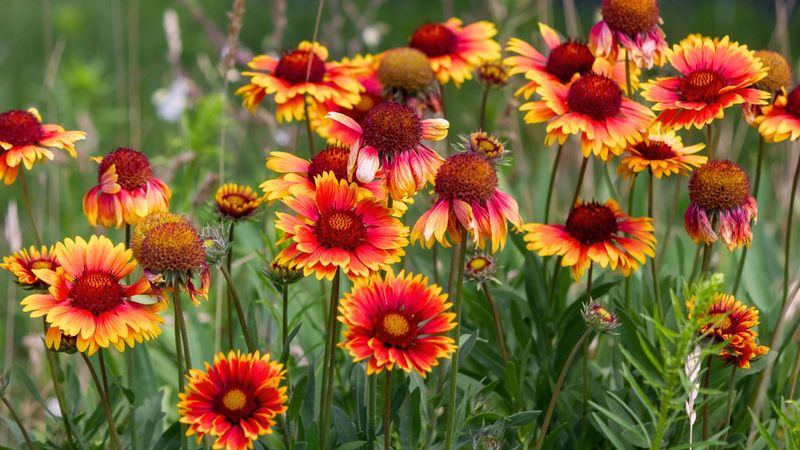
Imagine a flower so bold and fiery it looks like a tiny sunset growing right in your backyard. That is exactly what Blanket Flower brings to a Montana garden.
Its red, orange, and yellow petals radiate energy from the moment they open.
Gaillardia is one of the toughest native wildflowers you can grow in Montana’s sometimes unpredictable climate.
It thrives in full sun and poor, dry soils where many other plants would struggle.
Once you plant it, it practically takes care of itself through hot summers and chilly nights.
Blooming from early summer all the way into fall, Blanket Flower gives you one of the longest flowering seasons of any native plant.
Bees, butterflies, and even goldfinches are drawn to its cheerful blooms.
Cutting spent flowers regularly encourages even more blooms to appear.
Start seeds directly in the garden after the last frost, or transplant nursery starts for faster color.
Blanket Flower spreads gently over time, slowly filling in bare spots with warm, vivid color.
For a low-effort, high-impact wildflower that thrives in Montana’s sunshine, nothing beats this radiant native gem.
Pale Purple Coneflower (Echinacea Angustifolia)
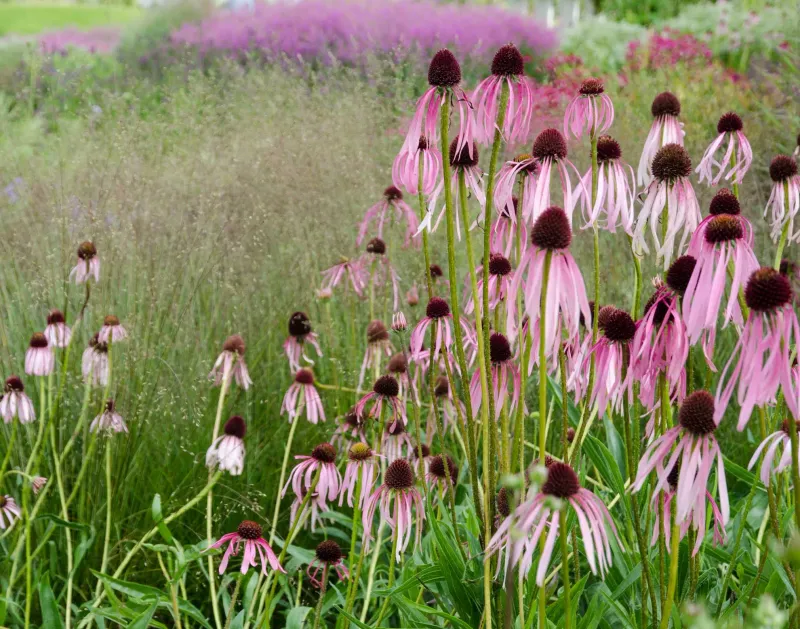
Pale Purple Coneflower brings a gentle, natural beauty to any backyard. Its soft lavender petals with prominent orange-brown centers nod gracefully, giving your garden a wild, yet elegant charm from summer into early fall.
Montana’s sunny, open landscapes are perfect for this hardy wildflower. Like other Echinacea varieties, Pale Purple Coneflower is cherished not only for its beauty but also for its long history as a herbal remedy.
Native peoples of the Great Plains used Echinacea for its powerful properties long before modern medicine took notice. Growing it at home connects you to that rich, centuries-old tradition.
Plant Pale Purple Coneflower in full sun with average, well-drained soil. Once established, it tolerates drought exceptionally well, making it ideal for Montana’s dry summer stretches.
If grown from seed, expect blooms in the second year, but the wait is absolutely worth it.
Pollinators adore this flower. Bees, butterflies, and even hummingbirds visit regularly throughout the season.
Leaving the seed heads standing through winter attracts finches and sparrows looking for a snack.
Pale Purple Coneflower is a true all-season performer, rewarding Montana gardeners with beauty, wildlife activity, and a deep connection to the land.
Blue Wild Flax (Linum Lewisii)
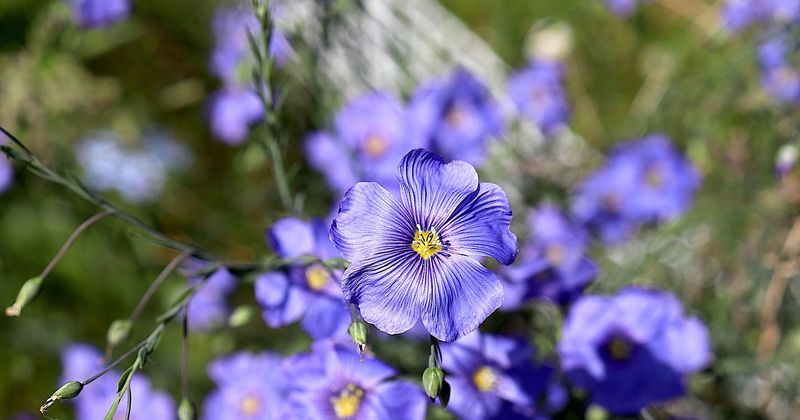
There is something almost poetic about Blue Wild Flax.Its tissue-paper-thin petals in the softest shade of sky blue flutter in the breeze like tiny flags celebrating summer.
Montana’s open meadows and prairies have been home to this wildflower for thousands of years.
Blue Wild Flax is one of the easiest native wildflowers to establish from seed.Scatter seeds directly on bare soil in early spring or fall, and nature does the rest.
It germinates quickly and blooms within its first season, rewarding impatient gardeners almost immediately.
Each individual flower lasts only a single day, but the plant produces so many buds that the display continues for weeks.That constant renewal gives your garden a fresh, lively energy all through summer.
The slender, airy stems also make it a lovely filler plant between bolder bloomers.
Pollinators adore Blue Wild Flax, especially native bees that rely on its pollen in early summer.It naturalizes easily, spreading gently through self-seeding without becoming invasive.
Historically, Indigenous peoples used flax fibers for cordage and its seeds for food, giving this lovely little plant a truly fascinating story worth sharing.
Showy Milkweed (Asclepias Speciosa)
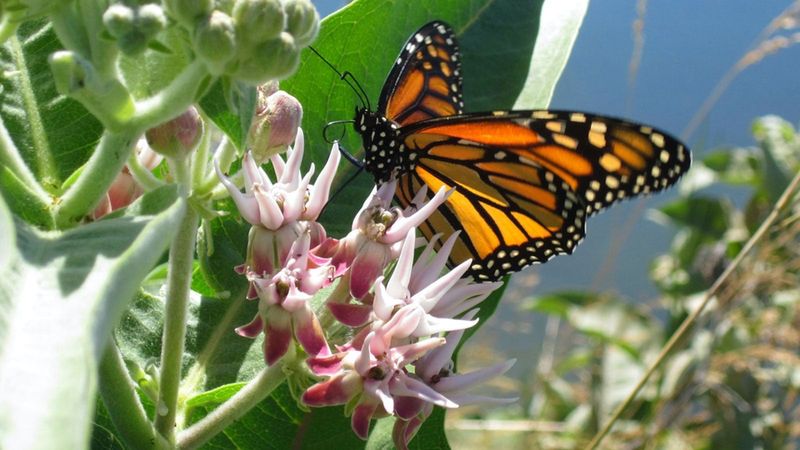
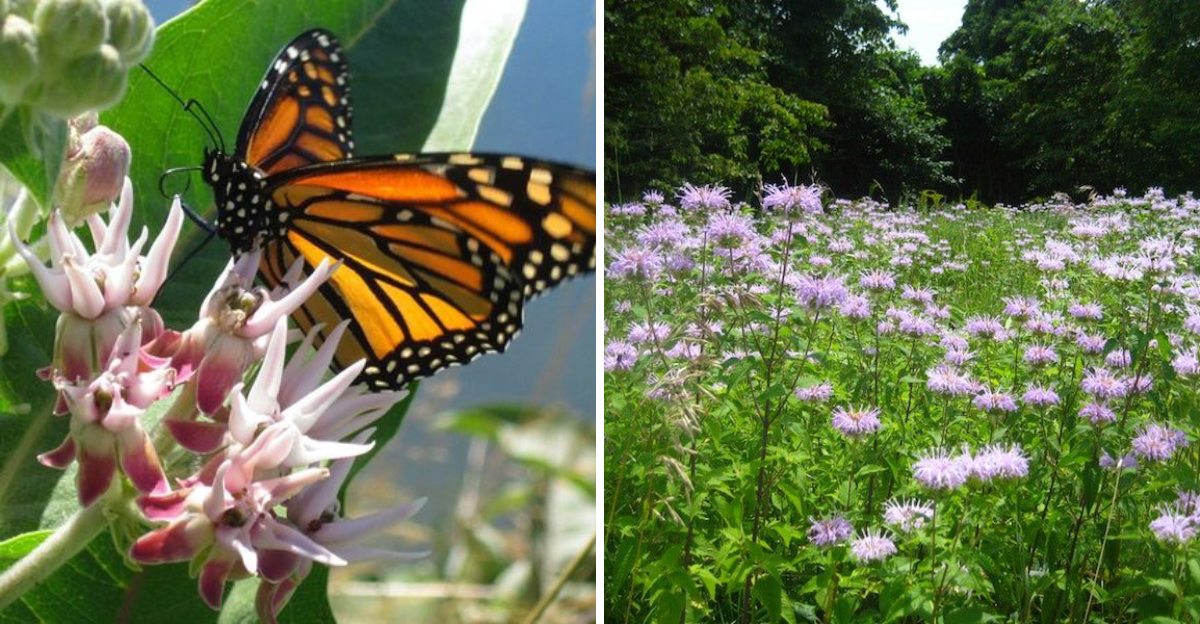
Showy Milkweed is not just a wildflower, it is a lifeline.
Monarch butterflies depend on milkweed to survive, and planting it in your Montana backyard directly supports one of nature’s most iconic migrations.
Watching a monarch flutter through your garden is a moment you will never forget.
Beyond its ecological importance, Showy Milkweed is genuinely beautiful.
Clusters of rosy-pink, star-shaped flowers bloom from late spring through midsummer, filling the air with a sweet, vanilla-like fragrance.
The large, paddle-shaped leaves add bold texture to any garden bed.
Plant it in full sun with average to dry soil, it handles Montana’s tough conditions with ease.
Showy Milkweed spreads through underground rhizomes, so give it a bit of room to roam.
Once established, it comes back stronger every year with very little care needed from you.
Beyond monarchs, this plant attracts dozens of other pollinator species including bumblebees, fritillary butterflies, and hawk moths.
The dramatic seed pods that form in late summer split open to release silky, wind-carried seeds.
Planting Showy Milkweed is one of the most impactful things a Montana gardener can do for local wildlife this year.
Fireweed (Chamerion Angustifolium)
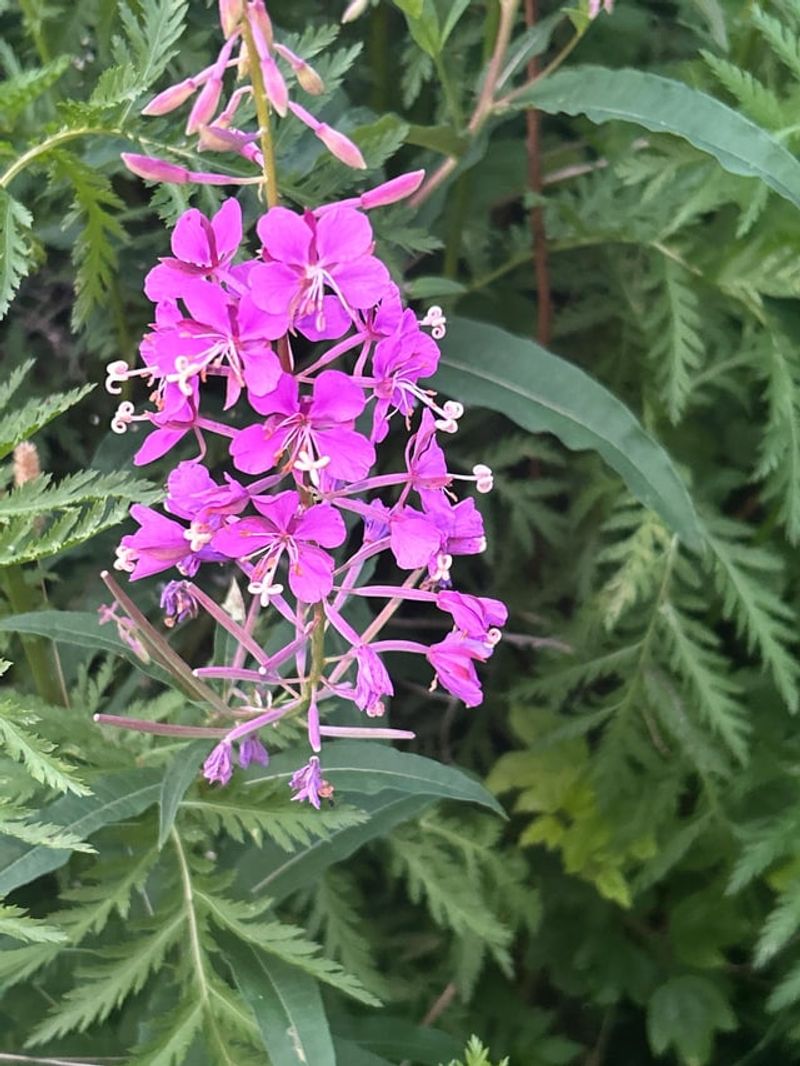
Ask any Montanan which wildflower reminds them of summer, and Fireweed will come up every single time.
Its tall, elegant spikes of magenta-pink blooms are a beloved symbol of the state’s wild beauty.
Seeing it bloom is almost like watching Montana itself come fully alive.
Fireweed gets its name from its remarkable ability to be one of the first plants to return after a wildfire.
That resilience is part of what makes it so special, it thrives where others cannot.
In your backyard, it brings that same unstoppable energy to garden beds and borders.
It grows best in full to partial sun and prefers moist, well-drained soil.
Fireweed can reach four to six feet tall, so place it toward the back of garden beds for a dramatic backdrop.
It spreads via underground runners and wind-carried seeds, filling in spaces naturally over time.
Bees absolutely love Fireweed, and it is a major honey plant across the Pacific Northwest and Rocky Mountain regions.
The young shoots are even edible and were traditionally used by Indigenous communities as a vegetable.
For bold height, vivid color, and serious ecological value, Fireweed earns its place in any Montana backyard.
Prairie Smoke (Geum Triflorum)
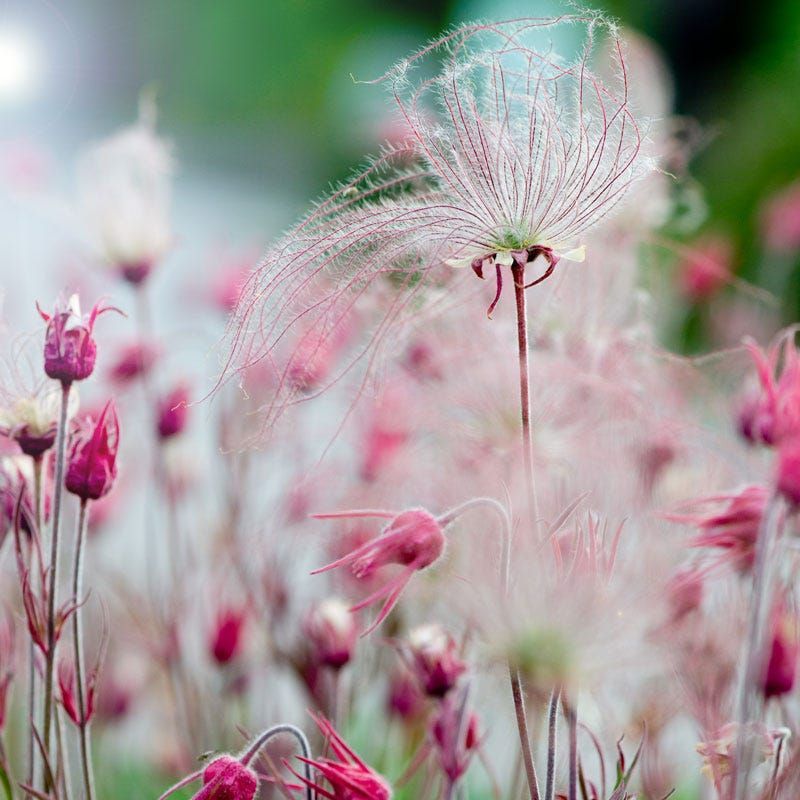
Prairie Smoke has one of the most dramatic transformations in the entire wildflower world.What starts as nodding, reddish-pink bell-shaped flowers turns into wispy, smoke-like seed plumes that glow in the afternoon sun.
Honestly, it looks like something a fantasy artist would dream up.
Native to Montana’s grasslands and open meadows, Prairie Smoke is perfectly adapted to the state’s cold winters and dry summers.It is a low-growing plant, typically reaching just six to twelve inches tall, making it ideal for rock gardens and garden borders.
Its ferny, textured foliage stays attractive even when it is not in bloom.
Plant Prairie Smoke in full sun with well-drained, even rocky soil.It is extremely cold-hardy and drought-tolerant once established, asking very little of you in return for a lot of visual interest.
Spring is the best time to plant nursery starts, though fall seeding also works well.
Early-season bumblebees are the primary pollinators of Prairie Smoke, visiting before many other flowers have even opened.The feathery seed plumes persist well into summer, extending its visual season beautifully.
For a wildflower that is truly unlike anything else, Prairie Smoke deserves a proud spot in your Montana garden.
Lewis’s Mock Orange (Philadelphus Lewisii)
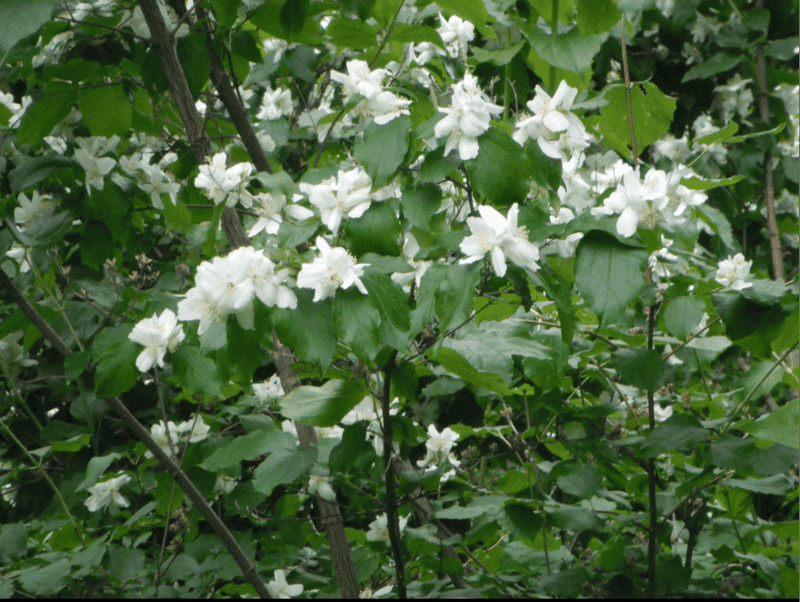
Named after the legendary explorer Meriwether Lewis, this native shrub carries a piece of Montana history in every bloom.Lewis’s Mock Orange fills the air with an intoxicating orange-blossom fragrance that stops people mid-step and draws them closer.
Few plants make a Montana backyard feel more welcoming than this one.
Technically a flowering shrub rather than a herbaceous wildflower, Mock Orange earns its spot on this list through sheer beauty and native status.Clusters of pure white, four-petaled flowers cover the arching branches in late spring and early summer.
The effect is absolutely breathtaking, especially when viewed against a clear Montana sky.
Plant it in full sun to partial shade in well-drained soil.Mock Orange is cold-hardy to well below freezing, making it an excellent choice for Montana’s harsh winters.
It grows six to ten feet tall and wide, so give it plenty of room to show off.
Native bees and butterflies are frequent visitors to its fragrant blooms.After flowering, the shrub provides dense cover for nesting birds throughout summer and fall.
Lewis himself collected specimens near the Bitterroot Valley in 1806, so every time this shrub blooms, it whispers a little of that wild frontier spirit into your yard.
Yellow Prairie Coneflower (Ratibida)
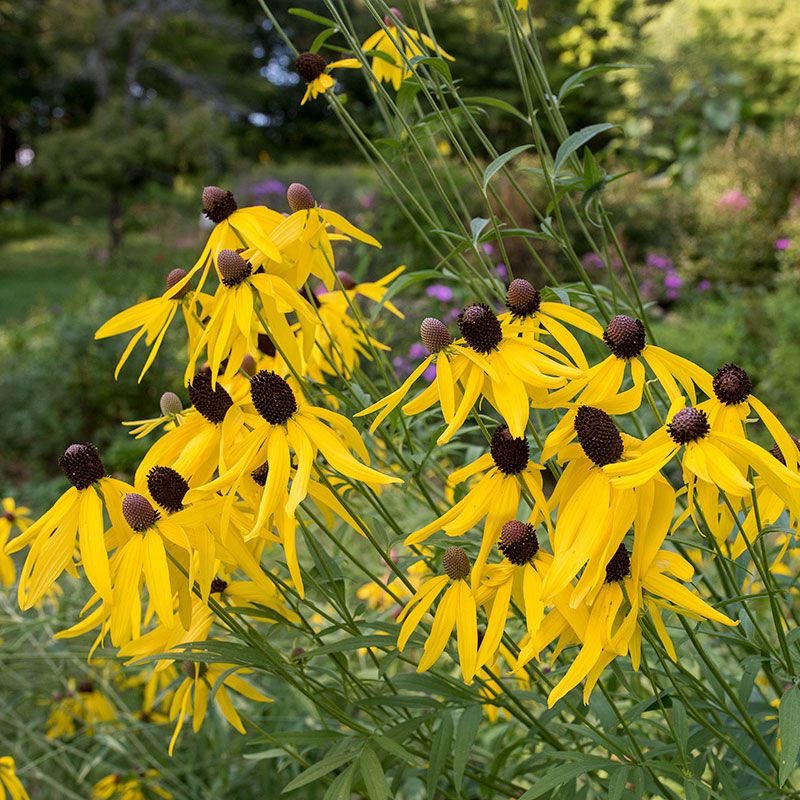
Yellow Prairie Coneflower has a quirky, unmistakable look that makes it stand out in any garden.Its long, thimble-shaped brown center towers above drooping yellow petals, earning it the charming nickname Mexican Hat.
Once you see it, you will never confuse it with anything else.
Native to Montana’s prairies and roadsides, Ratibida columnifera is built for tough conditions.It thrives in full sun, tolerates poor and rocky soils, and shrugs off summer heat with ease.
For gardeners who want big color without big effort, this is a dream plant.
Sow seeds directly into your garden in early spring or fall.Yellow Prairie Coneflower blooms from early summer through fall, giving you months of cheerful, nodding color.
It self-seeds reliably, naturalizing into drifts that get more impressive with each passing year.
Butterflies and native bees are especially fond of this wildflower, making it a fantastic addition to any pollinator garden.Birds also visit the dried seed heads in late fall and winter, giving the plant a year-round purpose.
With its playful appearance and rugged personality, Yellow Prairie Coneflower brings an undeniable sense of fun and wildness to any Montana backyard landscape.
Wild Bergamot (Monarda Fistulosa)
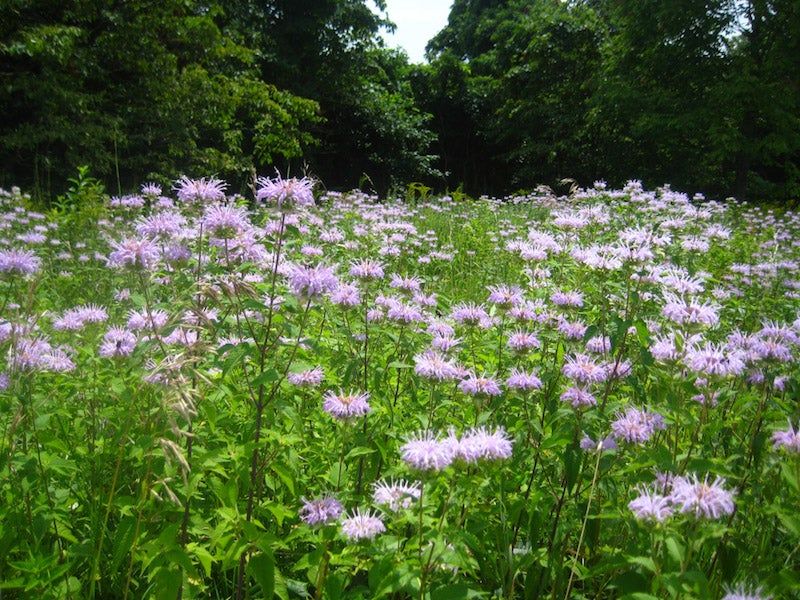
Crush a leaf of Wild Bergamot between your fingers and you are instantly hit with a warm, oregano-like fragrance that feels both wild and familiar.
This native mint-family plant has been growing across Montana’s meadows and open woodlands for centuries.
Its lavender-purple flower clusters are as beautiful as they are useful.
Wild Bergamot blooms from midsummer into early fall. The rounded, shaggy flower heads attract an incredible variety of pollinators including bumblebees, hawk moths, and fritillary butterflies.
It is genuinely one of the best pollinator plants you can grow in a Montana backyard.
Plant it in full sun to light shade with average, well-drained soil.
Wild Bergamot handles drought well once established and spreads slowly through underground rhizomes.
Divide clumps every few years to keep it vigorous and to share starts with friends and neighbors.
Indigenous communities across the region used Wild Bergamot medicinally for centuries, brewing teas to treat colds and respiratory issues.
That rich history adds another layer of meaning to an already wonderful plant.
For fragrance, wildlife value, and late-season color all in one, Wild Bergamot is an absolute must-have for Montana gardens this year.