10 Best Plants For An Arizona Mediterranean Landscape Design
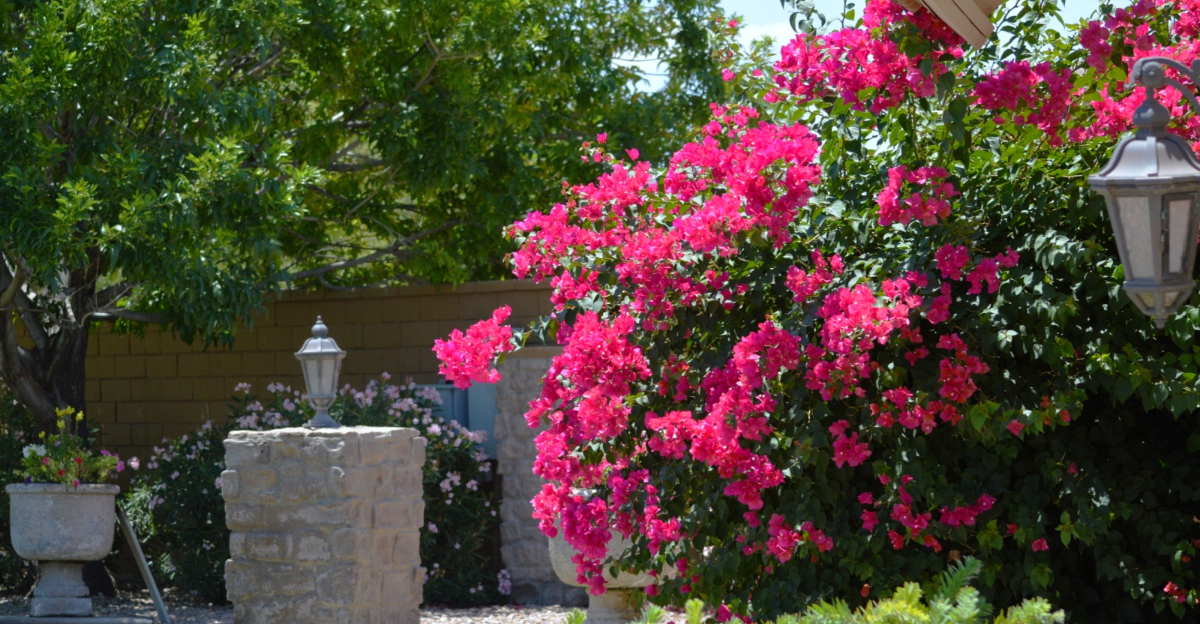
Sun-washed courtyards, silvery leaves, and the scent of rosemary feel right at home in Arizona. The state’s long sunny days, dry air, and fast-draining soil create perfect conditions for Mediterranean plants to thrive.
Gardeners love this style because it works with the desert instead of against it. Olive trees offer gentle shade.
Lavender adds color and fragrance along paths. Sculptural succulents bring bold shapes that handle the heat.
The result is a yard that feels warm, inviting, and effortlessly put together. With the right plant mix, intense summers and mild winters become part of the charm.
Less lawn, more texture, and lasting personality make a Mediterranean-inspired Arizona garden both easy and full of character.
1. Olive Tree Brings Classic Mediterranean Structure With Silvery Foliage
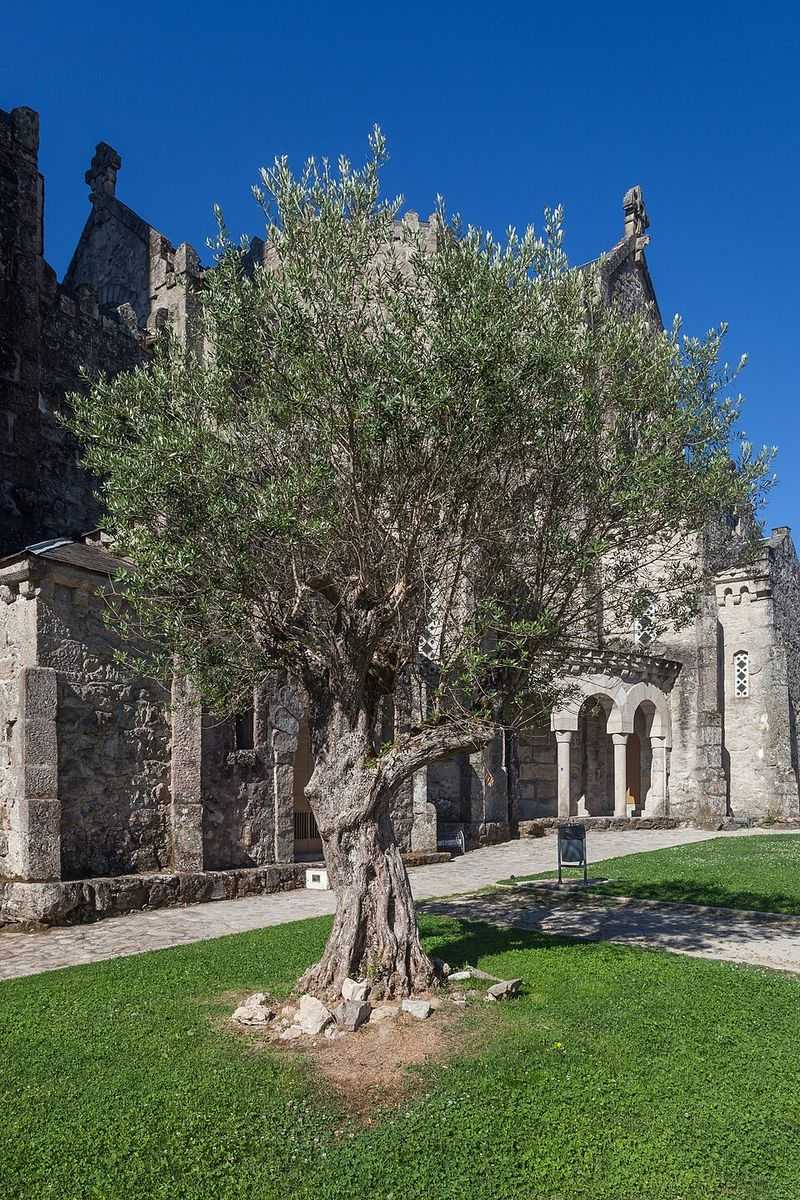
Few trees carry the timeless elegance of the olive. For centuries, olive groves have shaped Mediterranean landscapes, and the tree adapts comfortably to many warm regions of Arizona.
Narrow silvery leaves catch the desert sunlight and create a soft, shimmering canopy. That gentle texture contrasts beautifully with stucco walls, stone pathways, and gravel courtyards commonly found in Mediterranean-style landscapes.
Arizona gardeners often place olive trees in courtyards, along long driveways, or near patios where the branching structure becomes a focal point.
Fruitless cultivars such as ‘Swan Hill’ and ‘Wilsonii’ remain popular because they reduce fruit drop while still offering the graceful form people associate with olive trees.
Established trees tolerate dry conditions well and benefit from occasional deep watering during extended periods of summer heat. Full sun and well-drained soil encourage the healthiest growth.
In favorable conditions, olive trees may reach around 25 to 30 feet tall, though regular pruning keeps them more compact for residential landscapes.
Their relaxed shape and silvery foliage help anchor Mediterranean-style planting designs throughout Arizona gardens.
2. Rosemary Creates Fragrant Evergreen Hedges That Thrive In Dry Heat
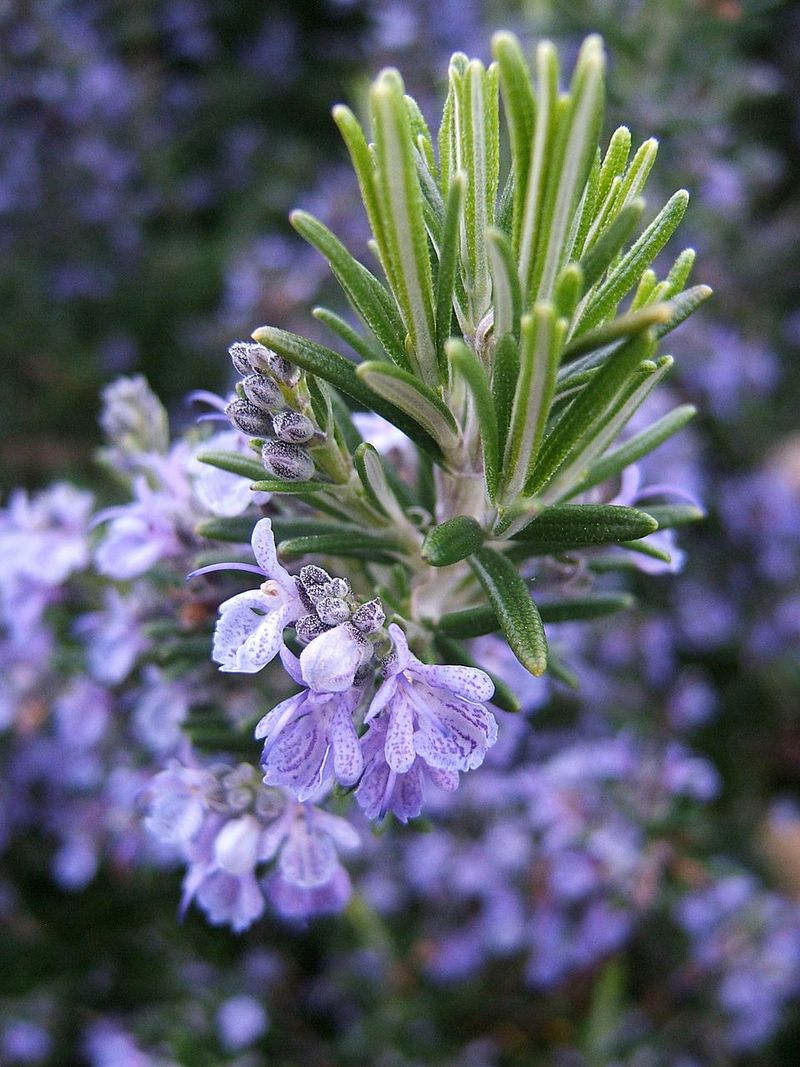
A warm Arizona morning often carries the distinctive scent of rosemary when someone brushes past a hedge. That familiar fragrance gives Mediterranean gardens their unmistakable character.
Rosemary adapts easily to Arizona’s bright sun and dry air. The evergreen foliage keeps its color throughout the year, which makes the plant useful for borders and hedges that provide structure even outside the flowering season.
Upright varieties such as ‘Tuscan Blue’ can grow into dense hedges that frame pathways or define garden rooms.
Trailing selections like ‘Huntington Carpet’ spill over walls and raised beds, softening hard edges in desert landscapes.
Clusters of small blue flowers appear during cooler months, often in late winter or early spring. These blooms attract bees and other pollinators at a time when many plants in Arizona gardens remain quiet.
Full sun and fast-draining soil support healthy rosemary growth. The plant adapts to alkaline desert soils reasonably well and generally needs modest irrigation once established.
Allowing three to four feet of spacing between plants improves airflow and encourages fuller branching, creating the dense hedge effect often seen in Mediterranean garden designs.
3. Lavender Adds Soft Purple Blooms And Aromatic Foliage To Sunny Beds
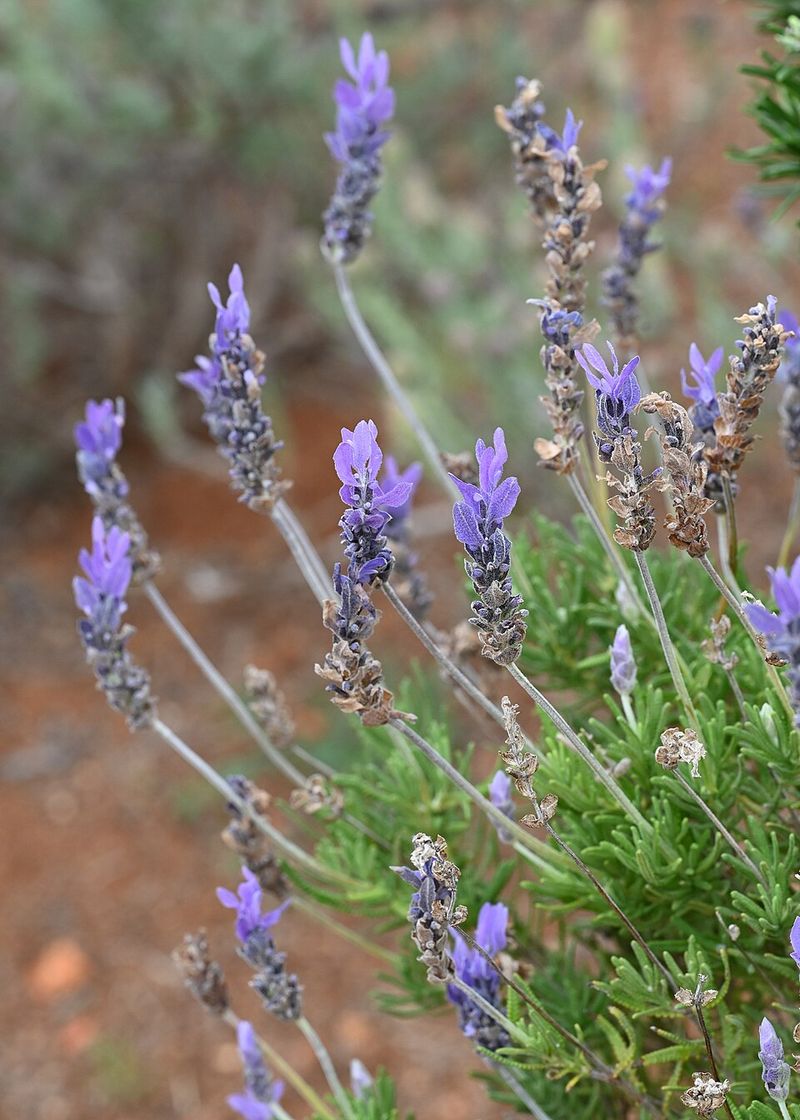
Lavender instantly brings a sense of calm to a garden. Tall purple blooms rising above silvery foliage create a look that feels both relaxed and refined.
Arizona gardeners often find better success with Spanish lavender (Lavandula stoechas) and French lavender (Lavandula dentata) because these varieties handle heat more comfortably than many English types.
Both produce the familiar fragrance and colorful flower spikes that define Mediterranean plantings.
Planting lavender along sunny borders, gravel pathways, or raised beds introduces color while keeping maintenance relatively simple. Bees and other pollinators visit the flowers frequently, adding movement and activity to the garden.
Excellent drainage remains one of the most important factors for lavender success. Many Arizona soils already provide the fast-draining conditions that the plant prefers.
Raised beds or gently sloped planting areas can help improve drainage during brief monsoon downpours.
Regular removal of spent blooms encourages additional flowering and helps plants maintain a tidy appearance.
Lavender’s soft foliage color pairs beautifully with olive trees, rosemary, and other Mediterranean plants often used in Arizona landscapes.
4. Bougainvillea Covers Walls And Trellises With Bold Tropical Color
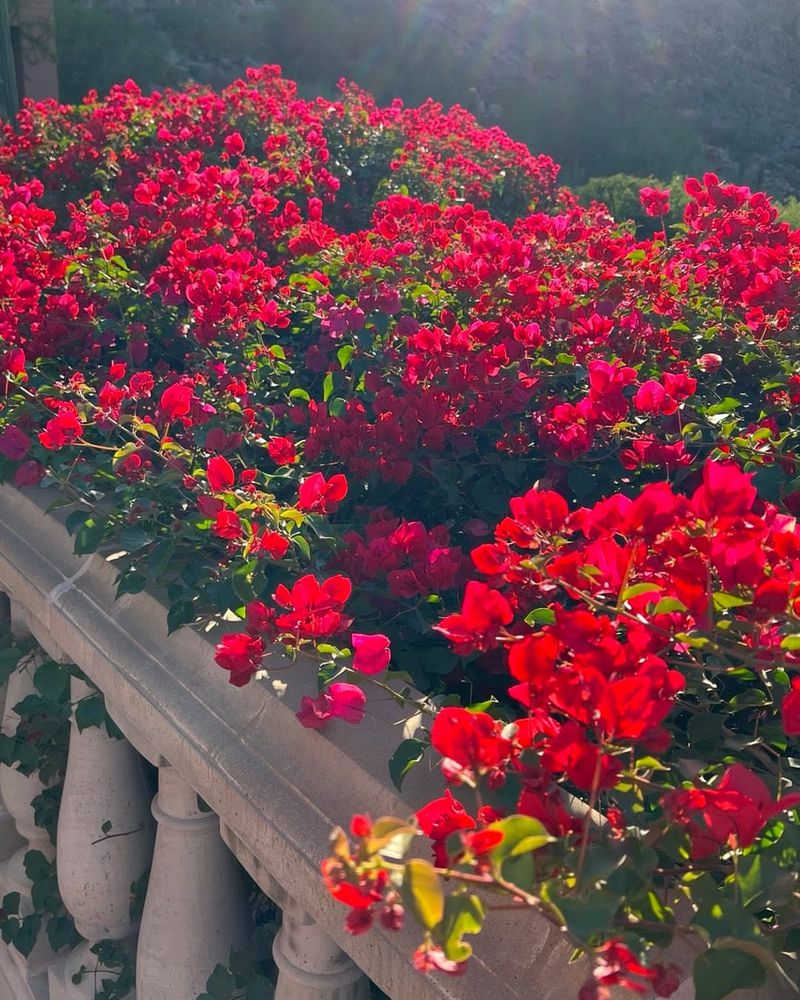
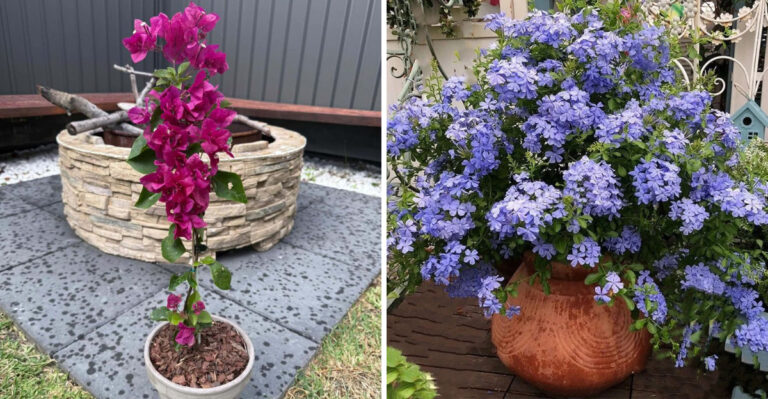
Few plants match the vibrant energy of bougainvillea. When trained across a stucco wall or cascading over a pergola, the plant transforms a sunny Arizona yard into a colorful focal point.
The bright shades of magenta, coral, orange, and white come from papery bracts that surround small white flowers. These colorful structures create the bold display that makes bougainvillea instantly recognizable.
Bougainvillea handles heat extremely well and often thrives in locations that receive strong reflected sunlight from walls or pavement. Once established, plants tolerate relatively dry conditions, particularly during cooler seasons.
Short periods of reduced watering can encourage heavier flowering as the plant shifts its energy toward bloom production. Arizona’s naturally dry climate often helps support these colorful cycles during spring and fall.
Full sun and well-drained soil produce the best growth. Sturdy trellises or pergolas help support mature plants since bougainvillea can grow vigorously over time.
Colder winter nights may affect plants in higher elevations, so locations near south-facing walls often provide a bit of additional warmth.
5. Agave Provides Dramatic Sculptural Form In Dry Desert Landscapes
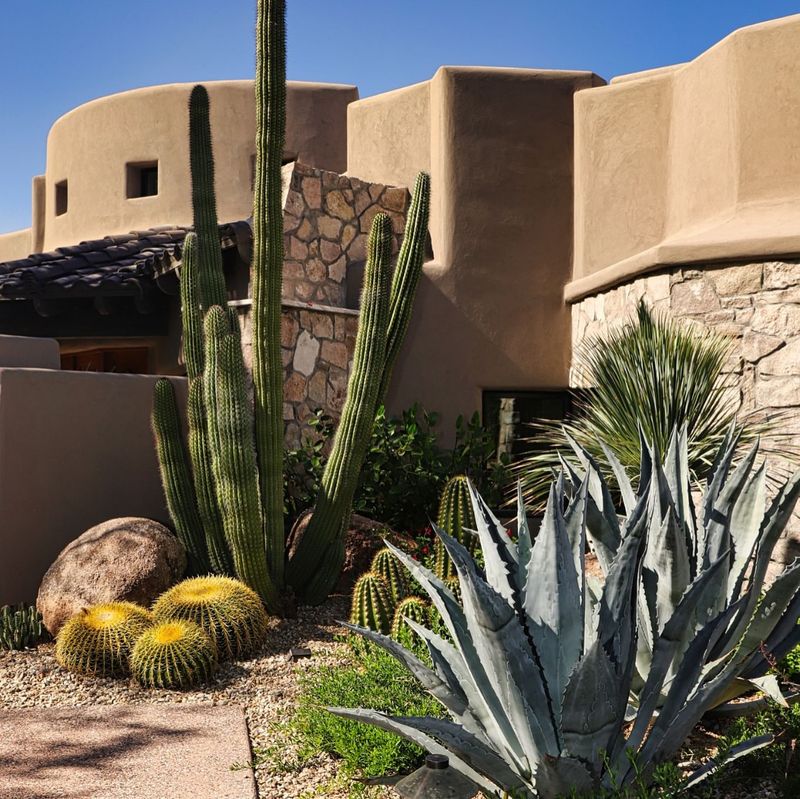
Bold shapes play an important role in Mediterranean-style landscapes, and agave provides some of the most striking forms available.
The thick rosettes of pointed leaves create a powerful architectural presence in Arizona gardens. Their geometric shapes contrast beautifully with softer plants like lavender and rosemary.
Agaves originated in the Americas and feel very comfortable in Arizona’s dry climate. Smaller species such as Agave parryi remain compact and work well along pathways or in containers.
Larger varieties like Agave americana create dramatic focal points in open garden beds.
Full sun and excellent drainage support healthy growth. Once established, most agaves require very little irrigation and tolerate intense summer heat without difficulty.
Each rosette eventually produces a tall flowering stalk. New offsets often form around the base, gradually continuing the planting over time.
Placed thoughtfully among gravel beds or courtyard plantings, agaves bring strong visual structure that complements Mediterranean-inspired garden designs.
6. Texas Sage Produces Silvery Foliage And Purple Flowers After Summer Rains
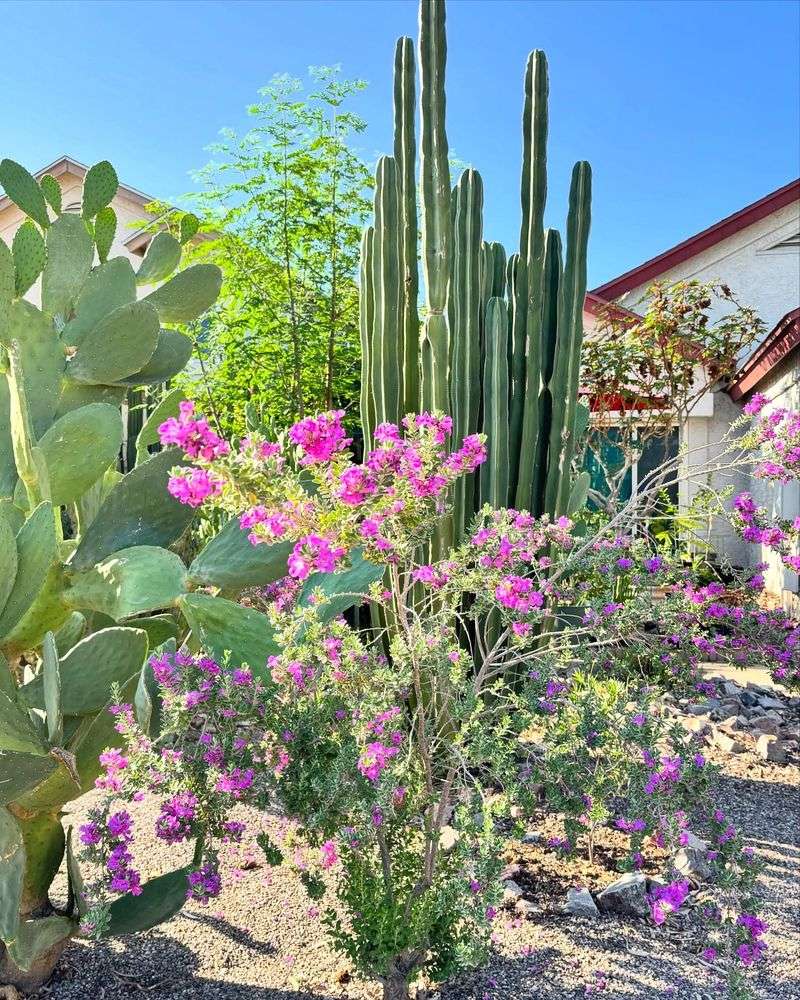
Arizona landscapes often come alive with color when Texas sage begins to bloom after a monsoon storm. Rising humidity frequently triggers waves of purple flowers across the shrub’s soft gray foliage.
Known botanically as Leucophyllum frutescens, Texas sage handles the heat and dry conditions of Arizona gardens with ease. The silvery leaves reflect sunlight and pair naturally with other Mediterranean-style plants.
The shrub performs well in full sun and tolerates reflected heat from walls and pavement. Alkaline soils common throughout Arizona rarely cause problems for this adaptable plant.
Once established, irrigation needs remain modest. Too much water may actually reduce flowering.
Texas sage works well as an informal hedge or as a backdrop for herbs and flowering perennials. Group plantings along driveways or garden borders create a dramatic bloom display during humid summer weather.
Light trimming after flowering helps maintain a tidy shape and encourages additional blooms during warm months.
7. Jerusalem Sage Adds Velvety Gray Leaves And Soft Yellow Flower Spikes
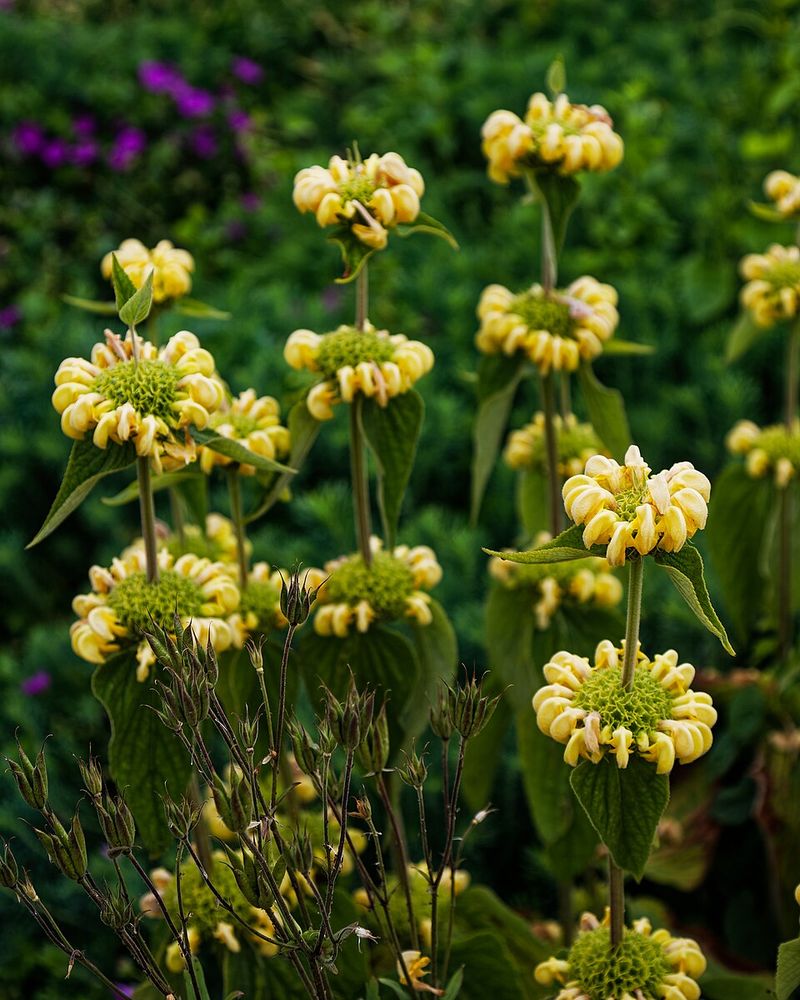
Soft texture often plays a quiet but important role in Mediterranean gardens. Jerusalem sage brings that subtle elegance with its velvety foliage and warm yellow blooms.
The gray-green leaves feel slightly fuzzy and reflect sunlight beautifully throughout the day. Spring brings clusters of pale yellow flowers arranged in whorls along upright stems, adding gentle vertical interest.
Arizona gardens benefit from the plant’s heat tolerance and drought adaptability. Full sun suits many locations, while light afternoon shade can provide relief during the hottest summer afternoons.
The fuzzy leaf surface helps the plant conserve moisture by reflecting sunlight and reducing water loss. That natural adaptation supports its performance in Arizona’s dry climate.
Jerusalem sage pairs especially well with lavender, rosemary, and rockrose in layered Mediterranean borders. The plant’s relaxed shape softens edges along pathways or stone walls.
Trimming stems after flowering encourages fresh growth and keeps the plant looking tidy through the season.
8. Italian Cypress Creates Tall, Elegant Vertical Accents In Formal Layouts
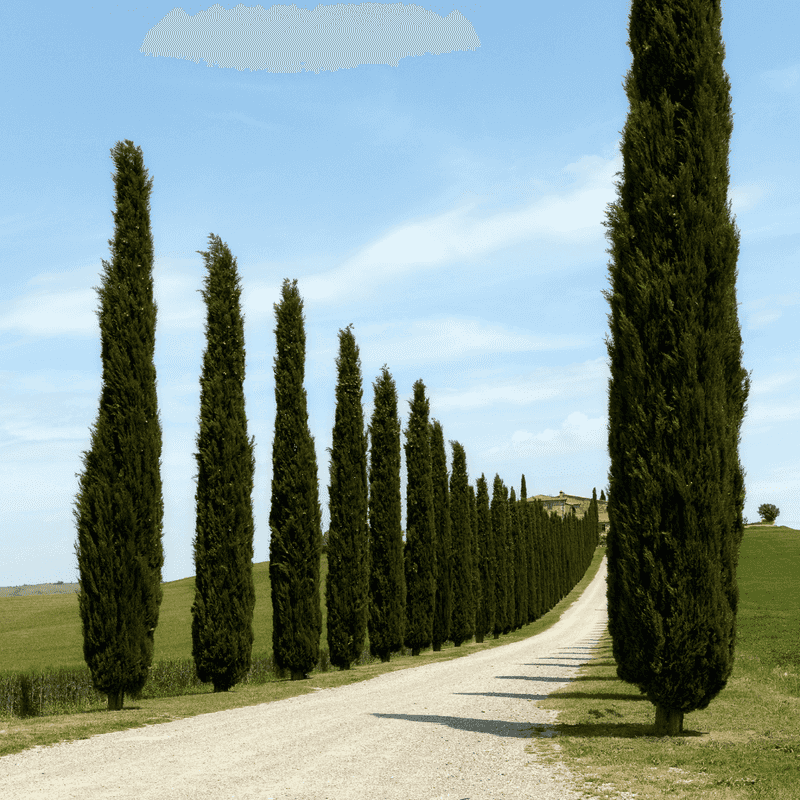
Mediterranean landscapes often rely on strong vertical elements to create structure. Italian cypress delivers that effect with tall, narrow columns of evergreen foliage.
The slender silhouette fits easily into narrow planting spaces, which makes the tree useful along property lines, entryways, and garden pathways. Rows of evenly spaced trees create a sense of rhythm and formality.
Italian cypress grows well in sunny Arizona locations with well-drained soil. Younger trees often grow steadily during their early years before slowing as they mature.
Established trees tolerate relatively dry conditions but benefit from occasional deep watering during extended hot periods.
Groups of two or three trees can frame a courtyard entrance, while longer rows along fences or driveways reinforce the classic Mediterranean aesthetic.
Against a clear Arizona sky, the dark green columns provide a dramatic visual contrast that strengthens the overall landscape design.
9. Rockrose Brings Papery Spring Flowers On A Tough Drought-Tolerant Shrub
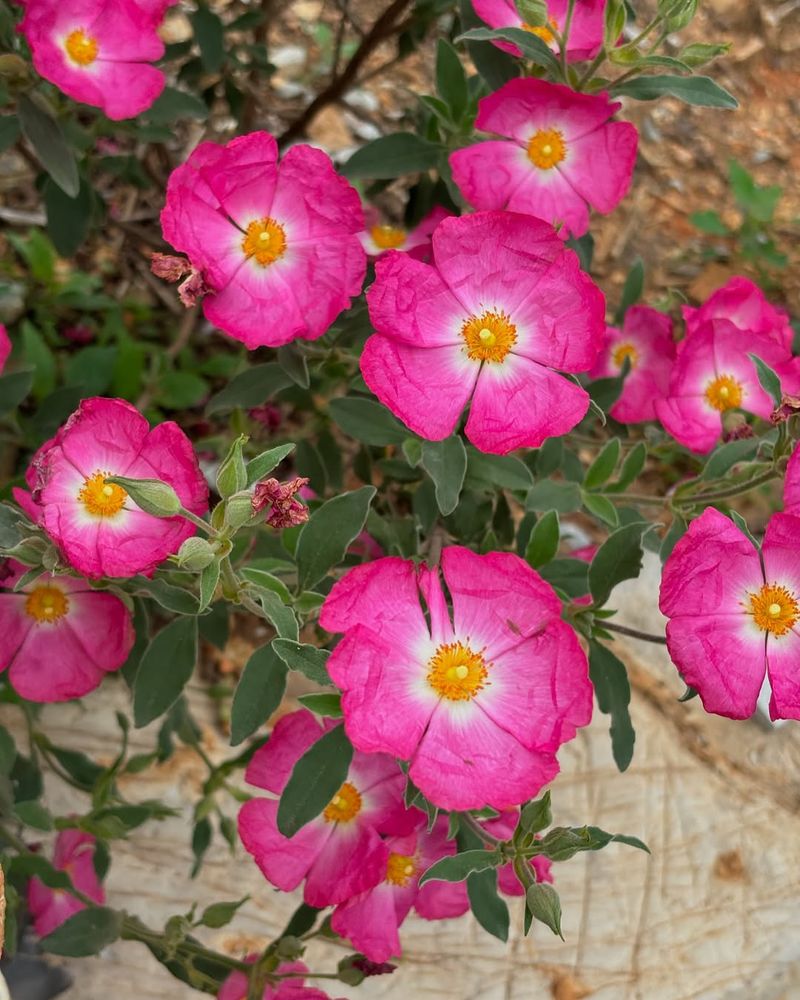
Rockrose adds seasonal color while maintaining the relaxed feel of Mediterranean landscapes. During spring, the shrub produces a steady display of delicate blooms.
Plants in the Cistus genus produce flowers in shades of white, pink, or soft purple. Many varieties include darker markings near the center of each bloom, creating a look that resembles poppies.
Each flower opens for only a short time, yet the plant produces many buds in succession. The result is a long-lasting flowering period that brightens Arizona gardens in spring.
Rockrose evolved in rocky Mediterranean soils and adapts well to dry conditions. Excellent drainage and full sun support healthy growth in Arizona landscapes.
Some gardeners provide light afternoon shade in extremely hot desert locations, though many varieties tolerate strong sunlight throughout the day.
Once established, irrigation needs remain low. Grouping several plants together along slopes or walls creates a natural-looking planting that suits Mediterranean garden styles.
10. Yucca Adds Strong Architectural Form And Drought Tolerance To The Landscape
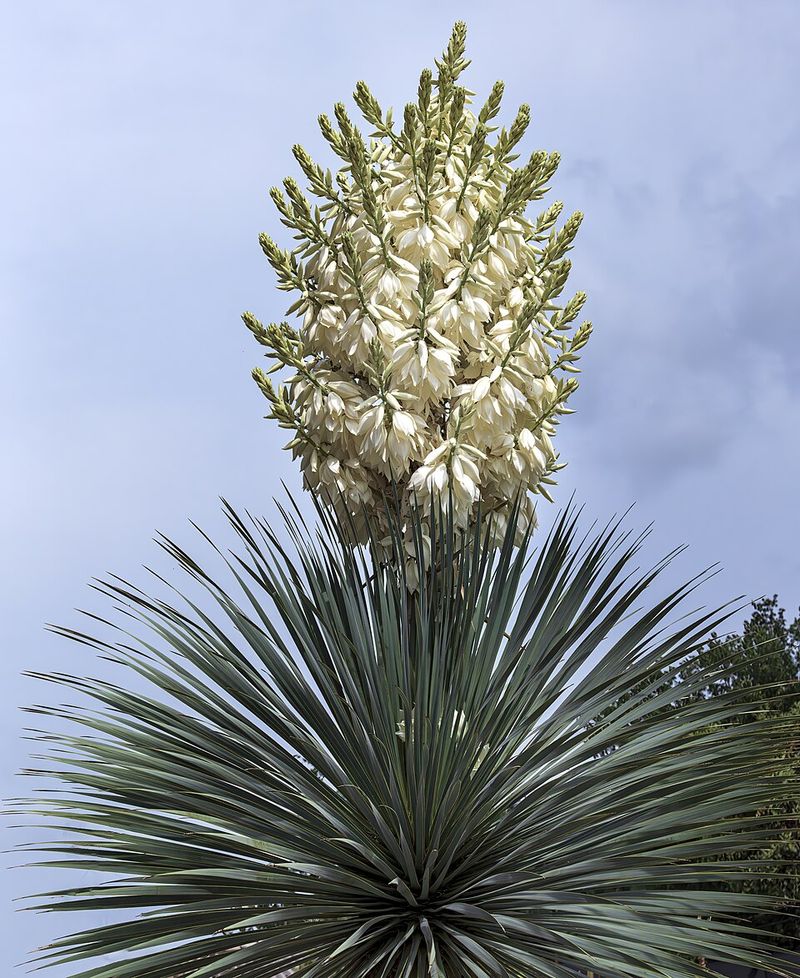
Dramatic plant forms often anchor Mediterranean-style gardens, and yucca brings that architectural presence with ease.
Several species grow naturally across the deserts of the southwestern United States, including parts of Arizona. Their natural adaptation to heat, drought, and rocky soils makes them reliable landscape plants.
Yucca rostrata, often called beaked yucca, develops a slender trunk topped with a globe of blue-gray leaves. The sculptural shape fits beautifully into both formal and relaxed Mediterranean garden layouts.
Late spring brings tall flowering stalks filled with creamy white blossoms that attract pollinating insects and hummingbirds.
Full sun and well-drained soil encourage the healthiest growth. Once established, yuccas require minimal irrigation and adapt well to Arizona’s dry climate.
Placed among gravel beds, courtyard plantings, or desert borders, yucca provides a strong finishing touch that reinforces the structure of a Mediterranean-inspired landscape.