7 Best Plants For Natural Bird Nesting Material In Ohio Gardens
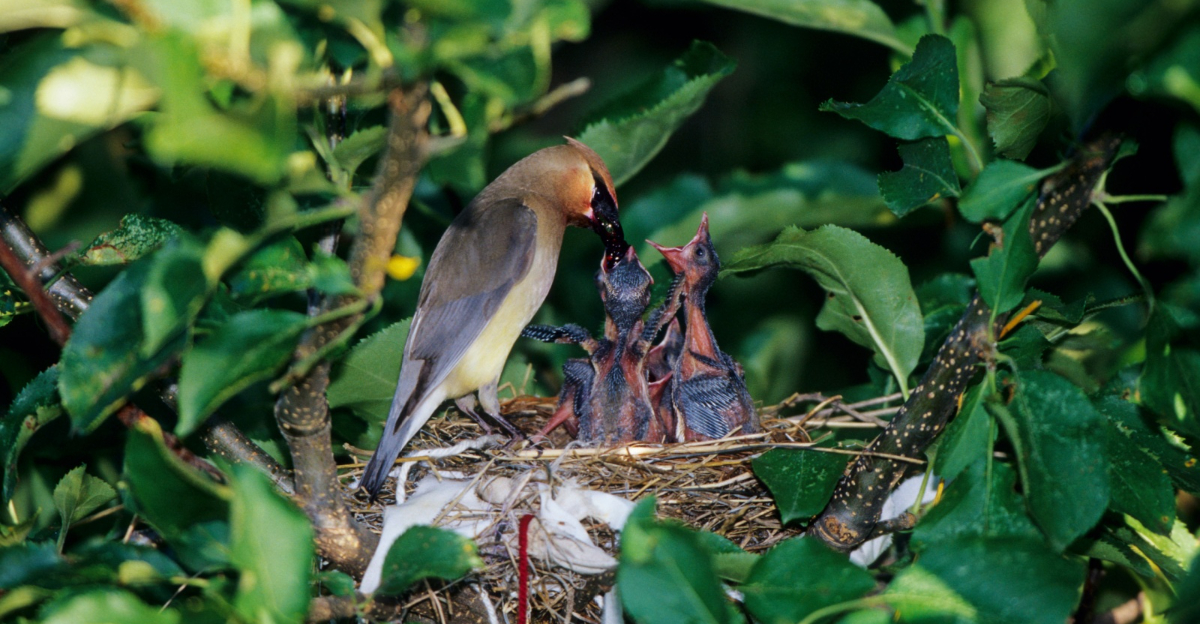
Spring in Ohio brings a quiet transformation above eye level. Branches sway, songs return, and tiny builders begin searching for the perfect materials to shape safe, hidden nests.
Many gardens offer food and shelter, yet few provide the soft fibers, flexible stems, and natural textures birds need most during nesting season. Without these essentials, birds travel farther, face greater risk, and sometimes skip otherwise ideal yards.
Thoughtful plant choices can turn an ordinary garden into a trusted nesting haven filled with movement and life. From delicate fluff to sturdy weaving strands, nature supplies everything birds seek when the right plants grow nearby.
Give your garden a new purpose as a living workshop where birds gather, craft, and begin the next generation each spring.
1. Little Bluestem Provides Soft Fibers For Nest Building
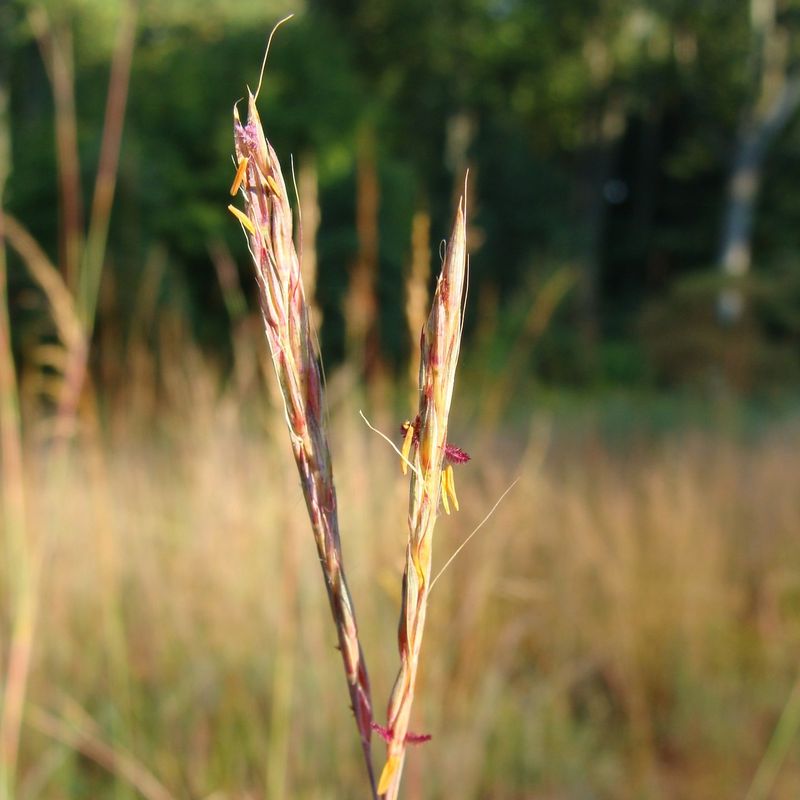
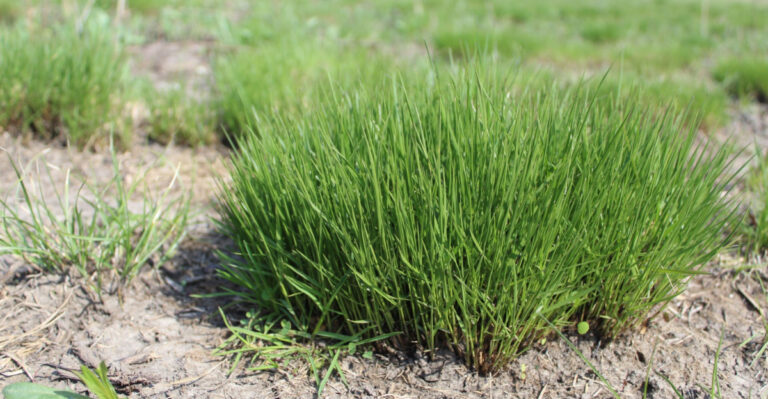
Native prairies once covered much of Ohio, and little bluestem was a cornerstone species. This warm-season grass grows in neat clumps that reach about three feet tall.
The fine, hair-like blades turn brilliant shades of copper and burgundy in fall, adding seasonal color to garden beds.
Birds pull individual grass blades to weave into nest cups. The fibers are strong yet flexible, perfect for creating the framework of small songbird nests.
Goldfinches and sparrows especially favor these delicate strands.
Little bluestem thrives in full sun and tolerates Ohio’s clay soils remarkably well once established. It needs minimal water after the first season and never requires fertilizer.
Plant it in borders, meadow gardens, or naturalized areas where it can spread slowly into attractive drifts.
Leaving the dried stems standing through winter provides crucial nesting material in early spring. The seed heads also feed juncos and other ground-feeding birds during cold months.
Cut back the previous year’s growth in late March, just before new green shoots emerge. This timing gives birds access to fibers during peak nest-building season while keeping your garden looking intentional and cared for throughout the year.
2. Switchgrass Offers Strong Natural Fibers For Nests
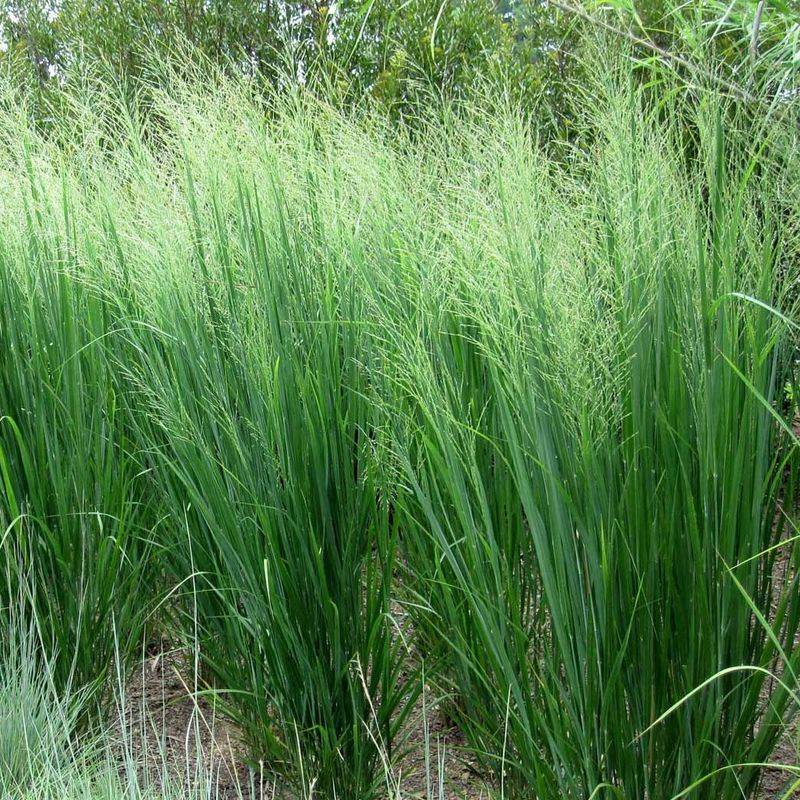
Switchgrass stands tall in the landscape, often reaching five to six feet by midsummer. Its upright growth habit and sturdy stems make it an architectural presence in gardens.
The airy seed heads catch light beautifully and sway with every breeze, creating movement and texture.
For birds, switchgrass offers something special. The strong leaf blades and fibrous stems provide structural support for larger nests.
Robins, catbirds, and mourning doves use these tougher fibers to anchor their nests securely in shrubs and trees.
This native prairie grass adapts incredibly well to Ohio growing conditions. It handles heavy clay soil without complaint and tolerates both wet springs and dry summers.
Switchgrass grows equally well in full sun or light shade, making it versatile for different garden situations.
Plant switchgrass in masses for the best visual impact and maximum habitat value. Space plants about two feet apart and they’ll fill in by the second season.
The grass remains standing through winter storms, providing shelter for small birds and releasing nesting material gradually as stems break down. In early spring, birds strip fibers from the weathered stalks.
Wait until late April to cut back old growth, giving nesting birds plenty of time to gather what they need first.
3. Eastern Red Cedar Provides Shelter And Nesting Material
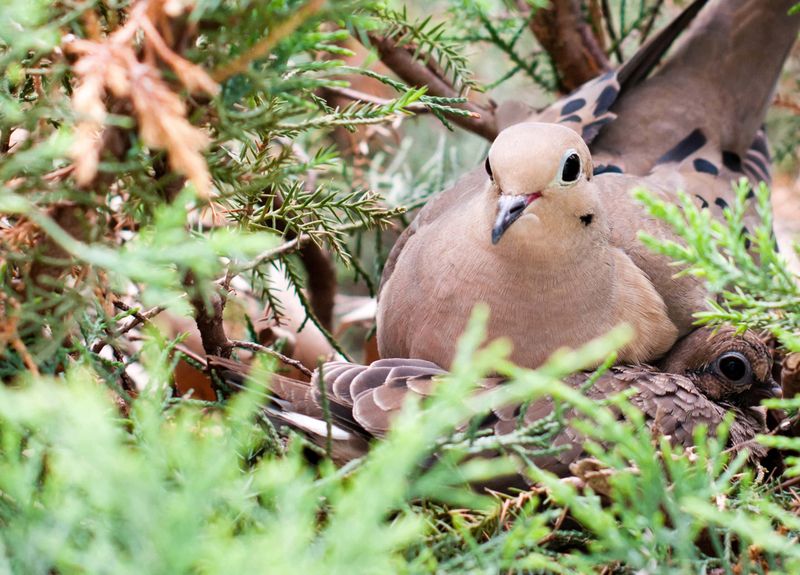
Year-round shelter matters tremendously for Ohio birds facing harsh winter winds and spring storms. Eastern red cedar delivers that protection with its dense evergreen branches.
This native conifer grows naturally across Ohio in old fields and fence rows, proving its adaptability to local conditions.
The shaggy, fibrous bark peels away in thin strips that birds collect eagerly. Cedar waxwings, named for this very tree, along with chickadees and titmice, line their nests with these soft bark fibers.
The material helps insulate eggs and keeps nestlings warm during cool spring nights.
Eastern red cedar tolerates nearly any soil type and grows well in full sun. Young trees have a narrow, columnar shape that fits nicely into smaller yards.
Mature specimens develop a more rounded crown and can reach 40 feet tall, though most stay smaller in garden settings.
Female trees produce blue berry-like cones that robins, bluebirds, and waxwings devour during winter months. Plant both male and female trees if you have space to ensure good berry production.
The dense branching also offers excellent nesting sites for mourning doves and other species that prefer some cover. Position cedars where they’ll provide windbreak protection and year-round structure in your Ohio landscape.
4. Serviceberry Provides Fine Twigs For Early Nesting
When serviceberry blooms in early April, it signals the start of nesting season across Ohio. The clouds of white flowers appear before most trees have leafed out, providing crucial early nectar for native bees.
This timing makes serviceberry a keystone species for spring habitat.
The branching structure of serviceberry offers exactly what early nesting birds need. Fine twigs break cleanly and bend easily, perfect for robins and cardinals constructing their first nests of the season.
The small diameter branches are just right for weaving into nest cups.
Serviceberry grows as either a large shrub or small tree, reaching 15 to 25 feet depending on the variety and growing conditions. It adapts to full sun or partial shade and handles Ohio’s variable spring weather without stress.
The white flowers give way to small purple berries in June that cedar waxwings and catbirds strip clean within days.
Fall foliage turns brilliant shades of orange and red, extending the ornamental value well beyond spring. Plant serviceberry near your home where you can watch birds harvest berries and nesting material.
The multi-stemmed growth habit creates natural nesting sites within the shrub itself. Prune lightly after flowering if needed, but leave plenty of fine twigs available for birds to collect during their busiest building weeks.
5. Purple Coneflower Provides Fibers From Dried Seed Heads
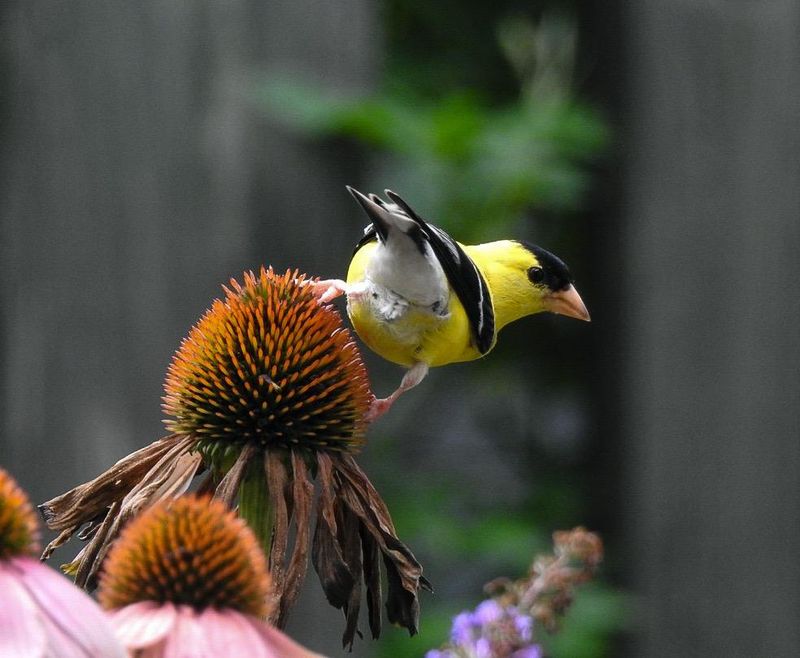
Purple coneflower ranks among the most valuable native perennials you can grow in Ohio. The large pink-purple flowers bloom from June through August, attracting countless butterflies and native bees.
After petals drop, the spiky seed heads remain standing through fall and winter.
Goldfinches perch on those dried cones, extracting seeds throughout the cold months. As birds feed, they also pull fibrous material from the stems and seed heads.
This plant material shows up in nests the following spring, especially in goldfinch nests lined with thistledown and other soft fibers.
Growing purple coneflower couldn’t be simpler. Plant in full sun and average garden soil.
Once established, the plants tolerate drought remarkably well and never need fertilizer. They spread slowly into nice clumps that get better with each passing year.
Resist the urge to cut back your coneflowers in fall. Leave the stems standing until late April, providing both food and nesting material for birds.
The architectural seed heads also add winter interest to the garden when little else offers structure. Space plants about 18 inches apart in drifts of at least five for the best habitat value.
Purple coneflower self-sows moderately, and you can leave seedlings to fill in gaps or move them to expand your planting. This single species delivers benefits across three full seasons in Ohio gardens.
6. Buttonbush Creates Safe Cover For Nesting Birds
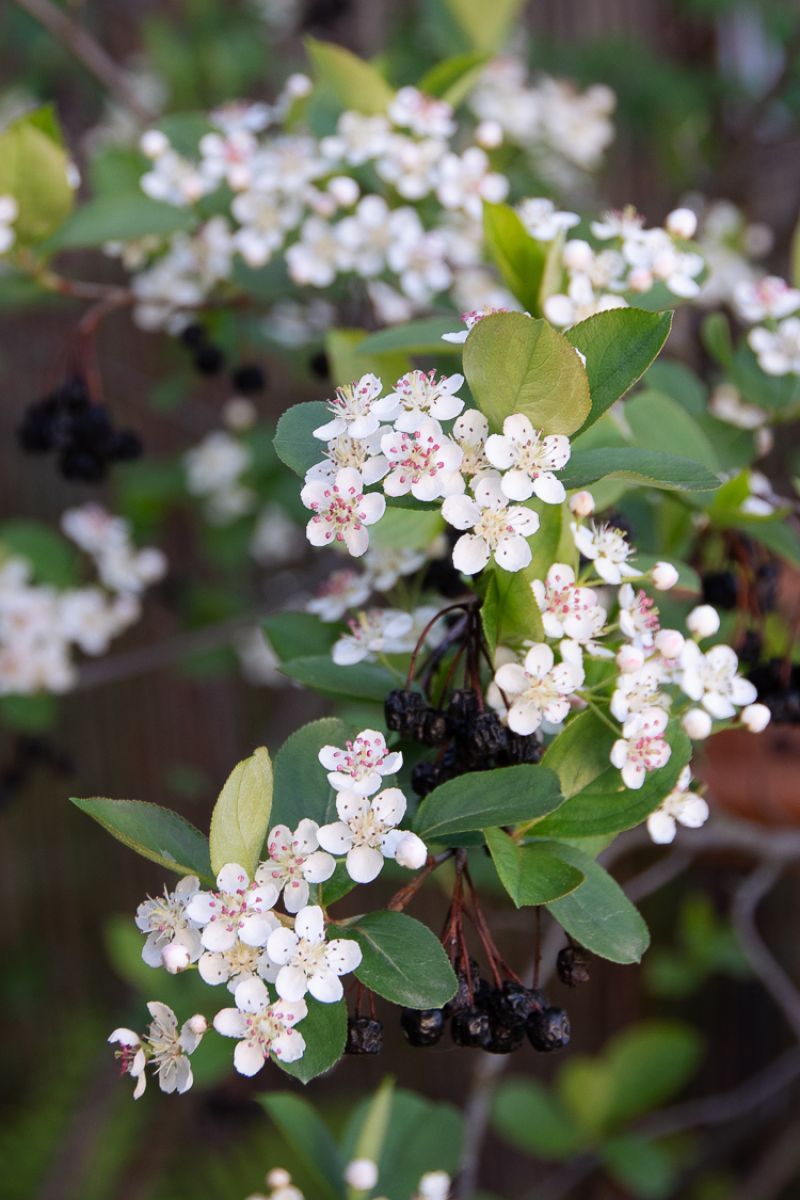
Wetland edges and rain gardens in Ohio need tough native shrubs that handle periodic flooding. Buttonbush fills this niche perfectly while offering exceptional value for nesting birds.
The rounded white flower clusters appear in July, looking like pincushions covered in tiny white pins.
Dense, tangled branching makes buttonbush an ideal nesting site for catbirds, yellow warblers, and red-winged blackbirds. The shrub’s structure provides excellent cover and support for nest placement.
Birds also collect small twigs and fibrous bark from older stems for nest construction.
This native shrub grows four to six feet tall in average conditions but can reach eight feet in consistently moist soil. Plant buttonbush along pond edges, in rain gardens, or anywhere water collects seasonally.
It tolerates both wet feet and occasional drought once established, showing remarkable adaptability.
The spherical flowers attract an impressive array of pollinators, including several specialist bee species found only on buttonbush. By late summer, the flowers develop into round seed balls that persist through winter.
Waterfowl and other birds eat the seeds during migration and winter months. Space buttonbush plants about four feet apart if you’re creating a hedge or screen.
In naturalized areas, allow the shrub to spread into informal colonies that provide even better nesting habitat for Ohio’s wetland bird species.
7. Milkweed Provides Soft Fibers For Nest Lining
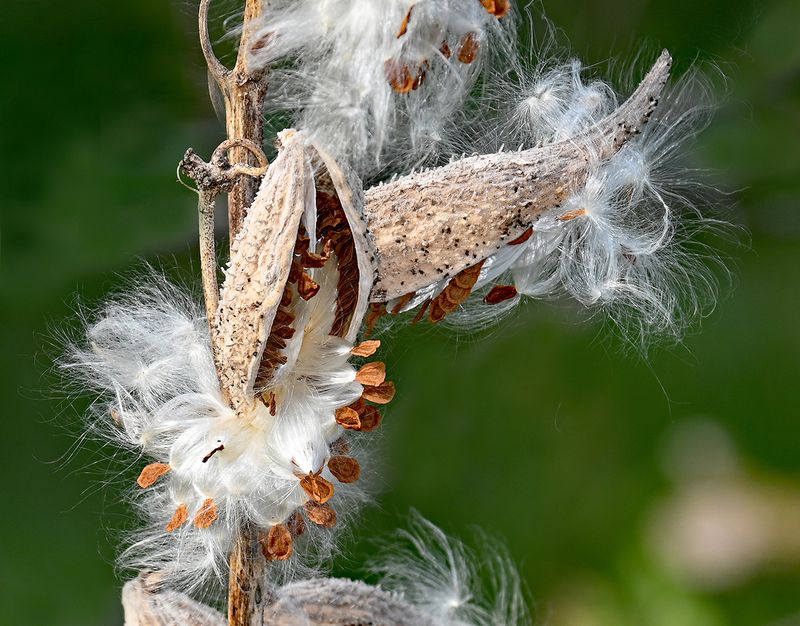
Everyone knows milkweed matters for monarch butterflies, but its value for nesting birds deserves equal recognition. When seed pods split open in fall, they release thousands of silky white fibers attached to flat brown seeds.
These fibers rank among the softest natural materials available to birds.
Orioles, goldfinches, and hummingbirds seek out milkweed floss specifically for nest lining. The fine, downy material insulates eggs perfectly and creates a soft bed for newly hatched nestlings.
Birds gather the floss directly from opening pods or collect it as it drifts across the landscape.
Common milkweed grows naturally throughout Ohio in fields and along roadsides. The plant spreads by underground rhizomes and can become aggressive in rich garden soil.
Plant it in areas where spreading won’t cause problems, or choose swamp milkweed for better-behaved garden performance.
Swamp milkweed produces pink flowers and stays in neat clumps without running. Both species support monarch caterpillars and provide nesting material.
Leave the dried stalks standing through winter so seed pods can open naturally and release their contents when birds need them most. Cut back old stems in late spring after nesting season winds down.
Growing any milkweed species in your Ohio garden contributes to both butterfly conservation and bird habitat, proving that plants can serve multiple ecological functions simultaneously in thoughtfully designed landscapes.