14 Best Plants To Create A Jungle Vibe In Your Pennsylvania Home
When Pennsylvania winters strip the outdoors bare, indoor jungles bring life roaring back inside.
Lush houseplants soften hard edges, boost mood, and transform rooms into warm, green sanctuaries.
The best jungle plants thrive despite low light, dry air, and temperature swings—making them ideal for Pennsylvania homes.
With oversized leaves, trailing vines, and bold textures, they create depth and drama without demanding constant care.
A jungle vibe isn’t about clutter; it’s about layers.
Thoughtfully grouped plants turn ordinary spaces into living retreats that feel alive all winter long.
When the outside world goes quiet, these plants make sure your home doesn’t.
1. Monstera Deliciosa
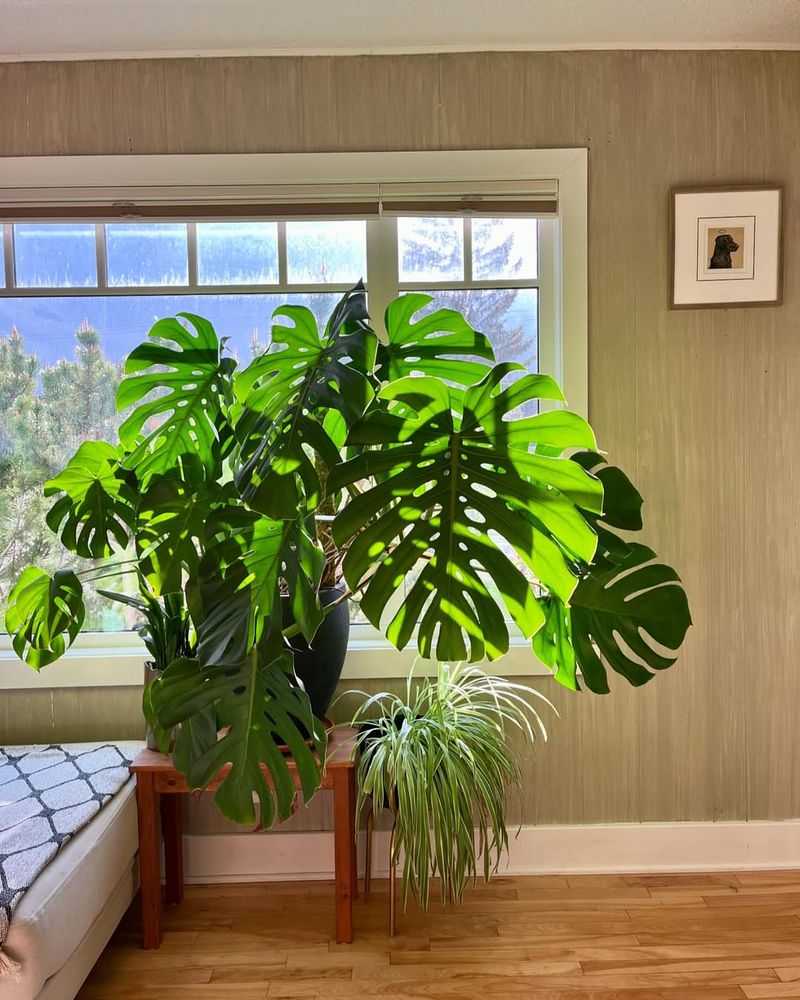
Few plants capture the essence of tropical jungles quite like the Monstera deliciosa.
Its massive, split leaves with natural holes make it instantly recognizable and incredibly dramatic in any room.
This climbing plant originates from Central American rainforests, where it grows up tree trunks reaching for sunlight.
In your Pennsylvania home, it adapts beautifully to bright indirect light and moderate watering schedules.
The fenestrations, or leaf splits, develop as the plant matures, adding more character with each new leaf.
You can train it to climb a moss pole or let it sprawl for a more relaxed jungle feel.
Monstera tolerates the dry indoor air of Pennsylvania winters better than many tropical plants.
Water when the top two inches of soil feel dry, and mist occasionally to keep those stunning leaves glossy.
This plant grows quickly under the right conditions, sometimes producing leaves over two feet wide.
Position it as a statement piece in a corner where it has room to spread out and show off its magnificent foliage.
2. Bird Of Paradise
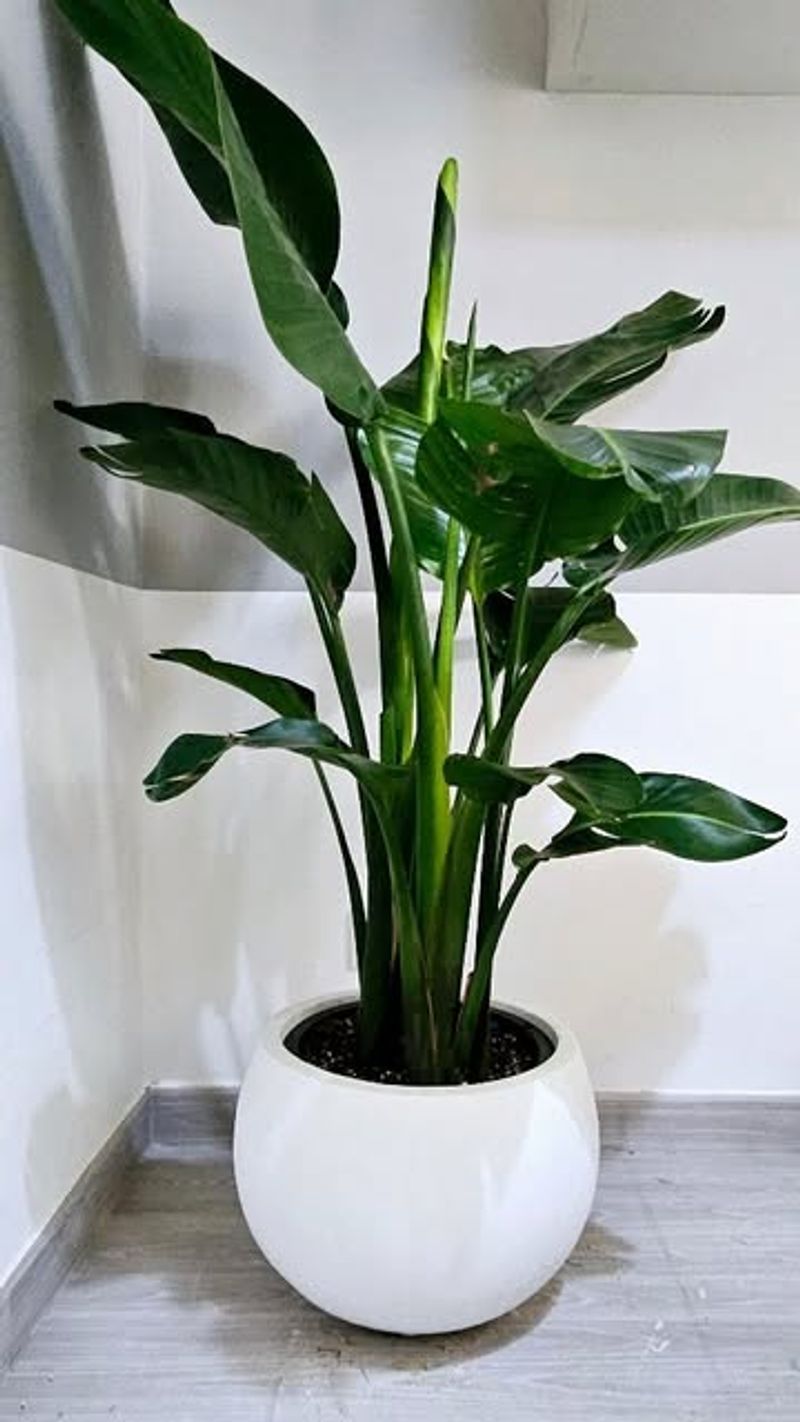
Standing tall with paddle-shaped leaves that reach toward the ceiling, the Bird of Paradise commands attention.
This architectural beauty brings instant drama with its oversized foliage reminiscent of banana trees.
Native to South Africa, it thrives in bright light conditions, making south-facing windows in Pennsylvania homes ideal spots.
The leaves unfurl from tight rolls into broad, glossy blades that can stretch three feet long.
While it may take several years to bloom indoors, the foliage alone justifies its place in your jungle collection.
Bird of Paradise appreciates consistent moisture during growing season but forgives occasional forgetfulness.
Its upright growth habit makes it perfect for filling vertical space without taking up much floor area.
Wipe the leaves regularly to remove dust and maintain their natural shine.
This plant grows vigorously in summer, sometimes adding multiple new leaves each month.
Rotate it occasionally to ensure even growth on all sides, and watch as it transforms your space into a tropical retreat.
3. Fiddle Leaf Fig
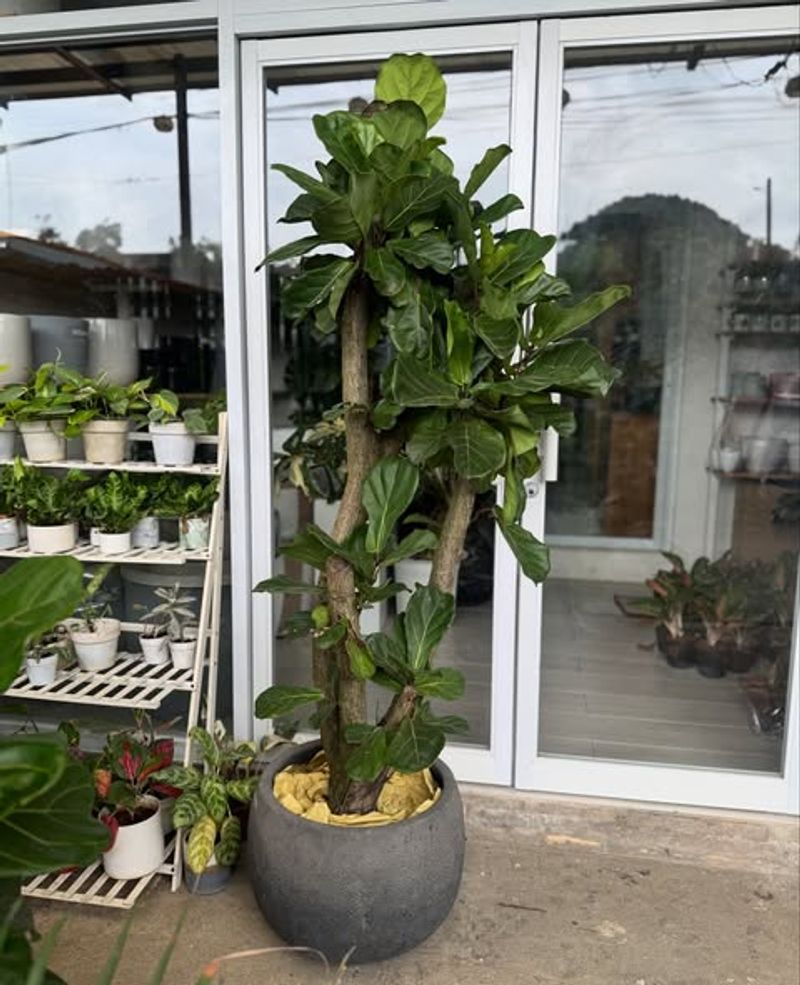
With leaves shaped like violins and a stature that can reach ceiling height, the Fiddle Leaf Fig has become an indoor jungle icon.
Its bold, architectural presence adds sophistication while maintaining that wild, untamed jungle character.
This West African native prefers consistency in light, water, and temperature, making it slightly more particular than other options.
Place it in bright, filtered light where it receives several hours of indirect sun daily.
Pennsylvania homes with large windows provide excellent conditions, though direct afternoon sun can scorch those impressive leaves.
Water thoroughly when the top inch of soil dries out, maintaining a regular schedule to prevent stress.
The leaves can grow up to fifteen inches long, creating a canopy effect that enhances the jungle atmosphere.
Dust the foliage monthly to help the plant photosynthesize efficiently and maintain its deep green color.
Fiddle Leaf Figs respond well to pruning, allowing you to shape them into single-trunk trees or bushier forms.
Despite their reputation for being finicky, they reward consistent care with steady growth and stunning visual impact.
4. Philodendron Brasil
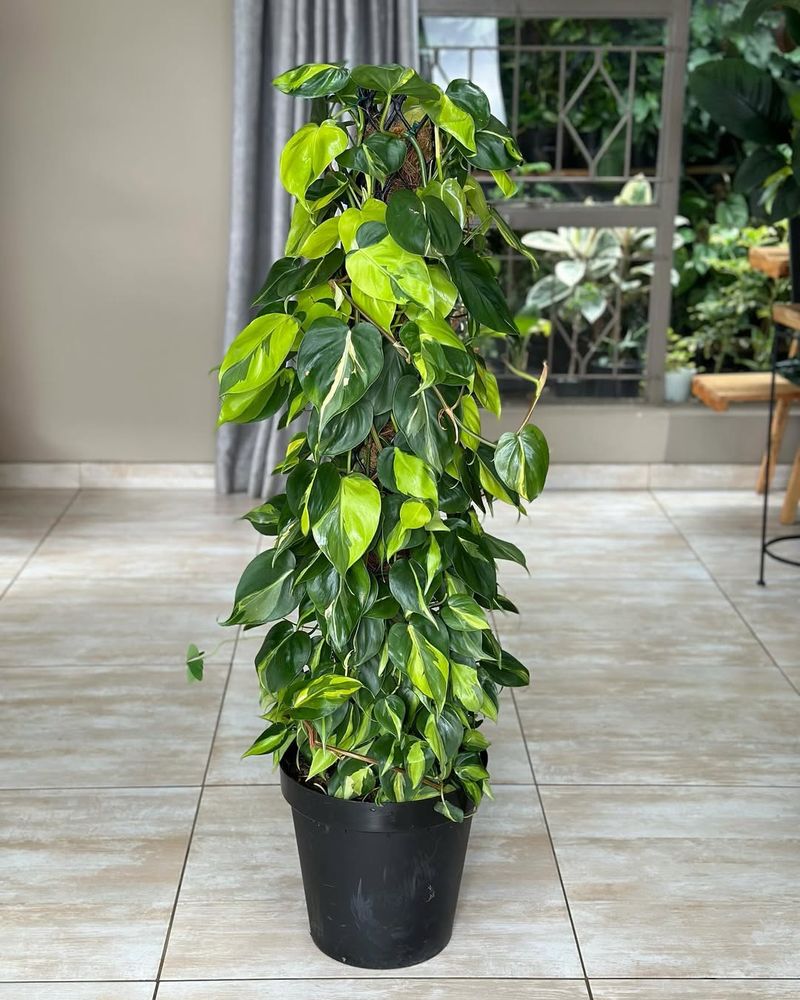
Variegated leaves in shades of lime green and golden yellow make Philodendron Brasil a cheerful addition to any jungle collection.
This trailing beauty grows quickly, sending out vines that can cascade several feet from shelves or hanging baskets.
Originally from the rainforests of South America, it adapts remarkably well to typical Pennsylvania indoor conditions.
The heart-shaped leaves emerge in vibrant colors, creating layers of visual interest as vines overlap and intertwine.
Philodendron Brasil tolerates lower light than many tropical plants, though brighter conditions intensify the variegation.
Water when the soil feels dry an inch down, and it bounces back quickly even if you occasionally forget.
This forgiving nature makes it perfect for beginners building their first indoor jungle.
Pinch back the growing tips to encourage bushier growth and more branches.
The vines can be trained up moss poles, draped across furniture, or allowed to trail naturally from elevated positions.
Its fast growth rate means you will see noticeable changes within weeks, keeping your jungle dynamic and ever-evolving.
5. Boston Fern
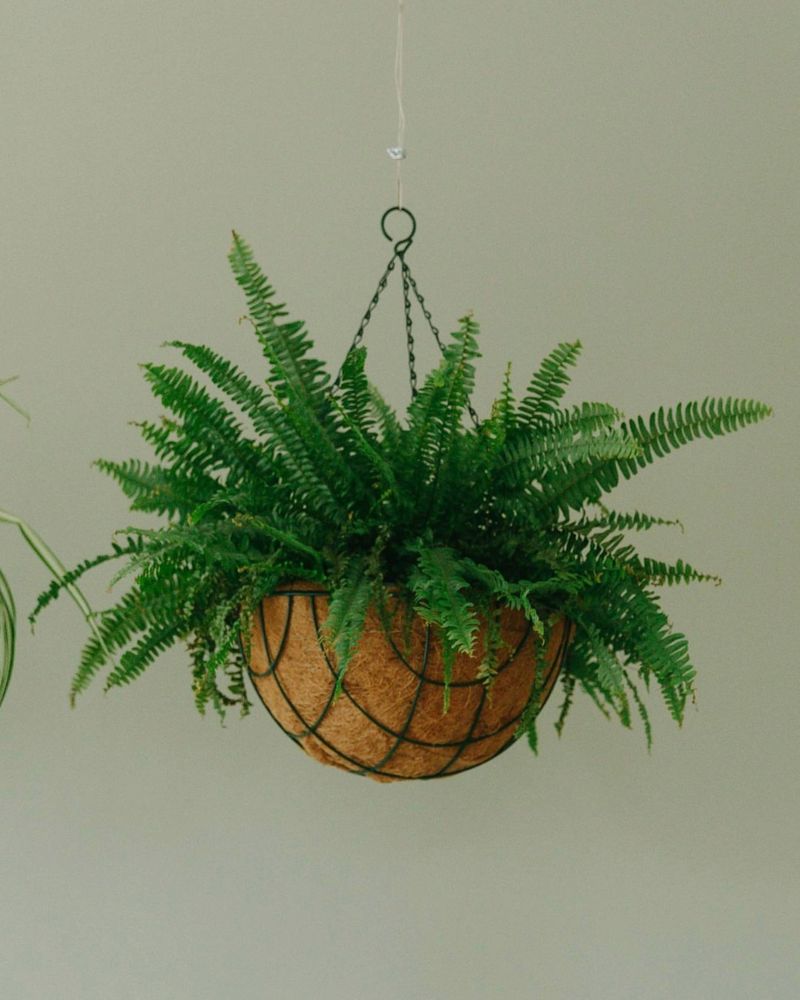
Delicate fronds arch gracefully from the center of Boston Ferns, creating soft, feathery textures that contrast beautifully with bold-leafed plants.
These classic houseplants have graced homes for over a century, bringing a touch of Victorian elegance to modern jungle spaces.
Native to tropical regions worldwide, they thrive in the humidity of bathrooms or kitchens.
Boston Ferns appreciate consistent moisture, preferring their soil to stay slightly damp rather than cycling between wet and dry.
Pennsylvania winters with indoor heating can challenge them, so regular misting or a pebble tray helps maintain adequate humidity.
Place them in bright, indirect light away from harsh afternoon sun that can crisp their tender fronds.
The cascading growth habit makes them ideal for hanging baskets or elevated plant stands.
Remove brown fronds regularly to keep the plant looking fresh and encourage new growth.
These ferns grow vigorously during spring and summer, sometimes doubling in size within a season.
Their lush, overflowing appearance adds softness and movement to your indoor jungle, filling spaces with verdant life.
6. Rubber Plant
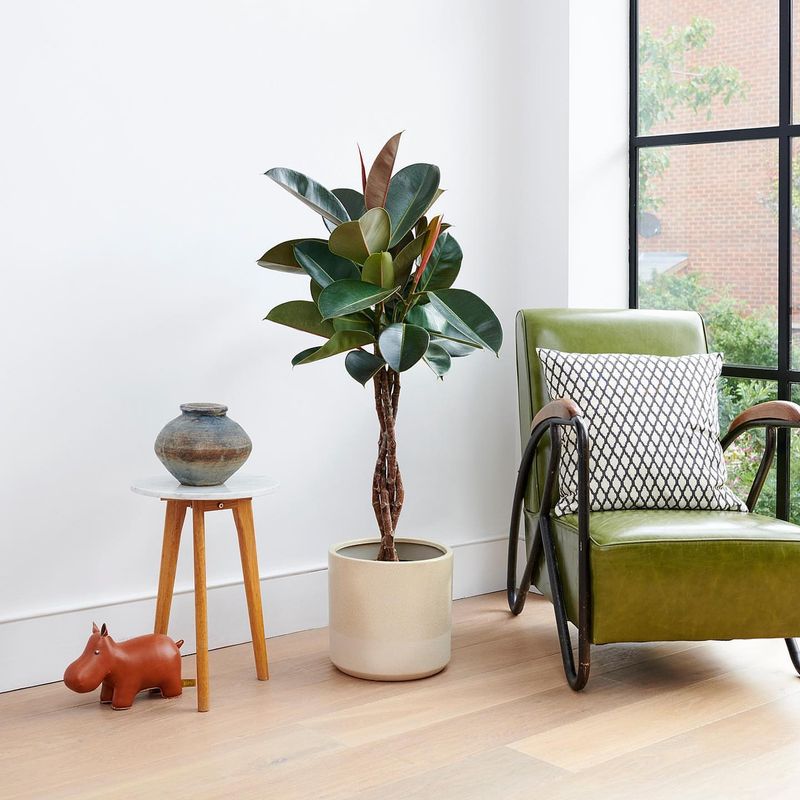
Glossy leaves in deep green or burgundy tones make the Rubber Plant a stunning focal point with a sophisticated edge.
Each leaf emerges from a red sheath, unfurling into an oval shape that can reach twelve inches long.
This Southeast Asian native grows into a substantial indoor tree, sometimes reaching eight feet in favorable conditions.
Rubber Plants tolerate a range of light conditions, from bright indirect to moderate light, adapting well to various rooms.
They prefer their soil to dry slightly between waterings, making them more forgiving than moisture-loving tropicals.
The thick, waxy leaves resist dust and maintain their shine with occasional wiping.
Pennsylvania homes provide suitable temperatures year-round, as Rubber Plants handle typical indoor conditions without complaint.
Prune the top to encourage branching and create a bushier, fuller plant instead of a single tall stem.
The substantial presence of a mature Rubber Plant anchors a room and provides the structural backbone for a jungle aesthetic.
Its low-maintenance nature combined with dramatic appearance makes it perfect for creating impact without demanding constant attention.
7. Pothos
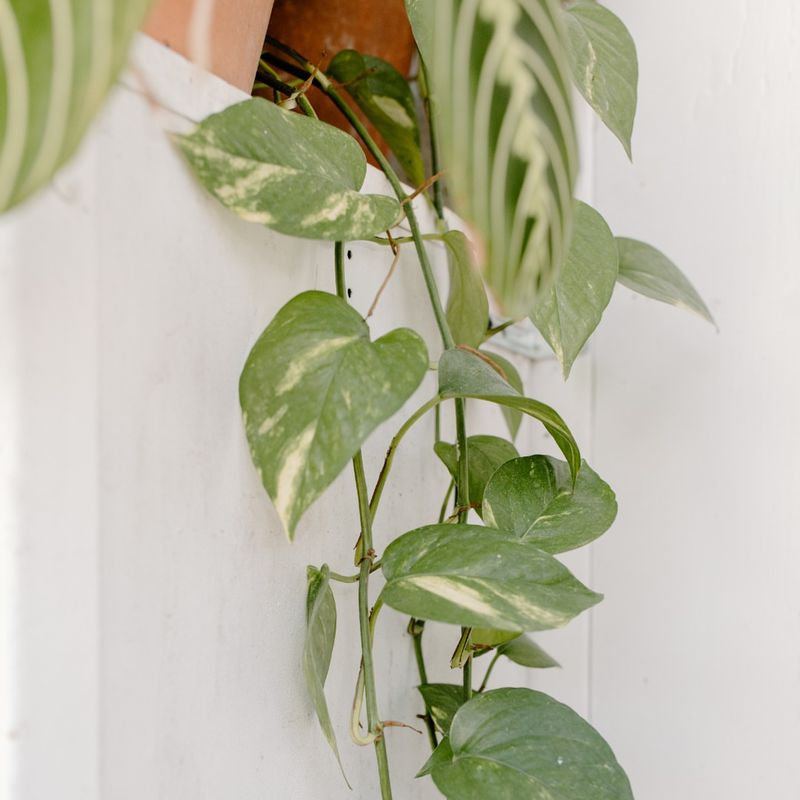
Nearly indestructible and endlessly versatile, Pothos ranks among the easiest plants for creating jungle vibes.
Its heart-shaped leaves come in various patterns, from solid green to marbled with yellow, white, or silver.
Vines can grow over ten feet long, weaving through shelves, climbing walls, or cascading from high perches.
Pothos thrives in almost any light condition, from bright indirect to low light corners where other plants struggle.
This adaptability makes it perfect for filling every nook of your Pennsylvania home with greenery.
Water when the leaves start to curl slightly or the soil feels dry several inches down.
The plant communicates its needs clearly, making it ideal for learning plant care basics.
Propagation is incredibly simple, just snip a stem and place it in water to grow roots for new plants.
Train Pothos up moss poles, across curtain rods, or around door frames to maximize the jungle effect.
Its vigorous growth and forgiving nature mean you can experiment freely without worry, building confidence as your indoor jungle expands.
8. Swiss Cheese Plant
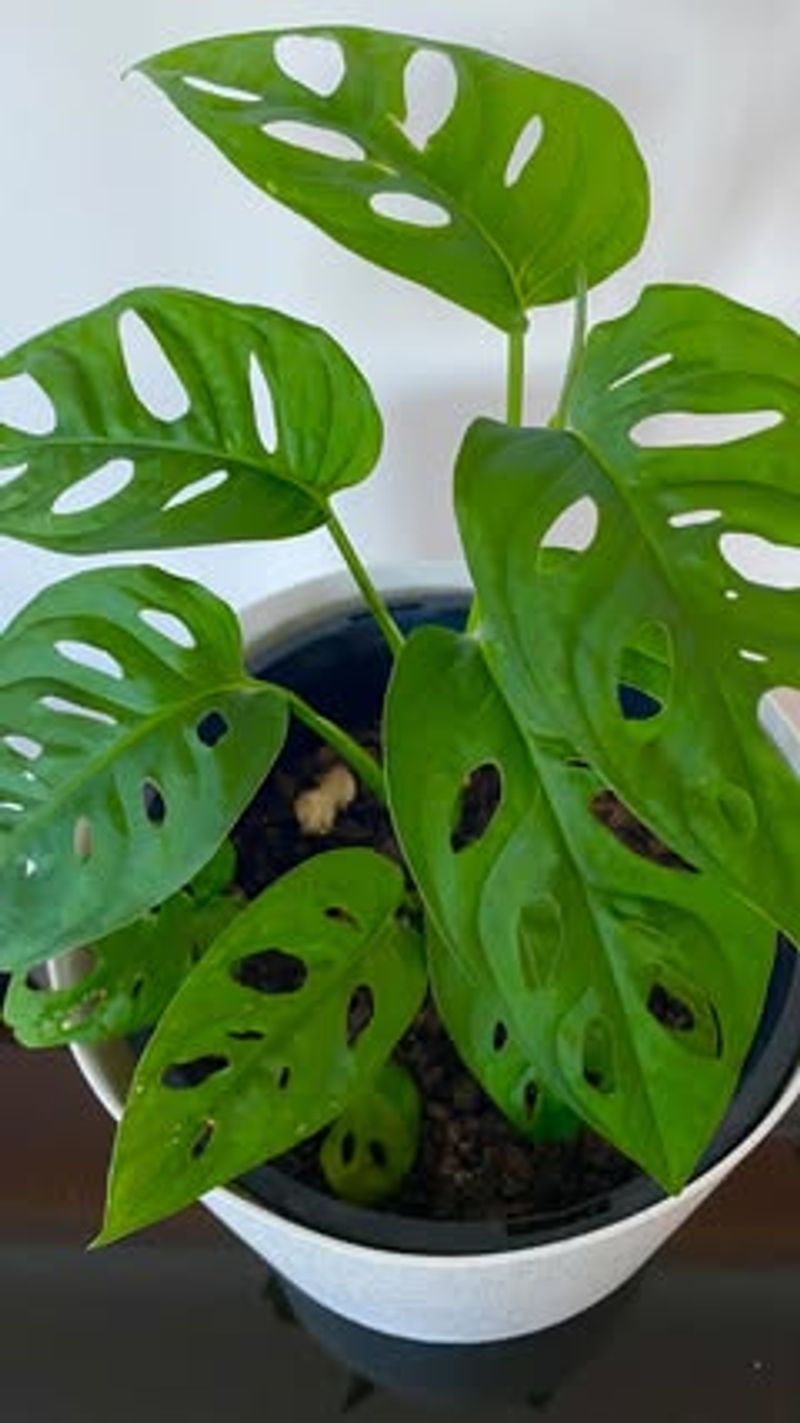
Smaller than its cousin Monstera deliciosa, the Swiss Cheese Plant packs equal visual punch with its perforated leaves.
The natural holes develop in young leaves, creating an intricate pattern that catches light beautifully.
This Central and South American native grows as a trailing or climbing vine, adapting to your preferred display method.
Hang it high to let vines cascade down, or provide a support structure for upward growth.
Swiss Cheese Plants appreciate bright, indirect light and consistent moisture during the growing season.
The leaves stay smaller than deliciosa, typically reaching six to eight inches, making this variety perfect for tighter spaces.
Pennsylvania homes with moderate humidity suit this plant well, though it appreciates occasional misting.
New leaves emerge tightly rolled, slowly unfurling to reveal more holes as they mature.
This growth process provides ongoing visual interest as your plant develops.
Prune longer vines to maintain shape or let them grow wild for maximum jungle chaos.
Its manageable size and dramatic appearance make it excellent for layering with larger plants to create depth in your indoor jungle.
9. Dracaena Marginata
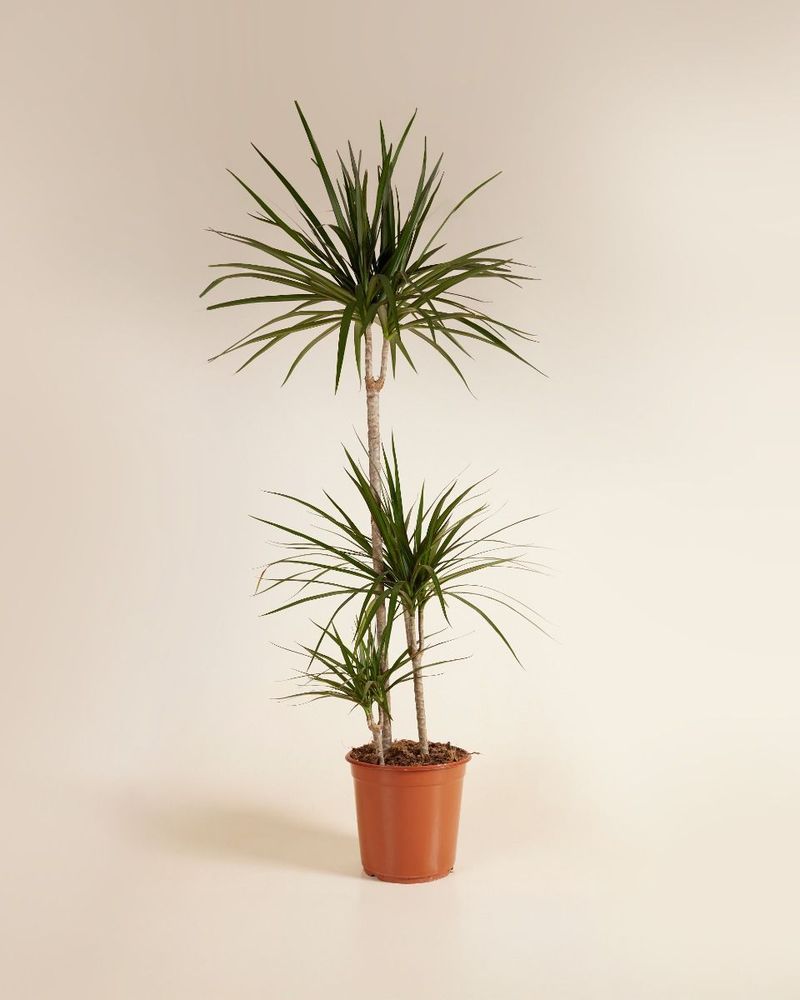
Spiky, arching leaves on woody stems give Dracaena Marginata an architectural quality that adds vertical interest to jungle spaces.
The narrow leaves, edged in red or pink, create a fountain-like effect as they radiate from the stem tops.
Native to Madagascar, this resilient plant tolerates a wide range of indoor conditions with minimal fuss.
It handles lower light better than many tropical plants, making it suitable for rooms without bright windows.
Dracaena Marginata grows slowly but steadily, eventually reaching six feet or more with distinctive character.
The woody stems often develop interesting curves and angles, adding sculptural appeal beyond the foliage.
Water moderately, allowing the soil to dry partially between waterings to prevent root issues.
This plant tolerates Pennsylvania winter conditions well, requiring little adjustment to seasonal changes.
Remove lower leaves as they naturally yellow and fade, revealing more of the attractive trunk.
Its upright, spiky form contrasts beautifully with broader-leafed plants, creating visual variety in your jungle collection.
The low-maintenance nature combined with striking appearance makes it a reliable choice for busy plant enthusiasts.
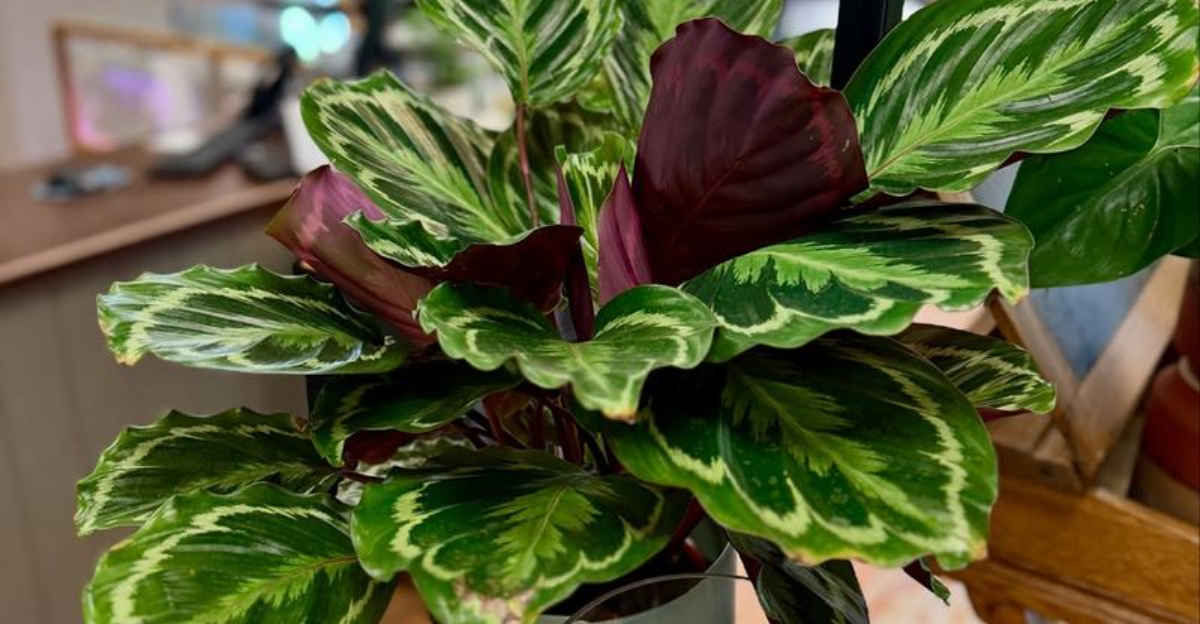
10. Calathea
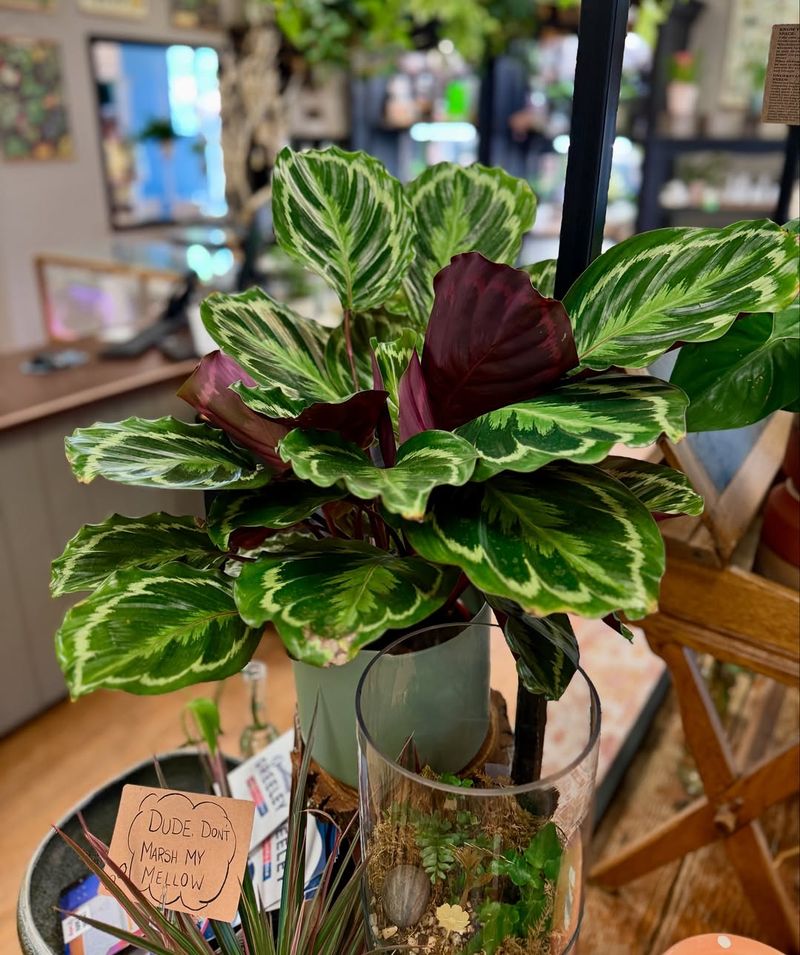
Intricate patterns paint the leaves of Calathea varieties, from bold stripes to delicate feather designs in shades of green, purple, and cream.
These Brazilian natives move their leaves throughout the day, folding up at night in a behavior called nyctinasty.
The movement adds a living, dynamic quality that enhances the jungle atmosphere in your home.
Calatheas prefer consistent moisture and higher humidity, making bathrooms or kitchens in Pennsylvania homes ideal locations.
Bright, indirect light keeps the patterns vibrant without scorching the delicate foliage.
Use filtered or distilled water when possible, as they can be sensitive to chemicals in tap water.
The leaves grow in clusters close to the soil, creating dense, lush mounds of patterned foliage.
Mist regularly during winter when indoor heating reduces humidity levels.
Calatheas reward attentive care with stunning displays that look almost painted by hand.
Their compact growth habit makes them perfect for filling lower levels in a layered jungle arrangement.
Despite being slightly more demanding, the incredible leaf patterns and movement make them worth the extra effort for dedicated plant lovers.
11. Snake Plant
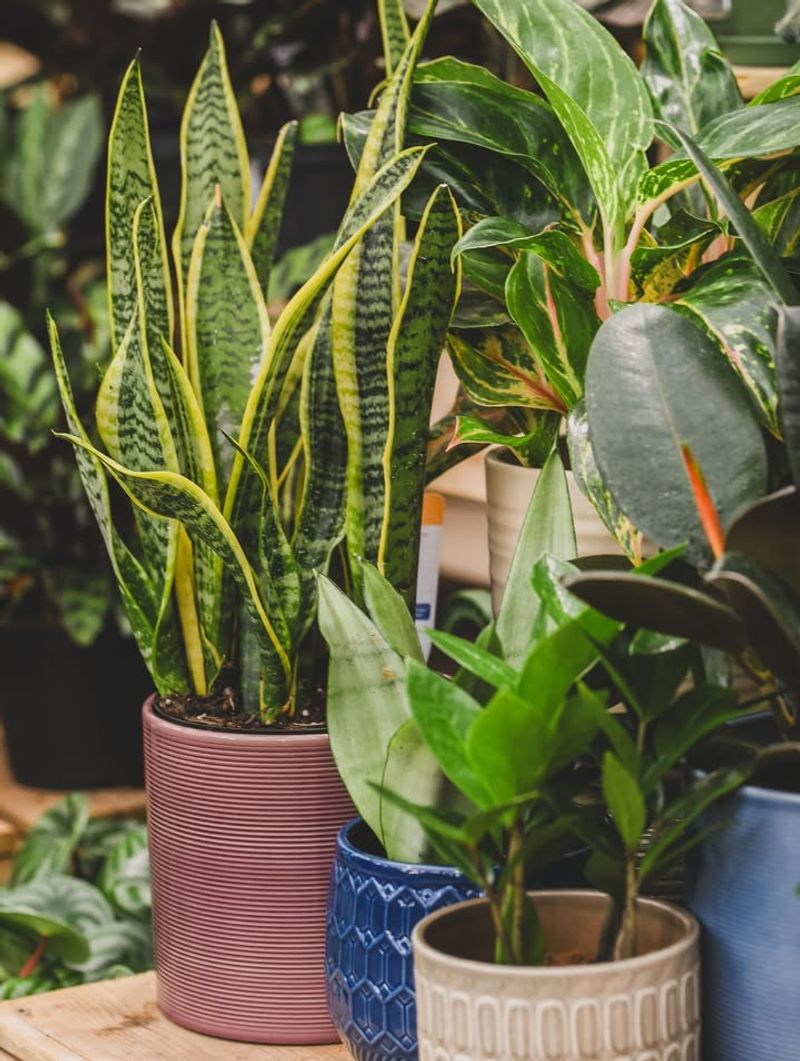
Sword-like leaves stand rigidly upright, bringing bold vertical lines and architectural interest to softer jungle plantings.
Snake Plants come in numerous varieties, from tall green-and-yellow striped forms to shorter, cylindrical types.
Originally from West Africa, they survive neglect better than almost any other houseplant.
This resilience makes them perfect for beginners or anyone wanting jungle vibes without intensive care requirements.
Snake Plants tolerate low light conditions where many tropical plants would struggle, expanding your decorating options.
They prefer infrequent watering, actually thriving on neglect rather than constant attention.
The thick leaves store water, allowing the plant to go weeks between drinks during Pennsylvania winters.
Their upright form provides excellent contrast to trailing vines and sprawling ferns in mixed arrangements.
Snake Plants also purify air effectively, removing toxins while adding visual appeal.
Group several together for a striking display, or use single specimens as accent plants throughout your space.
The combination of dramatic form, extreme durability, and minimal care needs makes them essential components of any low-maintenance jungle design.
12. Areca Palm
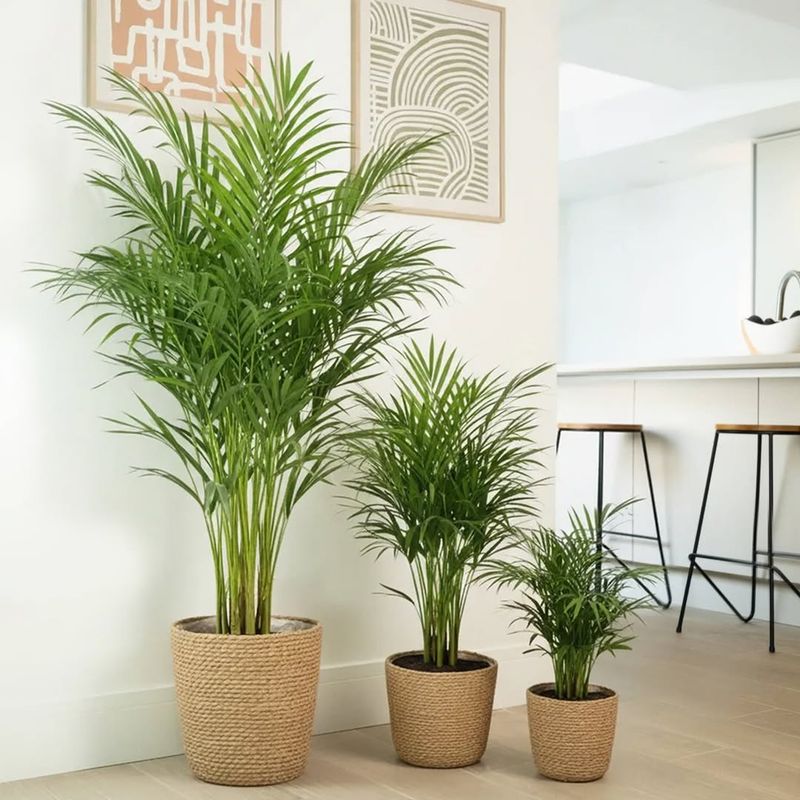
Feathery fronds arch gracefully from multiple stems, creating the quintessential palm tree silhouette that instantly suggests tropical paradise.
Areca Palms grow in clusters, with new stems emerging from the base to form dense, lush groupings.
Native to Madagascar, they adapt well to indoor conditions and tolerate Pennsylvania homes year-round.
The delicate leaflets flutter with air movement, adding motion and life to your space.
Bright, indirect light keeps Areca Palms healthy, though they tolerate moderate light conditions reasonably well.
Water when the top inch of soil dries, maintaining consistent moisture without waterlogging.
These palms appreciate humidity but adapt to typical indoor levels with occasional misting.
They grow steadily, sometimes reaching six feet tall, filling corners with tropical elegance.
Remove brown frond tips with scissors to maintain appearance without harming the plant.
Areca Palms work beautifully as standalone specimens or as backdrop plants for smaller tropicals.
Their classic palm appearance combined with relatively easy care makes them perfect for achieving authentic jungle aesthetics without extensive plant knowledge or experience.
13. Elephant Ear Plant
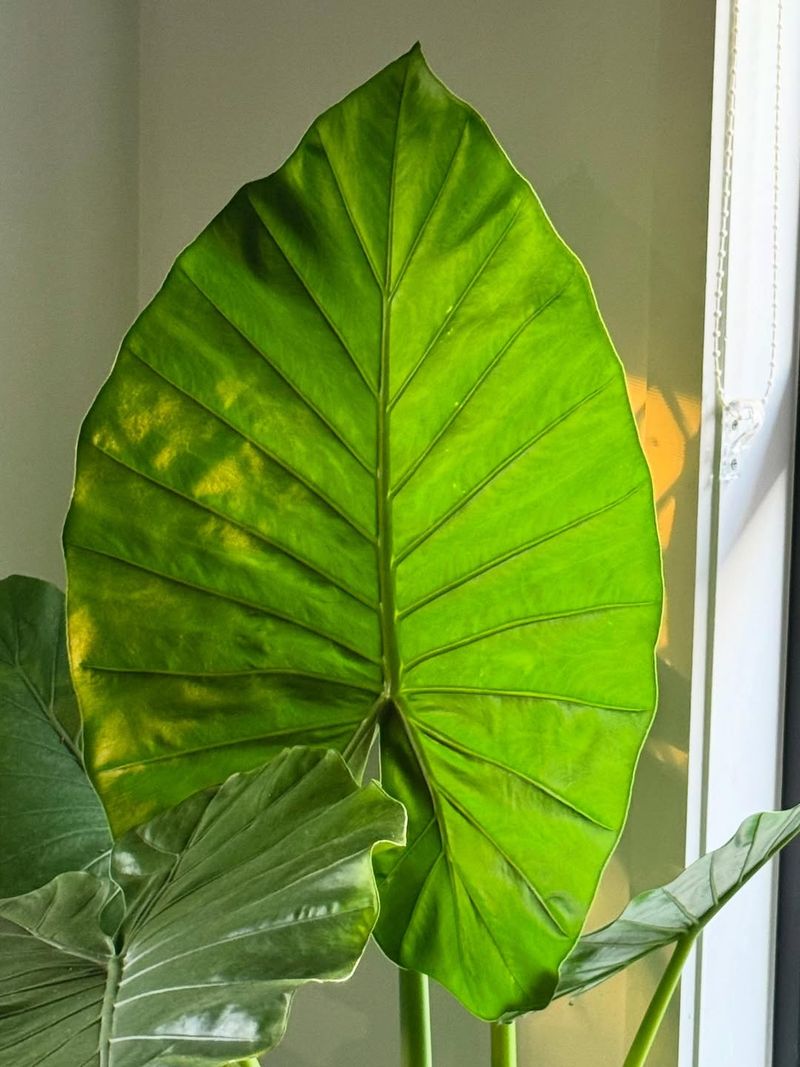
Enormous leaves shaped like elephant ears command attention and create instant jungle drama with their impressive scale.
Some varieties feature dark, almost black foliage with contrasting veins, while others show bright green or variegated patterns.
These Southeast Asian natives make bold statements, with single leaves sometimes reaching two feet across.
Elephant Ears need bright, indirect light to fuel the growth of such massive foliage.
Keep soil consistently moist during active growth, as those huge leaves transpire significant amounts of water.
Higher humidity benefits these plants, though they adapt to Pennsylvania homes with regular misting or pebble trays.
The plants grow from bulbs, going through active and dormant phases depending on conditions.
Position them where you can admire the intricate vein patterns and dramatic leaf shapes up close.
Wipe leaves regularly to prevent dust from blocking light and to showcase their natural beauty.
Elephant Ears require more attention than some options but reward care with spectacular displays that anchor jungle designs.
Their prehistoric appearance and massive scale create focal points that transform ordinary rooms into extraordinary tropical retreats.
14. ZZ Plant
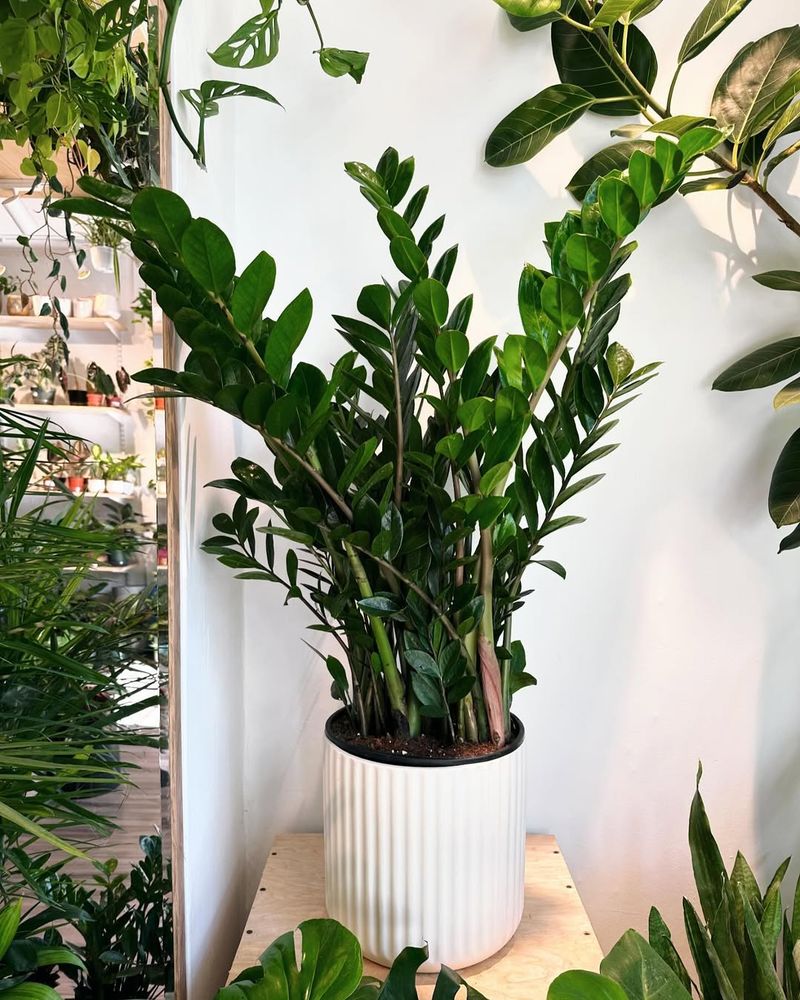
Glossy, dark green leaves line thick stems that emerge from underground rhizomes, creating architectural clusters of foliage.
ZZ Plants bring a modern, polished look to jungle spaces while requiring remarkably little maintenance.
Native to East Africa, they store water in their rhizomes, allowing them to survive extended periods without watering.
This drought tolerance makes them perfect for busy households or anyone learning plant care basics.
The naturally shiny leaves look perpetually healthy and vibrant, maintaining their appearance with minimal effort.
ZZ Plants adapt to various light conditions, from bright indirect to low light corners.
They grow slowly but steadily, producing new stems that unfurl in fascinating displays.
Water only when soil becomes completely dry, typically every few weeks depending on conditions.
Their upright, symmetrical growth habit provides structure in mixed plantings alongside more casual, trailing varieties.
ZZ Plants tolerate Pennsylvania winter conditions exceptionally well, requiring no special adjustments for seasonal changes.
The combination of striking appearance, extreme durability, and low care needs makes them ideal for achieving jungle aesthetics with minimal time investment or experience.