10 Best Plants To Grow Around A Bird Feeder In Minnesota
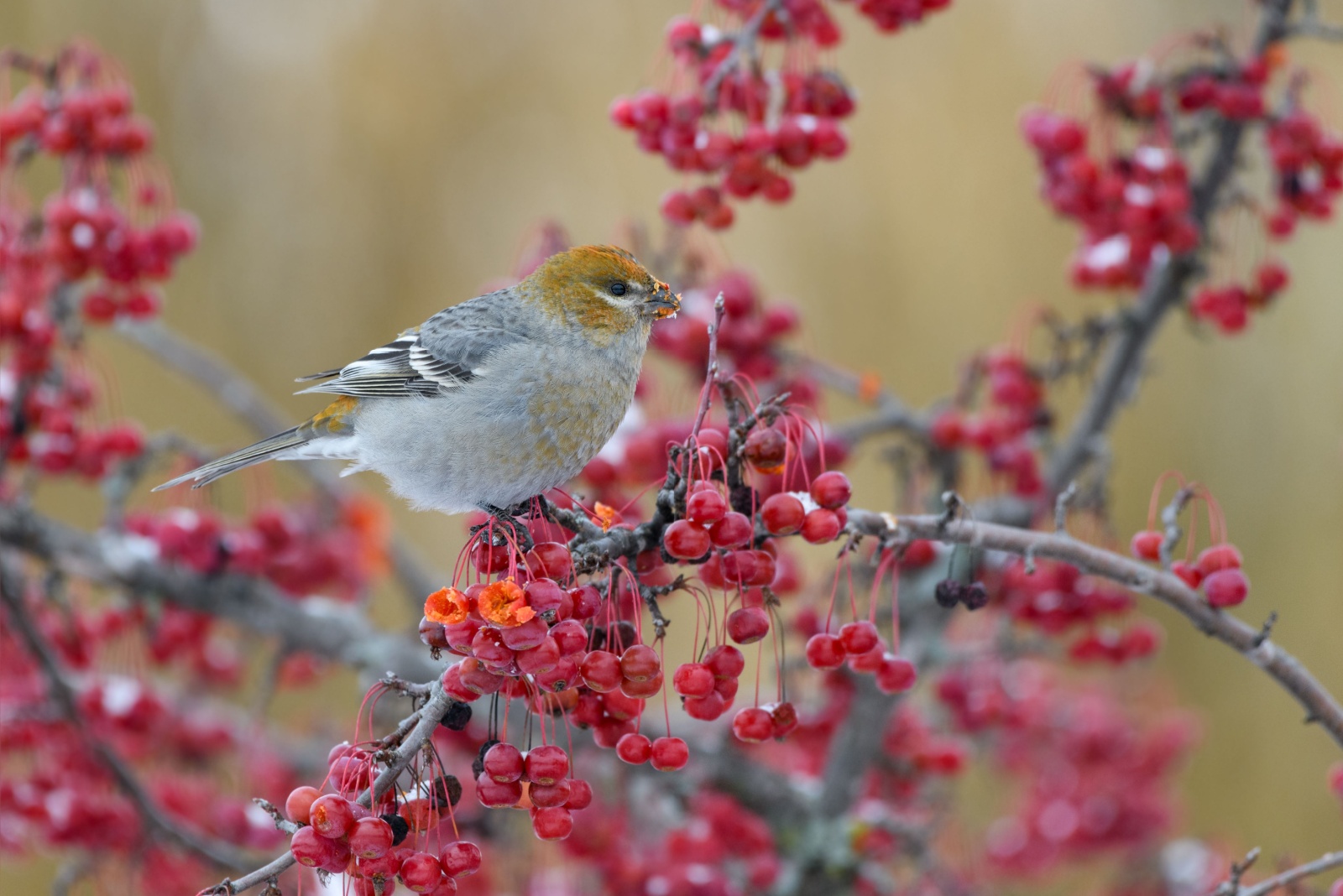
A bird feeder draws feathered guests like clockwork, but the right plants turn a quick visit into a lasting stay.
In Minnesota yards, smart planting can make all the difference between a pit stop and a full-service rest area.
When seeds fly and wings flutter, shelter and natural food seal the deal.
Minnesota’s climate plays hardball, with long winters and short growing seasons.
Plants that earn their keep must stand up to cold, bounce back fast, and offer value beyond good looks.
Shrubs that provide berries, perches, and cover help birds escape wind and predators.
Flowers that produce seeds extend the buffet long after feeders run low.
Together, plants and feeders work hand in glove, creating a setup that feels safe and familiar to local birds.
A thoughtful mix of natives and hardy favorites keeps activity high through every season.
The result looks natural, supports wildlife, and saves effort in the long run.
When landscaping pulls its weight, the feeder becomes part of a bigger picture, and the backyard turns into a year-round haven rather than a temporary stop on a busy flight path.
1. Serviceberry (Amelanchier)
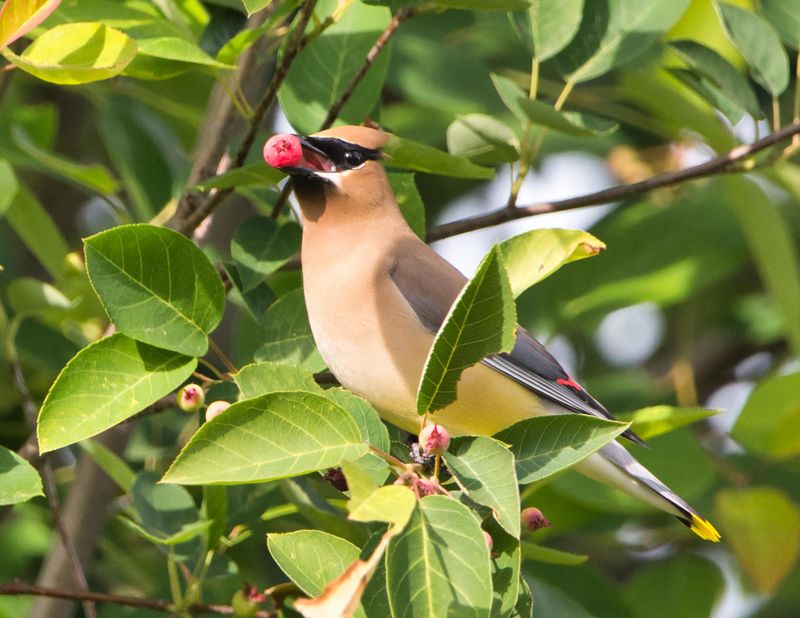
Native to Minnesota, serviceberry stands out as one of the most valuable plants for attracting birds throughout multiple seasons.
This medium-sized shrub produces stunning white flowers in early spring that eventually transform into small, purple-red berries by early summer.
Birds such as robins, cedar waxwings, and cardinals absolutely adore these sweet fruits, often stripping the branches clean within days of ripening.
The plant tolerates Minnesota’s cold winters exceptionally well, surviving temperatures far below zero without any special protection.
Serviceberry also provides excellent nesting spots with its dense branching structure, giving birds a safe place to raise their young near your feeding station.
In fall, the foliage turns brilliant shades of orange and red, adding visual interest to your landscape long after the berries have been consumed.
This shrub grows well in both full sun and partial shade, making it adaptable to various yard conditions.
Plant it within ten feet of your feeder to create a natural corridor where birds can quickly retreat if they sense danger.
The combination of food, shelter, and beauty makes serviceberry an essential addition to any bird-friendly Minnesota garden.
2. Purple Coneflower (Echinacea)
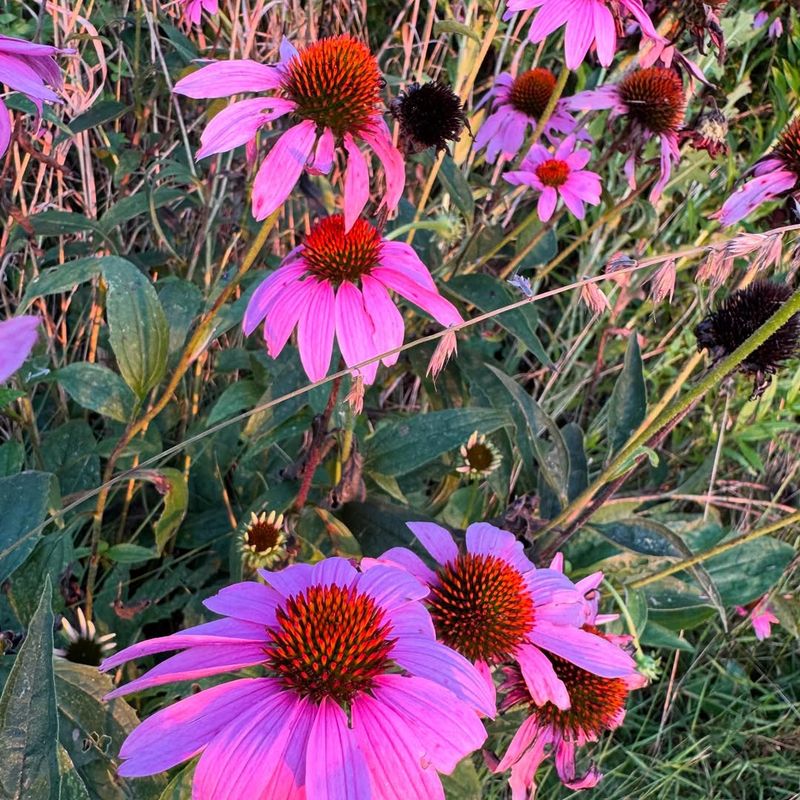
Goldfinches flock to purple coneflower like kids to a candy store, pecking eagerly at the seed-rich center cones from late summer through winter.
This native prairie wildflower blooms from July through September, producing large pink-purple flowers with distinctive raised centers that gradually dry into seed heads.
Rather than cutting back the spent blooms in fall, leave them standing to provide natural bird food during colder months when resources become scarce.
Purple coneflower thrives in Minnesota’s climate, handling both summer heat and winter cold with remarkable resilience.
The plant requires minimal care once established, needing only occasional watering during extended dry periods.
Beyond feeding birds, the summer blooms attract butterflies and bees, creating a vibrant ecosystem around your feeder area.
Space several plants in clusters near your bird feeder to create a natural buffet that keeps feathered visitors entertained for hours.
The sturdy stems remain upright even under heavy snow, ensuring birds can access seeds throughout winter.
Purple coneflower also spreads slowly over time, filling in garden spaces without becoming invasive or overwhelming other plants in your landscape design.
3. American Cranberrybush (Viburnum trilobum)
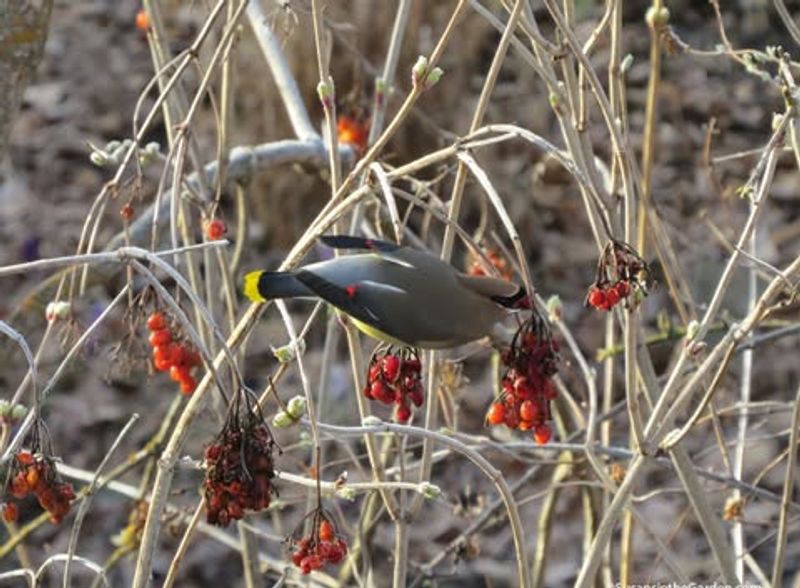
Clusters of bright red berries persist on American cranberrybush branches throughout winter, providing emergency food when other sources disappear beneath snow.
This hardy native shrub grows six to twelve feet tall, creating a substantial presence in your landscape while offering multiple benefits for birds.
White flower clusters appear in late spring, attracting pollinators before transforming into the brilliant red fruits that birds rely on during harsh months.
Interestingly, birds often ignore these berries until late winter or early spring, when freezing and thawing cycles have softened them and made them more palatable.
Cedar waxwings, robins, and grosbeaks particularly appreciate this late-season food source when fresh options are limited.
The dense branching structure provides excellent cover where birds can hide from predators like hawks while moving between your feeder and natural food sources.
American cranberrybush tolerates various soil conditions, though it prefers slightly moist areas and can handle the clay-heavy soils common in many Minnesota yards.
Plant this shrub on the north or west side of your feeder to create a windbreak that shields birds from harsh winter winds.
The combination of food, shelter, and year-round interest makes this viburnum invaluable for bird-friendly landscapes.
4. Black-Eyed Susan (Rudbeckia hirta)
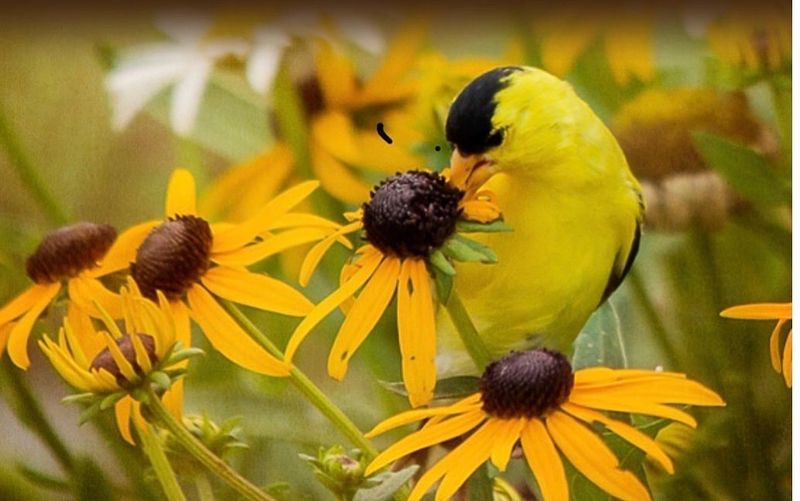
Cheerful yellow petals surrounding dark chocolate-brown centers make black-eyed Susan instantly recognizable and irresistibly attractive to seed-loving birds.
This tough native wildflower blooms from June through October, providing months of color before transforming into seed-packed cones that birds devour enthusiastically.
Finches, chickadees, and sparrows balance skillfully on the dried stems, extracting nutritious seeds throughout fall and winter months.
Black-eyed Susan tolerates poor soil, drought, and full sun exposure, making it one of the easiest plants to grow successfully in Minnesota gardens.
The flowers self-seed readily, creating natural drifts that expand your bird feeding area without requiring additional planting effort or expense.
Plant several clumps around your feeder at varying distances to create multiple feeding stations that reduce competition among birds.
The sturdy stems remain standing through snow and ice, keeping seeds accessible even during the harshest winter weather conditions.
Beyond their value for birds, the bright summer blooms attract numerous butterfly species, adding another layer of wildlife interest to your yard.
Black-eyed Susan also pairs beautifully with other prairie natives, creating a naturalistic meadow appearance that requires less maintenance than traditional lawn areas.
5. Pagoda Dogwood (Cornus alternifolia)
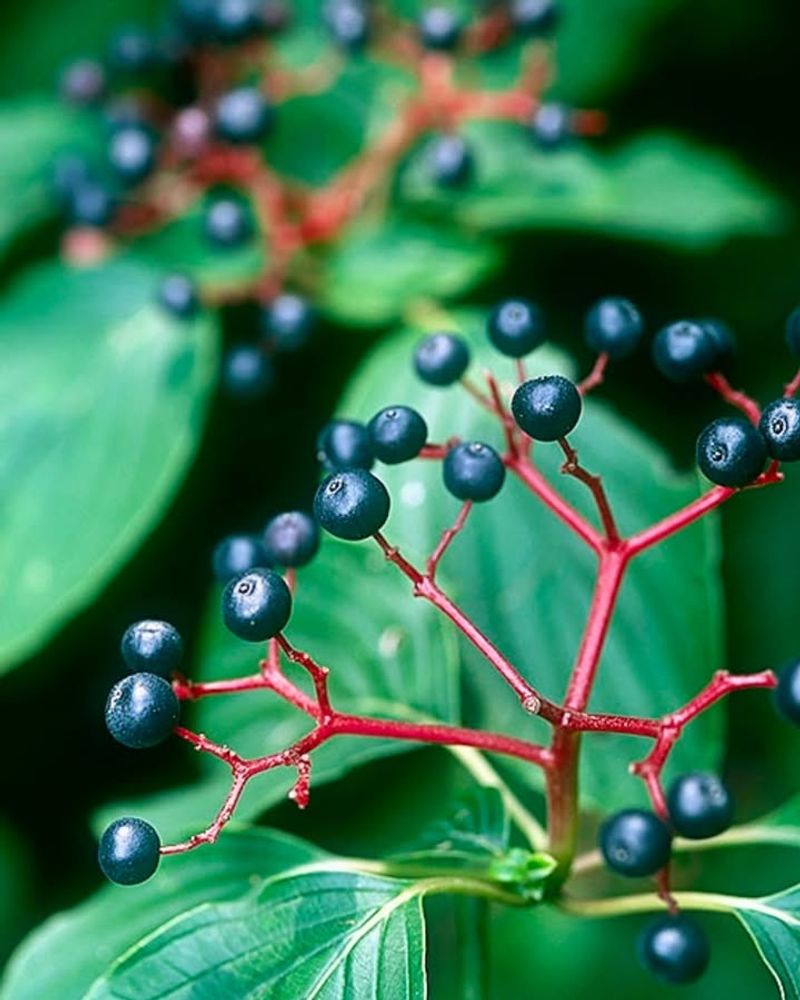
Horizontal branches create distinctive layered tiers on pagoda dogwood, giving this small tree an architectural quality while providing perfect perching spots for birds.
Creamy white flower clusters bloom in late spring, eventually producing dark blue-black berries that ripen in late summer.
More than 40 bird species feed on these nutritious fruits, including thrushes, vireos, and tanagers that might not visit traditional feeders.
The unique branching structure offers excellent visibility, allowing you to watch birds as they move through the tree gathering berries.
Pagoda dogwood grows well in partial shade, making it perfect for planting beneath taller trees or on the north side of buildings.
This native tree tolerates Minnesota winters without any special protection, and its moderate size (15-25 feet) fits comfortably in most residential landscapes.
The layered branches also provide ideal nesting sites, encouraging birds to raise their families near your feeding station.
In fall, the foliage turns reddish-purple, adding seasonal color that complements the changing landscape.
Plant pagoda dogwood as a backdrop to your bird feeder, creating a natural canopy where birds can rest between feeding sessions while staying alert for potential threats.
6. Wild Bergamot (Monarda fistulosa)

Hummingbirds zip from bloom to bloom on wild bergamot, their iridescent feathers flashing in the sunlight as they sip nectar from the tubular lavender-pink flowers.
This native member of the mint family blooms throughout July and August, providing crucial fuel for hummingbirds during their breeding season.
After the flowers fade, the seed heads attract finches and other small birds who pick out the tiny nutritious seeds.
Wild bergamot grows two to four feet tall, forming substantial clumps that create visual impact while supporting multiple bird species.
The aromatic foliage releases a pleasant minty scent when brushed, adding sensory interest to your garden beyond just visual appeal.
This plant thrives in full sun and tolerates the clay soils and occasional drought conditions common in Minnesota landscapes.
Butterflies and native bees also visit the flowers in large numbers, creating a bustling wildlife hub around your bird feeding area.
Plant wild bergamot in groups of five or more to create enough flower power to attract and sustain hummingbirds throughout the blooming season.
The clump-forming growth habit makes it easy to control, and the plant rarely becomes invasive despite its vigorous nature and prolific seed production.
7. Elderberry (Sambucus canadensis)
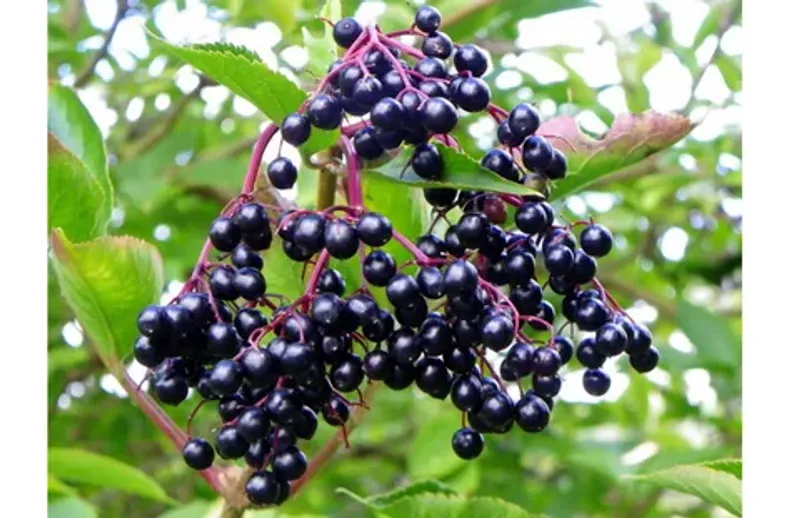
Few plants match elderberry for sheer berry production, with massive clusters of dark purple-black fruits appearing in late summer and drawing birds from across the neighborhood.
This vigorous native shrub grows quickly, reaching heights of eight to twelve feet and spreading to form dense thickets if not pruned regularly.
The white flower clusters that appear in June are attractive in their own right, creating lacy umbrellas across the plant before berry production begins.
Robins, catbirds, thrushes, and waxwings consume elderberries voraciously, often stripping entire clusters within hours of ripening.
Elderberry prefers moist soil conditions and tolerates the wet areas in yards where other plants struggle to survive.
The dense growth provides excellent cover and nesting opportunities, making this shrub valuable beyond just its fruit production.
Plant elderberry at the edge of your property or as a living screen to create privacy while supporting bird populations.
The shrub suckers readily from the roots, so regular pruning keeps it within bounds and encourages more productive fruiting wood.
Elderberry also produces fruit you can harvest for jams and pies, though you will need to beat the birds to the berries if you want any for yourself.
8. Little Bluestem (Schizachyrium scoparium)
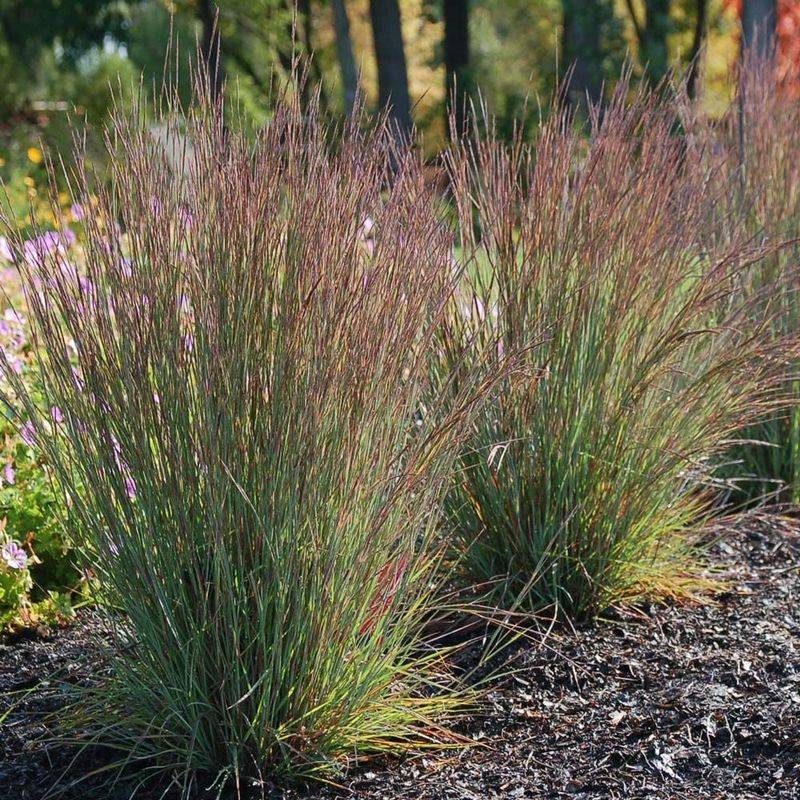
Sparrows and juncos scurry beneath little bluestem clumps, scratching through fallen seeds while using the grass stems as protective cover from overhead predators.
This native prairie grass grows in attractive blue-green tufts during summer before transforming into brilliant copper-red plumes in fall.
The fluffy seed heads persist throughout winter, providing food when other sources become scarce and adding texture to snow-covered landscapes.
Little bluestem reaches two to four feet tall, creating a naturalistic meadow appearance around your bird feeder without overwhelming smaller plants.
Ground-feeding birds particularly appreciate the open space beneath the grass clumps, where they can forage safely while remaining hidden from hawks.
This grass tolerates poor soil, drought, and extreme cold, making it perfectly suited to Minnesota’s challenging climate conditions.
Plant little bluestem in drifts or masses to create a prairie-style planting that requires minimal maintenance once established.
The grass also provides nesting material in spring, as birds pull dried blades to line their nests.
Cut back the previous year’s growth in early spring before new growth emerges, leaving the seed heads standing through winter to maximize bird feeding opportunities and visual interest in the dormant season landscape.
9. Nannyberry (Viburnum lentago)
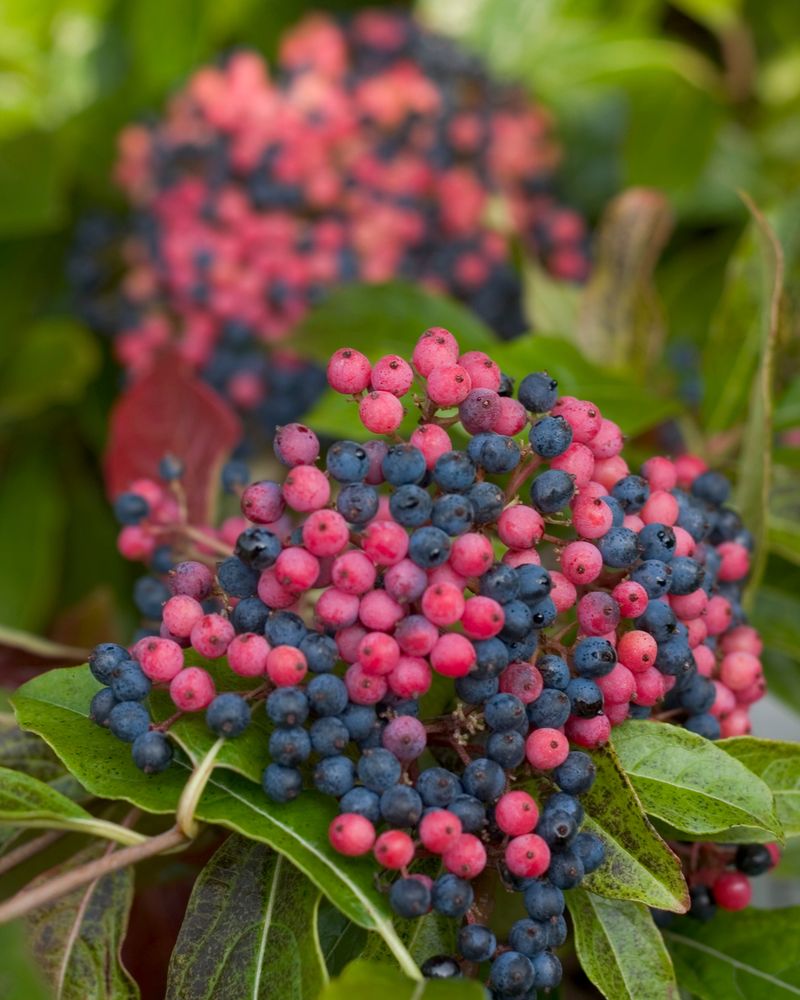
Sweet, raisin-like berries dangle in heavy clusters from nannyberry branches, and birds seem to know exactly when these fruits reach perfect ripeness.
This large native shrub or small tree grows twelve to eighteen feet tall, creating substantial screening while producing abundant fruit for wildlife.
Creamy white flowers cover the plant in late spring, filling the air with a pleasant fragrance before developing into green berries that gradually darken to blue-black.
Cedar waxwings, robins, and thrashers eagerly consume these nutritious fruits, often arriving in flocks that can strip a plant within days.
Nannyberry tolerates a wide range of soil conditions and grows well in both sun and partial shade, adapting to various landscape situations.
The glossy leaves turn purplish-red in fall, providing seasonal color that extends the plant’s ornamental value beyond just fruit production.
Dense branching creates excellent cover where birds can hide from predators while moving between your feeder and natural food sources.
Plant nannyberry as a hedge or screen to define your property boundaries while creating wildlife habitat.
The fruits ripen in September and October, providing food during fall migration when birds need high-energy fuel for their long journeys southward to warmer climates.
10. Sunflower (Helianthus annuus)
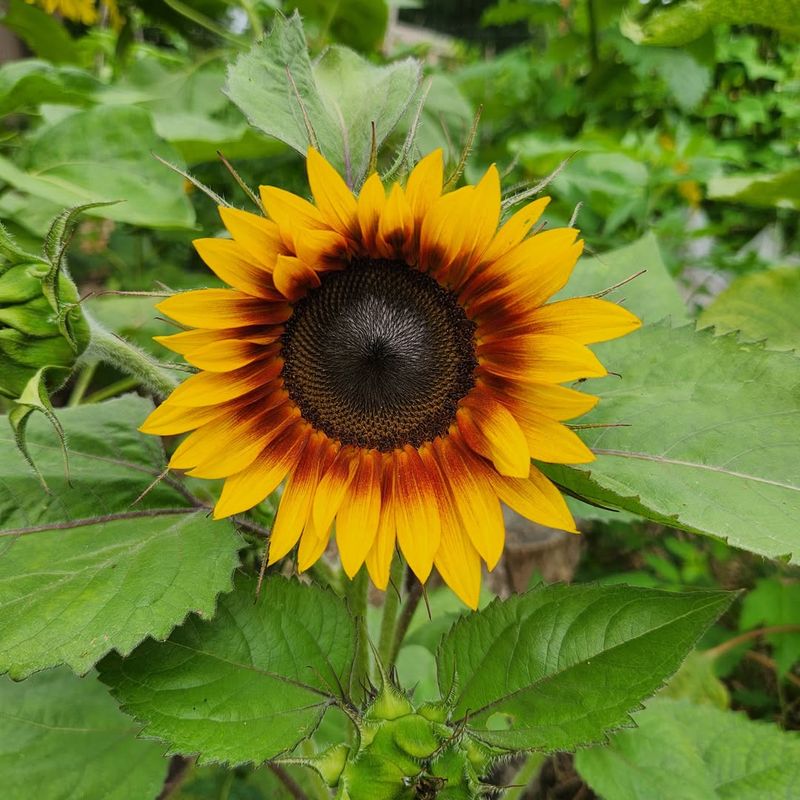
Nothing announces a bird-friendly garden quite like towering sunflowers nodding under the weight of seed-packed heads that birds find absolutely irresistible.
These annual plants grow quickly from seed, reaching heights of six to ten feet by late summer and producing dinner-plate-sized flowers.
As the petals fade and fall, the developing seed heads become magnets for chickadees, nuthatches, finches, and even woodpeckers who cling to the stems while extracting seeds.
Plant sunflowers in spring after the last frost, spacing them around your feeding area to create multiple natural feeding stations.
The tall stems also provide convenient perches where birds can survey the area before dropping down to your feeder below.
Sunflowers tolerate poor soil and require minimal care beyond occasional watering during extended dry periods, making them perfect for beginning gardeners.
You can either let birds feed directly from the standing plants or harvest the heads and hang them near your feeder for easier viewing.
The massive root systems improve soil structure, and when the plants finish their lifecycle, you can compost the stalks to enrich your garden beds.
Plant successive crops every two weeks through early summer to extend the bloom and seed production season well into fall.