10 Best Plants To Grow Around Bird Feeders In New York
Bird feeders may grab all the attention, but the plants around them quietly set the stage.
In New York yards, the right greenery can turn a simple feeder into a full service stop for birds all year long.
When plants and feeders work hand in glove, birds feel safer, stay longer, and come back again and again.
Smart plant choices do more than look good.
Shrubs and flowers offer cover from sharp eyed predators and give birds a place to pause between bites.
Some plants drop seeds, berries, or nectar that stretch food supplies when feeders run low.
Others block winter winds or cast just enough shade during summer heat.
It is a win win situation that pays off in every season.
New York’s changing weather makes this balance even more important.
Cold winters and busy summers can stress wildlife, but a well planned feeder area takes the edge off.
Thoughtful planting also keeps mess under control by catching fallen seed and protecting lawns from wear and tear.
With the right plants in place, your bird feeder area becomes more than a snack bar.
It turns into a welcoming backyard habitat that keeps birds coming back and keeps your yard looking sharp year after year.
1. Serviceberry
Few shrubs deliver such spectacular seasonal changes as Serviceberry, which puts on a show from early spring through fall.
White flowers emerge before most trees leaf out, creating clouds of blooms that signal winter’s end across New York neighborhoods.
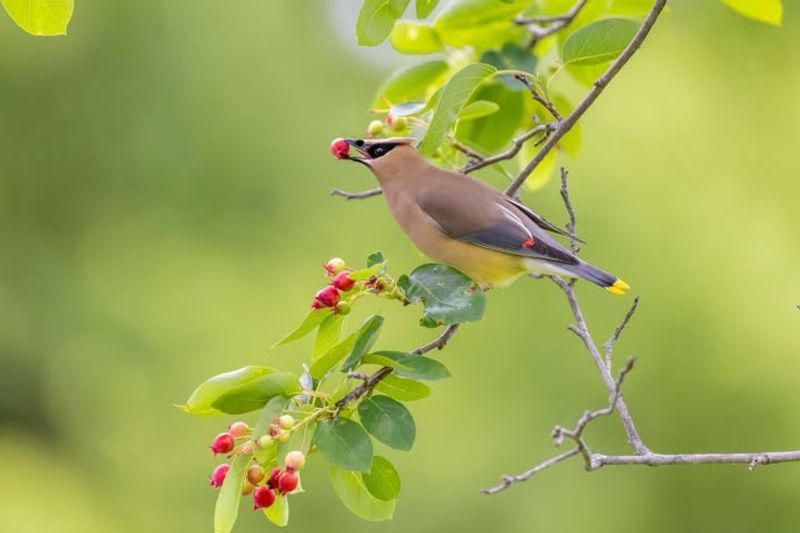
Birds recognize these flowers as precursors to delicious purple-red berries that ripen in June.
Robins, catbirds, and thrushes compete with humans for the sweet fruits that taste similar to blueberries.
Planting Serviceberry within 15 feet of your feeder station creates a natural buffet that keeps birds visiting your yard throughout summer months.
The multi-stemmed growth habit reaches 15 to 25 feet, making it suitable for medium-sized properties.
Brilliant orange and red fall foliage adds another layer of visual interest when many other plants fade.
New York’s native Amelanchier canadensis variety performs exceptionally well in local conditions, tolerating partial shade and various moisture levels.
This adaptable shrub handles urban pollution better than many alternatives, making it perfect for suburban and city gardens.
Early berry production fills a critical gap when migratory birds arrive in New York needing quick energy sources.
Maintenance remains minimal, with pruning only necessary to maintain desired shape or remove damaged branches.
2. Eastern Red Cedar
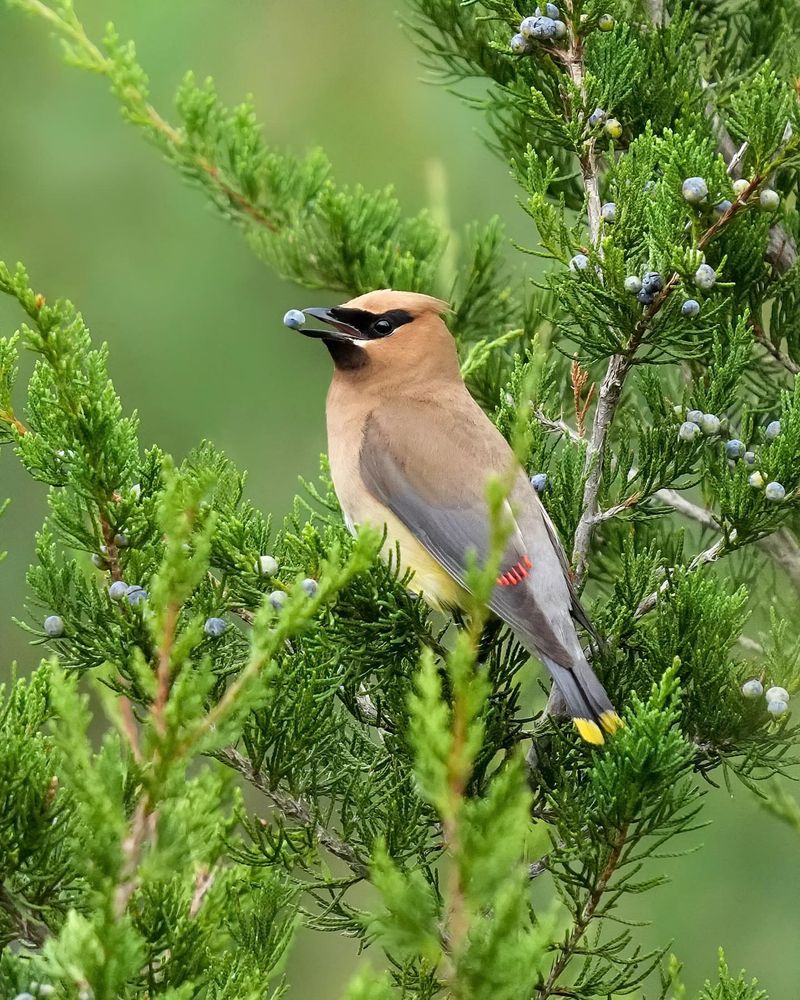
Native evergreens provide year-round shelter that birds desperately need during harsh New York winters.
Eastern Red Cedar stands out as a champion for creating safe spaces where birds can hide from hawks and escape bitter winds.
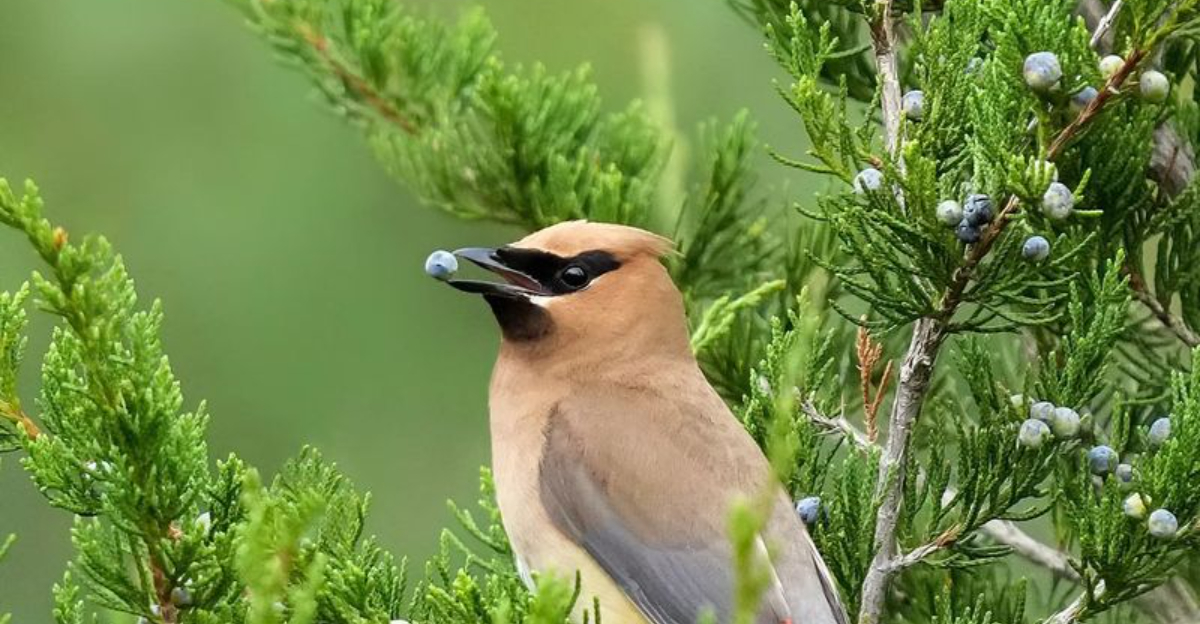
This tough tree produces blue berry-like cones that over 50 bird species feast on, including cedar waxwings, robins, and bluebirds.
The dense branching structure offers perfect nesting sites during spring and summer months.
Planting one near your feeder creates a natural corridor where birds feel comfortable traveling between food sources and protective cover.
Eastern Red Cedar adapts to various soil types throughout New York State, from sandy coastal areas to clay-heavy upstate regions.
Growth reaches 30 to 40 feet tall, though you can maintain smaller sizes through pruning.
The aromatic foliage releases a pleasant scent when brushed against, adding sensory appeal to your landscape.
Drought tolerance makes this tree low-maintenance once established, requiring minimal watering after the first growing season.
Birds particularly appreciate the winter berries that ripen when other food sources become scarce across New York’s frozen landscape.
Positioning this cedar on the north or west side of your feeder provides windbreak protection during storms.
3. Black-Eyed Susan
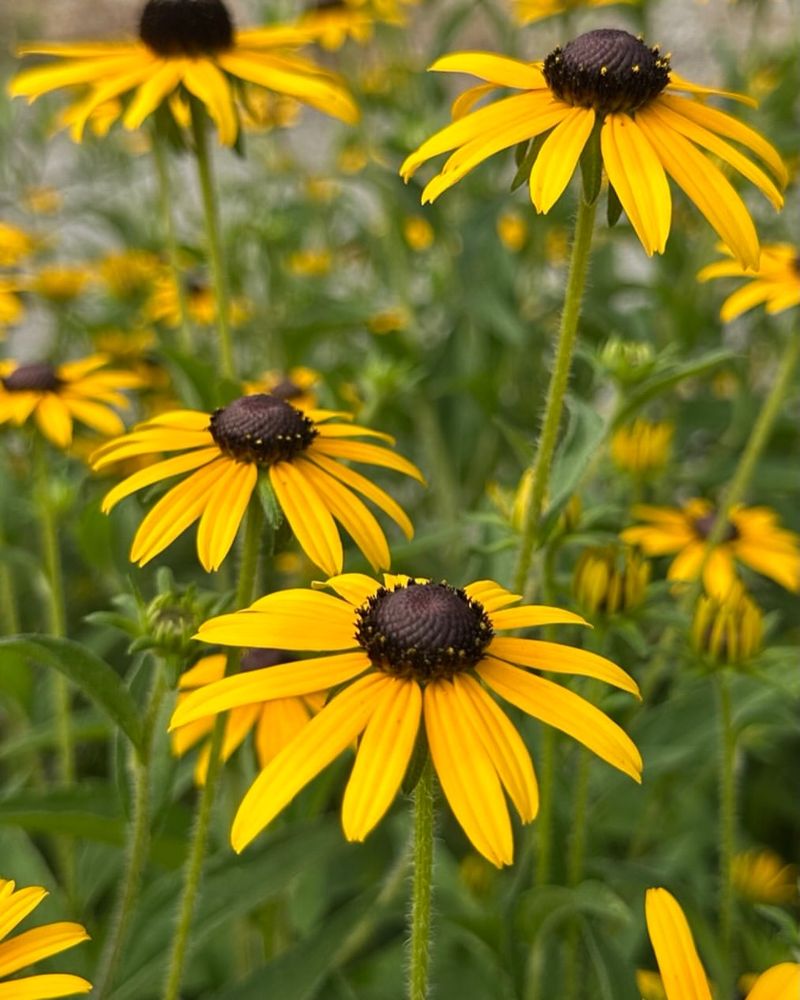
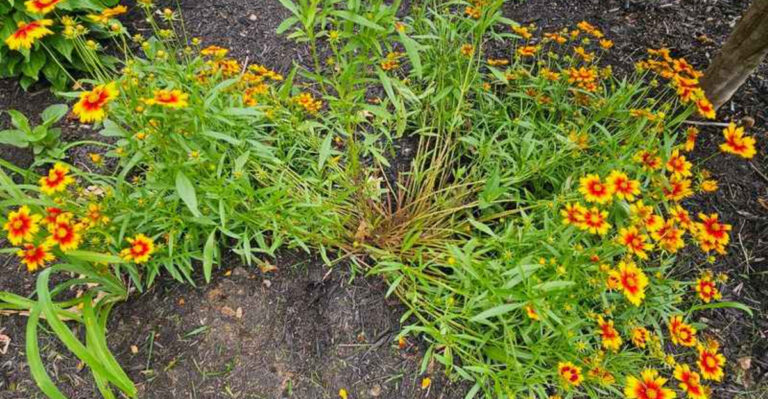
Cheerful yellow blooms brighten summer gardens while providing valuable resources that extend well into winter.
Black-Eyed Susans create stunning displays from July through September, attracting pollinators that in turn bring insect-eating birds to your New York property.
Goldfinches particularly love the seed heads that form after flowers fade, clinging to dried stems and extracting every nutritious morsel.
Leaving these spent flowers standing through winter provides natural food when snow covers the ground.
Planting clusters around your feeder area creates layered habitat that appeals to ground-feeding birds like sparrows and juncos.
These tough perennials tolerate New York’s temperature swings, returning reliably each spring with minimal care.
Height ranges from 2 to 3 feet, making them ideal for mid-border plantings that don’t obstruct views of your feeder.
Full sun locations produce the most abundant blooms and subsequently the most seeds for hungry birds.
Drought tolerance develops after establishment, reducing watering needs during typical New York summers.
Self-seeding creates expanding patches over time, though they never become aggressively invasive.
Cutting back old growth in early spring makes room for fresh foliage while allowing birds to benefit from seeds all winter long.
4. Winterberry Holly
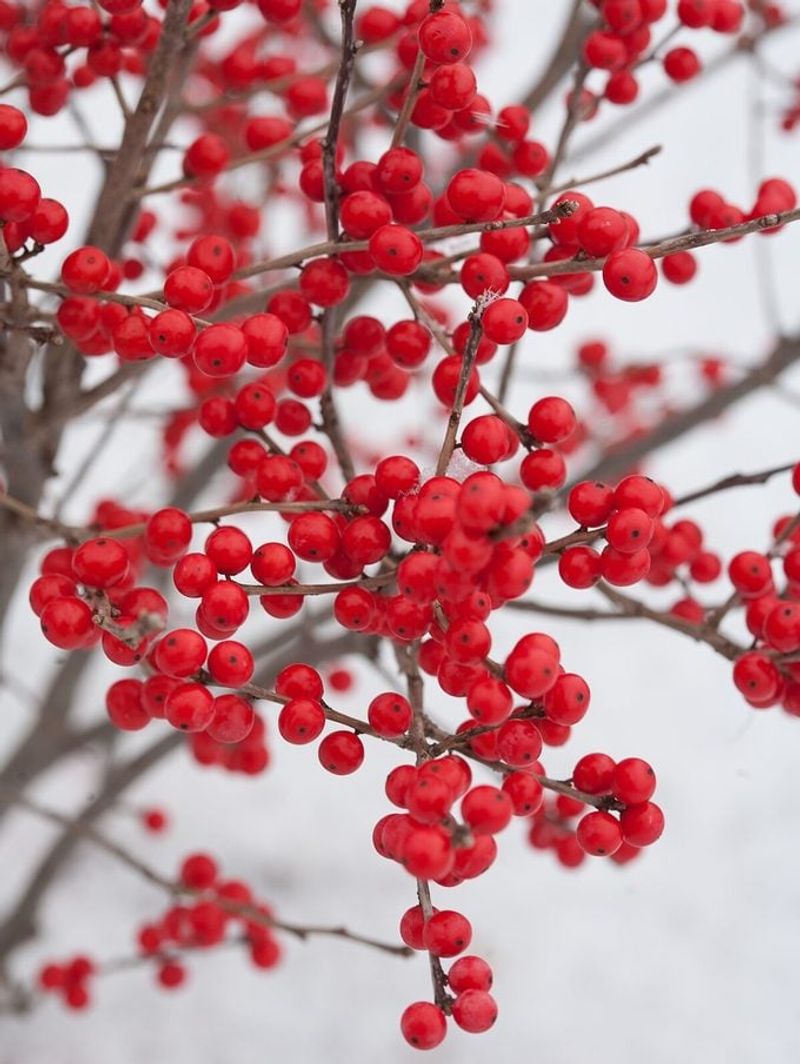
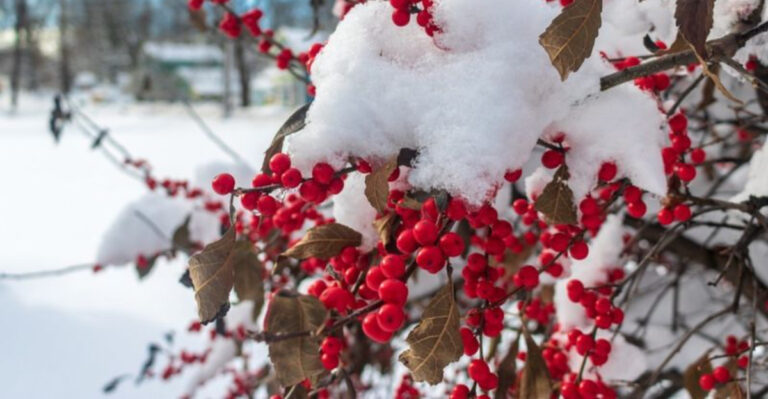
When snow blankets New York landscapes, brilliant red berries glow against bare branches like natural holiday decorations.
Winterberry Holly transforms into a bird magnet during late winter when most other food sources have been exhausted.
This deciduous holly loses its leaves in fall, making the berry display even more dramatic against white winter skies.
Robins, bluebirds, and cedar waxwings descend in flocks to feast on the persistent fruits that cling to branches through harsh weather.
Planting both male and female plants ensures heavy berry production, as only female hollies produce fruit.
Position them within sight of your feeder to create visual interest while providing supplemental natural food.
Growth reaches 6 to 10 feet tall, fitting well in foundation plantings or as border specimens throughout New York properties.
Wet soil tolerance makes Winterberry perfect for those challenging low spots where other shrubs struggle.
Native status means excellent adaptation to local pests and diseases, requiring virtually no chemical interventions.
Berries typically remain untouched until after several freeze-thaw cycles improve their palatability for birds.
Pruning in early spring before new growth emerges maintains attractive shape while encouraging dense branching for next season’s berry production.
5. Purple Coneflower
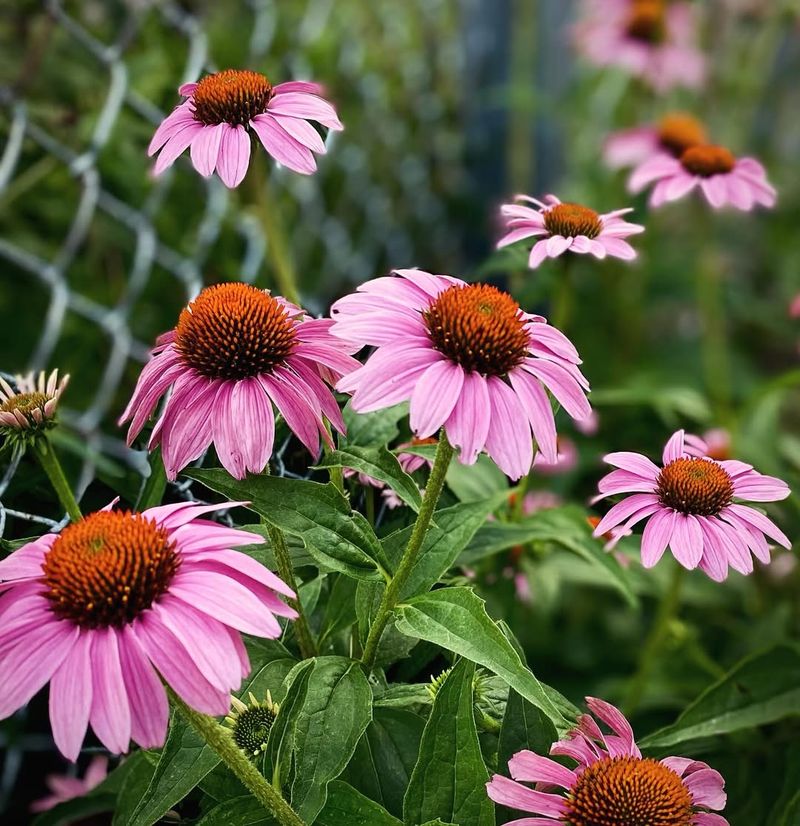
Gardeners love Purple Coneflower for its medicinal properties, but birds value it as a late-season seed source that sustains them through migration.
The prominent central cones develop hundreds of nutritious seeds that goldfinches, chickadees, and nuthatches eagerly harvest.
Pink-purple petals create eye-catching displays from mid-summer through early fall across New York gardens.
Pollinators swarm the blooms, bringing insect-eating warblers and flycatchers into your yard as an added bonus.
Planting drifts of five or more creates the mass effect that attracts more birds than single specimens scattered randomly.
Height reaches 2 to 4 feet depending on variety, with sturdy stems that rarely need staking.
New York’s climate suits this prairie native perfectly, as it tolerates both summer heat and winter cold with equal ease.
Leaving seed heads intact through winter provides natural bird food while adding architectural interest to dormant gardens.
Drought tolerance develops quickly, making this perennial ideal for low-maintenance landscapes near feeder stations.
Self-seeding produces volunteer seedlings that fill gaps, though they’re easy to remove if they appear where unwanted.
Dividing clumps every three to four years rejuvenates plants and provides extras to expand your bird-friendly plantings throughout your New York property.
6. Gray Dogwood
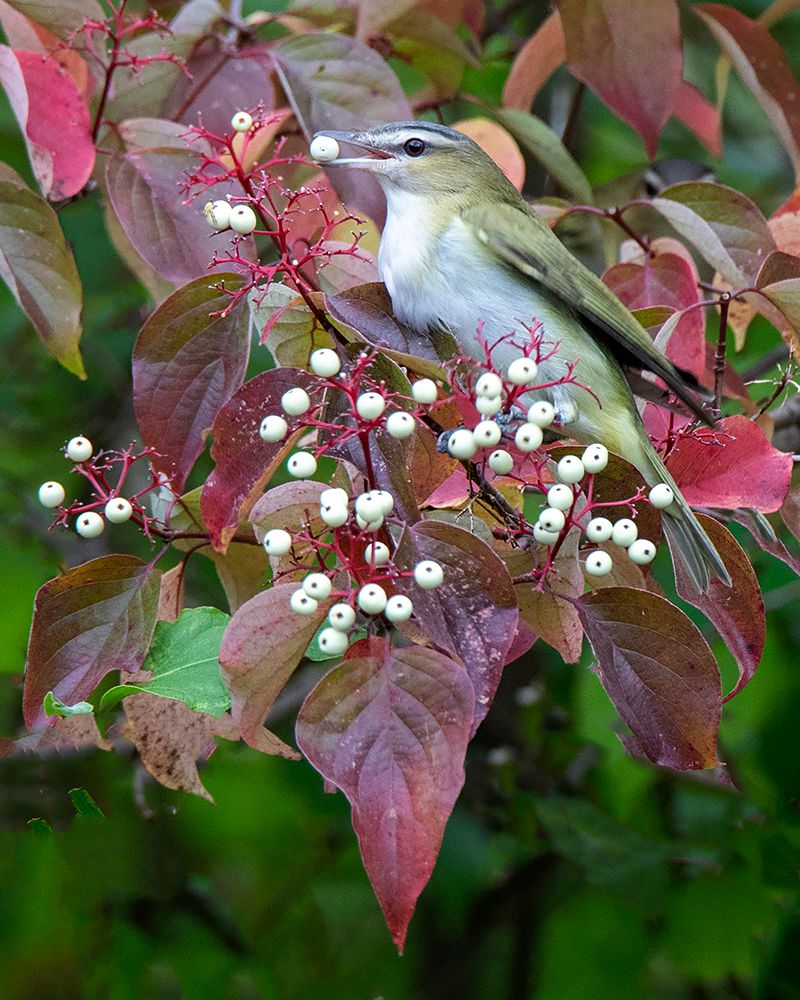
Underappreciated in many landscapes, Gray Dogwood deserves recognition as a superior bird-attracting shrub for New York gardens.
White berries appear in late summer, offering high-fat nutrition that helps birds prepare for migration or survive winter months.
Over 40 bird species consume these fruits, including thrushes, woodpeckers, and vireos that might otherwise pass through your yard unnoticed.
The spreading growth habit creates thickets that provide excellent nesting cover during breeding season.
Suckering nature means this shrub gradually expands to form colonies, perfect for creating natural hedges near feeder areas.
Height reaches 6 to 10 feet with similar spread, filling space efficiently in larger New York properties.
Burgundy fall color adds seasonal interest before leaves drop to reveal gray-white stems that remain attractive through winter.
Adaptability to various soil conditions makes Gray Dogwood foolproof for beginning gardeners wanting to support local bird populations.
Native status throughout New York State ensures perfect compatibility with local ecosystems and wildlife.
Pruning older stems to ground level every few years encourages fresh growth with better berry production.
Positioning this shrub to create screening between your feeder and neighboring properties gives birds the security they crave while feeding.
Tolerance of road salt makes it suitable for properties along treated streets throughout New York communities.
7. Sunflowers
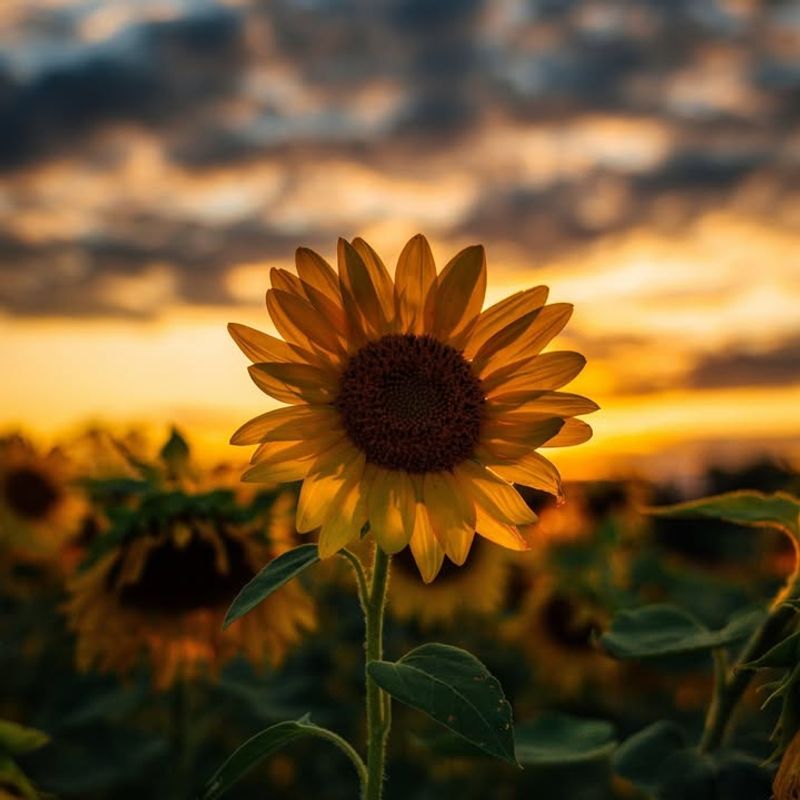
Nothing announces summer quite like towering sunflowers nodding their heavy heads above garden beds throughout New York.
Birds recognize these giants as future food sources, often visiting plants before seeds fully ripen.
Chickadees, nuthatches, and finches perform acrobatic feats while extracting seeds from developing heads.
Planting a succession of varieties with different maturity dates extends the harvest period from late summer through fall.
Positioning sunflowers behind or beside your feeder creates natural perches where birds can survey surroundings before approaching.
Heights range from 3-foot dwarf varieties to 10-foot giants, allowing creative design possibilities.
Single annual planting provides months of entertainment as you watch birds master the challenge of accessing tightly-packed seeds.
New York’s growing season easily accommodates sunflowers, which mature in 70 to 100 days depending on variety.
Leaving dried stalks standing through winter provides continued feeding opportunities when snow limits ground foraging.
Thick stems also offer shelter for overwintering insects that woodpeckers and nuthatches hunt during cold months.
Saving seeds from your best performers allows you to develop strains particularly suited to your specific New York microclimate.
Cutting heads once seeds ripen and hanging them near feeders concentrates bird activity in easily observable areas.
8. American Cranberrybush
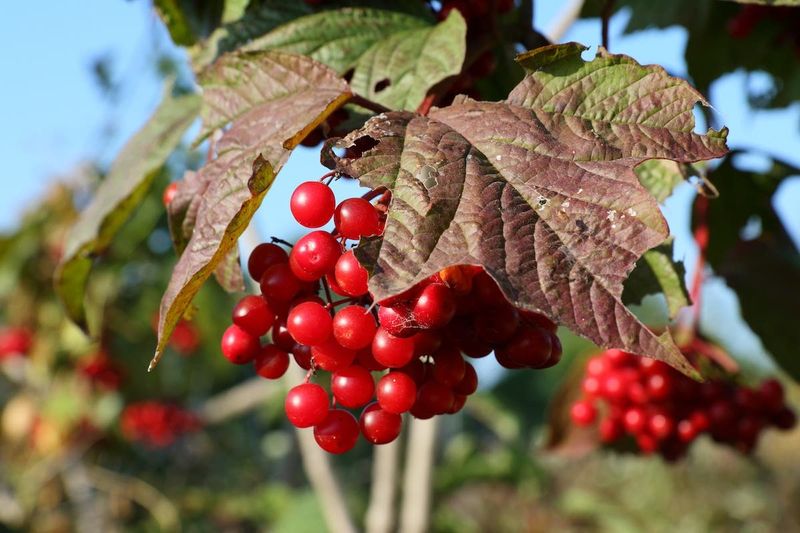
Maple-shaped leaves and clusters of bright red berries make American Cranberrybush a standout choice for New York landscapes surrounding bird feeders.
White spring flowers attract early-season pollinators, bringing insect-hunting birds into your yard.
Berries persist through winter, gradually softening after repeated freezing to become more palatable for hungry birds.
Cedar waxwings, thrushes, and grosbeaks strip branches clean during late winter when food becomes critically scarce across New York.
This native viburnum tolerates wet soils better than many alternatives, thriving in those challenging spots near downspouts or low areas.
Growth reaches 8 to 12 feet tall with similar spread, creating substantial presence in the landscape.
Fall foliage turns brilliant red-purple, providing color that rivals any ornamental tree throughout New York’s autumn season.
Planting in groups of three creates the mass necessary to produce abundant berry crops that sustain multiple bird species.
Deer resistance makes this shrub practical for rural and suburban New York properties where browsing pressure limits plant choices.
Minimal pruning requirements mean more time enjoying birds rather than maintaining plants.
Positioning American Cranberrybush to create a backdrop for your feeder station adds depth to the view while providing the cover birds seek.
Adaptability to both sun and partial shade increases placement flexibility throughout your property.
9. Joe-Pye Weed
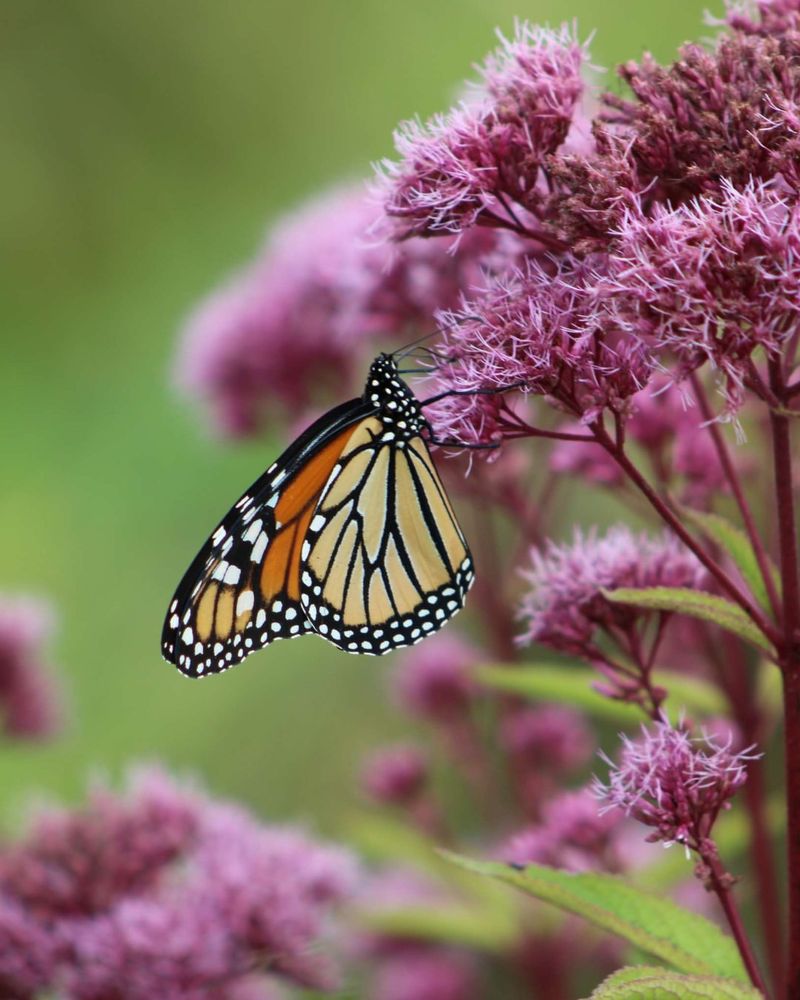
Towering above other perennials, Joe-Pye Weed creates dramatic vertical accents that serve multiple purposes in bird-friendly New York gardens.
Massive pink-purple flower clusters bloom in late summer when many other plants have finished their show.
Butterflies mob these blooms, creating insect populations that attract flycatchers, warblers, and other aerial hunters to your feeder area.
Seeds that follow provide food for finches and sparrows well into fall across New York landscapes.
Height reaches 5 to 7 feet, making this native perennial perfect for creating background plantings behind lower feeder stations.
Sturdy stems withstand New York’s summer thunderstorms without staking, maintaining their architectural presence.
Moisture-loving nature makes Joe-Pye Weed ideal for rain gardens or naturally wet areas where other plants struggle.
Native status throughout eastern New York ensures compatibility with local ecosystems and minimal maintenance requirements.
Leaving dried seed heads standing through winter adds textural interest while providing natural food for birds.
The hollow stems also shelter beneficial insects that woodpeckers and chickadees hunt during cold months.
Cutting plants back to ground level in early spring makes way for fresh growth that emerges surprisingly late compared to other perennials.
Dividing large clumps every four to five years prevents overcrowding and provides plants to expand your bird habitat throughout your New York property.
10. Northern Bayberry
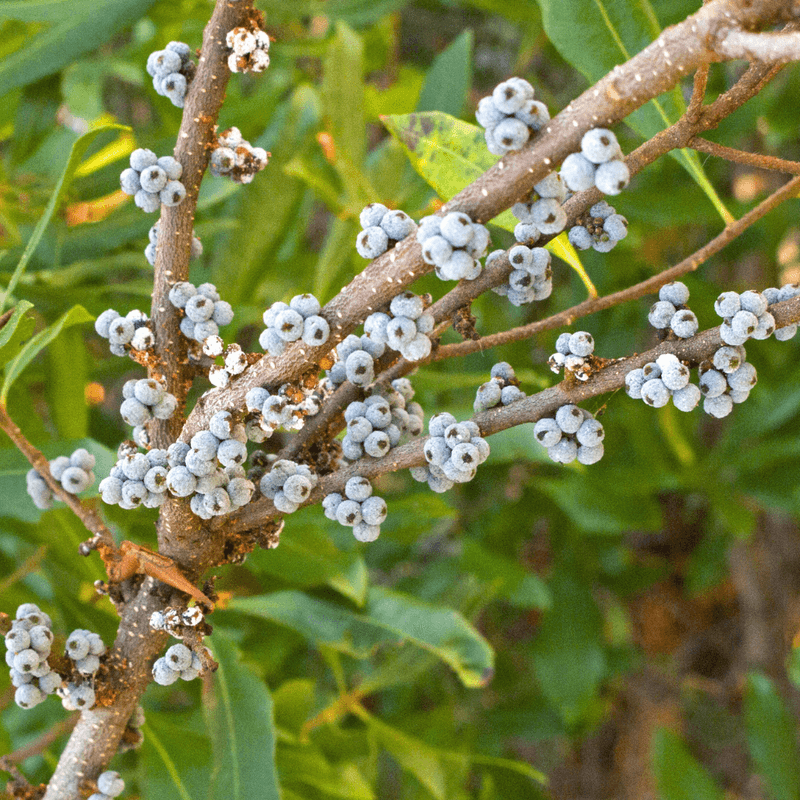
Coastal New York gardeners prize Northern Bayberry for its salt tolerance, but birds value it for waxy gray berries that persist through the harshest winters.
Yellow-rumped warblers depend so heavily on these fruits that they’re sometimes called “myrtle warblers” after the plant’s alternate name.
Aromatic foliage releases a pleasant fragrance when brushed, adding sensory dimension to your landscape near feeder areas.
The dense branching structure provides excellent cover where birds feel secure while moving between natural food and your feeders.
Growing 6 to 10 feet tall, this native shrub adapts to various New York soil types from sandy coastal areas to heavier inland soils.
Planting both male and female plants ensures heavy berry production, as only females bear fruit.
Nitrogen-fixing root nodules improve soil fertility, benefiting surrounding plants while reducing fertilizer needs.
This tough shrub tolerates drought, salt spray, and wind, making it ideal for challenging sites throughout New York State.
Berries develop a waxy coating that helps them resist moisture loss, allowing them to remain available when most other fruits have shriveled or been consumed.
Semi-evergreen foliage in milder New York winters provides additional cover value.
Pruning in early spring maintains compact shape while encouraging dense growth that birds prefer for nesting and shelter throughout the year.