12 Best Plants To Grow Around Your Bird Feeder In Virginia
Creating a bird-friendly garden in Virginia means choosing plants that attract feathered visitors while providing them with food, shelter, and natural beauty all year long.
Planting the right species near your feeder transforms your yard into a welcoming habitat where birds feel safe, nourished, and eager to return regularly.
Virginia’s climate supports a wide variety of native and adapted plants that produce berries, seeds, nectar, and insects that birds rely on for survival and energy.
Selecting the best plants around your feeder creates a vibrant ecosystem that benefits local wildlife, enhances your landscape, and brings joy to every birdwatching moment.
1. Eastern Red Cedar
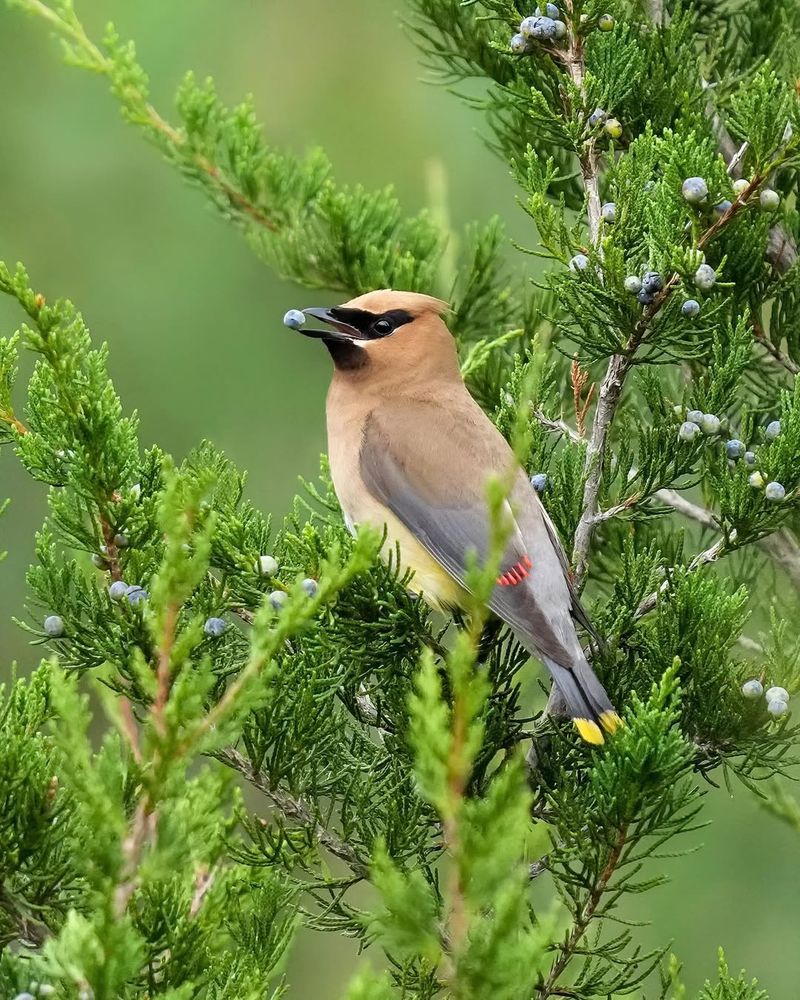
Native evergreens offer year-round shelter and food sources that countless bird species depend on during harsh winters and nesting seasons in Virginia landscapes.
Eastern Red Cedar produces small blue berry-like cones that robins, waxwings, and bluebirds devour with enthusiasm, especially when other food becomes scarce during cold months.
Dense foliage provides excellent cover for roosting and nesting, giving birds a safe haven from predators and severe weather conditions throughout the entire year.
Adaptable to various soil types, this hardy tree thrives in full sun and tolerates drought once established, making it a low-maintenance choice for busy gardeners.
Growth rates vary, but most specimens reach impressive heights over time, creating vertical interest and natural privacy screens in your outdoor space and surroundings.
Planting one near your feeder station encourages birds to linger longer, knowing they have quick access to protective branches just a short flight away.
Virginia gardeners appreciate how this species supports local ecosystems while requiring minimal care, water, or fertilizer applications once roots establish themselves in the ground.
Birds use the cedar’s branches as staging areas before approaching feeders, scanning for threats and coordinating group visits to ensure everyone eats safely together.
2. Black-Eyed Susan
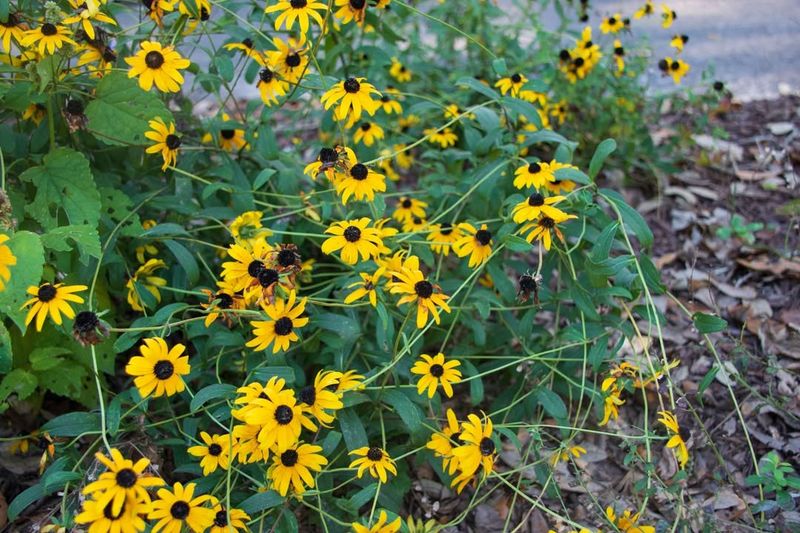
Cheerful yellow blooms brighten summer gardens while attracting goldfinches, sparrows, and other seed-loving birds that flock to mature flower heads once petals fade away naturally.
Black-Eyed Susan belongs to Virginia’s native wildflower family, thriving in sunny spots with well-drained soil and requiring almost no special attention from gardeners once established.
Goldfinches particularly adore the ripe seeds, often clinging to dried stems in late summer and autumn, creating delightful photo opportunities for backyard birdwatchers everywhere.
Perennial varieties return year after year, spreading gradually to form colorful colonies that fill empty spaces with low-maintenance beauty and constant avian activity throughout seasons.
Pollinators visit the bright flowers first, followed by seed-eating birds that arrive once blooms transform into nutritious seed heads packed with energy-rich morsels for feathered friends.
Cutting back spent flowers encourages additional blooming, but leaving some standing through winter provides essential food when natural resources become limited across Virginia’s colder regions.
Pairing these cheerful flowers with your feeder creates a layered feeding station where birds enjoy both commercial seed and natural forage options in one convenient location.
Virginia’s climate suits this hardy plant perfectly, ensuring vibrant displays that return reliably each growing season without demanding extensive watering, fertilizing, or pest control measures.
3. Serviceberry
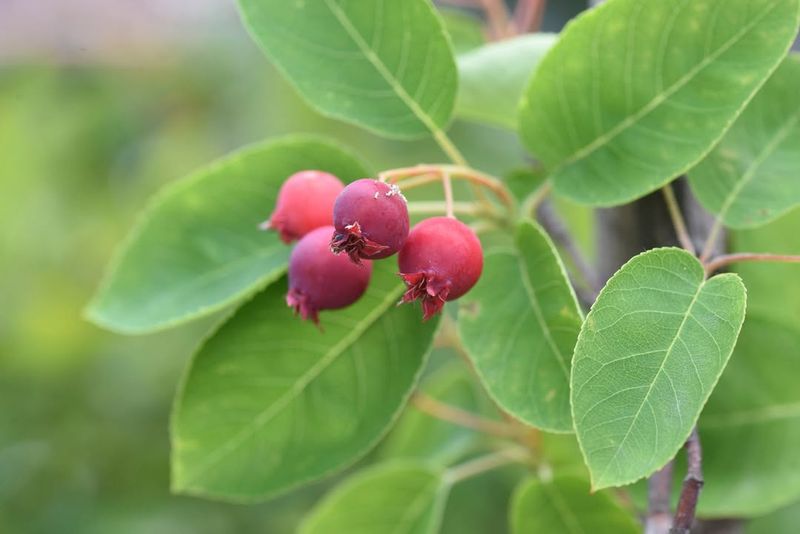
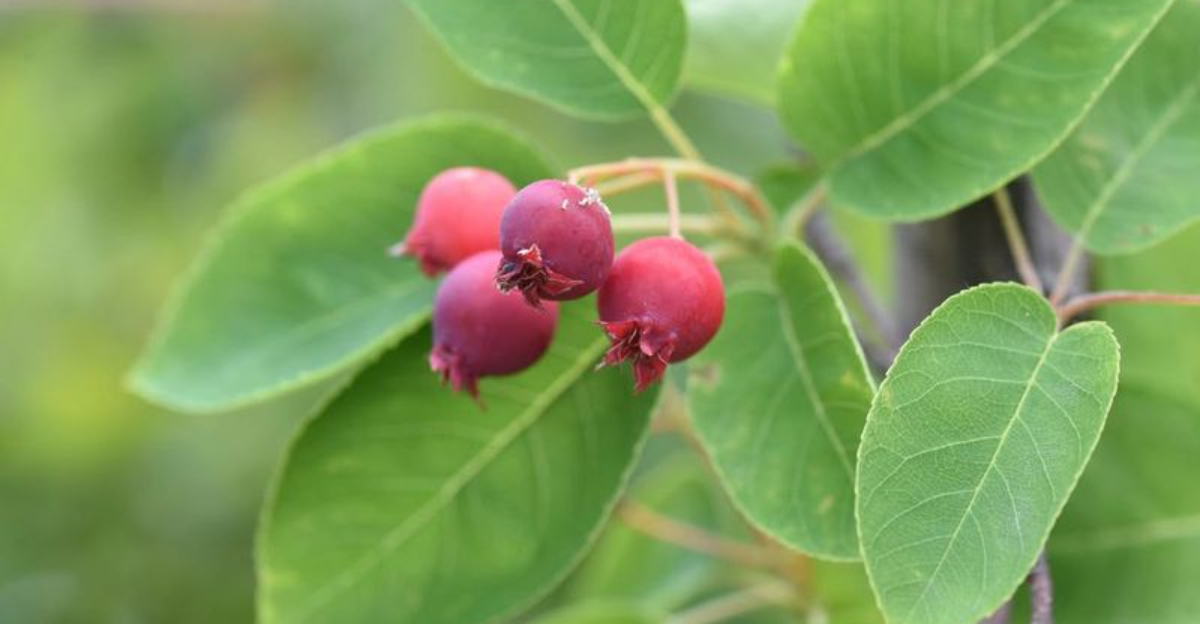
Early spring brings clouds of delicate white blossoms that transform into sweet purple berries by early summer, creating a feast that bluebirds, catbirds, and robins cannot resist.
Serviceberry adapts to various growing conditions across Virginia, tolerating partial shade and different soil types while maintaining attractive form and reliable fruit production each year.
Birds often strip ripe berries within days of ripening, demonstrating just how valuable this native shrub becomes as a natural food source during breeding season.
Attractive bronze-red foliage appears in autumn, adding seasonal color interest that extends this plant’s ornamental value far beyond its springtime flowering and summer fruiting periods.
Multi-stemmed varieties create dense thickets that provide excellent nesting sites and protective cover, encouraging birds to establish territories close to your feeding station and yard.
Gardeners appreciate how this low-maintenance shrub requires minimal pruning, watering, or pest management while delivering maximum wildlife benefits and visual appeal throughout changing seasons.
Planting serviceberry near feeders gives birds natural alternatives to commercial offerings, supporting healthier diets and encouraging longer visits as they move between natural and supplemental food sources.
Virginia’s native species perform exceptionally well in residential landscapes, establishing quickly and producing abundant harvests that benefit both wildlife populations and human admirers of backyard nature.
4. Purple Coneflower
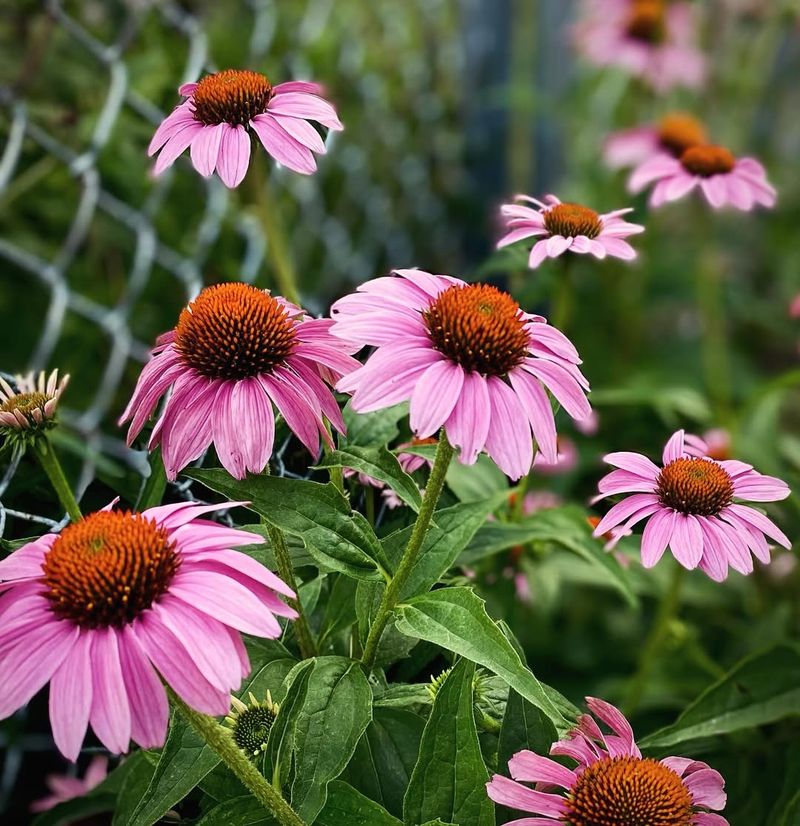
Bold pink-purple petals surround prominent seed cones that goldfinches adore, often performing acrobatic feeding displays as they extract every last nutritious seed from ripened flower heads.
Purple Coneflower thrives in Virginia’s summer heat and humidity, blooming prolifically from June through September and providing continuous color alongside reliable food sources for visiting birds.
Native to eastern North America, this drought-tolerant perennial requires minimal watering once established, making it ideal for sustainable landscapes that support wildlife without excessive resource consumption.
Leaving spent flower heads standing through winter extends feeding opportunities for finches and sparrows, who appreciate the accessible seeds when snow covers ground-level food sources completely.
Clumps expand gradually over time, creating larger displays that attract more birds and pollinators, transforming ordinary garden beds into vibrant wildlife habitats buzzing with activity.
Deer typically avoid this plant, allowing it to flourish in areas where browsing pressure limits other gardening options, ensuring your bird-friendly plantings remain intact and productive.
Pairing coneflowers with feeders creates a naturalistic setting where birds feel comfortable foraging, knowing they have quick access to supplemental seed if natural sources become depleted.
Virginia gardeners value how this hardy perennial returns reliably each spring, requiring only occasional division and deadheading to maintain vigor and maximize blooming throughout long growing seasons.
5. American Holly
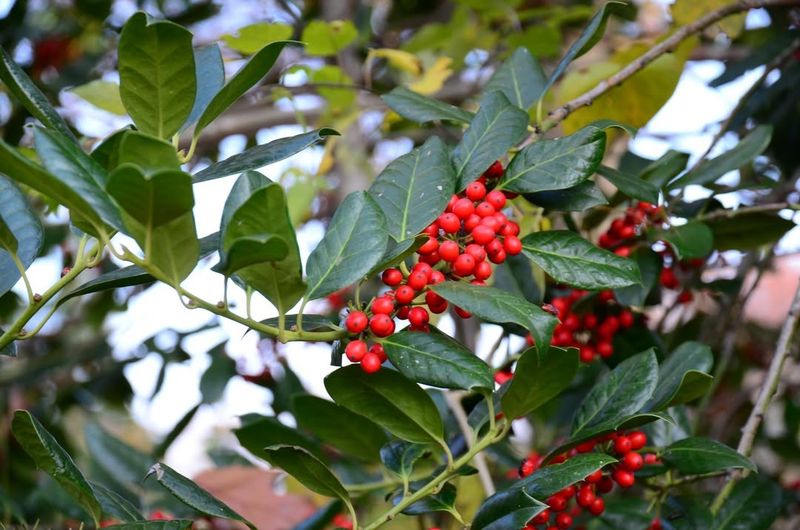
Glossy evergreen leaves and bright red berries create classic winter beauty while providing essential food for robins, bluebirds, and waxwings during Virginia’s coldest months and holidays.
American Holly grows slowly but steadily, eventually forming substantial trees that offer year-round shelter, nesting sites, and protective cover that birds value highly in residential landscapes.
Female trees produce abundant berry crops when pollinated by nearby males, making it important to plant both sexes if you want maximum fruit production for wildlife.
Dense branching structure creates ideal roosting spots where birds huddle together during storms, ice events, and frigid nights when finding adequate shelter becomes critical for survival.
Birds often wait until late winter to consume holly berries, preferring softer fruits first and saving these harder offerings until other food sources disappear completely.
Planting holly near feeders gives birds a safe staging area where they can observe surroundings before approaching open feeding stations, reducing predation risk significantly.
Virginia’s climate suits this native evergreen perfectly, allowing it to thrive in various soil types and light conditions while requiring minimal maintenance once roots establish firmly.
Gardeners appreciate how holly’s year-round greenery and winter berries enhance landscape aesthetics while simultaneously supporting local bird populations through challenging seasons when natural food becomes scarce.
6. Switchgrass
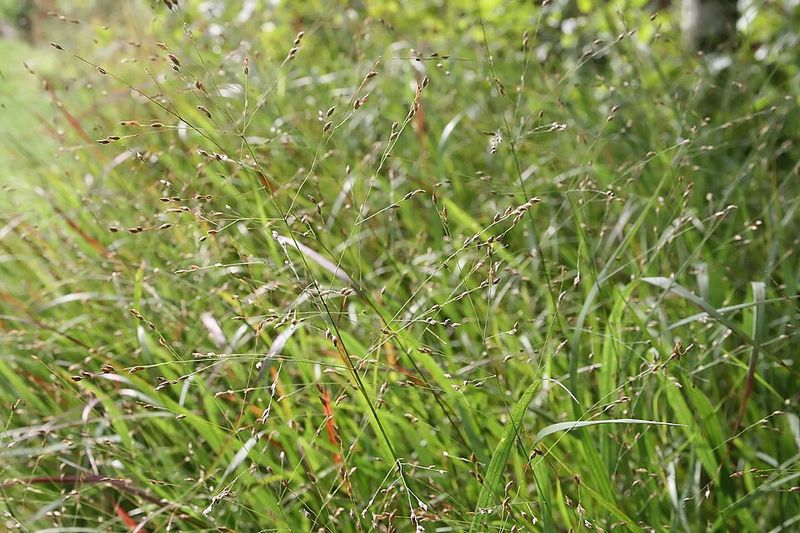
Tall native grass produces airy seed heads that sparrows, juncos, and finches target enthusiastically, stripping seeds throughout autumn and winter when other food sources decline dramatically.
Switchgrass adapts to various soil conditions across Virginia, tolerating both wet and dry sites while requiring virtually no fertilizer, pesticides, or special care from gardeners.
Clumps provide excellent ground cover and nesting material that birds gather for constructing nests, making this grass valuable beyond its role as a direct food source.
Golden autumn foliage adds seasonal interest to landscapes, creating warm tones that complement fall colors while maintaining structural beauty even after frost arrives and temperatures drop.
Birds appreciate the protective cover that dense grass clumps offer, using them as safe retreats when hawks or other predators appear suddenly near feeding stations.
Cutting back old growth in early spring encourages vigorous new shoots and abundant seed production, ensuring your grass remains productive and attractive throughout subsequent growing seasons.
Pairing switchgrass with feeders creates a layered habitat where birds can forage naturally while accessing supplemental seed, promoting healthier feeding behaviors and longer visits to yards.
Virginia’s native prairies once featured this grass extensively, and planting it today helps restore natural ecosystems while providing low-maintenance beauty and substantial wildlife benefits simultaneously.
7. Trumpet Vine
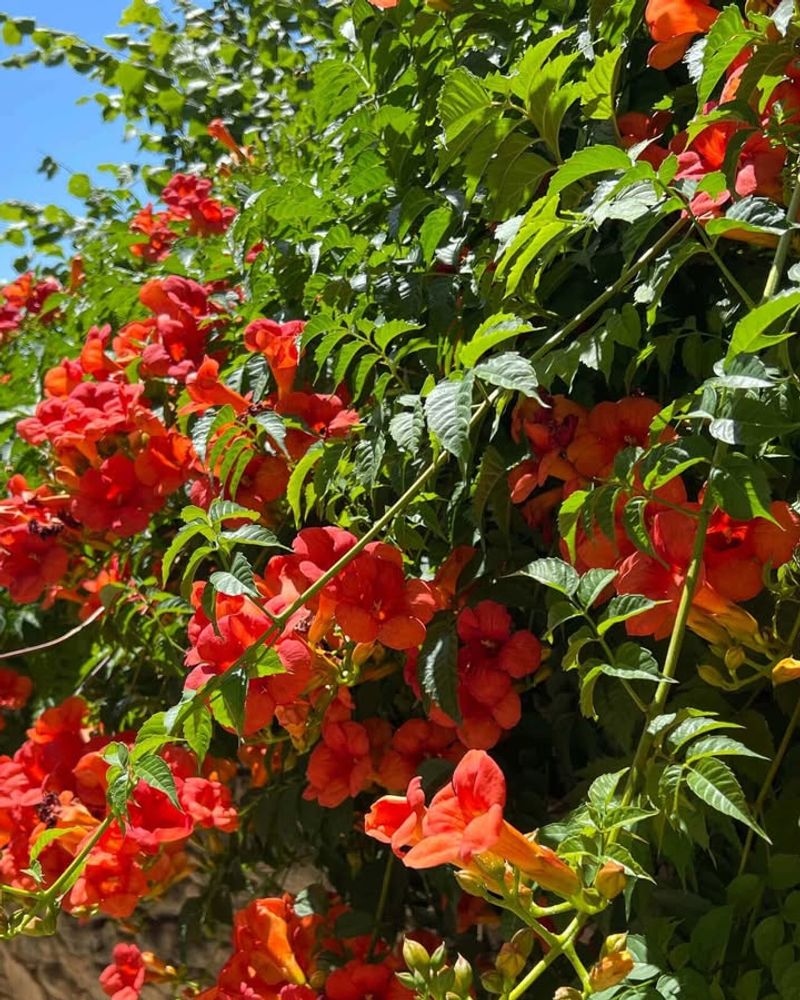
Spectacular orange-red tubular blooms attract hummingbirds by the dozens during summer months, creating dazzling aerial displays as tiny birds zip between flowers and nearby feeders.
Trumpet Vine grows vigorously once established, quickly covering fences, arbors, and trellises with lush foliage and abundant flowers that bloom continuously from June through September.
Hummingbirds prefer the nectar-rich flowers, but other birds appreciate the dense cover that mature vines provide, using tangled growth for nesting sites and protective shelter.
Virginia’s warm summers suit this native climber perfectly, allowing it to thrive in full sun with minimal watering once roots penetrate deeply into surrounding soil.
Aggressive growth requires occasional pruning to keep vines within bounds, but this vigorous nature also ensures rapid establishment and quick coverage of unsightly structures or bare areas.
Planting trumpet vine near hummingbird feeders creates a one-stop destination where these energetic birds can access both natural nectar and supplemental sugar water conveniently.
Seed pods develop after flowering, attracting additional bird species that forage for insects hiding within foliage and feed on seeds once pods mature and split open.
Gardeners appreciate how this low-maintenance vine delivers maximum visual impact while supporting pollinators and birds, transforming ordinary vertical spaces into vibrant wildlife habitats bursting with life.
8. Beautyberry
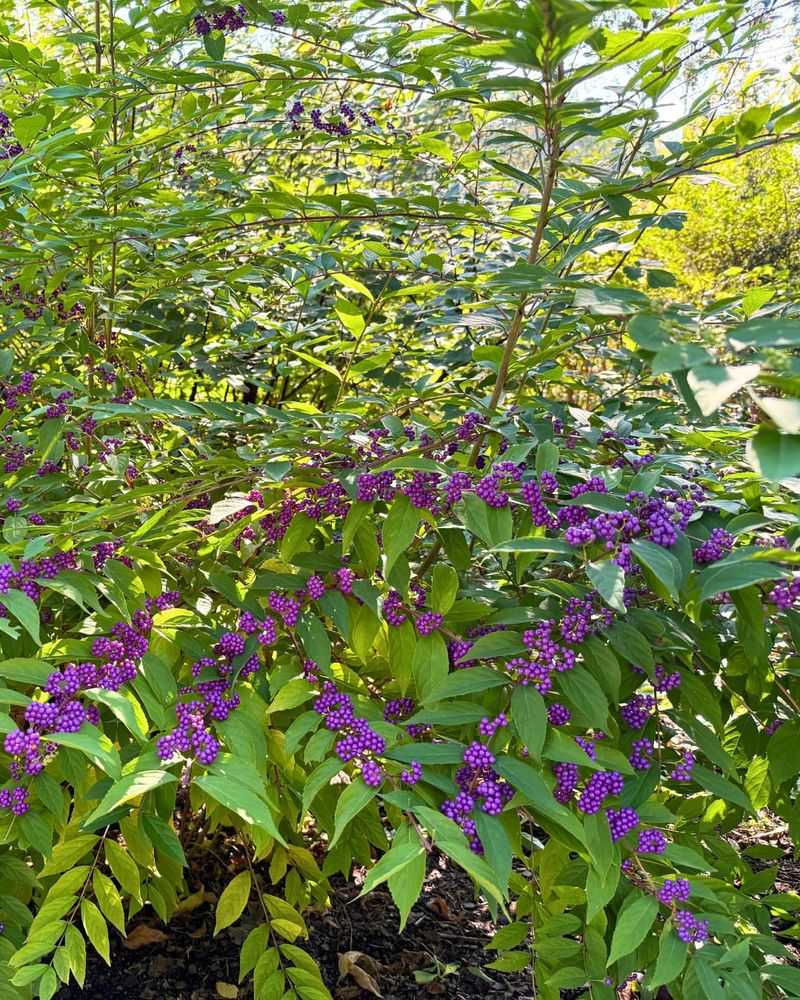
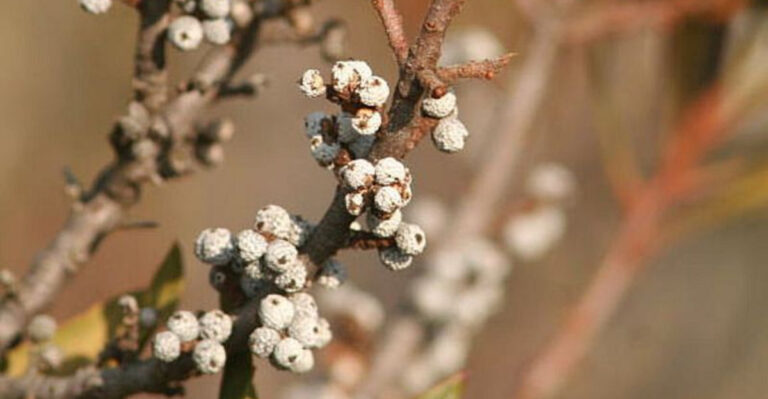
Stunning clusters of metallic purple berries create jaw-dropping autumn displays that catbirds, mockingbirds, and thrashers devour eagerly once fruits ripen in late summer and early fall.
Beautyberry grows best in partial shade with moist, well-drained soil, making it perfect for underplanting beneath taller trees or positioning in woodland edges near feeding stations.
Birds often ignore the berries initially, waiting until frost sweetens the fruit before consuming them in large quantities, ensuring food remains available through early winter months.
Arching branches create an elegant form that adds structural interest to landscapes while producing abundant berry clusters along stems that birds can access easily from multiple angles.
Native to southeastern states including Virginia, this deciduous shrub tolerates heat, humidity, and occasional drought once established, requiring minimal care from busy gardeners throughout seasons.
Planting beautyberry near feeders gives birds natural alternatives to commercial offerings, encouraging them to linger longer and explore various food sources within your yard’s boundaries.
Cutting back stems in late winter promotes bushier growth and increased berry production, ensuring spectacular displays that return reliably each autumn for years to come.
Virginia gardeners love how this unique shrub combines ornamental beauty with wildlife value, creating conversation-starting focal points that support local bird populations and enhance landscape aesthetics simultaneously.
9. Sunflower
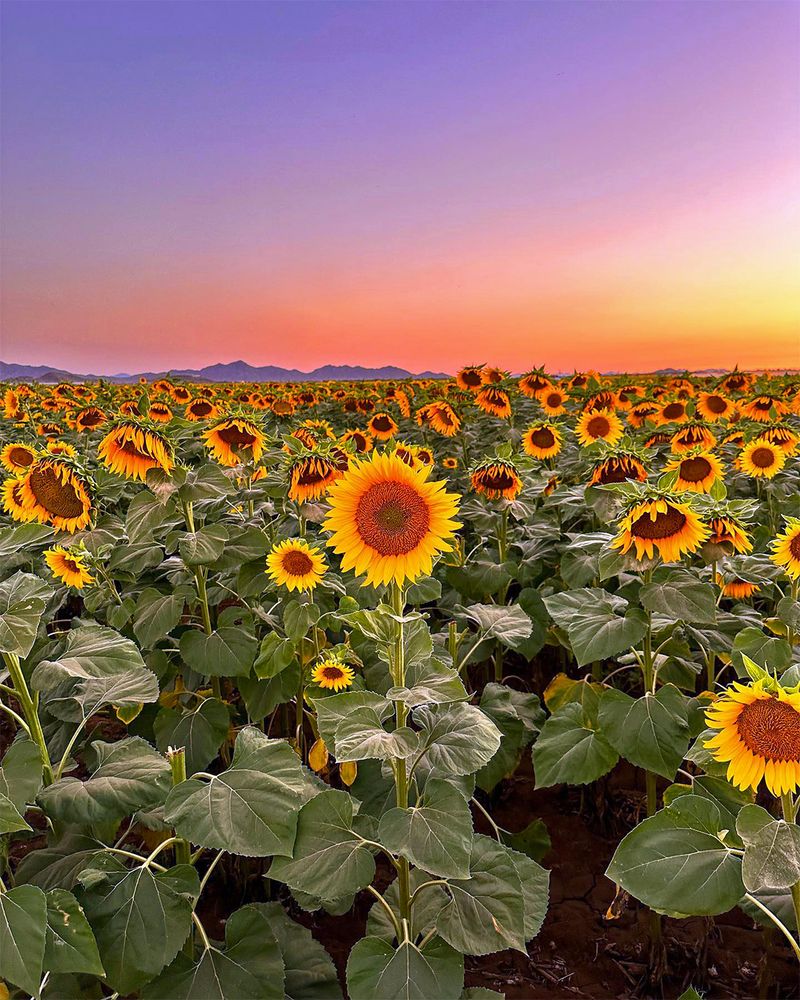
Towering blooms produce massive seed heads that cardinals, chickadees, and finches attack with gusto once flowers mature, creating lively feeding frenzies in late summer gardens everywhere.
Sunflower varieties range from dwarf types to giants exceeding ten feet, allowing gardeners to select sizes that fit specific landscape needs while maximizing bird-attracting potential.
Birds often begin feeding on seeds before flowers fully mature, clinging to drooping heads and extracting developing kernels with impressive efficiency and determination throughout daylight hours.
Annual sunflowers grow quickly from seed, making them ideal for filling gaps in garden beds or creating temporary screens that provide seasonal interest and abundant wildlife benefits.
Harvesting some seed heads for winter feeding stations extends their value, while leaving others standing allows birds to forage naturally when snow covers ground-level food sources.
Virginia’s long growing season supports multiple sunflower plantings, enabling gardeners to stagger sowings for continuous blooming and extended feeding opportunities from midsummer through autumn frosts.
Planting sunflowers near feeders creates a naturalistic setting where birds move seamlessly between commercial seed and fresh natural options, promoting varied diets and healthier feeding behaviors.
Gardeners appreciate how these cheerful flowers require minimal care beyond watering during establishment, delivering maximum impact with little effort while supporting diverse bird populations throughout growing seasons.
10. Dogwood
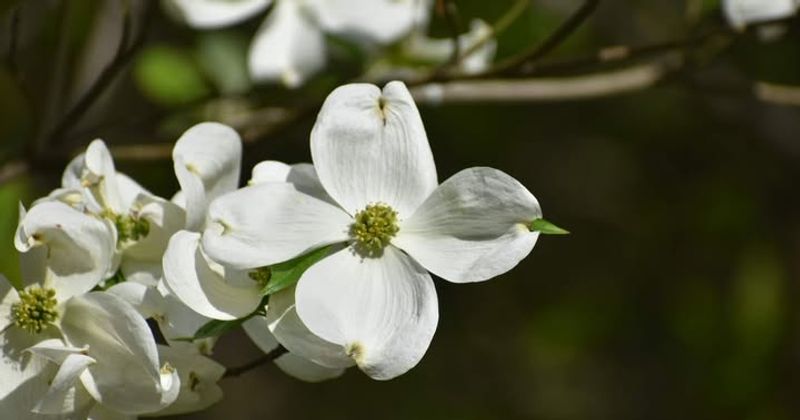
Elegant spring blossoms give way to bright red berries by fall, creating seasonal interest that spans multiple months while feeding bluebirds, robins, and woodpeckers throughout autumn.
Dogwood thrives in Virginia’s climate, preferring partial shade and moist, well-drained soil that mimics its natural woodland habitat where understory trees flourish beneath taller canopies.
Birds consume the lipid-rich berries quickly once they ripen, using the high-fat content to fuel migration journeys and build energy reserves before winter’s arrival and challenges.
Horizontal branching creates distinctive architecture that adds year-round visual interest while providing perching spots where birds rest between feeding sessions at nearby stations and natural sources.
Native dogwoods support local ecosystems better than non-native ornamentals, offering familiar food sources that Virginia’s bird populations have relied upon for countless generations and evolutionary periods.
Planting dogwood near feeders creates layered habitat where birds access multiple food types within small areas, reducing energy expenditure and increasing time available for other activities.
Gardeners value how this small tree delivers four-season beauty through spring flowers, summer foliage, autumn color, and winter branch structure that remains attractive even without leaves.
Virginia’s state tree, flowering dogwood symbolizes regional identity while providing tangible benefits to wildlife, making it a meaningful choice for gardeners seeking plants with both aesthetic and ecological value.
11. Coral Honeysuckle
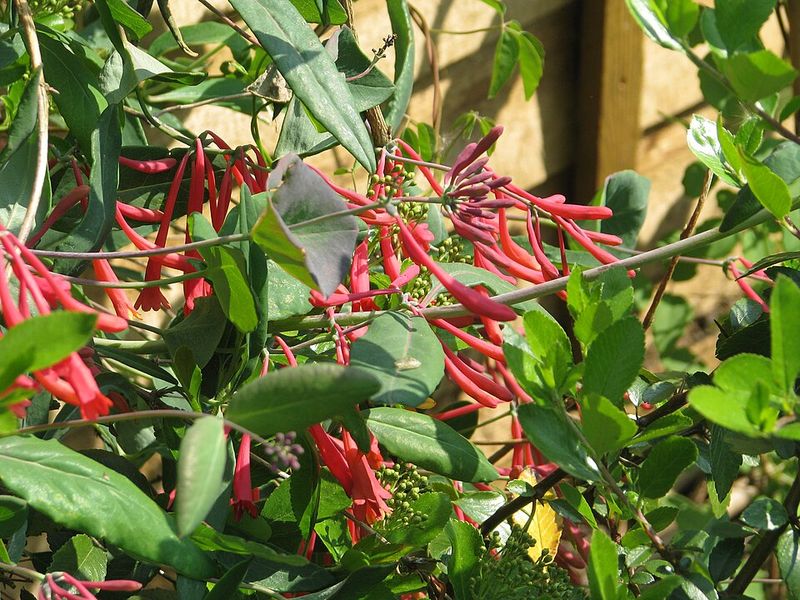
Tubular coral-red flowers bloom from spring through fall, attracting hummingbirds that return repeatedly to sip nectar while also visiting nearby feeders for supplemental sugar water.
Coral Honeysuckle behaves less aggressively than its invasive Japanese cousin, making it a responsible choice for Virginia gardeners seeking beautiful vines without introducing problematic species.
Birds appreciate the dense cover that mature vines provide, using tangled stems for nesting sites while enjoying easy access to flowers and small red berries that develop later.
Native to southeastern states, this perennial vine tolerates Virginia’s summer heat and humidity while requiring minimal watering once established in landscapes with reasonable soil moisture.
Blooming occurs in waves throughout the growing season, ensuring continuous nectar availability that keeps hummingbirds visiting regularly from spring migration through autumn departure and journeys south.
Planting coral honeysuckle near hummingbird feeders creates an integrated habitat where natural and supplemental resources exist side by side, supporting healthier bird populations and behaviors.
Gardeners appreciate how this low-maintenance vine delivers stunning color without aggressive spreading, allowing it to coexist peacefully with other plants while enhancing vertical spaces beautifully.
Virginia’s native plant enthusiasts recommend coral honeysuckle as a superior alternative to invasive species, offering equal beauty with greater ecological benefits and reduced management headaches for homeowners.
12. Winterberry Holly
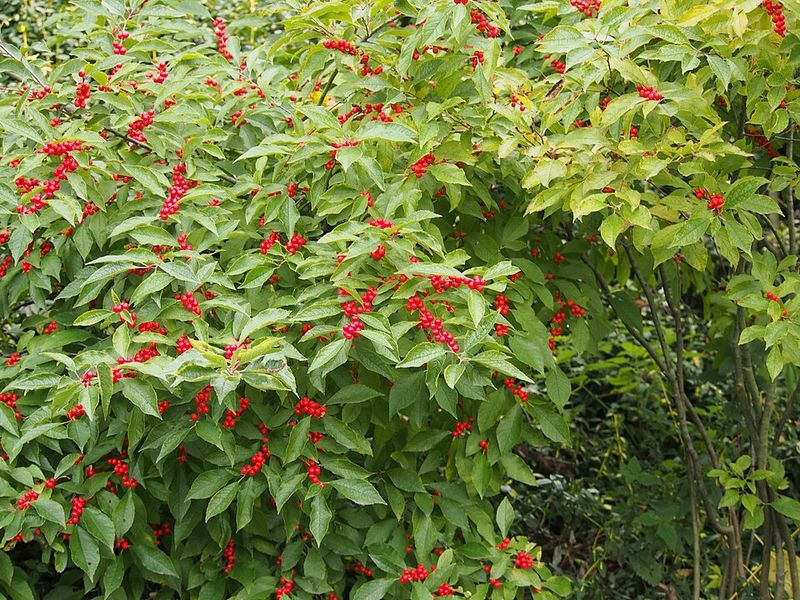
Deciduous holly produces spectacular displays of bright red berries on bare winter branches, creating stunning visual contrast against snow while feeding robins and waxwings during harsh months.
Winterberry thrives in moist soils that many other shrubs struggle with, making it perfect for low-lying areas or rain garden edges where drainage remains imperfect throughout seasons.
Female plants require nearby male pollinators to produce berries, so planning for both sexes ensures abundant fruit crops that sustain bird populations through Virginia’s coldest periods.
Birds often wait until late winter to consume winterberry fruits, allowing the berries to soften through freeze-thaw cycles before stripping branches completely in feeding frenzies.
Vibrant red berries persist through much of winter, providing reliable emergency food when severe weather buries other natural sources beneath ice and accumulated snowfall across landscapes.
Planting winterberry near feeders creates a layered buffet where birds access both natural and commercial foods, promoting dietary variety and encouraging extended visits to backyard habitats.
Gardeners appreciate how these shrubs deliver spectacular winter interest when most plants look dormant and dull, transforming bleak landscapes into vibrant scenes that attract birds and admiration.
Virginia’s climate supports excellent winterberry growth, allowing these native shrubs to establish quickly and produce reliably without demanding excessive care, water, or pest management from busy homeowners.