8 Best Potted Fruit Trees For New York Apartments And Small Spaces
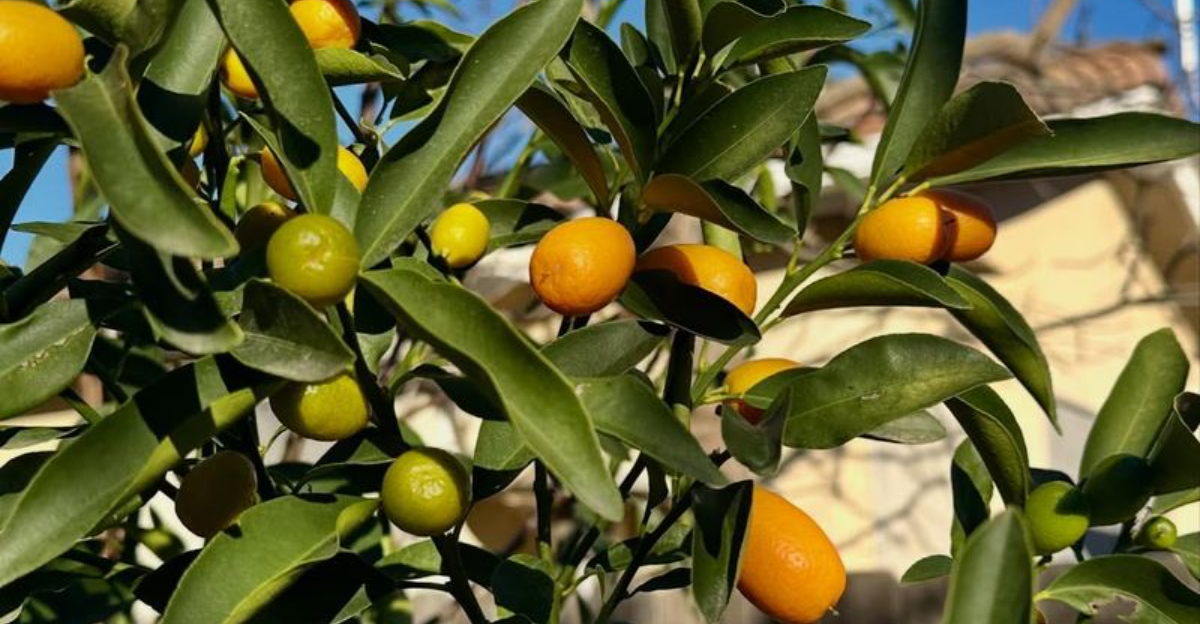
Space is limited in New York apartments, but that doesn’t mean you can’t enjoy fresh fruit. I remember my first attempt at growing a citrus tree on a balcony and being amazed at how much it produced despite the small container.
With the right trees, small spaces can yield big results. You don’t need a yard to grow delicious fruit at home.
These eight fruit trees, including dwarf citrus, figs, Meyer lemons, and blueberries, thrive in pots and containers.
They need proper soil, adequate sunlight, and occasional pruning to stay healthy and productive. Choosing compact varieties ensures they fit limited spaces while still producing abundant fruit.
Smart container gardening makes growing fruit easy and rewarding. New York gardeners and apartment dwellers who use these potted trees enjoy fresh, flavorful fruit and vibrant greenery year-round. Grow fruit at home even with limited space.
1. Calamondin Orange (Citrus × Microcarpa)
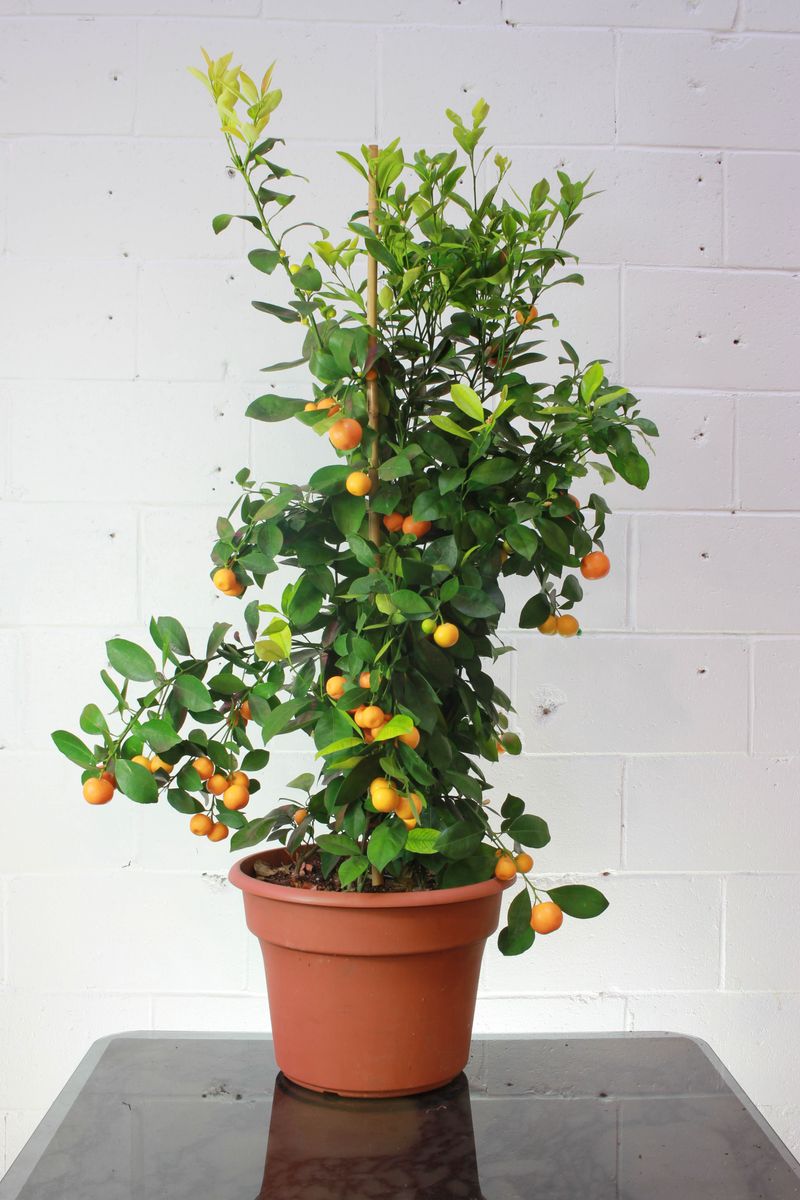
Ornamental beauty meets practical fruit production with this stunning citrus variety. Calamondin orange trees produce small, tart fruits that look like miniature oranges and make excellent additions to beverages, marinades, and desserts.
Their evergreen foliage and delicate white flowers create a tropical atmosphere that transforms any apartment into a lush sanctuary. Cold sensitivity makes indoor placement crucial during New York winters.
These trees thrive in temperatures above 55 degrees Fahrenheit, so keeping them away from drafty windows and cold spots prevents leaf drop and stress.
Positioning your tree near a bright east or south-facing window provides the abundant light it craves. Proper drainage is non-negotiable for container success.
Using a pot with multiple drainage holes and a lightweight, well-draining soil mix prevents water from pooling around roots.
Overwatering is a common mistake that leads to yellowing leaves and root problems, so checking soil moisture before watering is wise.
Calamondin trees produce fruit almost continuously when given the right care, offering a steady supply of zesty citrus.
Their compact growth habit rarely exceeds three to four feet in containers, making them perfect for small spaces.
The combination of fragrant blooms, attractive foliage, and colorful fruit makes this tree a conversation starter and a delightful addition to urban living.
2. Dwarf Meyer Lemon (Citrus × Meyeri)
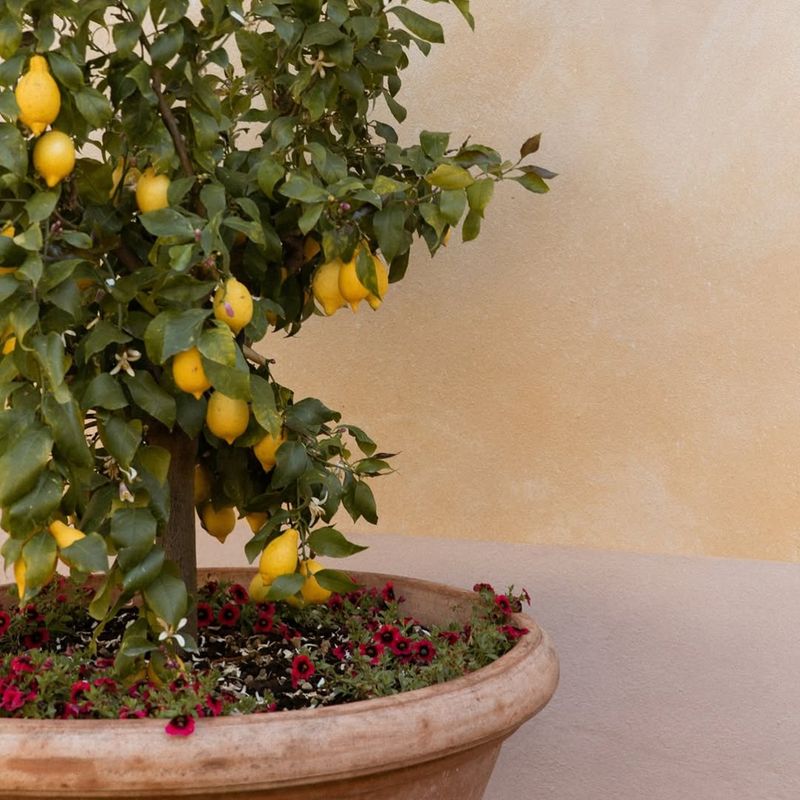
Apartment gardeners looking for a reliable citrus choice often turn to this golden treasure. Meyer lemon trees stay naturally small, making them ideal for containers that fit snugly on balconies or near bright windows.
Their compact size doesn’t compromise productivity, as they produce fragrant blossoms and juicy fruit year-round when conditions are right. Bright, direct sunlight is essential for healthy growth and fruiting.
Placing your tree near a south-facing window ensures it receives at least six to eight hours of light daily.
During New York’s colder months, bringing the tree indoors protects it from freezing temperatures that could damage tender leaves and fruit. Consistent watering keeps the soil evenly moist but never waterlogged.
Allow the top inch of soil to dry out between watering sessions to prevent root rot. Using a well-draining potting mix and a container with drainage holes supports healthy root development.
Meyer lemons are sweeter and less acidic than traditional lemons, making them perfect for cooking, baking, and fresh lemonade. Their glossy green foliage and fragrant white blooms add ornamental charm to any indoor space.
With minimal effort, you’ll enjoy fresh citrus harvests that brighten up your apartment and your meals throughout the year.
3. Dwarf Fig (Ficus Carica – Compact Varieties)
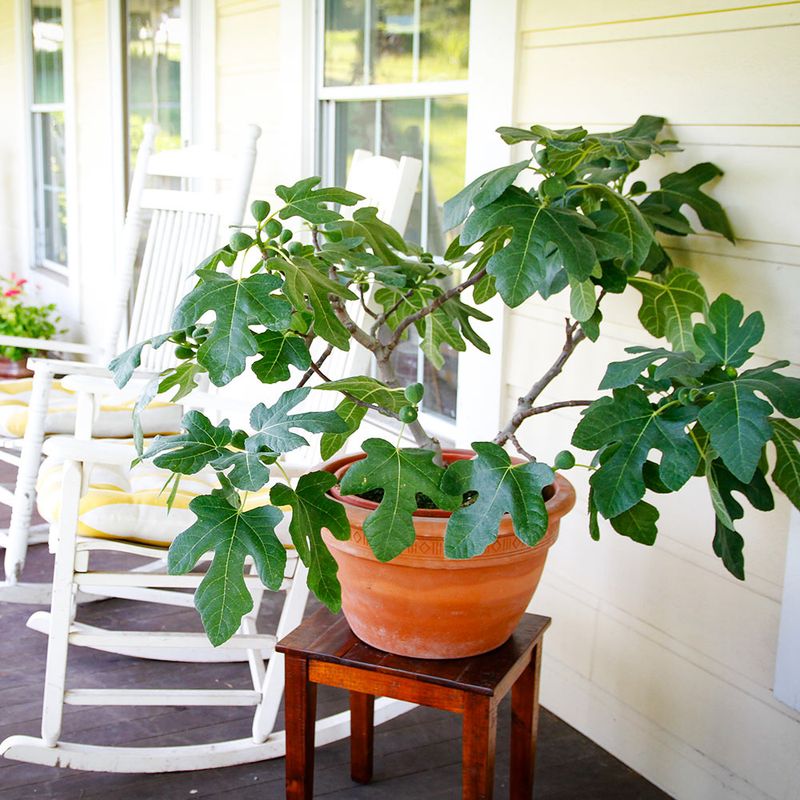
Few fruit trees adapt to container life as gracefully as compact fig varieties. Their ability to thrive in pots makes them a favorite among urban gardeners who crave fresh, sweet fruit without needing extensive outdoor space.
Figs are surprisingly forgiving and reward even novice growers with generous harvests when basic needs are met. Full sun exposure is the secret to abundant fruit production.
Placing your potted fig where it receives at least six hours of direct sunlight daily encourages strong growth and sweet, flavorful fruit.
During New York’s warmer months, moving your tree outdoors to a sunny patio or balcony boosts its vigor and productivity. Basic pruning keeps your fig tree compact and manageable.
Removing crossing branches and thinning out crowded growth in late winter encourages better air circulation and more fruit-bearing wood.
This simple maintenance task takes just a few minutes and dramatically improves your tree’s performance. Seasonal outdoor placement during spring and summer allows your fig to soak up natural sunlight and fresh air.
Before the first frost arrives in autumn, transitioning your tree back indoors protects it from cold damage.
Figs can tolerate cooler indoor temperatures during winter dormancy, making them easier to overwinter than many tropical fruits.
Their lush, lobed leaves and delicious fruit make them a rewarding choice for apartment gardeners seeking something special.
4. Dwarf Apple Tree (Malus Domestica – Patio Types)
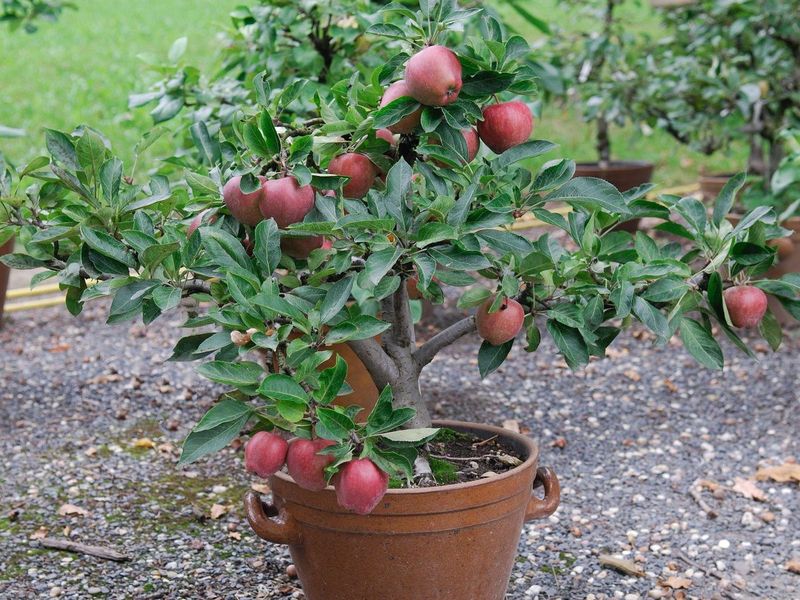
Columnar and patio apple varieties revolutionize fruit growing for small spaces. These vertical growers take up minimal floor space while producing full-sized apples that rival anything from an orchard.
Their upright growth habit and compact root systems make them perfect candidates for container cultivation on balconies and rooftops. Pollination considerations are important for fruit set.
Many apple varieties require cross-pollination from another apple tree to produce fruit, so choosing self-fertile varieties or keeping two compatible trees simplifies the process. Fortunately, some patio apples are self-pollinating, making them ideal for solo growers.
New York winters provide the chill hours these trees need to set fruit properly. Most apple varieties require a certain number of hours below 45 degrees Fahrenheit during winter to break dormancy and bloom successfully in spring.
Leaving your potted apple outdoors during winter, protected from harsh winds, satisfies this natural requirement. Spacing tips ensure your tree has room to thrive.
Using a container at least 15 to 20 gallons in size gives roots adequate space to spread and access nutrients. Regular fertilizing during the growing season supports healthy foliage and fruit development.
Watching your tree bloom in spring and harvesting crisp apples in fall creates a deeply satisfying connection to the seasons, even in the heart of the city.
5. Kumquat (Citrus Japonica)
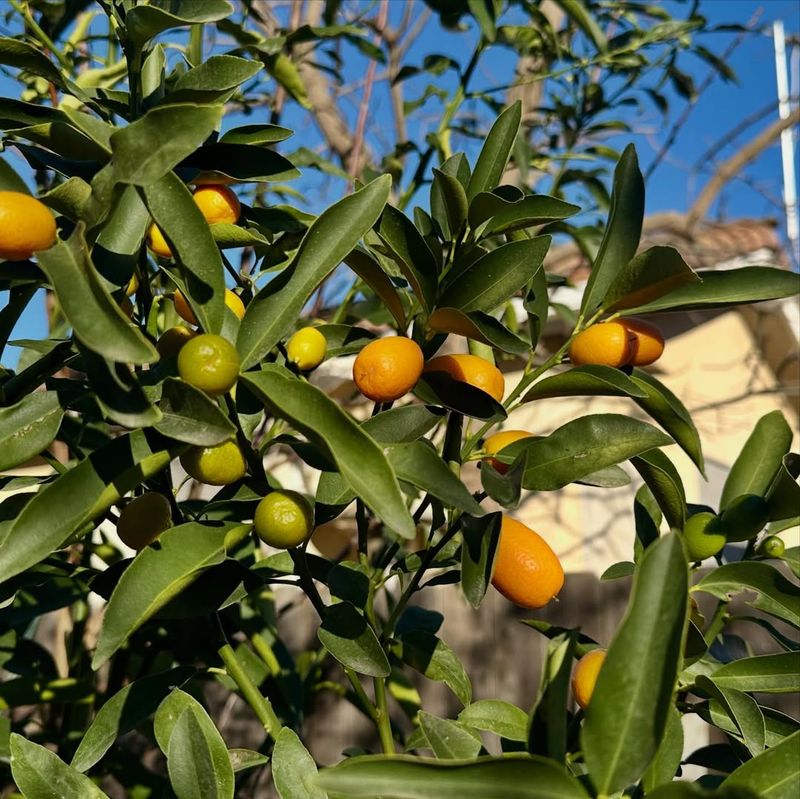
Unique among citrus fruits, kumquats offer an edible peel that’s sweeter than the tangy flesh inside. This compact tree produces oval fruits that you can pop into your mouth whole, creating a burst of contrasting flavors that’s both refreshing and addictive.
Their small stature and dense branching habit make them naturally suited for container growing in tight quarters. Cold tolerance sets kumquats apart from other citrus varieties.
While they still need protection from freezing temperatures, they can handle cooler conditions better than lemons or oranges.
This resilience makes them slightly easier to manage during New York’s unpredictable spring and fall weather. Best indoor placement during winter involves finding the brightest spot available.
A south-facing window that receives maximum daylight helps your kumquat maintain its health and continue producing fruit even when temperatures drop outside. Supplemental grow lights can extend the light period if natural sunlight is limited.
Kumquats are prolific producers that often fruit multiple times throughout the year. Their glossy leaves and fragrant white blossoms add visual interest even when fruit isn’t present.
Because you eat the entire fruit, peel and all, kumquats make excellent garnishes, preserves, and candied treats.
Growing this charming citrus variety brings a touch of exotic flavor to your apartment while requiring less space than most fruit trees, making it a smart choice for urban gardeners.
6. Dwarf Peach (Prunus Persica – Patio Varieties)
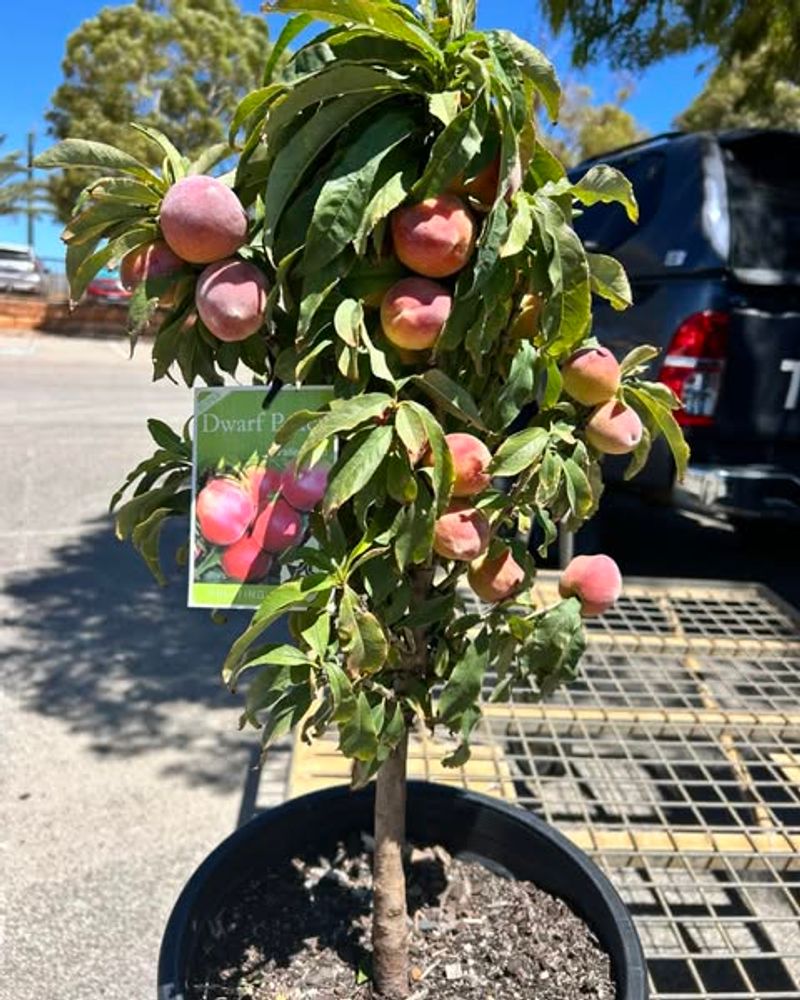
Spring flowering habits make dwarf peach trees a spectacular addition to any apartment garden. Their delicate pink blossoms appear before the leaves, creating a stunning display that signals the arrival of warmer weather.
Container-friendly varieties stay small enough for balconies while producing juicy, full-flavored peaches that taste like summer. Chill hour needs align perfectly with New York’s climate.
Peach trees require a period of cold temperatures during winter to produce flowers and fruit properly.
Most patio varieties need between 200 and 600 chill hours, which New York easily provides, ensuring reliable blooms and harvests each year. Seasonal movement tips help maximize your tree’s health and productivity.
Keeping your peach outdoors during spring, summer, and fall allows it to benefit from natural temperature fluctuations and abundant sunlight.
Before hard frosts arrive, moving your tree to an unheated garage or protected porch for winter dormancy prevents cold damage to branches. Watering considerations change with the seasons.
During active growth and fruiting, peach trees need consistent moisture to support developing fruit.
Allowing the soil to dry slightly between waterings prevents root rot while ensuring the tree doesn’t suffer from drought stress.
Watching your tree transform from bare branches to pink blooms to fruit-laden beauty creates a rewarding cycle that connects you to nature’s rhythms, even in a bustling city environment.
7. Dwarf Cherry (Prunus Avium Or Prunus Cerasus – Patio Types)
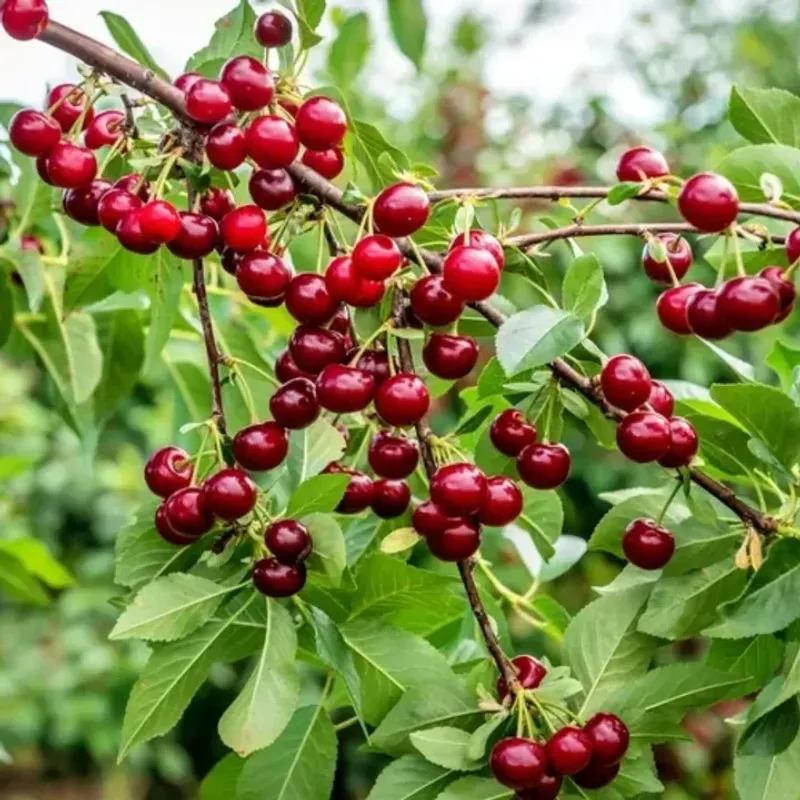
Sweet or tart, cherries bring delightful flavors and ornamental beauty to container gardens. Dwarf cherry varieties produce clusters of jewel-like fruits that hang from graceful branches, creating an irresistible visual and culinary treat.
Their spring blossoms rival ornamental cherries in beauty, making them a dual-purpose addition to small spaces. Cross-pollination notes are essential for planning your cherry garden.
Many sweet cherry varieties need pollen from a different cherry tree to set fruit, while tart cherries are often self-fertile.
Choosing a self-pollinating variety simplifies care for apartment growers who only have space for one tree. Sunlight requirements are straightforward but critical.
Cherry trees need full sun exposure to produce sweet, flavorful fruit and maintain healthy growth. Positioning your container where it receives at least six to eight hours of direct sunlight daily ensures the best results.
Seasonal care tips include protecting blossoms from late frosts in spring and providing adequate water during fruit development.
Cherries are relatively heavy feeders, so regular applications of balanced fertilizer during the growing season support vigorous growth and abundant harvests.
Pruning after harvest helps maintain a compact shape and encourages new fruiting wood for the following year.
The satisfaction of picking fresh cherries from your own balcony, whether for snacking or baking into pies, makes the effort worthwhile and transforms your apartment into a productive urban orchard.
8. Pomegranate (Punica Granatum – Dwarf Types)
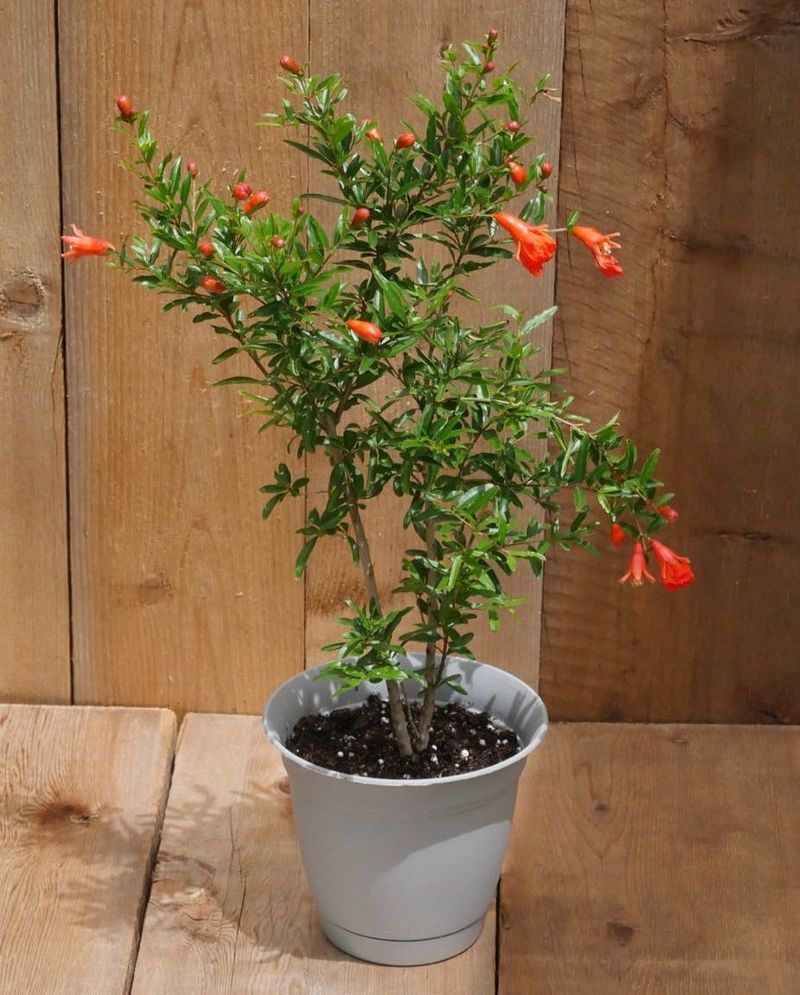
Ancient and exotic, dwarf pomegranate trees bring Mediterranean charm to New York apartments. Their compact growth habit and ornamental value make them standout choices for container gardening.
Brilliant orange-red flowers appear in summer, followed by developing fruits that ripen into jewel-toned globes filled with ruby seeds. Heat tolerance is a notable strength of pomegranate trees.
They thrive in warm, sunny conditions and aren’t bothered by the heat that can stress other fruit trees.
Placing your potted pomegranate in the hottest, sunniest spot available encourages robust growth and fruit production. Indoor winter care involves providing a cool rest period.
Pomegranates are deciduous and naturally drop their leaves in autumn, entering dormancy until spring.
Storing your tree in a cool, bright location during winter, such as an unheated sunroom or garage with windows, allows it to rest properly while protecting it from freezing temperatures.
Flowering requirements include adequate sunlight and warmth during the growing season. Pomegranates bloom on new growth, so light pruning in early spring encourages more flowering branches.
The showy flowers are followed by fruits that take several months to ripen, creating an extended season of interest.
Harvesting your own pomegranates and enjoying their sweet-tart seeds feels like a luxury, transforming your apartment into an oasis of flavor and beauty that celebrates the bounty of container gardening.