11 Best Seeds To Winter Sow In Oregon (Easy Picks That Actually Work)
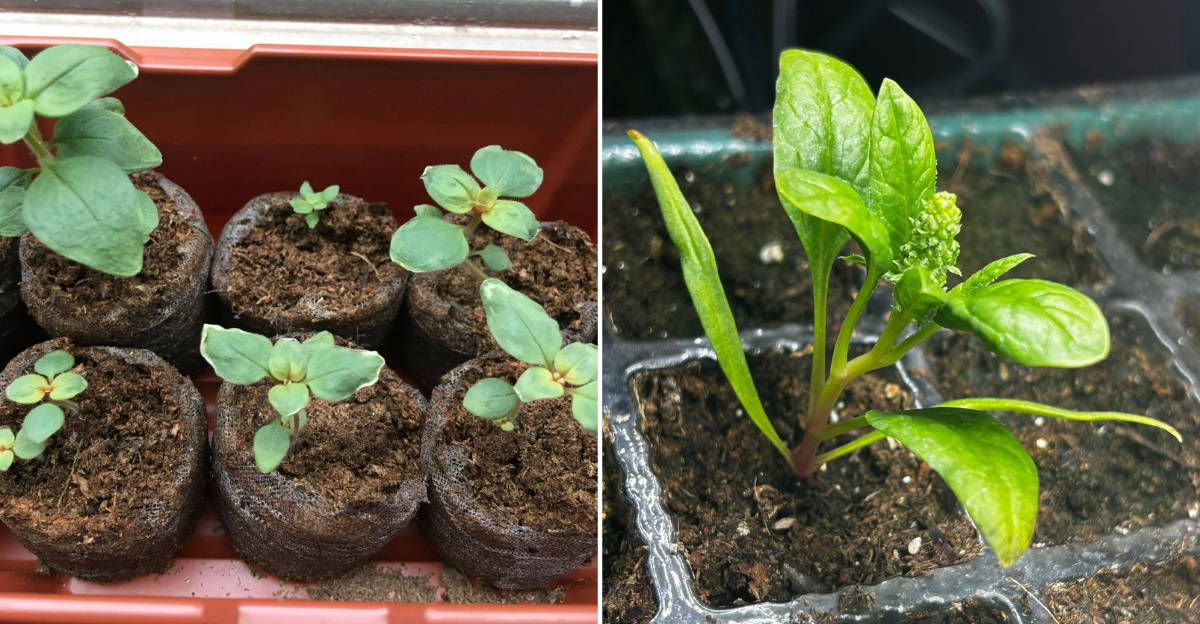
Winter sowing is a favorite trick for Oregon gardeners who want a head start on the growing season, and it works best when you pick the right seeds.
Some seeds are tough enough to handle the cold and will germinate naturally outdoors, giving you healthy, hardy seedlings come spring.
Even if you’ve never tried winter sowing before, it’s surprisingly simple. You don’t need a heated greenhouse or special equipment, just containers, soil, and seeds that respond well to cold.
The right choices make it easier to grow strong plants while taking advantage of Oregon’s cool, wet winters.
Some seeds are better than others for this method, and picking the right ones can make the difference between success and frustration.
From leafy greens to flowers, there are plenty of options that thrive using winter sowing, providing an early, low-maintenance start to your garden.
Let’s explore eleven of the best seeds to winter sow in Oregon. These picks are proven to work well in our climate, easy to grow, and perfect for gardeners who want fresh, healthy plants ready to go when spring arrives.
With the right seeds, winter sowing can be both fun and productive.
1. Kale
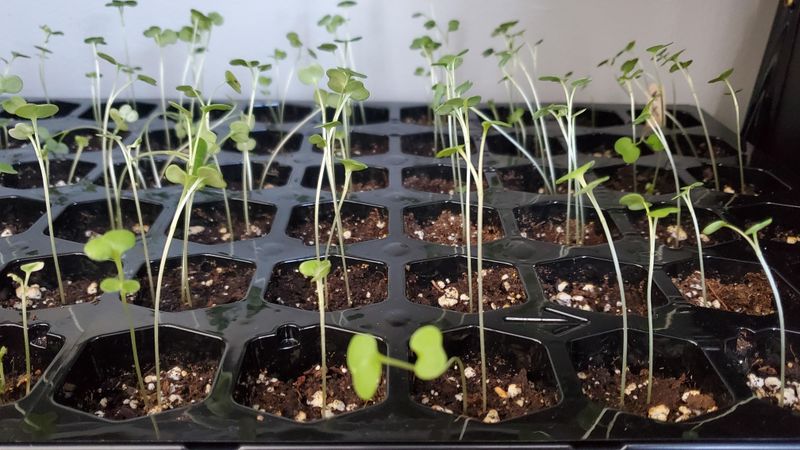
When you check your winter sowing containers on a drizzly March morning, you’ll often find tiny green sprouts pushing through the soil before anything else wakes up.
Kale is one of those reliable performers that loves cold weather and actually benefits from frost exposure, making it perfect for Oregon’s unpredictable spring.
The seeds germinate happily in chilly soil temperatures that would stop other vegetables in their tracks.
You can start them in milk jug containers as early as January, and by late February or early March, you’ll see those first cotyledons appear.
The cold stratification process makes the seedlings incredibly tough and resistant to pests that usually plague indoor-started greens.
Beginners love kale for winter sowing because it’s nearly foolproof. The plants grow vigorously once transplanted and produce harvests for months, even through summer heat if you choose the right varieties.
Lacinato and Red Russian types work especially well with this method.
Your containers need ventilation on warm days but can handle Oregon’s winter rain without issue. Just make sure the drainage holes aren’t blocked, and you’ll have stocky, dark-green seedlings ready to move into garden beds by April.
The harvest starts about 50 days after transplanting, giving you fresh greens well before summer crops mature.
2. Spinach
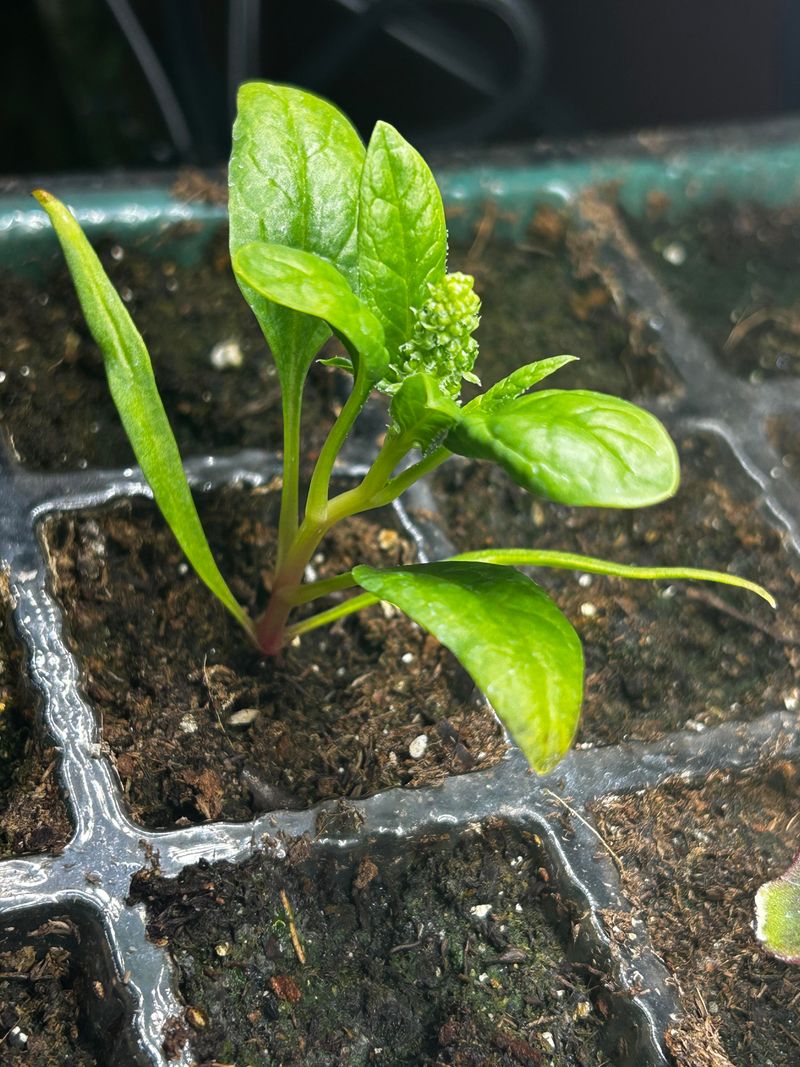
There’s something satisfying about lifting the lid off a winter sowing jug in late February and finding a carpet of delicate spinach seedlings thriving in the cold.
Spinach seeds need cool temperatures to germinate properly, and winter sowing gives them exactly what they want without any indoor setup or grow lights.
The cold exposure breaks seed dormancy naturally and produces seedlings that transplant without shock. You can sow spinach seeds in containers anytime from late December through February, depending on how harsh your winter is.
Germination happens when soil temperatures hover around 35 to 40 degrees, which is typical for Oregon’s late winter and early spring.
This method works beautifully for beginners because spinach is forgiving and fast. The seedlings develop true leaves quickly and can handle light frosts even after transplanting.
You’ll have harvestable greens by late April or early May, beating the summer heat that causes bolting.
Make sure your containers have good drainage and ventilation as temperatures fluctuate. Spinach doesn’t like sitting in waterlogged soil, even though it tolerates rain.
Once your seedlings have two sets of true leaves, they’re ready to move into garden beds or raised planters. The harvest window is generous, giving you tender leaves for salads and cooking for several weeks before the plants bolt.
3. Lettuce
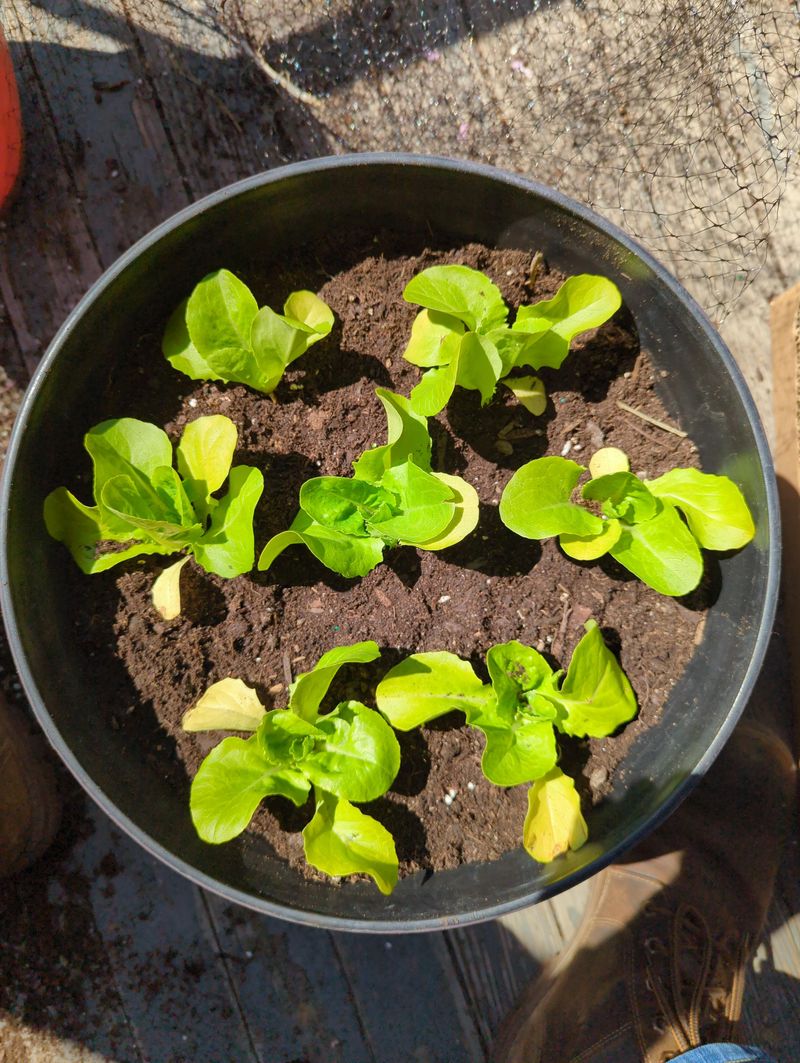
Watching lettuce seeds sprout in outdoor containers during Oregon’s gray winter months feels like cheating the season.
Lettuce thrives with the cold stratification that winter sowing provides, and the seedlings grow stronger and more heat-tolerant than anything started indoors under lights.
The seeds germinate readily in cool soil, often sprouting within two weeks once daytime temperatures start climbing into the 40s. You can start lettuce in containers from January through early March, and the plants will be ready to transplant by April.
The cold exposure produces compact, sturdy seedlings with deep green color and excellent root development.
Beginners find lettuce incredibly easy to winter sow because it doesn’t require special treatment. Just scatter the seeds on moist soil, press them down lightly, and let the weather do the work.
Leaf lettuce varieties like Red Sails and Oak Leaf perform especially well, along with butterhead types.
Your containers need ventilation on sunny days to prevent overheating, but the plants handle Oregon’s rain and cool nights without issue.
Once the seedlings have three or four true leaves, you can transplant them into garden beds or containers.
The harvest begins about 30 to 45 days after transplanting, giving you fresh salad greens long before summer vegetables are ready.
4. Broccoli
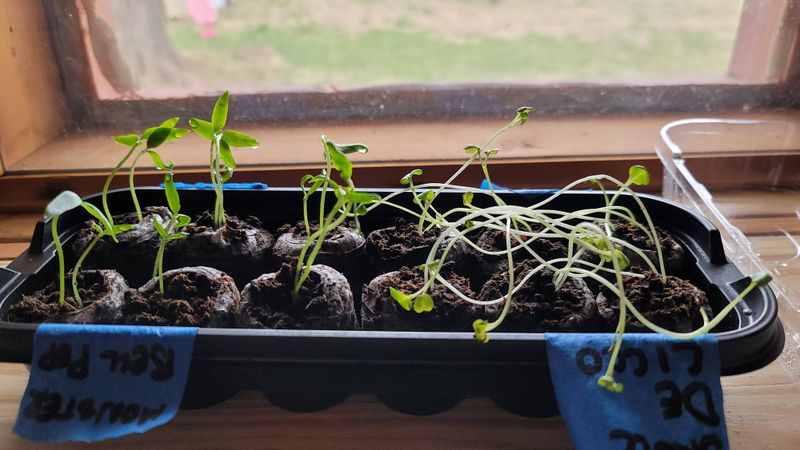
Opening your winter sowing containers in early March and finding sturdy broccoli seedlings standing tall is a rewarding moment.
Broccoli is a cool-season crop that actually needs cold exposure to perform well, making it one of the best candidates for this method in Oregon’s climate.
The seeds germinate reliably in chilly soil once temperatures reach the mid-40s, usually by late February or early March.
Cold stratification strengthens the plants and helps them develop the root systems they need to produce large, tight heads later in the season.
The seedlings grow slowly but steadily, building resilience against pests and temperature swings.
Beginners appreciate broccoli for winter sowing because it’s straightforward and forgiving. The plants don’t mind wet conditions as long as drainage is good, and they transition smoothly from containers to garden beds.
You can start seeds in milk jugs or other recycled containers anytime from late January through February.
Ventilation is important as spring approaches and temperatures fluctuate. Once your seedlings have three or four true leaves and the weather stabilizes, transplant them into beds with rich soil and full sun.
Broccoli planted this way matures in late spring or early summer, giving you fresh heads before summer heat causes bolting. The harvest is generous, and side shoots continue producing for weeks after the main head is cut.
5. Pansies
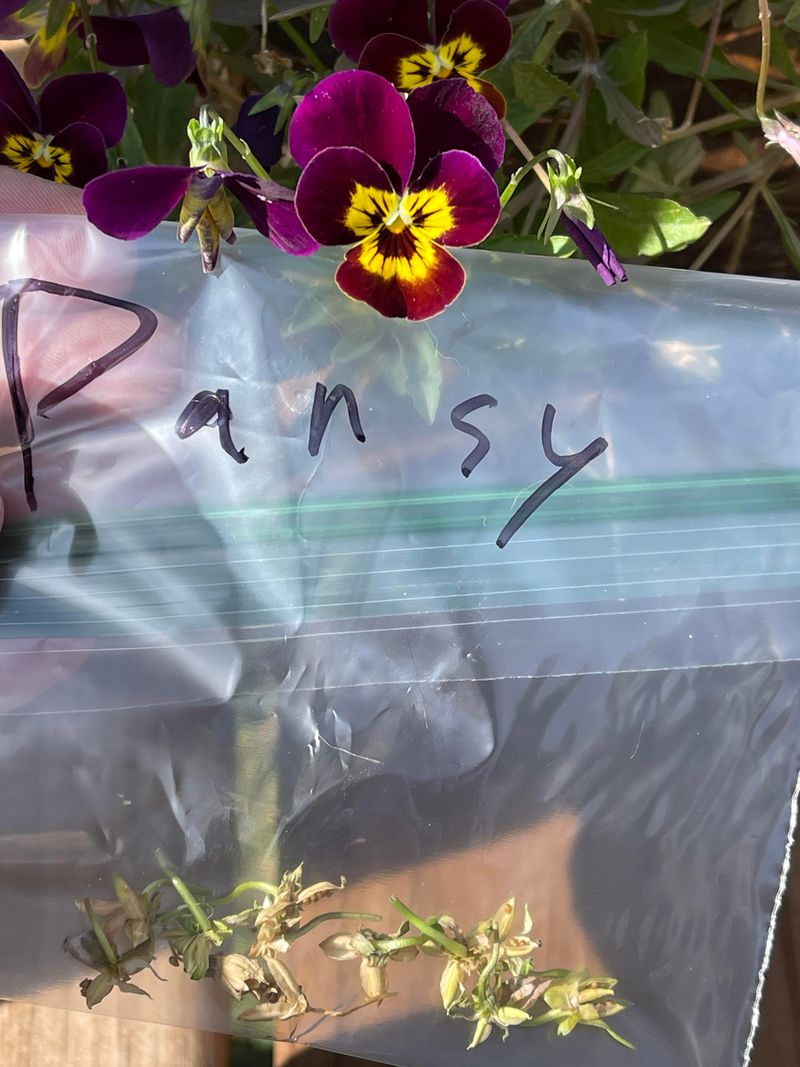
Few sights are as cheerful as opening a winter sowing container in March and finding pansies already showing their colorful faces.
Pansies love cold weather and actually bloom better when exposed to chilly temperatures during germination, making them ideal for Oregon’s winter sowing season.
The seeds need light to germinate, so you’ll want to press them gently onto the soil surface without covering them completely. Germination happens slowly over several weeks as temperatures fluctuate, but the seedlings that emerge are tough and ready for anything.
Cold stratification improves germination rates and produces plants that bloom earlier and more prolifically.
Beginners find pansies rewarding because they’re colorful, forgiving, and nearly indestructible once established.
You can start seeds in containers from December through February, and by April you’ll have blooming plants ready to transplant into flower beds, containers, or window boxes.
Your containers need protection from heavy rain to prevent seeds from washing away, but the plants themselves handle wet conditions beautifully.
Once the seedlings have several true leaves and temperatures stay above freezing at night, you can move them into their permanent spots.
Pansies bloom continuously from spring through early summer, providing bright color when gardens need it most. They’re perfect for edging beds, filling gaps, or adding cheer to dreary spring days.
6. Snapdragons
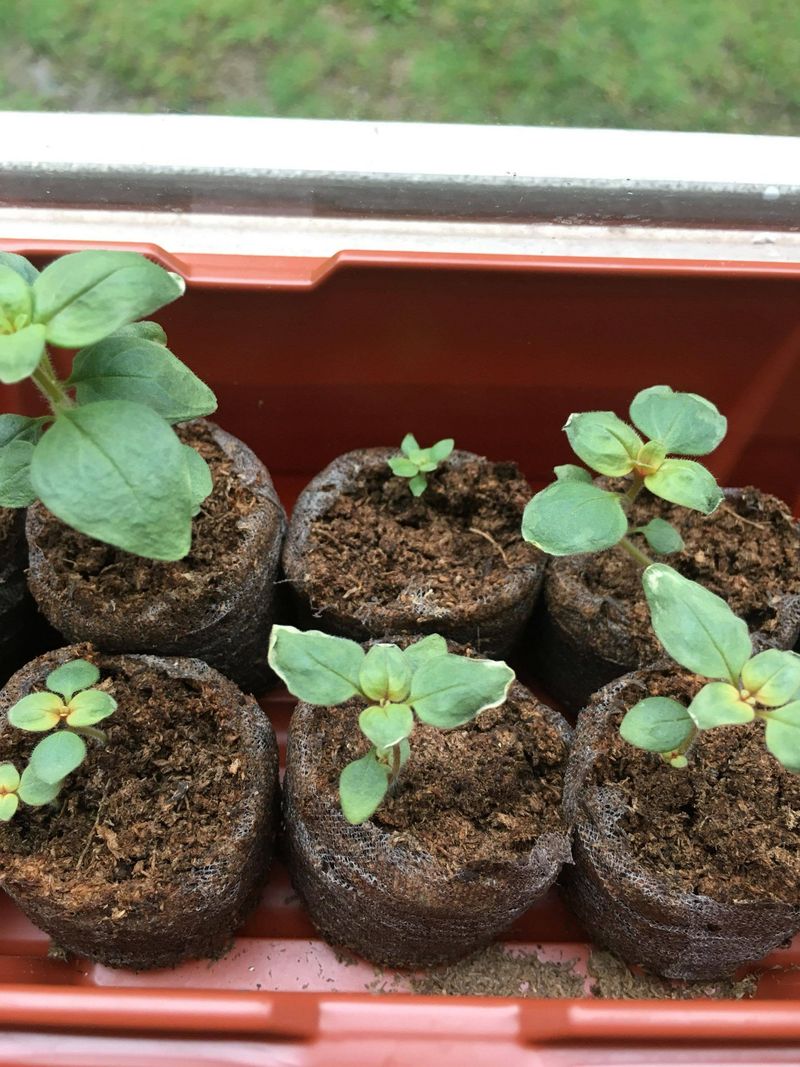
Checking your winter sowing containers in early spring and spotting tiny snapdragon seedlings is always exciting.
Snapdragons are cool-season flowers that benefit enormously from cold stratification, producing stronger stems and more abundant blooms when started outdoors during winter months.
The seeds are tiny and need light to germinate, so sprinkle them on the soil surface and press them down without burying them. Germination takes two to three weeks once temperatures start warming in late February or March.
The seedlings grow slowly at first but develop excellent root systems that support tall flower spikes later.
Beginners love snapdragons for winter sowing because they’re reliable and low-maintenance.
The plants handle Oregon’s unpredictable spring weather beautifully, tolerating light frosts and sudden temperature drops without damage.
You can start seeds in milk jugs or similar containers from January through early March.
Ventilation is crucial on sunny days to prevent overheating, but the seedlings thrive in cool, damp conditions. Once they have several sets of true leaves and the weather stabilizes, transplant them into garden beds with full sun or partial shade.
Snapdragons bloom from late spring through summer, providing vertical interest and cut flowers for arrangements. The tall varieties work beautifully in the back of borders, while dwarf types fill containers and front-of-bed spots with color.
7. Calendula
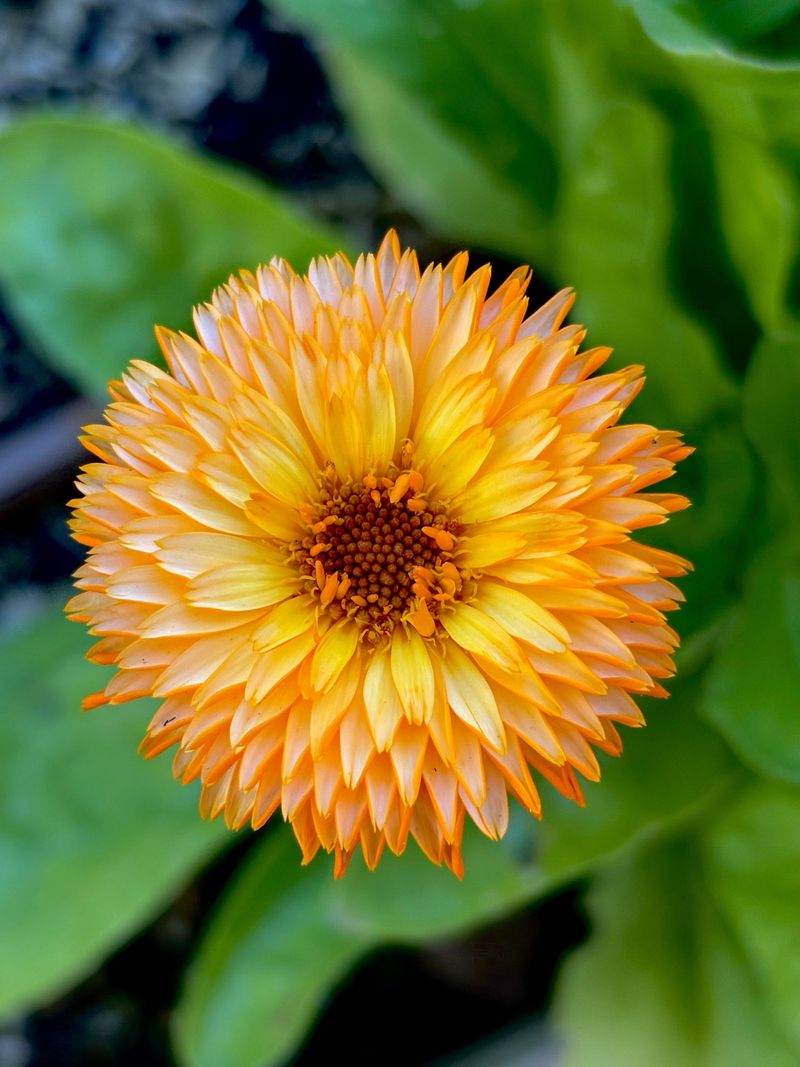
Lifting the lid on a winter sowing jug in March and finding calendula seedlings already showing their distinctive rounded leaves is always a good sign.
Calendula is one of the easiest flowers to winter sow in Oregon, thriving in cool, wet conditions and germinating reliably without fuss.
The seeds are large and easy to handle, making them perfect for beginners. They germinate quickly once soil temperatures reach the mid-40s, usually by late February or early March.
Cold exposure strengthens the seedlings and produces plants that bloom earlier and more profusely than those started indoors.
Calendula is nearly foolproof for winter sowing because it tolerates a wide range of conditions. The plants handle rain, wind, and temperature fluctuations without complaint, and they transplant easily once they have several true leaves.
You can start seeds in containers from January through February.
Your containers need good drainage and ventilation as spring approaches. Once the seedlings are sturdy and the weather stabilizes, move them into garden beds, cutting gardens, or containers.
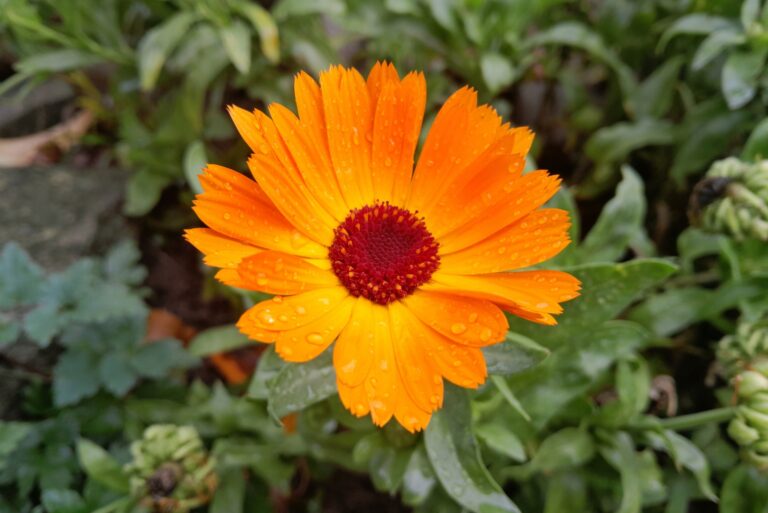
Calendula blooms continuously from late spring through fall, providing cheerful orange and yellow flowers that attract pollinators and make excellent cut flowers. The petals are edible and can be used in salads or as a garnish.
Deadheading encourages more blooms, but even if you forget, the plants keep producing.
8. Sweet Peas
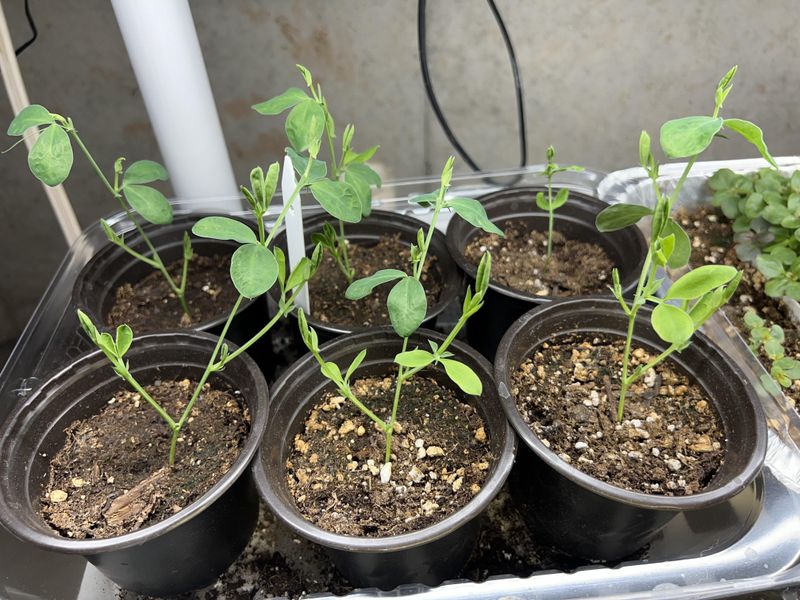
Standing in your garden on a chilly February morning and dropping sweet pea seeds into winter sowing containers feels like planting hope for spring.
Sweet peas are legendary for needing cold stratification to germinate well, and winter sowing gives them exactly what they need without any indoor refrigerator tricks.
The seeds are large and easy to handle, though some gardeners like to nick them or soak them overnight before planting. Germination happens slowly as temperatures fluctuate through late winter and early spring, but the seedlings that emerge are tough and vigorous.
Cold exposure improves germination rates and produces plants with strong root systems that support abundant blooms.
Beginners find sweet peas rewarding because they’re straightforward and produce stunning results. The plants handle Oregon’s wet spring weather beautifully and transplant easily once they have several sets of leaves.
You can start seeds in milk jugs or deep containers from December through February.
Your containers need good drainage and protection from heavy rain until seeds sprout. Once the seedlings are growing, they tolerate typical Oregon spring conditions without issue.
Transplant them into garden beds with support structures like trellises or fences by April. Sweet peas bloom from late spring through early summer, providing fragrant flowers in a rainbow of colors.
The more you cut, the more they bloom, making them perfect for bouquets.
9. Delphinium
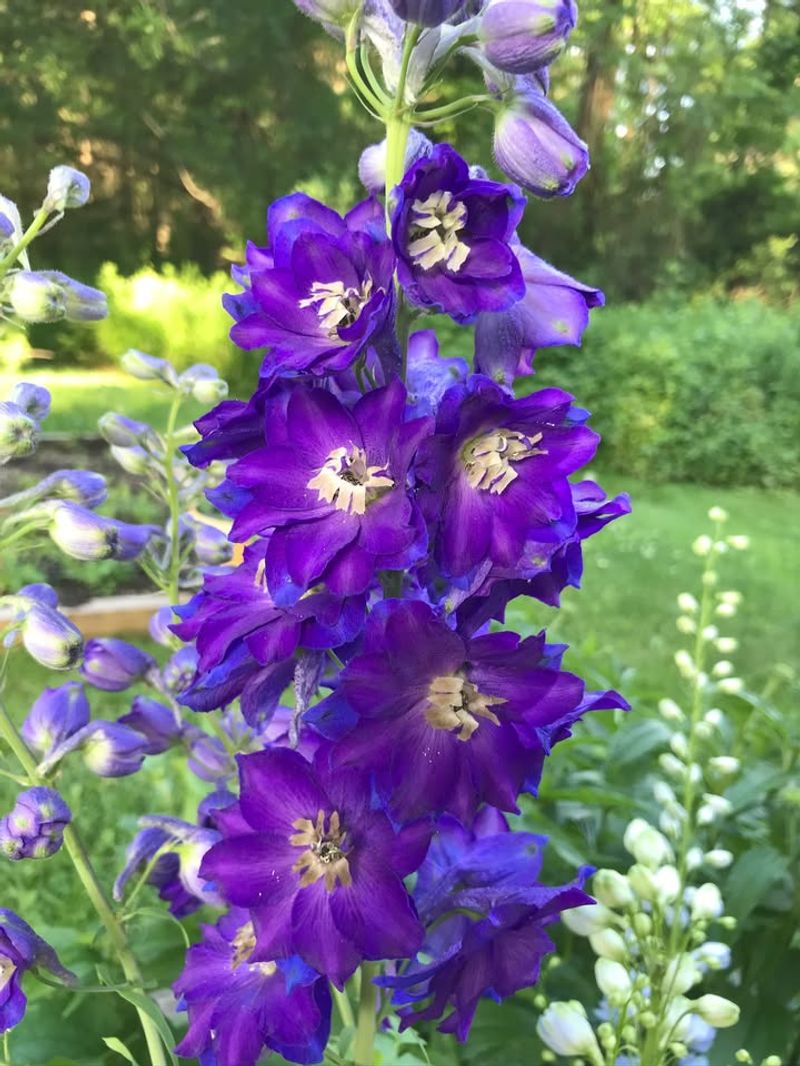
Peeking into winter sowing containers in early spring and spotting delicate delphinium seedlings is a moment of pure gardening joy.
Delphiniums are notoriously difficult to start indoors, but winter sowing bypasses all the challenges by giving the seeds the cold stratification they absolutely require for germination.
The seeds need several weeks of cold, moist conditions to break dormancy, and Oregon’s winter provides that naturally.
Germination happens slowly from late February through March as temperatures warm, but the seedlings that emerge are strong and ready to grow.
Cold exposure produces plants with better root development and more flower spikes than indoor-started specimens.
Beginners often avoid delphiniums because of their reputation for being difficult, but winter sowing makes them surprisingly manageable. The plants handle Oregon’s spring weather well and transplant successfully once they have several true leaves.
You can start seeds in containers from December through January for best results.
Your containers need protection from heavy rain and good ventilation as spring approaches. Once the seedlings are established and temperatures stabilize, transplant them into garden beds with rich soil and full sun.
Delphiniums bloom in early to midsummer, producing towering spikes of blue, purple, pink, or white flowers that add drama to any border. The plants may rebloom in fall if you deadhead spent flowers and provide adequate water.
10. Echinacea (Coneflower)
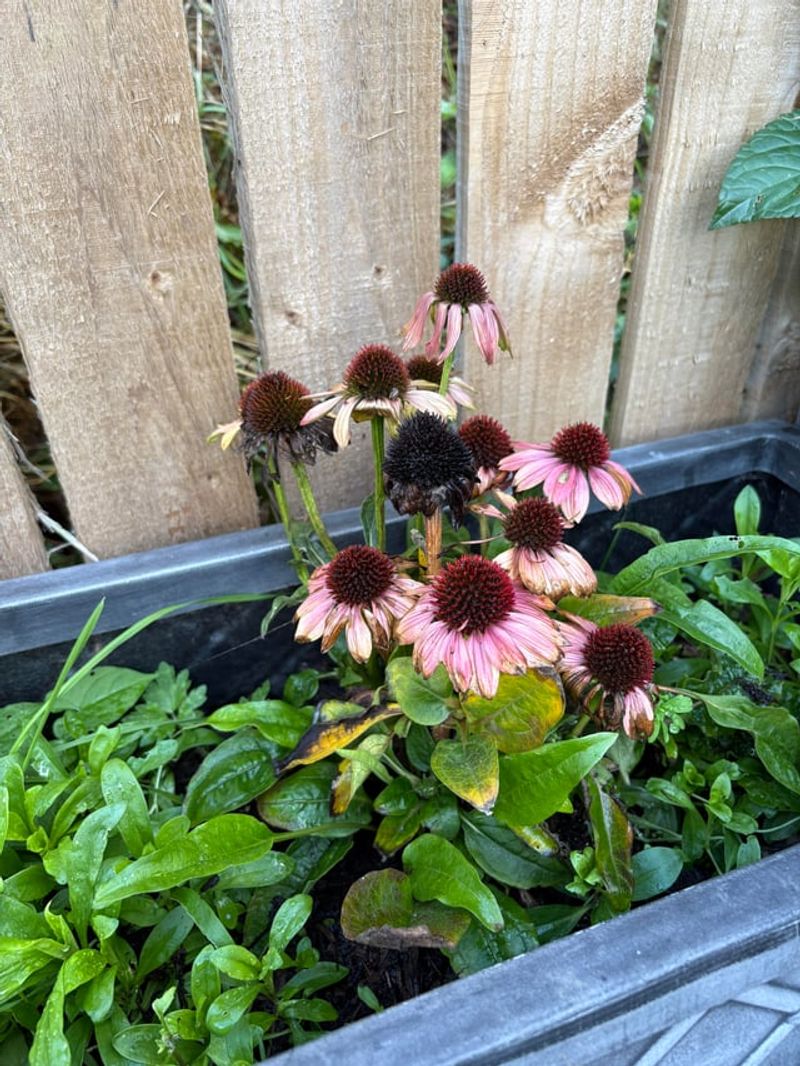
Opening your winter sowing containers in April and finding echinacea seedlings finally emerging is worth the wait.
Echinacea seeds are slow to germinate and benefit enormously from cold stratification, making winter sowing the ideal method for starting these beloved native perennials in Oregon.
The seeds need several weeks of cold, moist conditions to break dormancy, and germination can take anywhere from three to six weeks once temperatures start warming in spring.
Patience is key, but the seedlings that emerge are vigorous and develop into robust plants with deep root systems.
Cold exposure improves germination rates significantly compared to indoor starting.
Beginners appreciate echinacea for winter sowing because it eliminates the need for refrigerator stratification and produces stronger plants. The seedlings grow slowly at first but handle Oregon’s spring weather beautifully once established.
You can start seeds in containers from December through February.
Your containers need good drainage and protection from heavy rain until seeds sprout. Once the seedlings have several true leaves and temperatures stay consistently above freezing, transplant them into garden beds with full sun and well-drained soil.
Echinacea won’t bloom the first year, but the plants establish strong root systems that support abundant flowers in subsequent years. The blooms attract pollinators and provide seeds for birds in fall, making them valuable additions to any garden.
11. Bachelor’s Buttons
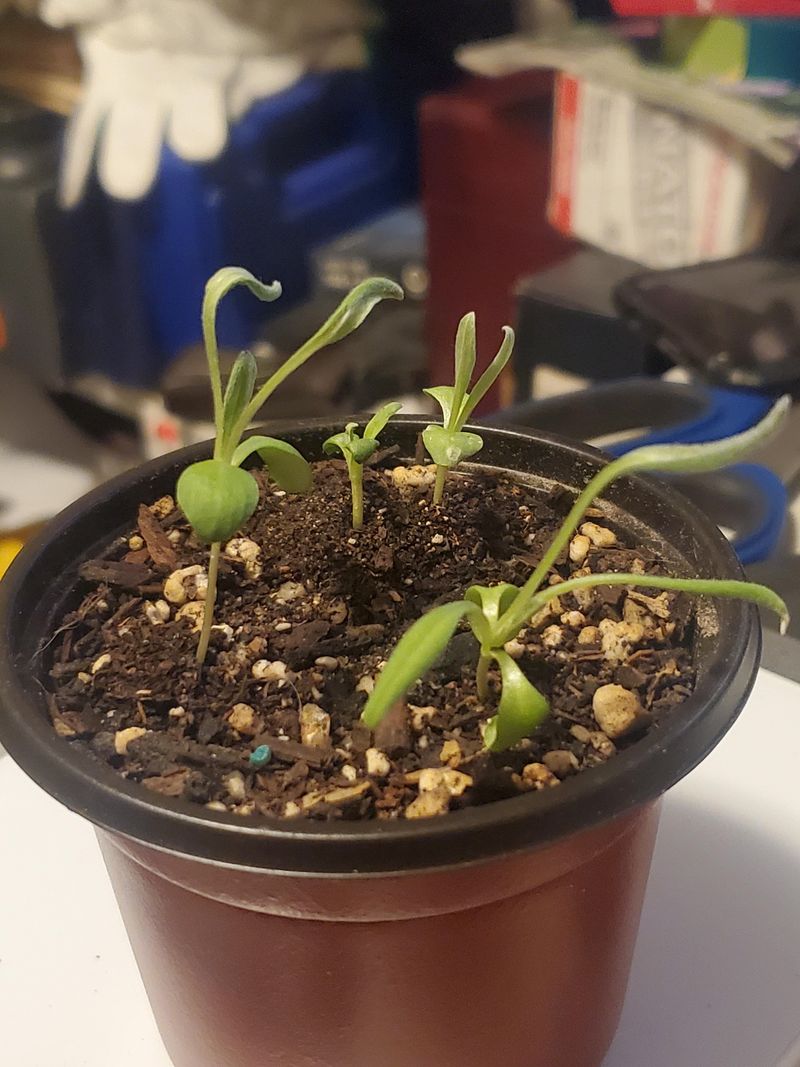
Checking your winter sowing containers on a rainy March morning and finding bachelor’s buttons already sprouting is a sure sign that spring is coming.
Bachelor’s buttons are wonderfully carefree flowers that thrive with winter sowing, germinating reliably in cool, wet conditions and producing plants that bloom abundantly with minimal care.
The seeds are easy to handle and germinate quickly once soil temperatures reach the mid-40s, usually by late February or March.
Cold stratification isn’t strictly necessary for bachelor’s buttons, but it strengthens the seedlings and produces plants that bloom earlier and more profusely.
The seedlings grow vigorously and transplant easily once they have several true leaves.
Beginners love bachelor’s buttons for winter sowing because they’re nearly foolproof. The plants tolerate Oregon’s unpredictable spring weather beautifully, handling rain, wind, and temperature swings without complaint.
You can start seeds in milk jugs or similar containers from January through February.
Your containers need good drainage and ventilation as spring approaches. Once the seedlings are sturdy and the weather stabilizes, transplant them into garden beds, cutting gardens, or containers.
Bachelor’s buttons bloom from late spring through summer, producing charming blue, pink, or white flowers that attract pollinators and make excellent cut flowers. The plants self-sow readily, so you may find volunteer seedlings appearing in subsequent years.
Deadheading encourages more blooms, but the flowers are so abundant that even neglected plants put on a great show.