6 Best Small Palms For Arizona Front Yards
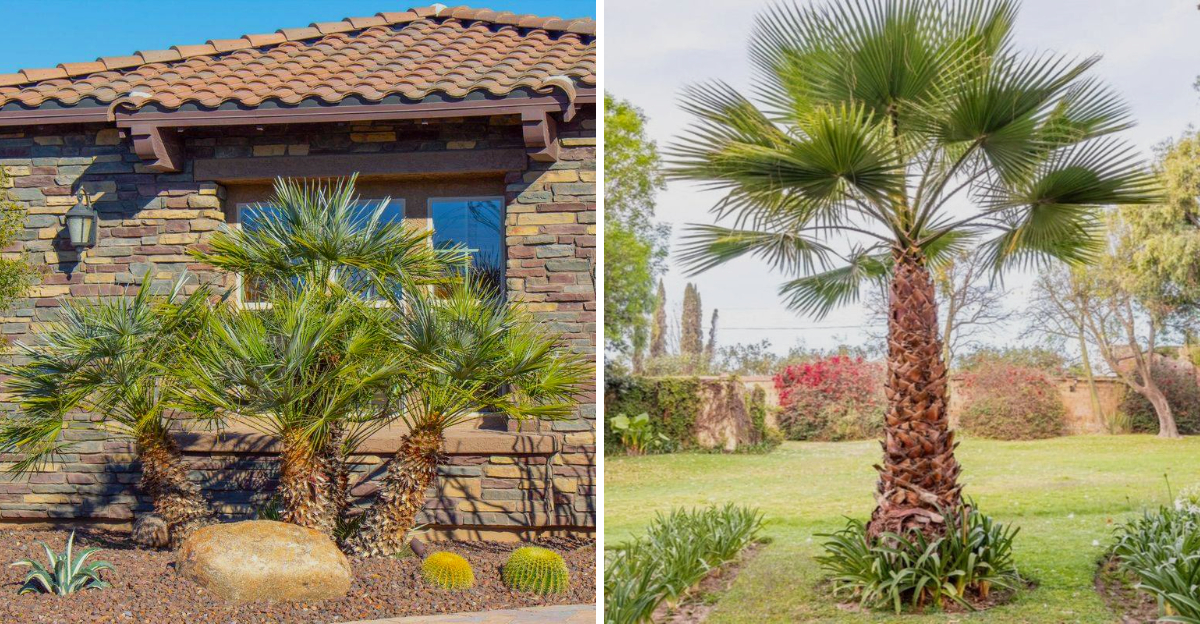
In the Grand Canyon State, picking a palm isn’t just about aesthetics – it’s a high-stakes game of survival against relentless sun, reflected heat from block walls, and the occasional bone-chilling frost.
The “perfect” palm for a Phoenix or Tucson skyline might be a total disaster in the higher elevations of Prescott or Flagstaff.
Between the “concrete oven” effect of urban landscaping and the hidden trap of poorly draining caliche soil, your yard has its own unique set of rules.
Understanding these local quirks is the only way to ensure your investment actually grows into a centerpiece rather than a centerpiece of regret.
Let’s break down how to match the right palm to your specific Arizona microclimate.
1. Where Small Palms Grow Best In Arizona Yards
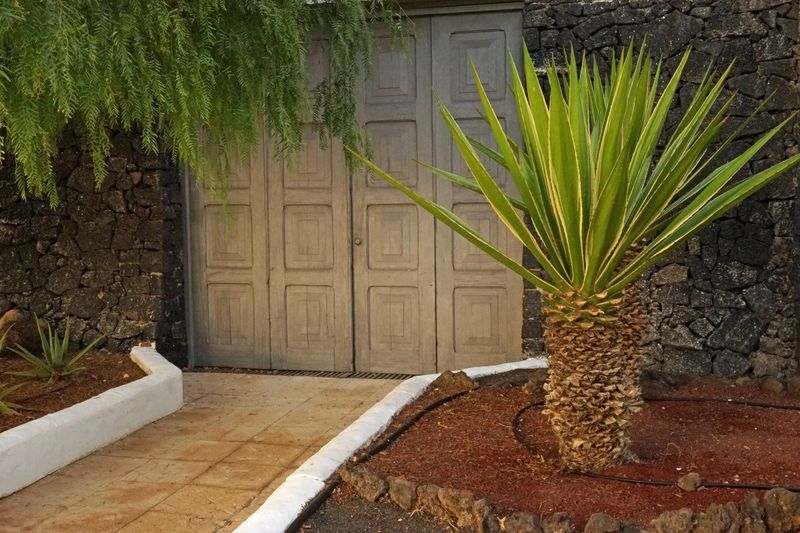
Hot microclimates can be a gift or a headache, depending on the palm. South-facing entries and block walls collect heat during the day, then release it at night, which can help tender palms in winter but push stress in summer when air feels still.
A palm that looks fine in open sun can scorch faster in a tight corner with reflected light and no breeze.
Low desert yards around Phoenix and Tucson usually support the broadest range of palms because winter cold is less intense. Mid and higher elevations narrow the options quickly, especially in yards that sit in a low spot where cold air settles.
Paying attention to where frost lingers in your yard can save you from trial-and-error planting.
Drainage deserves a real look before you dig. Caliche can slow water movement and limit root growth, so it helps to check how quickly a test hole drains and avoid spots where runoff collects.
Mounding or planting slightly higher can be more effective than trying to “fix” a hole with a different soil texture. Irrigation style matters too.
Palms near lawn spray zones can end up with too much frequent moisture, while drip zones can be tuned more easily.
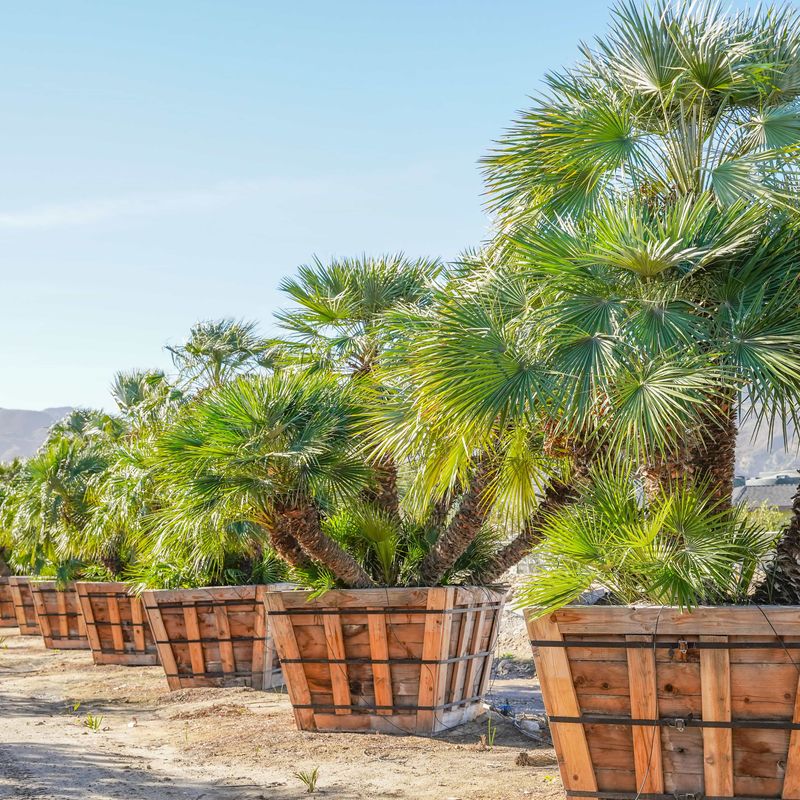
2. Mediterranean Fan Palm Brings A Compact Fan Shape

This palm earns its reputation as a front-yard workhorse because it stays relatively compact and doesn’t need a tropical climate to look good.
The clumping, multi-stem form works well near entries, in courtyards, and as a small statement plant that reads architectural without taking over the space.
The fan fronds can lean green or silvery depending on light and variety, which pairs nicely with stone, stucco, and desert plants.
It tends to handle sun better than many “small palms,” though part shade can keep fronds looking smoother in the hottest yards.
Mature size is usually in a small-to-midsize range for palms, so it can fit under rooflines and near walkways if you give it room to spread.
The petioles can be spiny, so it’s smart to keep it a bit back from tight paths and doorways.
Cold tolerance is one of its selling points, but protected placement still helps in colder parts of Arizona. Plant it where water drains well and avoid low pockets that stay damp after storms.
Establishment watering can be deeper and less frequent over time, especially once roots push into surrounding soil.
3. Pygmy Date Palm Adds A Small Tropical Look
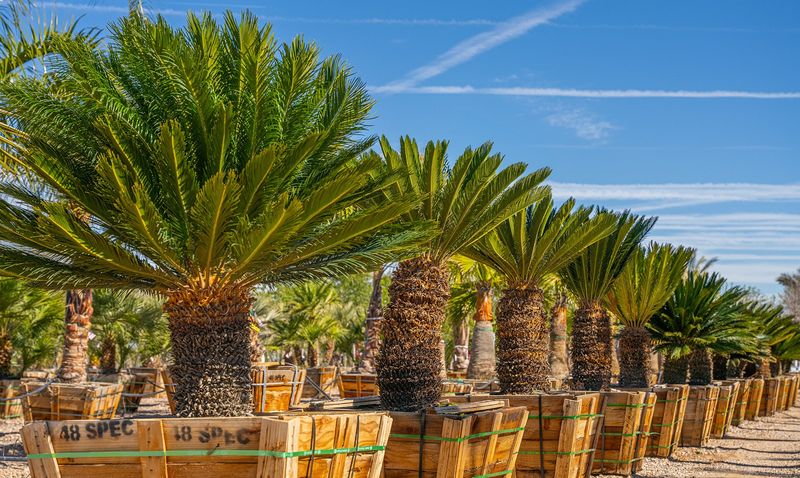
Entryways look instantly more “resort” with this palm, especially when it’s used in pairs or as a soft accent near a porch.
The fronds have a fine texture that plays well with boulders, gravel, and modern desert plantings, and it stays small enough to fit tighter front-yard layouts.
It also performs well in large containers, which is handy in borderline locations.
Cold sensitivity is the main limiter in Arizona. Warm, protected low-desert sites tend to be the easiest fit, while colder neighborhoods and higher elevations can see frond damage during frosty nights.
Morning sun with lighter afternoon exposure can help it avoid the harshest reflected heat, especially near light-colored walls.
Drainage still matters, since palms generally dislike staying wet for long stretches. Give it space away from lawn sprinklers and avoid planting where monsoon runoff pools.
The leaf stems can have sharp spines, so placement away from sidewalks and play areas can prevent a lot of frustration later.
4. Pindo Palm Brings Blue Green Fronds And Cold Tolerance
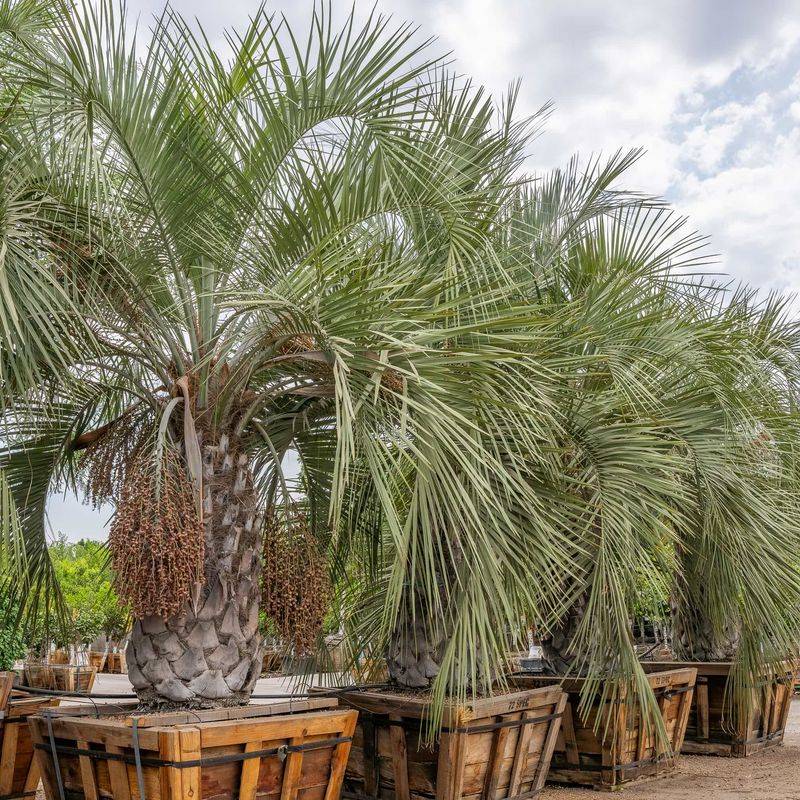
This palm often appeals to Arizona homeowners who want a feather palm look without choosing something that feels too tender for winter swings.
The blue-green cast can read cool and coastal against warm desert tones, and the arching fronds create a softer silhouette than many stiff, upright palms.
Over time it develops a stout trunk that works well as a specimen near a driveway or open lawn-free front yard.
It’s not a tiny palm at maturity, but it can stay “small enough” for years because growth tends to be steady rather than fast. That slower pace can be helpful in front yards where you don’t want a plant outgrowing the space quickly.
Full sun can work, though a little afternoon relief may reduce tip browning in the hottest exposures.
As with most palms, drainage and irrigation habits shape long-term health. Avoid planting in a spot that gets frequent shallow watering, especially from turf irrigation.
Deep watering on a schedule that allows the soil to dry between cycles usually supports better root growth and a sturdier canopy.
5. Lady Palm Works Well In Shady Courtyards
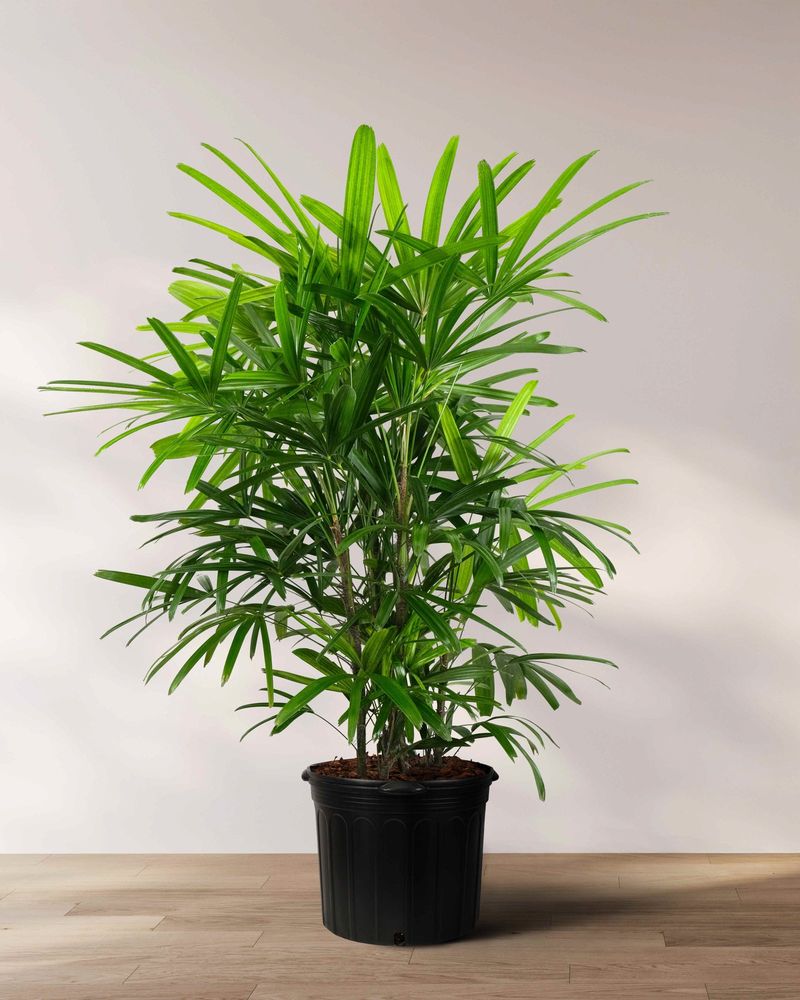
Shade is where this palm shines. Covered entries, north-facing courtyards, and bright filtered light can support the lush, cane-like clumps that make lady palm feel tropical in a desert setting.
The fan fronds stay dark and polished-looking when the plant is protected from direct afternoon sun. In the right spot, it adds instant softness against stucco and stone without fighting the desert vibe.
It also pairs well with shade-friendly companions like ferns and understory shrubs in sheltered courtyards.
Cold and sun are the two big watch-outs. In exposed, frosty spots it can burn back, and in harsh sun it can look scorched and stressed.
Many Arizona yards use it most successfully as a protected courtyard plant or a container palm that can be moved into better shelter during cold snaps. A warm wall and overhead cover can make a noticeable difference on chilly nights.
Avoid placing it where winter wind funnels through, since that can dry fronds out fast.
Unlike tougher desert shrubs, it appreciates more consistent moisture, but it still needs good drainage. A drip setup that keeps the root zone evenly moist without turning soggy tends to work well.
In a front-yard design, it’s a strong choice for softening hard lines near doors, walls, and shaded seating areas. A light top-dress of compost or fine bark in the root zone can help hold moisture more evenly in dry air.
Keep mulch pulled back from the canes to reduce moisture buildup at the base.
6. Chinese Fountain Palm Adds Fountain Like Fronds
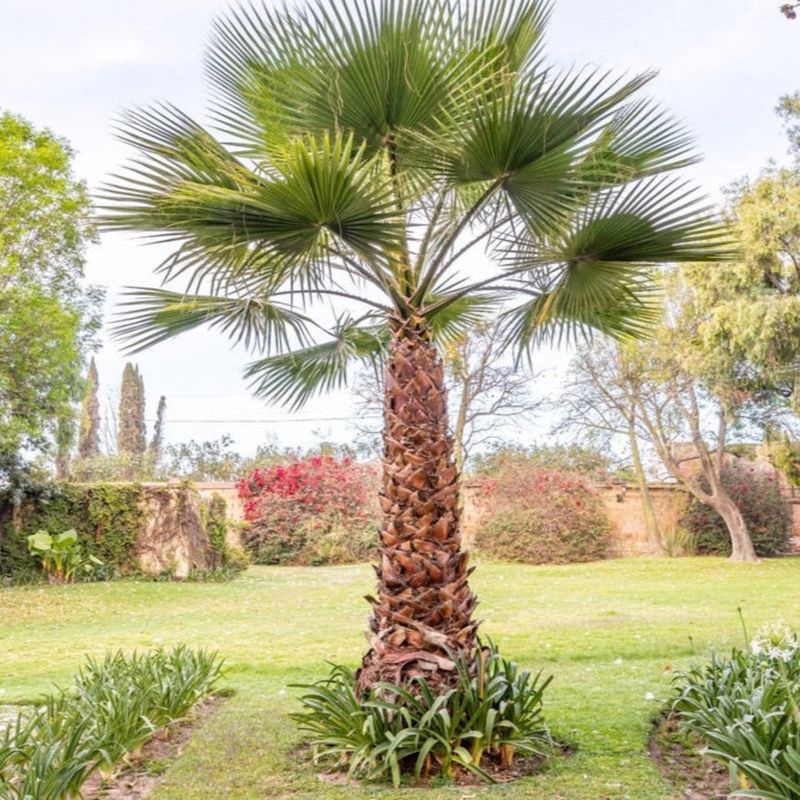
The fountain effect is real with this one. Drooping fan tips create movement and a softer outline that feels finished in a front-yard composition, especially near an entry curve or as a focal point in a mixed planting.
It can read “lush” without needing a dense tropical bed around it. That motion is especially noticeable on breezy mornings when the fronds sway and catch the light.
It also makes a nice contrast with rigid shapes like agaves and yuccas.
The main correction is scale. This palm can grow larger than most people expect, so spacing matters more than the “small palm” label suggests.
It’s usually a better fit where you can give it room away from narrow walks and windows, and where you can plan for a broader canopy later. Think about sightlines too, since a wider crown can block views if it’s placed too close to doors or picture windows.
Planning the mature spread early helps you avoid awkward pruning later.
In hot desert exposure, some afternoon shade can help it look better through summer. Good drainage and smart placement away from runoff are important, especially during monsoon season.
Cold tolerance is moderate, so warmer low-desert sites tend to be more reliable than higher elevations. A sheltered spot with morning sun can keep fronds nicer while still supporting steady growth.
For a cleaner look, remove old fronds as they brown instead of cutting green ones too aggressively.
7. Costa Rican Parlor Palm Forms A Clumping Screen
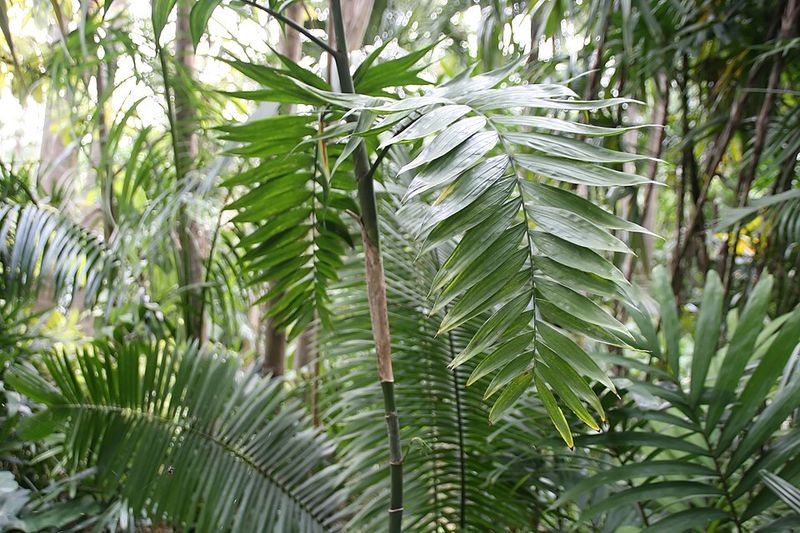
This is a great “tropical screen” look in the right setting, but the setting matters a lot. Filtered light, morning sun, or full shade keeps fronds greener and less stressed, while harsh afternoon sun can scorch the foliage fast in the low desert.
That makes it a natural match for east-facing entries, covered patios, and sheltered courtyards. It also looks best where the light feels steady rather than bouncing from bright sun to deep shade all day.
A little overhead cover from a porch roof or tree canopy can make the foliage look noticeably cleaner.
Cold sensitivity is another reason many Arizona gardeners treat it like a container palm. A large pot can still give you that clumping, privacy-style effect, with the bonus of moving it to protection when temperatures drop.
Consistent moisture supports better growth, but the root zone still needs to drain well. A potting mix that stays airy helps, especially during monsoon season when containers can stay wet longer than expected.
Keep the pot out of saucers that hold water for long stretches, since that can stress roots.
Used thoughtfully, it can soften a blank wall or create a living backdrop behind desert accents like agaves and boulders. In a front yard, it’s most convincing where the light is gentle and the microclimate stays warm.
Repeating it in a small group can create a fuller screen effect without making the planting feel crowded.
8. How To Choose A Small Palm For Your Arizona Front Yard
Cold risk should be your first filter. A palm that looks amazing in a warm nursery can struggle in a frost pocket, so it helps to know whether your yard behaves like low desert, mid elevation, or colder high country.
After that, map your sun. Morning-only light, all-day sun, and reflected heat near walls each point to different palm choices.
Drainage and irrigation come next. Palms tend to perform better when watering is deep enough to encourage roots to expand, but not so frequent that the soil stays constantly wet.
Caliche and compacted soil can complicate that, so checking drainage before planting can prevent long-term issues.
Finally, confirm mature size and “people space.” Some palms stay compact, while others grow wider than expected, and spiny fronds can be a problem near walkways and doors.
For borderline climates, consider palms that work well in large containers, since moving a pot during an unusual cold snap is much easier than trying to protect an in-ground palm.