Best Time To Prune Apple And Pear Trees In Western Oregon
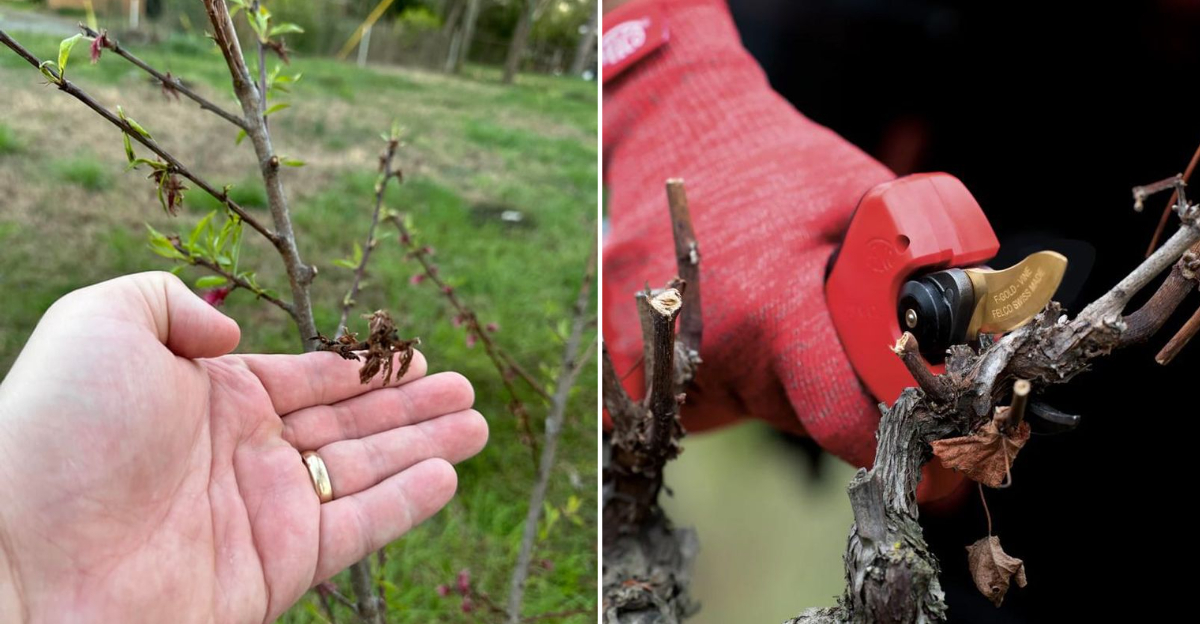
Apple and pear trees are tougher than they look, but a well timed trim can turn them into absolute overachievers. Pruning is not just about cutting branches.
It is about shaping stronger trees, boosting airflow, and setting the stage for a better fruit show later on. In Western Oregon, the weather plays a big role, with cool, damp winters and a long growing season that reward smart timing.
Snip at the right moment and your trees respond with healthier growth, sturdier structure, and fruit that is easier to reach and harvest. Wait too long and things can get crowded fast.
The good news is that trees give clear clues when they are ready. Once you know the window, this simple task becomes surprisingly satisfying and can make a big difference in how your trees look, grow, and produce year after year.
1. Why Pruning Time Matters
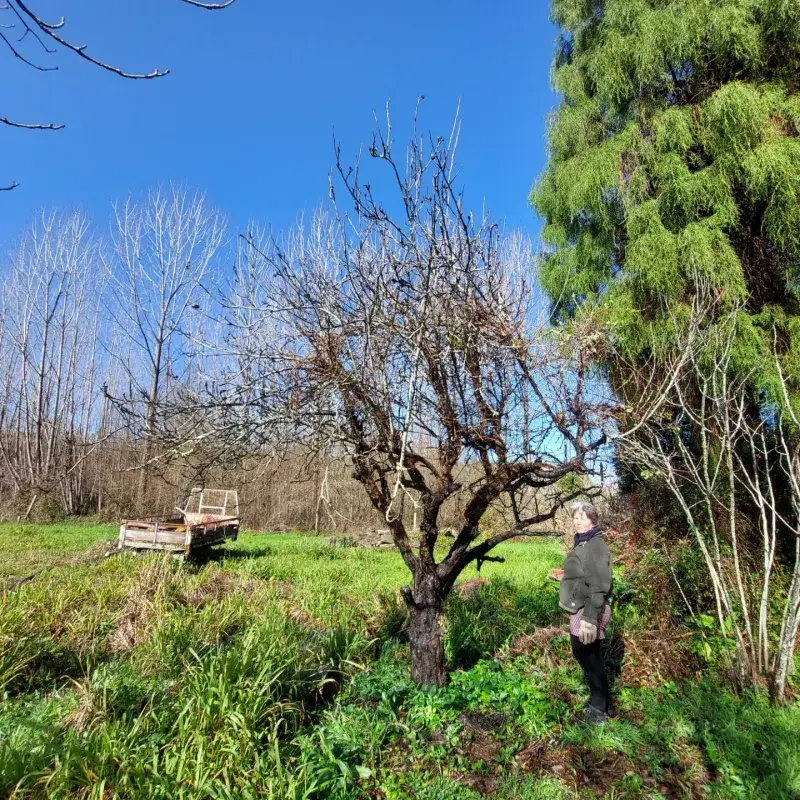
Dormancy is actually the perfect state for pruning work. When trees are dormant, they’re not actively growing or moving nutrients through their systems, which means cuts heal better and cause less stress.
Timing your pruning correctly protects your trees from disease pressure that’s especially high in Western Oregon’s wet climate. Prune too early during active growth, and you risk encouraging tender new shoots that winter cold can damage.
Prune too late when buds are swelling, and you waste the tree’s stored energy that was meant for fruit production.
Many gardeners don’t realize that pruning during the wrong season can actually invite fungal diseases like fire blight, which loves moist conditions and open wounds.
In our region, where rain lingers and humidity stays high, this becomes even more critical. The dormant window gives cuts time to start sealing before spring moisture arrives.
Good timing also affects fruit quality directly. Pruning during dormancy redirects the tree’s energy toward fewer, larger, healthier fruits rather than supporting excess branches and leaves.
Your harvest improves not just in quantity but in size and flavor too.
2. Best Window: Late Winter Dormant Season
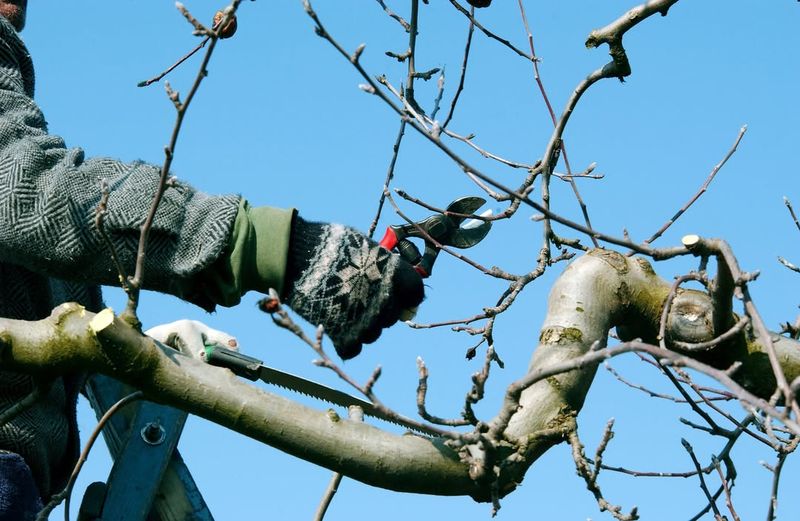
Most Western Oregon gardeners find their sweet spot for pruning falls between mid-February and early March. By then, the harshest freezes have usually passed, but buds haven’t started their spring push yet.
You’ll notice the days getting longer and temperatures occasionally creeping above freezing during the day, creating ideal working conditions.
This window works beautifully because trees are still fully dormant but close enough to spring that healing begins relatively quickly once warmer weather arrives. You can see the tree’s structure clearly without leaves blocking your view, making it much easier to identify which branches need removal.
The wood is also firm and cuts cleanly, reducing ragged edges that take longer to seal.
Waiting until late winter rather than early winter protects fresh cuts from prolonged exposure to freezing temperatures and ice storms that can damage exposed wood.
It also means you’re less likely to prune right before an unexpected cold snap that could harm the tree. In our climate, patience pays off.
Some years, if winter stays unusually mild, you might start as early as late January. Other years, if cold weather lingers, you might wait until mid-March.
Watch your trees rather than the calendar alone, when buds remain tight and dormant, you’re still in the safe zone.
3. Why Western Oregon’s Climate Affects Timing
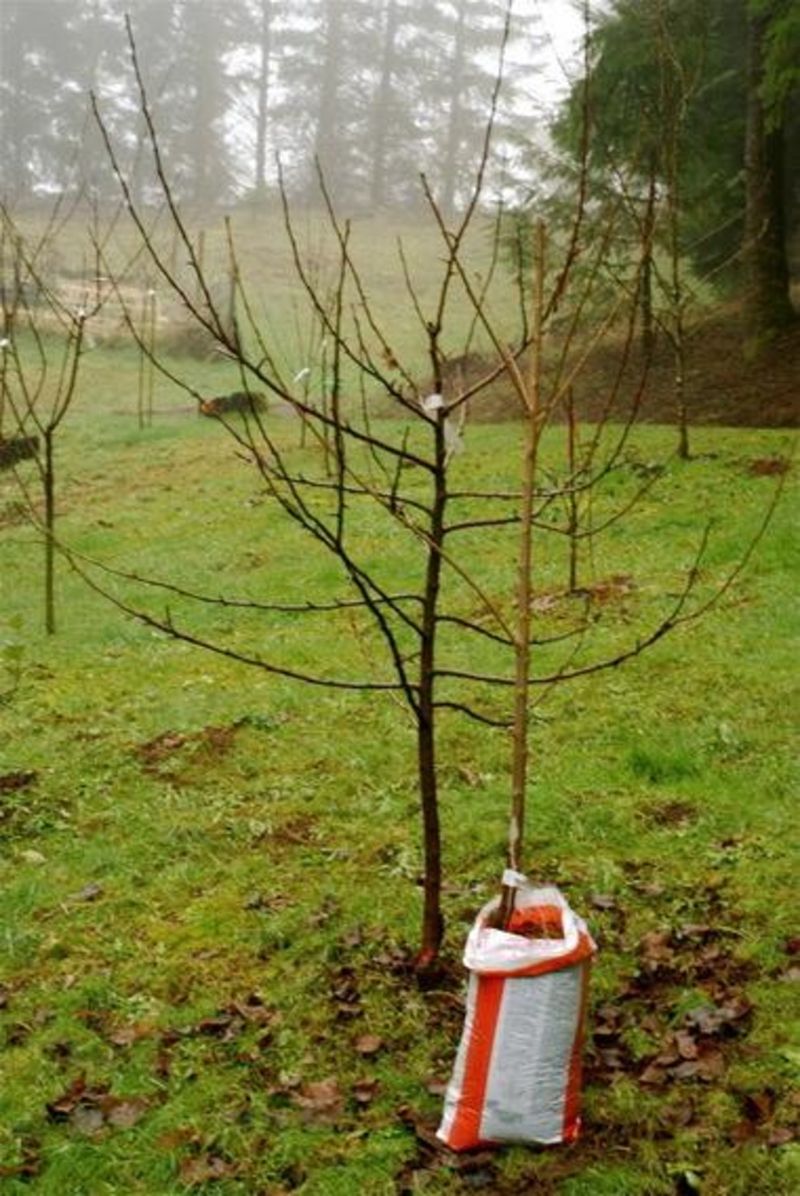
Our regional weather patterns create unique challenges that gardeners in drier climates don’t face. Western Oregon’s winters bring consistent moisture, cloudy skies, and moderate temperatures that keep fungal spores active much longer than in colder or drier regions.
This means pruning cuts stay vulnerable to infection for extended periods if you don’t time things carefully.
The Willamette Valley and coastal areas rarely experience the deep, sustained freezes that fully halt disease activity. Instead, we get cycles of rain, brief cold snaps, and mild periods that can confuse both trees and gardeners about when true dormancy occurs.
Our spring also arrives gradually rather than suddenly, with buds slowly swelling over weeks as temperatures rise inconsistently. This drawn-out transition gives you flexibility but also requires attention.
Once buds begin breaking, you’ve missed the ideal window and should wait until after bloom or even until next dormant season for major pruning work.
Understanding these climate realities helps you make smarter decisions. Eastern Oregon or California timing advice won’t always apply here.
Our maritime influence and persistent moisture mean waiting a bit longer in late winter usually serves trees better than rushing into early winter pruning.
4. Start After The Harshest Freezes Pass
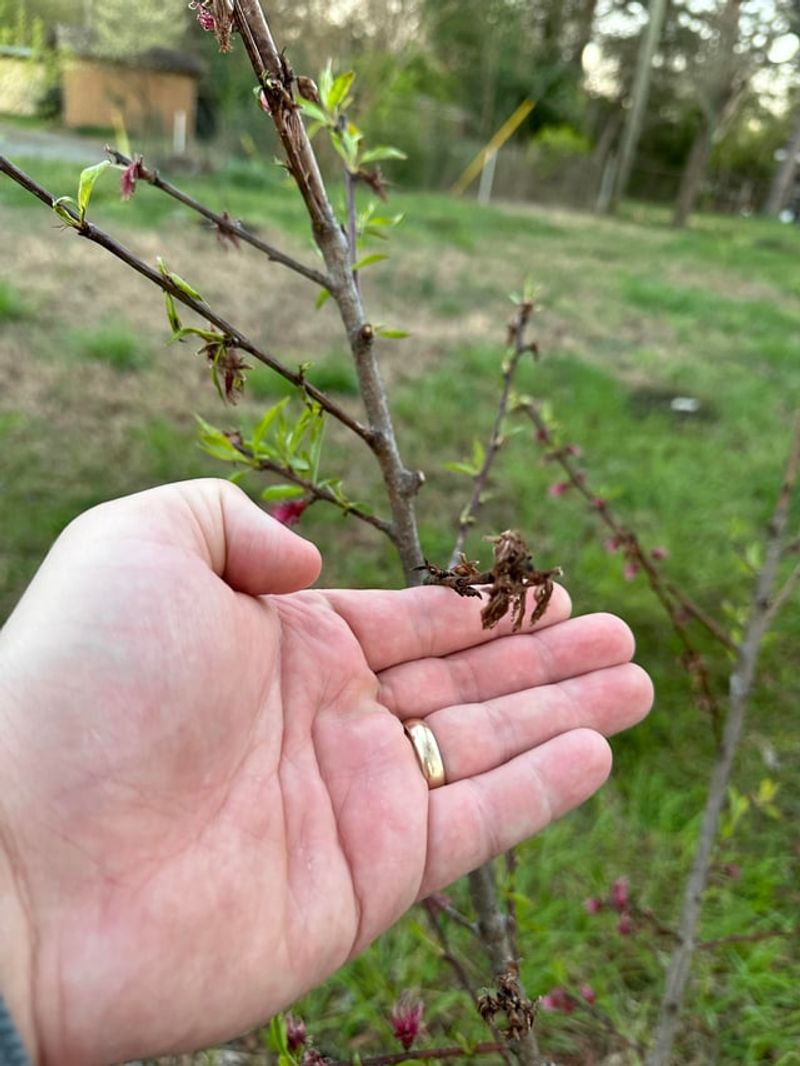
There’s a practical reason experienced orchardists wait until the coldest part of winter has clearly ended. Pruning creates fresh wounds that expose inner wood to whatever weather comes next.
If you prune in December and then January brings a hard freeze, that exposed tissue can suffer cold damage that compromises healing and invites decay.
In Western Oregon, our hardest freezes typically occur in late December through January, though occasional cold snaps can surprise us into early February.
Once you’re consistently seeing nighttime lows above the mid-20s and daytime temperatures reaching the 40s, you’re generally past the danger zone.
The tree’s natural healing processes can begin working without constant interruption from freezing temperatures.
Watch for signs that winter’s grip is loosening. You might notice slightly swollen buds, earlier sunrises, or soil that’s no longer frozen solid in the morning.
These subtle shifts indicate the tree’s internal systems are preparing for spring, which means cuts will begin sealing more effectively. You want to prune during this transition period, not before it starts.
Jumping too early risks wasting your effort. Damaged cuts may need to be recut later, or worse, they might become entry points for disease.
A few weeks of patience in late winter protects months of growth ahead and ensures your pruning work actually benefits the tree.
5. Pruning Young vs. Mature Trees
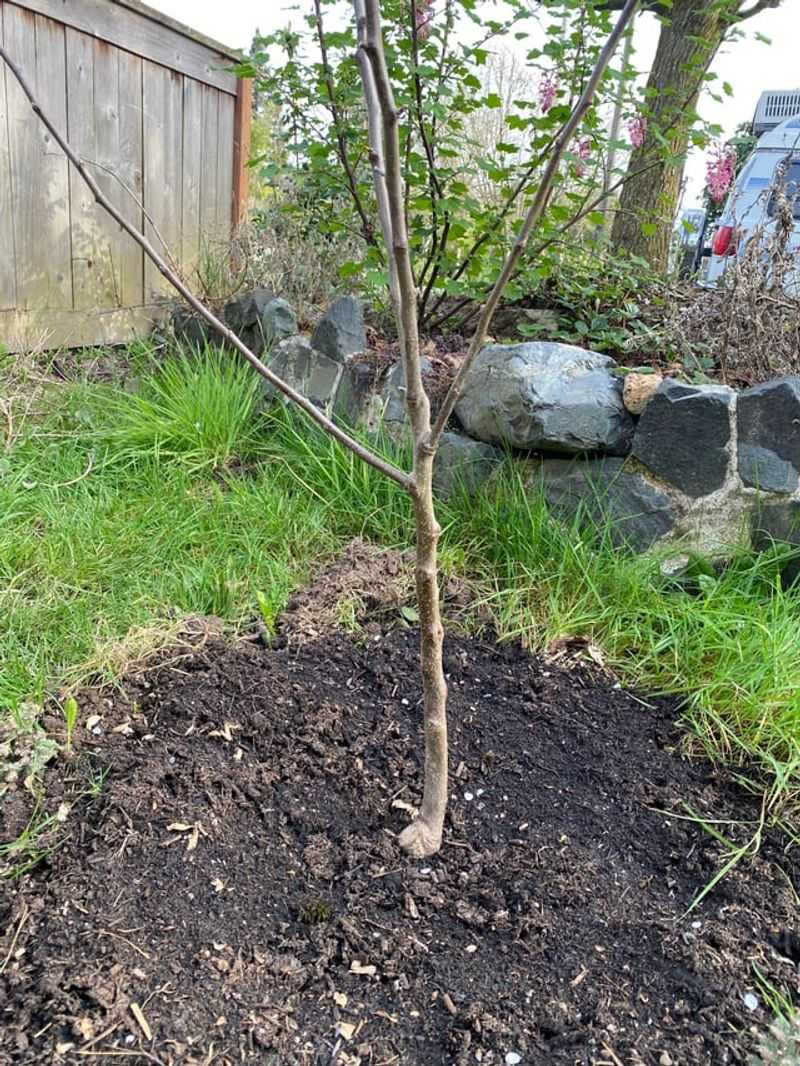
Young trees need a different approach than established ones, and understanding this distinction prevents common mistakes.
For trees in their first three or four years, you’re focused on building strong structure, selecting scaffold branches, establishing a central leader or open center shape, and removing competing or poorly angled growth.
These formative cuts determine the tree’s shape for decades. Light, strategic pruning on young trees encourages the framework you want without removing so much wood that you delay fruiting.
Many eager gardeners over-prune young trees, thinking more cutting means better shape, but this actually stresses the tree and pushes back your first harvest. Focus on major structural issues and leave smaller decisions for later years.
Mature trees, on the other hand, need maintenance pruning that keeps them productive and healthy. You’ll remove damaged, diseased, or crossing branches, thin out crowded areas to improve air circulation, and cut back overly vigorous growth.
These trees can handle more aggressive pruning because their root systems are established and they have energy reserves to support recovery.
Both age groups benefit from late winter timing, but your goals differ. Young trees are being trained; mature trees are being maintained.
In Western Oregon’s damp climate, keeping mature trees open and airy through proper pruning helps prevent the fungal issues that plague crowded, poorly ventilated canopies. Adjust your intensity based on the tree’s stage of life.
6. What To Remove First For Healthy Growth
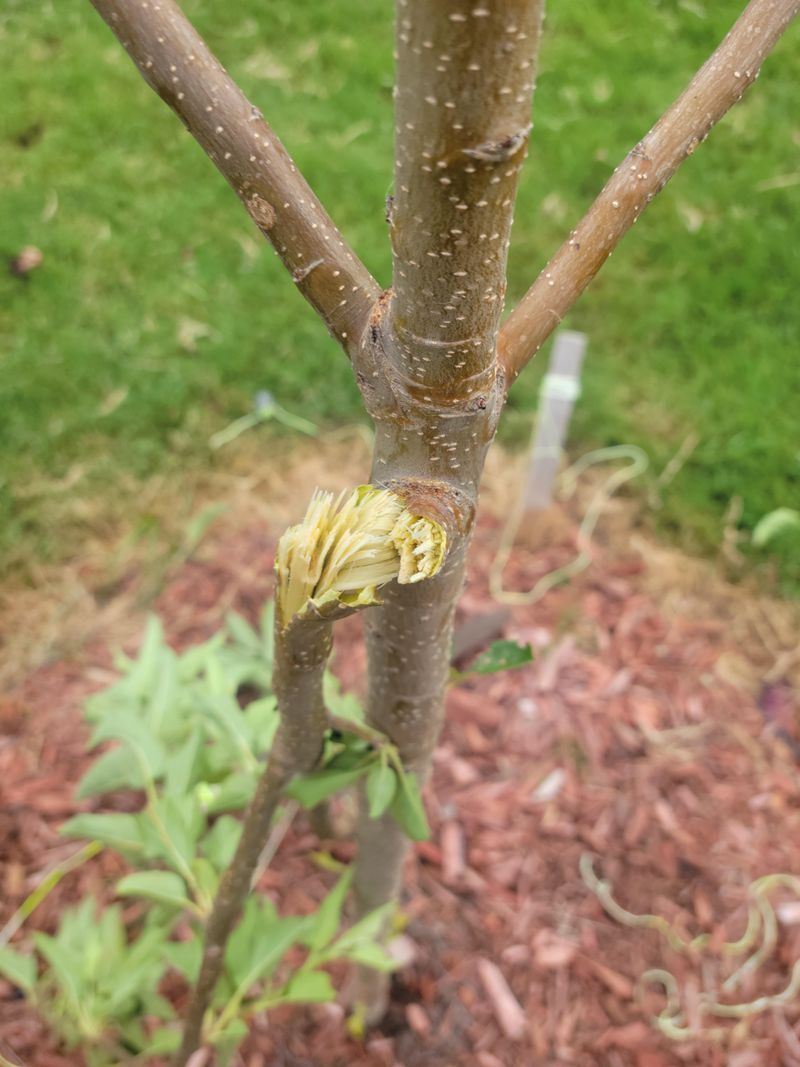
Standing in front of your tree with pruners in hand, it helps to have a clear priority list. Start by removing any withered, diseased, or damaged wood, these branches contribute nothing and can harbor pests or pathogens.
Withered wood is usually obvious: brittle, discolored, lacking the smooth bark of healthy growth. Cut it back to living tissue or remove it entirely at its origin point.
Next, look for branches that cross or rub against each other. These create wounds where bark wears away, inviting disease into both branches.
Choose the better-positioned branch and remove the other cleanly. In our wet climate, these rubbing points become particularly problematic because moisture gets trapped in the damaged bark, encouraging rot and fungal growth.
Water sprouts, those vigorous, vertical shoots growing straight up from main branches, should come out too. They rarely produce fruit and steal energy from productive wood.
Same with suckers growing from the base or rootstock below the graft union. These don’t belong and should be removed as close to their origin as possible.
Finally, thin out crowded areas where branches compete for light and air. Western Oregon’s cloudy weather already limits sunlight, so maximizing what reaches inner branches improves fruit production.
Remove weaker or poorly angled growth, leaving the strongest, best-positioned branches. This systematic approach ensures you address the most important issues first before making finer adjustments.
7. Tools, Clean Cuts, And Proper Technique
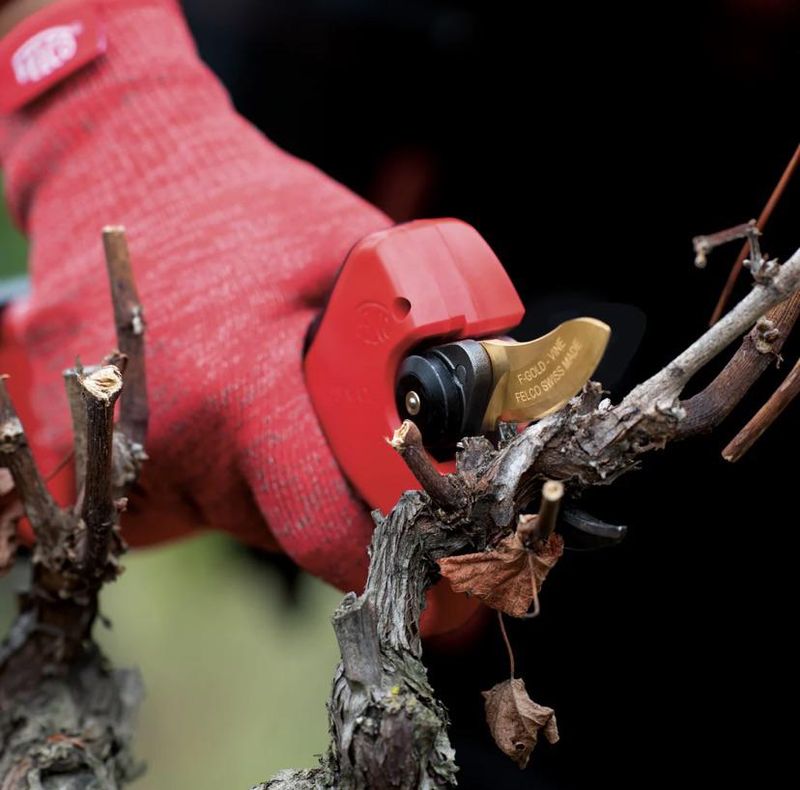
Sharp, clean tools make all the difference in pruning success. Dull blades crush and tear wood rather than cutting cleanly, creating ragged wounds that heal slowly and attract disease.
Before you start, sharpen your pruners, loppers, and saw, then disinfect them with rubbing alcohol or a bleach solution. This simple step prevents spreading pathogens between cuts or between trees.
For branches under three-quarters of an inch, hand pruners work well. Larger branches need loppers for extra leverage, and anything over two inches calls for a pruning saw.
Using the right tool for the branch size ensures clean cuts without straining yourself or damaging equipment. In Western Oregon’s wet conditions, clean cuts are especially critical because moisture can linger in rough wounds, promoting fungal infection.
Make cuts at a slight angle just above an outward-facing bud or branch collar, without leaving stubs. Stubs go back and create decay pockets; cuts too close to the bud damage it.
The angle helps water shed off rather than pooling on the cut surface, important in our rainy climate.
For larger branches, use the three-cut method to prevent bark tearing: undercut first, top cut second, final collar cut third. Take your time with each cut. Rushed, sloppy pruning creates more problems than it solves.
Clean technique protects your investment in these trees and sets them up for healthy, productive seasons ahead.
8. How Late-Winter Pruning Improves Harvest
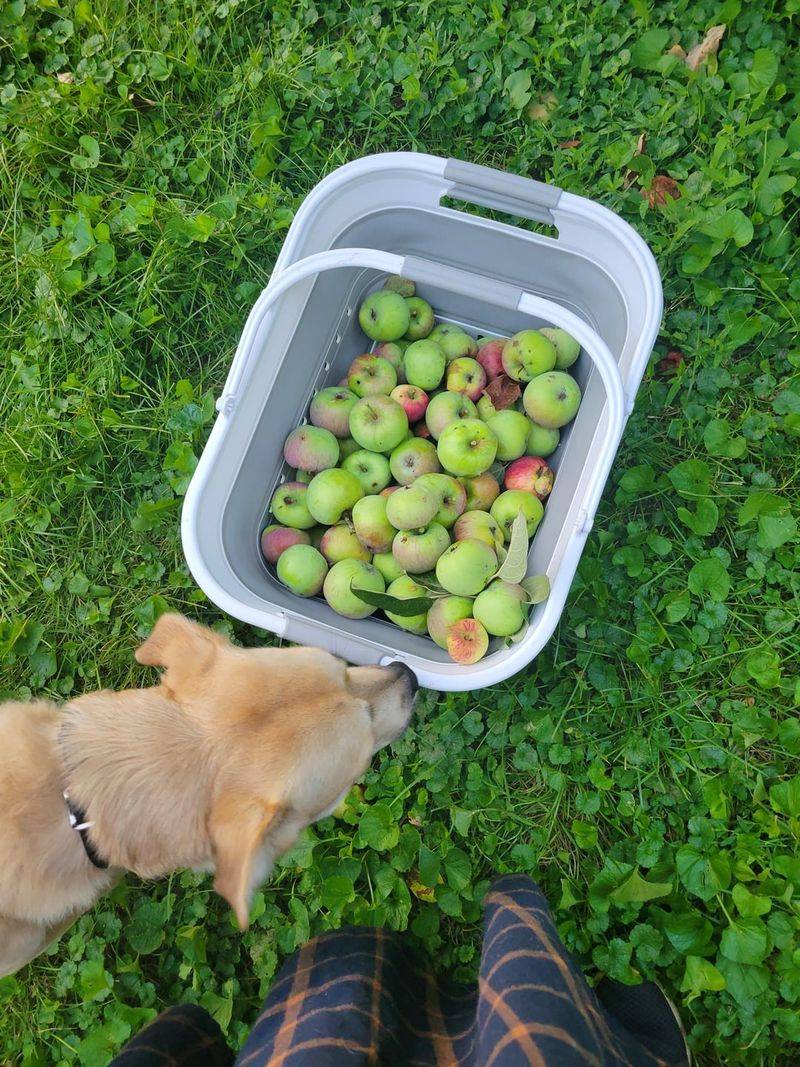
Pruning during dormancy directly impacts the quality and quantity of fruit you’ll pick months later. When you remove excess branches in late winter, you’re essentially telling the tree to focus its energy on fewer, better fruiting sites.
Instead of supporting a tangle of unproductive wood, the tree channels nutrients into developing strong flower buds and eventually larger, sweeter fruit.
Improved air circulation from proper pruning reduces disease pressure throughout the growing season. In Western Oregon, where humidity and rain create ideal conditions for fungal problems like apple scab and pear rust, this airflow becomes crucial.
Well-spaced branches dry faster after rain, and sunlight can reach inner portions of the canopy, both of which discourage disease development.
Better light penetration also improves fruit ripening. Apples and pears hidden in dense, shaded canopies never develop full color or sweetness.
Opening up the tree structure lets sunlight reach more fruiting wood, resulting in evenly ripened, flavorful harvests. You’ll notice the difference in both appearance and taste.
Late-winter timing specifically maximizes these benefits because the tree hasn’t yet committed energy to leaf and shoot growth. Your pruning decisions shape how that stored energy gets used once spring arrives.
Done right, you’re steering the tree toward productive, healthy growth rather than letting it waste resources on excessive foliage or poorly positioned branches. The harvest improvement becomes obvious by late summer.