10 Best Trailing Houseplants To Grow In Hanging Pots In Massachusetts Homes
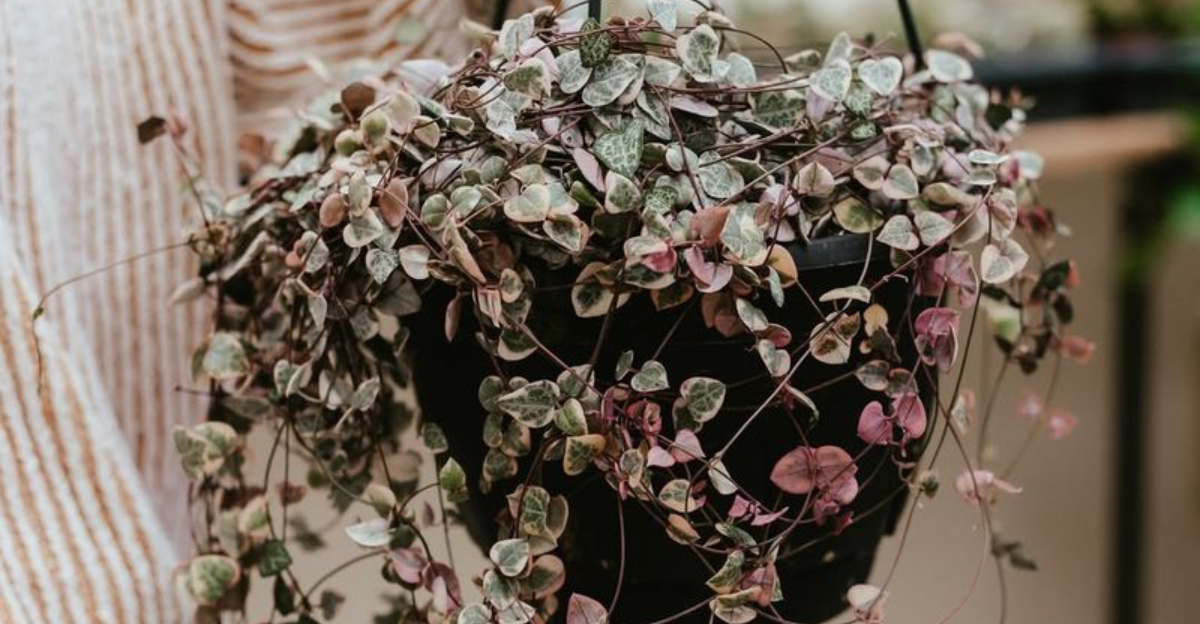
Trailing houseplants bring beauty, texture, and life to Massachusetts homes, especially when grown in hanging pots. Their cascading vines create visual interest, soften corners, and add greenery to indoor spaces without taking up floor space.
Turn your home into a lush oasis with trailing plants that thrive indoors.
These ten houseplants, including pothos, string of pearls, and heartleaf philodendron, are easy to grow and maintain in hanging containers. Proper lighting, well-draining soil, and careful watering help them flourish, while occasional pruning encourages fuller growth.
Hanging pots also protect plants from pets and children, making them ideal for busy households. Trailing plants are low-maintenance and provide a dramatic, elegant look.
Massachusetts homeowners who incorporate these plants enjoy vibrant greenery that enhances air quality and transforms indoor spaces. Grow trailing houseplants in hanging pots and bring nature indoors.
1. Pothos (Epipremnum Aureum)
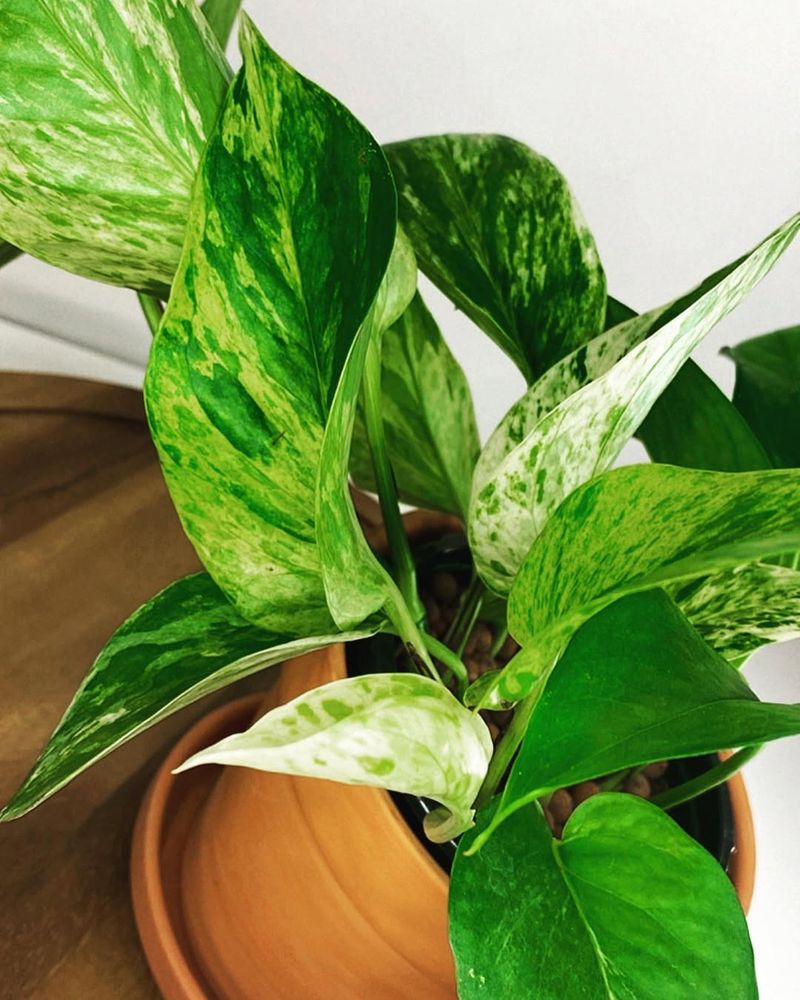
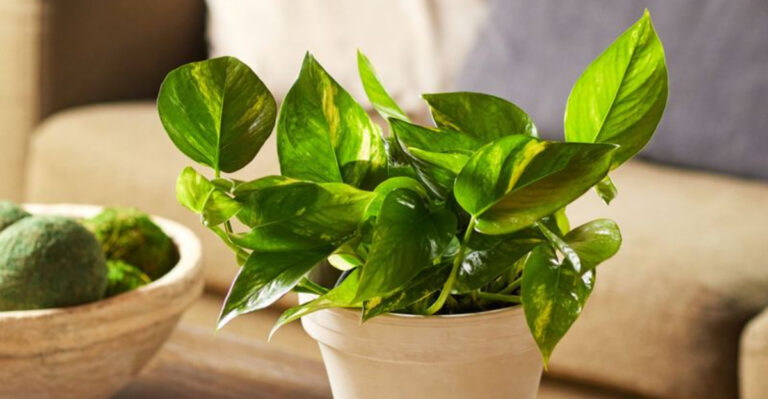
Golden pothos earns its reputation as the ultimate beginner-friendly trailing plant, thriving even when you forget to water it for a week or two.
Its heart-shaped leaves cascade gracefully from hanging baskets, creating lush green waterfalls that can stretch several feet long with minimal effort.
Massachusetts homeowners appreciate how forgiving this tropical beauty is during the darker winter months when natural light becomes scarce.
Low light tolerance makes pothos particularly valuable in New England homes where short winter days limit sunlight exposure. The plant adapts remarkably well to the humidity fluctuations common in heated indoor spaces, never complaining when radiators create drier air.
You can place it anywhere from bright indirect light to shadier corners, and it will continue producing new leaves throughout the year.
Watering needs remain simple and straightforward for busy plant owners. Allow the top two inches of soil to become dry between waterings, which typically means watering once every week or two depending on your home’s temperature and humidity levels.
Pothos vines respond beautifully to occasional trimming, which encourages fuller growth and provides cuttings you can easily root in water to create new plants for friends and family.
2. Heartleaf Philodendron (Philodendron Hederaceum)
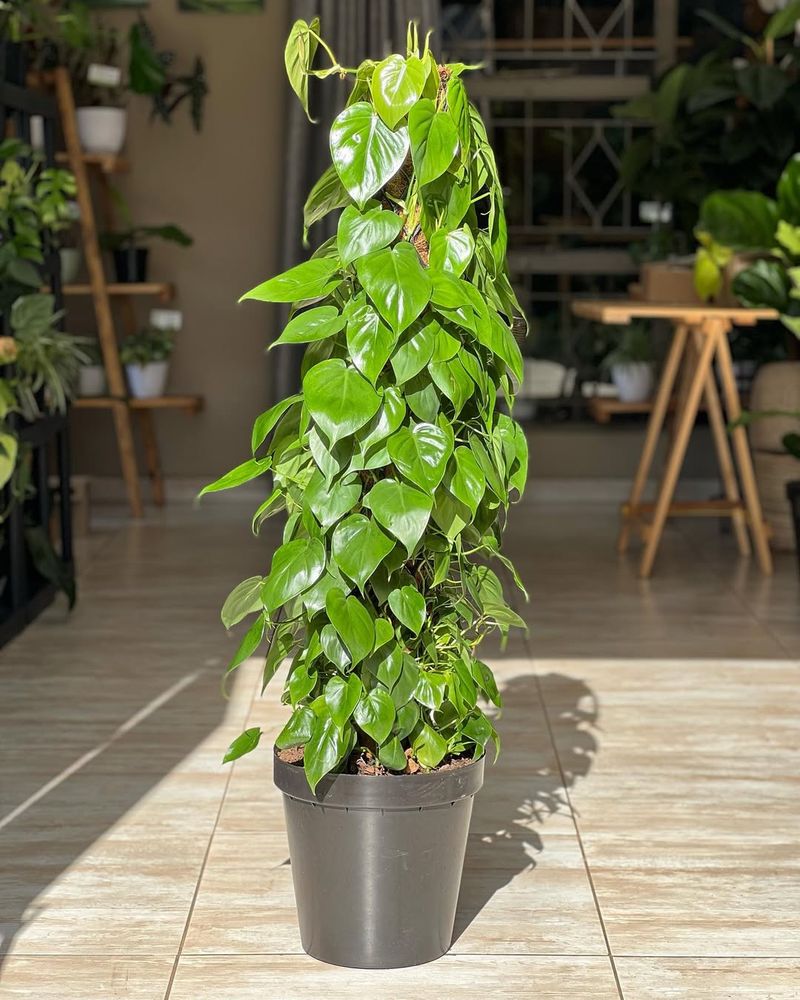
Few trailing plants match the effortless elegance of heartleaf philodendron, whose glossy leaves shimmer in moderate light conditions typical of Massachusetts homes.
This close cousin to pothos develops long, graceful vines that drape beautifully over basket edges, creating a sophisticated green display that complements any interior design style.
The leaves emerge in a lovely bronze shade before maturing to deep emerald green, adding subtle color variation to your hanging display.
Moderate indirect light brings out the best growth patterns in this philodendron variety. East-facing or west-facing windows provide ideal conditions, offering gentle morning or afternoon sun without the intensity that can scorch delicate leaves.
During New England winters, you might need to move your plant closer to windows to compensate for shorter days, though it remains remarkably tolerant of lower light levels compared to many other houseplants.
Consistent moisture keeps heartleaf philodendron thriving throughout the seasons. Water when the top inch of soil feels dry to the touch, maintaining a regular schedule that prevents both waterlogging and complete drying out.
The plant communicates its needs clearly, with leaves beginning to droop slightly when thirsty, bouncing back within hours of a thorough watering.
3. Spider Plant (Chlorophytum Comosum)
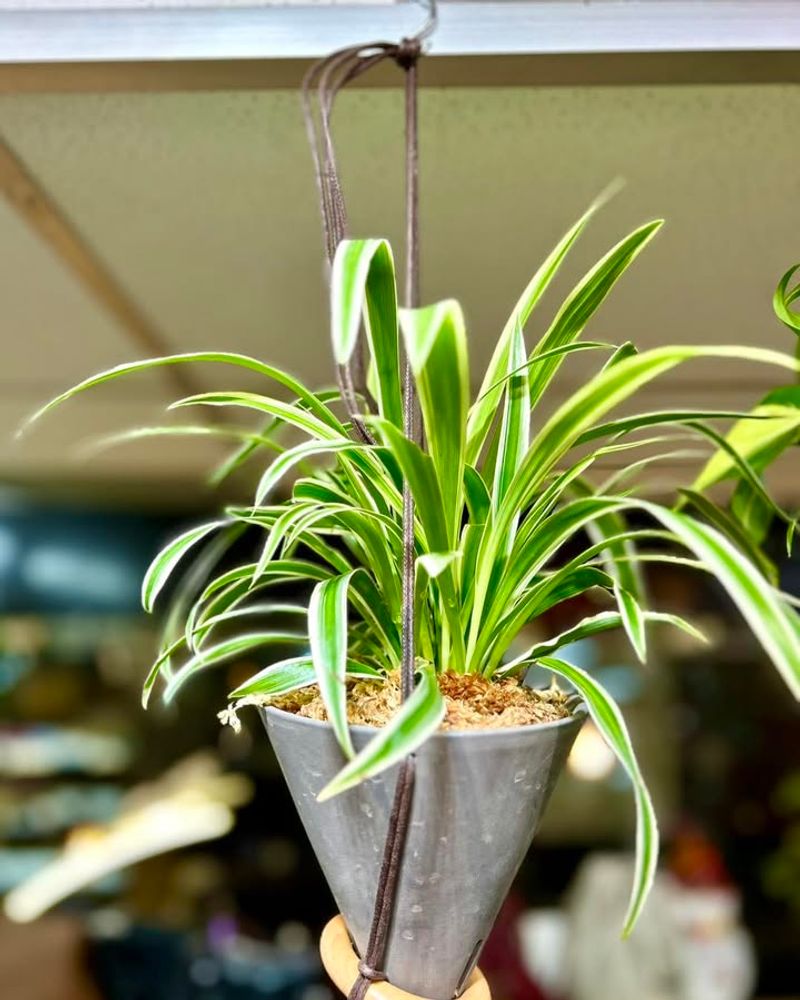
Arching fountain-like foliage makes spider plants instantly recognizable, with their striped green and white leaves creating dynamic visual interest in any hanging arrangement.
What truly sets this plant apart is its remarkable ability to produce miniature plantlets that dangle from long stems, creating a multi-tiered cascading effect that captivates visitors.
These baby plants, called spiderettes, add whimsical charm while offering easy propagation opportunities for expanding your collection.
Temperature fluctuations that occur in Massachusetts homes barely faze this resilient species. Spider plants handle the cooler nighttime temperatures near windows during winter and the warmer conditions created by heating systems without missing a beat.
They adapt to various humidity levels, though they appreciate occasional misting during particularly dry heating season months when indoor air becomes especially arid.
Good air circulation prevents common issues and keeps spider plants looking their absolute best. Avoid placing them in stagnant corners where air barely moves, instead choosing spots where gentle breezes from opening doors or ceiling fans provide fresh airflow.
Watering needs remain moderate, with the plant preferring evenly moist soil that never becomes soggy. Brown leaf tips sometimes appear if your tap water contains high fluoride levels, so consider using filtered or rainwater for optimal results.
4. English Ivy (Hedera Helix — Indoor Use Only)
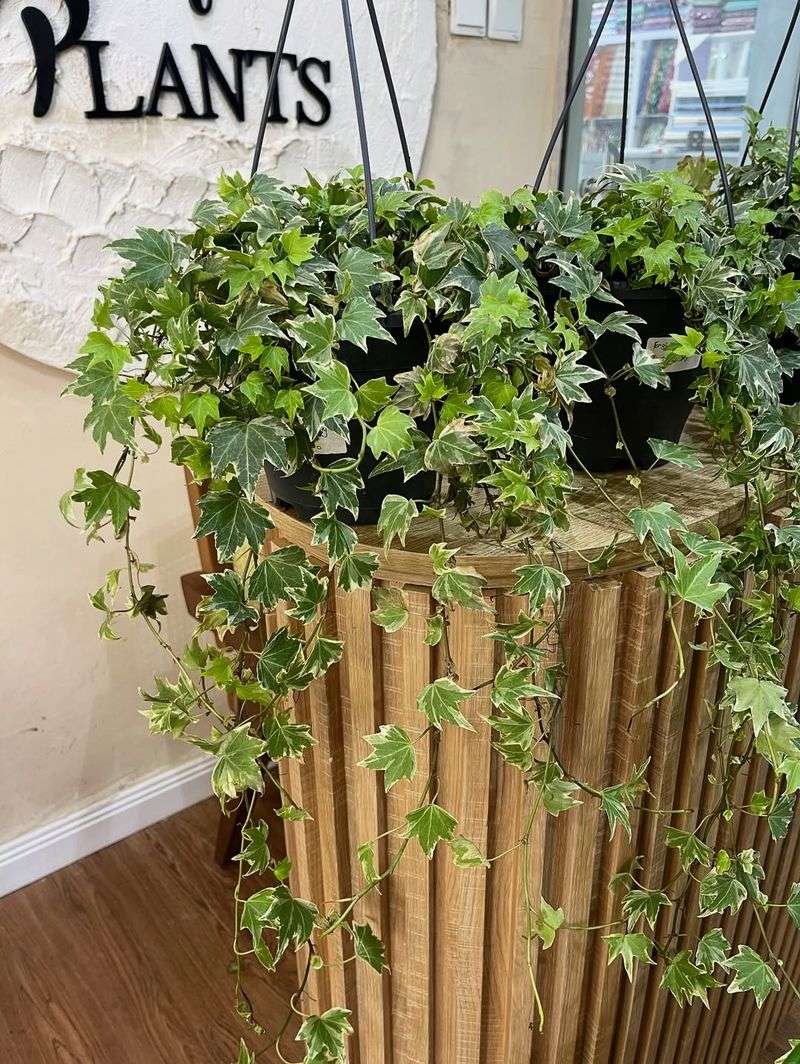
Classic elegance defines English ivy, whose delicate trailing vines and lobed leaves bring a touch of European garden charm to indoor spaces.
Massachusetts homeowners particularly appreciate how well this plant performs in cooler rooms, thriving in temperatures that might stress more tropical houseplants.
The cascading growth habit creates beautiful living curtains that soften hard architectural lines and add organic movement to static indoor environments.
Bright indirect light suits English ivy perfectly, though it tolerates lower light conditions better than many flowering plants. North-facing windows or spots a few feet back from brighter exposures provide ideal conditions for healthy growth.
During winter months, moving your ivy closer to natural light sources helps maintain its compact growth habit and prevents the leggy, sparse appearance that can develop in insufficient light.
Humidity preferences run higher than average for this European native. Regular misting or placement near a small humidifier helps replicate the moist air conditions ivy enjoys, particularly important during heating season when indoor humidity often drops significantly.
Keep containers away from heating vents and radiators, as the dry, hot air blowing directly on leaves can cause browning and stress.
Water when the top half-inch of soil becomes dry, maintaining consistent moisture without creating waterlogged conditions that encourage root problems.
5. Tradescantia (Wandering Dude / Inch Plant – Tradescantia Zebrina And Relatives)
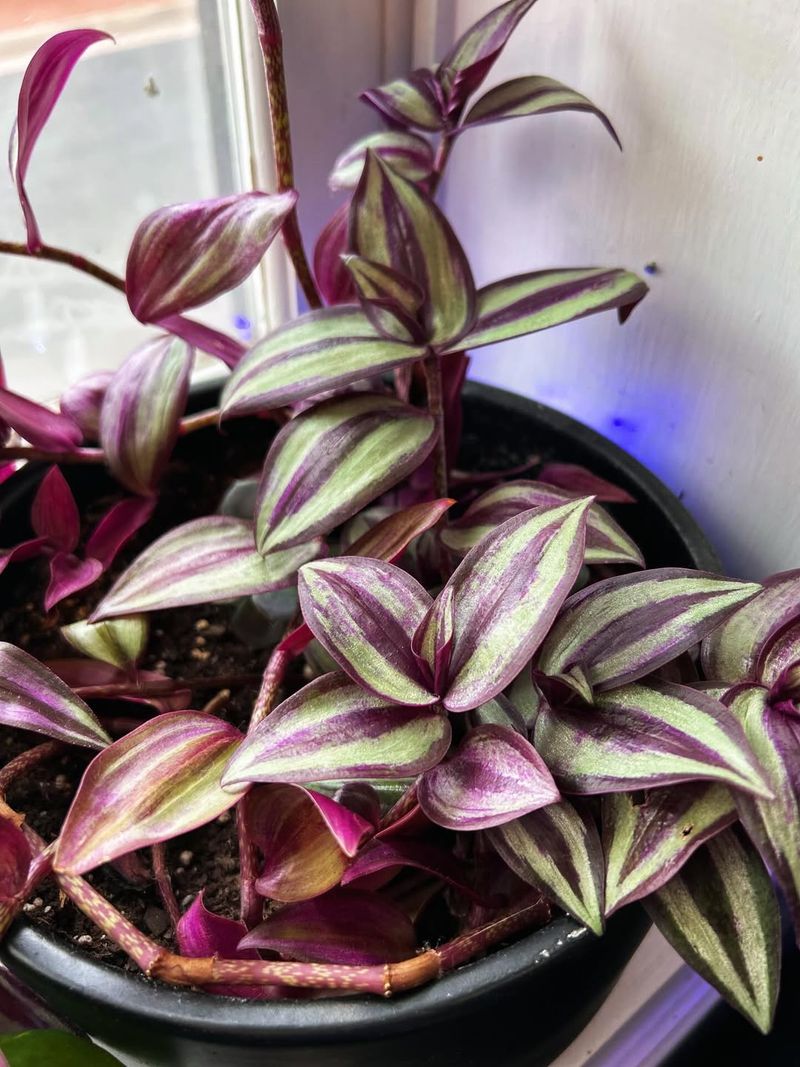
Vibrant purple undersides and silvery striped upper leaf surfaces make Tradescantia one of the most colorful trailing options for Massachusetts hanging baskets. This fast-growing beauty quickly fills containers with cascading stems, creating full, lush displays in just a few months.
The common name inch plant references its rapid growth rate, as stems can add several inches of length each month under favorable conditions.
Bright indirect light intensifies the stunning purple and silver coloration that makes this plant so desirable. Insufficient light causes the vibrant colors to fade toward plain green, diminishing the visual impact that makes Tradescantia special.
Place your hanging basket near east or west windows where filtered sunlight bathes the foliage for several hours daily, bringing out the richest color development possible.
Regular trimming maintains compact, bushy growth rather than allowing stems to become long and sparse. Pinch back growing tips every few weeks to encourage branching, creating fuller hanging displays with multiple cascading points.
The cuttings root incredibly easily in water or moist soil, giving you endless opportunities to propagate new plants. Watering needs remain moderate, with the plant preferring consistently moist but never soggy soil.
Tradescantia tolerates brief dry periods but looks best when soil moisture stays relatively even throughout the growing season.
6. String Of Hearts (Ceropegia Woodii)
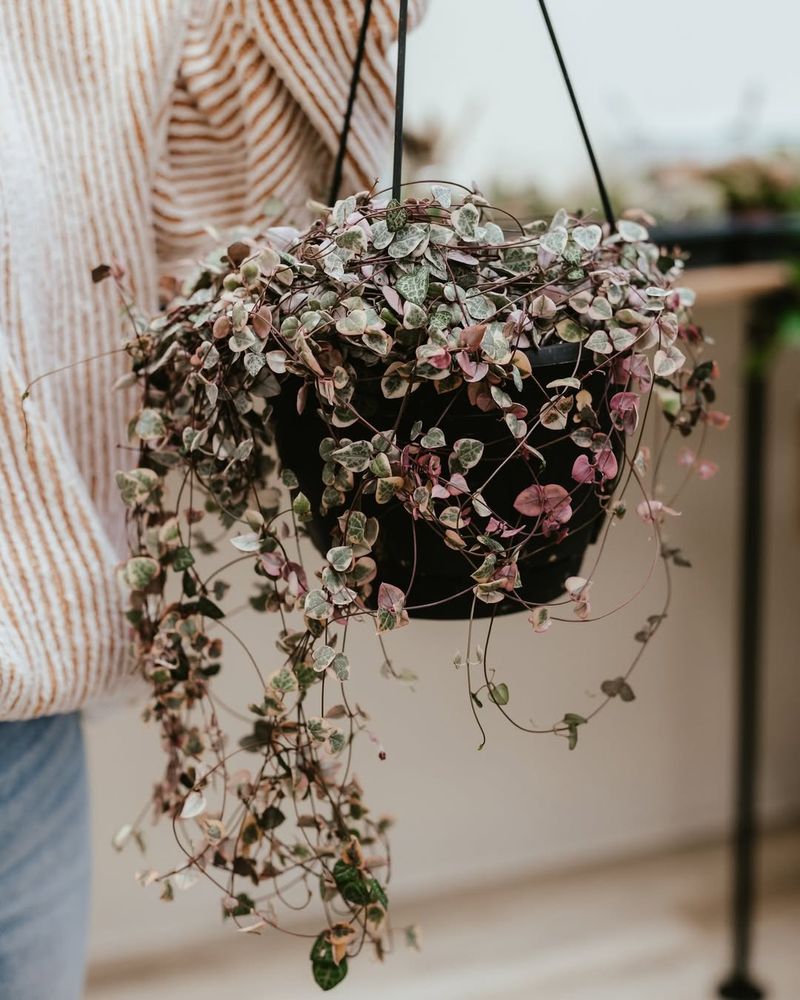
Delicate heart-shaped leaves strung along thin, wire-like vines give this charming plant its romantic common name and irresistible appeal.
String of hearts creates an airy, delicate cascading effect quite different from the fuller, bushier trailing plants, with vines that can eventually reach several feet in length.
The leaves display beautiful silver variegation against purple-green backgrounds, adding subtle color interest that complements any decor style.
Bright indirect light keeps string of hearts growing vigorously and developing its best coloration. South-facing or west-facing windows provide excellent conditions, though you should protect the plant from intense midday summer sun that can scorch the delicate foliage.
During Massachusetts winters, maximum light exposure helps maintain healthy growth when daylight hours become limited and skies stay overcast for extended periods.
Excellent drainage prevents the root rot issues that can plague this semi-succulent species. Use well-draining potting mix amended with perlite or coarse sand, and ensure your hanging container has adequate drainage holes.
Winter watering requires special attention in New England homes, as the plant enters a semi-dormant period when growth slows significantly. Reduce watering frequency during cold months, allowing soil to become quite dry between waterings.
The tuberous roots store moisture, making string of hearts remarkably drought-tolerant and forgiving of occasional neglect.
7. Swedish Ivy (Plectranthus Verticillatus)
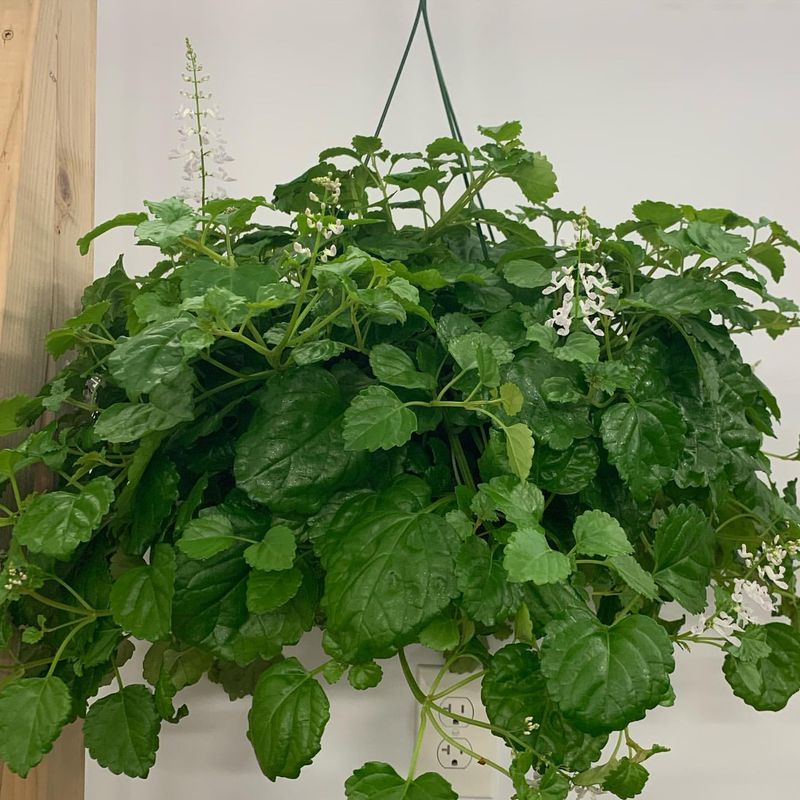
Rounded, scalloped leaves with a subtle sheen create a lush, full appearance that makes Swedish ivy perfect for filling hanging baskets quickly.
Despite its common name, this plant is not a true ivy but rather a member of the mint family, which explains its vigorous growth habit and easy-care nature.
The trailing stems branch readily, producing dense cascades of foliage that look beautiful spilling over basket edges and creating green focal points in any room.
Moderate light conditions suit Swedish ivy perfectly, making it ideal for typical Massachusetts home environments where bright but not intense light is available. The plant performs well several feet back from windows or in rooms with eastern or northern exposures.
Unlike some trailing plants that become leggy in moderate light, Swedish ivy maintains reasonably compact growth as long as it receives several hours of indirect brightness daily.
Minimal fuss characterizes the care requirements for this adaptable houseplant. Water when the top inch of soil becomes dry, maintaining relatively consistent moisture without obsessing over precise schedules.
Swedish ivy tolerates the temperature and humidity fluctuations common in New England homes, adapting to both warmer and cooler rooms without complaint. Occasional pinching of stem tips encourages bushier growth and prevents the plant from becoming too straggly.
The removed cuttings root easily in water, allowing you to propagate new plants or fill in sparse areas of the parent plant.
8. Lipstick Plant (Aeschynanthus Radicans)
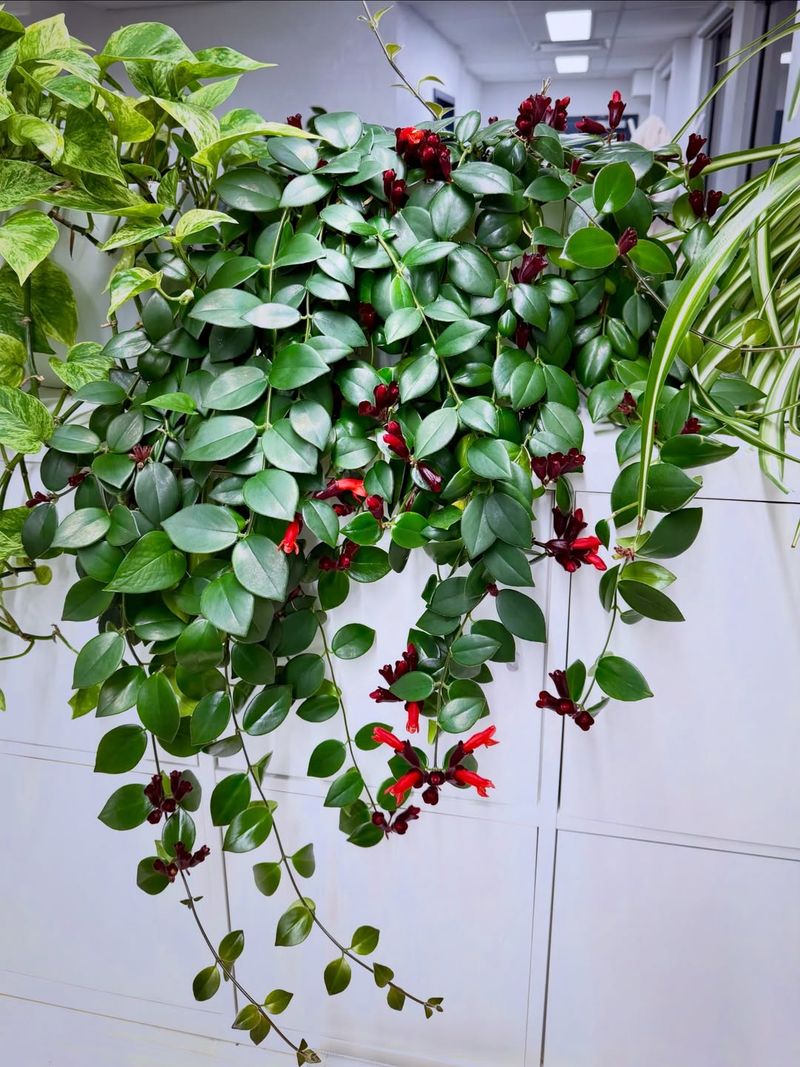
Tubular red flowers emerging from dark maroon buds give lipstick plant its playful name and make it one of the few trailing houseplants that offers reliable blooms indoors.
The glossy, thick leaves create attractive cascading foliage even when flowers are absent, but the vibrant red blooms steal the show when they appear.
Massachusetts apartment dwellers and homeowners alike appreciate how this tropical beauty adds a pop of color to indoor spaces during gray winter months.
Bright indirect light encourages the flowering that makes lipstick plant so special. East-facing windows provide ideal morning sun, while west-facing exposures work well if you protect the plant from the most intense afternoon rays.
Insufficient light results in healthy foliage growth but disappoints when it comes to bloom production, so prioritize the brightest spots available in your home for best results.
Higher humidity levels help lipstick plant thrive and flower reliably. Group it with other humidity-loving plants to create a beneficial microclimate, or place the hanging basket in naturally humid rooms like bathrooms with windows.
Regular misting provides temporary humidity boosts, though a small nearby humidifier offers more consistent moisture during dry heating season months. Watering needs remain moderate, with the plant preferring evenly moist soil that never completely dries out or stays waterlogged.
The thick, somewhat succulent leaves store some moisture, providing a buffer against occasional watering lapses.
9. Burro’s Tail (Sedum Morganianum)
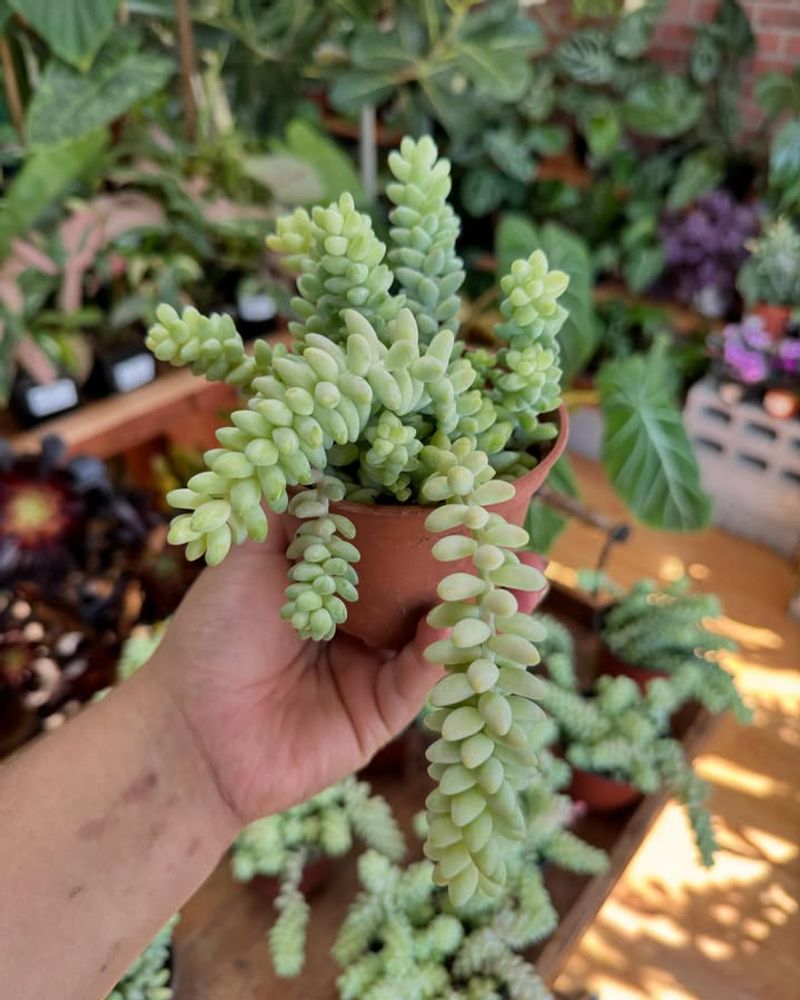
Plump, blue-green leaves arranged in overlapping patterns along trailing stems create the distinctive appearance that gives burro’s tail its descriptive common name.
Each stem resembles a braided rope of succulent leaves, with mature plants producing multiple cascading tails that can reach impressive lengths.
The unusual texture and form make this succulent a conversation starter and a striking addition to any hanging plant collection in Massachusetts homes.
Bright sunlight near south-facing windows brings out the best growth and maintains the compact leaf arrangement that makes burro’s tail so attractive.
This sun-loving succulent needs several hours of direct light daily, making it perfect for those bright spots where many other houseplants would suffer from too much intensity.
During winter months when sunlight becomes scarce, position your plant as close to the brightest window as possible to maintain healthy growth.
Excellent drainage is absolutely essential for preventing root rot in this succulent species. Use cactus and succulent potting mix, and ensure your hanging container has multiple drainage holes.
Water thoroughly when soil becomes completely dry, then allow excess water to drain away completely. The fleshy leaves are extremely fragile and break off easily with the slightest touch, so handle your plant with exceptional care when watering or moving it.
Broken leaves can be propagated, but the bare stems take time to fill back in with new growth.
10. Hoya (Wax Plant — Hoya Carnosa)
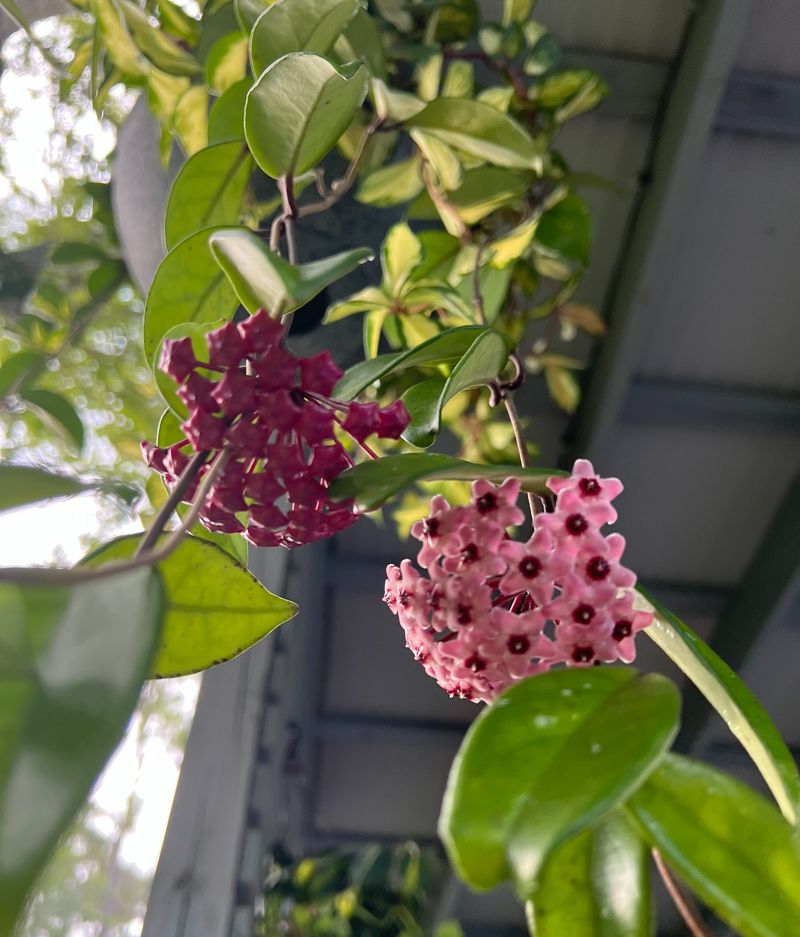
Thick, waxy leaves and spectacular clusters of star-shaped flowers make hoya a prized trailing houseplant for patient growers willing to wait for the stunning blooms.
The trailing vines develop slowly compared to faster-growing options, but the reward comes when mature plants produce fragrant flower clusters that can last for weeks.
Each bloom cluster appears almost artificial due to the perfect geometric arrangement of individual flowers and their waxy texture that gives the plant its common name.
Bright indirect light with some direct morning sun encourages the flowering that makes hoya worth growing. East-facing windows provide ideal conditions, offering gentle morning rays followed by bright indirect light for the remainder of the day.
Mature plants that receive adequate light typically bloom in late spring or summer, with some varieties producing multiple flowering cycles throughout the growing season.
Reduced watering during Massachusetts winters helps hoya rest and prepares it for blooming in warmer months. Allow the soil to become quite dry between waterings from late fall through early spring, mimicking the drier conditions the plant experiences in its natural habitat.
Resume more regular watering as days lengthen and temperatures warm in spring. The thick leaves store moisture, making hoya quite drought-tolerant and forgiving of inconsistent watering schedules.
Provide sturdy support or allow vines to cascade freely from hanging baskets, as mature plants can become quite heavy with their thick stems and substantial foliage.