Best Trees To Plant In Michigan This Spring And How To Care For Them
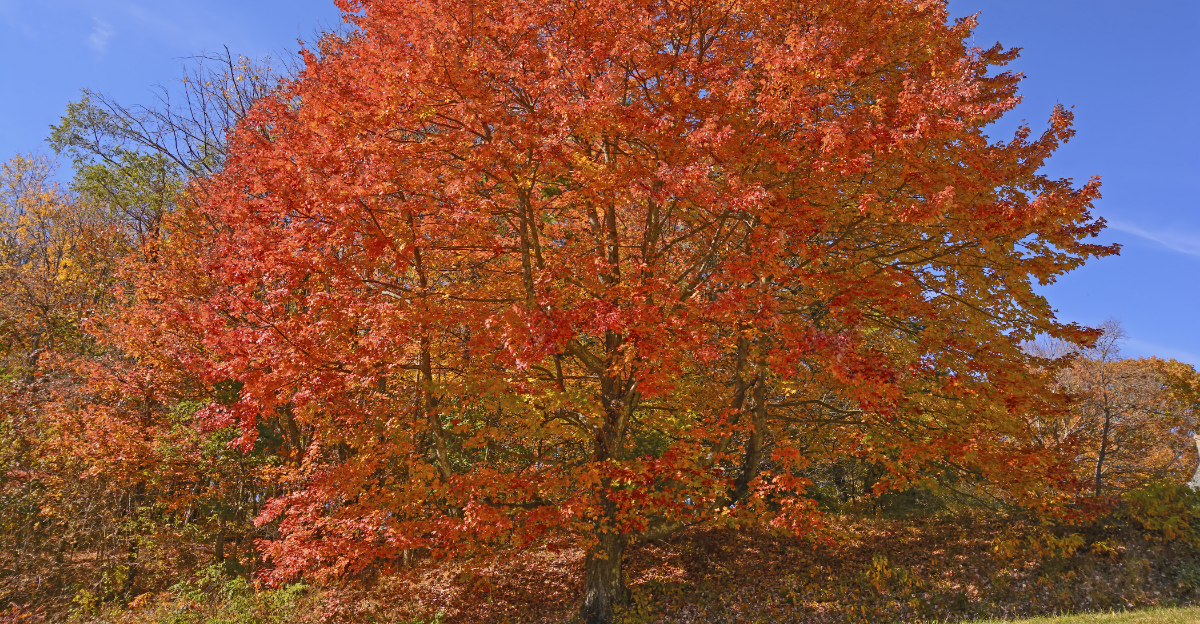
Spring in Michigan brings that familiar urge to get outside and dig in the dirt. You might be staring at your yard and thinking it’s time to add a few trees that will grow strong, beautiful, provide lasting benefits over the years, and even improve your property’s value and curb appeal.
Choosing the right species for Michigan’s climate is key, from hardy maples to flowering trees that brighten up early spring and attract birds, pollinators, and beneficial insects.
Planting at the right time and giving them proper care – water, mulch, and protection from wildlife – helps ensure your new trees flourish.
If you’ve been dreaming of adding shade, color, or structure to your yard, knowing which trees perform best and how to care for them this spring is the first step toward a thriving, vibrant, and sustainable garden that grows for decades.
1. Red Maple Bursting With Early Flowers
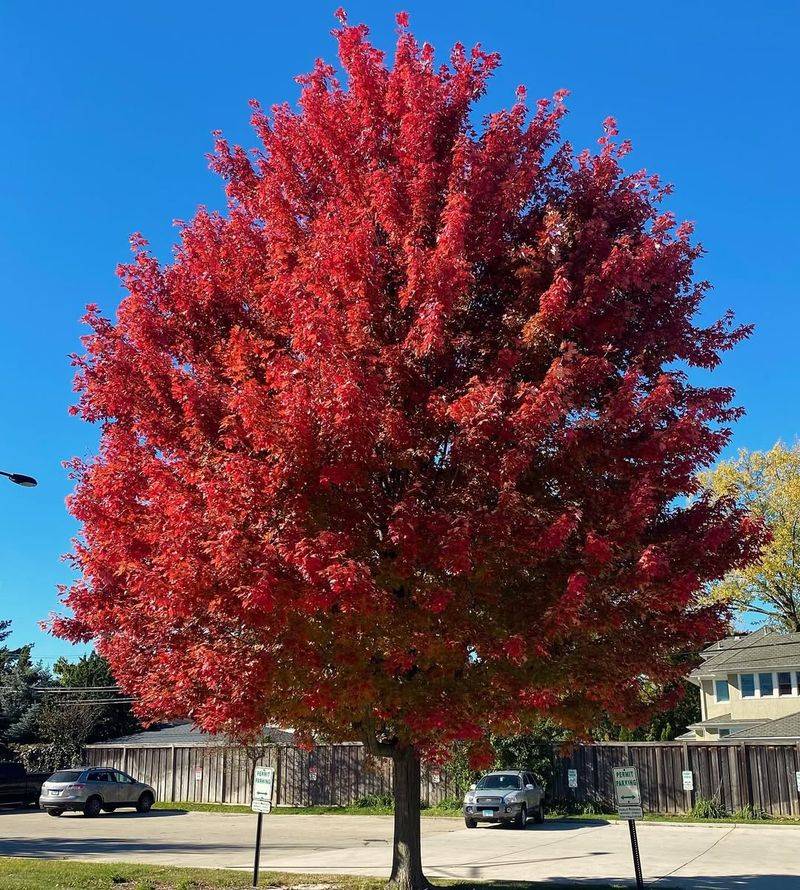
Long before most trees even think about waking up from winter, the Red Maple bursts into color with tiny red flowers that dot its branches in early spring. This makes it one of the most eye-catching trees you can plant in Michigan, offering something beautiful in every season.
In fall, its leaves often turn bright red, creating striking color in many Michigan landscapes. Red Maples also provide important habitat and food for local wildlife, including birds and small mammals, while their early flowers support emerging pollinators in the spring.
One of the best things about this tree is how adaptable it is. Red Maples can handle wet, dry, or average soil conditions, which makes them a reliable choice for many Michigan yards.
They grow fairly quickly compared to other maples, so you will start enjoying their shade sooner than you might expect.
Plant your Red Maple in a sunny location with enough space to spread out, since mature trees can reach 40 to 70 feet tall. Water regularly during the first year to help the roots get established.
Adding a layer of organic mulch around the base helps retain moisture and reduces competition from weeds. Avoid planting too close to sidewalks or driveways, as the surface roots can cause cracking over time.
2. Eastern Redbud Glowing In Spring
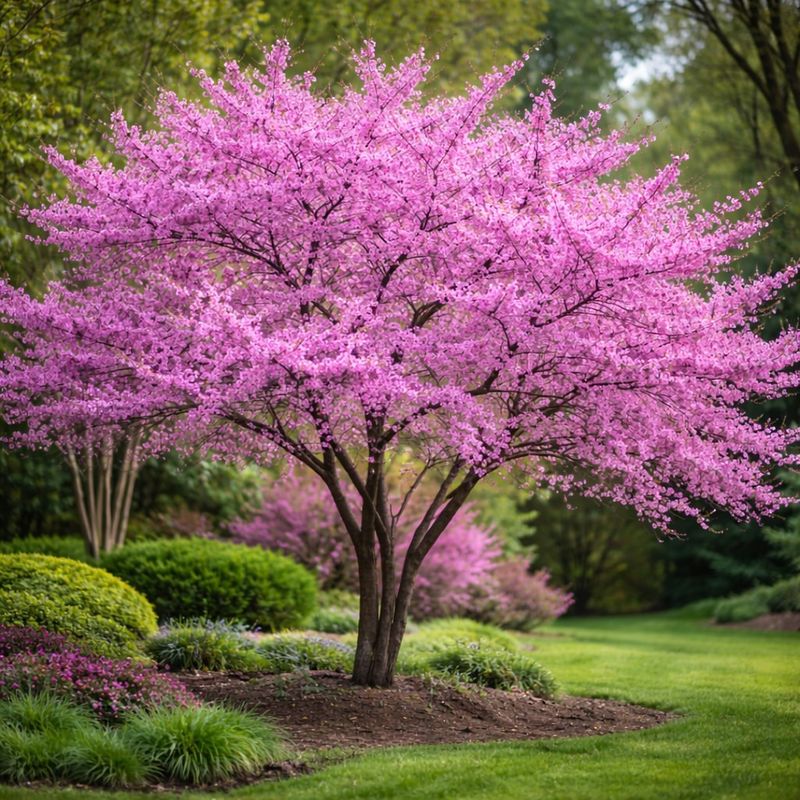
Walking past an Eastern Redbud in full bloom feels like stumbling upon something magical. Before its leaves even appear, the entire tree explodes with clusters of vibrant pink to purple flowers that hug every branch.
It is one of the most stunning early-spring sights in any Michigan landscape and a favorite among gardeners who want serious color without a lot of fuss. Eastern Redbuds also attract hummingbirds in addition to bees and butterflies, adding even more life and movement to the garden throughout the spring months.
Eastern Redbuds typically reach 20 to 30 feet tall, making them suitable for yards that cannot accommodate larger species. They do well in full sun to partial shade and prefer well-drained soil.
In Michigan, planting them in a spot sheltered from harsh winter winds can help them thrive longer.
After planting, water your Redbud deeply once a week for the first growing season. These trees are relatively drought-tolerant once established, but they appreciate consistent moisture early on.
Avoid over-fertilizing, as too much nitrogen can reduce flowering. Pollinators like bees and butterflies absolutely love Redbud blossoms, so planting one is a great way to support Michigan’s local ecosystem while adding serious curb appeal to your home.
3. Sugar Maple Showing Fiery Fall Colors
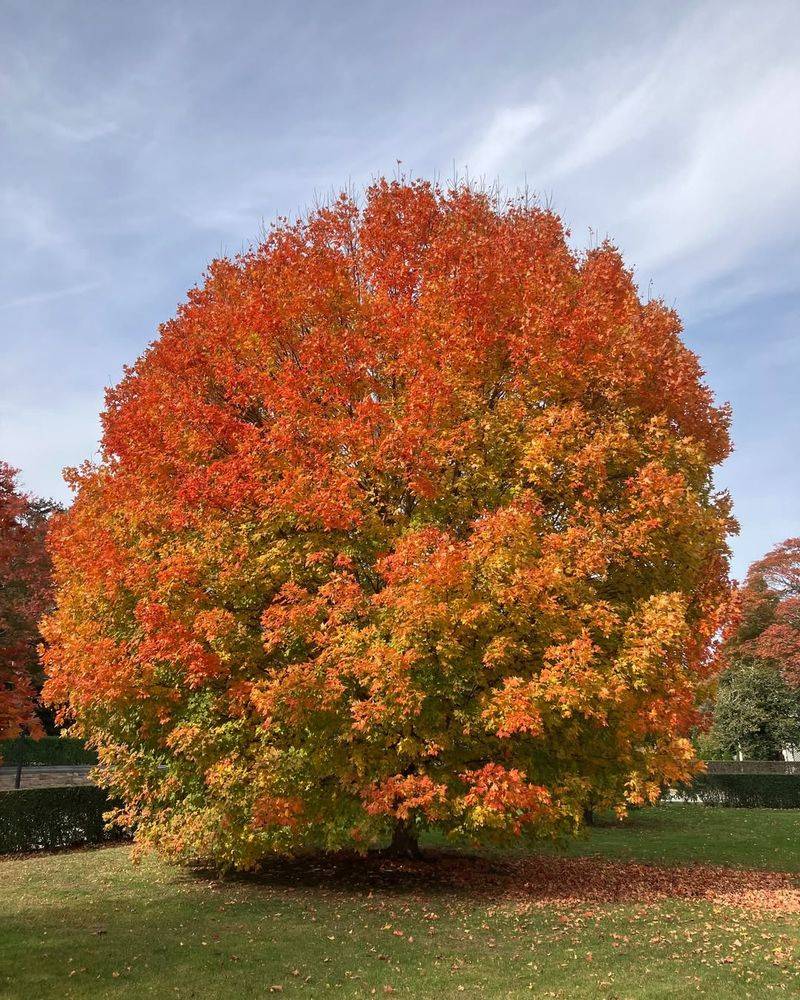
Few trees can match the Sugar Maple when it comes to pure, breathtaking beauty. This iconic Michigan tree is famous for its fiery fall colors, ranging from bright yellow to deep orange and red.
It is also the tree responsible for producing maple syrup, which makes it a favorite among nature lovers and food enthusiasts alike. Sugar Maples also provide shade, support local wildlife, and create vibrant landscapes in both urban and rural Michigan settings.
Sugar Maples grow best in well-drained, slightly acidic soil with plenty of sunlight. When planting in Michigan, choose a spot that gets at least six hours of direct sun each day.
Avoid areas with compacted soil or standing water, as this tree prefers good drainage to stay healthy.
Once established, Sugar Maples require moderate care, including occasional watering during dry periods and monitoring for pests or disease. Water your young tree deeply once or twice a week during dry spells in its first two growing seasons.
Spread a two-to-four-inch layer of mulch around the base to help lock in moisture and keep the roots cool during hot Michigan summers. Prune any broken or crossing branches in late winter before new growth begins to keep the tree looking its best year after year.
4. White Oak The Majestic And Long-Lived
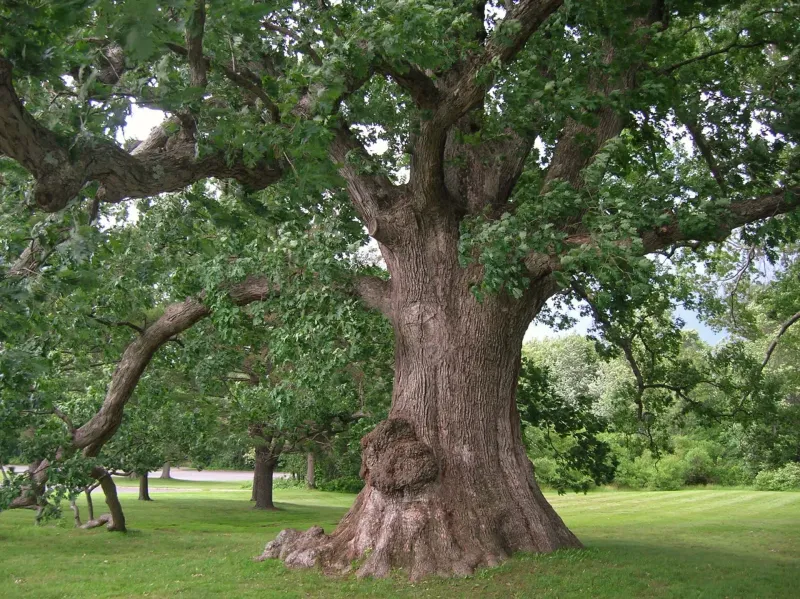
Planting a White Oak is like making a gift to the future. This majestic tree grows slowly but steadily, eventually developing a massive, wide-spreading canopy that can provide shade for generations.
White Oaks are considered one of the most ecologically valuable trees you can plant anywhere in Michigan, supporting hundreds of species of insects, birds, mammals, and even beneficial fungi that improve soil health.
The acorns produced by White Oaks are a critical food source for squirrels, deer, wild turkeys, and many other animals. The tree’s broad canopy also provides nesting habitat for birds.
If you have the space and the patience, few trees reward you quite like a White Oak does over the long term.
White Oaks prefer deep, well-drained soil and full sun. They are drought-tolerant once established, but young trees need regular watering during their first two to three years.
Plant yours in a large open area where it has plenty of room to grow without interference from buildings or utility lines. Mulch around the base to help regulate soil temperature and retain moisture.
Avoid pruning heavily in early spring, as fresh wounds can attract pests that are active during that time of year in Michigan.
5. Serviceberry With Sweet Spring Blooms
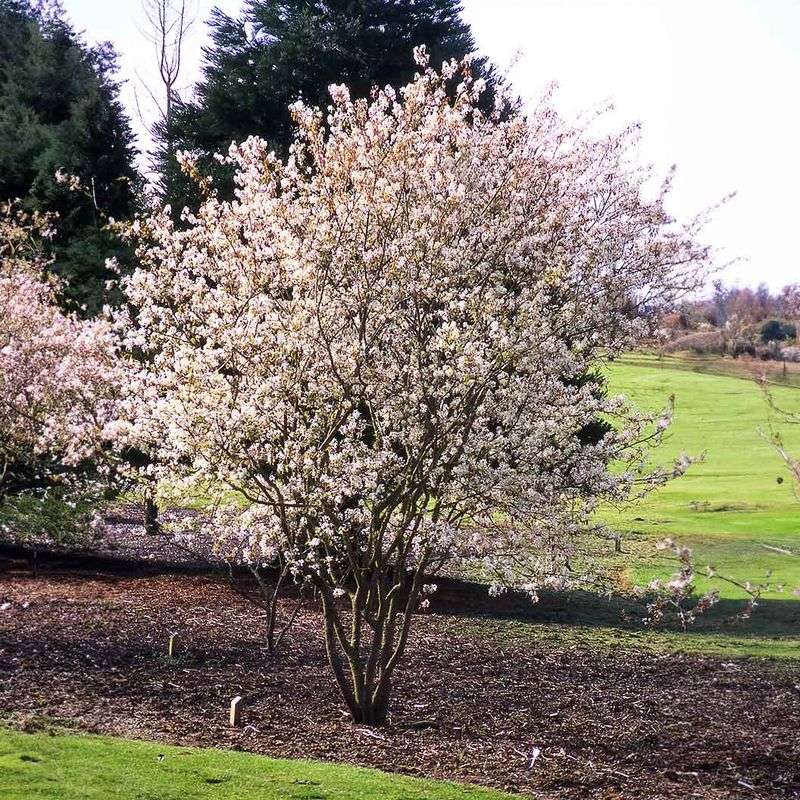
Serviceberry might not be the most famous tree on this list, but gardeners who plant one quickly wonder why it took them so long. In early spring, before most other trees have leafed out, Serviceberry bursts into a cloud of delicate white blossoms that are absolutely stunning against a clear Michigan sky.
Shortly after, it produces small, sweet berries that taste like a cross between a blueberry and an apple.
Birds go absolutely wild for Serviceberry fruit, making this tree a fantastic choice for anyone who enjoys backyard wildlife watching. Robins, cedar waxwings, and many other Michigan bird species flock to these trees when the berries ripen in early summer.
If you want some for yourself, you will need to move quickly before the birds clean the tree out completely.
Serviceberry grows well in a wide range of soil types and tolerates both full sun and partial shade. It works great as a standalone specimen tree or planted in groups along a woodland edge.
Water regularly during the first year after planting. Minimal pruning is needed, but you can shape the tree lightly after flowering to maintain a tidy appearance.
This tree is a true Michigan gem that offers beauty in every season.
6. Hackberry The Tough And Adaptable One
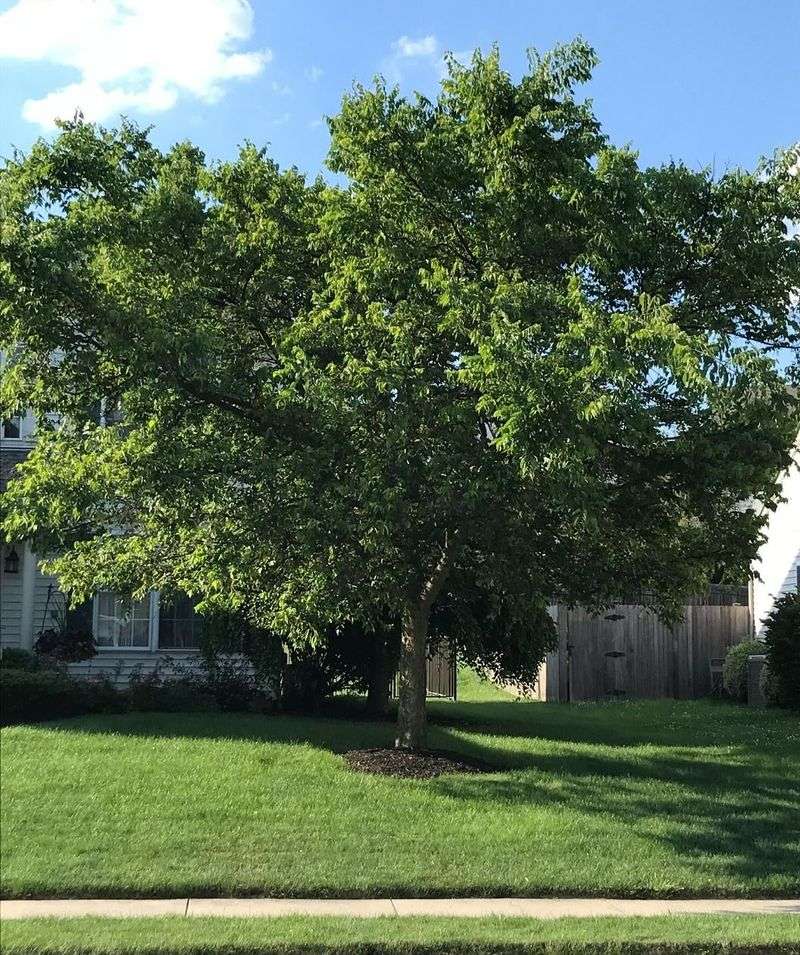
Tough, reliable, and underrated, the Hackberry is one of those trees that quietly does everything right without asking for much in return. It handles Michigan’s unpredictable weather like a champ, tolerating drought, flooding, wind, and even urban pollution without missing a beat.
Hackberry is a relatively low-maintenance shade tree that adapts to a wide range of Michigan conditions.
Its bark is one of its most distinctive features, covered in unusual corky ridges and warts that give it a rugged, sculptural look even in winter when the leaves are gone. In fall, it produces small dark berries that songbirds and other wildlife eagerly consume.
Hackberry is a native Michigan species, which means it fits naturally into the local ecosystem and supports native insects and birds.
Plant Hackberry in full sun for best growth, though it can handle partial shade. It adapts to almost any soil type, from sandy to clay-heavy, which makes it a flexible option for many Michigan properties.
Water your young tree regularly during its first growing season to help the roots get established. After that, it rarely needs supplemental watering.
Mulch around the base to conserve moisture and keep the soil temperature steady throughout Michigan’s changing seasons.
7. American Basswood Attracting Busy Pollinators
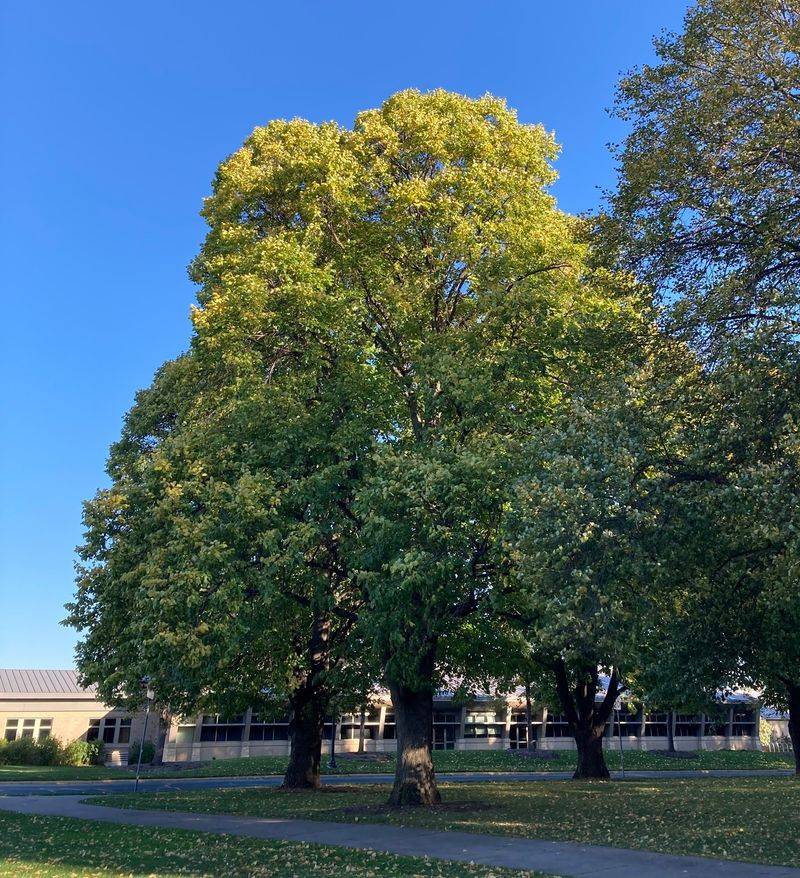
With fragrant flowers that bees love, the American Basswood supports pollinators throughout Michigan. This native hardwood produces some of the most fragrant flowers of any tree in the region, and honeybees absolutely cannot resist them.
In midsummer, a blooming Basswood buzzes with activity from dawn to dusk, making it one of the best trees you can plant if supporting pollinators is a priority for you.
Beyond its value to bees, American Basswood is a graceful, fast-growing tree that provides excellent shade. Its large, heart-shaped leaves create a dense canopy that keeps yards noticeably cooler during hot Michigan summers.
The wood has historically been used for carving and musical instruments, giving this tree a rich cultural history as well.
Basswood thrives in moist, fertile, well-drained soil and prefers full sun to light shade. It grows best near streams or in low-lying areas where soil moisture is naturally higher.
Water your newly planted tree deeply and consistently during its first two growing seasons. Mulching around the base helps maintain moisture levels and suppress weeds.
Prune lightly in late winter to remove any dead or damaged branches. With the right care, American Basswood will become one of the most beloved trees in your Michigan yard.
8. Tulip Poplar Towering With Tulip-Shaped Flowers
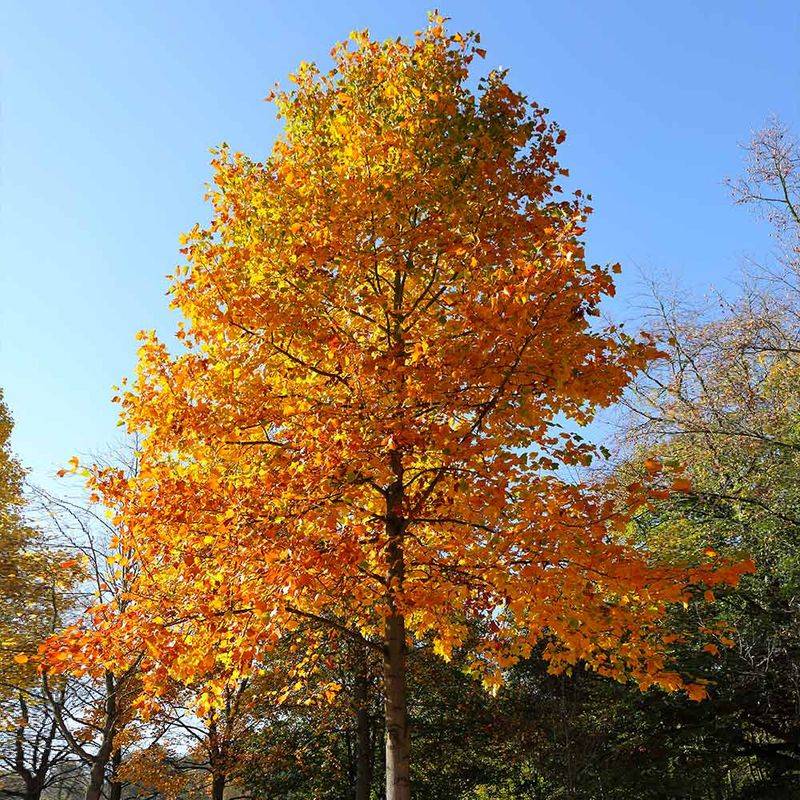
There is something almost tropical about a Tulip Poplar in bloom. Despite being a native North American tree, its large, tulip-shaped flowers in shades of orange, yellow, and green look like something you might expect to find in a rainforest.
Tulip Poplars are among the tallest hardwood trees in North America, and they grow surprisingly fast for such a grand species.
In Michigan, Tulip Poplars are valued for their straight, tall form and their ability to provide significant shade as they mature. Their bright yellow fall foliage adds another season of visual interest to any landscape.
Hummingbirds and bees are particularly fond of the nectar-rich flowers, so expect some lively wildlife activity when yours starts blooming.
Plant Tulip Poplars in deep, moist, well-drained soil with full sun exposure. They do not do well in dry or compacted soils, so soil preparation before planting is worth the effort.
Dig a wide planting hole, amend with compost if needed, and water thoroughly after planting. Young trees need consistent watering during dry periods throughout their first two to three years.
Give this tree plenty of space to grow tall and wide, and it will reward you with decades of beauty and shade in your Michigan landscape.
9. Tree Lilac With Fragrant And Colorful Blooms
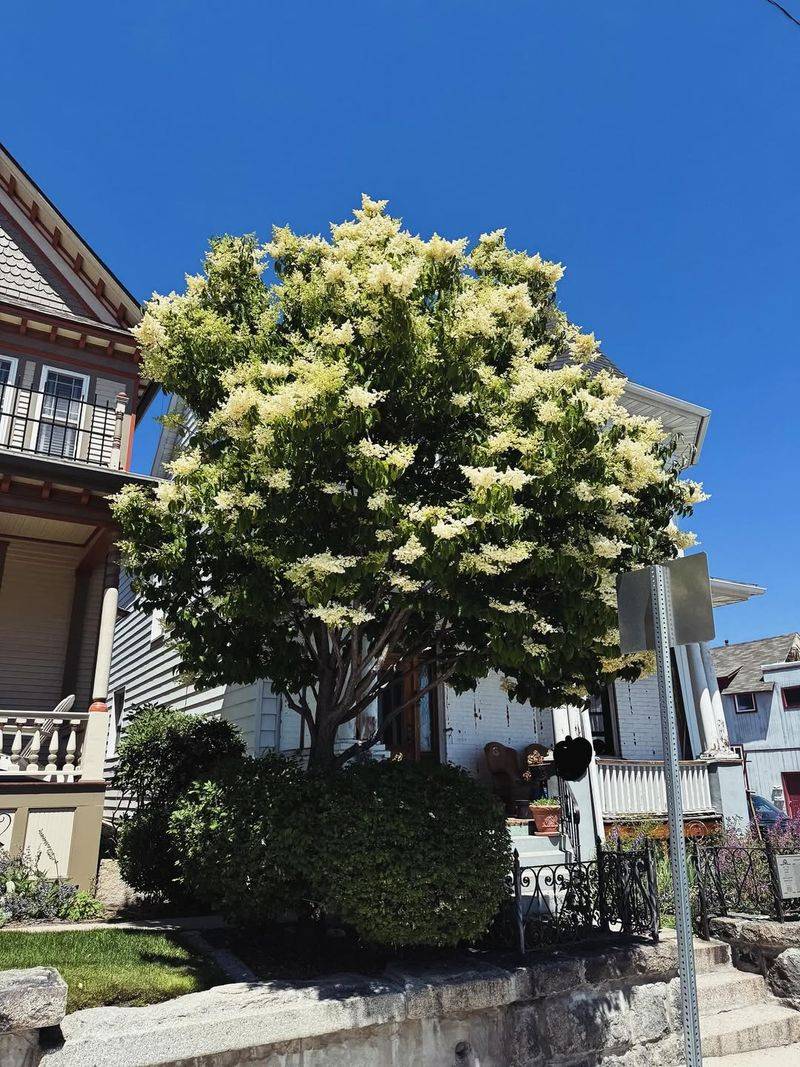
Most people think of lilac as a shrub, but the Tree Lilac takes everything you love about classic lilac and scales it up into a proper small tree. Covered in enormous, creamy white flower clusters in late spring to early summer, it fills the air with a sweet fragrance that makes spending time outdoors in Michigan feel extra special.
It blooms a bit later than common lilacs, which extends the season of floral beauty in your yard.
Tree Lilacs are excellent choices for smaller Michigan yards because they stay relatively compact, typically reaching 20 to 25 feet tall. They work beautifully as focal point trees near patios, driveways, or entryways.
Once established, they are quite hardy and can handle Michigan winters without much trouble, which is always a plus for gardeners in the region.
Plant Tree Lilacs in full sun for the most abundant flowering. They prefer well-drained, slightly alkaline soil and do not appreciate waterlogged conditions.
Water deeply once a week during the first growing season, then reduce watering as the tree establishes itself. Fertilize lightly in early spring with a balanced fertilizer to encourage strong growth and flowering.
Prune spent flower clusters after blooming to keep the tree tidy and promote healthy new growth for the following season.