10 Best Vegetables For Raised Garden Beds In Colorado
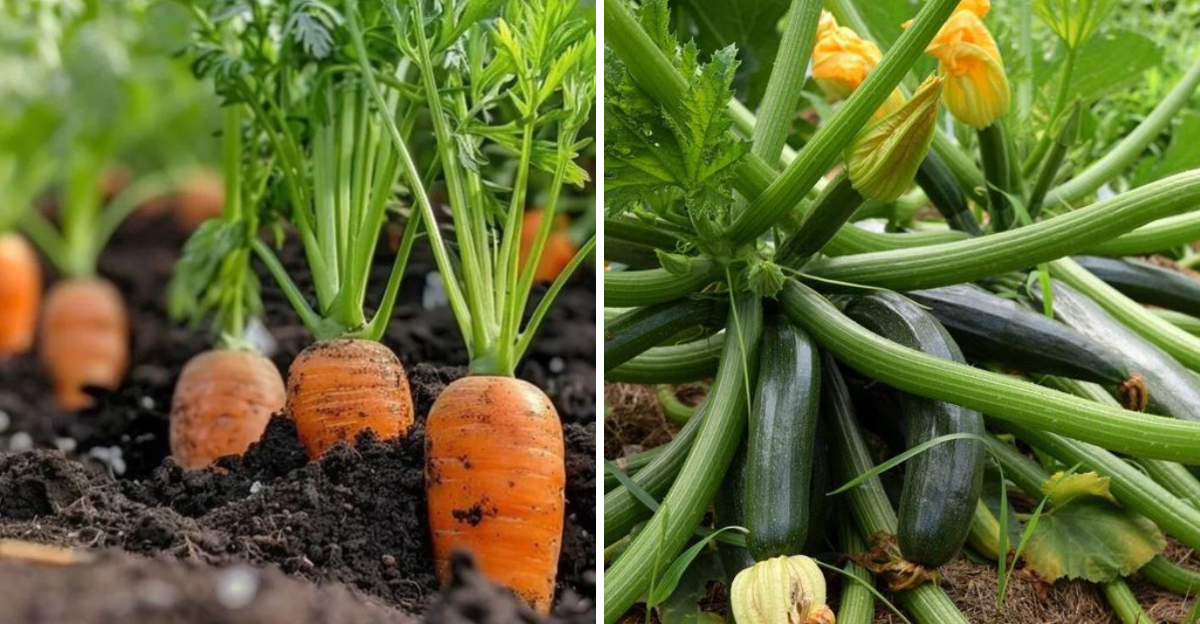
Want a better harvest? Start with a raised bed.
Colorado is not always an easy place to grow vegetables. The sun is intense, the weather changes fast, and a late frost can ruin your plans overnight.
That is exactly why raised beds make such a difference.
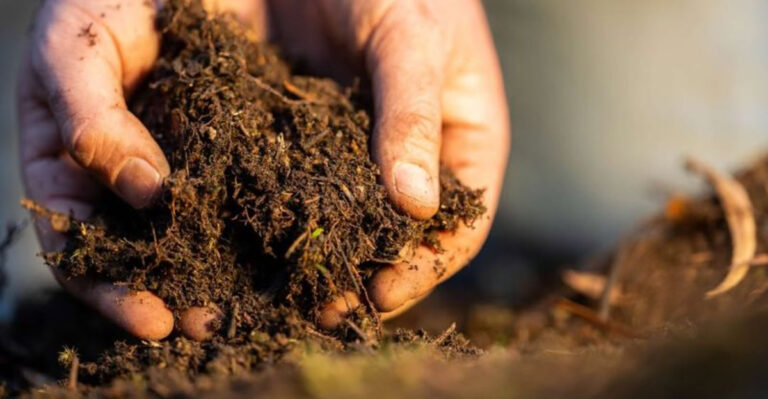
They warm up faster in spring, drain better after heavy weather, and give you far more control over the soil your vegetables rely on. Get the setup right, and growing food becomes a whole lot easier and far more productive.
These vegetables are especially well suited to raised beds and have a strong track record in gardens.
1. Tomatoes
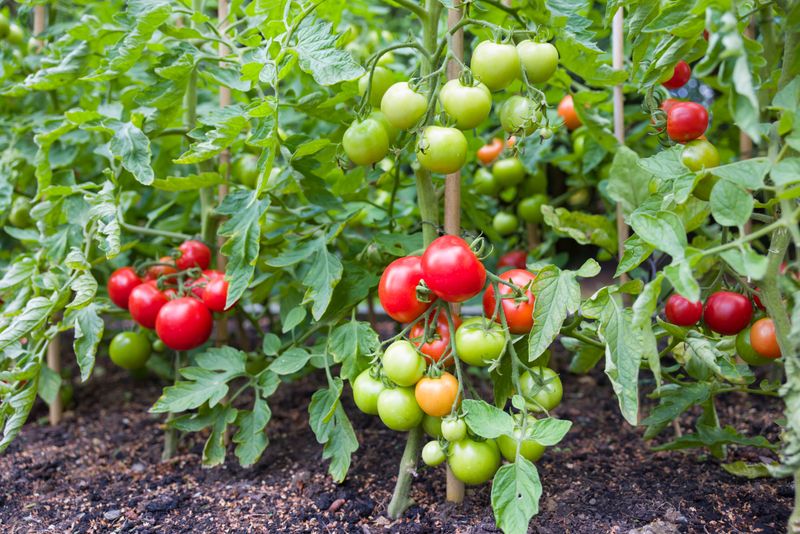
Nothing beats biting into a sun-warmed tomato you grew yourself. Tomatoes are one of the most popular vegetables for raised beds in Colorado, and for good reason.
The raised bed setup helps the soil warm up faster, which tomatoes absolutely love.
Because Colorado summers are short and intense, choosing shorter-season varieties like Early Girl or Celebrity gives you the best shot at a full harvest before the first frost hits.
Plant them deep so the roots can anchor well and soak up nutrients from your rich raised bed soil.
Make sure your raised bed gets at least six to eight hours of direct sunlight each day. Tomatoes are sun lovers and will reward you with big, juicy fruits when they get plenty of it.
Adding a cage or stake early on keeps the plants upright as they grow tall and heavy with fruit.
Water consistently at the base of the plant to avoid leaf diseases, which can spread quickly in Colorado’s dry but windy conditions. Mulching the top of your raised bed also helps retain moisture between waterings.
With a little attention, your tomato plants will produce more than you can eat all summer long.
2. Lettuce
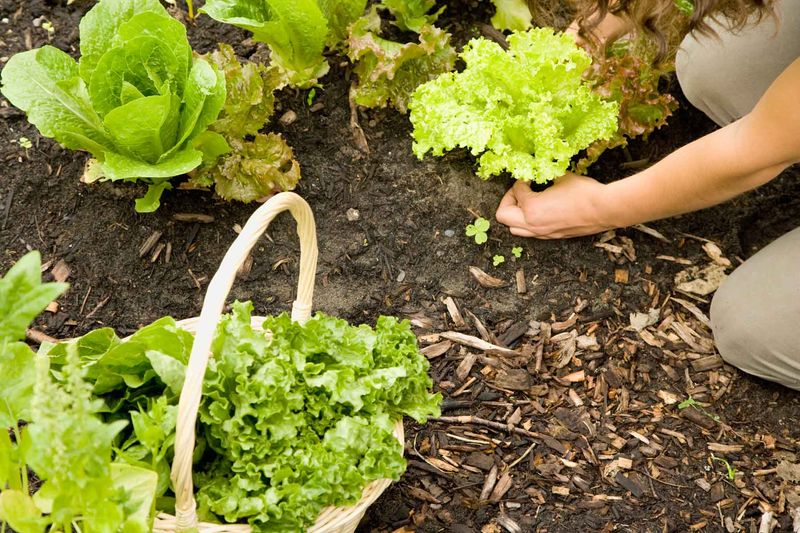
Lettuce is basically the overachiever of the raised bed garden world. It grows fast, needs little space, and can handle Colorado’s cooler spring and fall temperatures without breaking a sweat.
If you want quick results, lettuce is your go-to vegetable.
Raised beds are perfect for lettuce because you can control the soil temperature and moisture much more easily than in the ground.
Loose-leaf varieties like Black Seeded Simpson or Red Sails are especially great because you can harvest outer leaves while the plant keeps producing. That means weeks of fresh salads from just a few plants.
One of the coolest tricks with lettuce in raised beds is succession planting. Every two weeks, sow a small row of new seeds so you always have fresh lettuce ready to pick.
This keeps your raised bed productive from early spring all the way through fall.
Lettuce prefers cooler weather, so in the heat of a summer, try placing a shade cloth over your raised bed to keep the plants from bolting too quickly. Bolting means the plant sends up a flower stalk and turns bitter, which nobody wants in their salad.
A little shade goes a long way toward keeping your lettuce sweet and tender.
3. Carrots
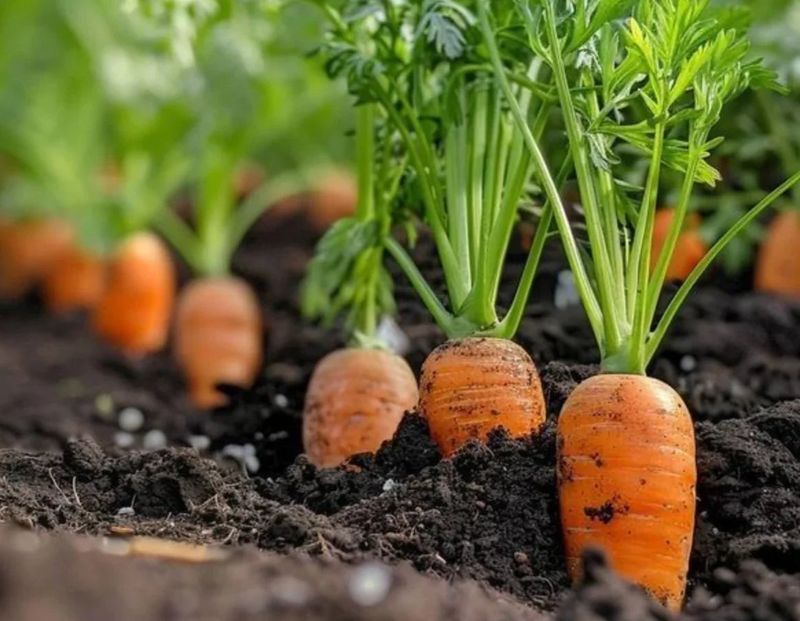
Carrots and raised beds were practically made for each other. In regular garden soil, carrots often run into rocks or compacted dirt that causes them to fork or grow stunted.
Raised beds give them the loose, deep, well-draining soil they need to grow long and straight.
Fill your raised bed at least twelve inches deep with a mix of compost and sandy loam so carrot roots can push downward without any resistance.
Shorter varieties like Chantenay or Danvers 126 are especially well-suited for raised beds because they do not need as much depth as longer types. They also tend to be sweeter, which is always a bonus.
Carrots take a little patience since they are slow to germinate, sometimes up to two weeks before you see any sprouts. Keep the top of your raised bed consistently moist during germination so the seeds do not dry out.
Once the seedlings appear, thin them to about two inches apart so each carrot has enough room to fatten up properly.
A fun fact about carrots is that a light frost actually makes them sweeter by converting starches into sugars. In Colorado, you can leave them in the raised bed a bit longer into fall to take advantage of those cool nights and enjoy the sweetest carrots possible.
4. Kale
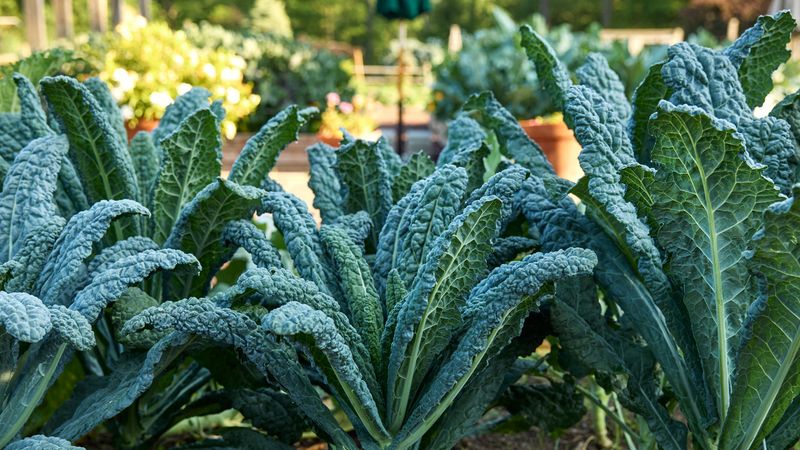
Tough, bold, and just a little bit dramatic about how good it is for you. Luckily, kale is also one of the most reliable vegetables you can grow in a raised bed.
It handles cold snaps, dry spells, and even light snow without missing a beat.
Varieties like Lacinato, also called dinosaur kale, and Red Russian are especially popular because they are both productive and flavorful. Plant them in early spring or late summer for a fall harvest, and they will keep producing leaves for months.
The cooler the weather gets, the sweeter the flavor becomes, which is a pleasant surprise for anyone who has only tried kale from the grocery store.
Kale grows upright and does not sprawl, making it a smart choice for raised beds where space is limited. You can plant it closer together than many other vegetables and still get a generous harvest.
Just make sure your bed has rich, well-amended soil because kale is a heavy feeder that loves nutrients.
Harvest the lower leaves first and work your way up the stalk to keep the plant producing all season long. A single kale plant can provide dozens of harvests over its lifetime.
For anyone looking to grow nutritious food in a small space, kale delivers in a big way.
5. Radishes
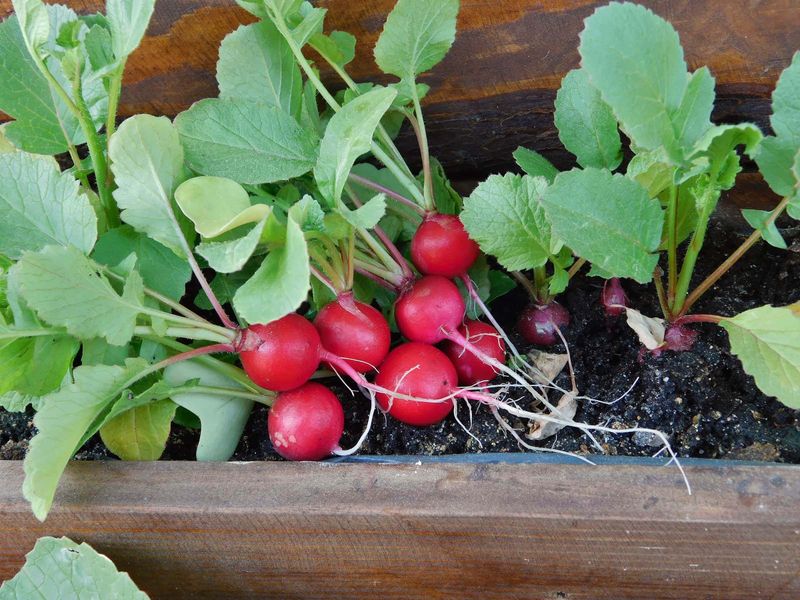
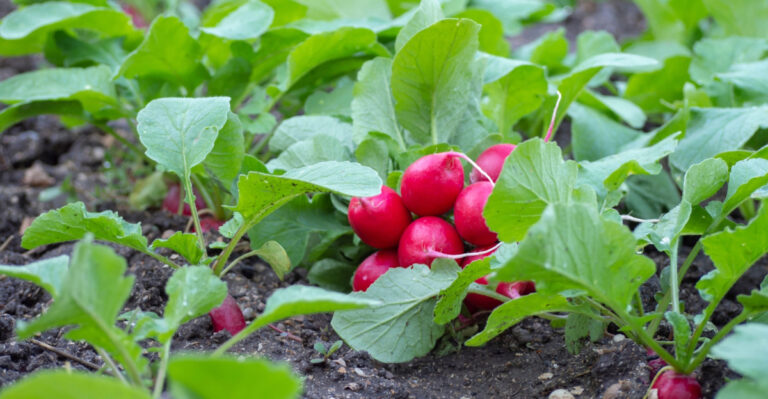
Want to see results in your garden almost overnight? Radishes are the speedsters of the vegetable world, going from seed to harvest in as little as three weeks.
For new gardeners who need a confidence boost, radishes are pure magic.
They thrive in the cool temperatures of spring and fall, making them perfect for planting at the start and end of the growing season. In a raised bed, radishes appreciate the loose, well-drained soil that lets their round roots swell up without any pressure.
Cherry Belle and French Breakfast are two classic varieties that do especially well in raised beds.
Radishes also pull double duty in the garden because they help break up soil as they grow, making it easier for neighboring vegetables to spread their roots.
Some gardeners use radishes as row markers, planting them alongside slower-germinating seeds like carrots to mark where the rows are. By the time the carrots sprout, the radishes are already ready to harvest.
Keep in mind that radishes bolt quickly in hot weather, so timing your planting is key. Sow them in early spring or late summer to avoid the peak heat of July and August.
With such a short growing cycle, you can easily fit several rounds of radishes into a single raised bed season.
6. Spinach
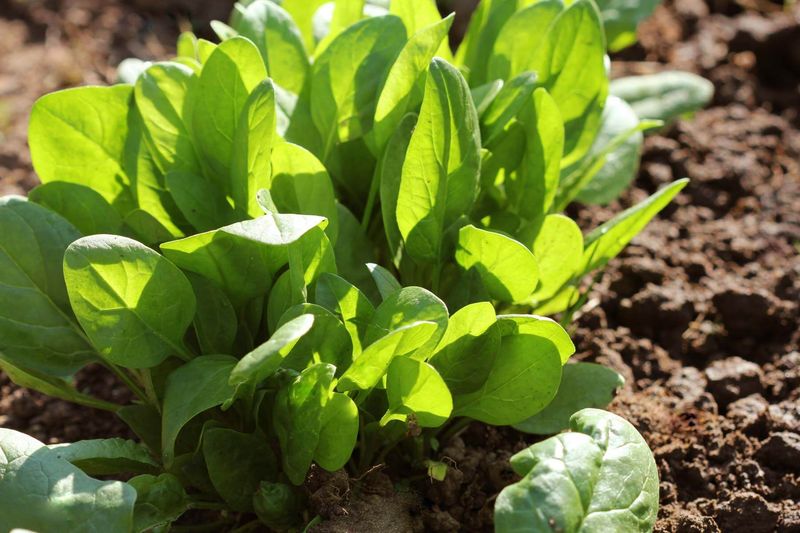
Its’ one of those vegetables that actually prefers cooler weather, which makes spinach a natural fit for spring and fall seasons. It sprouts quickly, grows fast, and packs a serious nutritional punch in every leaf.
Raised beds give spinach exactly the kind of environment it craves.
Because raised beds drain well and warm up early in the season, you can start spinach several weeks before the last frost date.
Varieties like Bloomsdale Long Standing are reliable producers that resist bolting longer than other types, giving you more time to enjoy your harvest. Plant seeds about half an inch deep and one inch apart, then thin them once they sprout.
Spinach is also a great candidate for fall planting. Sow seeds about six weeks before your first expected frost, and the plants will produce right up until the ground freezes.
Some gardeners even use a simple row cover over their raised bed to extend the harvest a few extra weeks into the cold season.
Harvest spinach by picking the outer leaves first, just like lettuce, to keep the plant producing longer. Young, tender leaves are the most flavorful and work great in salads, smoothies, and sauteed dishes.
Growing spinach is simple, satisfying, and a great way to make the most of your raised bed in the cooler months.
7. Zucchini
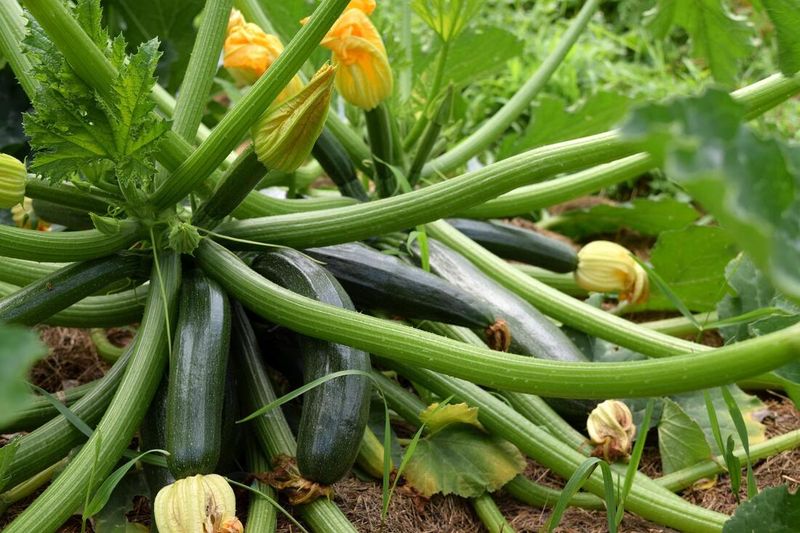
Zucchini has a legendary reputation among gardeners for being almost too productive. Plant one or two in your raised bed, and you will be handing out zucchini to every neighbor on your street by midsummer.
It is bold, fast-growing, and surprisingly easy to manage.
Zucchini loves the warm summer days and does well in raised beds because the soil heats up quickly and drains efficiently after afternoon thunderstorms.
Start seeds indoors two to three weeks before your last frost date, then transplant them into your raised bed once nighttime temperatures stay above fifty degrees. Give each plant plenty of space since the leaves can spread out quite wide.
One thing to watch for is powdery mildew, a white fungal coating that can appear on zucchini leaves in humid or crowded conditions. Spacing plants well and watering at the base rather than overhead helps prevent this from becoming a problem.
Removing affected leaves early also keeps the rest of the plant healthy and productive.
Harvest zucchini when they are six to eight inches long for the best flavor and texture. If you let them grow too large, the skin gets tough and the seeds become prominent.
Checking your raised bed every day or two during peak season is honestly not an exaggeration because zucchini can grow several inches in just twenty-four hours.
8. Beans
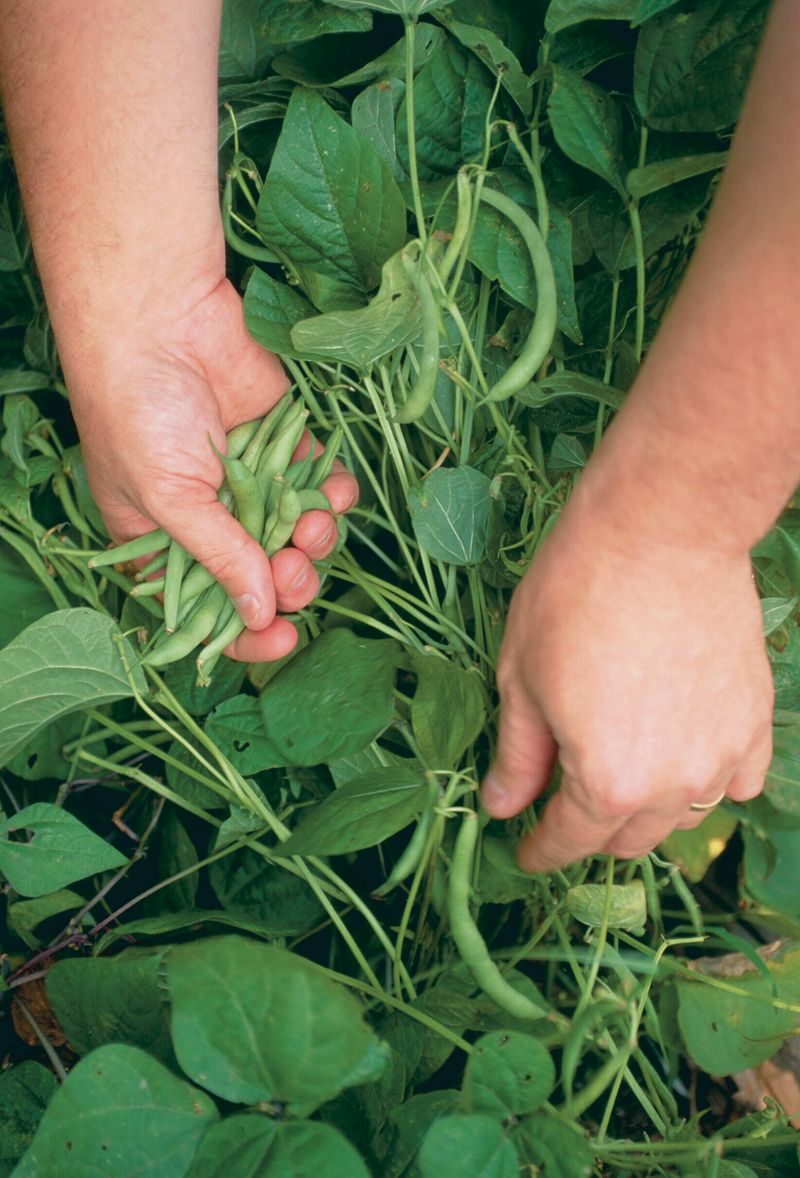
They give back so much with so little effort. Beans are one of the most satisfying vegetables to grow.
Bush beans are especially well-suited for raised beds since they stay compact and do not need staking or trellises. Pole beans work great too if you add a simple support structure along the back of your raised bed.
Warm summers are perfect for beans, which love heat and sunshine. Direct sow seeds into your raised bed after the last frost when the soil has warmed to at least sixty degrees.
Cold soil will cause the seeds to rot rather than sprout, so patience at planting time pays off with a much better germination rate.
Beans are also nitrogen fixers, meaning their roots actually add nitrogen back into the soil as they grow. This makes them a fantastic crop to rotate through your raised bed, naturally improving soil fertility for whatever you plant there next season.
It is basically free fertilizer from the plant itself.
Pick green beans regularly once the pods reach pencil thickness to encourage the plant to keep producing. Leaving pods on the vine too long signals the plant to slow down production.
Varieties like Provider and Blue Lake are tried-and-true favorites that produce abundantly and hold up well in sometimes unpredictable summer weather.
9. Peppers
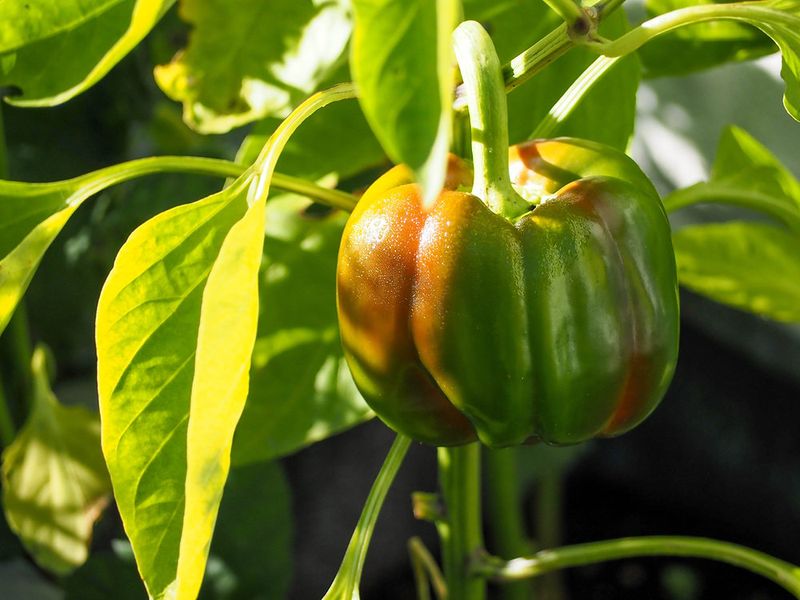
Peppers are the sun-worshippers of the vegetable garden, and Colorado’s abundant sunshine gives them exactly what they need to thrive.
Whether you prefer sweet bell peppers or spicy jalapeños, raised beds create the warm, well-drained conditions that pepper plants crave all season long.
Start pepper seeds indoors eight to ten weeks before your last frost date since they need a long growing season to produce well. Transplant them into your raised bed after all danger of frost has passed and nighttime temperatures are consistently warm.
Peppers are sensitive to cold and will stall their growth if temperatures drop too low, so timing matters.
Raised beds are especially helpful for peppers because the elevated soil warms up faster than in-ground beds, giving these heat-loving plants a head start.
Mixing compost into your raised bed soil before planting gives peppers the nutrients they need to develop thick, juicy fruits. A layer of dark mulch on top also helps trap heat and moisture around the roots.
Water peppers deeply but infrequently, allowing the soil to dry out slightly between waterings. This encourages deeper root growth and makes the plants more resilient during dry spells.
Varieties like California Wonder for sweet peppers and Poblano for mild heat are both excellent choices that perform reliably in raised bed gardens throughout the summer.
10. Swiss Chard
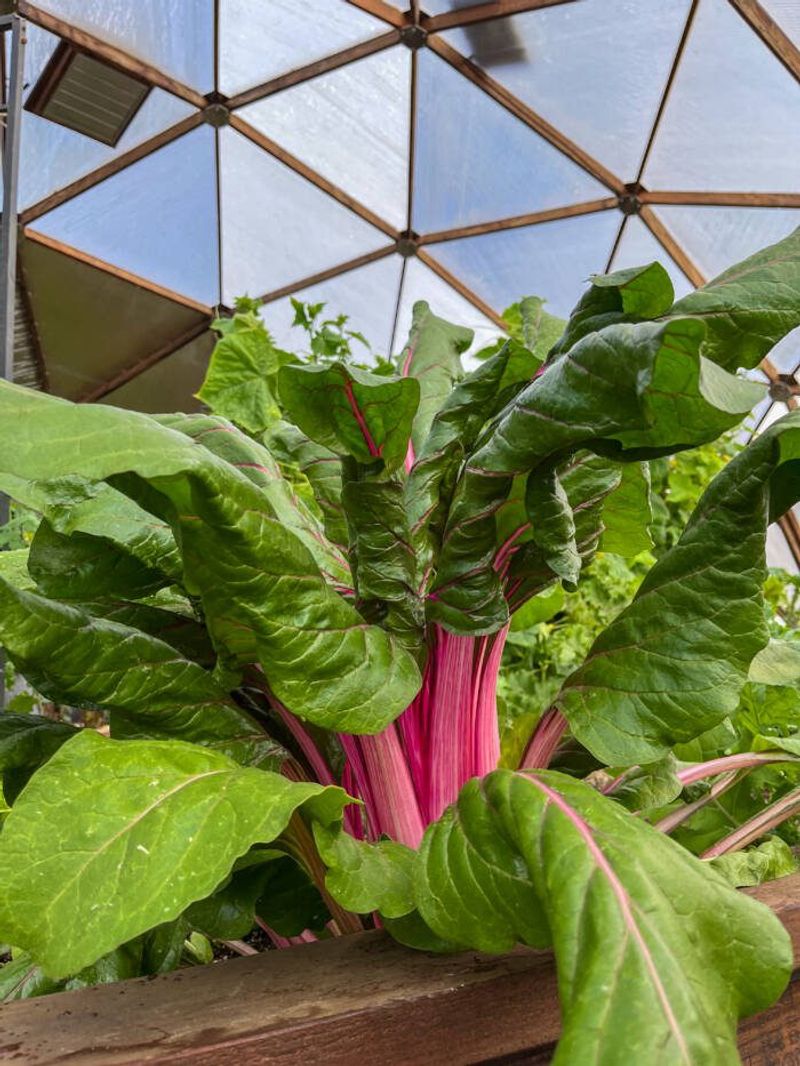
Most underrated vegetable you can grow in a raised bed is definitely Swiss chard. With its rainbow-colored stems and glossy green leaves, it looks almost too pretty to eat.
But do not let the good looks fool you because it is also one of the most productive and versatile vegetables out there.
Unlike many other vegetables, Swiss chard handles both heat and cold with impressive ease. In Colorado, where temperatures can swing dramatically between morning and afternoon, that kind of flexibility is incredibly valuable.
It keeps producing from spring all the way through the first hard freeze of fall without much fuss.
Raised beds suit Swiss chard well because it appreciates the consistent moisture and nutrient-rich soil that well-built raised beds provide.
Sow seeds directly into your raised bed about two weeks before the last frost date, and thin seedlings to six inches apart once they are a few inches tall. The thinned seedlings are completely edible and make a great addition to salads.
Harvest outer leaves regularly to keep the plant producing new growth from the center. Swiss chard can be used just like spinach in cooked dishes or enjoyed raw in salads when the leaves are young and tender.
Bright Lights is a popular variety known for its multicolored stems and strong performance in a wide range of garden conditions.