10 Bicolor Flowers Worth Growing In Your Georgia Garden
If you want your Georgia garden to stand out without feeling overdone, bicolor flowers are one of the easiest ways to do it. These blooms mix two shades in a single petal, creating contrast that instantly catches the eye and adds depth to planting beds.
One plant can deliver more visual interest than a whole group of single color flowers.
Bicolor blooms naturally draw attention, especially in Georgia’s long growing season where color plays a big role from spring through fall. They break up solid blocks of green and keep garden spaces from looking flat or predictable.
A single bicolor flower can completely shift the mood of a planting area.
When the right varieties are chosen, these flowers handle Georgia heat and humidity while still looking vibrant. Adding bicolor blooms is a simple move that brings energy, contrast, and personality into your garden without extra effort.
1. Snapdragons With Soft Two-Tone Spikes For Spring Color
Cool spring weather brings out the best in snapdragons, and Georgia gardeners can count on these charming spikes to perform beautifully from March through May.
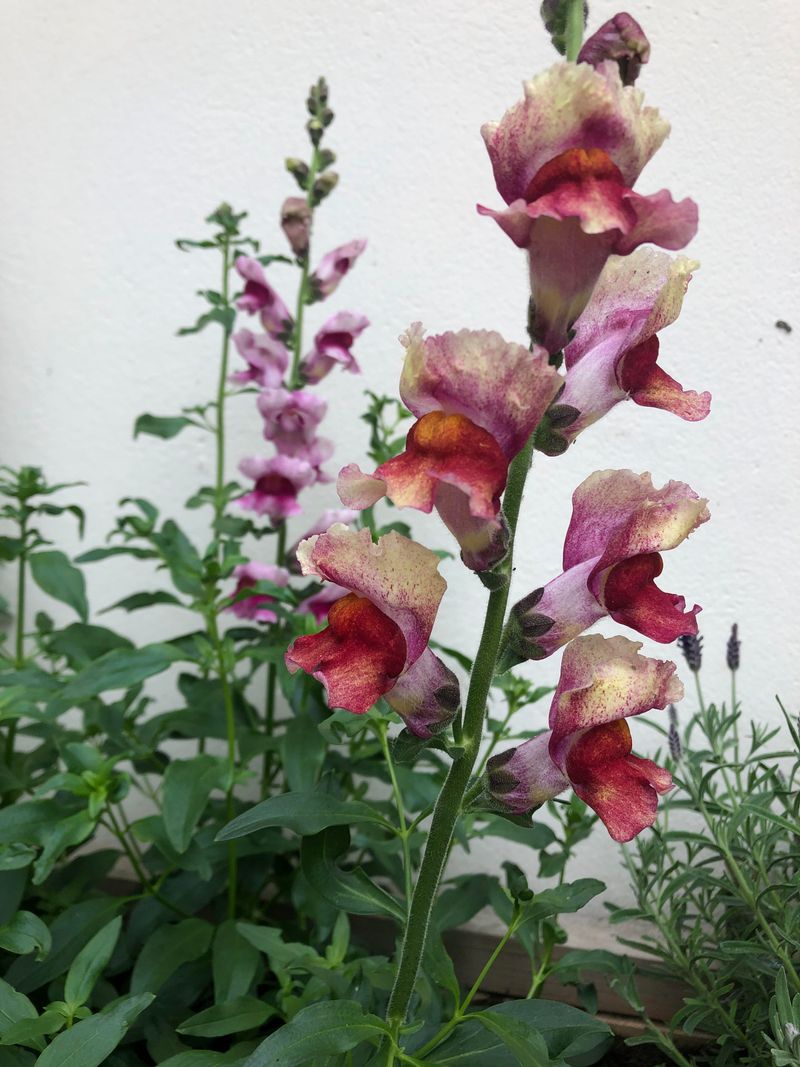
The bicolor varieties showcase gentle gradients and striking contrasts that make every bloom look hand-painted.
Plant snapdragons in October for winter color in South Georgia, or wait until late February in northern parts of the state. They handle light frosts with ease and actually prefer temperatures between 40 and 70 degrees.
Space them about eight inches apart in well-draining soil with plenty of organic matter mixed in.
Taller varieties reach up to three feet and make excellent cut flowers for indoor arrangements. Shorter types work perfectly along walkways or at the front of flower beds.
Pinch back the growing tips when plants are about four inches tall to encourage bushier growth and more flower spikes.
Bicolor snapdragons come in combinations like peach-and-cream, burgundy-and-white, or yellow-with-orange throats. Deadhead spent blooms regularly to keep new flowers coming.
When Georgia temperatures climb above 85 degrees consistently, snapdragons tend to slow down, but they often rebound with cooler fall weather if you cut them back by half in midsummer.
2. Petunias In Bold Color Combos That Hold Up In Georgia Heat
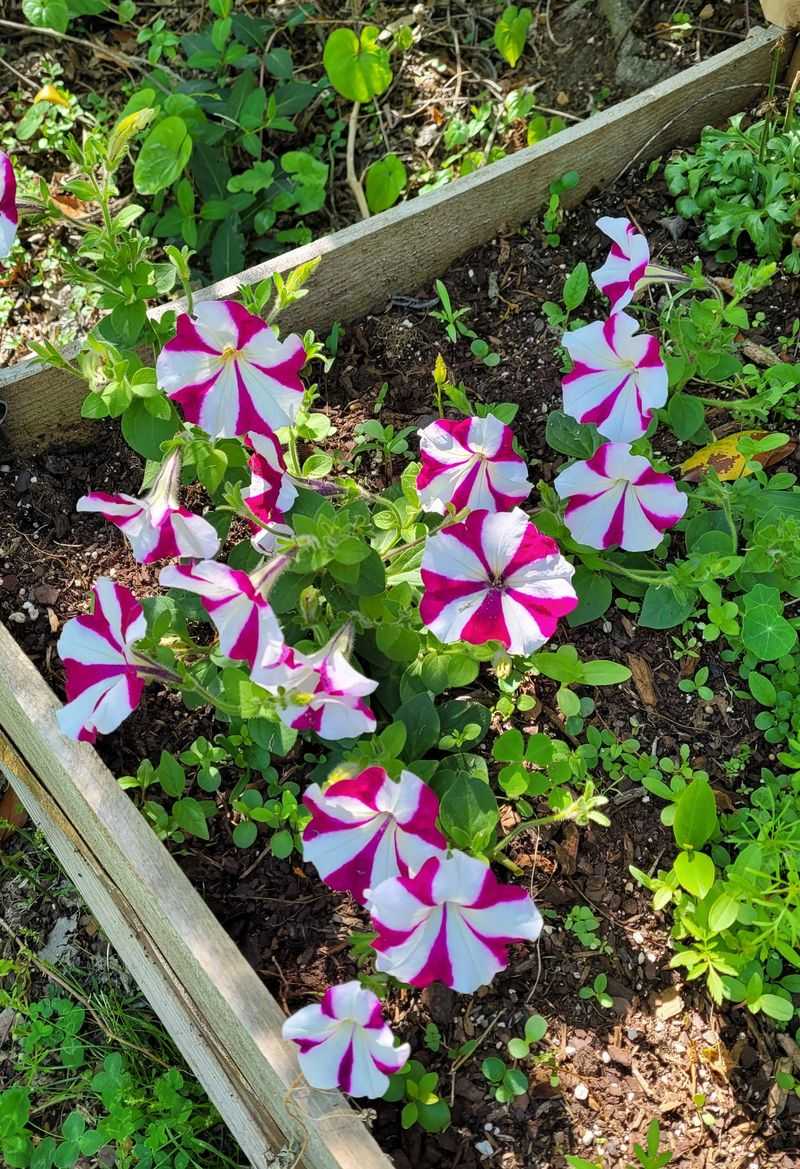
Summer heat doesn’t phase petunias one bit, making them perfect workhorses for Georgia gardens from May straight through September.
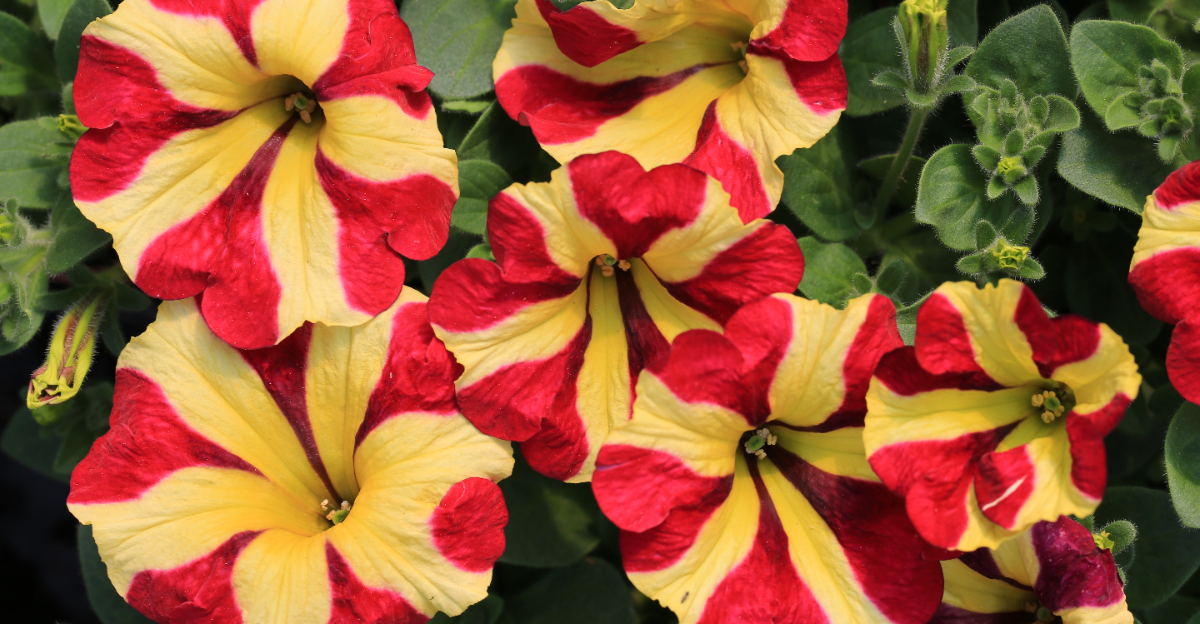
Bicolor petunias deliver nonstop blooms in combinations that range from subtle to showstopping, and they bounce back quickly even after heavy afternoon thunderstorms.
Choose spreading varieties for hanging baskets and window boxes, or select mounding types for garden beds. Plant them after your last frost date in soil that drains well.
Petunias appreciate full sun but can tolerate partial shade, though they’ll produce fewer flowers with less light.
Feed petunias every two weeks with a balanced fertilizer to fuel their continuous blooming. Water them deeply when the top inch of soil feels dry, but avoid getting water on the foliage during the hottest part of the day.
Bicolor patterns include star-shaped centers, picotee edges, and veined petals that create stunning visual effects.
Popular combinations in Georgia include purple with white stripes, red with yellow throats, and pink with darker pink veining. Trim back leggy growth in midsummer to refresh plants and encourage a new flush of blooms.
These tough flowers handle humidity better than many other annuals and keep your containers and beds looking fresh all season long.
3. Tulips With Striped Petals That Brighten Early Spring Beds
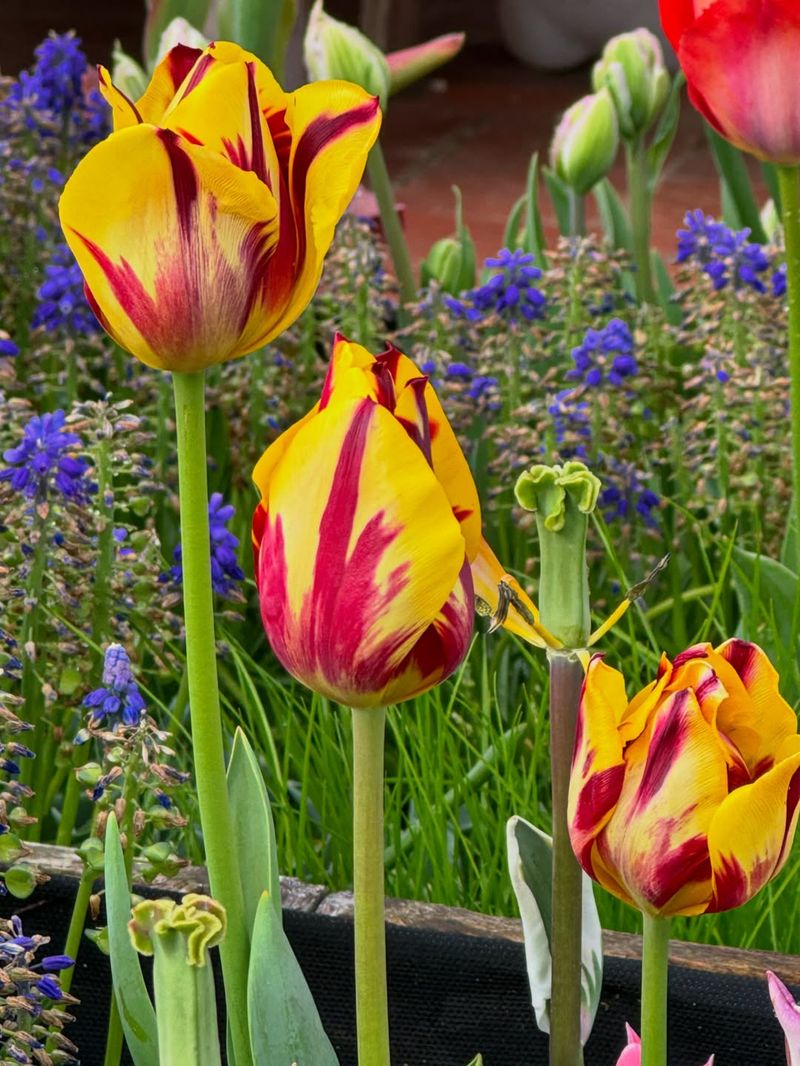
Nothing announces spring quite like tulips, and bicolor varieties add extra drama to Georgia gardens in March and April. The striped and flamed patterns on these bulbs create stunning displays that look almost too perfect to be real.
Georgia’s mild winters require special attention when growing tulips. Purchase pre-chilled bulbs or refrigerate them for six to eight weeks before planting in late November or December.
Plant bulbs about six inches deep in well-draining soil, pointed end up, and space them four to six inches apart.
Bicolor tulips come in flame patterns where one color streaks through another, or in varieties with contrasting petal edges. Classic combinations include red with yellow flames, white with pink feathering, and purple with white stripes.
These patterns developed naturally over centuries and remain favorites among gardeners today.
After tulips finish blooming, let the foliage turn yellow naturally before removing it. This allows the bulb to store energy for next year, though many Georgia gardeners treat tulips as annuals since our warm soil temperatures make reliable return blooms challenging.
Plant them in areas with morning sun and afternoon shade to extend bloom time. Pair striped tulips with solid-colored varieties for maximum impact in your spring beds.
4. Bearded Iris In Rich Two-Shade Blends That Return Each Year
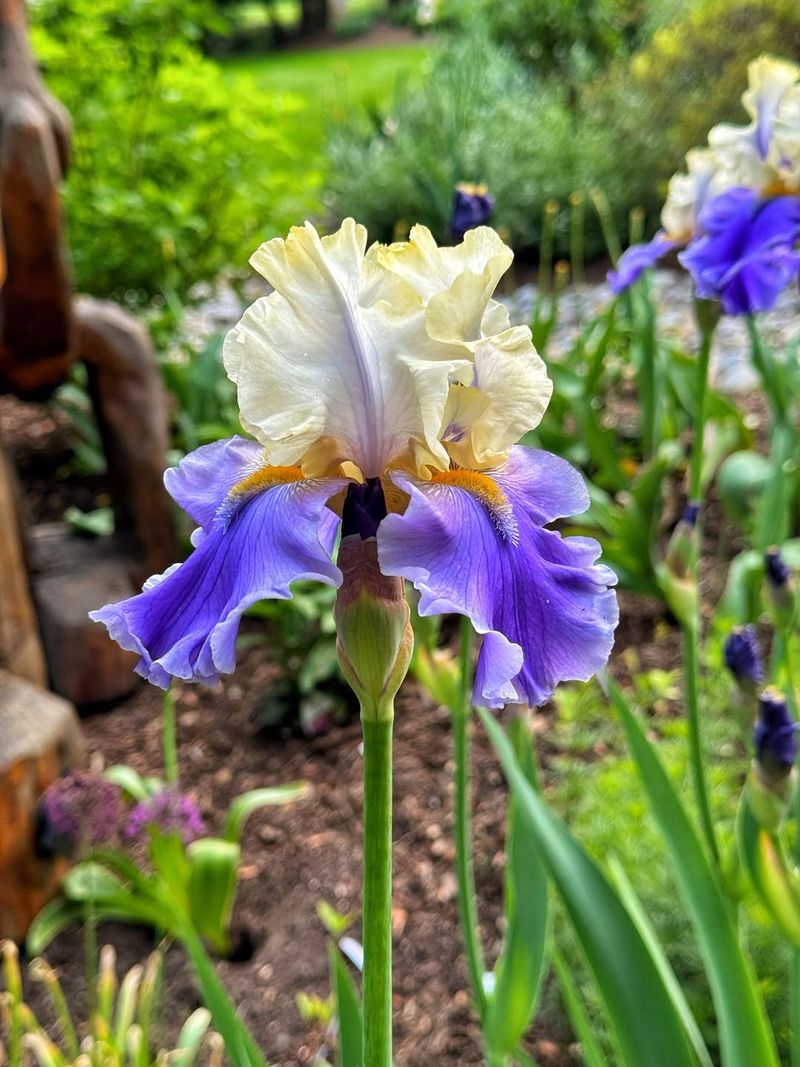
Bearded iris plants reward Georgia gardeners with spectacular bicolor blooms year after year once established.
These reliable perennials produce flowers with upper petals in one shade and lower petals in another, creating sophisticated color combinations that elevate any garden design.
Plant iris rhizomes in late summer or early fall, positioning them at soil level with roots spread below. They need at least six hours of direct sunlight daily and excellent drainage to prevent rot.
Space rhizomes 12 to 24 inches apart, facing the leafy end in the direction you want growth to spread.
The color possibilities seem endless with bicolor bearded iris. Look for varieties with purple standards and yellow falls, white uppers with blue lowers, or bronze combined with burgundy.
The fuzzy beard on each fall petal often appears in a third contrasting color, adding another layer of interest.
Iris bloom in Georgia typically from mid-April through May, depending on your location and the variety. After flowering finishes, trim off spent stalks but leave foliage intact until it browns naturally.
Divide crowded clumps every three to four years right after blooming to maintain vigor. These drought-tolerant perennials handle Georgia summers well once established and require minimal care beyond occasional watering during extended dry spells.
5. Calibrachoa With Contrasting Centers Perfect For Containers
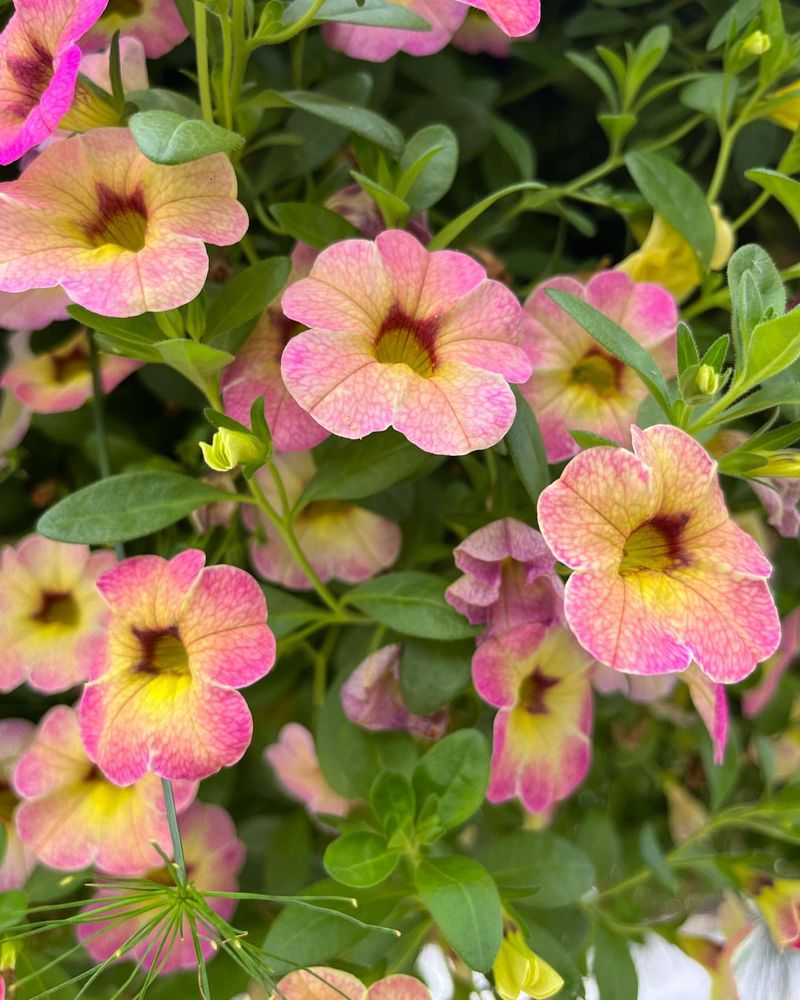
Million bells pack serious flower power into tiny packages, and their bicolor forms create incredible displays in Georgia containers and hanging baskets.
Each plant produces hundreds of small blooms with contrasting centers that catch your eye from across the yard.
Start with quality plants in spring after frost danger passes. Calibrachoa prefers slightly acidic soil, so use a potting mix designed for acid-loving plants or add some peat moss to regular container mix.
These trailing plants work beautifully in mixed planters or as solo specimens in hanging baskets.
The contrasting throat colors on calibrachoa create a starburst effect that makes each tiny bloom pop. Common combinations include cherry red with yellow centers, deep purple with white throats, or coral with golden eyes.
Plants stay compact but spread nicely to fill containers without becoming leggy.
Feed calibrachoa weekly with a water-soluble fertilizer formulated for flowering plants. They’re lighter feeders than regular petunias but still need consistent nutrition to maintain their impressive bloom production.
Water when the top inch of soil dries out, checking containers daily during hot Georgia summers. These plants handle heat and humidity remarkably well and bloom continuously from spring until the first frost without any deadheading required.
6. Pansies With Distinct Faces That Shine In Cool Weather
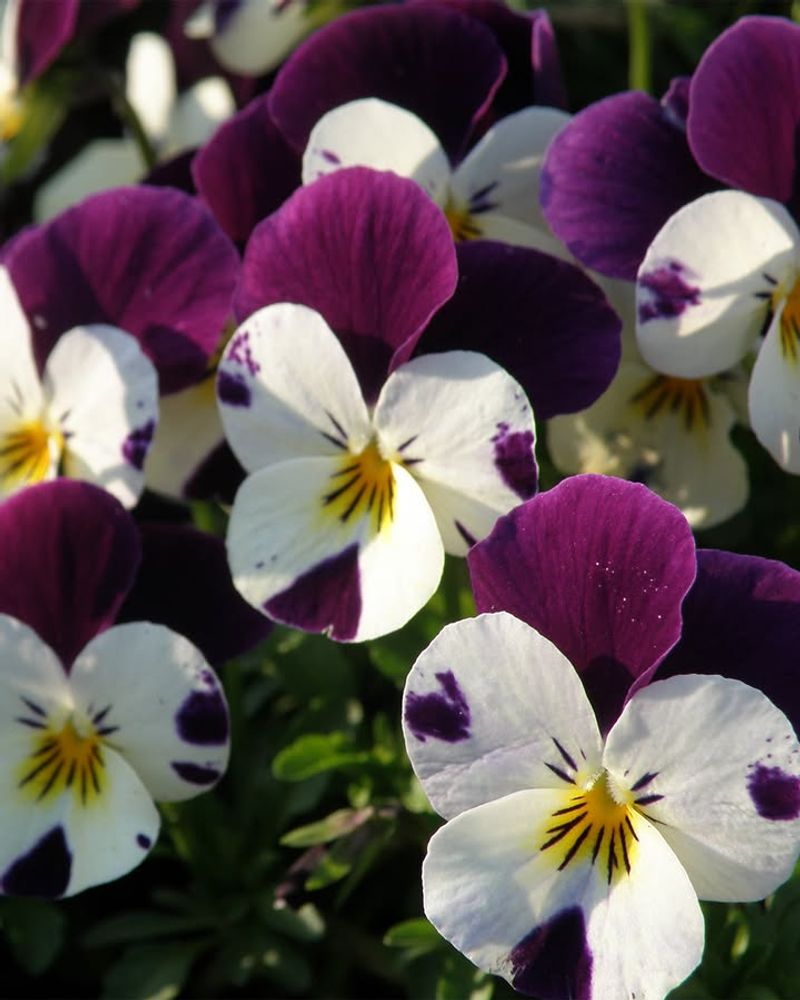
Pansies bring cheerful faces to Georgia gardens during the cooler months when most other flowers take a break. Bicolor varieties feature the classic pansy markings with contrasting blotches and whisker patterns that give each bloom its distinctive personality.
Plant pansies in October across Georgia for winter and early spring color. They tolerate freezing temperatures and even look perky after light snow.
Choose a spot with morning sun and afternoon shade, or full sun during winter months. Amend soil with compost before planting and space plants six to eight inches apart.
The traditional pansy face appears most dramatically in bicolor forms. Yellow petals with purple centers, white blooms with blue whiskers, and orange flowers with dark blotches create that beloved face pattern.
Some varieties feature clean two-tone splits without the typical markings for a more modern look.
Keep pansies blooming prolifically by removing faded flowers every few days. This simple task prevents seed formation and redirects energy into new blooms.
Fertilize monthly with a balanced formula during active growth periods. In South Georgia, pansies often bloom straight through winter.
North Georgia gardeners enjoy them from fall through spring, with plants sometimes pausing during the coldest weeks of January before bouncing back. Replace them with summer annuals when temperatures consistently hit the 80s.
7. Dianthus With Edged Petals And A Light Spicy Fragrance
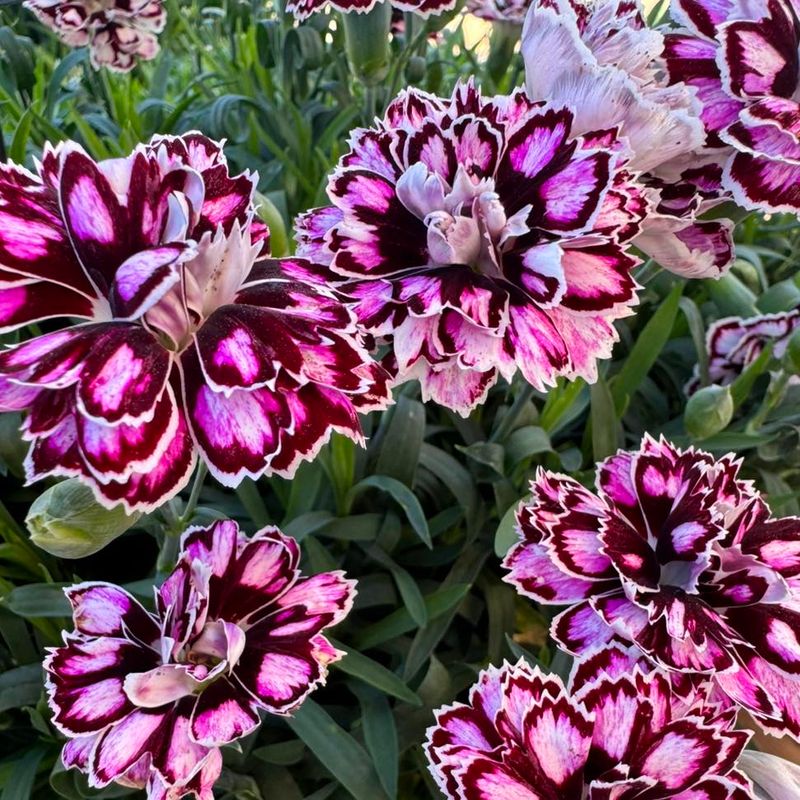
Fringed petals and spicy-sweet fragrance make dianthus a favorite among Georgia gardeners who appreciate flowers that engage multiple senses. Bicolor varieties showcase contrasting edge colors that highlight the distinctive serrated petal margins these blooms are famous for.
Fall planting works best in Georgia, giving dianthus time to establish roots before winter. They prefer full sun and alkaline soil, so add lime if your soil test shows acidity.
Good drainage is critical since these plants won’t tolerate soggy conditions. Space plants eight to twelve inches apart in beds or use them along borders.
Bicolor dianthus often features a base color with contrasting edges or eyes. Pink with burgundy edges, white with raspberry centers, and coral with red margins are popular choices.
The picotee edge pattern creates a hand-painted look that adds sophistication to cottage-style gardens.
Bloom time in Georgia typically runs from March through May, with possible rebloom in fall if you shear plants back after the first flush finishes.
The clove-like scent becomes stronger on warm days, making dianthus perfect near patios or along walkways where you’ll catch the fragrance.
These relatively drought-tolerant plants handle Georgia’s variable spring weather well. Deadhead regularly to extend blooming, and divide clumps every two or three years to maintain vigor and flower production.
8. Zinnias In Vibrant Bicolor Patterns That Love Summer Sun
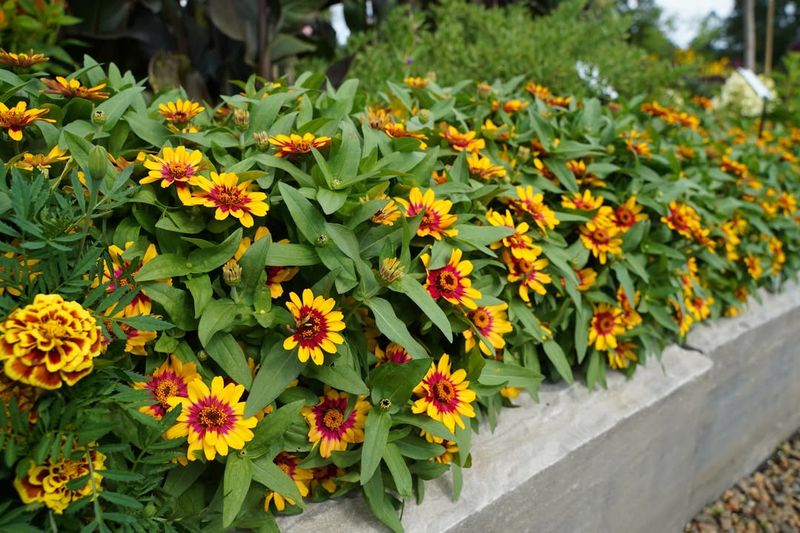
Heat-loving zinnias thrive during Georgia summers when many other flowers struggle with humidity and high temperatures. Bicolor zinnias deliver bold patterns and color combinations that create focal points in beds and borders from June through September.
Direct-sow zinnia seeds in late April or May once soil warms up, or start with transplants for earlier blooms. They need full sun and average soil with good drainage.
Space plants according to their mature size, typically 12 to 18 inches apart for larger varieties. Zinnias grow quickly and start blooming about six to eight weeks after planting.
Bicolor forms include varieties with striped petals, two-tone blooms where inner and outer petals differ, and types with contrasting petal tips. Flame zinnias feature red petals tipped with yellow or orange.
Other combinations include pink with white, burgundy with cream, or magenta with yellow centers.
Cut zinnias freely for bouquets since harvesting encourages more blooms. Water at soil level rather than overhead to prevent powdery mildew, which can affect zinnias during humid Georgia summers.
Deadhead spent flowers if you’re not cutting them for arrangements. These tough annuals handle drought once established and actually produce better flowers with moderate water rather than constant moisture.
Plant successive crops every three weeks through July for continuous color until frost.
9. Begonias With Dual-Tone Blooms For Shadier Georgia Gardens
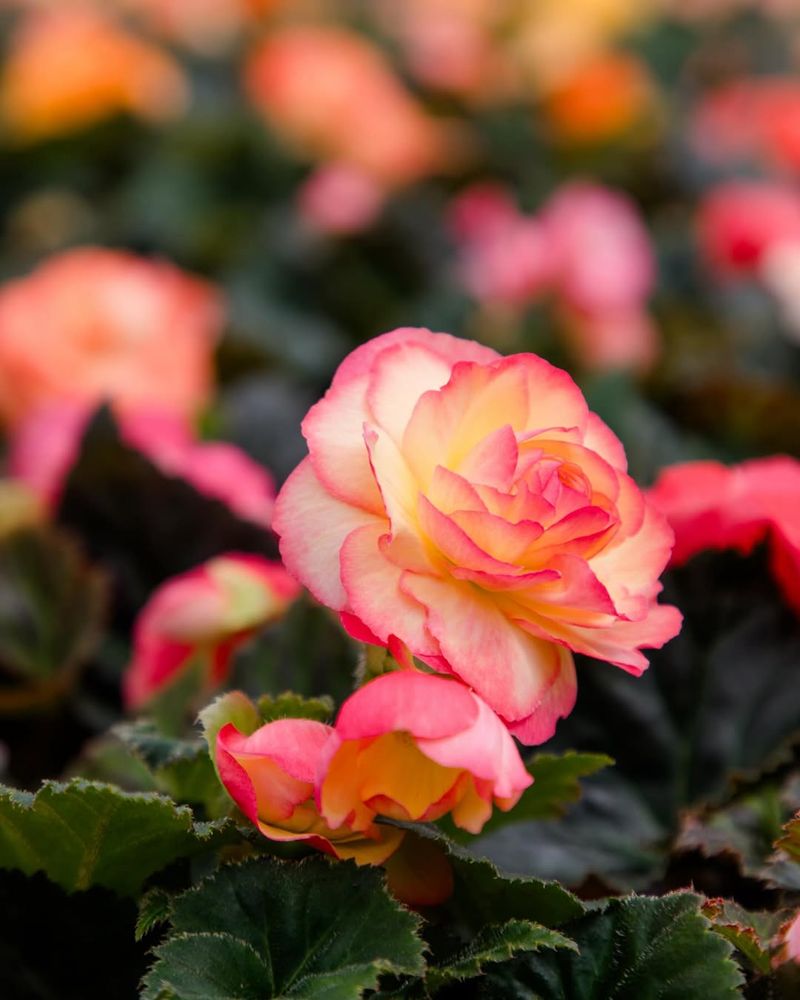
Shade-loving begonias solve the problem of adding color to those tricky spots under trees or on north-facing sides of Georgia homes.
Bicolor varieties produce continuous blooms in protected areas where sun-loving flowers would struggle, making them invaluable for complete landscape coverage.
Plant begonias after all frost danger passes in spring, typically mid-April in North Georgia and early April in southern areas. They prefer rich, well-draining soil amended with plenty of organic matter.
Morning sun with afternoon shade works well, or choose spots with filtered light throughout the day. Space plants 10 to 12 inches apart.
Wax begonias and tuberous types both offer bicolor options. Look for varieties with petals that fade from one color to another, or types with contrasting petal edges and centers.
Pink blooms edged in white, red flowers with yellow centers, and coral petals fading to cream create soft, romantic effects in shaded gardens.
Water begonias regularly to keep soil evenly moist but never waterlogged. They’re sensitive to both drought and overwatering, so check moisture levels frequently during hot Georgia summers.
These plants are self-cleaning, meaning spent flowers drop off naturally without deadheading. Feed monthly with a balanced fertilizer diluted to half strength.
Begonias continue blooming until frost, providing reliable color in shady areas from late spring through fall.
10. Gaillardia With Warm Red And Yellow Petals That Thrive In Heat
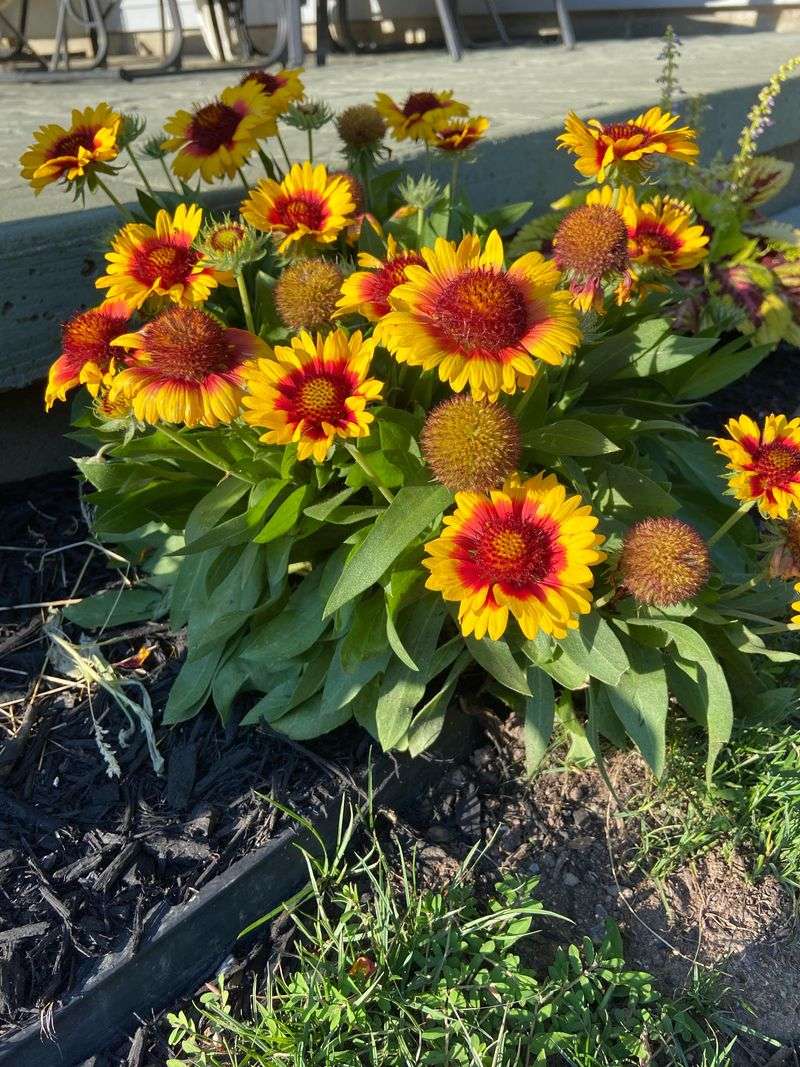
Native wildflower toughness combines with showstopping bicolor blooms in gaillardia, making these perennials perfect for low-maintenance Georgia landscapes.
The warm red and yellow combinations echo sunset colors and attract butterflies throughout the long blooming season.
Plant gaillardia in spring or fall in the poorest, driest spot in your yard. These prairie natives actually perform better in lean soil with excellent drainage than in rich, amended beds.
Full sun is essential for maximum flowering. Space plants 12 to 15 inches apart and avoid overwatering once established.
The classic gaillardia pattern features red or burgundy petals tipped in bright yellow, creating rings of color that look almost painted on.
Newer varieties offer variations on this theme with different red and yellow proportions or additional orange tones blending the colors together.
The daisy-like flowers bloom on sturdy stems that hold up well in Georgia’s afternoon thunderstorms.
Deadhead spent blooms to encourage continuous flowering from late spring through fall. Gaillardia handles Georgia heat, humidity, and drought with remarkable ease once roots establish.
These short-lived perennials typically last three to four years but often self-sow to maintain their presence in your garden. Cut plants back by half in midsummer if they become floppy.
Deer and rabbits typically avoid gaillardia, making them excellent choices for rural Georgia properties.