8 Biggest Arizona Desert Pests And The Best Ways To Control Them
Arizona yards can look perfectly fine one day, and then suddenly something feels off. You step outside, notice ragged leaves, shifting soil, or plants that no longer look as strong as they did last week.
Desert heat does not slow pests down. It often gives them the exact conditions they need to multiply quickly and spread across a yard before you even realize what is happening.
Small warning signs in an Arizona yard rarely stay small for long, and early action protects both your plants and your time. The sooner you spot the pattern, the easier control becomes.
You do not need extreme measures or harsh treatments. You need to know what to look for and how to respond in ways that actually work in this climate.
These common Arizona desert pests return season after season, and understanding how to manage them helps your yard stay strong through rising temperatures.
1. Termites Silently Destroying Arizona Gardens And Structures
Subterranean termites cause more structural damage in Arizona than any other pest. They build massive underground colonies that can contain millions of individuals, all working together to consume wood and cellulose materials.
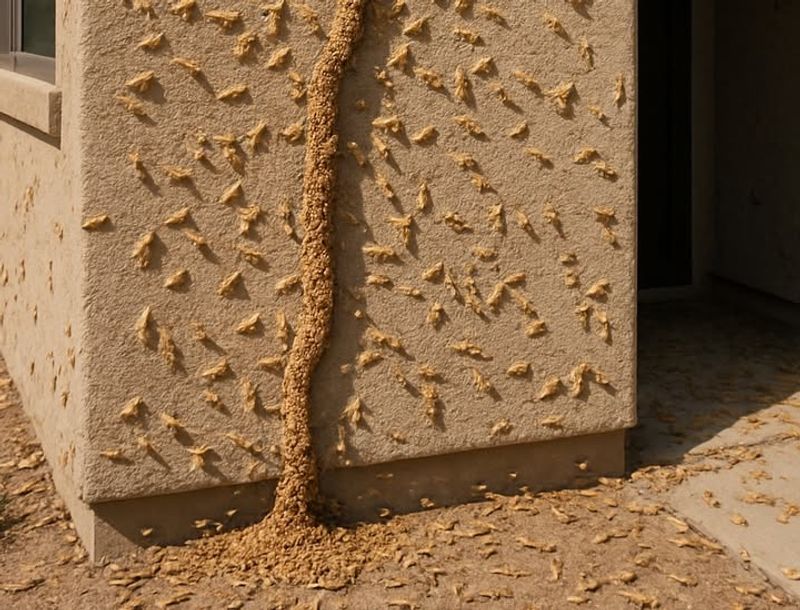
These insects need moisture to survive, which is why they construct distinctive mud tubes that protect them from the dry desert air as they travel between soil and food sources.
Spotting termite activity early saves thousands in repair costs. Look for mud tubes along foundation walls, discarded wings near windows and doors, or hollow-sounding wood when tapped.
Spring swarming season brings winged reproductives that emerge to start new colonies, often the first visible sign of infestation.
Professional treatment remains the most reliable solution for active infestations. Liquid termiticides create protective barriers in the soil around structures, while bait systems offer targeted colony elimination.
Prevention includes removing wood debris from around your property, fixing leaky pipes and faucets, and maintaining proper drainage away from foundations.
Regular inspections catch problems before they escalate. Schedule annual professional checks, especially if your home has a history of termite activity.
Keep mulch at least six inches away from foundation walls, and store firewood elevated and away from buildings. Arizona’s warm climate means termites stay active year-round, making vigilance essential for protecting your investment.
Homes built on slab foundations are especially vulnerable because termites can enter through tiny cracks that are almost impossible to see.
Staying proactive with moisture control and routine monitoring is one of the smartest ways to protect Arizona properties from long-term structural damage.
2. Spider Mites Thriving In Hot, Dry Arizona Conditions
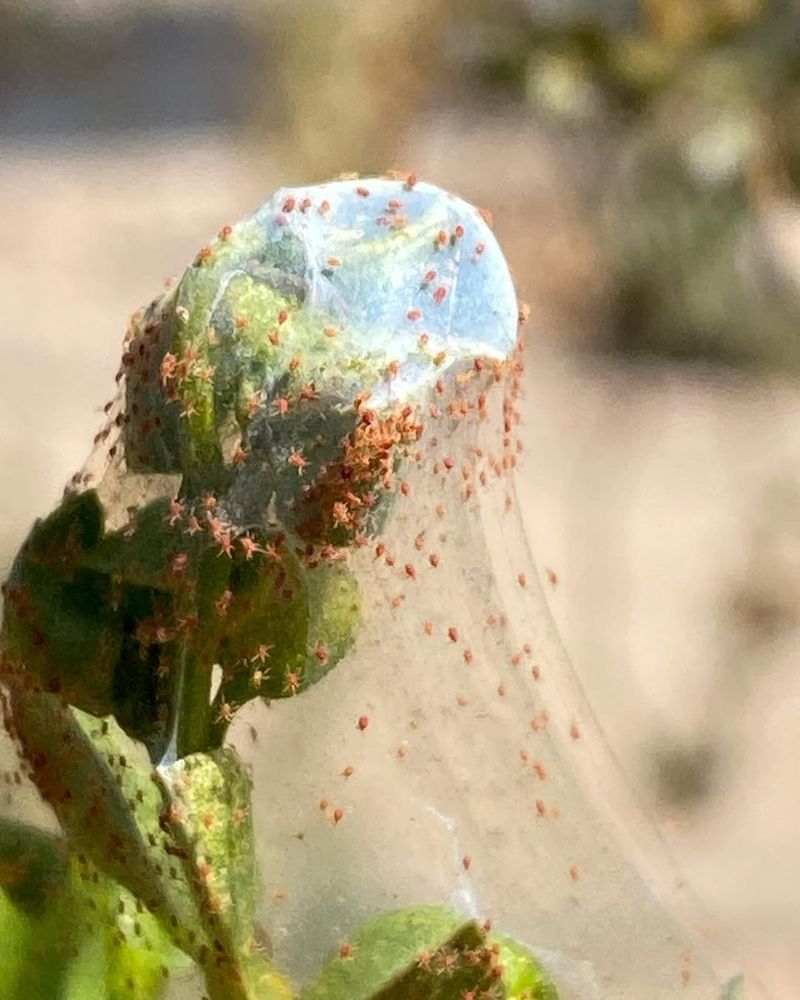
Spider mites become a serious problem in Arizona once temperatures climb and humidity drops. These tiny arachnids are not insects, but they behave like classic heat-driven pests.
Dry air and dusty conditions allow them to reproduce rapidly, especially during late spring and long summer stretches when temperatures consistently rise above 90°F.
Damage usually begins as fine pale speckling on leaves. As feeding continues, foliage turns yellow, dries out, and may drop prematurely.
Heavy infestations create delicate webbing between stems and leaf surfaces, which is often the first clear sign of advanced activity. Roses, tomatoes, citrus, lantana, and many landscape shrubs commonly suffer during peak heat.
Plants growing near reflective surfaces like gravel or block walls often show damage faster due to intensified heat stress.
Control starts with consistent monitoring. Check the undersides of leaves where mites gather and feed.
A firm spray of water every few days helps dislodge mites and increases local humidity, slowing reproduction. Insecticidal soap and horticultural oil provide effective control when applied thoroughly, especially on leaf undersides.
Repeat applications may be necessary during extreme heat since populations rebuild quickly. Avoid broad-spectrum insecticides because they eliminate natural predators such as lady beetles and predatory mites, which normally help keep populations balanced in Arizona gardens.
Maintaining healthy irrigation practices also reduces plant stress and lowers the risk of severe infestations.
3. Rabbits Sneaking In And Munching Prized Plants

Desert cottontails and jackrabbits cause frustration for Arizona gardeners throughout the year. These persistent nibblers target tender new growth, vegetables, and flowering plants with particular enthusiasm.
A single rabbit can consume a pound of vegetation daily, and they reproduce quickly, meaning small problems can become major headaches within weeks.
Damage appears as cleanly cut stems and leaves at ground level or slightly above. Rabbits leave distinctive round droppings near feeding areas and create shallow depressions in soil where they rest during hot afternoons.
They feed primarily at dawn and dusk, though hungry rabbits will venture out anytime.
Physical barriers provide the most reliable protection for gardens. Install chicken wire fencing at least two feet high, burying the bottom six inches underground to prevent digging.
Individual plant cages work well for protecting specific vegetables or flowers. Hardware cloth with quarter-inch openings stops rabbits while allowing air and light through.
Repellents offer temporary relief but require frequent reapplication, especially after rain or irrigation. Blood meal, dried sulfur, and commercial rabbit repellents can deter feeding when applied regularly.
Remove brush piles and dense groundcover where rabbits hide during the day. Keeping grass trimmed short around garden edges eliminates cover and makes rabbits feel exposed and vulnerable, encouraging them to feed elsewhere in the neighborhood instead.
4. Whiteflies Weakening Vegetables And Ornamentals
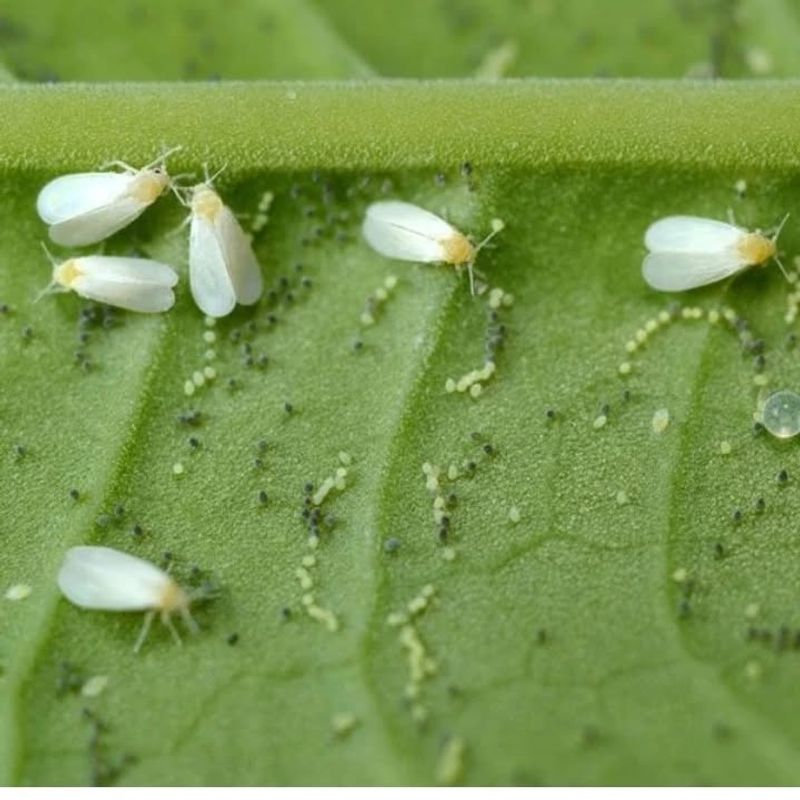
Whiteflies remain active for much of the year in Arizona, especially during warm months when reproduction accelerates. These small, winged insects cluster on the undersides of leaves and feed by piercing plant tissue and extracting sap.
Hot weather allows multiple generations to develop quickly, which is why infestations can escalate fast in desert gardens. Populations often increase rapidly in late spring and remain steady through summer if conditions stay warm.
Early signs include yellowing leaves, reduced plant vigor, and a sticky residue known as honeydew. This residue encourages black sooty mold growth, which blocks sunlight and further weakens plants.
Tomatoes, squash, peppers, hibiscus, lantana, and many ornamental shrubs are common hosts in Arizona landscapes. Heavy infestations can slow plant growth and reduce overall yield in vegetable gardens.
Regular inspection is essential. Shake plants gently to see if small white insects flutter upward.
Yellow sticky traps help monitor activity and reduce adult populations. Strong water sprays directed at leaf undersides can lower numbers significantly.
Insecticidal soap, neem oil, or horticultural oil applied during cooler morning or evening hours improves control. Repeated treatments are often necessary because eggs and immature stages continue developing after initial applications.
Preserving beneficial insects such as lacewings and lady beetles supports long-term suppression, helping maintain healthier plants through Arizona’s extended warm season.
Keeping plants properly watered and spaced for airflow also reduces stress that makes them more vulnerable to whitefly buildup.
5. Moths And Caterpillars Devouring Leaves And Flowers
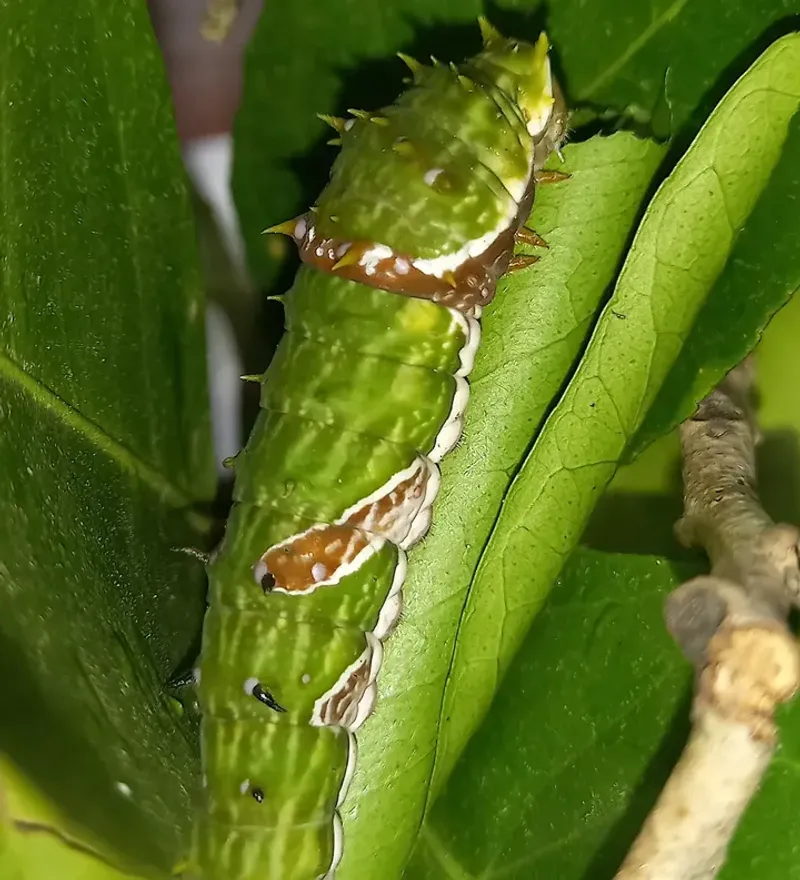
Caterpillar damage can strip plants bare within days during peak feeding periods. Various moth species lay eggs on Arizona garden plants, and the resulting caterpillars consume foliage voraciously as they grow.
Tomato hornworms, cabbage loopers, and cutworms rank among the most destructive, targeting vegetables and ornamental plants throughout the growing season.
Scouting plants regularly catches infestations early before significant damage occurs. Look for chewed leaf edges, holes in foliage, and dark frass (caterpillar droppings) on leaves and soil.
Many caterpillars feed at night and hide during the day, so evening inspections often reveal the culprits. Some species blend perfectly with foliage, making them challenging to spot until damage becomes severe.
Hand-picking remains effective for small gardens and light infestations. Drop caterpillars into soapy water rather than crushing them on plants.
Bacillus thuringiensis (Bt) offers organic control that specifically targets caterpillars without harming beneficial insects. Apply Bt in the evening when caterpillars are actively feeding, and reapply after rain or heavy irrigation.
Row covers protect young plants from egg-laying moths while allowing light and water through. Remove covers when plants begin flowering if they need pollination.
Encouraging natural predators like birds, parasitic wasps, and predatory beetles helps maintain balance in the garden.
Avoid broad-spectrum insecticides that eliminate beneficial insects along with pests, creating conditions for even worse outbreaks later in the season.
6. Scorpions Lurking In Yards And Outdoor Spaces
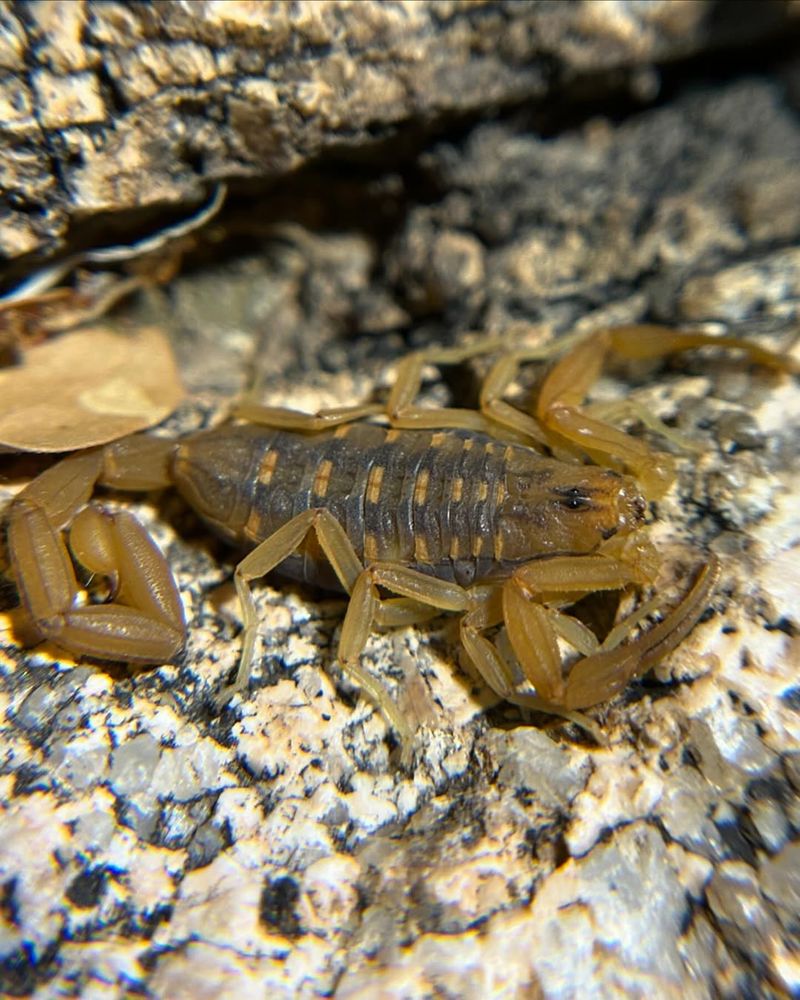
Arizona bark scorpions present genuine safety concerns for families spending time outdoors. These nocturnal hunters hide during daylight hours under rocks, in woodpiles, and within cracks in walls or foundations.
Their sting causes intense pain and potentially serious reactions, particularly in young children and elderly individuals. Scorpions glow under ultraviolet light, making nighttime inspections with a blacklight effective for locating them.
Habitat modification reduces scorpion populations around homes significantly. Remove rocks, lumber, and debris where scorpions hide during the day.
Seal cracks in foundations, walls, and around utility penetrations with caulk or expanding foam. Install weather stripping on doors and repair torn window screens to prevent indoor entry.
Landscape choices impact scorpion activity near structures. Replace rock mulch with organic materials that scorpions find less attractive.
Keep vegetation trimmed away from walls and foundations, and eliminate dense groundcovers where scorpions shelter. Reducing outdoor lighting decreases the insects that scorpions hunt, making your property less attractive to these predators.
Professional pest control services apply residual insecticides to create barriers around homes. These treatments target both scorpions and their prey insects, reducing overall populations over time.
Regular applications during warm months maintain protection when scorpions are most active.
Glue traps placed along baseboards indoors catch scorpions that enter homes, helping monitor activity levels and providing early warning of potential problems requiring additional intervention.
7. Harvester Ants Invading Paths And Plant Beds
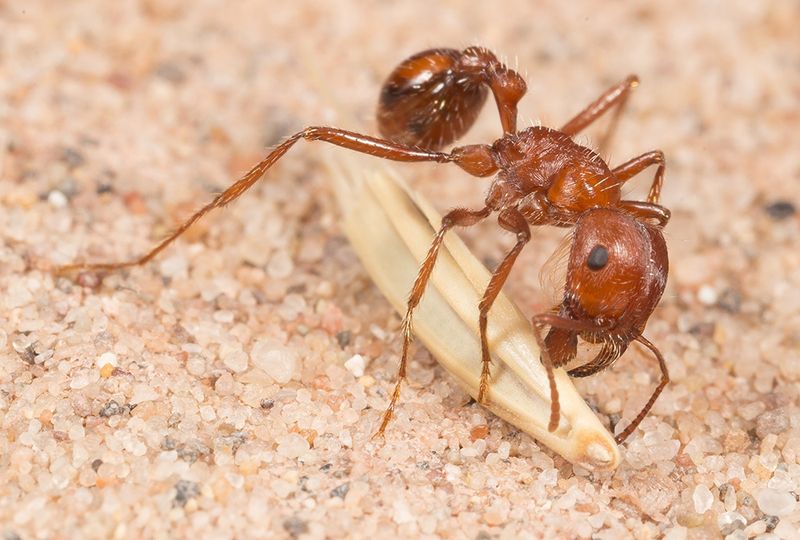
Red harvester ants build conspicuous mounds surrounded by bare soil cleared of all vegetation. These aggressive insects deliver painful stings when disturbed and can make outdoor areas unusable.
Colonies contain thousands of workers that forage for seeds across wide areas, creating trails through gardens and landscapes. Their clearing activities damage or eliminate desirable plants near nest sites.
Mounds appear as raised areas of loose soil, often reaching several inches high and a foot or more in diameter. The cleared zone around each mound can extend several feet in all directions.
Harvester ants remain active during the hottest parts of the day when other insects seek shade, making them particularly noticeable during Arizona summers.
Boiling water poured directly into nest entrances provides immediate, chemical-free control. This method requires multiple treatments since colonies extend deep underground.
Apply treatments during cooler morning hours when more ants are inside the nest. Pour slowly to allow water to penetrate throughout the colony structure.
Granular ant baits formulated specifically for harvester ants offer effective control with less effort. Workers carry bait particles back to the nest, eventually eliminating the entire colony including the queen.
Avoid disturbing mounds before applying bait since stressed colonies may relocate. Physical barriers like metal or plastic edging can protect specific garden areas from ant invasion.
Maintaining healthy, dense turf makes establishing new colonies more difficult since harvester ants prefer bare or sparsely vegetated ground for nest construction.
8. Cactus Weevils Attacking Succulents And Cacti
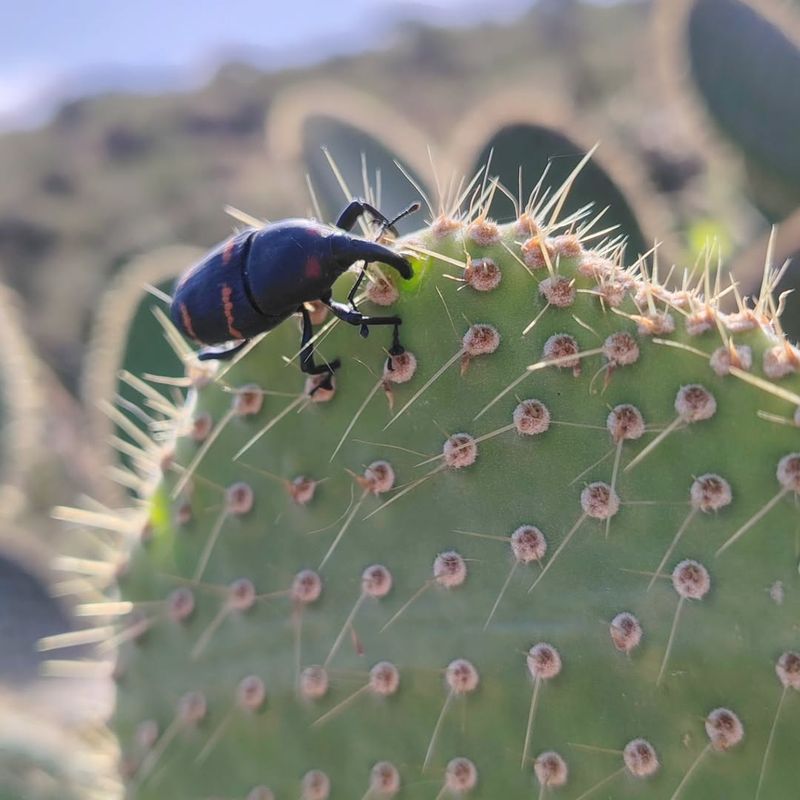
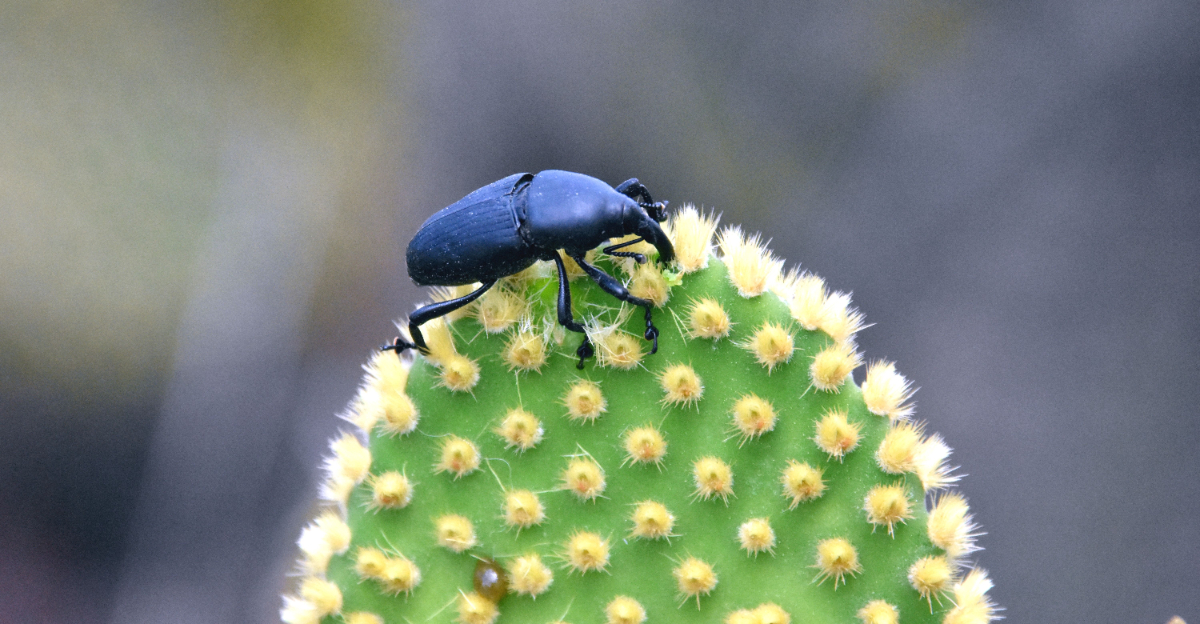
Cactus weevils target beloved succulents and cacti throughout Arizona, causing damage that often goes unnoticed until plants begin collapsing. Adult weevils chew small holes in cactus pads and stems to feed and lay eggs.
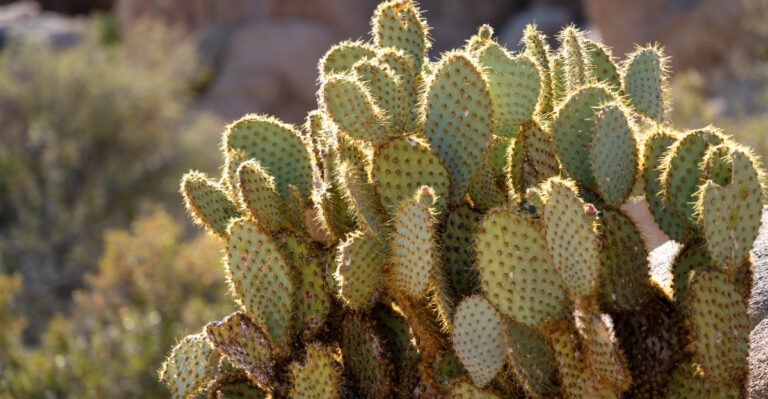
Larvae tunnel inside, creating extensive internal damage that leads to bacterial and fungal infections. Prickly pear, cholla, and saguaro cacti all fall victim to these destructive beetles.
Early symptoms include small, round holes in cactus surfaces and oozing black or brown fluid. Affected areas feel soft when pressed gently, indicating internal decay.
Advanced infestations cause entire pads or stems to rot and collapse. Adult weevils are dark brown to black, about half an inch long, with a distinctive snout and hard shell.
Removing and disposing of infested plant parts stops the spread to healthy tissue. Cut well below damaged areas into firm, healthy tissue using clean, sharp tools.
Allow cut surfaces to dry and callous before watering. Discard infested material in sealed bags rather than composting, since larvae can continue developing in removed plant parts.
Preventive sprays with products labeled for weevil control protect valuable specimens during peak activity periods in spring and summer.
Apply treatments to cactus surfaces thoroughly, focusing on areas where pads join and around the base of plants.
Inspect cacti regularly for early signs of weevil damage, particularly after mild winters when more adults survive to reproduce.
Maintaining plant health through proper watering and avoiding mechanical damage reduces susceptibility to weevil attacks and subsequent infections.