8 Biggest Planting Mistake Ohio Gardeners Make Early In Spring
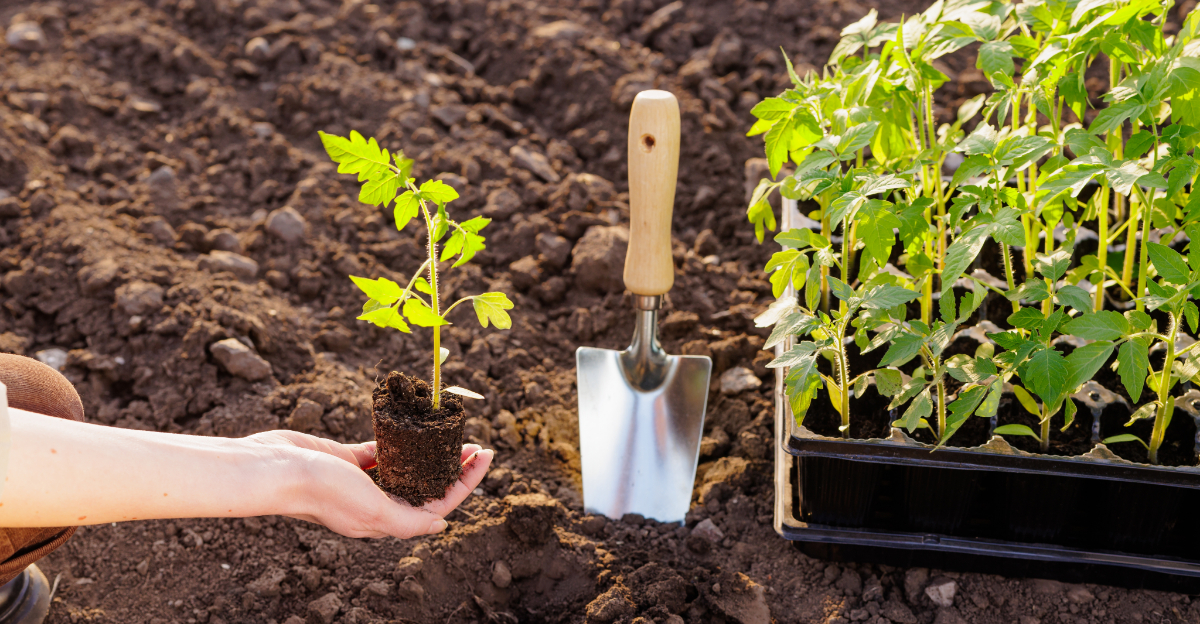
If you’ve been gardening in Ohio for a while, you know the excitement of spring – finally, the snow has melted, and it’s time to get your hands dirty. But before you rush to plant that beautiful new garden, there’s one mistake many Ohio gardeners make early in the season that can set you back.
You’ve probably made it before, or seen someone else do it: planting too early.
In Ohio, the spring weather can be unpredictable, and planting too soon can lead to disappointment. Whether it’s frost damage or poorly prepared soil, the wrong timing can ruin all your hard work.
But don’t worry – it’s easy to avoid this mistake with just a little knowledge about the right time to plant.
So, before you grab that shovel, take a moment to think about the timing. Knowing when to wait can make all the difference, ensuring your plants get the best possible start this season.
1. Planting Too Early Before Soil Has Warmed Enough
When Ohio gardeners are eager to get seeds in the ground, they often overlook how much soil temperature matters. Just because the calendar says spring doesn’t mean the soil is ready to support healthy plant growth.
Cold soil slows down seed germination, weakens root development, and leaves young plants struggling right from the start.
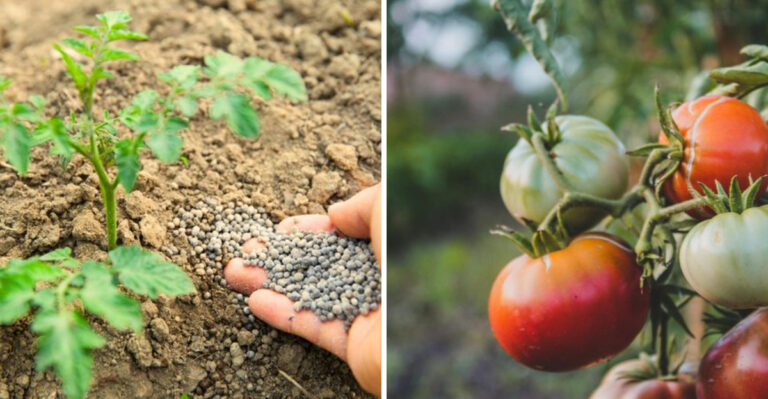
In Ohio, soil temperatures can stay below 50 degrees Fahrenheit well into April, especially in northern parts of the state near Cleveland or Toledo. Most vegetable seeds need soil consistently at or above 50 degrees to sprout properly, and warm-season crops like tomatoes and peppers prefer temperatures closer to 60 to 65 degrees.
Planting before those thresholds are met often results in seeds sitting dormant in the ground or rotting before they ever sprout.
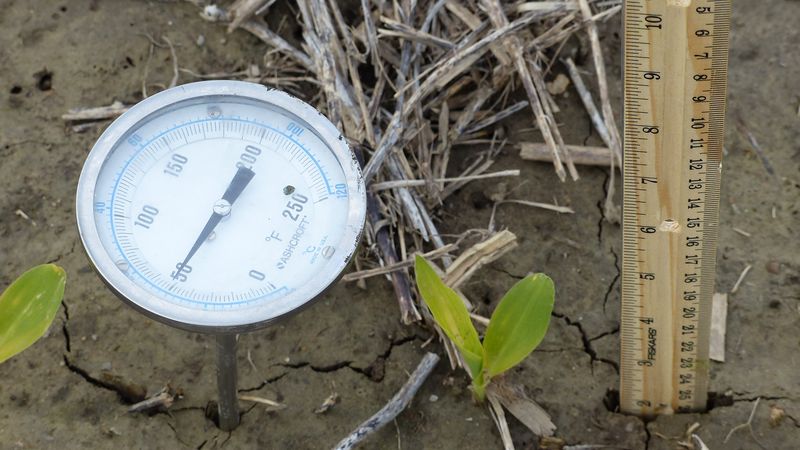
A simple soil thermometer, available at most garden centers, takes the guesswork completely out of this decision. Push the probe a few inches down into your planting bed and check the reading each morning for several days in a row.
Waiting for consistently warm readings protects your investment in seeds and transplants. Ohio State University Extension recommends tracking soil temps rather than relying on air temperature alone, which can be misleading during the state’s famously unpredictable spring season.
2. Working Soil When It’s Too Wet And Compacted
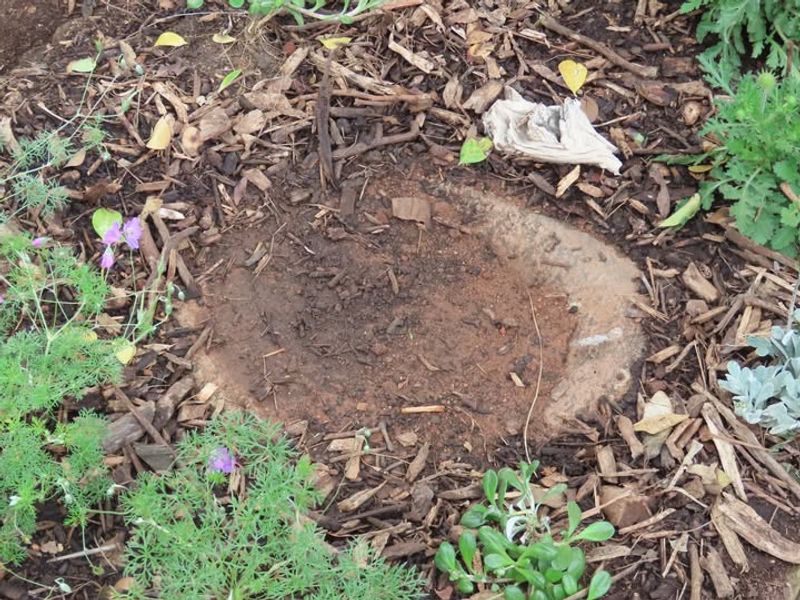
Squeezing a handful of garden soil and watching it hold its shape like a ball of clay is a clear warning sign that you should put the shovel back in the shed. Working wet soil is one of the most damaging things an Ohio gardener can do in early spring, yet it happens constantly because people are simply too eager to wait.
Ohio’s heavy clay soils are especially vulnerable to compaction when they are wet. Tilling, digging, or even walking on saturated soil crushes the tiny air pockets that plant roots depend on for oxygen.
Once compacted, that soil becomes dense and hard, creating conditions where water pools on the surface instead of draining properly, and roots struggle to push through.
A quick test can save your garden a lot of trouble. Grab a small clump of soil from a few inches below the surface and squeeze it firmly in your fist.
Open your hand slowly and give it a gentle poke with your finger. If the clump crumbles apart easily, the soil is ready to work.
If it holds together or smears, step away and give it a few more days to dry out. Patience here pays off with loose, airy soil that gives your plants the best possible foundation for the entire growing season ahead.
3. Skipping A Soil Test Before Planting
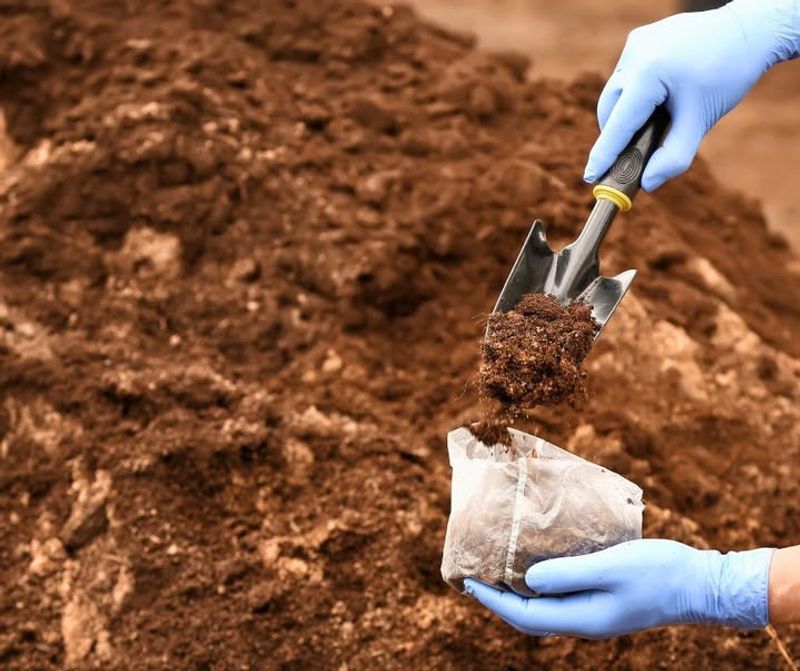
Skipping a soil test might feel like saving time, but it usually ends up costing Ohio gardeners more effort, money, and frustration down the road. Soil testing is genuinely one of the smartest and most affordable things you can do before putting a single seed in the ground each spring.
Ohio soils vary widely from one county to the next. Some areas have naturally acidic soil, while others lean alkaline.
Nutrient levels like nitrogen, phosphorus, and potassium can be wildly out of balance without showing any visible signs on the surface. Plants growing in poorly balanced soil may look weak, produce less fruit, or struggle against pests and disease even when you are doing everything else right.
The Ohio State University Extension office offers affordable soil testing services that give you a detailed breakdown of your soil’s pH and nutrient profile, along with specific recommendations for amendments. Most tests cost less than twenty dollars and can be submitted through your local county extension office.
Results typically come back within a couple of weeks, giving you plenty of time to make adjustments before peak planting season arrives. Adding lime to raise pH, sulfur to lower it, or compost to boost organic matter all become much more targeted and effective when you have real data guiding your decisions rather than just guessing.
4. Planting Warm-Season Crops Before Last Frost Risks Damage
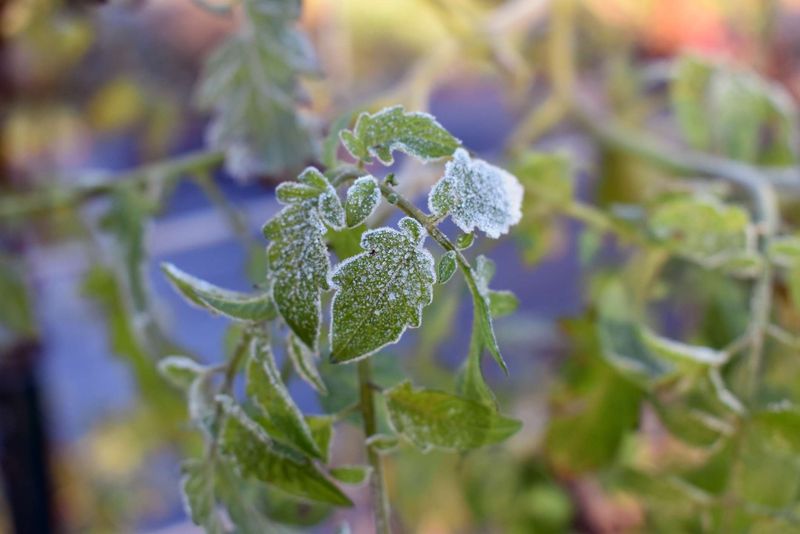
Warm sunny days in March and April can be incredibly deceiving for Ohio gardeners. A stretch of 65-degree afternoons makes it feel like winter is long gone, but Ohio’s last frost date tells a very different story that every gardener in the state needs to respect.
Depending on where you live in Ohio, the average last frost date falls somewhere between late April in the southern part of the state and mid-May in northern areas near Lake Erie. Warm-season crops like tomatoes, peppers, cucumbers, squash, and basil are highly sensitive to frost and can suffer significant leaf and stem damage from even a single cold night below freezing.
That kind of setback can slow a plant’s progress by weeks.
Checking the Old Farmer’s Almanac or the National Weather Service forecast for your specific Ohio zip code gives you a reliable estimate of your local last frost window. Many experienced Ohio gardeners use the rule of waiting until Mother’s Day weekend before transplanting warm-season crops outdoors without any protection.
If you simply cannot wait, having frost cloth or old bedsheets on hand to cover plants on cold nights can offer meaningful protection. Planning around frost dates rather than fighting them is one of the most straightforward ways to protect your garden and keep your growing season on track from the very beginning.
5. Failing To Harden Off Indoor-Started Seedlings Before Transplanting
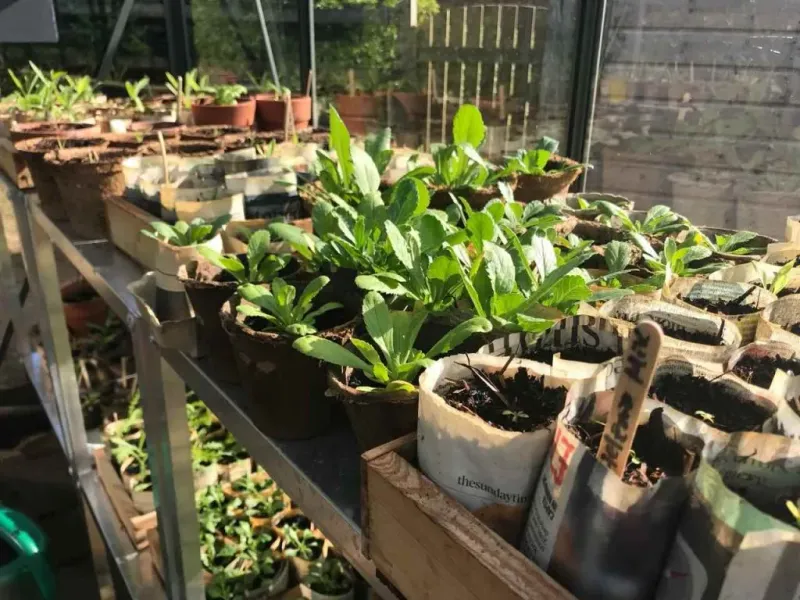
Many gardeners think that growing seedlings indoors under grow lights all winter gives them a head start, but skipping the hardening-off process before transplanting them outside can shock even the healthiest plants. Plants raised indoors have never experienced direct sunlight, wind, or temperature swings, and their tissues are simply not prepared for outdoor conditions without a gradual adjustment period.
Hardening off is the process of slowly introducing indoor-started seedlings to outdoor conditions over a period of seven to fourteen days. Start by placing trays outside in a sheltered, shady spot for just two to three hours on the first day, then gradually increase the time and sun exposure over the following days.
By the end of the process, plants should be spending full days outside and tolerating direct sun without wilting or showing signs of sunscald.
Ohio springs bring a mix of cloudy days and sudden bursts of intense sunshine, which makes this gradual transition especially important for tender plants. Tomatoes, peppers, and herbs are among the most sensitive to transplant shock when hardening is skipped.
Setting up a simple cold frame or using a sheltered porch can make the whole process much easier to manage. Taking those extra two weeks to harden off your seedlings properly means they will establish themselves in the garden far more quickly and grow with noticeably more vigor all season long.
6. Neglecting Proper Soil Preparation And Amendments
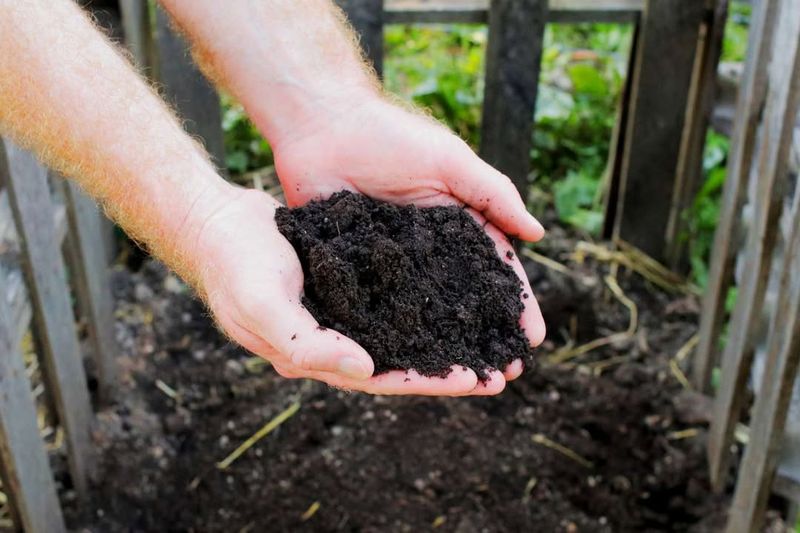
Did you know planting seeds in untouched soil after an Ohio winter leads to disappointing results? Soil preparation is not just a nice extra step; it is the single most important thing you can do to set your plants up for a strong, productive season.
Over winter, Ohio garden beds can become compacted, nutrient-depleted, and unbalanced in pH. Organic matter breaks down over time, and without replenishment, the soil loses the loose, spongy texture that roots love.
Adding a two to three inch layer of finished compost and working it into the top eight to ten inches of soil dramatically improves drainage, aeration, and nutrient availability all at once.
Well-rotted manure, aged leaf compost, and worm castings are all excellent amendments that Ohio gardeners can find locally or make at home through backyard composting. Even a modest addition of organic matter each spring adds up to noticeably richer, more productive soil over several growing seasons.
Raised beds especially benefit from annual topping off with fresh compost, since they tend to settle and compact more quickly than in-ground beds. Spending a weekend on thorough soil prep before planting is one of those investments that pays back many times over in stronger plants, bigger harvests, and far fewer problems with pests and disease throughout the Ohio growing season.
7. Forgetting To Improve Drainage In Heavy Clays Before Planting
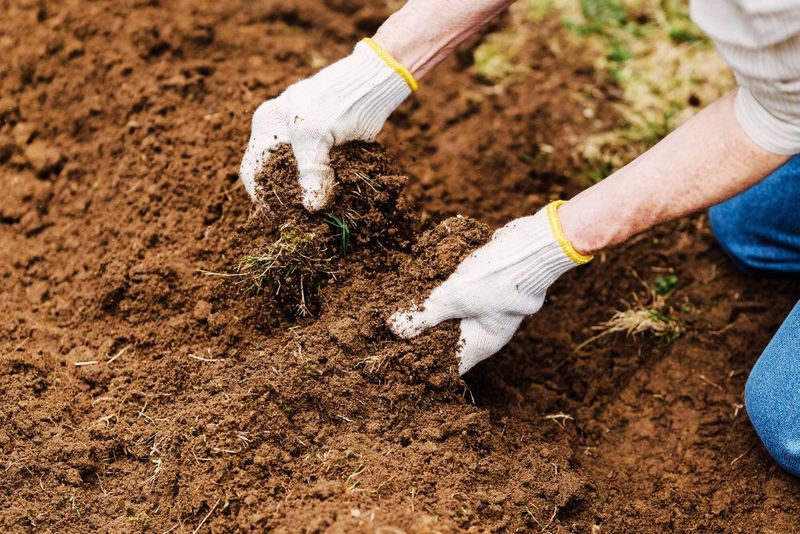
Standing water pooling in garden beds after a spring rain is not just an inconvenience; it is a serious warning that your soil needs attention before you plant anything. Heavy clay soil is extremely common across much of Ohio, and poor drainage is one of the top reasons that otherwise well-cared-for gardens underperform year after year.
Clay particles pack tightly together, leaving little room for air or water to move through freely. Roots sitting in waterlogged soil cannot access the oxygen they need, which leads to weak, stunted growth and makes plants far more vulnerable to fungal root diseases.
The problem gets worse in low-lying spots of the yard where water naturally collects after heavy rains, which Ohio gets plenty of during spring.
Improving drainage in clay soil takes some effort but makes a lasting difference. Adding coarse sand, perlite, or grit along with generous amounts of compost helps break up the dense clay structure and create better pore space for drainage.
Raised beds are another excellent solution, allowing you to build a growing environment with well-draining soil entirely above the native clay layer. For persistently wet areas, installing a simple French drain or redirecting downspouts away from garden beds can resolve chronic drainage issues.
Ohio gardeners who address drainage problems before planting enjoy healthier root systems, better water management, and significantly more productive gardens throughout the spring and summer growing season.
8. Overeager Mulch Removal Or Placement Too Early
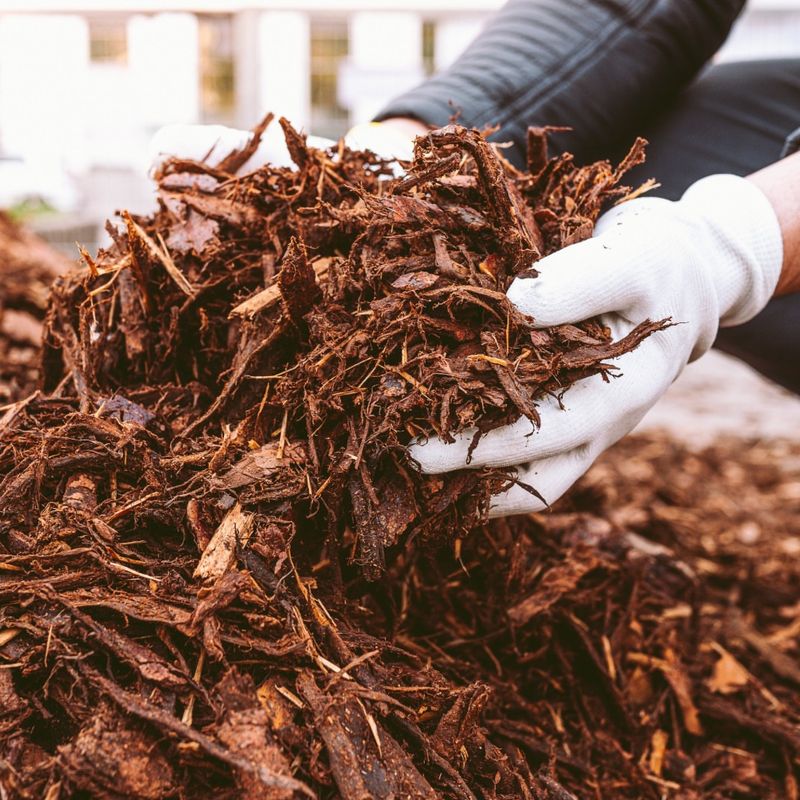
There is a real temptation to rip back all the mulch from your garden beds the moment February ends and the first warm weekend arrives in Ohio. It feels productive and satisfying, but pulling mulch too early, or adding fresh mulch before the soil has warmed, can actually slow your garden down rather than helping it along.
Mulch acts as an insulator in both directions. In winter, it protects plant roots from extreme cold.
In early spring, it traps cold soil temperatures underneath, preventing the ground from warming up as quickly as it would with direct sun exposure. Removing mulch too abruptly also exposes tender perennial crowns and emerging bulbs to sudden temperature swings that can cause frost damage on cold nights that Ohio commonly sees well into April.
The smart approach is a gradual one. Start by pulling back mulch from the crowns of perennials and the base of shrubs on mild days, allowing air and sunlight to reach the soil.
Leave some mulch loosely in place between plants to suppress early weeds while the soil continues to warm. Wait until nighttime temperatures are consistently staying above freezing before removing winter mulch entirely.
Fresh mulch for the new season should be applied after the soil has warmed and your transplants are established, typically late May in most parts of Ohio. That timing gives you weed suppression and moisture retention without sacrificing soil warmth when your garden needs it most.