Bird Feeders Can Attract Rats In North Carolina, Here’s What Actually Causes The Problem
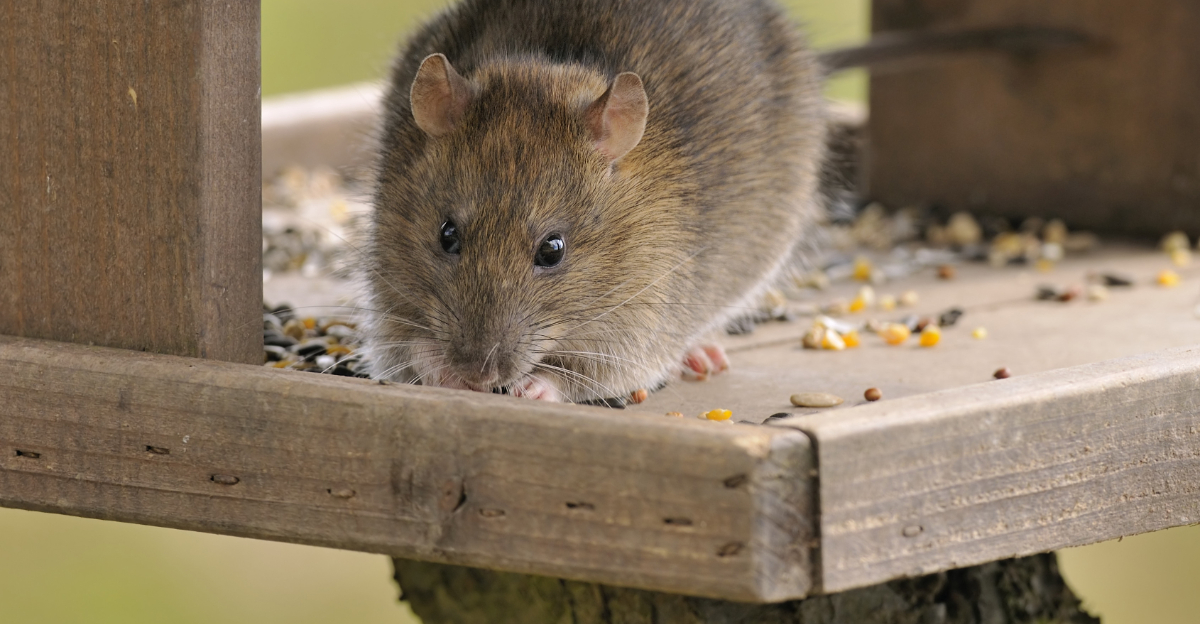
A bird feeder can turn any yard into a lively space filled with color and movement. In North Carolina, many people enjoy watching birds gather each day, bringing a sense of calm and connection to nature.
But lately, there has been growing concern about an unexpected visitor showing up around these feeders.
Some believe bird feeders are the reason rats appear, but the real cause is often misunderstood. The problem usually starts with what falls to the ground.
Uneaten seeds, low quality mixes, and scattered food can create an easy snack for animals that are always searching for their next meal. Over time, this can attract more than just birds.
The good news is that a few simple changes can make a big difference. Once you understand what is really happening, you can keep your yard inviting for birds while avoiding unwanted guests.
1. Spilled Seed On The Ground Is The Main Attraction
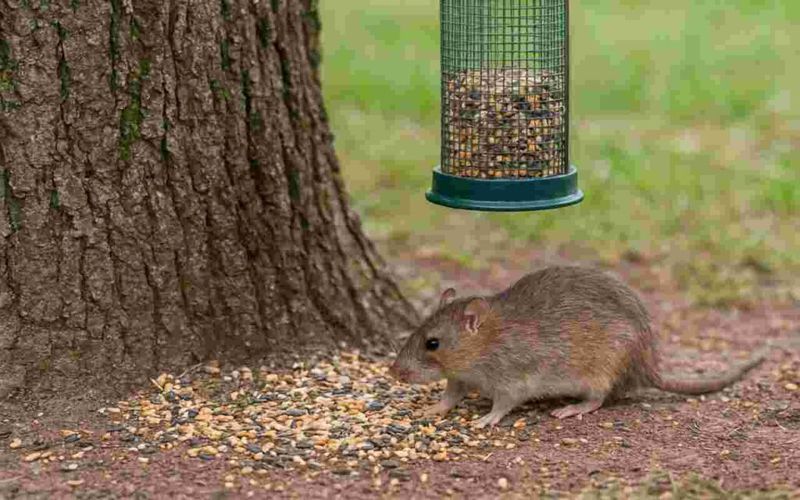
Walk outside on any morning in a North Carolina yard and you might notice a surprising amount of seed scattered across the ground beneath your feeder.
Most standard feeders, including tube styles and hopper designs, allow seed to spill out as birds feed and sort through the mix.
That loose seed lands on the soil and sits there, creating a reliable buffet that is completely free and easy to access.
Rats are opportunistic eaters, and a steady pile of seed on the ground is exactly the kind of low-effort meal they look for.
In North Carolina, mild winters across the Piedmont and Coastal Plain regions mean rodents stay active throughout the year rather than slowing down in cold months.
That makes spilled seed a consistent problem in every season, not just summer. One of the first signs something is going on is small digging patches near the base of the feeder or tiny tracks in soft soil.
Adding a seed catcher tray beneath your feeder traps falling seed before it hits the ground. Choosing a feeder with a weighted perch that closes under heavier animals also helps.
Sweeping up leftover seed each evening takes only a minute and makes a noticeable difference in keeping your North Carolina yard rodent-free.
2. Feeding Too Much Creates A Constant Food Supply
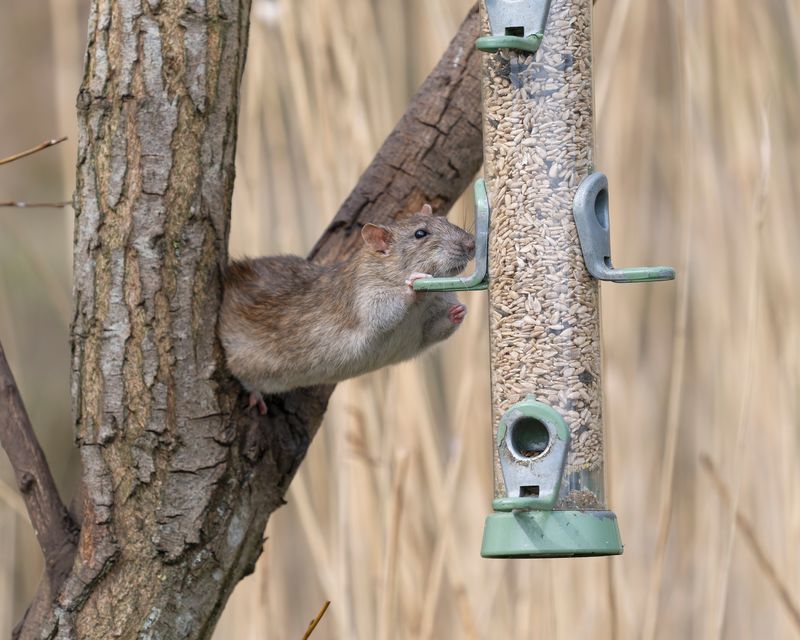
Overfilling a bird feeder feels generous, but it quietly creates one of the biggest rodent problems North Carolina yard owners face.
When more seed goes in than birds can eat in a single day, the extra sits in the feeder and eventually falls to the ground.
Once it accumulates below, it becomes a constant food source available morning, afternoon, and all through the night.
Rats do not need much encouragement to move into a new area. A regular food supply is enough to bring them in and keep them coming back.
North Carolina’s warm and humid climate supports rodent activity across all four seasons, so there is rarely a time when overfilling a feeder becomes a safe habit.
Portion control is one of the most practical tools any bird lover can use. Try filling your feeder only with what your local birds finish within a few hours.
Watching seed levels over a few days will help you figure out the right amount for your specific yard and bird population.
Setting a feeding schedule, such as morning fills only, also helps reduce the chance of leftover seed sitting overnight.
Small adjustments to how much you put out each day can dramatically cut down on the food buildup that brings rodents into your North Carolina outdoor space.
3. Certain Seed Types Are More Likely To Attract Rodents
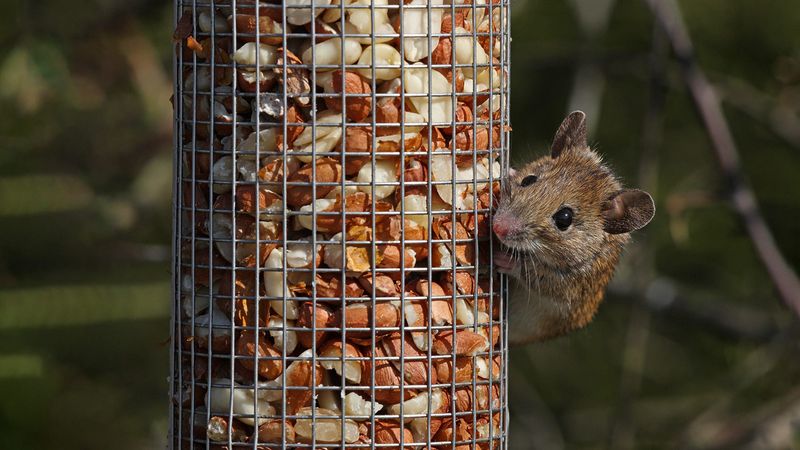
Not all bird seed is created equal, and the type you choose can have a big impact on whether rodents show up in your North Carolina yard.
Budget-friendly seed mixes often include fillers like millet, milo, and cracked corn. Many backyard birds, especially those common to the Carolinas, pick through these mixes and toss the less desirable pieces out of the feeder entirely.
Those rejected seeds land on the ground and pile up fast. Cracked corn is a particular favorite among rodents because it is calorie-dense and easy to eat quickly.
Milo is another filler that birds frequently ignore but rats find appealing. Buying a cheap mix to save money often ends up costing more in the long run when it comes to managing a rodent situation.
Switching to a no-waste or single-ingredient seed option is a practical upgrade worth considering.
Straight black oil sunflower seeds are a top choice because most birds native to North Carolina love them and very little goes to waste.
Nyjer seed, also called thistle, is another clean option that finches adore and rodents tend to ignore. Shelled peanuts in small amounts also work well.
Choosing quality seed that birds actually eat means less ends up on the ground, which directly reduces the food signal that draws rodents toward your feeder in the first place.
4. Feeders Placed Near Cover Make It Easy For Rats To Hide
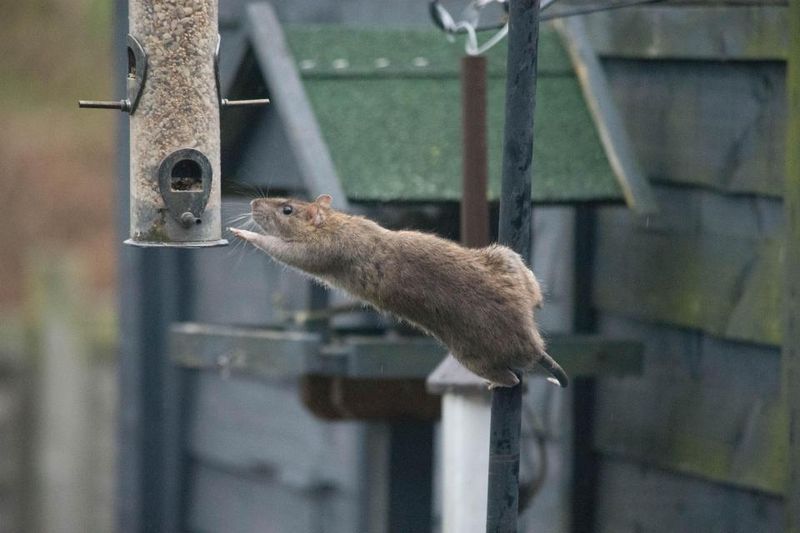
Placement matters more than most people realize when it comes to managing rodents around bird feeders in North Carolina.
A feeder hanging just a few feet from a dense shrub, a stack of firewood, or the side of a shed gives rats exactly what they need, which is both food and shelter within a very short distance of each other.
That combination is nearly irresistible for a rodent looking to set up a routine. North Carolina’s humid climate encourages thick vegetation growth, especially in the Piedmont and coastal areas where overgrown borders and layered landscaping are common.
Dense ground cover provides quick escape routes and hidden nesting spots right next to a food source.
Rats feel safe when they can move between cover and food without spending much time in the open.
Moving your feeder to a more open area of the yard creates a noticeable change in rodent behavior.
A spot with at least ten feet of clear space in every direction removes the shelter advantage that makes feeders near cover so attractive.
Mounting feeders on smooth metal poles rather than hanging them near trees or fences also helps, since rats climb rough surfaces easily.
Keeping shrubs trimmed back and removing brush piles near feeding areas are simple steps that make your North Carolina yard significantly less inviting to unwanted visitors.
5. Ground Feeding Encourages Rodent Activity
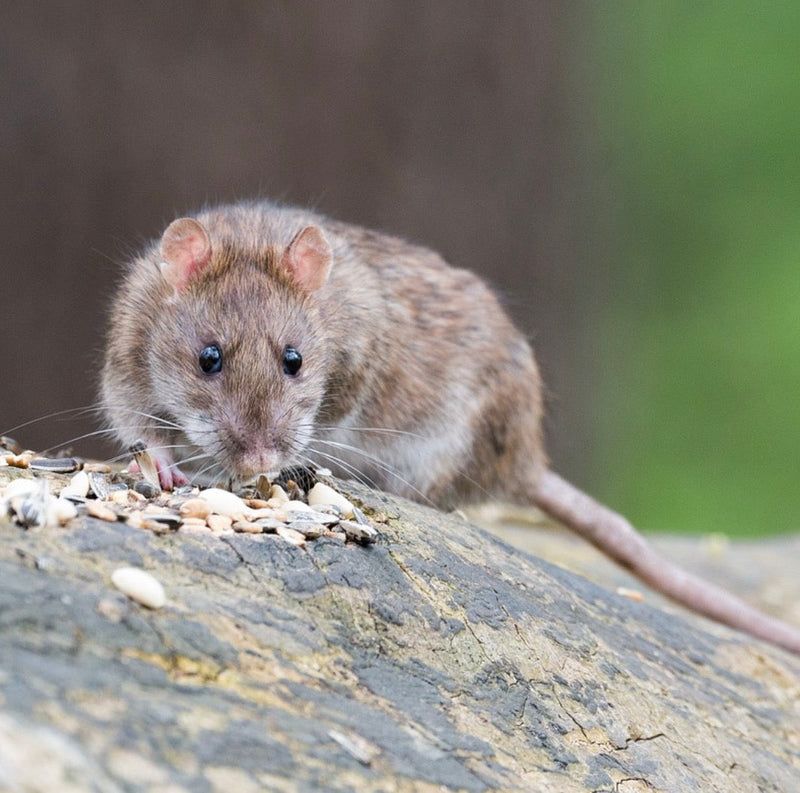
Some bird enthusiasts enjoy scattering seed directly on the ground to attract species like doves and sparrows that prefer feeding low.
While that approach does bring in certain birds, it also creates one of the most rodent-friendly setups possible in a North Carolina yard.
Seed sitting flat on the ground at all hours is about as easy as it gets for any rat passing through the area.
Ground feeding removes nearly every barrier that might slow a rodent down. There is no feeder to navigate, no pole to climb, and no tray to tip. The food is simply there, spread out and accessible from any direction.
In a state like North Carolina where the climate keeps rodents active year-round, this type of setup can quickly build a pattern of regular visits that becomes harder to disrupt over time.
Switching to an elevated feeder is one of the most effective changes you can make. Even a standard hanging feeder or a pole-mounted design keeps the main food source off the ground and harder to reach without effort.
If you still want to attract ground-feeding birds, try using a small, raised platform feeder placed on a smooth metal pole with a baffle.
Keeping the feeding area tidy and pulling up any leftover seed at the end of each day also helps you stay ahead of the problem in your North Carolina outdoor space.
6. Poor Feeder Maintenance Allows Food To Build Up
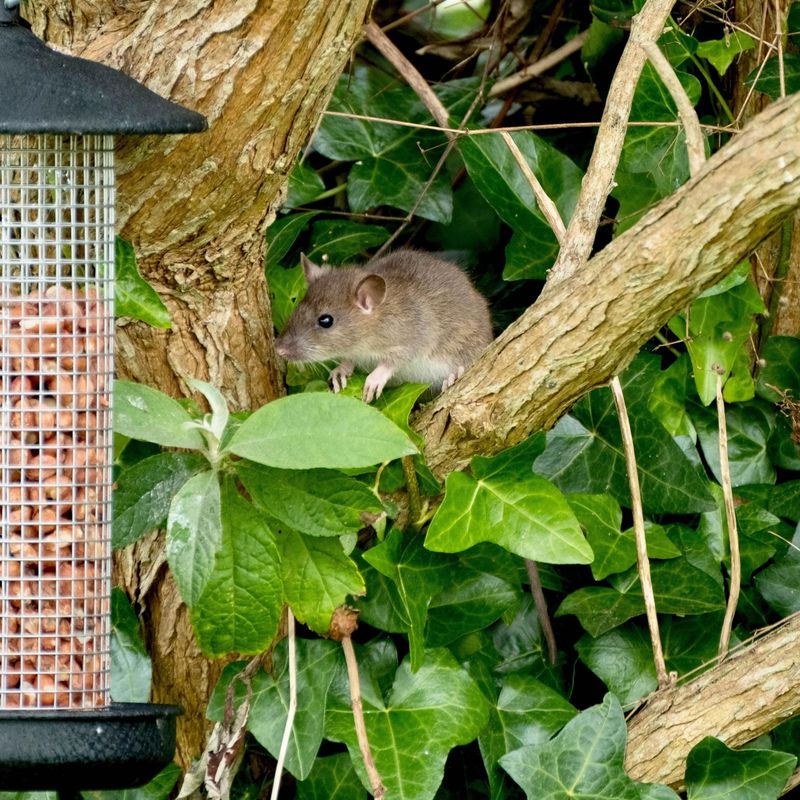
A feeder that never gets cleaned is quietly working against you, especially in a place like North Carolina where humidity is part of everyday life.
Old seed mixes with moisture inside the feeder and forms dense clumps that birds will not eat.
Those soggy clumps fall to the ground or stay packed inside, and either way they become a slow-building food source that rodents are happy to take advantage of. Seed hulls accumulate fast beneath active feeders.
Sunflower shells in particular pile up into thick layers that hold moisture, attract insects, and create a rich-smelling mess right below the feeding station.
That combination of smell and material draws in rats that are always on the lookout for something easy to eat.
North Carolina’s warm, wet summers make this buildup happen faster than it would in drier climates. Setting a regular cleaning routine keeps everything under control without much effort.
A quick wipe-down of the feeder interior every week or two prevents clumping and removes old seed before it spoils.
A deeper wash with mild soap and a rinse every month keeps bacteria and mold from building up inside.
Raking or sweeping the ground beneath the feeder every few days removes hulls and debris before they accumulate into a problem.
Small, consistent habits like these go a long way toward keeping your North Carolina feeding station clean and rodent-resistant all year.
7. Nearby Nesting Areas Support Ongoing Rodent Activity
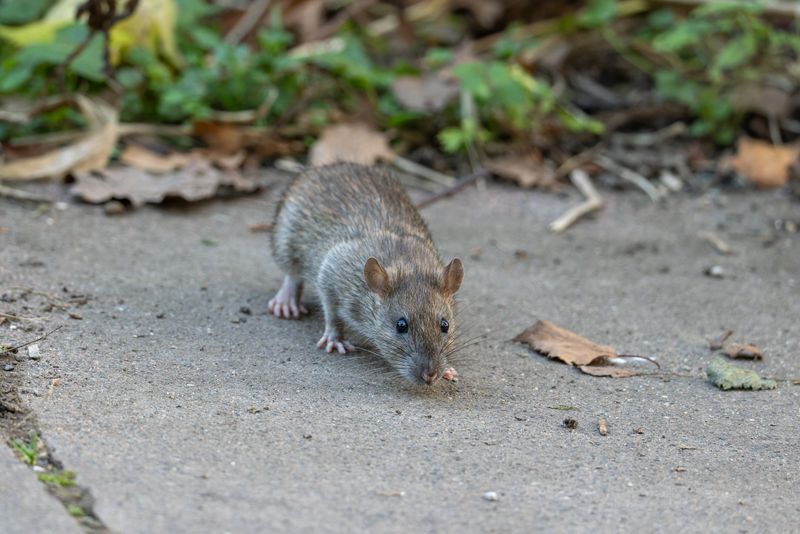
Food alone does not keep rodents around for the long term. What turns a brief visit into a full-time problem is when shelter sits close to the food source.
In many North Carolina yards, that shelter is easier to find than most homeowners realize.
Crawl spaces under older homes, gaps in sheds, dense ornamental grasses, brush piles left from yard cleanup, and stacked lumber all serve as excellent nesting spots for rats.
When a rat can eat from your feeder and retreat to a cozy hiding spot just a few yards away, it has every reason to stay.
North Carolina’s mild temperatures and generous rainfall support thick vegetation that provides cover almost year-round.
That means even a yard that looks tidy on the surface can still offer plenty of hidden nesting opportunities close to a bird feeding area.
Reducing available shelter is just as important as managing the food source itself. Start by walking your yard and identifying spots where debris has piled up or where gaps in structures could offer entry.
Clear away dead brush, move woodpiles away from the house, and trim ornamental grasses that have grown thick enough to hide small animals.
Sealing openings in sheds and checking the foundation of your home for gaps also removes potential nesting sites.
Taking these steps alongside good feeder management gives you the best chance of keeping your North Carolina yard enjoyable for birds and free from uninvited rodents.