10 Bird-Friendly Habits California Gardeners Rely On To Protect Backyard Birds
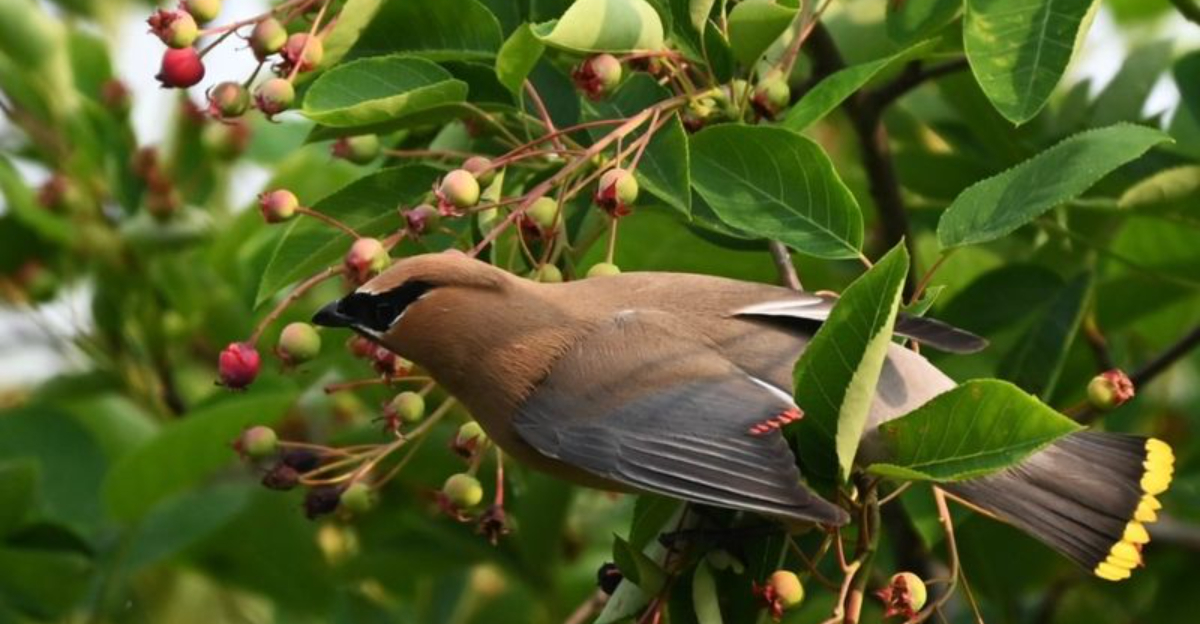
California gardens are full of color and life, but backyard birds face many challenges—from predators to habitat loss and harsh weather.
Thoughtful gardeners are making small, intentional changes that keep feathered friends safe while enhancing their own outdoor spaces.
Your garden can be a safe haven for birds—all it takes is the right habits! These habits include providing clean water sources, planting native species, creating shelter, avoiding pesticides, and offering seasonal food.
Simple steps like these not only attract more birds but also help maintain healthy populations and a balanced ecosystem.
Even small actions, like keeping cats indoors or creating brush piles, make a huge difference. Protecting birds doesn’t have to be complicated—it’s the little things that count.
California gardeners who adopt these strategies enjoy lively, thriving backyards filled with chirping, colorful birds while contributing to local wildlife conservation. Small changes, big impact, your garden can become a bird paradise!
1. Planting Native California Shrubs And Trees
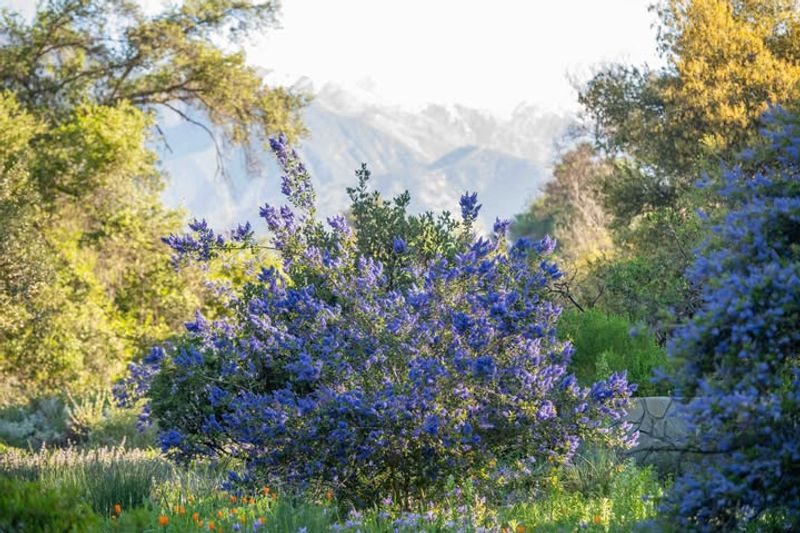
Native plants form the backbone of any truly bird-friendly California garden because they evolved alongside local bird populations over thousands of years.
Species like toyon, California lilac, and elderberry produce berries that migrating and resident birds recognize as reliable food sources, while native oaks support hundreds of insect species that birds depend on for protein-rich meals.
Unlike ornamental exotics that often fail to support local wildlife, native shrubs and trees create a complete ecosystem where birds can thrive naturally.
Gardeners who prioritize natives find their yards buzzing with activity as birds visit for seeds, berries, nectar, and the countless caterpillars and beetles that native foliage supports.
These plants also provide natural nesting materials like twigs, grasses, and soft fibers that birds gather during breeding season.
California fuchsia offers late-season nectar for hummingbirds, while manzanita berries sustain waxwings and thrushes through winter months.
Choosing natives means less water, fewer fertilizers, and healthier soil, which all contribute to a safer environment for birds.
Native plants are adapted to California’s dry summers and wet winters, so they require minimal intervention once established.
By planting a diverse mix of native shrubs and trees, you create layered habitats that shelter birds from predators and harsh weather while offering food throughout the year.
2. Leaving Seed Heads And Berries Through Winter
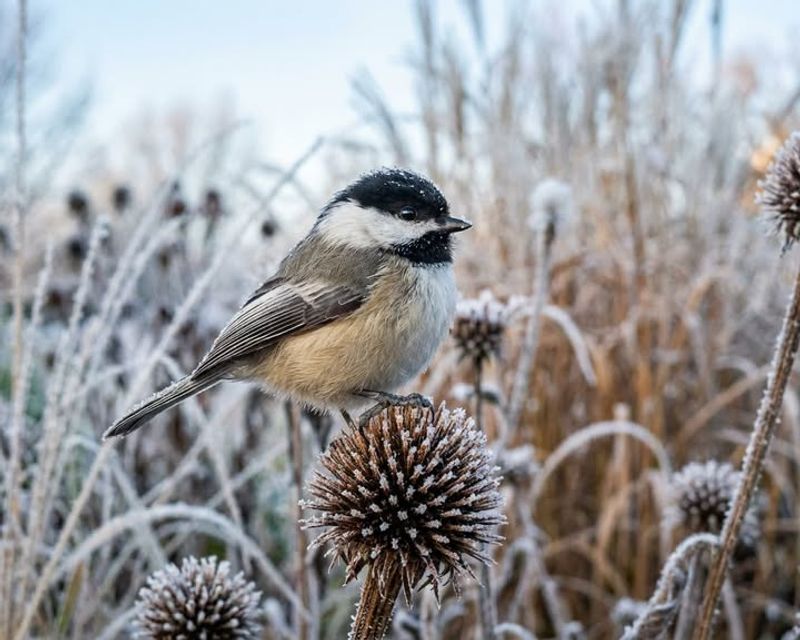
Many gardeners instinctively tidy up their gardens as autumn arrives, trimming back spent flowers and removing faded foliage.
However, bird-friendly gardeners understand that those dried seed heads and lingering berries represent critical winter food supplies for finches, sparrows, and other seed-loving species.
Coneflowers, sunflowers, and native grasses all produce seeds that sustain birds when other food sources become scarce during California’s cooler months.
Rather than cutting back every plant before winter, consider leaving seed-producing perennials standing until early spring.
Goldfinches adore coneflower and sunflower seeds, while towhees scratch beneath plants to find dropped seeds hidden in leaf litter.
Berries from native shrubs like coffeeberry and holly-leaf cherry remain on branches well into winter, offering vital nutrition when insects become less abundant and nectar sources disappear.
This practice also reduces garden maintenance while supporting birds through their most challenging season.
Seed heads add winter interest to your landscape with their sculptural forms and frost-kissed beauty, proving that conservation and aesthetics can coexist beautifully.
When spring arrives and birds begin nesting, you can gently trim back old growth, knowing you provided essential support during the lean months when birds needed it most.
3. Providing Clean, Shallow Water Sources
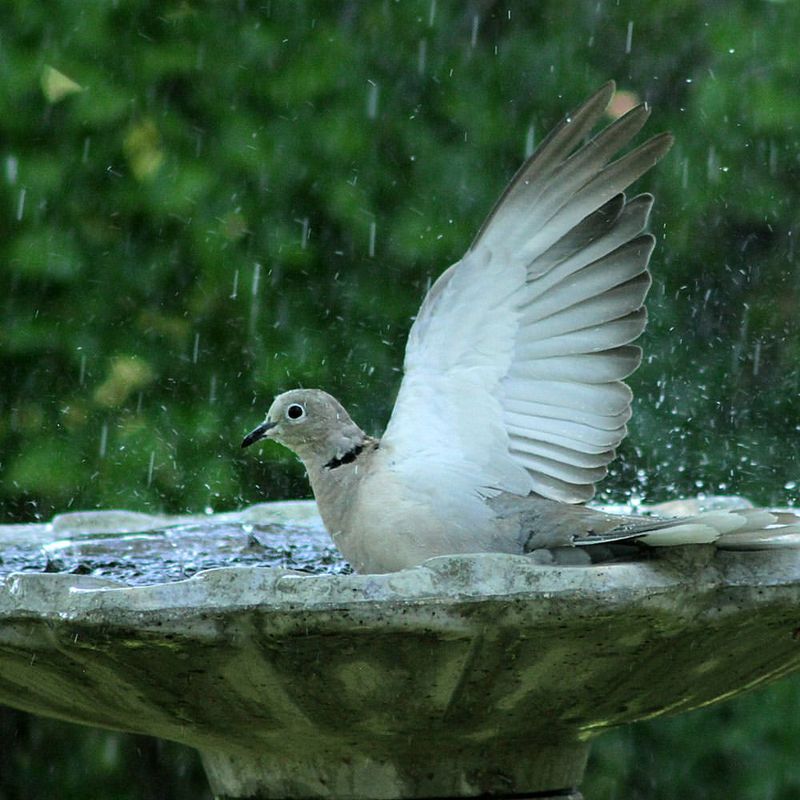
Water ranks among the most important resources you can offer backyard birds, especially in California’s often arid climate where natural water sources may be limited or seasonal.
Birds need water not just for drinking but also for bathing, which keeps their feathers in top condition for flight and insulation.
A simple birdbath, shallow dish, or fountain can transform your garden into a bird magnet, attracting species that might never visit a feeder.
Shallow water works best because most songbirds prefer depths of just one to two inches where they can wade safely without risk.
Adding a few stones or pebbles creates different depth options and provides secure perching spots.
Moving water proves especially attractive to birds, so consider adding a small fountain, dripper, or bubbler that creates gentle ripples and sounds that birds can hear from a distance.
Regular cleaning prevents the spread of diseases that can affect bird populations, so scrub your water features at least twice weekly with a brush and rinse thoroughly.
During hot summer months, refill water daily as it evaporates quickly and can become too warm for birds to use comfortably.
Position water sources near shrubs or trees where birds can retreat quickly if predators approach, but keep them away from dense cover where cats might hide and ambush drinking birds.
4. Avoiding Chemical Pesticides And Herbicides
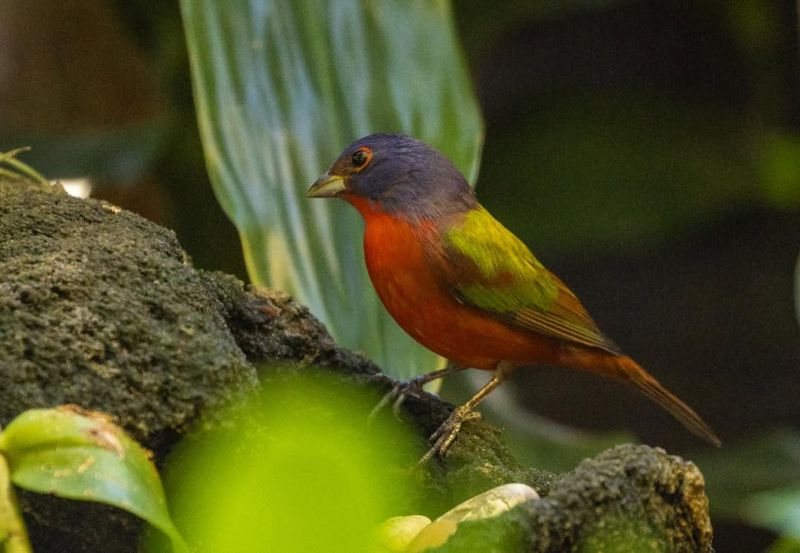
Chemical pesticides and herbicides might promise quick solutions to garden pests and weeds, but they create devastating consequences throughout the entire food web that birds depend on for survival.
When you spray chemicals to eliminate aphids, caterpillars, or beetles, you remove the primary food source for countless bird species that need protein-rich insects to feed their growing chicks.
Even small amounts of pesticide residue can accumulate in birds’ bodies over time, weakening their immune systems and reducing reproductive success.
Birds are incredibly effective natural pest controllers when given the chance to do their job.
A single chickadee family can consume thousands of caterpillars and insects during nesting season, while warblers patrol foliage for aphids and beetles.
By skipping chemicals and tolerating a few chewed leaves, you allow beneficial predator-prey relationships to balance naturally, creating a healthier ecosystem where birds thrive.
California gardeners committed to bird protection embrace organic alternatives like companion planting, hand-picking larger pests, encouraging beneficial insects, and accepting that some plant damage is normal in a living landscape.
Native plants typically resist local pests better than exotics, reducing the temptation to reach for chemical solutions.
When you garden without poisons, you create a safe haven where birds can forage freely, raising healthy families while keeping your garden’s insect populations in natural check.
5. Planting For Year-Round Bloom And Fruit
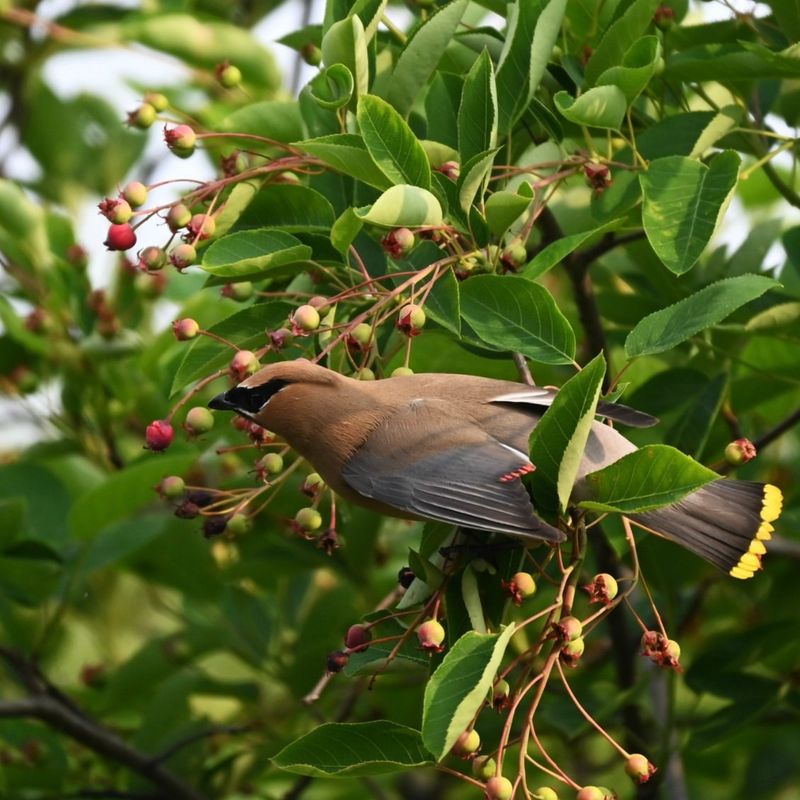
Strategic planting ensures that your garden offers continuous food sources throughout every season, supporting both resident birds and the many migratory species that pass through California during spring and fall.
By selecting plants with staggered bloom times and fruiting periods, you create a reliable buffet where birds always find something to eat, whether they seek nectar, seeds, berries, or the insects attracted to flowering plants.
Spring bloomers like native currants and manzanitas provide early nectar for hummingbirds returning from their winter territories, while summer flowers such as California fuchsia and salvias keep the feast going through hot months.
Autumn brings berry crops from toyon and coffeeberry that fuel birds preparing for migration or facing winter, and even winter offers resources when plants like silk tassel and manzanita bloom during the cooler months.
This approach benefits birds while creating a garden that looks beautiful and stays active year-round.
Rather than planting everything that blooms in spring, spread your selections across the calendar so something is always flowering or fruiting.
Research which plants serve birds during each season in your specific California region, as coastal, inland, and mountain areas have different growing patterns.
Year-round planting demonstrates true commitment to bird conservation while rewarding you with constant garden interest and the joy of watching diverse species visit throughout every month.
6. Leaving Some Leaf Litter And Natural Debris
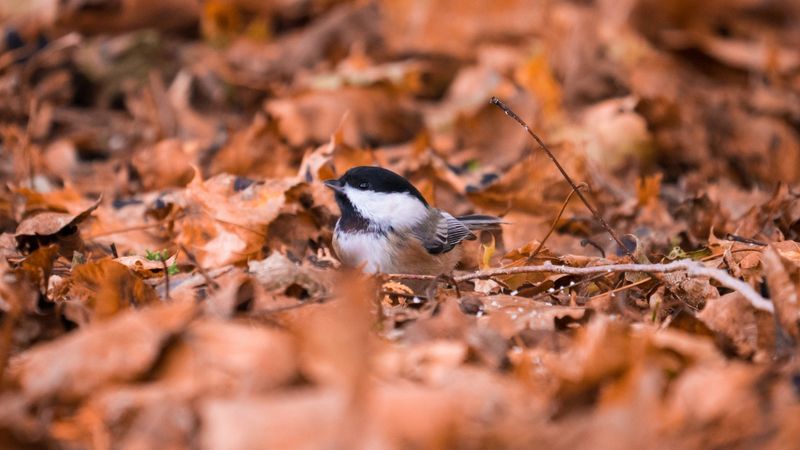
Fallen leaves, small twigs, and bits of bark might look messy to tidy gardeners, but these natural materials create essential habitat for the insects and invertebrates that ground-feeding birds rely on for food.
Towhees, thrashers, and sparrows spend much of their time scratching through leaf litter, uncovering beetles, spiders, worms, and other protein-rich creatures hiding beneath the decomposing layers.
Wrens and thrushes also patrol these areas, flipping leaves with their beaks to reveal hidden meals.
Rather than raking every leaf and hauling it away, consider leaving natural debris in garden beds, under shrubs, and along fence lines where it won’t interfere with pathways or lawn areas.
As leaves break down, they enrich your soil with organic matter, suppress weeds, and retain moisture during dry periods, benefiting your plants while supporting birds.
This practice also saves you time and effort while creating a more naturalistic landscape that functions like a healthy ecosystem.
You can manage the appearance by containing leaf litter in designated areas or under larger shrubs where it looks intentional rather than neglected.
Many California native plants naturally drop leaves and bark, creating their own mulch layer that protects roots and supports soil life.
By embracing some natural messiness, you provide crucial foraging habitat for birds while reducing yard work and improving your garden’s overall health and resilience.
7. Installing Bird-Safe Feeders And Cleaning Them Regularly
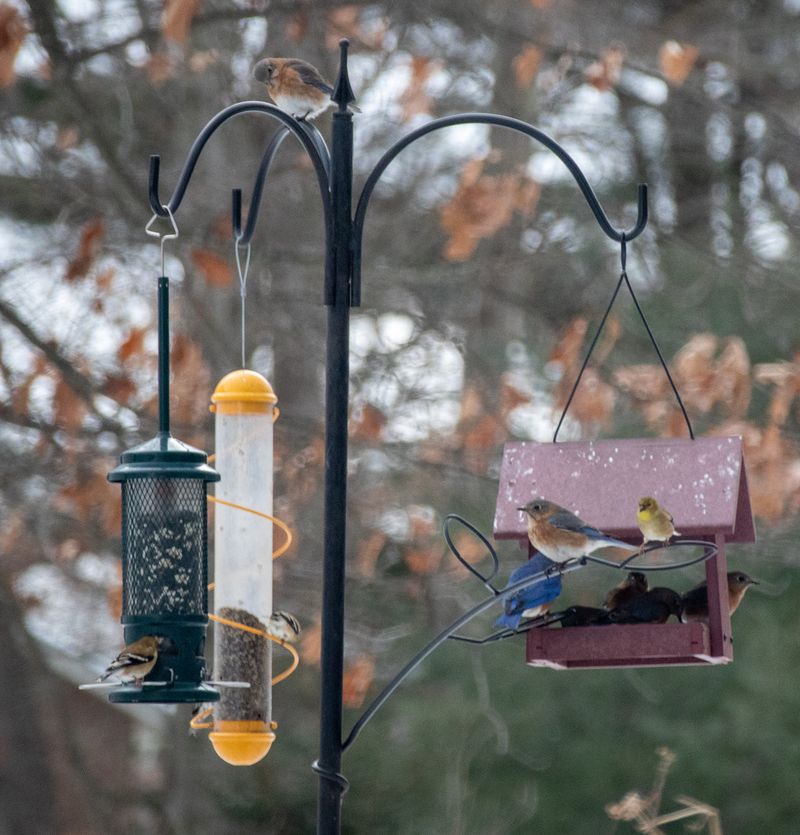
Bird feeders can supplement natural food sources and bring amazing wildlife viewing opportunities right to your window, but only when maintained properly do they truly benefit birds rather than harm them.
Feeders that go uncleaned become breeding grounds for bacteria, fungi, and diseases like salmonella that spread quickly among bird populations when infected individuals contaminate shared feeding stations.
Regular cleaning with hot soapy water, followed by thorough rinsing and complete drying, prevents these dangerous outbreaks.
Feeder placement matters tremendously for bird safety and feeding success.
Position feeders near enough to trees or shrubs that birds can retreat quickly from hawks or other predators, but far enough that cats cannot use the cover to launch surprise attacks.
Tube feeders work well for small songbirds, while platform feeders accommodate larger species, and specialized feeders serve hummingbirds or suet-loving woodpeckers.
Clean feeders at least every two weeks during regular use, and more frequently during wet weather when mold develops faster.
Discard any seed that looks moldy, clumped, or has been sitting too long, as spoiled food can make birds sick.
Store seed in sealed containers to keep it fresh and prevent rodent problems.
When feeders are clean, properly placed, and filled with fresh food, they become valuable resources that help birds survive challenging periods while giving you front-row seats to observe their fascinating behaviors and beautiful plumage.
8. Keeping Cats Indoors Or Using Cat Enclosures
Free-roaming cats represent one of the most significant threats to bird populations across North America, including California, where they catch billions of birds annually.
Even well-fed pet cats retain strong hunting instincts and will stalk and capture birds simply because their predatory drive remains active.
Outdoor cats also face serious dangers themselves, including traffic, disease, and conflicts with wildlife, making indoor life safer and healthier for felines while protecting birds.
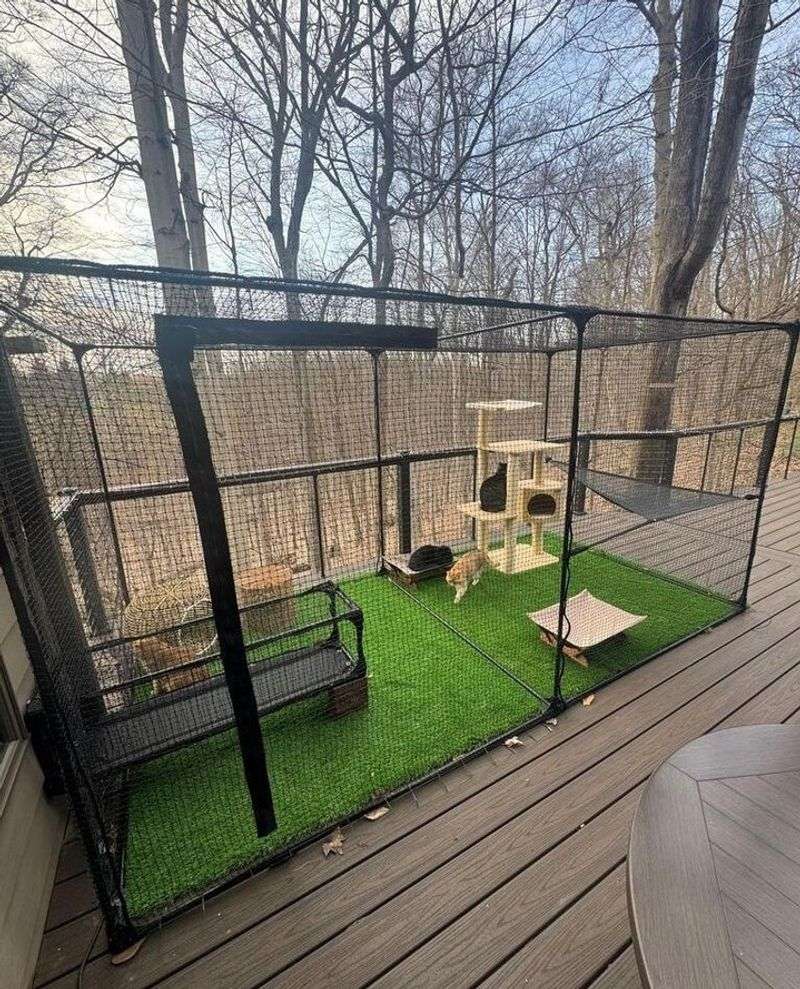
California gardeners serious about bird conservation keep their cats indoors full-time or provide secure outdoor enclosures called catios where cats can enjoy fresh air and sunshine without threatening wildlife.
These enclosed spaces can be simple window boxes or elaborate screened patios, giving cats environmental enrichment while keeping birds safe.
Catios satisfy cats’ curiosity and desire for outdoor stimulation while preventing the ecological damage that free-roaming cats cause.
If your cat currently goes outside, transition them gradually by making indoor life more engaging with climbing structures, window perches overlooking bird feeders, and interactive play sessions.
Leash training allows some cats to explore outdoors safely under supervision.
When neighbors’ cats visit your yard, motion-activated sprinklers or ultrasonic deterrents can discourage them without causing harm.
By keeping cats contained, you protect not just birds but also beneficial insects, small mammals, and reptiles, allowing your garden to function as the wildlife sanctuary you intend it to be.
9. Avoiding Tree And Shrub Pruning During Nesting Season
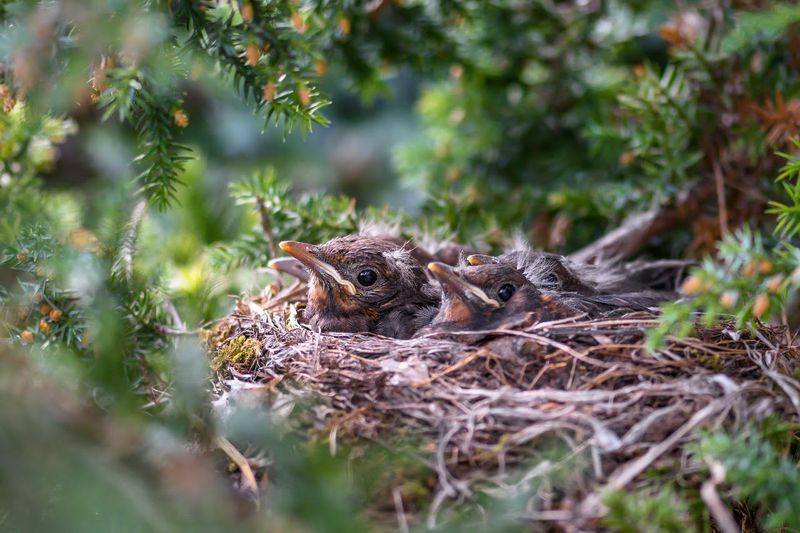
California’s bird nesting season typically runs from February through August, though exact timing varies by region and species, with some birds beginning as early as January in warmer coastal areas.
During these critical months, birds build nests, lay eggs, and raise their young in trees, shrubs, and dense vegetation throughout gardens and natural areas.
Pruning during this period can destroy active nests, expose vulnerable chicks to predators and weather, or cause parent birds to abandon their nesting attempts, resulting in failed reproduction.
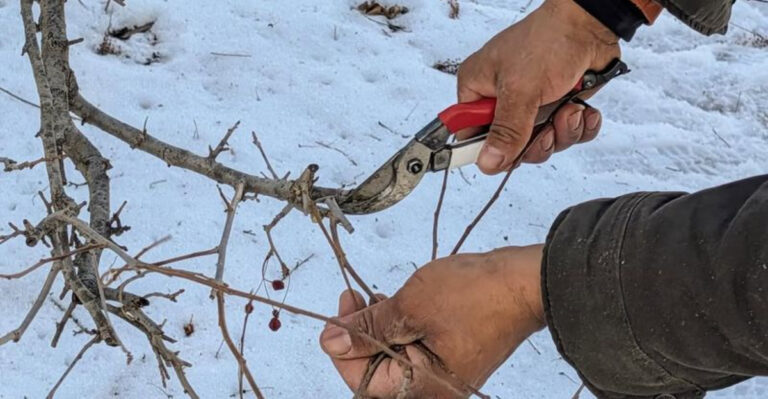
Bird-conscious gardeners schedule major pruning work for late fall through early winter when nesting activities have concluded and birds have dispersed.
If you must trim something during nesting season, carefully inspect the plant first for any signs of nests, including small cup-shaped structures, accumulated twigs, or anxious parent birds scolding nearby.
Even if you don’t see a nest, birds often hide them remarkably well, so it’s safest to postpone non-essential pruning until autumn.
This simple timing adjustment protects countless nesting attempts while allowing you to maintain your landscape responsibly.
Many birds raise multiple broods throughout the extended California nesting season, so patience pays off in supporting successful reproduction.
Plan your pruning schedule around bird biology rather than just plant needs, and you’ll contribute significantly to maintaining healthy local bird populations while still keeping your garden looking attractive and well-maintained once the nesting season concludes.
10. Creating Shelter With Dense Hedges And Layered Planting
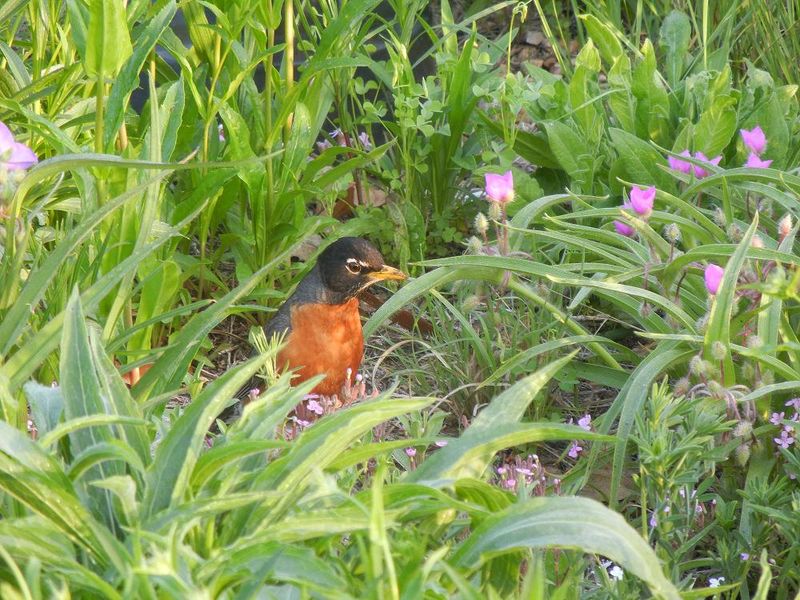
Layered vegetation that mimics natural habitat structure provides birds with essential shelter from predators, harsh weather, and human disturbance while offering diverse foraging opportunities at different heights.
California gardeners create these protective environments by planting tall trees for canopy cover, understory shrubs at middle heights, and groundcovers or perennials at lower levels, establishing the vertical complexity that birds need to feel secure and find appropriate niches for different species.
Dense hedges made from native shrubs like toyon, coffeeberry, or California lilac offer particularly valuable shelter where birds can hide from hawks, escape strong winds, and roost overnight in protected spaces.
These thick plantings also provide numerous nesting sites that accommodate different bird preferences, from low-nesting sparrows to higher-nesting finches.
Layered gardens support greater bird diversity because they create multiple microhabitats within a single yard, attracting species with varying needs and behaviors.
When designing your planting scheme, think about creating gradual transitions from open lawn areas to dense shrub borders to taller trees, rather than isolated plantings scattered across bare ground.
This connected vegetation allows birds to move through your garden with cover nearby, reducing their vulnerability while foraging.
Corner plantings and property borders work especially well for dense shelter, providing sanctuary without overwhelming your entire yard.
Thoughtful layering transforms your garden into a true bird refuge where feathered visitors feel safe enough to stay, feed, and raise their families.