9 Birds In Ohio That Secretly Signal Warmer Weather
The first hints of spring in Ohio often sneak in quietly. You might notice your neighbor opening the windows a little wider, the smell of fresh-cut grass, or the slow return of laughter from kids playing outside after a long winter.
For many of us, these small signals of warmer days are almost as comforting as a cup of coffee on the porch.
But there’s another, more surprising clue hiding in plain sight: the birds. Certain feathered visitors don’t just arrive – they announce the shift in seasons with their songs, flights, and restless energy.
For gardeners, birdwatchers, and anyone who spends time outdoors, these early arrivals quietly mark the start of planting season and longer afternoons in the sun.
And if you’ve ever wondered which birds to watch for, the ones that reliably show up when the cold finally loosens its grip, we’ve got the list – and a few surprises you might not expect.
1. American Robin The Spring’s Early Herald
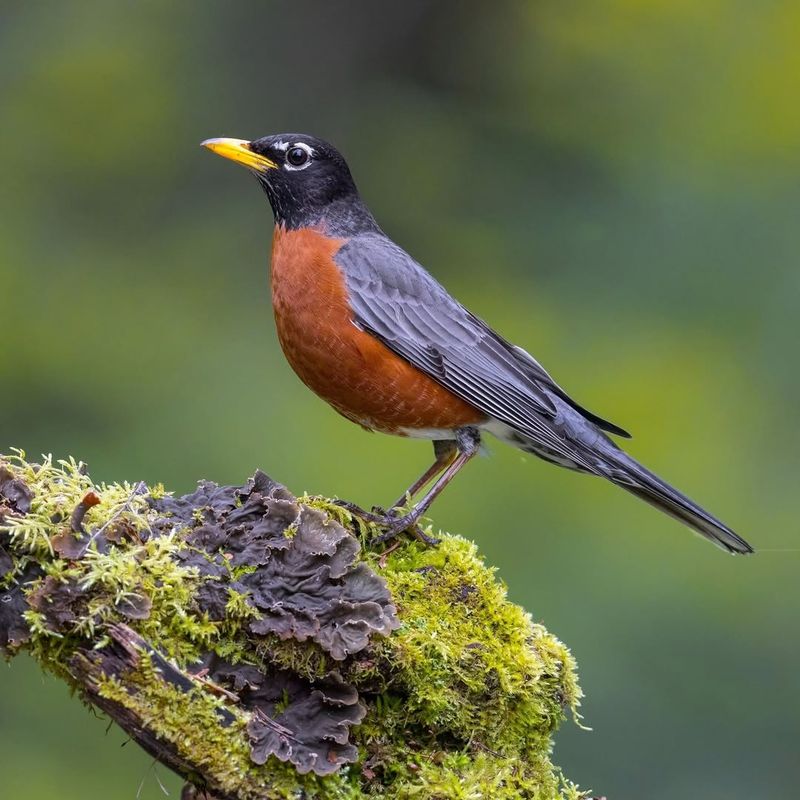
Few sights feel as hopeful as an American Robin hopping across a freshly thawed lawn in Ohio. With its bold orange-red breast and cheerful, melodic song, this bird has earned its reputation as one of the most beloved symbols of spring across the state.
Robins are often among the first birds people notice as temperatures begin to rise, signaling that the landscape is waking up after winter. Many Ohio residents fondly remember watching robins pull earthworms from the soil, a familiar and comforting image that resonates year after year.
While most robins migrate south for the winter, some may remain in Ohio if food sources are sufficient, though their numbers swell dramatically in spring. Their loud, flute-like songs soon fill the morning air, unmistakably announcing the changing season.
Early in spring, robins often gather in large flocks before pairing off to build nests, making parks, suburban yards, and open fields ideal spots to observe them. Maintaining a clean, fresh birdbath can attract robins, and they also enjoy fruit-bearing trees and shrubs.
Watching a robin carry nesting material or feed its young provides a small but deeply satisfying reminder of Ohio’s seasonal rhythms. Seeing these vibrant birds hop across thawed lawns reflects the quiet energy of early spring, linking gardeners, birdwatchers, and outdoor enthusiasts to the arrival of warmer days.
2. Red-Winged Blackbird Marsh Musician
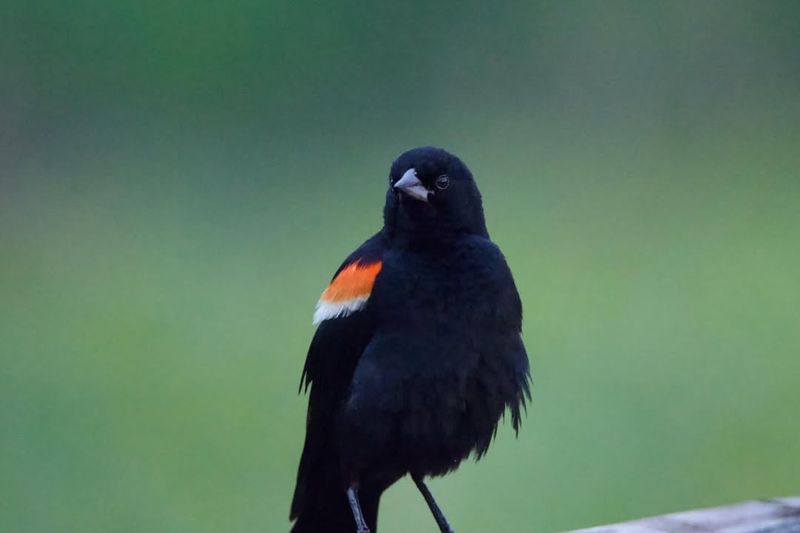
Before you even see one, you will probably hear it. The Red-Winged Blackbird has one of the most recognizable calls in all of Ohio, a loud, raspy “conk-la-ree” that echoes across marshes, wetlands, and roadside ditches.
Males arrive in Ohio weeks before females, staking out territory with their bold red and yellow shoulder patches on full display.
Spotting a male Red-Winged Blackbird clinging to a cattail and singing at full volume is a classic Ohio spring moment. These birds are not shy about making their presence known.
They will even chase away much larger birds if they feel their nesting area is threatened, which makes them surprisingly feisty for their size.
Red-Winged Blackbirds thrive in wetland habitats, so places like Magee Marsh and the Lake Erie shoreline are excellent spots to find them. Females are streaky brown and easy to overlook, but once you know what to listen for, you will notice these birds everywhere.
Sunflower seeds and millet in a backyard feeder can draw them in if you live near open land or water. Their early return to Ohio each spring is a dependable signal that the cold is finally losing its grip on the season.
3. Eastern Phoebe The Tiny Songbird With Attitude
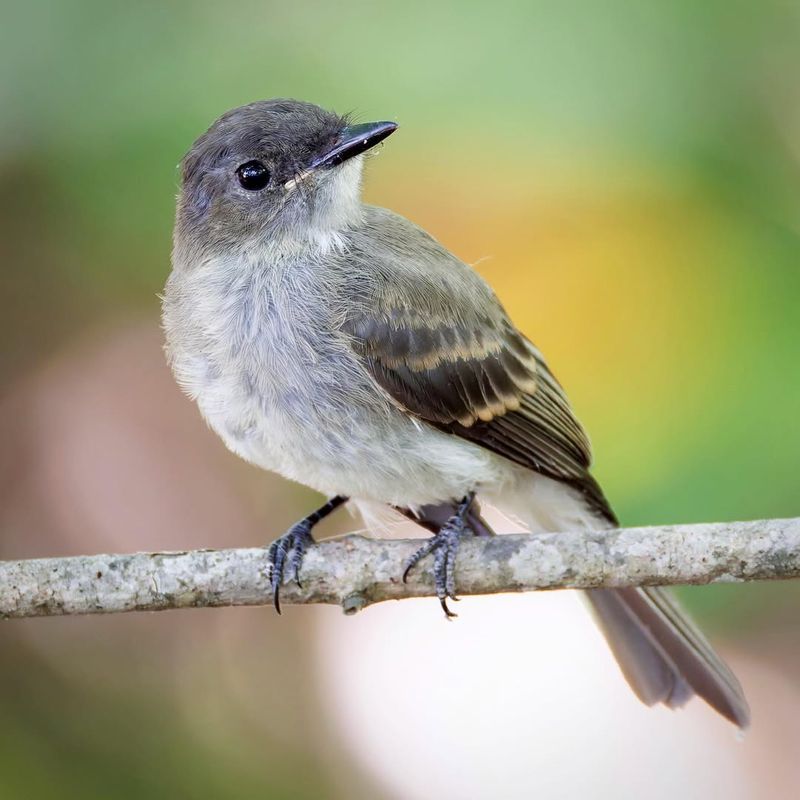
Quietly determined and wonderfully punctual, the Eastern Phoebe is one of the earliest flycatchers to return to Ohio each spring. Unlike many migratory birds that wait for insects to be plentiful, the Phoebe pushes north while temperatures are still unpredictable.
Its willingness to brave cool mornings makes it one of the most reliable early-spring signals in the state.
You can identify an Eastern Phoebe by its habit of pumping its tail up and down repeatedly while perched, almost like it is tapping out a rhythm. Its call is a raspy, two-note “fee-bee” that it repeats persistently throughout the day.
Phoebes often nest under bridges, on barn ledges, or along the eaves of porches, making them surprisingly comfortable around human structures.
If you have a covered porch or an outbuilding on your Ohio property, there is a good chance a Phoebe has considered setting up home there at some point. They build cup-shaped nests from mud, moss, and grass, and they tend to reuse the same nesting spots year after year.
Watching a Phoebe dart out from a fence post to snatch an insect mid-air is one of those small but memorable moments that reminds you spring in Ohio is full of quiet wonders worth noticing.
4. Eastern Bluebird The Sky‑Blue Cheerleader
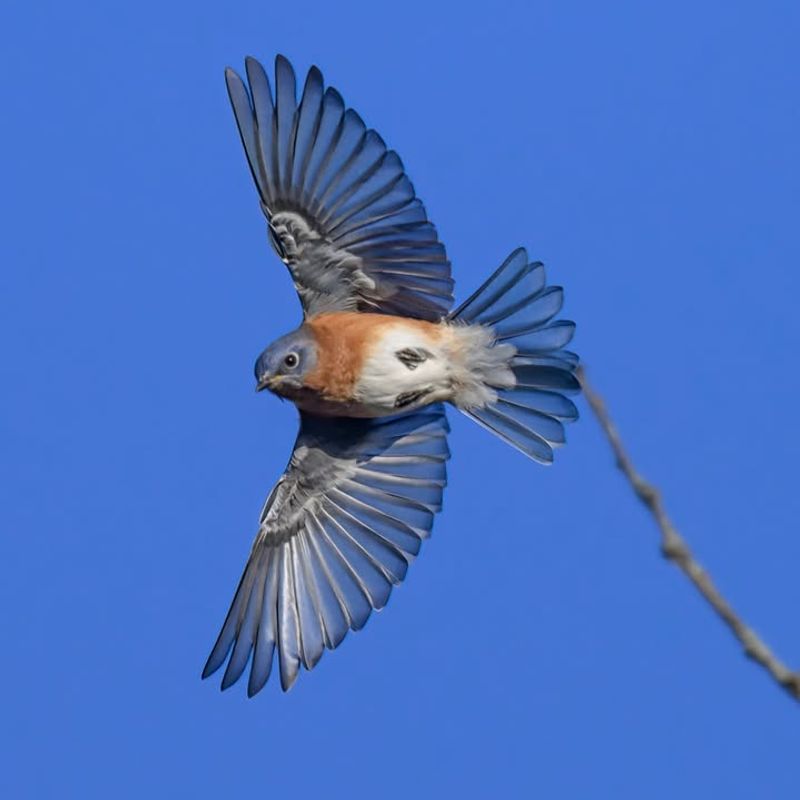
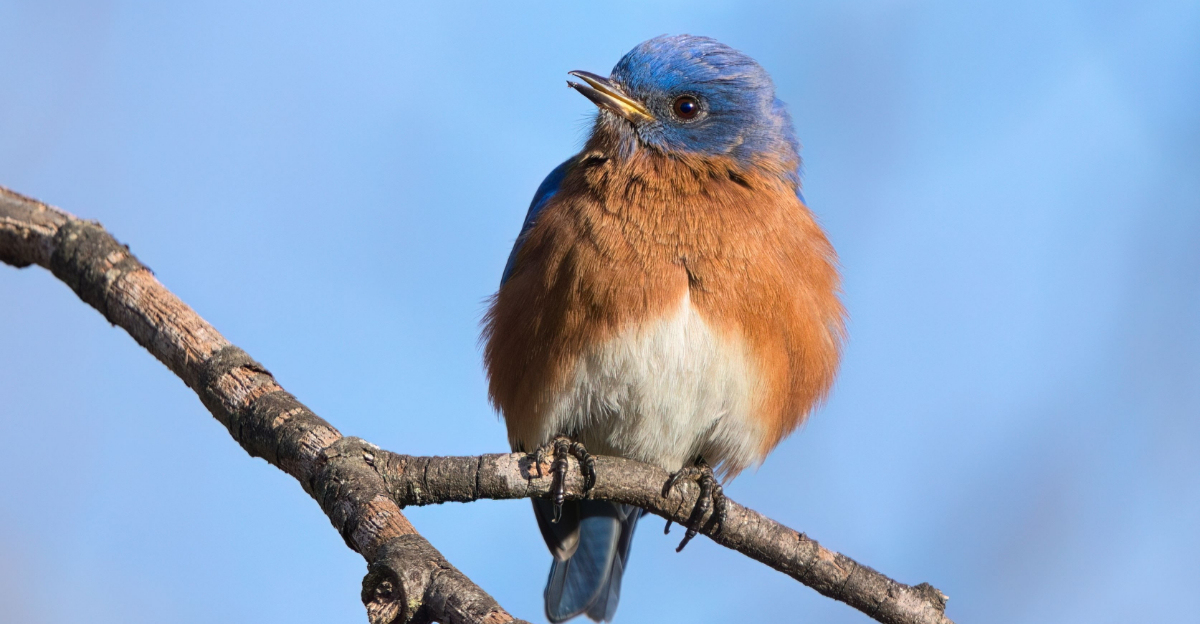
There is something magical about spotting an Eastern Bluebird on a crisp spring morning in Ohio. The male’s brilliant blue back and warm rusty-orange chest stand out beautifully against the muted late-winter landscape, making each sighting feel like a special gift.
Bluebirds are cavity nesters, relying on holes in trees or nest boxes to raise their young. Ohio has a strong network of bluebird trail volunteers who maintain these nest boxes across the state, helping support healthy populations.
If you want to invite bluebirds to your yard, installing a proper nest box on a fence post in an open area is one of the most effective steps. Bluebirds feed heavily on insects and berries, so yards with fruit-bearing shrubs or mealworm feeders can be especially appealing.
In Ohio, Eastern Bluebirds typically return in early to mid-March, with arrivals influenced by local weather conditions. Observing a pair investigate a nest box together is a heartwarming experience that signals the start of spring.
Keep your eyes on fence lines, meadow edges, and open yards, as these birds explore familiar and new territories alike. Their return brings both color and vitality to Ohio landscapes, and for birdwatchers, even a brief glimpse of their vibrant plumage or their curious behavior adds a sense of wonder to early spring mornings.
5. Ruby-Throated Hummingbird The Glittering Garden Gem
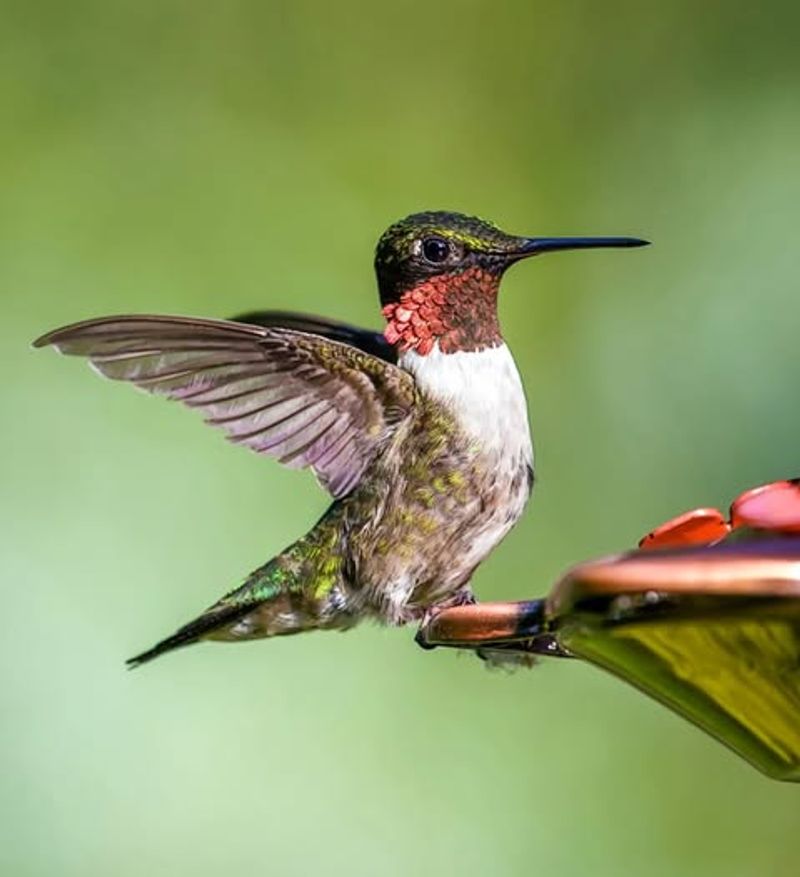
Tiny, fast, and dazzling in appearance, the Ruby-Throated Hummingbird is one of Ohio’s most anticipated warm-weather visitors. Males catch the eye with shimmering green backs and a ruby-red throat that seems to sparkle in sunlight, while females are slightly larger and lack the red throat, yet are equally remarkable in flight.
These hummingbirds generally arrive in Ohio in late April or early May, following blooming wildflowers and flowering trees as they move northward. Their exceptional memory for food sources allows them to return to familiar feeders and gardens year after year.
To welcome them, hang a clean feeder with a simple mixture of one part white sugar to four parts water—red dye is unnecessary and may be harmful. Change the nectar regularly, especially on warm days, to keep it fresh.
Planting native flowers such as cardinal flower, bee balm, and trumpet vine provides natural sustenance throughout the season. Watching a hummingbird hover almost motionless in midair, wings beating up to 80 times per second, is a breathtaking reminder of the small but fascinating wonders arriving with spring.
These tiny birds bring both movement and brilliance to Ohio gardens, signaling the transition to warmer, lively days filled with outdoor exploration and observation.
6. Tree Swallow The Acrobat Of The Air
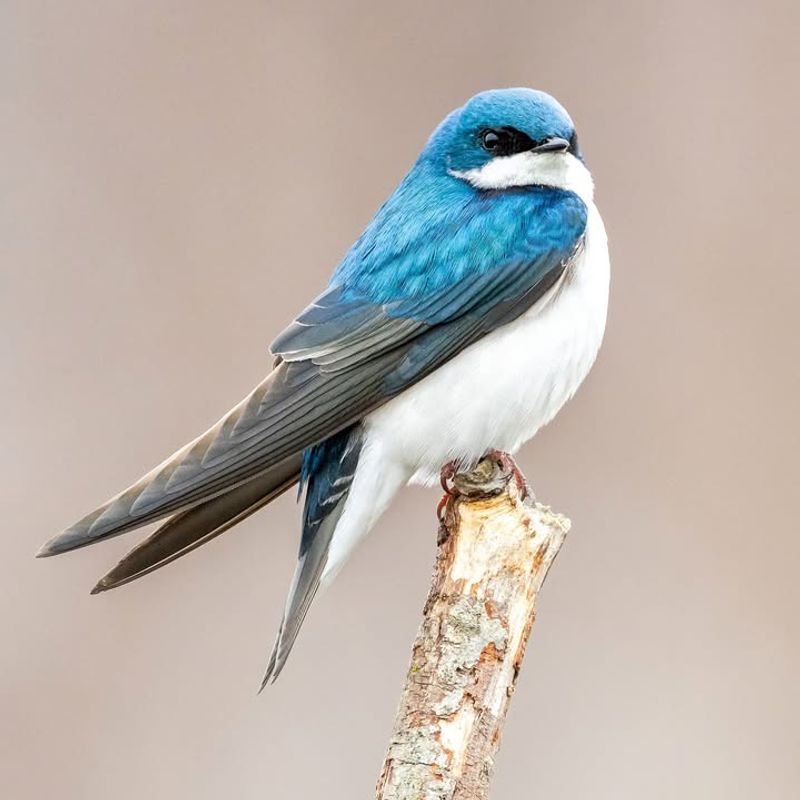
Watching a Tree Swallow in flight is like watching an aerial acrobat show performed entirely for free. These birds swoop, swerve, and spin over Ohio’s fields and wetlands with astonishing speed and precision, chasing insects in mid-air with moves that seem almost impossible.
Their iridescent blue-green backs flash brilliantly in spring sunlight, making them easy to admire even from a distance.
Tree Swallows are among the earliest swallows to return to Ohio each spring, often arriving before insect populations have fully recovered. To bridge this gap, they supplement their diet with berries, which is unusual for an insect-eating bird.
This adaptability is one of the reasons they can push north earlier than other swallow species.
Like Eastern Bluebirds, Tree Swallows are cavity nesters and readily accept nest boxes placed near water or open fields. If you have a nest box already set up for bluebirds, do not be surprised if Tree Swallows try to claim it first.
The two species sometimes compete for the same boxes, but placing multiple boxes close together can give both a chance to nest successfully. Watching a pair of Tree Swallows tend to their nest while swooping gracefully overhead is one of Ohio’s most entertaining and lively spring wildlife experiences you can enjoy right from your own backyard.
7. American Wigeon The Quirky Pond Visitor
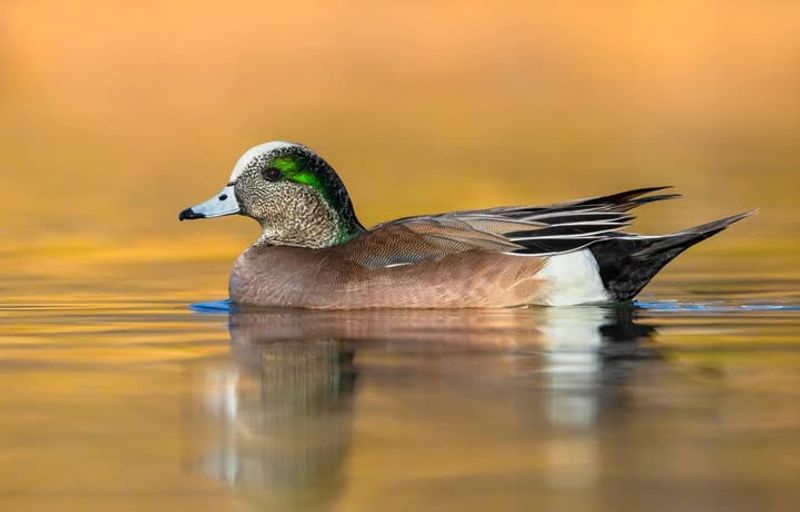
Not every spring bird signal in Ohio sings from a treetop. The American Wigeon is a medium-sized duck that passes through the state during spring migration, and spotting one on a local pond or reservoir is a clear sign that the seasons are turning.
Males are striking, with a bright white forehead patch, a green streak behind the eye, and a warm pinkish-brown body that looks almost hand-painted.
Wigeons are grazing ducks, which means they spend a lot of time feeding on aquatic vegetation and grasses near the water’s edge rather than diving beneath the surface. This habit makes them easy to observe from shore, especially at wildlife areas and reservoirs across Ohio.
Places like Hoover Reservoir near Columbus and Mosquito Creek Lake in Trumbull County are popular stops for migrating waterfowl including Wigeons.
The male Wigeon also has a distinctive whistling call that carries well across open water, a wheezy three-note sound that birders often describe as one of the more unusual duck vocalizations in North America. Spring migration typically peaks in March and April in Ohio, so getting out to a local wetland or lake during those weeks gives you the best chance of seeing one.
Bring binoculars and a field guide, and you might be surprised by how many waterfowl species pass through Ohio each spring.
8. Chipping Sparrow The Cheerful Chirper
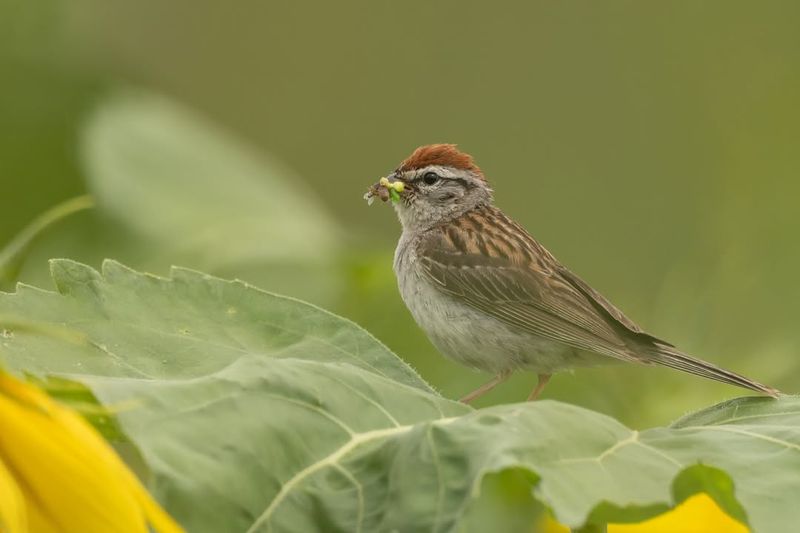
Small, tidy, and easy to overlook at first glance, the Chipping Sparrow is one of Ohio’s most charming seasonal visitors. Its defining feature is a crisp rusty-red cap that sits like a little hat on top of its head, making it stand out from the many other brown sparrows that pass through the state each spring.
Once you learn to recognize it, you will start spotting it everywhere.
Chipping Sparrows have a distinctive call that sounds like a long, rapid trill, almost mechanical in its rhythm. They tend to sing from exposed perches like tree branches or fence tops, making them easier to locate by ear than by sight alone.
These sparrows are comfortable around people and often nest in ornamental shrubs or small evergreen trees in Ohio suburban yards.
They feed mainly on grass seeds and small insects, and you can attract them to your yard with a platform feeder stocked with millet or finely cracked corn. Chipping Sparrows often forage on the ground in small groups, hopping steadily as they search for food.
Seeing a Chipping Sparrow scratching around beneath a feeder on a mild Ohio spring morning is one of those understated but genuinely satisfying moments that makes birdwatching so rewarding for people of all ages and experience levels.
9. Green-Winged Teal The Flashy Feathered Friend
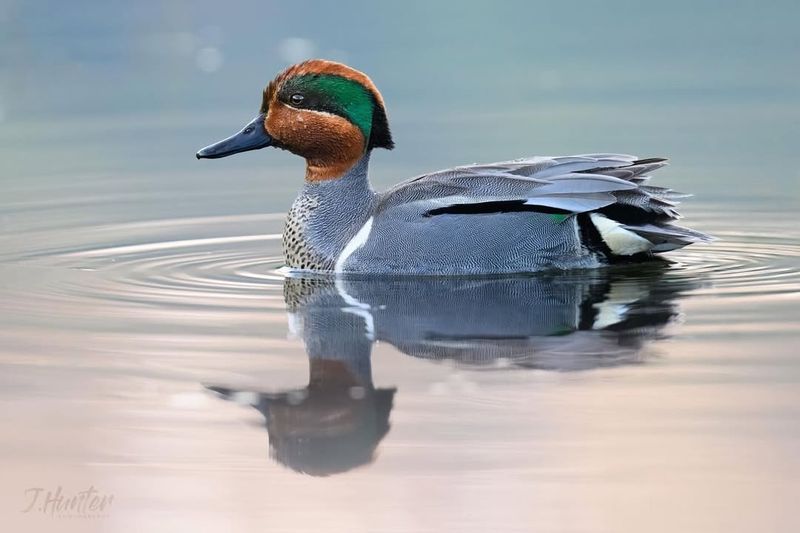
Among the smallest dabbling ducks in North America, the Green-Winged Teal punches well above its weight when it comes to visual appeal. Males sport a rich chestnut-colored head with a sweeping green patch around the eye, and their finely patterned gray body is detailed enough to make you stop and stare.
Seeing a flock of them lift off a shallow Ohio marsh in unison is one of spring migration’s most exciting moments.
Green-Winged Teals are fast, agile fliers that move in tight, twisting flocks that seem to change direction all at once. They prefer shallow wetlands, mudflats, and flooded fields where they can dabble for seeds, aquatic plants, and small invertebrates.
Ohio’s Lake Erie marshes, including the famous Magee Marsh Wildlife Area, are outstanding places to observe these birds during spring migration.
Migration for Green-Winged Teals in Ohio typically runs from late February through April, so early spring is prime viewing time. They are often found in mixed flocks with other duck species, so scanning a group of ducks carefully with binoculars can be surprisingly rewarding.
Wearing waterproof boots and visiting a wetland trail at dawn gives you the best chance of watching these energetic little ducks feed, rest, and interact before the day warms up and they settle in for a quieter afternoon on the water.