9 Black Plants That Bring Bold Drama To Southern Gardens In Georgia
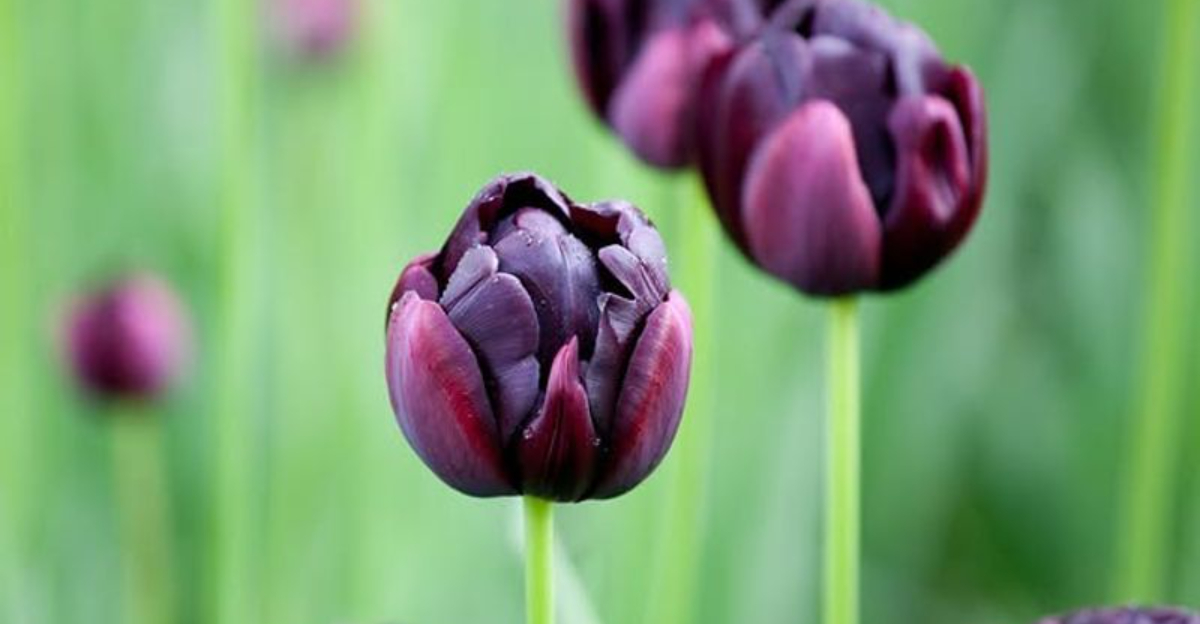
In Georgia, gardens are about more than just color, they are about making a statement.
Dark, dramatic plants have a way of stealing the show, adding mystery, contrast, and depth that lighter blooms can’t touch.
Black foliage or flowers immediately catch the eye, creating a bold centerpiece that gives any Southern garden a sense of flair and sophistication.
These plants are more than just pretty faces.
They frame beds, anchor corners, and highlight the brightness of surrounding greenery.
A sweep of black leaves can turn a simple flower bed into a visual masterpiece, while dark blooms add intrigue and draw attention to other textures and colors in the garden.
In Southern landscapes, where sun and heat can dominate, these plants bring balance and a touch of elegance that feels almost theatrical.
Adding black plants is like giving your garden a finishing touch that pulls the whole space together.
Many of these varieties thrive in Georgia’s warm climate, resist summer heat, and maintain their striking appearance through long growing seasons.
With a few well-placed dark plants, a Georgia garden transforms from ordinary to extraordinary, commanding attention and leaving visitors with a lasting impression of bold, natural drama.
1. Black Mondo Grass
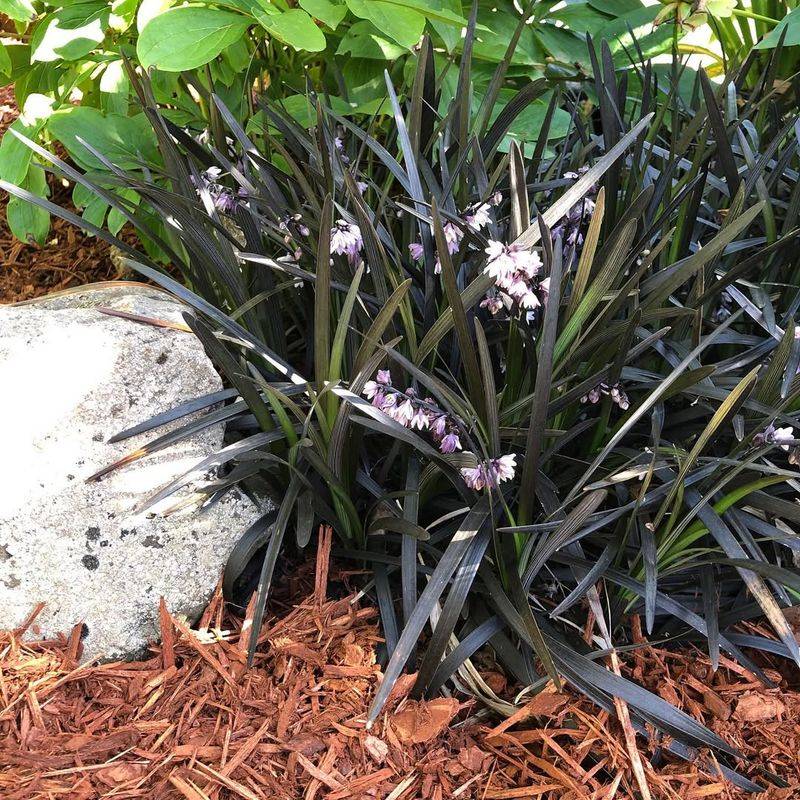
Groundcovers don’t get much cooler than this dark beauty that looks almost black in the right lighting.
Black Mondo Grass brings an unexpected twist to traditional landscaping with its narrow, arching leaves that form dense clumps of near-black foliage.
This perennial evergreen stays attractive year-round in Georgia, making it a reliable performer through all four seasons.
Gardeners across the state love using it as an edging plant along walkways or as a dramatic contrast against lighter-colored plants.
It grows slowly but steadily, reaching about six to eight inches tall and spreading to form a thick mat over time.
The plant produces small pink or white flowers in summer, followed by black berries that add even more interest.
Black Mondo Grass thrives in partial shade to full shade, making it perfect for those tricky spots under trees where other plants struggle.
It handles Georgia’s clay soil reasonably well as long as drainage is decent.
Water regularly during the first growing season to establish roots, then it becomes fairly drought-tolerant.
Pair it with bright green hostas, white impatiens, or silvery lamium for a striking combination that really shows off its dark color.
This grass-like plant works beautifully in container gardens too, where its dramatic color can steal the show.
2. Queen Of The Night Tulip
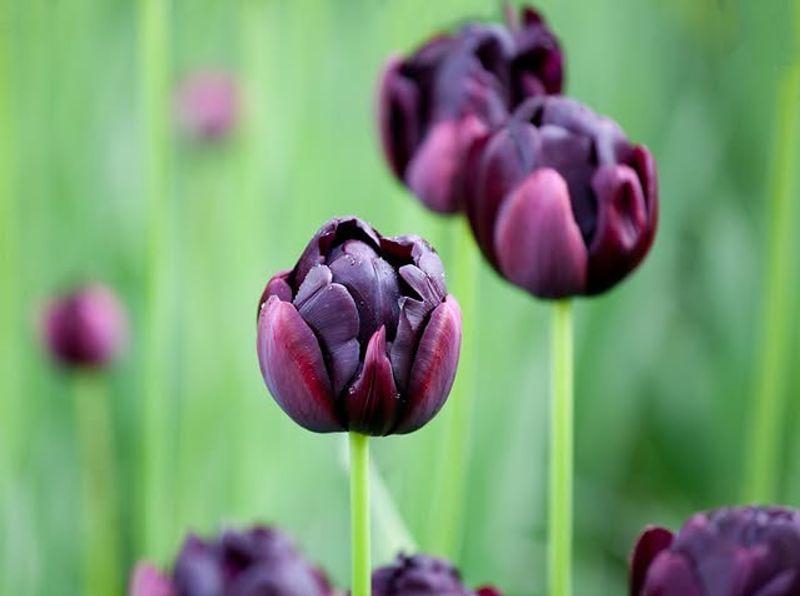
Few spring bulbs create the jaw-dropping effect of these nearly black tulips that seem to absorb light rather than reflect it.
Queen of the Night tulips feature deep maroon-purple petals so dark they appear black from a distance, creating an elegant and mysterious presence in Georgia gardens.
These beauties bloom in mid to late spring, usually around April in most parts of the state.
Plant the bulbs in fall, ideally in November or early December when Georgia soil has cooled down sufficiently.
They need that cold period to bloom properly, so don’t skip the chilling step.
Choose a spot with full sun to partial shade and well-draining soil, because soggy conditions will cause bulb rot.
These tulips grow about two feet tall on sturdy stems that hold up well to spring rains.
Pair them with white daffodils, yellow pansies, or silver dusty miller for combinations that make the dark blooms absolutely glow.
They also look stunning planted in large groups rather than scattered individually.
After blooming, let the foliage yellow naturally before cutting it back so the bulb can store energy for next year.
Many Georgia gardeners treat them as annuals because our warm climate can make repeat blooming challenging, but the spectacular spring show makes them worth replanting each fall.
3. Black Velvet Petunia
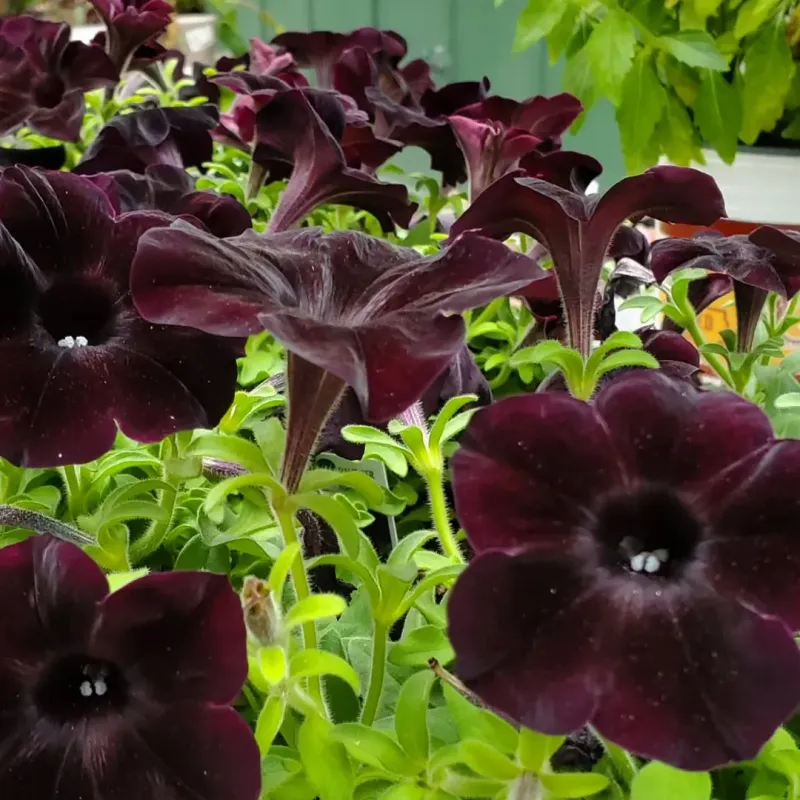
Imagine flowers so dark they look like velvet fabric, and you’ll understand why these petunias cause such a stir in Southern gardens.
Black Velvet petunias produce abundant blooms in the deepest purple-black shade you can find in the petunia family.
They bloom continuously from spring through fall in Georgia, providing months of dramatic color.
These annuals love full sun and heat, making them perfect candidates for Georgia’s long, hot summers.
Plant them in containers, hanging baskets, or directly in garden beds where they’ll spread nicely.
They grow about ten to twelve inches tall and can spread up to three feet wide, creating a flowing carpet of dark blooms.
Regular deadheading isn’t necessary with these self-cleaning petunias, which means less maintenance for busy gardeners.
Water them regularly but avoid overhead watering that can damage the delicate blooms.
Feed them every couple of weeks with a balanced fertilizer to keep the flowers coming strong.
The dark flowers look absolutely stunning when paired with lime green sweet potato vine, white alyssum, or bright pink verbena.
They create incredible contrast in mixed containers that really pop from the curb.
In Georgia gardens, they handle humidity better than many other petunia varieties, staying attractive even during our steamiest summer days.
4. Black Magic Elephant Ear
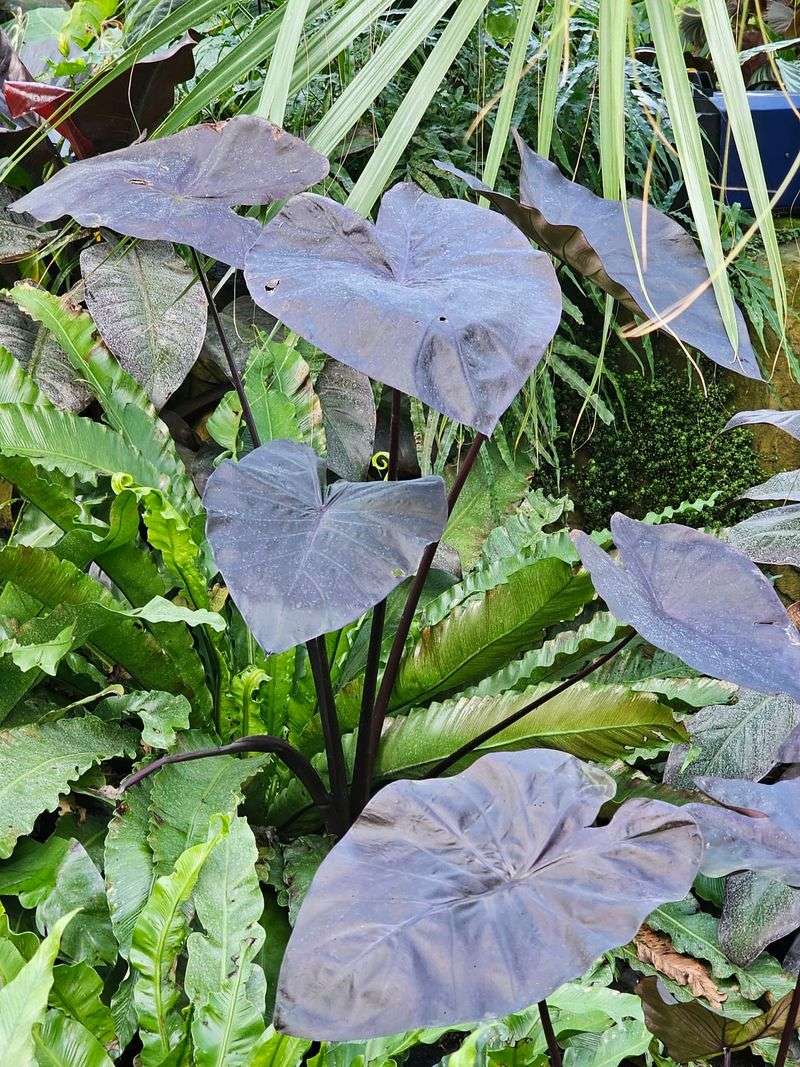
Tropical drama reaches new heights with these massive plants that command attention with their enormous dark leaves.
Black Magic elephant ears produce huge, heart-shaped foliage in deep purple-black shades that can reach two feet long or more.
Each leaf emerges bright green before maturing into its signature dark color, creating an ever-changing display throughout the growing season.
Georgia’s warm, humid climate suits these tropicals perfectly, and they grow vigorously from spring through fall.
Plant them in rich, moist soil where they’ll get partial shade to full sun, though some afternoon shade helps prevent leaf scorch during peak summer.
They can grow four to six feet tall in a single season, making them excellent focal points or privacy screens.
These plants are heavy feeders and serious water drinkers, so keep the soil consistently moist and fertilize monthly during the growing season.
They look spectacular planted near ponds or water features where their bold foliage reflects beautifully.
Pair them with bright coleus, chartreuse sweet potato vine, or variegated ginger for stunning tropical combinations.
In most of Georgia, treat them as annuals or dig up the bulbs before frost and store them indoors over winter.
The dramatic impact they bring to summer gardens makes the extra effort worthwhile for many gardeners across the state.
5. Black Pearl Ornamental Pepper

Edible landscaping gets a dramatic makeover with this stunning pepper that offers both beauty and spice.
Black Pearl peppers feature dark purple-black leaves that look almost metallic in bright sunlight, creating an unusual texture in Georgia gardens.
Small white flowers appear throughout summer, followed by round black peppers that eventually turn red as they mature.
This compact plant grows about eighteen inches tall and wide, making it perfect for containers, borders, or tucked into vegetable gardens for visual interest.
It thrives in full sun and heat, actually performing better during Georgia’s hot summers than many other ornamental plants.
The peppers are edible but pack serious heat, so handle them with care.
Plant them after all danger of frost has passed, typically mid-April in most Georgia locations.
They need well-draining soil and regular watering, especially during dry spells.
Fertilize monthly with a balanced fertilizer to encourage both foliage and fruit production.
The dark foliage creates stunning combinations with bright flowers like yellow marigolds, orange zinnias, or red salvia.
They also work beautifully in mixed containers where their unique color adds depth and sophistication.
Georgia gardeners appreciate their deer resistance and low maintenance requirements, plus they attract pollinators with their small blooms throughout the season.
6. Black Scallop Ajuga
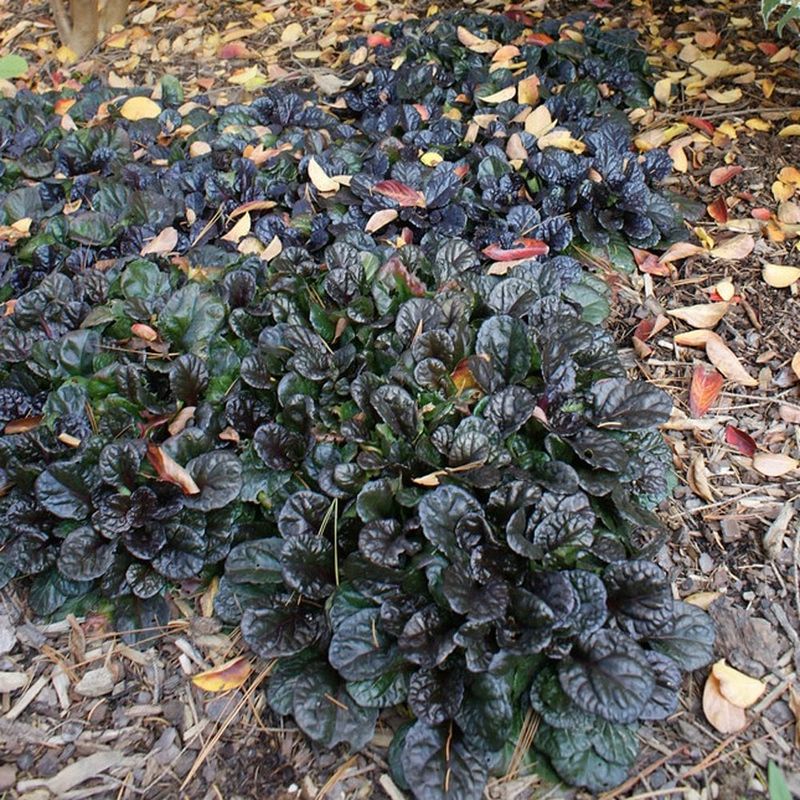
Groundcovers often play supporting roles, but this one steals the spotlight with its deeply scalloped dark leaves.
Black Scallop ajuga forms dense mats of glossy, purple-black foliage that stays attractive year-round in Georgia gardens.
The leaves have a distinctive wavy edge that adds extra texture and visual interest beyond just the dramatic color.
In spring, short spikes of bright blue flowers emerge above the dark foliage, creating a stunning color combination that stops people in their tracks.
This perennial evergreen spreads steadily but not aggressively, making it an excellent choice for filling in around trees, along pathways, or in shady garden beds.
It grows about four to six inches tall and can spread up to two feet wide.
Black Scallop ajuga prefers partial to full shade and handles Georgia’s clay soil better than many other groundcovers.
It tolerates foot traffic reasonably well, though it’s not meant for high-traffic areas.
Water regularly during establishment, then it becomes fairly drought-tolerant once settled in.
The dark foliage provides perfect contrast for light-colored plants like white bleeding hearts, yellow corydalis, or variegated hostas.
It also works beautifully cascading over the edges of containers or retaining walls, where the scalloped leaves create an elegant draping effect that softens hard edges in the landscape.
7. Black Lace Elderberry
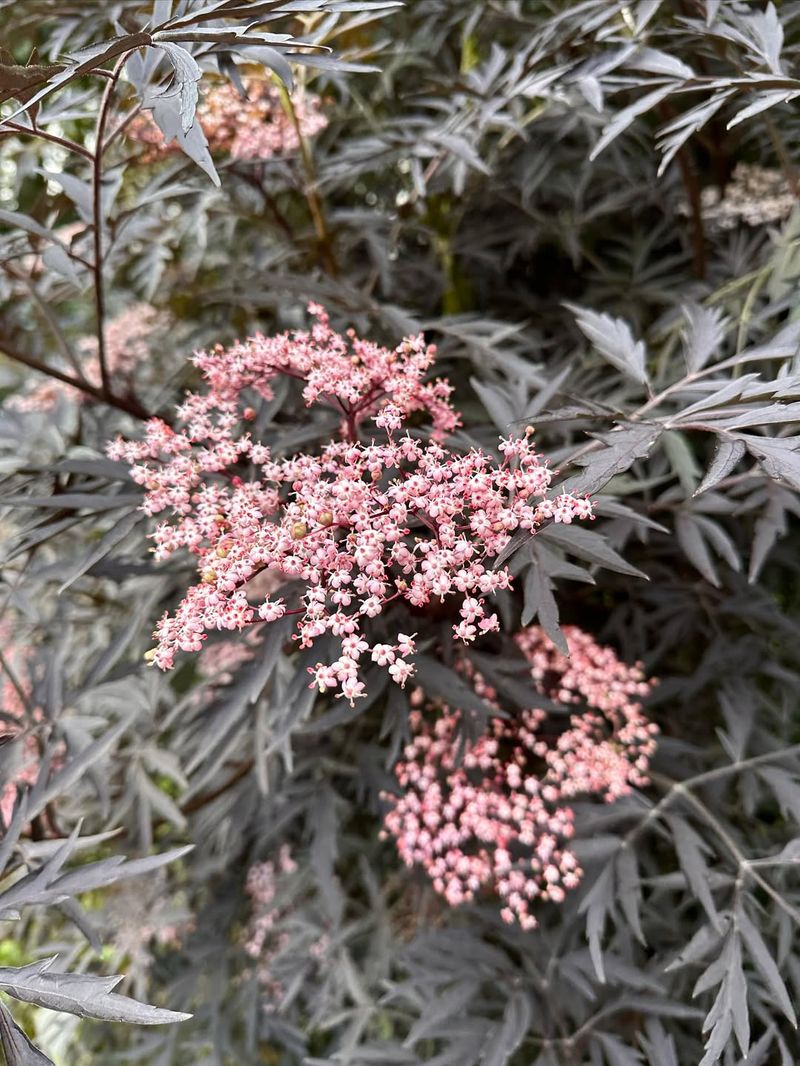
Shrubs with personality are hard to find, but this one delivers drama from spring through fall with its finely cut dark foliage.
Black Lace elderberry features deeply dissected leaves in purple-black shades that give it a lacy, almost fern-like appearance.
In late spring, flat clusters of pink buds open to reveal lemon-scented white flowers that contrast beautifully against the dark leaves.
This deciduous shrub grows six to eight feet tall and wide in Georgia gardens, making it substantial enough to use as a focal point or informal hedge.
It performs best in full sun to partial shade and appreciates consistent moisture, especially during our hot summers.
The flowers attract pollinators by the dozens, bringing life and movement to the garden.
After flowering, clusters of dark purple-black berries develop that birds absolutely love, though you can harvest them for jams and wines if you beat the wildlife to them.
The shrub benefits from hard pruning in late winter to maintain its shape and encourage vigorous new growth with the darkest foliage color.
Plant it where you can appreciate its changing seasonal interest, perhaps near a patio or along a fence line.
It pairs beautifully with bright yellow flowers like coreopsis or rudbeckia, or use it as a dark backdrop for lighter-colored shrubs and perennials throughout your Georgia landscape.
8. Black Rose Aeonium
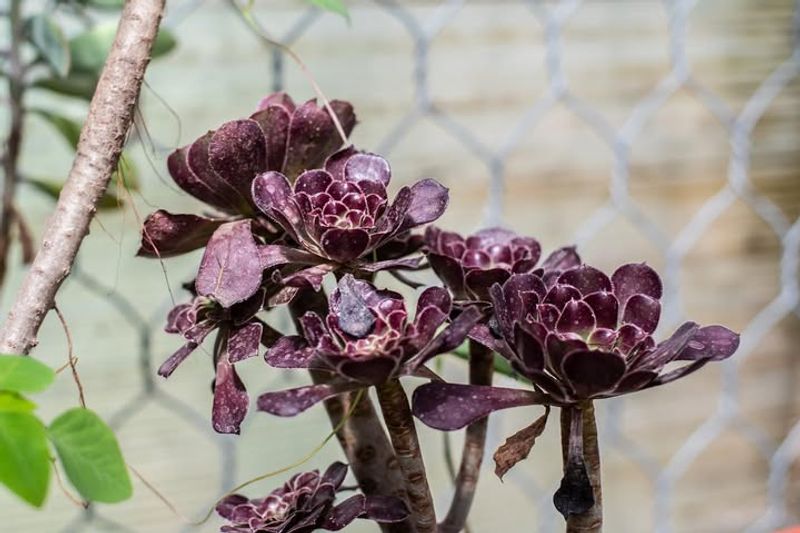
Succulents bring architectural interest to gardens, and this one does it with style in the deepest shades imaginable.
Black Rose aeonium forms perfect rosettes of spoon-shaped leaves in deep burgundy-black that intensify in color with more sun exposure.
Each rosette sits atop a thick stem, creating a branching structure that looks almost like a small tree over time.
These drought-tolerant beauties grow well in containers throughout Georgia, where you can move them to protected locations during winter cold snaps.
They prefer full sun to partial shade and well-draining soil, making them perfect for rock gardens or mixed succulent containers.
The rosettes can reach six to eight inches across, and plants may grow two to three feet tall.
Water them sparingly, allowing the soil to dry between waterings, as they’re adapted to Mediterranean climates and don’t appreciate constantly wet conditions.
In summer, they may go dormant during extreme heat, which is completely normal.
Bright yellow flower clusters appear in spring on mature plants, creating a striking contrast against the dark foliage.
Pair them with lighter-colored succulents like jade plants, echeveria, or silver-toned sedums for dramatic combinations.
They work beautifully in modern or contemporary garden designs where their bold form and color create strong visual statements that complement Georgia’s diverse landscape styles.
9. Chocolate Chip Ajuga
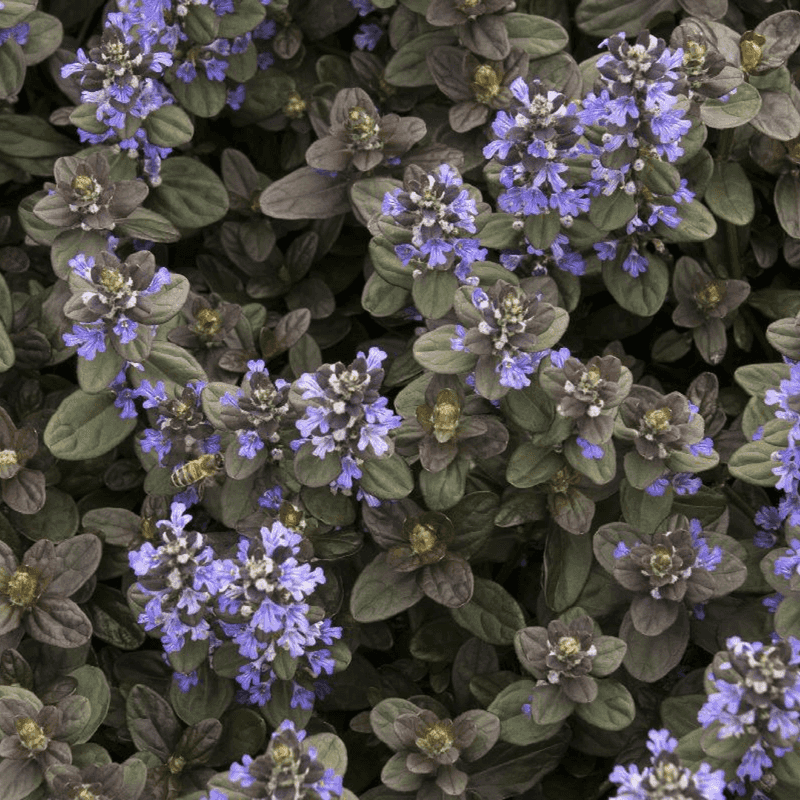
Sometimes the smallest plants make the biggest impact, and this miniature groundcover proves that point beautifully.
Chocolate Chip ajuga produces tiny leaves in deep chocolate-bronze shades that form a tight, dense mat perfect for filling gaps between stepping stones or edging garden beds.
The leaves are about half the size of regular ajuga, giving it a delicate appearance despite its tough nature.
In spring, short spikes of bright blue flowers emerge above the dark foliage, creating a charming display that lasts for several weeks.
This perennial evergreen grows only two to three inches tall but spreads steadily to about twelve inches wide, making it ideal for small spaces or detailed garden work.
It stays attractive year-round in Georgia, even during mild winters.
Chocolate Chip ajuga thrives in partial to full shade and handles our clay soil without complaint.
It needs regular water during establishment but becomes fairly drought-tolerant once settled in.
The small size makes it perfect for fairy gardens, miniature landscapes, or anywhere you need a low-growing dark accent.
Use it to create dark borders along pathways, or let it weave between pavers for a softer look.
It pairs wonderfully with small spring bulbs, creeping thyme, or miniature hostas.
Georgia gardeners appreciate its ability to handle foot traffic better than many groundcovers while maintaining its rich color throughout the seasons.