11 Black Plants That Bring Instant Drama To California Gardens
California gardens often showcase vibrant colors, but adding black plants can create a striking contrast that truly transforms outdoor spaces into something special.
These dark beauties provide a bold backdrop for brighter blooms while adding depth, mystery, and sophistication to every corner of your landscape design.
From nearly black flowers to deep purple foliage, these dramatic plants thrive in California’s diverse climates and require surprisingly simple care routines.
Discover how these stunning dark plants can elevate your garden from ordinary to extraordinary with their unique textures, shapes, and moody elegance.
1. Black Mondo Grass
Imagine a plant so dark it looks like shadows growing from the earth itself, creating an unforgettable visual impact wherever it spreads.
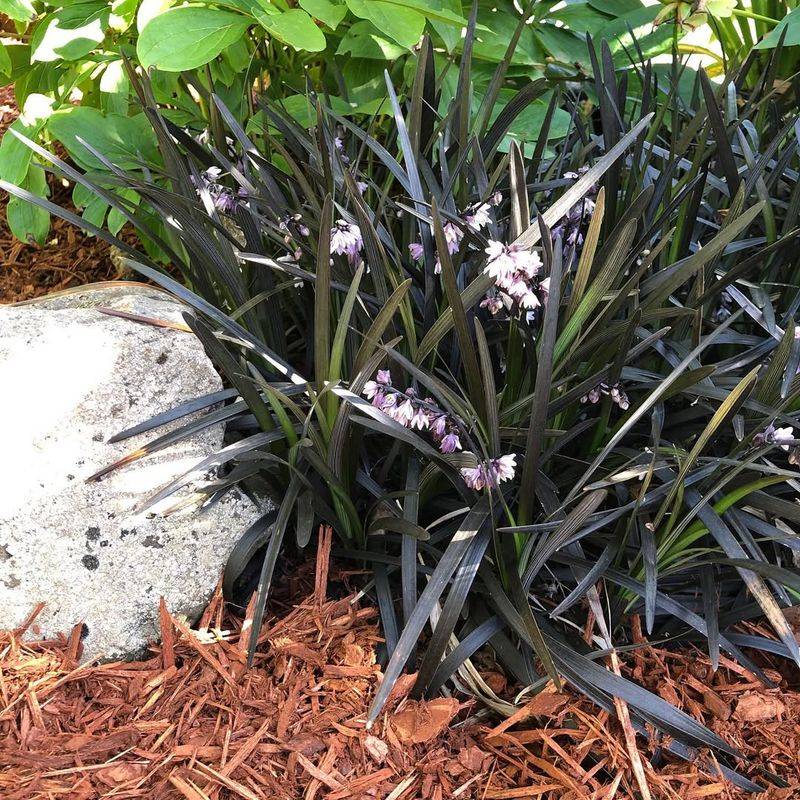
Black Mondo Grass offers this exact magic with its slender, arching blades that emerge in shades of deep purple-black throughout the year.
California gardeners love this perennial groundcover because it tolerates both sun and shade while requiring minimal water once established in the soil.
This low-growing beauty reaches about six inches tall and slowly spreads to form dense, dramatic clumps that look stunning along pathways.
Small pink or white flowers appear in summer, followed by glossy black berries that add even more intrigue to your landscape design.
Pairing it with silvery plants like dusty miller creates breathtaking contrast that catches every visitor’s eye immediately upon entering your outdoor space.
Maintenance couldn’t be easier since this grass rarely needs trimming and resists most pests that typically bother California gardens during warm months.
Plant it in borders, containers, or as edging to define garden beds with its striking darkness that never fades away.
2. Queen Of The Night Tulip
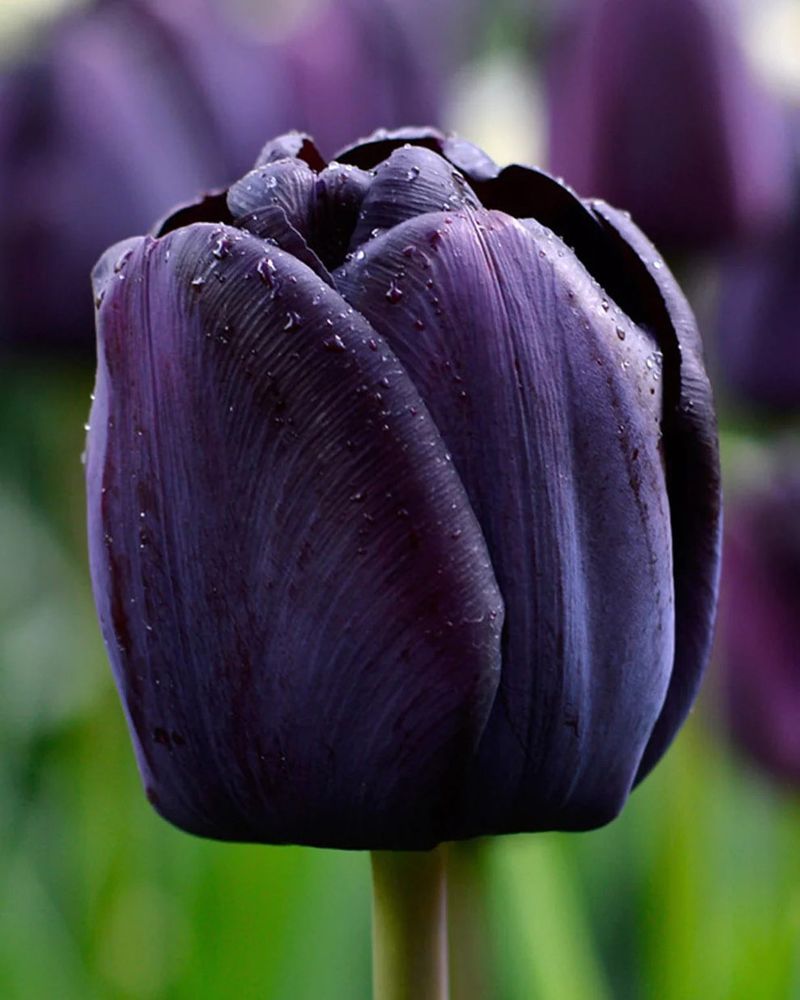
Spring gardens explode with color, but nothing commands attention quite like these velvety tulips that appear almost black under certain lighting conditions.
Queen of the Night tulips emerge with deep maroon petals so rich and dark they seem to absorb light rather than reflect it back.
These bulbs perform beautifully in California’s cooler regions where winters provide the necessary chill hours for spectacular spring displays every single year.
Plant bulbs in fall about six inches deep in well-draining soil, and watch them emerge as elegant stems topped with goblet-shaped blooms.
Each flower reaches about three inches across and stands proudly on stems that grow roughly two feet tall in optimal growing conditions.
Grouping at least fifteen bulbs together creates a dramatic mass effect that photographs beautifully against lighter-colored flowers or neutral garden backgrounds.
After blooming finishes, allow foliage to yellow naturally before removing it so bulbs can store energy for next year’s spectacular show.
Pair these dramatic tulips with white daffodils or pale pink hyacinths for a color combination that feels both classic and contemporary.
3. Black Velvet Petunia
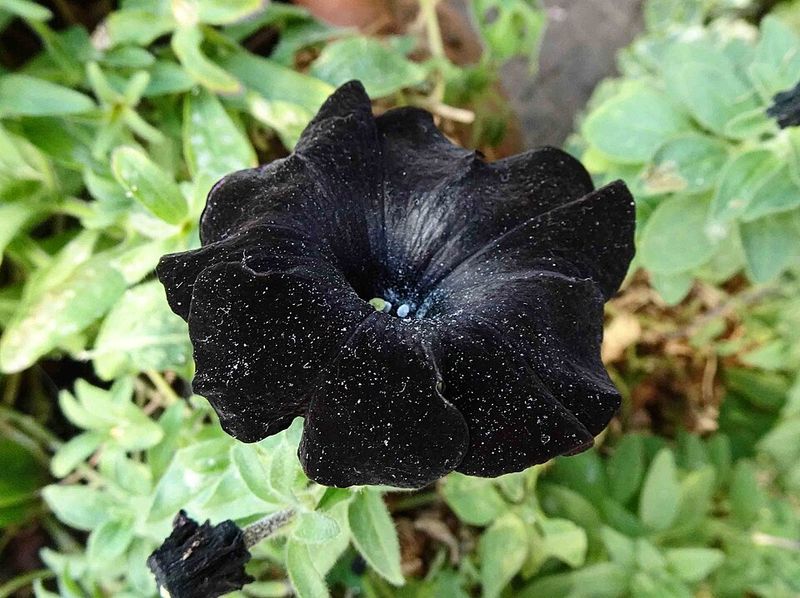
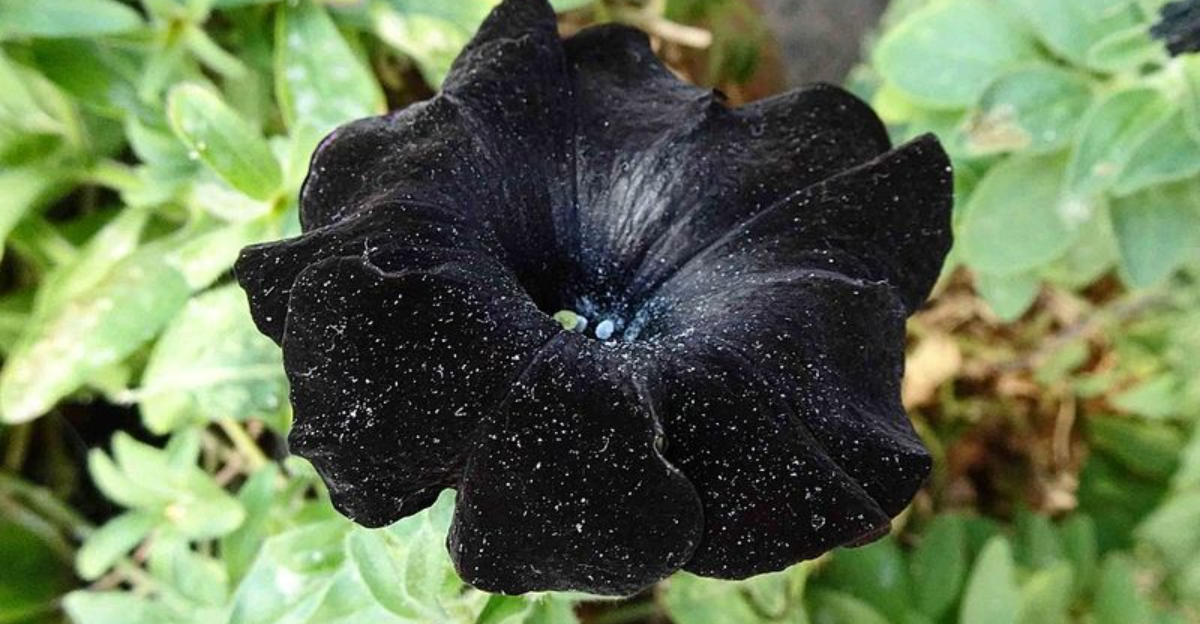
Few annuals deliver the drama of petunias bred to display petals so dark they rival midnight skies on moonless summer evenings.
Black Velvet Petunias showcase deep purple-black blooms with bright yellow centers that create stunning contrast throughout California’s long growing season outdoors.
These compact plants work wonderfully in containers, hanging baskets, or garden beds where their moody color scheme adds unexpected sophistication to casual spaces.
Each flower measures about two inches across and appears continuously from spring through fall with regular deadheading and occasional light fertilizing applications.
California’s warm, sunny climate suits these petunias perfectly, though they appreciate afternoon shade in hottest inland valleys during peak summer months.
Their velvety texture catches light beautifully, making them appear to shift from deep purple to true black depending on viewing angles.
Water consistently but avoid overhead irrigation that can damage delicate petals and reduce the overall flower production throughout the extended season.
Combine them with lime green sweet potato vine or silver dichondra for cascading container designs that turn heads at every gathering.
4. Black Lace Elderberry
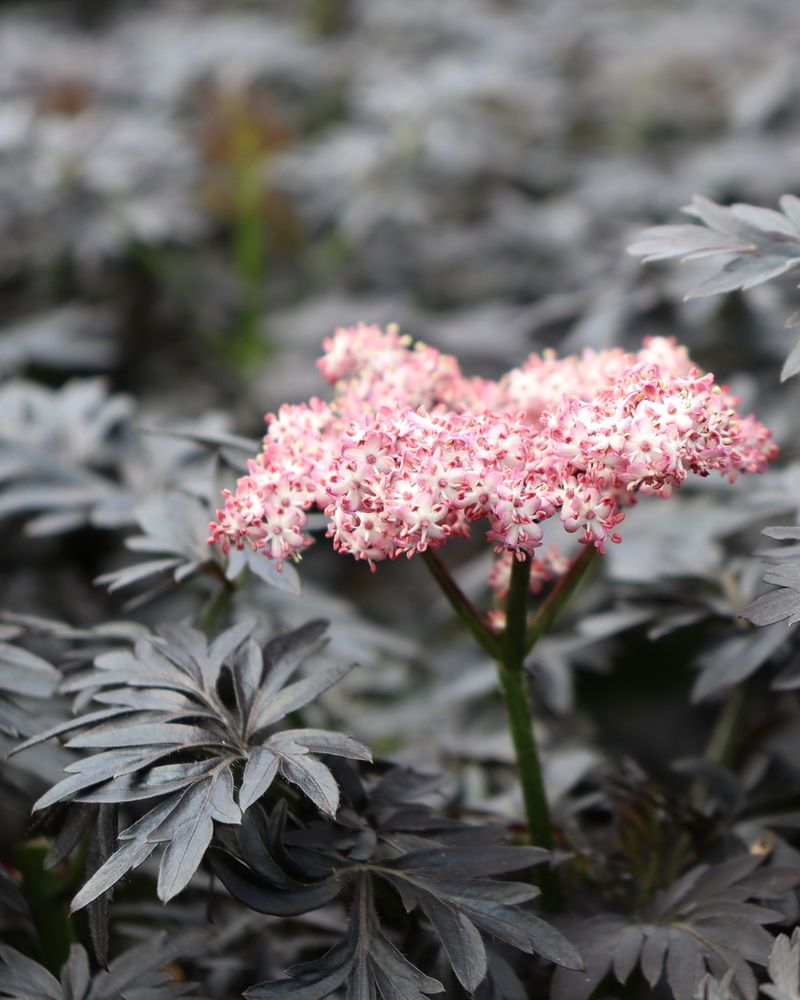
Shrubs don’t get much more theatrical than this deciduous beauty with foliage so finely cut it resembles delicate lace floating in breezes.
Black Lace Elderberry produces deeply divided leaves in shades of purple-black that provide stunning contrast against its pink flower clusters appearing in late spring.
California gardeners appreciate how this fast-growing shrub quickly fills spaces while offering multi-season interest from flowers to berries to dramatic foliage color.
Mature plants reach six to eight feet tall and wide, making them perfect as specimen plants or incorporated into mixed shrub borders.
Pink blooms give way to dark berries in summer that attract birds and can be harvested for jams and syrups.
The lacy foliage maintains its dark color throughout the growing season, especially when plants receive adequate water and nutrients from enriched soil.
Prune hard in late winter to encourage vigorous new growth with the darkest foliage color and maintain a compact, manageable shape.
Pair this elderberry with chartreuse-leaved plants like golden ninebark for a bold color combination that energizes any California landscape design.
5. Black Pansy
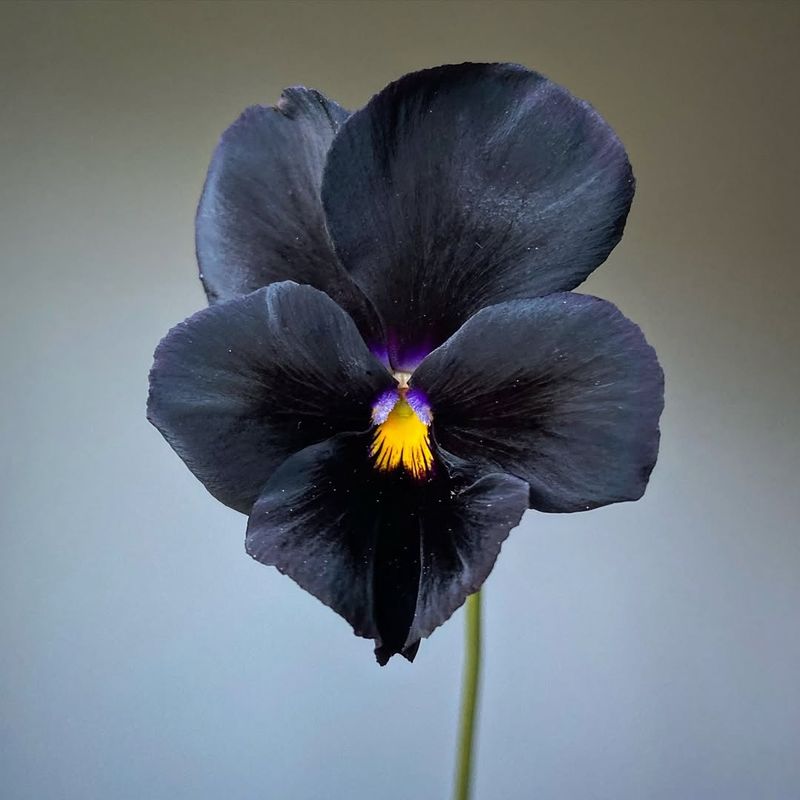
Cool-season gardens gain instant sophistication when you tuck these dark-faced flowers into beds, borders, or containers during California’s mild winter months.
Black Pansies display velvety petals in shades ranging from deep purple to nearly true black, often with contrasting yellow centers that brighten faces.
These cheerful bloomers thrive in California’s coastal and valley regions where temperatures remain moderate from fall through spring without extreme cold snaps.
Each flower measures about two inches across and appears on compact plants that reach six to eight inches tall in optimal conditions.
Plant them in fall for winter and spring color, or in early spring for extended blooms before summer heat arrives.
Their compact size makes them ideal for edging beds, filling gaps in perennial borders, or creating stunning container combinations with other cool-season favorites.
Deadhead spent blooms regularly to encourage continuous flowering and prevent plants from setting seed too early in the growing season ahead.
Combine black pansies with white alyssum or silver dusty miller for classic color schemes that never go out of style.
6. Black Pearl Pepper
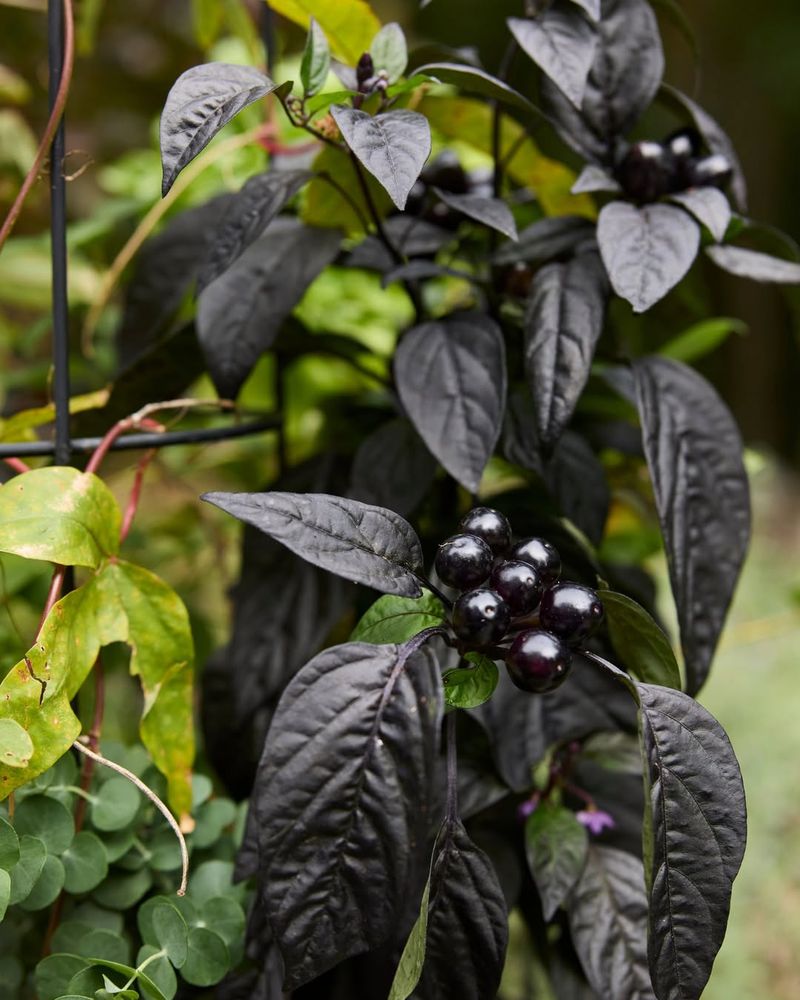
Edible ornamentals bring double the value to California gardens, and this pepper variety delivers stunning looks plus edible fruits all season long.
Black Pearl Pepper produces dark purple-black foliage that looks almost metallic under bright sunlight, creating dramatic contrast against colorful companion plants nearby.
Small round fruits start black, then ripen to red, providing a constantly changing color show from summer through fall in warm regions.
Plants grow compact and bushy, reaching about eighteen inches tall and wide, making them perfect for containers on sunny patios or porches.
The dark foliage serves as a living backdrop for the glossy fruits that appear in abundance once warm weather settles in.
California’s long growing season allows these peppers to produce continuously, providing both visual interest and spicy fruits for adventurous home cooks.
Full sun and consistent moisture produce the best foliage color and most abundant fruit set throughout the extended California growing season outdoors.
Combine them with bright orange marigolds or yellow zinnias for tropical-inspired container designs that celebrate bold color contrasts beautifully.
7. Black Magic Elephant Ear
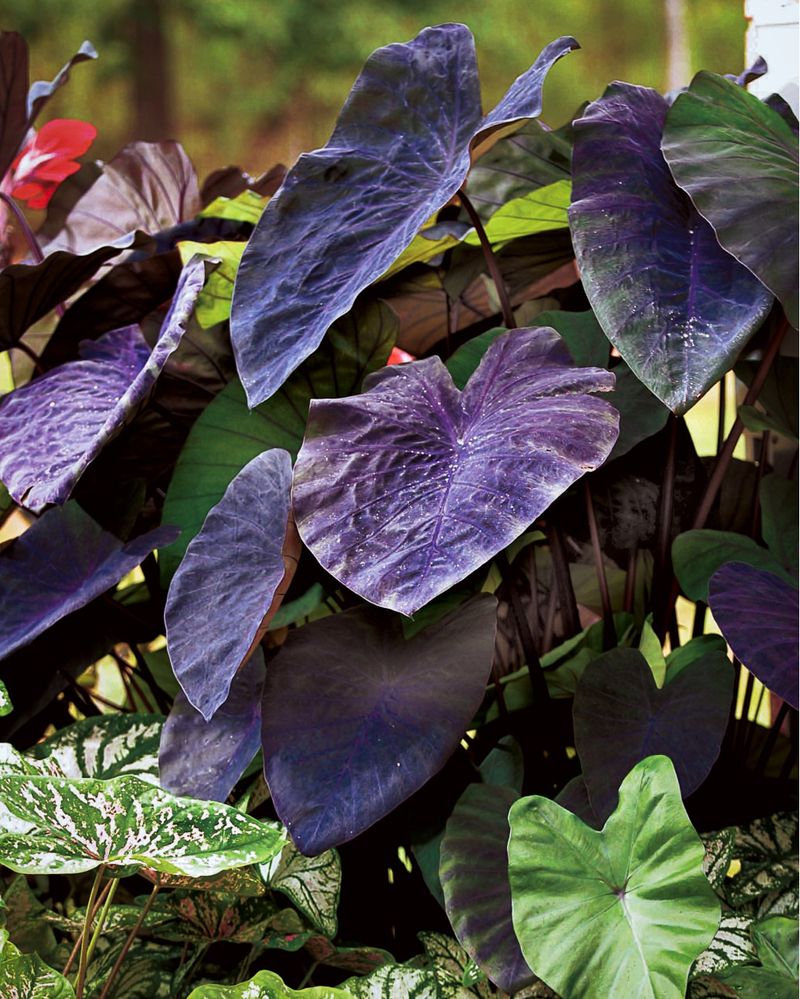
Tropical drama reaches new heights when you plant these enormous-leaved beauties that transform ordinary California gardens into exotic jungle retreats instantly.
Black Magic Elephant Ear produces heart-shaped leaves that can reach two feet across in rich purple-black shades that intensify in bright light.
These bold foliage plants create instant focal points in beds, borders, or large containers where their dramatic presence dominates the landscape view.
Plants grow from tubers planted in spring after soil warms, quickly shooting up stems that can reach three to five feet tall.
California’s warm summers provide ideal growing conditions, though plants appreciate consistent moisture and rich soil to support their impressive leaf production.
The dark foliage provides stunning contrast against bright tropical flowers like cannas, hibiscus, or bird of paradise in mixed plantings.
In cooler California regions, tubers can be dug and stored indoors over winter, then replanted when spring warmth returns again.
Coastal gardeners in frost-free zones can often leave tubers in ground year-round with protective mulch covering during coldest months ahead.
8. Black Barlow Columbine
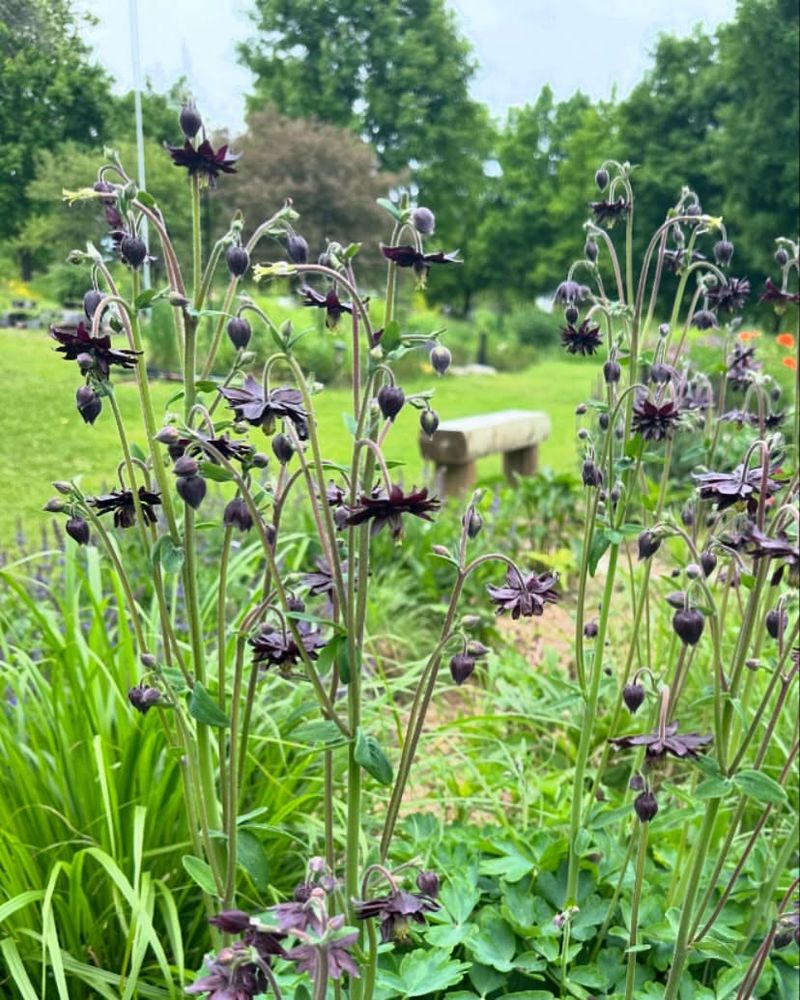
Woodland gardens and shady spots come alive with these unusual double flowers that look like pom-poms in shades of deep maroon-black.
Black Barlow Columbine produces spurless blooms that differ dramatically from typical columbine flowers, creating unique visual interest in California’s shadier garden spaces.
These perennials bloom in late spring and early summer, adding dark drama to areas where most plants struggle to perform well.
Plants form attractive mounds of blue-green foliage that remains semi-evergreen in mild California winters, then send up flowering stems to about two feet.
Each stem produces multiple blooms that last for weeks, providing extended color in shaded borders under trees or along north-facing walls.
The unusual flower form attracts attention from garden visitors who rarely see columbines with such distinctive double petals and dark coloring.
After flowering finishes, cut stems back to encourage fresh foliage growth and occasionally produce sporadic rebloom later in the California growing season.
Pair these dark beauties with light-colored hostas or white bleeding hearts for classic shade garden combinations that feel both traditional and fresh.
9. Black Scallop Ajuga
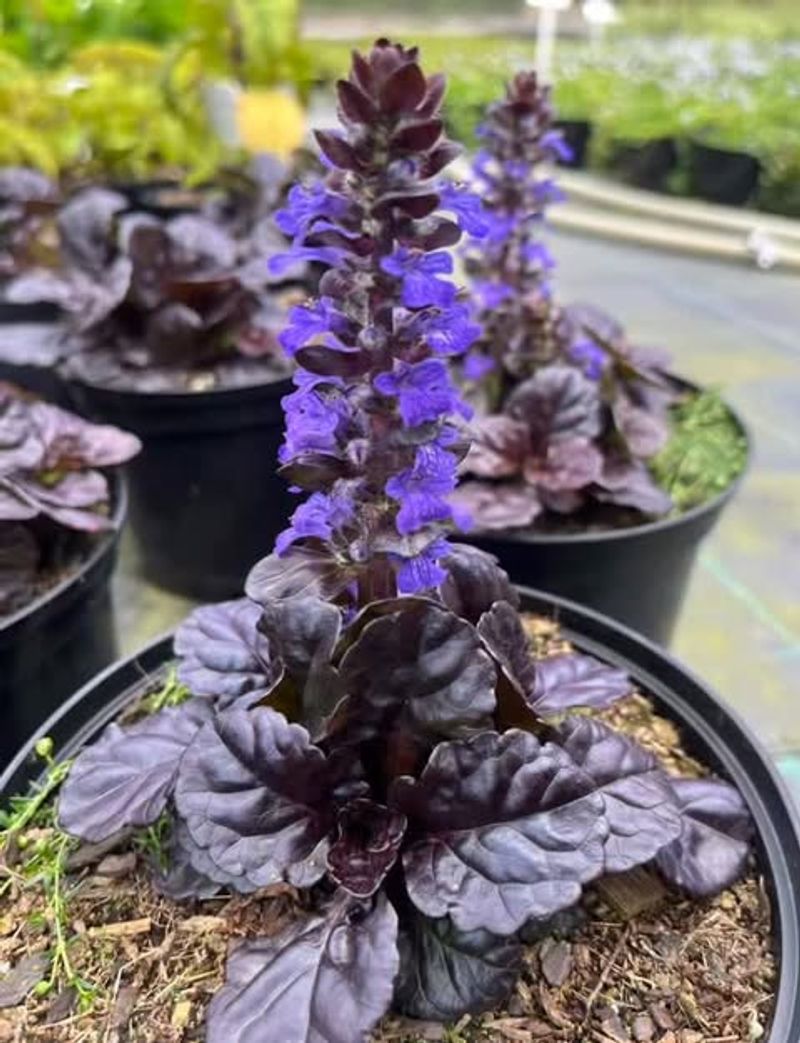
Groundcovers work hard in California landscapes, and this variety delivers both function and high drama with its deeply colored scalloped leaves.
Black Scallop Ajuga produces glossy foliage in shades of deep purple-black that spreads quickly to form dense mats suppressing weeds effectively.
Blue flower spikes emerge in spring, adding vertical interest above the dark foliage carpet that remains attractive throughout the entire year.
This tough perennial tolerates foot traffic better than many groundcovers, making it useful between stepping stones or in areas receiving occasional walking.
California’s mild climate allows ajuga to remain evergreen, providing year-round color and texture in gardens that need reliable low-maintenance coverage.
The dark foliage creates stunning contrast when planted alongside golden creeping Jenny or silvery lamium in mixed groundcover plantings together.
Plants spread by runners that root as they grow, quickly filling bare spots in beds, borders, or slopes needing erosion control.
Divide clumps every few years to rejuvenate plantings and share extras with fellow gardeners who admire your dramatic landscape design.
10. Black Rose Aeonium
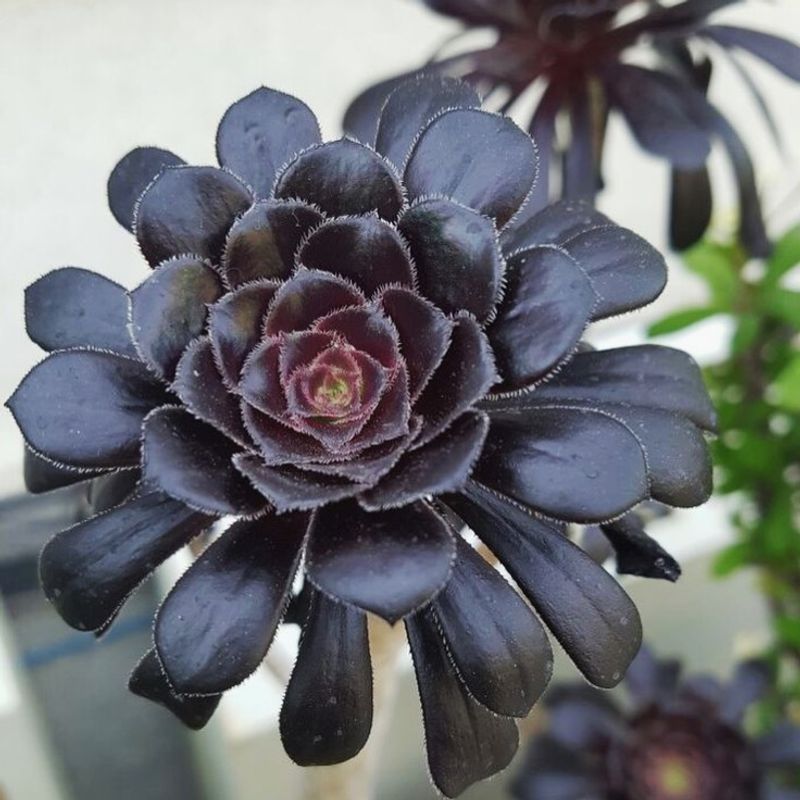
Succulents reign supreme in California’s water-wise gardens, and this variety brings gothic elegance with rosettes so dark they rival midnight shadows.
Black Rose Aeonium forms stunning geometric rosettes of purple-black leaves that intensify in color when grown in full sun conditions.
These architectural plants branch freely, creating multi-headed specimens that serve as living sculptures in drought-tolerant landscapes, containers, or rock gardens throughout the state.
Mature plants can reach three feet tall with rosettes measuring six to eight inches across at the tips of thick stems.
California’s Mediterranean climate suits these succulents perfectly, though they appreciate occasional deep watering during extended dry periods in summer months.
Yellow flower clusters appear on mature rosettes in late winter or spring, creating dramatic contrast against the dark foliage before blooming rosettes naturally fade.
Propagate easily from stem cuttings that root quickly in well-draining soil, allowing you to multiply your collection or share with friends.
Combine with silvery echeveria or blue senecio for stunning succulent arrangements that showcase color and texture contrasts in water-smart California landscapes.
11. Chocolate Cosmos
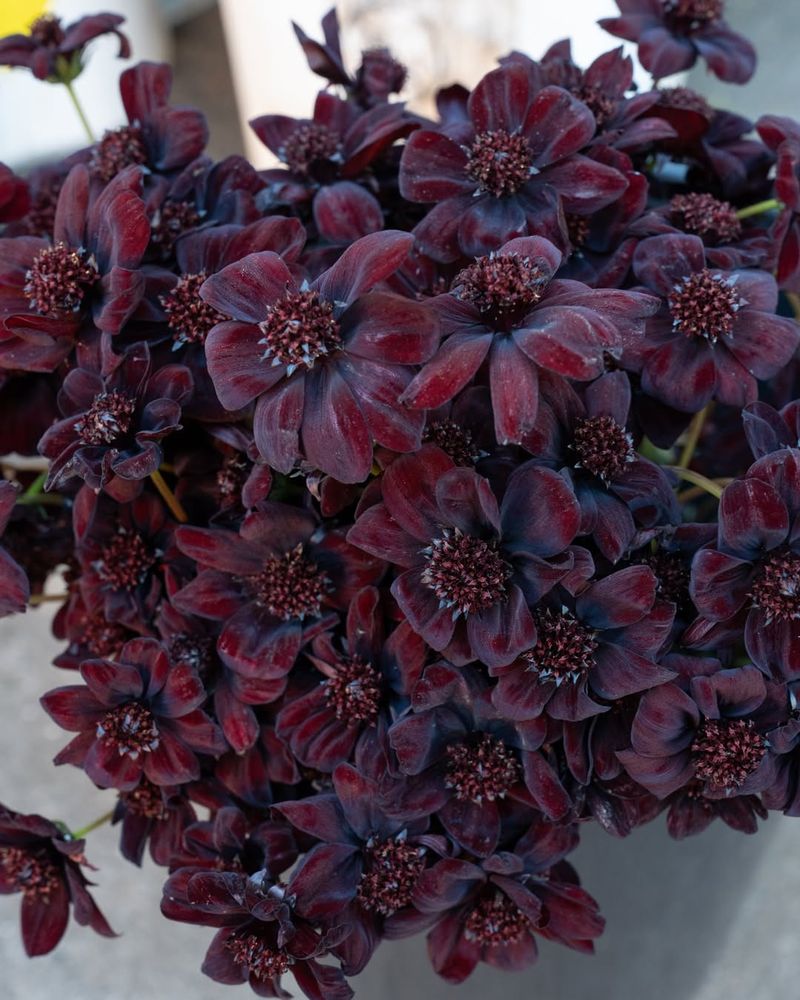
Few flowers combine visual drama with delightful fragrance quite like these unique cosmos that actually smell like rich chocolate on warm days.
Chocolate Cosmos produces deep maroon-black daisy-like flowers that appear continuously from summer through fall in California’s favorable growing conditions outdoors.
These perennials grow from tuberous roots that return year after year in mild-winter regions, providing reliable color and sweet scent season after season.
Plants reach about two feet tall with dark green ferny foliage that contrasts beautifully with the nearly black flowers measuring two inches across.
California gardeners in zones 7 and warmer can leave tubers in ground with protective mulch, while colder regions require lifting tubers.
The chocolate fragrance intensifies on warm afternoons, making these perfect for planting near patios, walkways, or seating areas where scent can be enjoyed.
Deadhead spent blooms regularly to encourage continuous flowering and maintain tidy plant appearance throughout the long California growing season ahead.
Pair with white gaura or pink penstemons for romantic cottage garden combinations that engage multiple senses with color and fragrance together.