Blue Blooms California Gardeners Will Love Growing From Seed In 2026
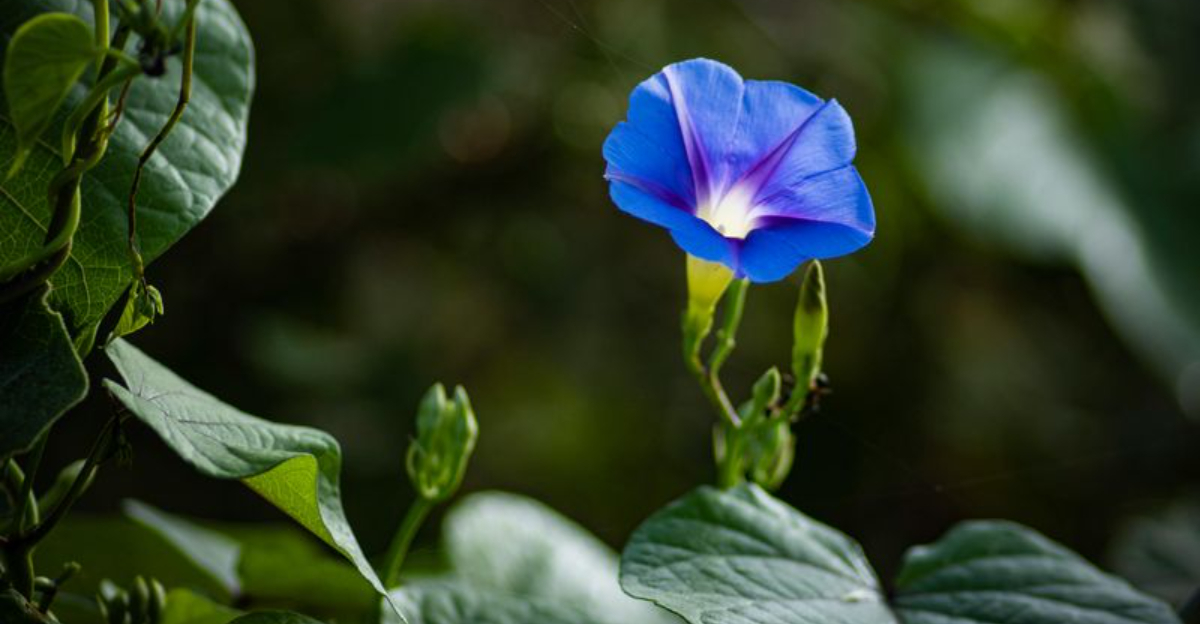
Blue flowers have a magical way of making any garden pop, and California gardeners have plenty of options to grow them from seed in 2026. Imagine vibrant, sky-colored blooms brightening your backyard all season long.
From delicate perennials to bold annuals, blue flowers add charm, contrast, and a calming vibe that complements any garden design. Fresh seeds now mean stunning blooms later.
California’s climate is perfect for these beauties, offering plenty of sun and warmth for strong, healthy growth. Small seeds, big impact!
Even containers or small garden beds can showcase these eye-catching flowers with minimal effort. Your garden can be a serene, colorful retreat.
With a few smart seed selections, you can enjoy a variety of blue blooms that thrive locally, last all season, and bring a sense of tranquility and beauty to your outdoor space.
1. Bachelor’s Button (Cornflower)
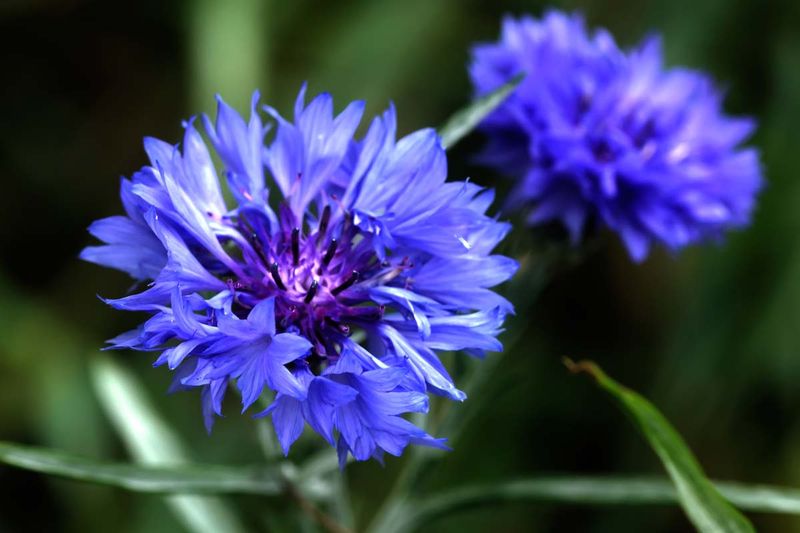
Bright, cheerful, and surprisingly easy to grow, bachelor’s button brings vibrant cobalt blue to California gardens with minimal fuss. This old-fashioned favorite has been charming gardeners for generations, and its carefree nature makes it perfect for beginners and experts alike.
The papery petals create a ruffled appearance that looks delicate but stands up well to cutting, making these flowers excellent for indoor arrangements. Seeds germinate quickly when planted directly in garden soil, usually sprouting within seven to ten days.
California’s mild winters allow for fall planting in many regions, giving you earlier spring blooms than gardeners in colder states. The plants reach about two to three feet tall and produce flowers continuously from late spring through summer if you keep deadheading spent blooms.
Bachelor’s buttons actually prefer the cooler temperatures found in coastal California areas, though they adapt well to inland valleys with afternoon shade. Their drought tolerance once established makes them smart choices for water-conscious landscapes.
These cheerful flowers attract beneficial pollinators including bees and butterflies, adding movement and life to your garden ecosystem. The stems are strong enough for cutting gardens, and the flowers last up to a week in vases.
Children especially enjoy growing bachelor’s buttons because the seeds are large enough to handle easily and the results come quickly. Plant them in full sun with well-draining soil, and watch as these true-blue beauties fill your California garden with color throughout the growing season.
2. Love-In-A-Mist (Nigella)
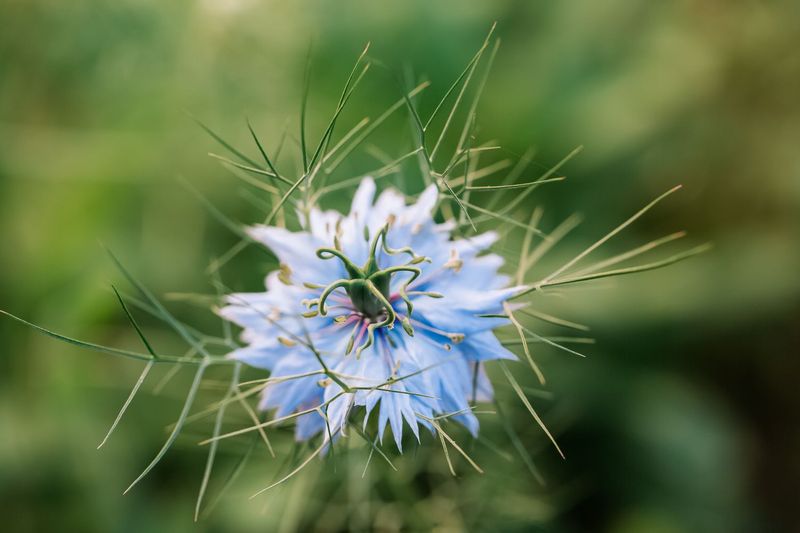
Delicate ferny foliage surrounds sky-blue flowers that seem to float like jewels in a green mist, giving this plant its romantic common name. Love-in-a-mist creates an airy, cottage-garden feel that softens hardscapes and complements bolder flowers beautifully.
The blooms feature intricate details with thread-like bracts encircling each flower, creating a lacy collar effect that photographers and flower arrangers adore. After flowering, the seed pods develop into striped balloon-like structures that add architectural interest and work wonderfully in dried arrangements.
Direct seeding works best with nigella since the plants develop taproots that dislike transplanting. Scatter seeds in fall or early spring across prepared garden beds in Northern California, or stick to spring planting in hotter inland areas.
The plants grow twelve to eighteen inches tall and prefer full sun to partial shade, especially appreciating some afternoon protection in warmer regions.
Love-in-a-mist thrives in California’s Mediterranean climate and actually performs better with our cool, moist springs than in humid summer regions.
These charming flowers self-seed readily, returning year after year without any effort on your part once established. The foliage has a pleasant, slightly spicy fragrance when brushed, and the entire plant adds textural interest even before blooming begins.
Gardeners in Los Angeles and San Diego can grow love-in-a-mist as a winter annual, enjoying blooms when many other plants are dormant.
The flowers attract beneficial insects while the ferny foliage rarely faces pest problems, making this a truly low-maintenance addition to California gardens seeking that perfect shade of blue.
3. California Bluebell (Phacelia)
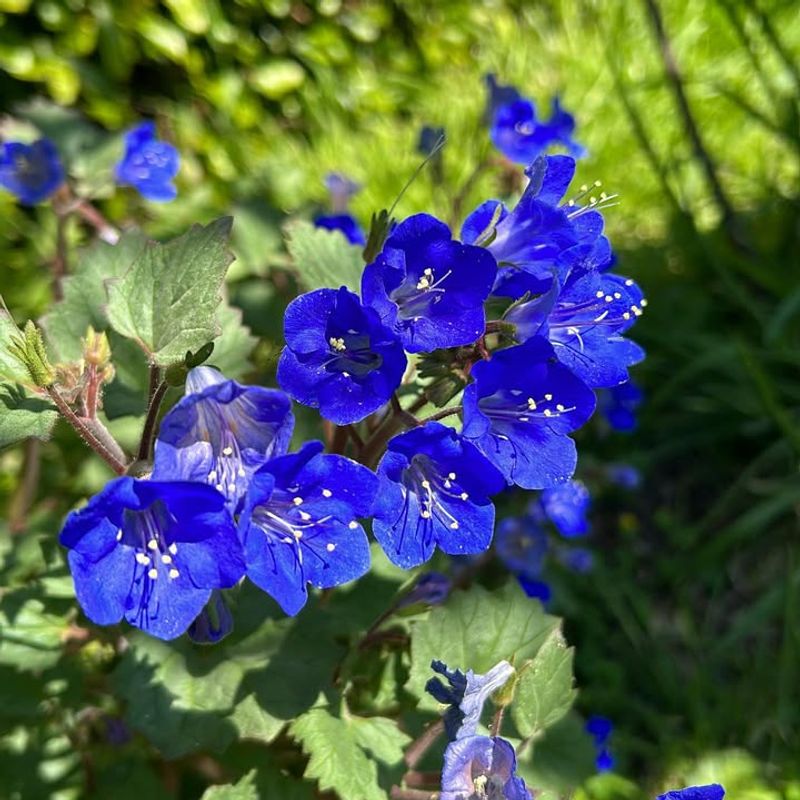
Native to California’s coastal ranges and foothills, this wildflower brings authentic regional beauty to gardens while supporting local ecosystems. The bell-shaped blooms cluster along curling stems that unfurl gradually, extending the flowering period for weeks.
Colors range from soft lavender-blue to deeper purple-blue depending on the variety, and the flowers produce copious amounts of nectar that native bees find irresistible.
Growing a California native from seed connects you to the natural heritage of your region and helps preserve plant diversity.
Phacelia seeds are tiny but mighty, germinating reliably when pressed lightly into soil and kept consistently moist. Plant them in fall for spring blooms, or start them in late winter for summer flowers across most California regions.
These plants grow between one and three feet tall depending on variety and growing conditions, creating lovely informal drifts when planted in groups.
They tolerate a range of soil types but prefer well-draining ground, making them perfect for hillside gardens and rock gardens throughout the state.
Did you know that phacelia is often planted as a cover crop because it improves soil quality while looking beautiful? The plants have a slightly fuzzy texture that some people find irritating to skin, so wear gloves when handling them if you have sensitive skin.
California bluebell works wonderfully in restoration projects, meadow gardens, and anywhere you want to encourage native pollinators.
The flowers bloom prolifically, creating sheets of blue that rival any non-native species while requiring less water and care once established in California gardens.
4. Morning Glory (Heavenly Blue)
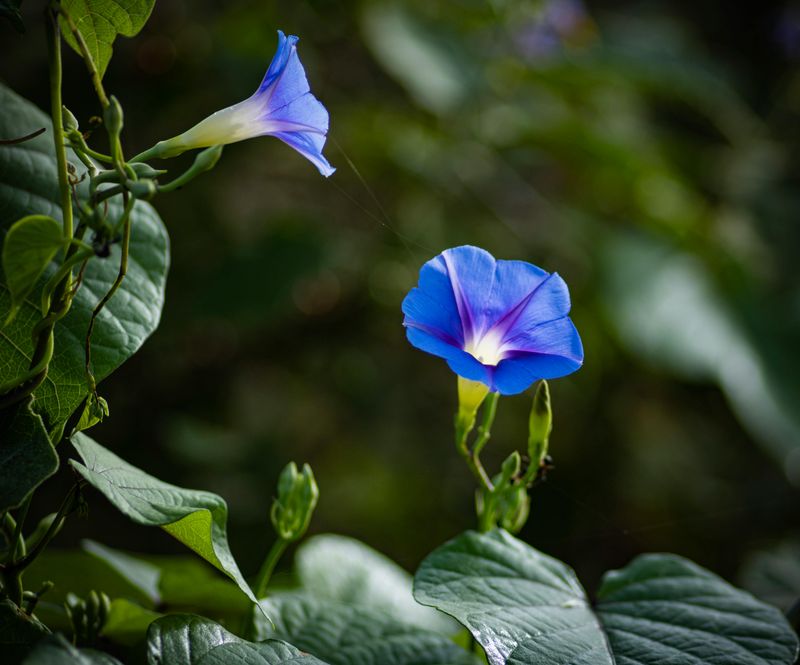
Few sights rival the pure azure blooms of Heavenly Blue morning glories greeting the sunrise in a California garden. Each trumpet-shaped flower opens fresh each morning, displaying its brilliant color before fading by afternoon, creating an ever-changing display.
The vines climb vigorously, reaching ten to fifteen feet in a single season, making them perfect for covering fences, arbors, or unsightly structures.
Seeds have hard coats that benefit from overnight soaking or light filing before planting, which speeds germination significantly.
California’s long growing season allows morning glories to reach impressive sizes and produce thousands of blooms from summer through fall. Plant seeds directly in the garden after the last frost date, spacing them six to twelve inches apart along your support structure.
These plants thrive in full sun and tolerate our periodic dry spells once their roots establish, though regular watering produces more abundant flowering. Morning glories can become enthusiastic self-seeders, so deadhead spent blooms if you want to prevent volunteers next season.
The heart-shaped leaves create dense coverage that provides privacy and shade, cooling nearby walls and structures during hot California summers. Hummingbirds occasionally visit the tubular flowers, adding another dimension of wildlife interest to your garden.
Morning glories grow quickly enough that children can track their daily progress, making them excellent choices for teaching kids about plant growth.
Whether you’re gardening in Fresno or along the coast in Santa Barbara, Heavenly Blue morning glories deliver reliable color and vertical interest from just a packet of seeds planted in spring.
5. Forget-Me-Not
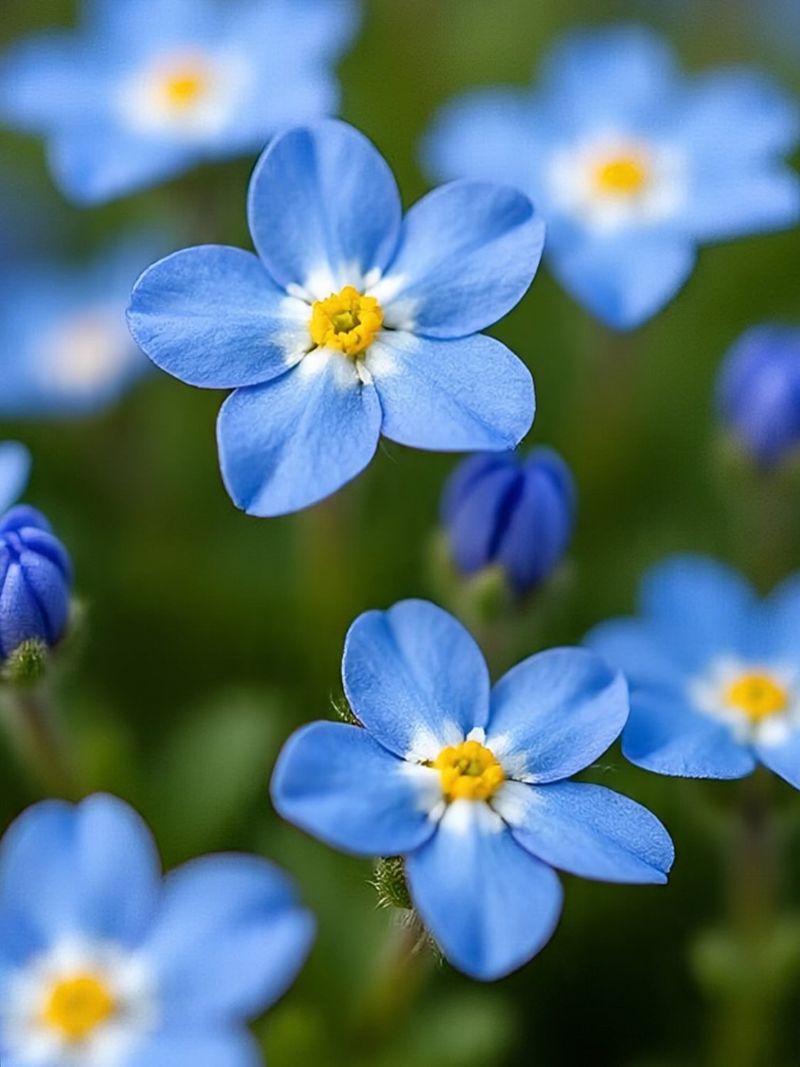
Tiny flowers in the truest shade of sky blue create clouds of color in shaded California gardens where many other plants struggle. Forget-me-nots spread into charming groundcovers that weave between other plants without becoming aggressive, filling gaps with their cheerful blooms.
Each flower measures only about a quarter-inch across but appears in such abundance that the overall effect is stunning. The yellow centers create a pleasing contrast that makes the blue appear even more vivid and pure.
These woodland natives appreciate the dappled shade found under California’s oak trees and along north-facing walls. Seeds are extremely fine, almost dust-like, so mix them with sand before scattering to achieve better distribution.
Fall planting works beautifully in most California regions, giving plants time to establish before blooming in early spring. Forget-me-nots prefer consistent moisture and will reward you with longer bloom periods if you keep the soil from drying out completely during our dry season.
The plants grow only six to twelve inches tall, making them perfect for edging paths or planting in containers where their trailing habit creates a softening effect. Forget-me-nots self-seed generously, returning year after year and gradually expanding their territory in a welcome way.
They pair beautifully with spring bulbs, filling in after daffodils and tulips finish blooming. California gardeners in cooler coastal areas from Monterey to Eureka find these flowers especially easy to grow, as the climate closely resembles their native habitat.
The common name comes from romantic folklore, but you’ll remember these flowers simply because they’re so delightfully easy and rewarding to grow from seed.
6. Larkspur
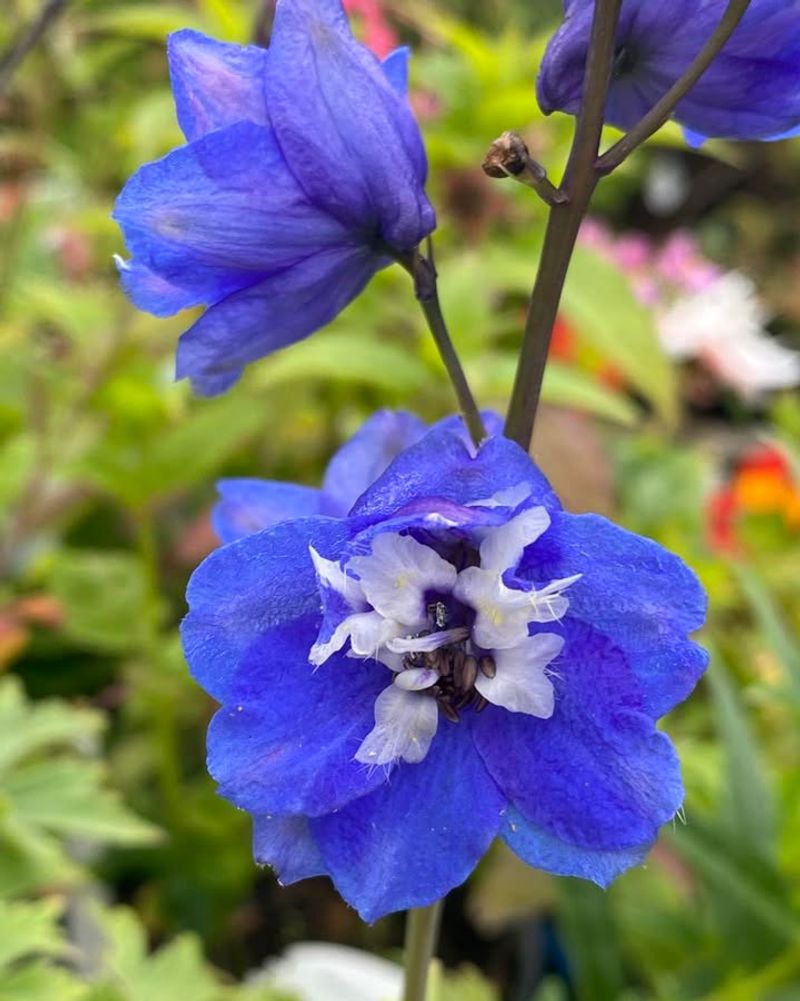
Stately flower spikes in shades ranging from pale powder blue to deep royal blue bring cottage-garden elegance to California landscapes. Larkspur resembles its perennial cousin delphinium but grows as an annual, completing its entire life cycle in one season.
The flowers cluster densely along tall stems that can reach four feet in ideal conditions, creating vertical accents that draw the eye upward. Each individual bloom has a distinctive spur projecting backward, giving the plant its common name and adding architectural detail.
Cool-season growth habits make larkspur particularly well-suited to California’s climate patterns. Plant seeds in fall across most of the state for spectacular spring blooms, or try late winter planting in the hottest inland valleys.
Larkspur actually needs a period of cool temperatures to germinate properly, so trying to start it in summer usually leads to disappointment. The plants prefer full sun and rich, well-draining soil amended with compost for best results.
Cutting gardens benefit tremendously from larkspur’s long-lasting stems, which remain fresh in vases for up to two weeks with proper care. The flowers attract hummingbirds and beneficial insects while their height provides structure in mixed borders.
Larkspur works beautifully in California’s wine country gardens, complementing the rustic elegance of vineyard landscapes. Gardeners in areas like Napa, Sonoma, and Paso Robles find these flowers especially rewarding.
Plant larkspur in groups of at least five to seven plants for maximum visual impact, and stake taller varieties if your garden experiences strong winds during spring blooming season.
7. Baby Blue Eyes (Nemophila)
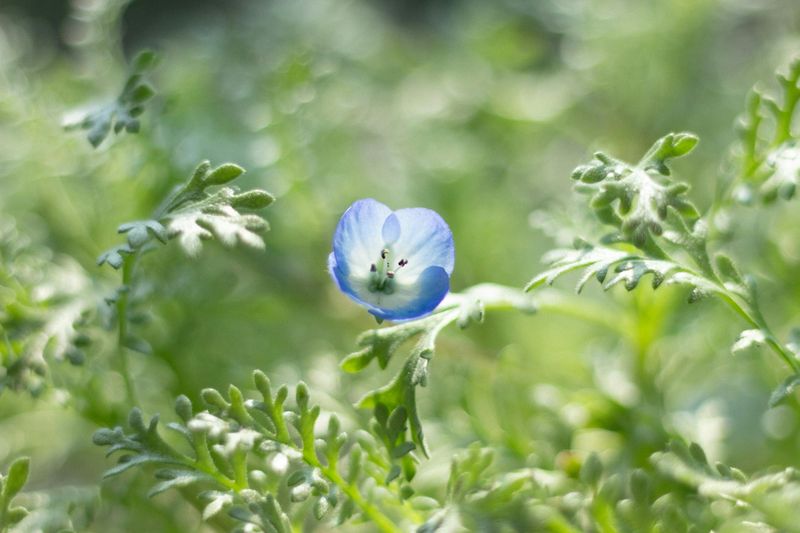
California’s own native treasure, baby blue eyes carpet the ground with sky-blue flowers that make entire hillsides look like pieces of heaven. This low-growing annual spreads into a mat of cheerful blooms that peak in spring, creating displays that rival any cultivated flower.
Each flower features five rounded petals in the softest shade of blue with white centers that seem to glow, creating a two-toned effect. The plants grow only six to ten inches tall, making them perfect for edging, containers, or planting in drifts across larger areas.
Nemophila seeds germinate easily when planted in fall or late winter, requiring only light coverage with soil since they need some light to sprout. California gardeners have a distinct advantage growing this native plant, as it’s perfectly adapted to our rainfall patterns and temperature ranges.
The plants prefer full sun in coastal areas but appreciate partial shade in hotter inland regions like the Central Valley. Baby blue eyes thrive with regular water during their growing season but naturally fade as summer heat arrives, completing their life cycle as nature intended.
Wildflower enthusiasts across California recognize nemophila as a signature component of spectacular spring displays. The flowers attract early-season pollinators when few other food sources are available, making them ecologically valuable.
Children love these flowers because they’re safe to touch, easy to grow, and appear in such cheerful abundance.
Baby blue eyes self-seed reliably, returning each year with minimal effort once established in your garden, creating those magical carpets of blue that make California springs unforgettable.