12 Blue-Flower Plants Perfect For Washington State
Washington State offers a unique climate that supports an incredible variety of plants.
The Pacific Northwest is famous for its mild, wet winters and warm, dry summers, which create ideal conditions for many blue-flowered beauties.
Blue flowers bring a sense of calm and tranquility to any garden, and they pair wonderfully with the lush green backdrop that Washington is known for.
From coastal areas to mountain foothills, gardeners across the state can enjoy stunning blue blooms throughout the year.
Some blue flowers thrive in shade, while others prefer full sun, so there’s a perfect option for every corner of your yard.
Many of these plants are native to the region, which means they require less water and maintenance once established.
Blue flowers also attract beneficial pollinators like bees, butterflies, and hummingbirds to your garden.
Choosing the right blue-flowering plants can transform your outdoor space into a peaceful retreat.
Each plant on this list has been selected for its ability to flourish in Washington’s specific growing conditions.
You’ll discover options that bloom in spring, summer, and even fall, ensuring continuous color.
Get ready to explore some of the most beautiful blue-flowered plants that will make your Washington garden truly spectacular.
1. Hydrangea macrophylla
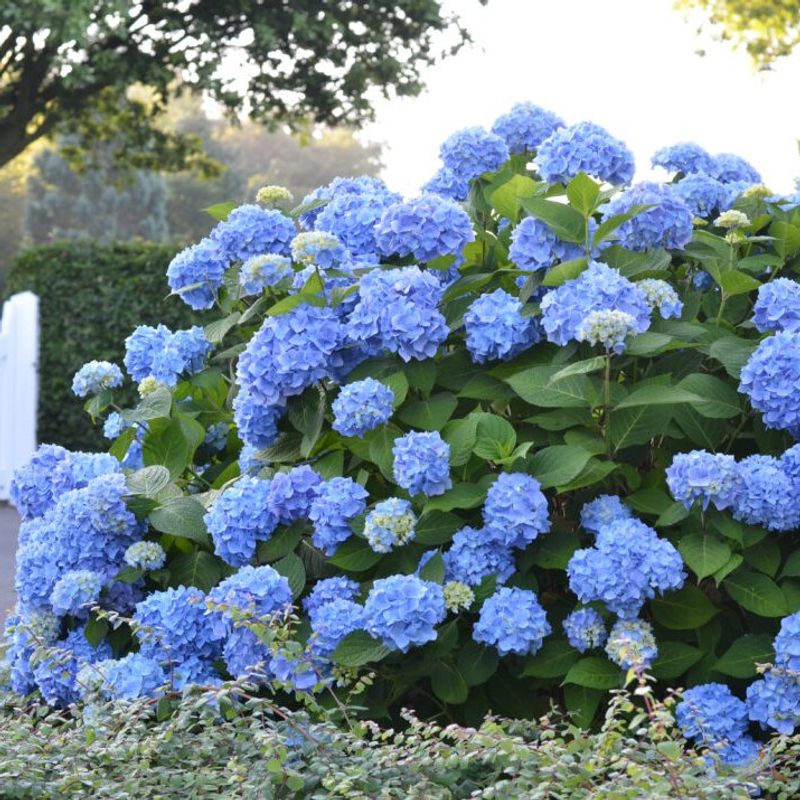
Big, bold blooms make this shrub a showstopper in any Pacific Northwest garden.
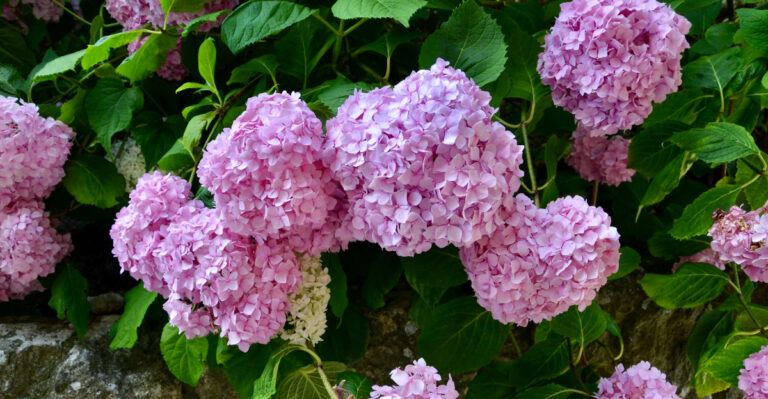
Hydrangea macrophylla produces stunning clusters of blue flowers that can reach the size of dinner plates when conditions are just right.
The secret to maintaining that gorgeous blue color lies in your soil’s acidity level.
Acidic soil with a pH below 6.0 encourages the aluminum in the ground to become available to the plant, which creates those vibrant blue tones.
Washington’s naturally acidic soil makes this plant particularly happy in our region.
You can grow hydrangeas in partial shade, which is perfect for those spots under tall trees or on the north side of your home.
These shrubs bloom from early summer through fall, providing months of color.
Water them regularly during dry spells, especially in the summer months when rainfall is scarce.
Pruning should be done carefully since hydrangeas bloom on old wood from the previous year.
Add a layer of mulch around the base to help retain moisture and keep roots cool.
Pair them with ferns and hostas for a classic woodland garden look.
Many gardeners in Seattle and Tacoma consider hydrangeas essential for their landscapes.
2. Delphinium

Towering spikes of brilliant blue flowers can reach heights of six feet or more in favorable conditions.
Delphiniums are cottage garden classics that bring vertical interest and drama to any planting bed.
Their stunning blue shades range from pale sky blue to deep royal blue, and they bloom in early to midsummer.
Washington’s cool spring weather helps these plants develop strong stems and abundant flower spikes.
Plant them in a spot that receives full sun for at least six hours daily.
Rich, well-draining soil amended with compost will give them the nutrients they crave.
Staking is often necessary because the tall flower spikes can topple in wind or heavy rain.
After the first bloom, cut the stems back to encourage a second flush of flowers in late summer.
Slugs can be a problem in our damp climate, so use organic slug control methods around young plants.
Delphiniums are short-lived perennials, typically lasting three to five years before needing replacement.
They make spectacular cut flowers for indoor arrangements.
Combine them with roses, peonies, and catmint for a romantic garden display.
3. Forget-Me-Not (Myosotis)
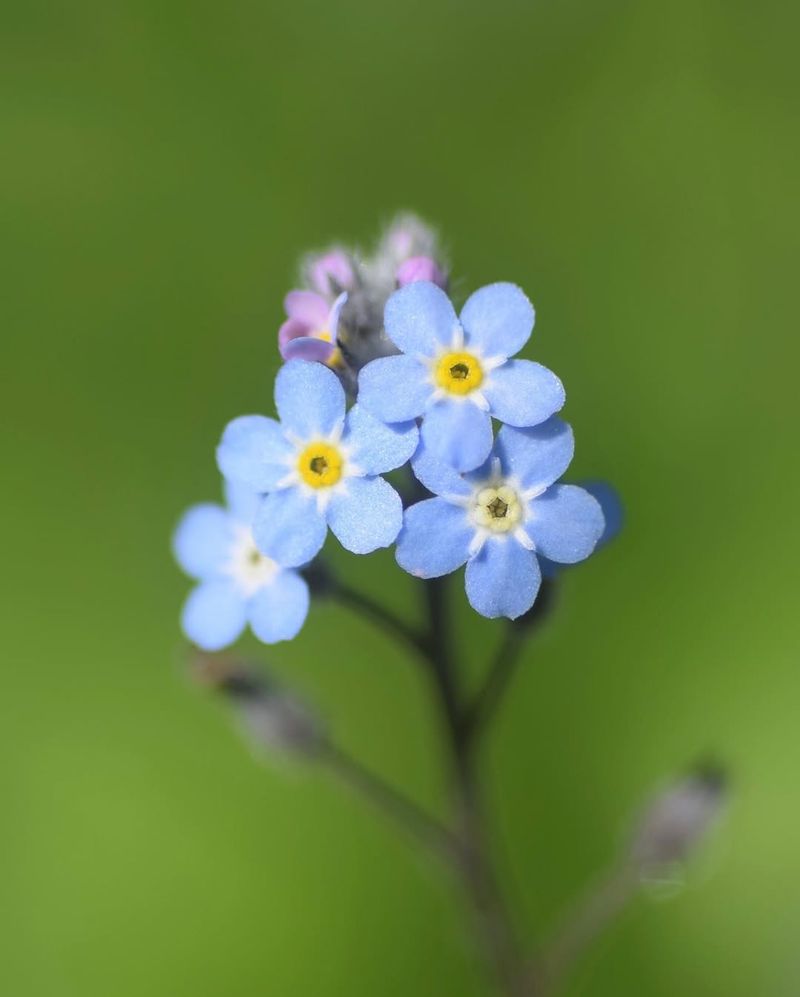
Tiny blue flowers with yellow centers create a magical carpet in shaded garden areas.
Forget-me-nots are charming little plants that spread freely and naturalize beautifully in Washington gardens.
They bloom profusely in spring, often covering the ground with a sea of delicate blue.
These plants thrive in partial to full shade and prefer consistently moist soil.
Washington’s spring rains provide perfect conditions for forget-me-nots to flourish.
Once established, they self-seed generously, returning year after year without any effort on your part.
Some gardeners consider them too enthusiastic, but their cheerful blooms are hard to resist.
You can easily pull out extras if they spread beyond where you want them.
Forget-me-nots work wonderfully as a ground cover under trees or along shaded pathways.
They pair beautifully with spring bulbs like tulips and daffodils.
The flowers attract small pollinators and beneficial insects to your garden.
After blooming, the plants become less noticeable as other perennials take center stage.
Consider them for woodland gardens or naturalized areas.
4. Salvia (Sage)

Spiky flower clusters in shades of blue and purple attract pollinators like crazy all summer long.
Salvia is a hardworking perennial that thrives in Washington’s sunny spots with well-drained soil.
Many varieties offer extended bloom times, with some flowering from late spring through the first frost.
Bees and hummingbirds find salvia irresistible, making it an excellent choice for wildlife gardens.
Once established, most salvias are quite drought-tolerant, perfect for our dry summers.
The aromatic foliage adds another sensory dimension to your garden experience.
Deadheading spent flowers encourages continuous blooming throughout the season.
Salvia nemorosa and Salvia x sylvestris are particularly reliable varieties for our region.
Plant them in groups of three or more for maximum visual impact.
They combine beautifully with ornamental grasses, roses, and other sun-loving perennials.
Cut back the plants by one-third in midsummer if they become leggy or stop blooming.
Salvias are generally pest and disease resistant, requiring minimal maintenance.
Their vertical flower spikes add structure to informal garden designs.
5. Campanula (Bellflower)
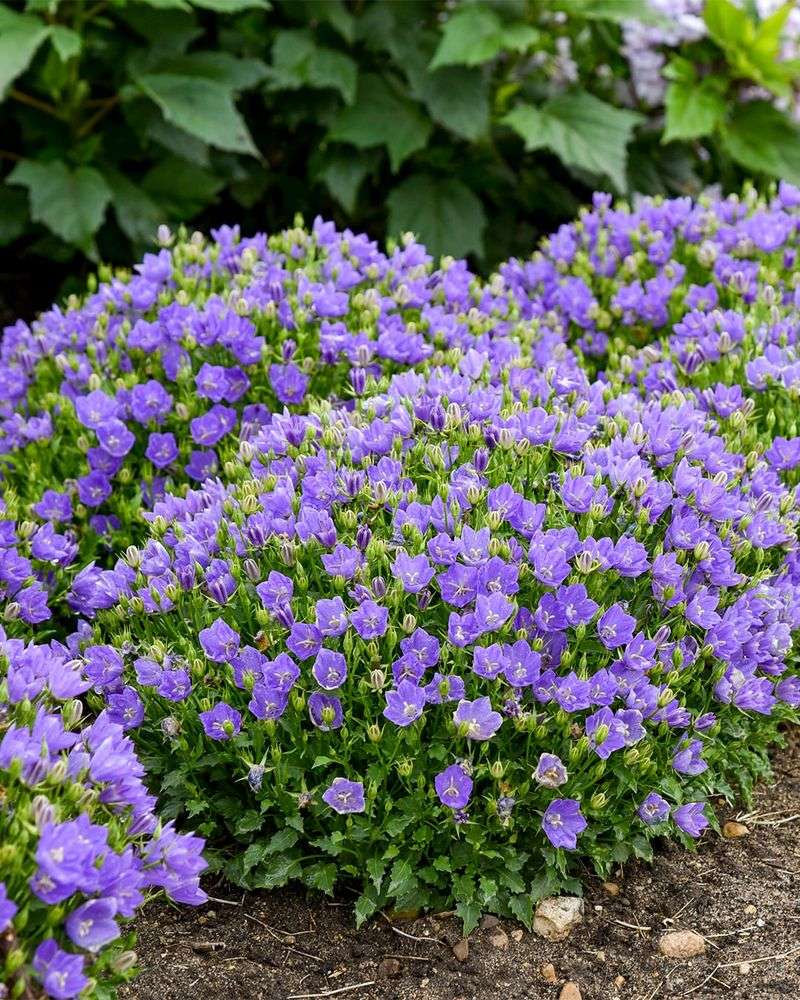
Bell-shaped blooms dangle gracefully from arching stems, creating a whimsical garden display.
Campanulas come in many forms, from low-growing ground covers to tall upright varieties.
Their blue flowers range from pale lavender-blue to deep violet-blue shades.
Washington’s moderate climate suits these plants perfectly, and they bloom reliably every summer.
Most campanulas prefer partial shade but can tolerate full sun with adequate moisture.
They work wonderfully in rock gardens, borders, or spilling over walls and containers.
The flowers bloom for several weeks, and deadheading can extend the display.
Campanula persicifolia and Campanula carpatica are excellent choices for Pacific Northwest gardens.
These plants are relatively low-maintenance once established in the right location.
They self-seed moderately, so you’ll often find new plants popping up nearby.
Slugs may nibble on young foliage, so protect seedlings with organic barriers.
Campanulas attract butterflies and bees, adding life and movement to your garden.
Divide clumps every few years to maintain vigor and prevent overcrowding.
6. Iris
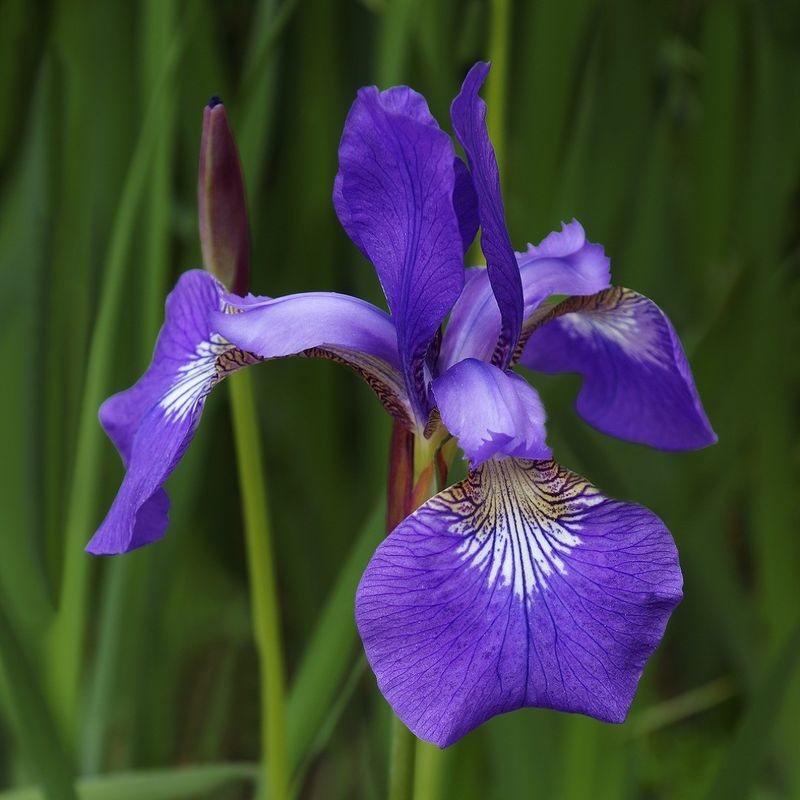
Elegant, sculptural flowers emerge in late spring, signaling the transition from early bulbs to summer perennials.
Irises are beloved for their sophisticated beauty and wide range of blue shades.
Bearded irises are particularly popular, with their ruffled petals and sweet fragrance.
Washington gardeners can also grow Siberian irises, which prefer moister conditions and have more grass-like foliage.
Plant bearded iris rhizomes in full sun with the tops exposed to air and sunlight.
Good drainage is essential to prevent rot, especially during our wet winters.
Irises bloom for several weeks in May and June, depending on the variety.
After blooming, the sword-shaped foliage provides vertical interest throughout the summer.
Divide overcrowded clumps in late summer to maintain healthy, vigorous plants.
Cut back foliage to about six inches in fall to reduce disease and pest problems.
Iris borers are rare in Washington, but watch for signs of soft, rotting rhizomes.
Combine irises with peonies and alliums for a stunning late-spring display.
Their architectural form makes them standout features in any garden design.
7. Veronica (Speedwell)
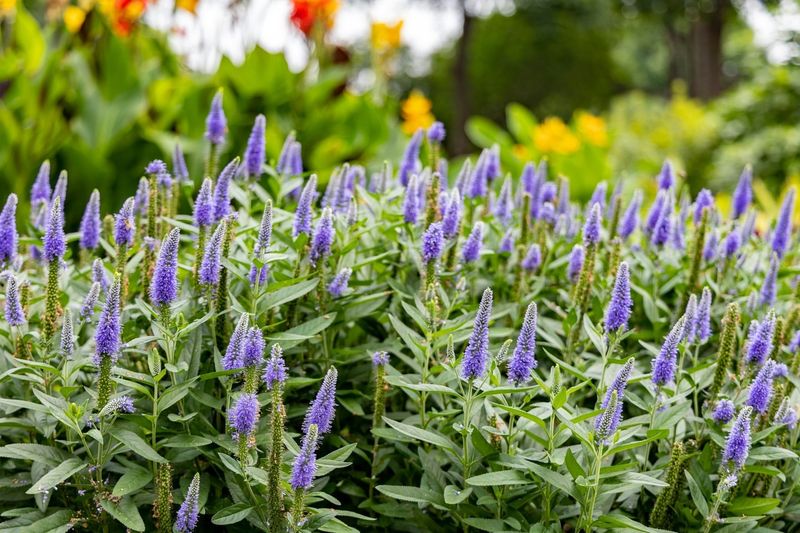
Slender spikes packed with tiny blue flowers create a fine-textured display from early summer onward.
Veronica is an underappreciated workhorse that performs reliably in Washington gardens year after year.
Most varieties are compact, making them perfect for front-of-border plantings or container gardens.
They bloom for an impressively long period, often six weeks or more with proper care.
Veronica tolerates a wide range of soil conditions but prefers well-drained sites.
Full sun brings out the best flowering, though they can handle light shade.
The plants are drought-tolerant once established, ideal for water-wise landscapes.
Butterflies and bees visit veronica flowers constantly throughout the blooming season.
Deadheading isn’t necessary, but removing spent spikes can encourage additional blooms
Veronica spicata is a particularly reliable species for our region.
The plants rarely suffer from pest or disease problems, making them low-maintenance choices.
Use them to create drifts of color in mixed perennial borders.
Their upright habit contrasts nicely with mounding plants like geraniums or catmint.
8. Brunnera (Siberian Bugloss)
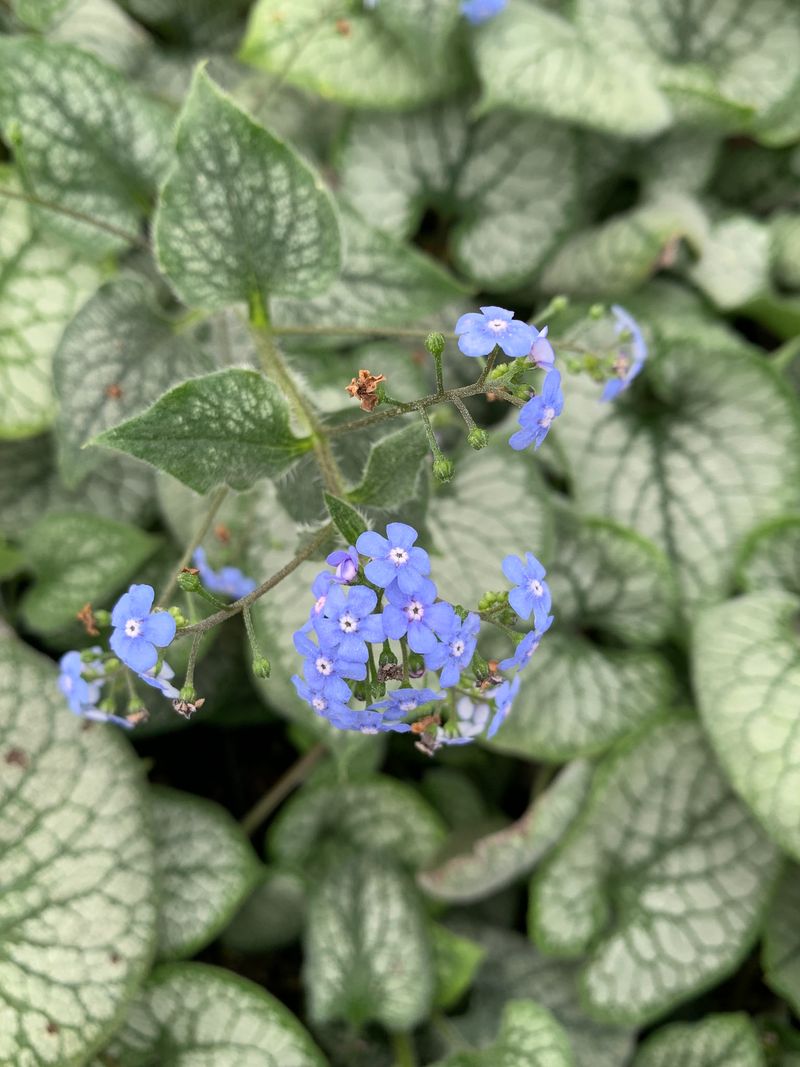
Clouds of tiny blue flowers hover above heart-shaped leaves in spring, resembling forget-me-nots on steroids.
Brunnera is a shade-lover’s dream plant, thriving in the dim conditions under trees and tall shrubs.
The flowers appear in April and May, providing early color when few other perennials are blooming.
After flowering, the foliage remains attractive all season, especially variegated varieties with silver markings.
Washington’s moist spring weather and cool summers create ideal growing conditions for brunnera.
Plant them in partial to full shade with consistently moist, rich soil.
Once established, they’re quite drought-tolerant, though leaves may look shabby without adequate water.
Brunnera spreads slowly to form substantial clumps over time.
They rarely need division and can remain undisturbed for many years.
Slugs occasionally nibble the foliage but rarely cause serious damage.
Pair brunnera with hostas, ferns, and hellebores for a sophisticated shade garden.
The silvery-leafed varieties like ‘Jack Frost’ brighten dark corners even when not in bloom.
This plant requires minimal maintenance and rewards you with reliable beauty year after year.
9. Agapanthus (Lily of the Nile)
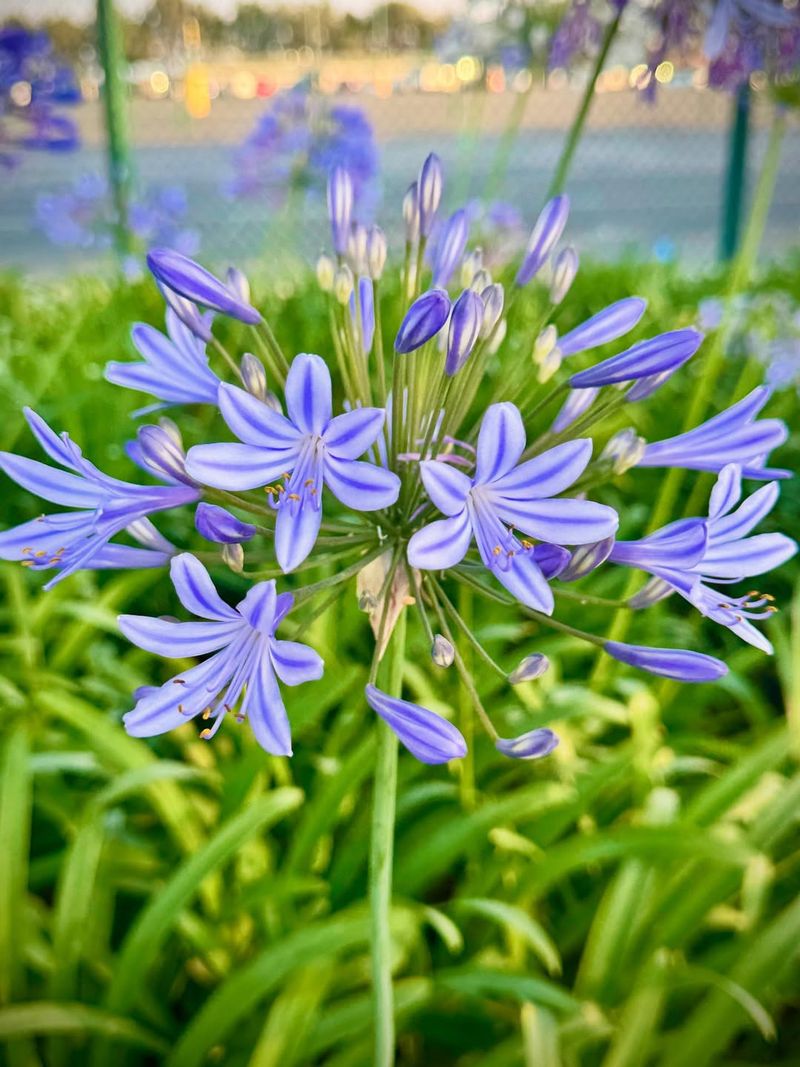
Dramatic spherical flower clusters top tall, bare stems in midsummer, creating an exotic focal point.
Agapanthus brings a touch of Mediterranean flair to Washington gardens, though it requires some winter protection in colder areas.
The strap-like foliage forms attractive clumps that remain evergreen in mild coastal regions.
Blue varieties range from pale sky blue to deep navy shades.
Plant agapanthus in full sun for the best flowering performance.
Well-drained soil is crucial, as these plants dislike sitting in waterlogged conditions during winter.
In western Washington’s milder zones, many varieties survive winters outdoors with mulch protection.
Gardeners in colder areas can grow them in containers and bring them indoors for winter.
Agapanthus blooms for several weeks in July and August when many other perennials are taking a break.
The flowers make excellent, long-lasting cuts for indoor arrangements.
Divide crowded clumps every few years to maintain vigor and flowering.
Feed them with a balanced fertilizer in spring to encourage abundant blooms.
Their architectural form works well in modern, minimalist garden designs.
10. Lobelia
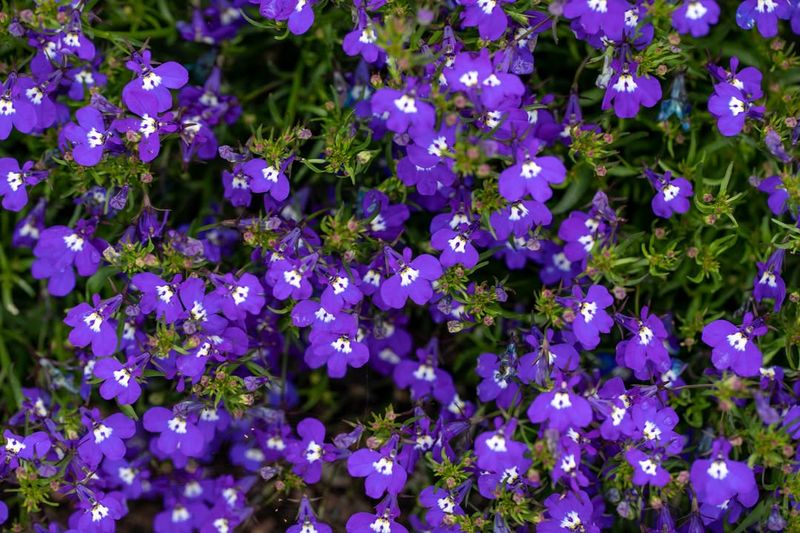
Tiny but abundant flowers smother plants in waves of blue from spring through fall.
Annual lobelia is a staple for Washington container gardens, window boxes, and hanging baskets.
The trailing varieties cascade beautifully over the edges of pots, creating waterfalls of color.
Blue lobelia thrives in our cool spring and fall weather, though it may slow down during hot summer spells.
Plant it in partial shade for best results, especially in locations that receive afternoon shade.
Regular watering is essential, as lobelia wilts quickly when soil dries out.
Deadheading isn’t necessary, but shearing plants back by one-third in midsummer encourages fresh growth and renewed blooming.
Lobelia combines beautifully with other cool-season annuals like pansies and alyssum.
The deep blue varieties provide stunning contrast against white or yellow flowers.
Perennial lobelia species also exist, offering larger flowers on taller plants for border plantings.
Annual types are inexpensive and easy to replace each spring.
They self-seed occasionally, so you might find volunteer seedlings appearing the following year.
Lobelia is perfect for gardeners who want continuous color with minimal effort.
11. Ceanothus (California Lilac)
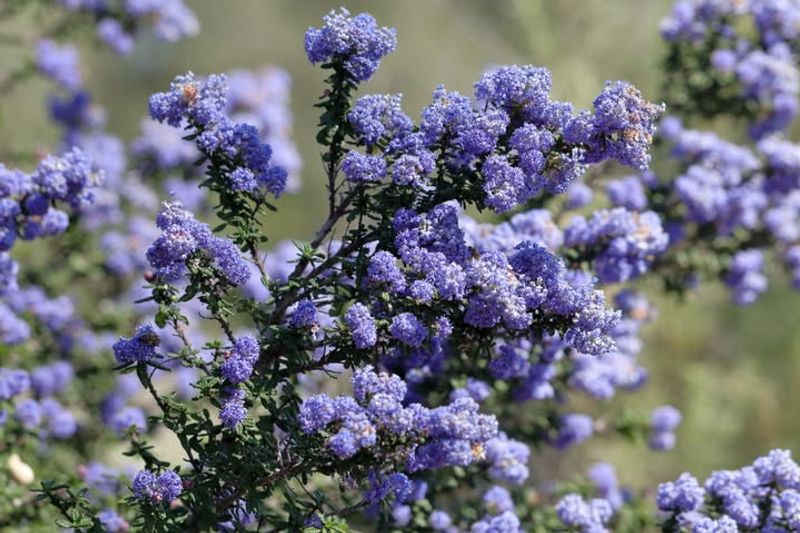
Clouds of fragrant blue flowers cover this evergreen shrub in late spring, creating a breathtaking spectacle.
Ceanothus is a West Coast native that thrives in Washington’s drier, sunnier spots with excellent drainage.
Once established, these shrubs are extremely drought-tolerant, making them ideal for water-wise landscapes.
The flowers attract countless bees and butterflies, turning your garden into a pollinator paradise.
Ceanothus prefers full sun and actually performs better in lean, unamended soil.
Avoid overwatering during summer, as too much moisture can lead to root problems.
Many varieties are available, ranging from low ground covers to large shrubs reaching ten feet tall.
The glossy evergreen foliage provides year-round structure and interest.
Prune lightly after flowering if needed, but avoid heavy pruning as ceanothus doesn’t respond well to hard cuts.
These plants are relatively short-lived, typically lasting ten to fifteen years.
However, their spectacular spring display makes them worth replanting when necessary.
Combine ceanothus with other native plants like Oregon grape and salal for a low-maintenance, eco-friendly garden.
Their blue blooms pair wonderfully with yellow-flowering companions.
12. Scabiosa (Pincushion Flower)
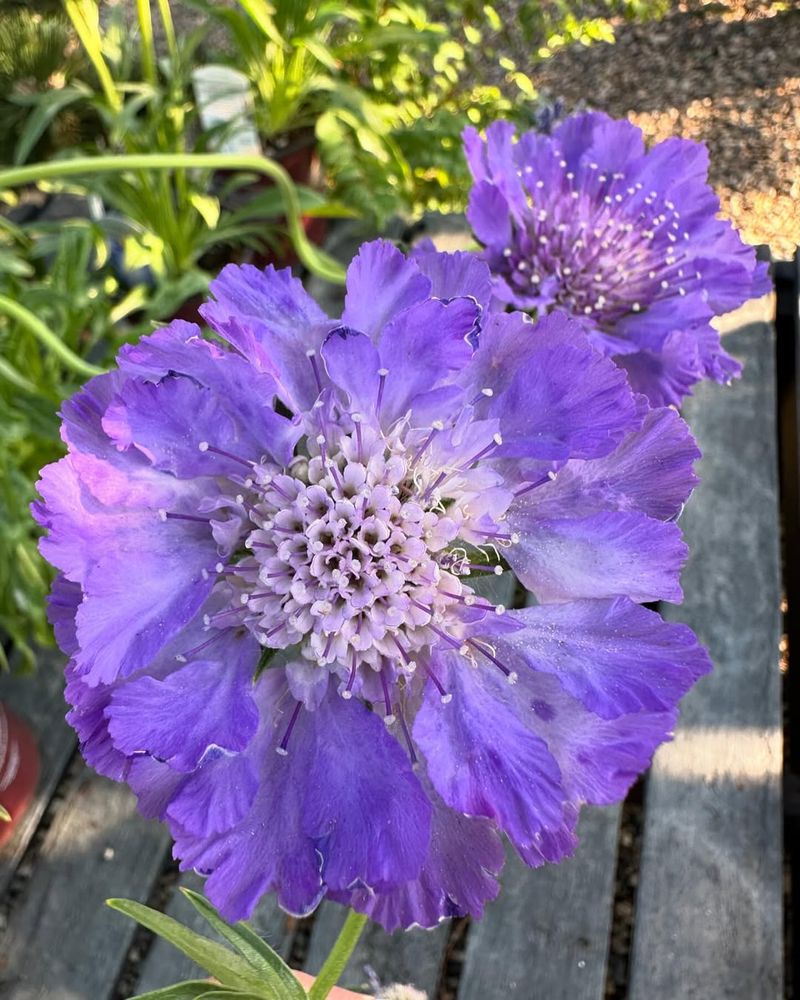
Whimsical flowers with protruding stamens resemble pincushions and bloom nonstop from late spring through fall.
Scabiosa is a cottage garden favorite that performs exceptionally well in Washington’s moderate climate.
The blue varieties offer soft, powder-blue to lavender-blue flowers that seem to float above the foliage.
These plants thrive in full sun with well-drained soil and actually prefer slightly alkaline conditions.
Regular deadheading is key to maintaining continuous blooming throughout the season.
Butterflies absolutely adore scabiosa, making it a must-have for pollinator gardens.
The flowers also make excellent, long-lasting cuts for fresh arrangements.
Scabiosa columbaria varieties are particularly reliable and compact, perfect for front-of-border positions.
Water regularly during establishment, but mature plants tolerate some drought.
These perennials are generally pest-free and disease-resistant, requiring minimal care.
Divide clumps every three to four years to maintain vigor and prevent dieback in the center.
Combine scabiosa with roses, salvias, and ornamental grasses for a romantic, naturalistic look.
Their airy form adds a light, delicate texture to any planting scheme.