12 Bold Black Plants That Elevate Both Cottage And Modern Gardens In Oregon
Oregon gardens are known for texture, layers, and quiet drama—and black plants fit right in.
Whether your style leans romantic cottage or clean modern, dark foliage and blooms bring sophistication that bridges both worlds effortlessly.
Black plants ground a garden visually.
They add contrast on misty days, depth during bright summers, and year-round interest in layered plantings.
In Oregon’s climate, many of these plants thrive without the stress they’d face in harsher regions, making them both beautiful and practical.
These twelve bold black plants offer versatility, pairing just as easily with soft pastels as with minimalist hardscaping.
Used sparingly or as focal points, they elevate garden design without overwhelming it.
When Oregon gardeners embrace dark tones, the result isn’t gloomy—it’s striking, balanced, and unforgettable.
1. Black Mondo Grass For Sleek Contrast In Any Garden Style
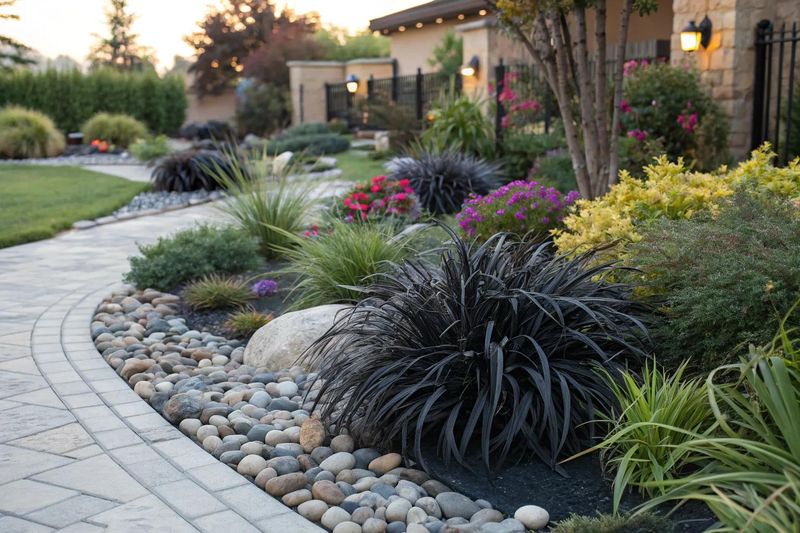
Sleek, ribbon-like blades of near-black foliage make black mondo grass a versatile star in both modern minimalist designs and traditional cottage borders.
This low-growing perennial spreads slowly to form dense clumps that reach about six inches tall, creating a dramatic carpet effect wherever you place it.
Its dark color provides stunning contrast when paired with bright flowers, silver foliage, or light-colored gravel pathways.
Oregon’s climate suits black mondo grass perfectly, as it tolerates both sun and partial shade while appreciating consistent moisture without becoming waterlogged.
The plant remains evergreen throughout the year, offering visual interest even during winter months when many other perennials have gone dormant.
Use it as edging along walkways, tucked between stepping stones, or massed in contemporary beds for maximum impact.
In cottage gardens, black mondo grass softens the edges of stone borders and complements pastel blooms beautifully.
For modern landscapes, plant it in geometric patterns or use it to define clean lines between different garden zones.
This tough little plant requires minimal maintenance once established, making it perfect for busy gardeners who want bold style without constant fussing.
2. Black Lace Elderberry For Dark Foliage And Soft Blooms
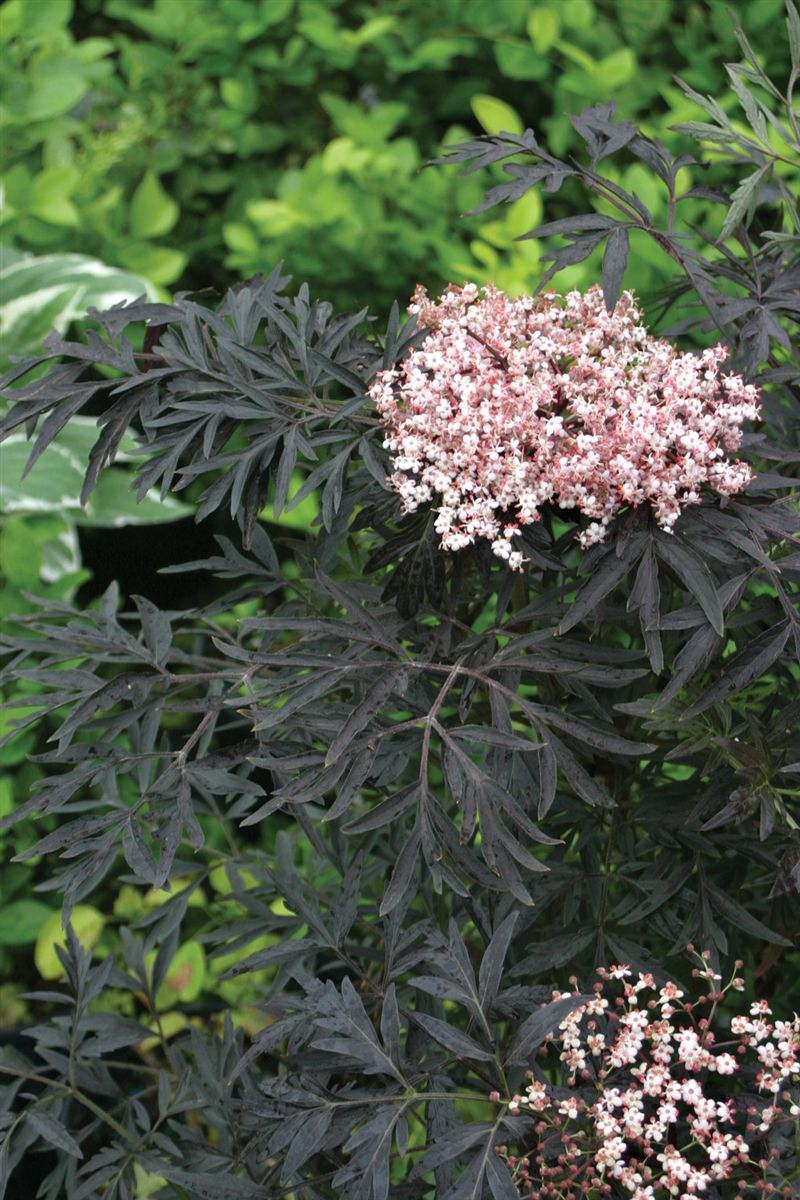
Imagine lacy, finely cut foliage so dark it appears almost black, topped with delicate pink flowers that smell sweetly of lemon in late spring.
Black Lace elderberry delivers exactly this combination, offering dramatic foliage that works as a stunning backdrop for lighter-colored perennials and shrubs.
This deciduous shrub grows vigorously in Oregon, reaching six to eight feet tall and wide when mature, making it an excellent specimen or hedge plant.
The deeply dissected leaves create an airy, feathery texture that contrasts beautifully with bolder foliage shapes in mixed borders.
After the pink blooms fade, dark berries appear in late summer, attracting birds and adding another layer of interest to your landscape.
Oregon’s moist conditions suit this plant wonderfully, though it tolerates some drought once its roots are established.
In cottage gardens, Black Lace elderberry pairs gorgeously with old-fashioned roses, delphiniums, and foxgloves, creating romantic layers of color and texture.
Modern landscapes benefit from its architectural form and bold color, especially when planted as a focal point or repeated in groups for rhythm.
Prune it hard in late winter to encourage fresh growth and maintain a compact shape, or let it grow naturally for a more relaxed, flowing appearance.
3. Black Knight Butterfly Bush For Pollinator-Friendly Drama
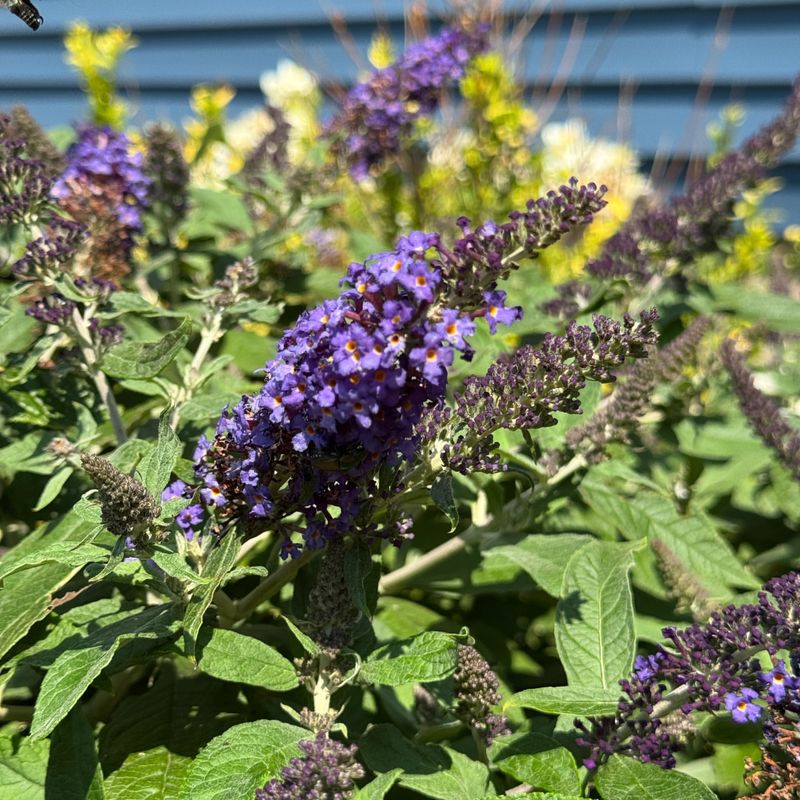
Long, cone-shaped flower spikes in the deepest purple-black imaginable cover this fast-growing shrub from midsummer through fall, attracting clouds of butterflies, bees, and hummingbirds.
Black Knight butterfly bush brings movement and life to gardens while providing that coveted dark color that makes nearby plants pop with intensity.
Growing four to six feet tall and wide, it fills space quickly and blooms reliably in Oregon’s moderate climate.
The fragrant flowers emerge on new wood, meaning you can prune this shrub hard each spring without sacrificing blooms.
In fact, cutting it back to about twelve inches in late winter encourages bushier growth and more flower production throughout the season.
Oregon’s warm summers provide ideal conditions for abundant flowering, while the plant’s drought tolerance once established makes it low-maintenance during drier periods.
Cottage gardeners love pairing Black Knight with yellow coneflowers, white phlox, and pale pink roses for eye-catching combinations that feel both traditional and fresh.
Modern landscapes benefit from its vertical flower spikes, which add height and structure to perennial borders without overwhelming smaller plants.
Plant it where you can watch pollinators visit throughout the day, and enjoy the sweet honey scent that drifts through the garden on warm afternoons.
4. Black Hollyhock For Cottage Garden Height And Elegance
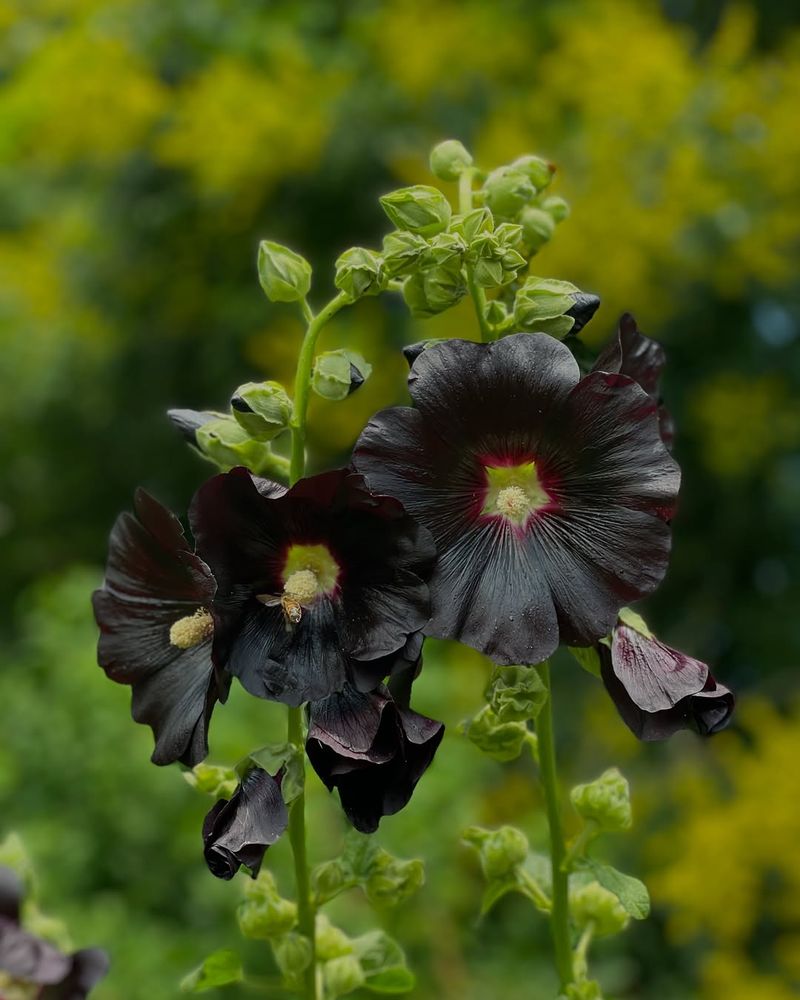
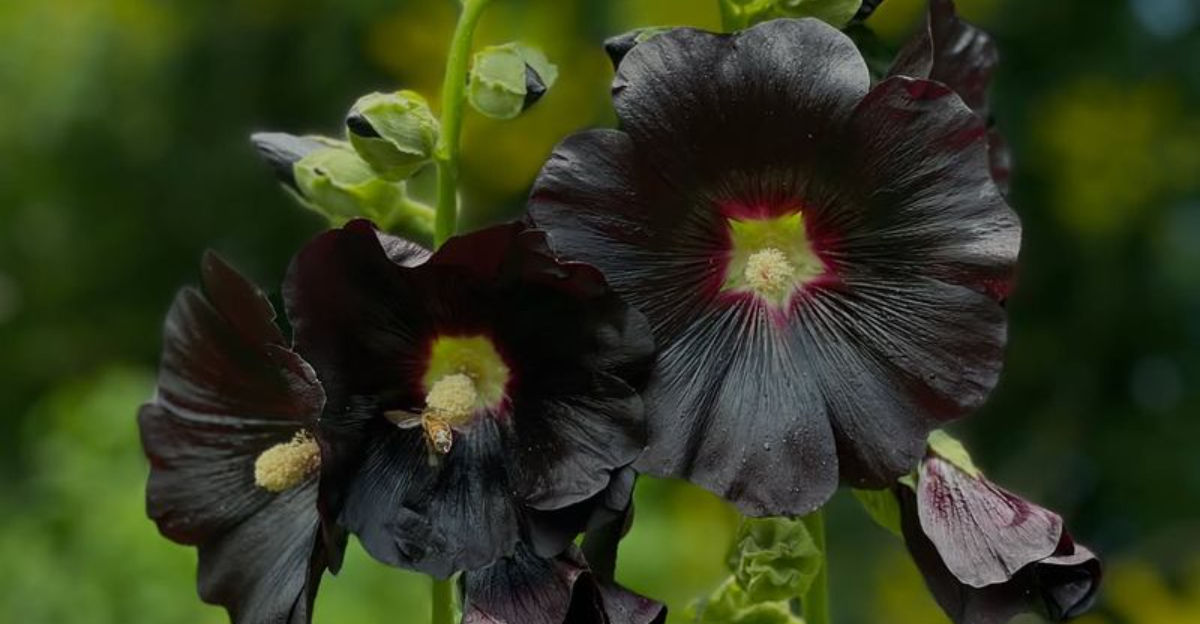
Towering spikes reaching six to eight feet tall showcase dozens of velvety, deep maroon-black blooms that bring old-world charm and dramatic height to cottage borders.
Black hollyhocks have graced gardens for centuries, and their nostalgic appeal combined with striking color makes them irresistible for anyone seeking vertical interest.
Each flower measures three to four inches across, with ruffled petals that catch light beautifully and create texture against walls, fences, or the back of perennial beds.
Oregon’s mild summers suit hollyhocks perfectly, as they prefer moderate temperatures and consistent moisture to produce their best flower displays.
Plant them in full sun for maximum blooming, though they tolerate some afternoon shade in warmer inland areas.
These biennials or short-lived perennials often self-sow, creating naturalized drifts that enhance the cottage garden aesthetic year after year.
Position black hollyhocks against light-colored walls or fences where their dark blooms stand out dramatically, or use them to anchor the back of mixed borders.
They pair wonderfully with foxgloves, delphiniums, and climbing roses, creating layered heights that draw the eye upward.
Staking may be necessary in windy locations, and removing spent flower stalks encourages additional blooming and prevents excessive self-seeding if you prefer more control over placement.
5. Black Pearl Pepper For Edible, Decorative Impact
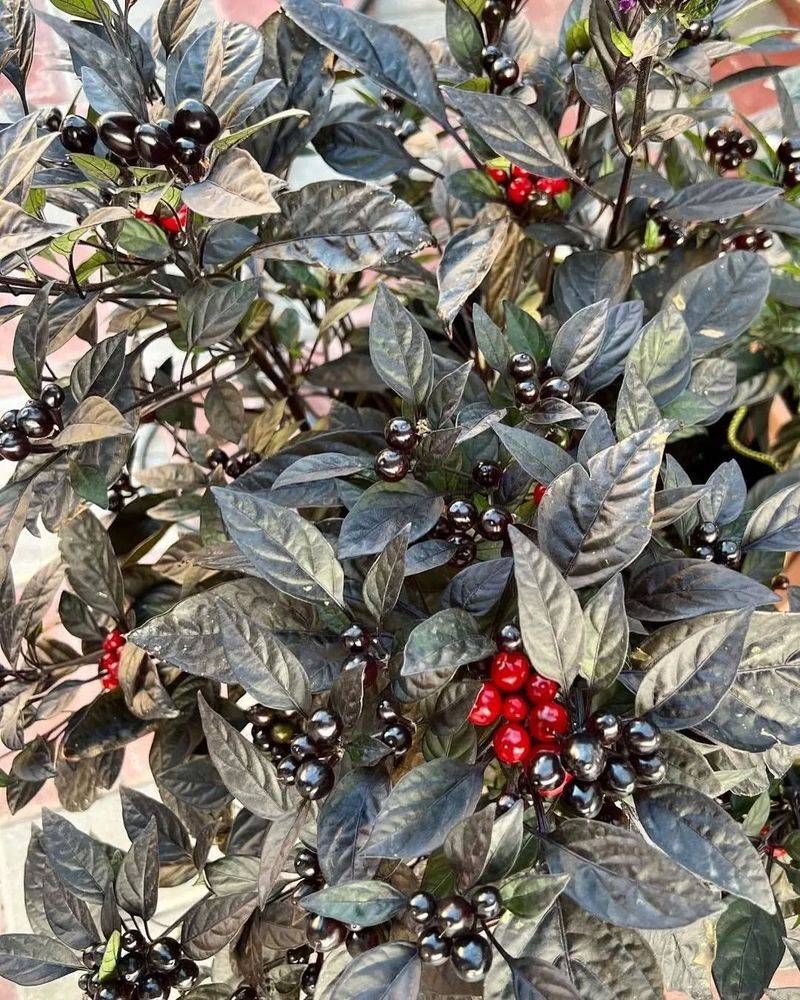
Glossy, jet-black foliage creates an unexpected twist in edible gardens, making Black Pearl pepper a showstopper in both decorative containers and raised beds.
This compact plant grows twelve to eighteen inches tall, producing small round peppers that start black, then ripen through shades of orange to bright red.
The multicolored fruit against dark leaves creates a living work of art that serves double duty as both ornamental feature and spicy culinary ingredient.
Oregon gardeners find success growing Black Pearl peppers in containers on sunny patios, where the plants receive maximum warmth and can be easily moved if temperatures drop unexpectedly.
The peppers prefer consistent moisture and full sun, making raised beds with good drainage another excellent option for cultivation.
Start seeds indoors six to eight weeks before the last frost, or purchase transplants at local nurseries in late spring for easier establishment.
In cottage gardens, tuck Black Pearl peppers into sunny borders among flowers for unexpected color and texture combinations.
Modern landscapes benefit from their compact form and bold foliage when planted in geometric arrangements or sleek contemporary containers.
The peppers pack considerable heat, measuring around 10,000 to 30,000 Scoville units, so harvest them carefully and use them sparingly in cooking or let them remain as purely ornamental features throughout the growing season.
6. Black Coral Colocasia For Bold, Architectural Foliage
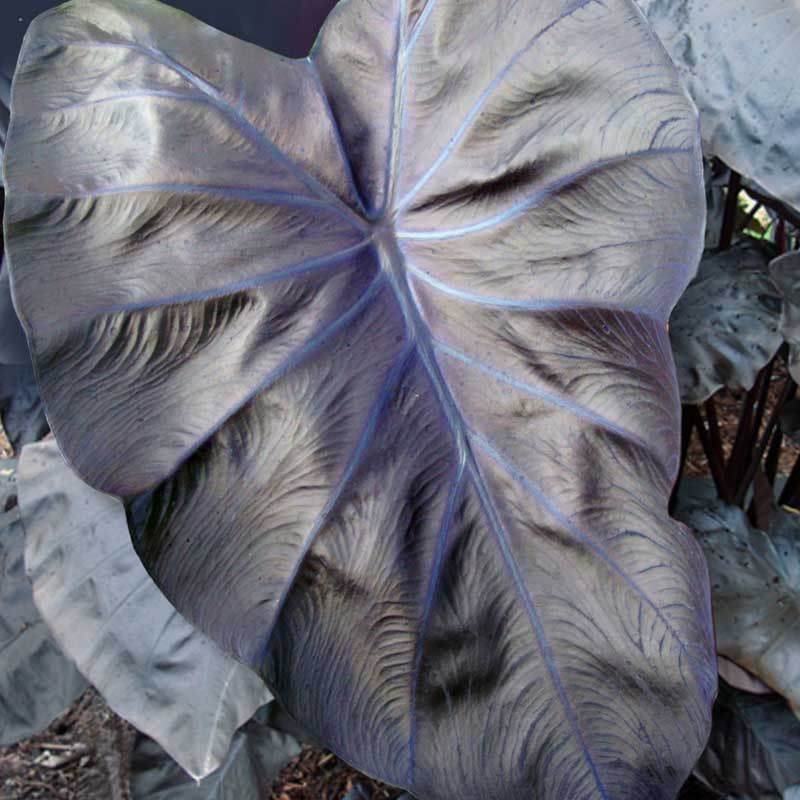
Massive, heart-shaped leaves in deep purple-black create instant tropical drama and architectural presence that transforms ordinary spaces into extraordinary garden rooms.
Black Coral colocasia, also known as elephant ear, produces leaves that can reach two feet across, making a bold statement whether planted solo as a specimen or grouped for maximum impact.
The prominent veining and slightly ruffled edges add texture and movement that catches attention from across the yard.
Oregon’s climate presents some challenges for this tropical plant, as it prefers warm temperatures and cannot survive freezing conditions outdoors.
Grow Black Coral colocasia in containers that can be moved indoors during winter, or plant it directly in garden beds and treat it as an annual, composting the tubers at season’s end.
The plant thrives in consistently moist soil and appreciates partial shade in hotter areas, though it tolerates full sun with adequate water.
Modern landscapes benefit enormously from the sculptural quality of these huge leaves, especially when planted near water features or in minimalist designs where every plant matters.
Cottage gardens gain tropical flair when Black Coral colocasia is tucked among traditional perennials, creating unexpected combinations that feel fresh and contemporary.
Feed this heavy feeder regularly with balanced fertilizer to maintain vigorous growth and those stunning oversized leaves that make such a memorable impression throughout the growing season.
7. Black Velvet Alocasia For Texture-Rich Garden Design
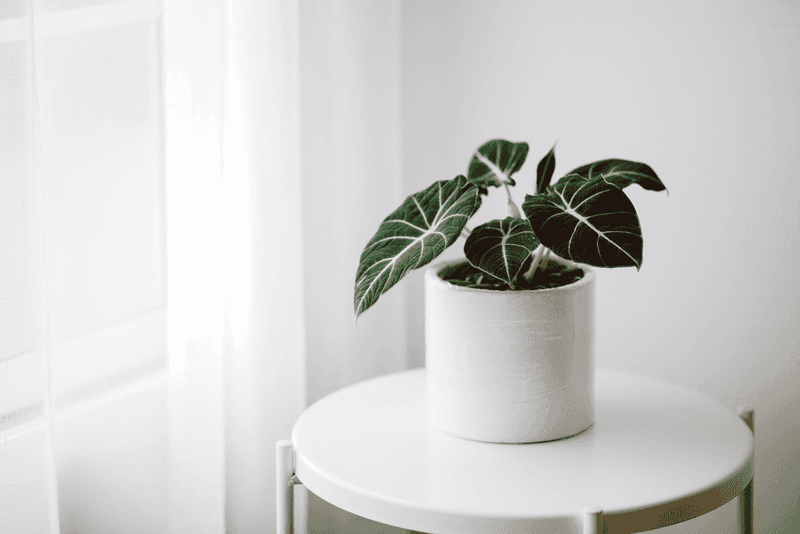
Velvety leaves in deep forest green-black feature striking white veins that create a mesmerizing pattern resembling lightning bolts or delicate lacework.
Black Velvet alocasia remains relatively compact, reaching about twelve inches tall, making it perfect for intimate spaces where its intricate leaf detail can be appreciated up close.
The soft, almost suede-like texture of the foliage invites touch and creates a sensory experience that goes beyond purely visual appeal.
This tropical beauty requires protection from Oregon’s cooler temperatures and performs best in sheltered locations such as covered patios, protected courtyards, or as a houseplant that summers outdoors.
It prefers bright indirect light, consistent moisture, and high humidity, conditions that can be challenging to maintain in outdoor Oregon gardens year-round.
Consider growing Black Velvet alocasia in decorative containers that can transition between indoor and outdoor spaces as seasons change.
Modern garden designs benefit from this plant’s exotic appearance and compact size, especially when displayed in groups of coordinating containers for visual impact.
Cottage gardens gain an unexpected element when Black Velvet alocasia is featured on shaded porches or in protected nooks where its dramatic foliage provides contrast to flowering plants.
Pair it with ferns, hostas, and other shade lovers that appreciate similar moisture levels, and protect it from direct afternoon sun which can scorch those beautiful velvety leaves and diminish their striking appearance.
8. Black Petunias For High-Contrast Seasonal Color
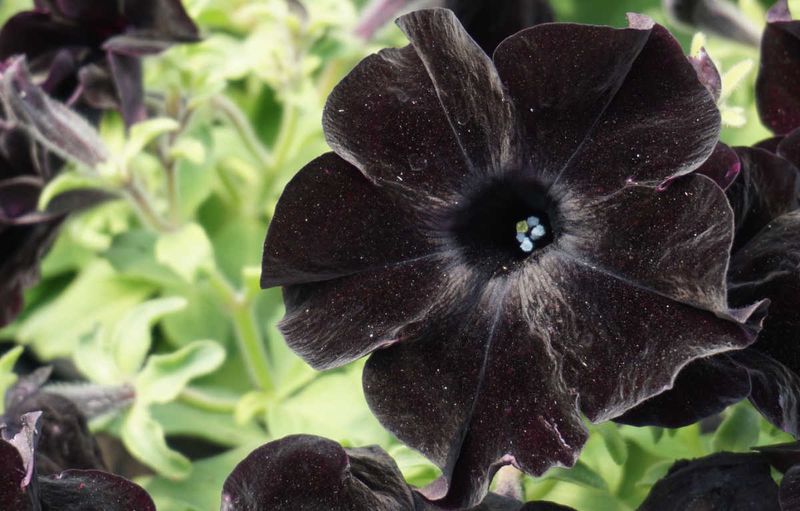
Velvety, trumpet-shaped blooms in the richest purple-black create stunning contrast when planted alongside bright whites, hot pinks, or lime greens in containers and borders.
Black petunias bloom prolifically from late spring through fall in Oregon, providing months of color that works equally well in formal modern designs and casual cottage plantings.
Their trailing or mounding growth habit makes them versatile for hanging baskets, window boxes, and ground-level beds where they can spill over edges.
Oregon’s moderate summer temperatures suit petunias beautifully, though they appreciate regular watering and benefit from occasional deadheading to encourage continuous blooming.
Plant them in full sun for best flower production, though they tolerate some light afternoon shade in warmer inland locations.
Feed them every two weeks with a balanced liquid fertilizer to maintain vigorous growth and abundant blooms throughout the entire growing season.
Cottage gardens come alive when black petunias are paired with traditional favorites like white alyssum, yellow marigolds, or pink geraniums, creating combinations that feel both classic and fresh.
Modern landscapes benefit from bold color-blocking approaches, such as planting black petunias in mass with just one or two contrasting colors for dramatic, contemporary impact.
Their affordability and availability make them accessible for gardeners at any experience level, while their reliable performance ensures success even for those new to growing annual flowers in Oregon’s unique climate.
9. Black Adder Agastache For Vertical Interest And Pollinators
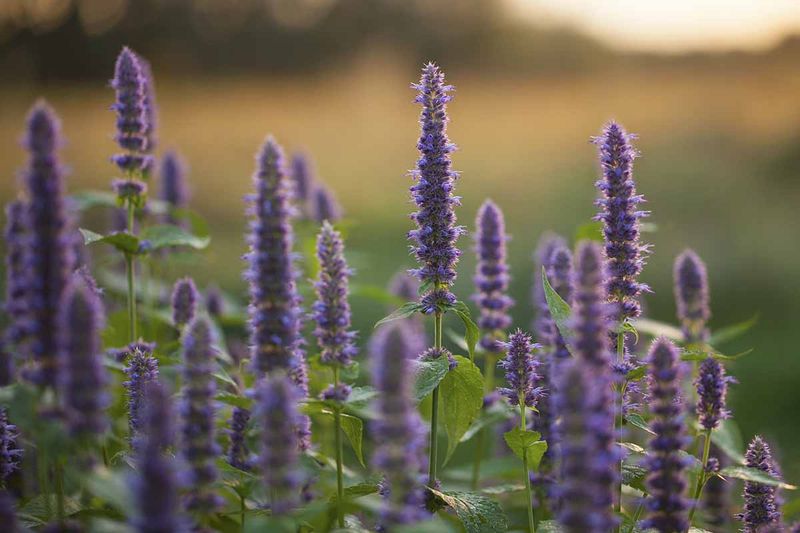
Slender flower spikes in deep purple-black rise above aromatic foliage from midsummer through fall, creating vertical accents that bring movement and pollinator activity to garden beds.
Black Adder agastache, also called hyssop, grows two to three feet tall with a clumping habit that makes it easy to incorporate into both cottage and modern planting schemes.
The minty-scented leaves release fragrance when brushed, adding another sensory dimension that enhances the garden experience beyond visual beauty alone.
Oregon’s warm, dry summers suit this drought-tolerant perennial perfectly once established, though it appreciates occasional deep watering during extended dry spells.
Plant Black Adder in full sun and well-drained soil for best performance, as it dislikes wet feet during winter months.
The flower spikes attract butterflies, bees, and hummingbirds throughout their long blooming period, making this plant a valuable addition to wildlife-friendly landscapes.
Cottage gardens benefit from the informal, naturalistic appearance of Black Adder agastache when planted in drifts among roses, salvias, and ornamental grasses.
Modern designs gain structure and repetition when this plant is used in linear rows or geometric groupings that emphasize its upright form.
Cut back spent flower stalks after blooming to maintain tidy appearance, or leave them standing through winter to provide seeds for birds and architectural interest when frost touches the garden with silvery beauty.
10. Black Tulips For Sophisticated Spring Drama
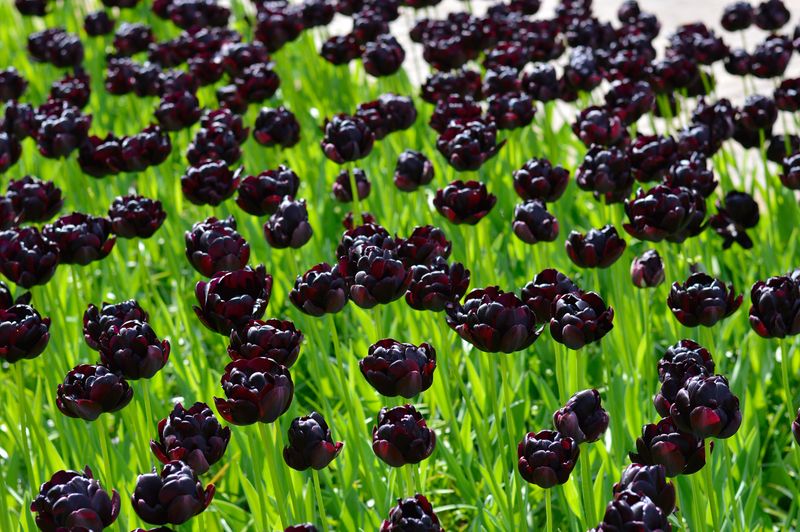
Cup-shaped blooms in the deepest purple-black emerge in mid to late spring, creating sophisticated displays that feel both elegant and slightly mysterious in the spring garden.
Black tulip varieties like ‘Queen of Night’ and ‘Black Parrot’ offer slightly different flower forms, from classic tulip shapes to fringed, ruffled petals that add extra texture.
These spring bulbs reach fifteen to twenty inches tall, making them perfect for layering in front of taller perennials or for planting in sweeping drifts throughout garden beds.
Oregon’s mild spring climate provides ideal conditions for tulips, with cool temperatures that prolong bloom time and moderate rainfall that keeps bulbs hydrated without rotting.
Plant bulbs in fall, about six to eight inches deep in well-drained soil, choosing locations that receive full sun for at least six hours daily.
Black tulips look spectacular when planted in groups of at least ten bulbs for impact, as single specimens can get lost among other spring bloomers.
Cottage gardens gain sophistication when black tulips are combined with pale yellow daffodils, white hyacinths, or soft pink primroses for stunning color contrasts.
Modern landscapes benefit from bold, geometric plantings of black tulips in rectangular beds or linear arrangements that emphasize clean lines and contemporary design principles.
After blooms fade, allow foliage to yellow naturally before removing it, as this process feeds the bulbs for next year’s display and ensures continued performance in seasons to come.
11. Smokebush Varieties With Near-Black Foliage

Deep purple-black leaves create a stunning backdrop for the airy, smoke-like flower plumes that give this shrub its common name and make it a standout in any landscape.
Varieties like ‘Royal Purple’ offer the darkest foliage, which intensifies in color throughout summer and transforms to brilliant orange-red in fall before dropping.
Smokebush grows eight to fifteen feet tall and wide when left unpruned, though it responds beautifully to hard pruning for size control and enhanced foliage color.
Oregon’s climate suits smokebush perfectly, as it tolerates both heat and cold while thriving in well-drained soil and full sun exposure.
The plant handles drought once established, making it an excellent choice for lower-maintenance landscapes or areas where supplemental watering is limited.
Prune smokebush in late winter or early spring, cutting it back hard to encourage vigorous new growth with the largest, darkest leaves possible.
Cottage gardens gain structure and year-round interest when smokebush is used as a specimen plant or informal hedge that provides contrast to flowering perennials.
Modern landscapes benefit from its bold form and dark color, especially when planted as a focal point or repeated in groups for rhythm and visual weight.
The smoky flower plumes appear in summer, adding softness and texture that contrasts beautifully with the solid, dark foliage, creating a plant that offers multiple seasons of interest and constantly changing beauty throughout the year.
12. How To Design With Black Plants In Oregon Gardens
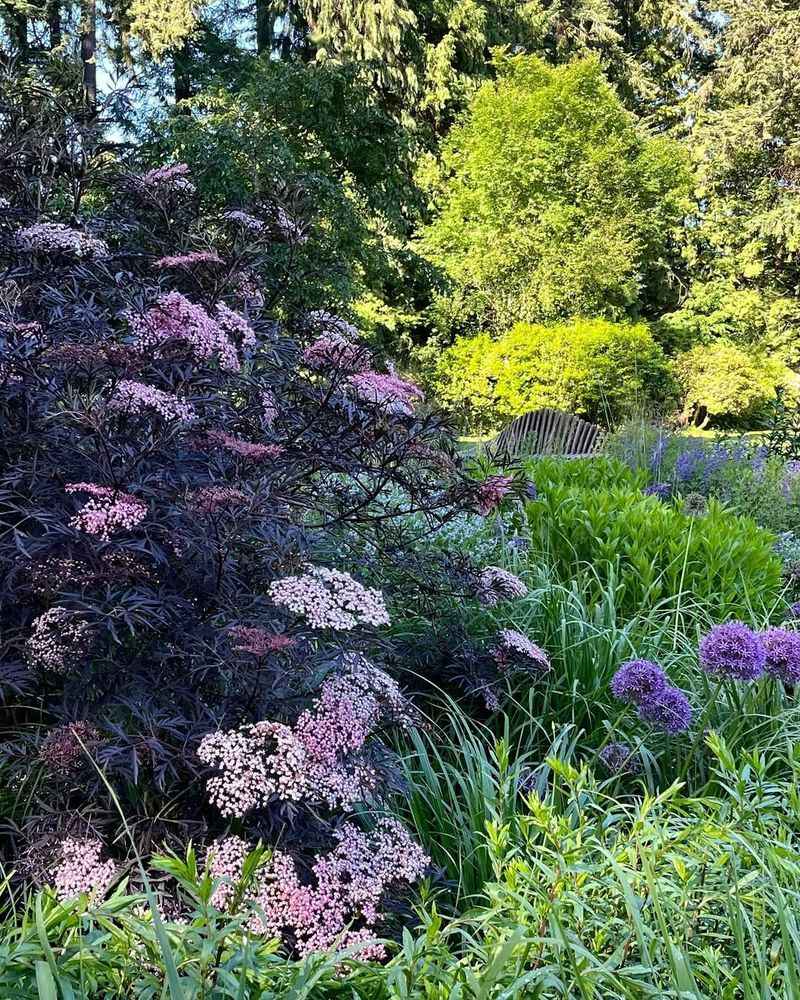
Balancing dark plants with lighter elements creates garden designs that feel intentional and sophisticated rather than heavy or gloomy.
Start by using black plants as accent pieces rather than dominant features, allowing them to punctuate beds and borders with dramatic pops of color that draw the eye.
Pair black foliage and flowers with silver, chartreuse, white, or bright pink companions to create high-contrast combinations that showcase the depth and richness of darker tones.
In cottage gardens, weave black plants throughout mixed borders, letting them peek between traditional pastel bloomers for unexpected moments of drama and visual interest.
Modern landscapes benefit from more structured approaches, such as planting black specimens in geometric patterns or using them to define clean lines between different garden zones.
Consider texture and form when combining black plants, mixing fine, feathery foliage like Black Lace elderberry with bold, architectural leaves such as Black Coral colocasia for dimensional interest.
Hardscape materials also play a crucial role in designs featuring black plants, with light-colored gravel, pale stone pavers, or white-painted fences providing perfect backdrops that make dark plants stand out.
Oregon’s lush green landscape provides a naturally complementary setting for black plants, as the abundant foliage throughout the region creates a verdant canvas that makes darker colors appear even more striking and memorable in any garden style you choose to create.