Boost Humidity For Houseplants By Using These Simple Household Items
I used to think my houseplants would tough it out through dry air, but winter proved me wrong.
One by one, their leaves crisped at the edges, as if they were whispering for help.
I finally realized they weren’t being dramatic; they were thirsty for humidity.
Instead of buying fancy gadgets, I dug around my home and found simple items that worked like a charm.
A mug of warm water near a plant, a damp towel draped over a heater vent, even a baking sheet filled with pebbles and water made a world of difference.
Little tricks like these turned my living room into a gentle oasis, and my plants responded with fresh growth and brighter leaves, almost as if they were breathing easier.
It amazed me how small household things could shift the whole mood of my indoor garden. Now I keep these simple tools close by, and my plants thank me every day.
1. Pebble Trays With Water
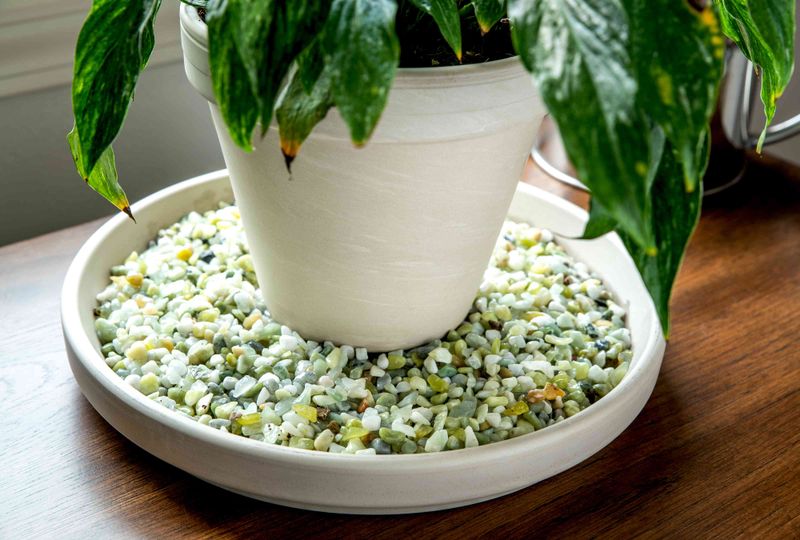
Grab any shallow dish or tray from your kitchen and fill it with small stones or pebbles.
Pour water into the tray until it reaches just below the tops of the pebbles.
Set your potted plant right on top, making sure the pot bottom sits above the waterline.
As the water evaporates throughout the day, it creates a little cloud of moisture that rises up around your plant’s leaves.
This method works beautifully because it provides constant humidity without making the soil soggy.
Your plant gets the moisture it craves through the air instead of through its roots.
Check the water level every few days and refill as needed.
You can use decorative stones to make it look prettier if you want.
Old baking dishes, plastic food containers, or even pie plates work perfectly for this.
Grouping several plants together on one large pebble tray creates an even better effect.
The plants basically share the humidity, helping each other out.
It’s like they’re creating their own little microclimate right there on your windowsill.
This technique is especially helpful for ferns, calatheas, and other moisture-loving plants that tend to get brown leaf tips in dry conditions.
2. Spray Bottles For Misting
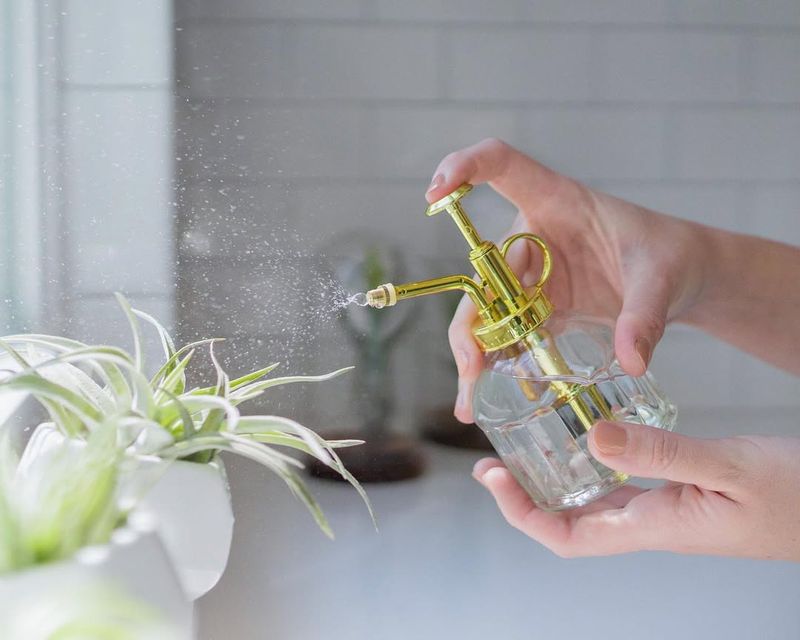
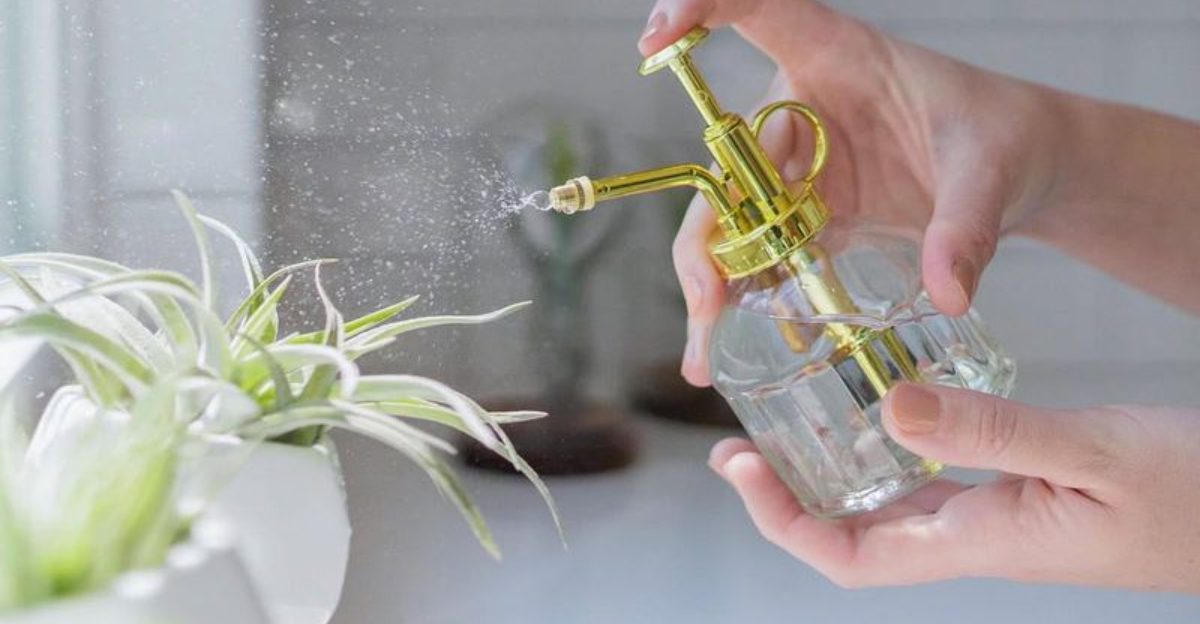
Any clean spray bottle you have lying around can become a humidity tool for your plants.
Fill it with room-temperature water and give your plants a gentle spritz.
The fine mist settles on the leaves and evaporates slowly, temporarily increasing the moisture in the air around them.
Morning is the best time to mist because it gives the leaves time to dry before evening.
Wet leaves sitting overnight can sometimes develop spotting or other issues.
You want the moisture to evaporate naturally throughout the day.
Don’t go overboard with this method though.
A light misting once or twice a day is plenty for most plants.
You’re not trying to soak the leaves, just add a bit of extra moisture to the air.
Some people keep a spray bottle near their plants and give them a quick spritz whenever they walk by.
It becomes a nice little routine.
Just make sure you’re using clean water without any minerals that might leave white spots on the foliage.
This works great for plants like orchids, bromeliads, and air plants that naturally grow on tree branches where they get frequent mist and rain.
They really appreciate that extra moisture on their leaves.
3. Bowls Of Water Near Plants
Sometimes the simplest solutions work best.
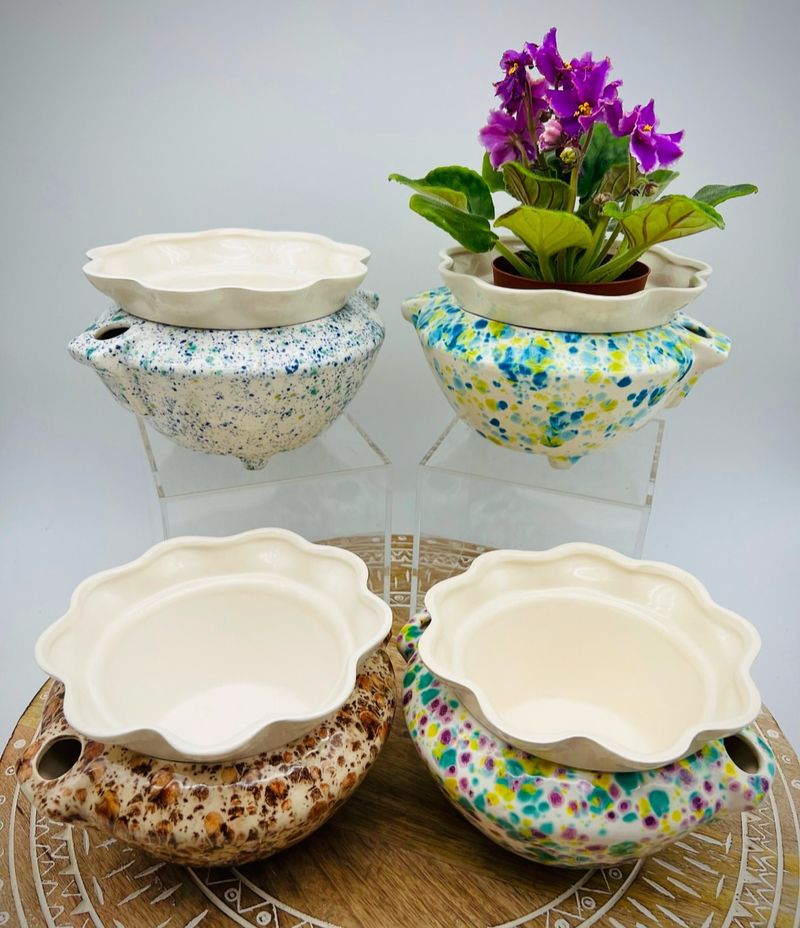
Place a few bowls or cups filled with water near your plants.
As the water slowly evaporates, it adds moisture to the surrounding air where your plants can absorb it through their leaves.
You can use any container you have around the house.
Old mugs, cereal bowls, or even empty yogurt containers all work fine.
If you want them to look nicer, choose decorative bowls that match your room.
Position these water containers close to your plants but not so close that you might accidentally knock them over when watering.
The evaporation happens gradually, creating a steady source of humidity throughout the day and night.
You’ll need to refill them every few days as the water level drops.
This method is super easy because you don’t have to do anything special.
Just set it and forget it until the water needs refilling.
It’s particularly useful if you have a whole plant shelf or corner where multiple plants live together.
One bowl can help several plants at once if they’re grouped closely.
The effect isn’t dramatic, but it definitely helps, especially in really dry rooms.
Some people add decorative marbles or stones to their water bowls to make them look more intentional.
4. Bathroom Shower Steam

Your bathroom might be the most plant-friendly room in your house without you even realizing it.
Every time someone takes a hot shower, the room fills with steam and moisture.
Plants absolutely love this natural humidity boost.
Move humidity-loving plants into your bathroom if there’s decent light from a window.
They’ll soak up all that shower steam and thrive.
Ferns, pothos, and philodendrons do particularly well in bathroom conditions.
Even if your bathroom doesn’t have great natural light, you can still give your plants a spa day.
Bring them into the bathroom when you shower and let them hang out in the steamy air for a while.
They’ll appreciate the temporary humidity treatment.
Some people make this a weekly routine, giving their plants a steam session every time they deep clean the bathroom.
It’s like sending your plants to a tropical resort for an afternoon.
Just don’t leave them in a dark bathroom permanently if there’s no window.
The combination of warmth and moisture mimics their natural rainforest habitat better than almost any other room in your home.
Plus, plants in bathrooms look really nice and add a spa-like feeling to the space.
It’s a win for both you and your plants.
5. Damp Towels Or Cloths
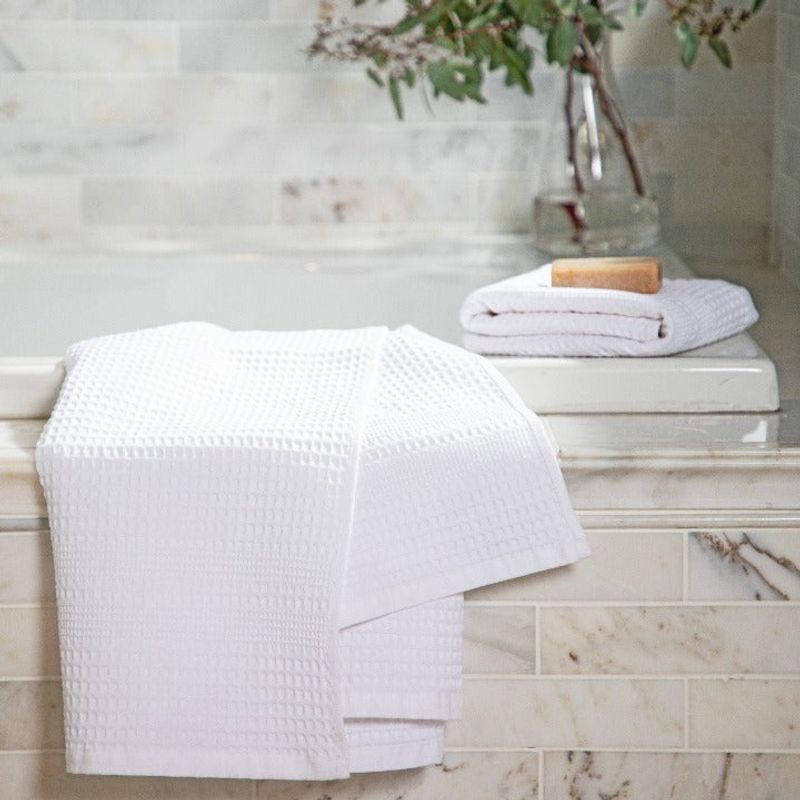
Here’s a trick that sounds almost too simple but actually works surprisingly well.
Dampen a towel or cloth with water and drape it near your plants.
As the fabric dries, it releases moisture into the air just like natural evaporation from soil or leaves.
You can hang the damp towel over a chair back, lay it on a table near your plants, or drape it over a radiator if you have one.
The radiator method is especially effective because the gentle heat speeds up evaporation.
Just make sure the towel isn’t touching your plants directly.
This technique is perfect for giving your plants a quick humidity boost when you notice they’re looking a bit stressed.
Maybe you just got home from vacation and the air feels extra dry.
A few damp towels placed strategically around your plant collection can help rehydrate the air quickly.
Change out the towels once they dry completely, which usually takes several hours depending on your room temperature and air circulation.
Some plant parents keep a rotation going, swapping fresh damp towels in as the old ones dry.
It becomes part of their plant care routine.
This method is also great during winter when indoor heating makes the air especially dry.
Your plants will show their appreciation with healthier, greener leaves.
6. Grouping Plants Together

Plants are actually pretty generous with each other when you put them close together.
Each plant releases moisture through its leaves in a process called transpiration.
When you group multiple plants in one area, they all benefit from the collective humidity they create.
Think of it like plants having a little community where they help each other out.
The moisture one plant releases becomes available to its neighbors.
Together, they create a more humid microenvironment than any single plant could manage alone.
You don’t need any special equipment or supplies for this method.
Just rearrange your plants so they’re sitting closer together instead of spread out across different rooms.
A plant shelf, corner table, or windowsill works perfectly for creating these plant clusters.
The effect is subtle but real, especially if you have several plants contributing to the shared humidity.
Five or six plants grouped together will create a noticeably more humid zone than those same plants scattered throughout your house.
Plus, grouped plants just look better together.
There’s something visually appealing about a lush collection of greenery in one spot.
It creates that jungle vibe everyone wants.
Your plants stay healthier, and your space looks more intentional and beautifully decorated at the same time.
7. Kitchen Sink Or Dishwasher Steam
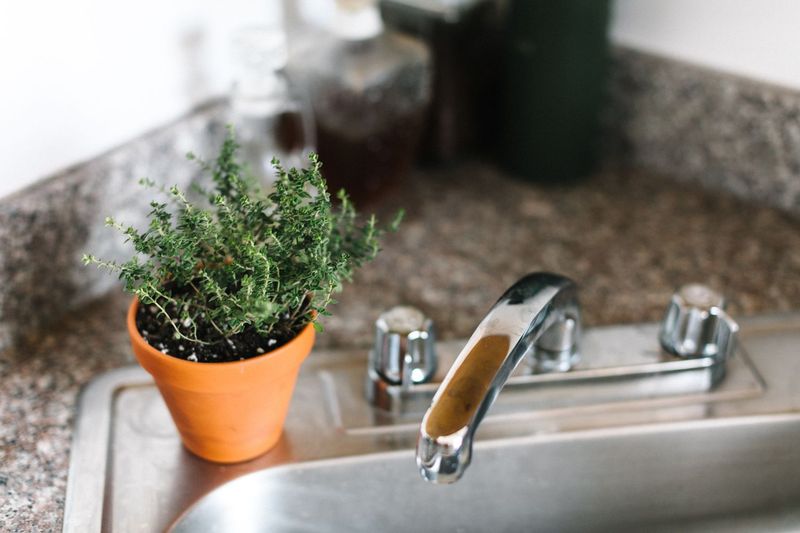
Your kitchen produces humidity every single day without you thinking about it.
Running hot water in the sink, boiling pasta, steaming vegetables, or running the dishwasher all release moisture into the air.
Plants placed in or near the kitchen can take advantage of this free humidity.
Consider keeping some of your humidity-loving plants on the kitchen counter or a nearby shelf.
They’ll get regular doses of moisture from your normal cooking and cleaning activities.
Herbs especially love kitchen conditions because they get humidity plus easy access to natural light from kitchen windows.
When you’re washing dishes with hot water or opening a steaming dishwasher, that burst of warm moisture spreads through the room.
Your plants soak it right up.
It’s like giving them a spa treatment without any extra effort on your part.
Just make sure your kitchen plants aren’t too close to the stove where they might get too hot or collect grease.
A spot near the sink or on a counter away from direct cooking areas works best.
The ambient humidity from everyday kitchen activities is usually plenty.
This method is especially convenient because you’re already spending time in the kitchen anyway.
You can keep an eye on your plants while cooking or cleaning.
They become part of your daily routine naturally.