12 Border Plants That Make Virginia Gardens Look Beautifully Designed
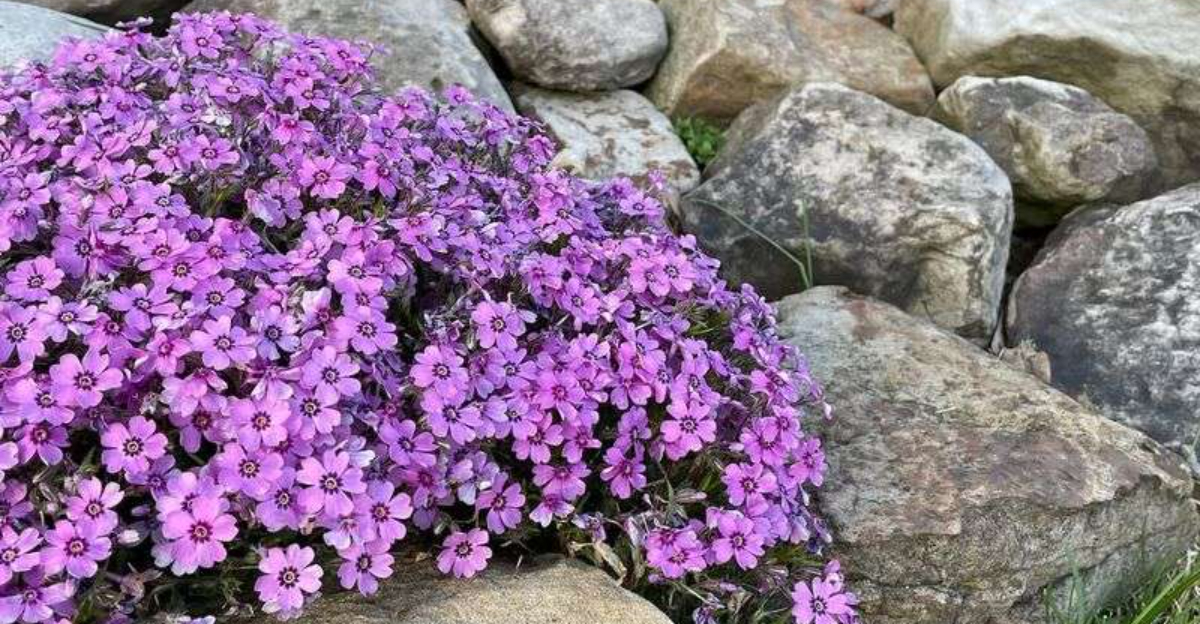
Virginia gardeners keep reaching for border plants that give their yards a polished look without making the landscape feel too formal or fussy.
Each pick adds a smooth line or soft curve that helps highlight paths, beds, and edges in a way that feels naturally put together.
The growing interest shows how much people enjoy simple choices that make their gardens look thoughtfully designed with very little effort.
1. Catmint (Nepeta)
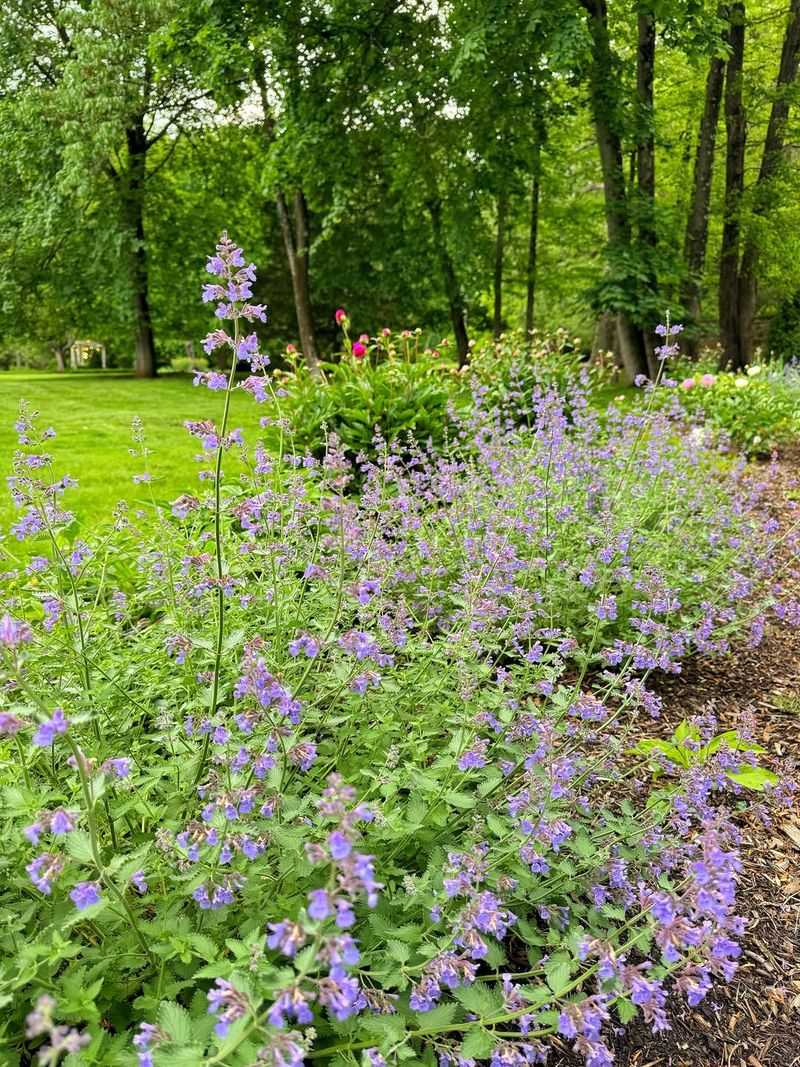
Lavender-blue flowers cascade over silver-green foliage, creating soft mounds that soften hard edges beautifully.
Virginia gardeners love catmint because it handles summer heat without constant watering or fussing over soil conditions.
Blooms appear in late spring and continue through fall if you trim spent flowers back occasionally.
Pollinators like bees and butterflies visit these fragrant plants throughout the growing season, adding movement to your borders.
The aromatic leaves smell minty when brushed against, making walks through your garden more enjoyable.
Plant catmint about eighteen inches apart along pathways or bed edges where it can spill over slightly.
This perennial grows well in Virginia’s clay soils as long as drainage is decent and sunlight reaches it most of the day.
Deer usually avoid catmint because of its strong scent, which protects other plants nearby from browsing.
After several years, divide clumps in spring to create more plants for extending your borders.
Catmint pairs wonderfully with roses, coneflowers, and ornamental grasses throughout Virginia landscapes.
2. Dwarf Boxwood (Buxus sempervirens)
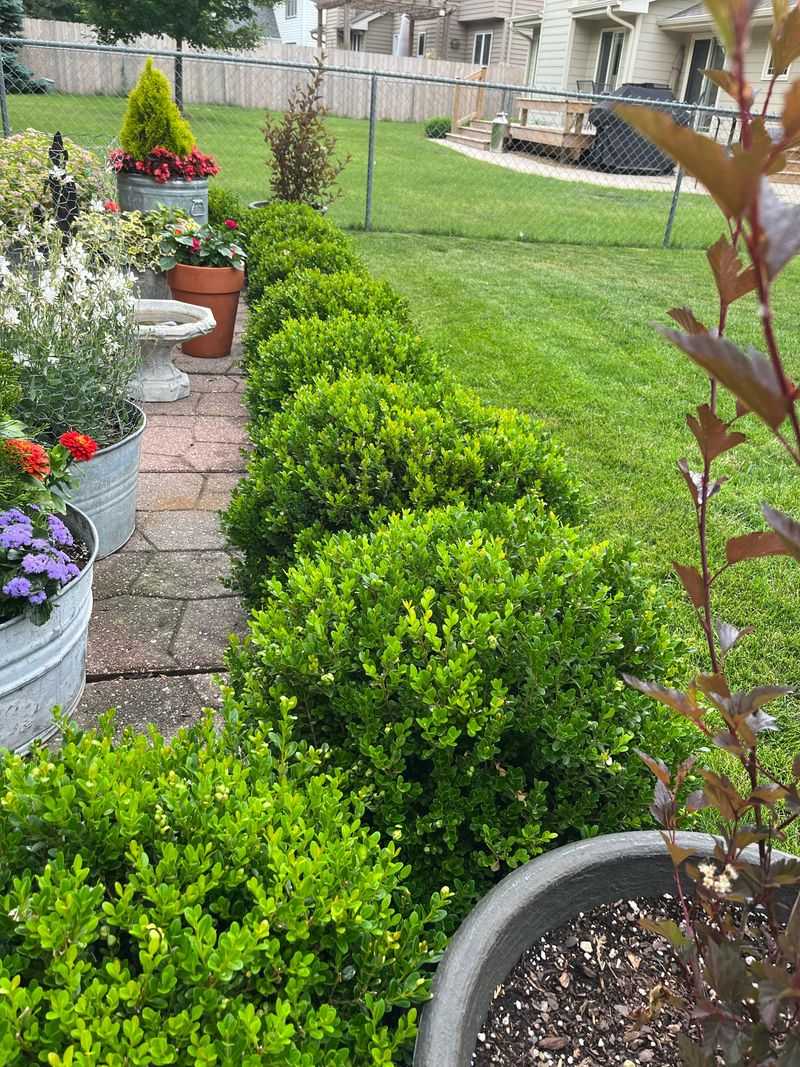
Formal gardens across Virginia feature boxwood because these evergreen shrubs maintain their shape and color through all four seasons.
Small glossy leaves create dense growth that can be trimmed into neat geometric shapes or left naturally rounded.
Unlike many border plants, boxwood stays green even during winter months when most perennials disappear completely.
Shearing once or twice yearly keeps these shrubs compact and tidy along walkways, beds, or around patios.
Virginia’s moderate climate suits boxwood perfectly since extreme cold rarely damages established plants in most regions.
Space dwarf varieties about twelve to fifteen inches apart for a solid hedge that fills in within two growing seasons.
These shrubs tolerate partial shade, making them useful for borders under trees or along north-facing walls.
Boxwood’s slow growth means less maintenance compared to faster-growing hedge plants that need frequent trimming.
Mulching around the base helps retain moisture during hot Virginia summers without encouraging root rot.
Classic and timeless, boxwood borders give gardens an elegant structure that complements both traditional and contemporary home styles.
3. Salvia (Salvia nemorosa)
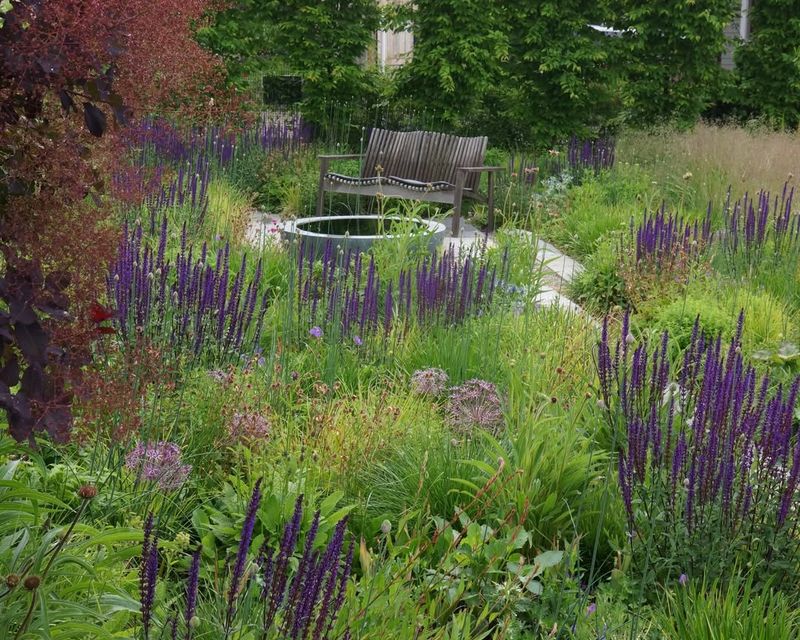
Vertical flower spikes rise above narrow leaves, creating dramatic purple or blue columns that catch attention from across the yard.
Salvia blooms attract hummingbirds and butterflies throughout summer, turning your border into a lively wildlife habitat.
This perennial thrives in Virginia’s full sun and tolerates dry spells once roots establish themselves deeply.
Cutting back faded flower stalks encourages fresh blooms to develop, extending the colorful display well into autumn.
Virginia gardeners appreciate salvia’s resistance to common pests and diseases that trouble other flowering border plants.
Plant these in groups of three or five for maximum visual impact rather than spacing them individually.
The upright growth habit contrasts beautifully with mounding plants like catmint or spreading sedums nearby.
Salvia’s low water needs make it ideal for sustainable Virginia gardens focused on reducing irrigation requirements.
Even after blooming finishes, the seed heads add texture and interest through winter months.
Divide mature clumps every few years to maintain vigor and create additional plants for expanding your borders.
4. Lamb’s Ear (Stachys byzantina)
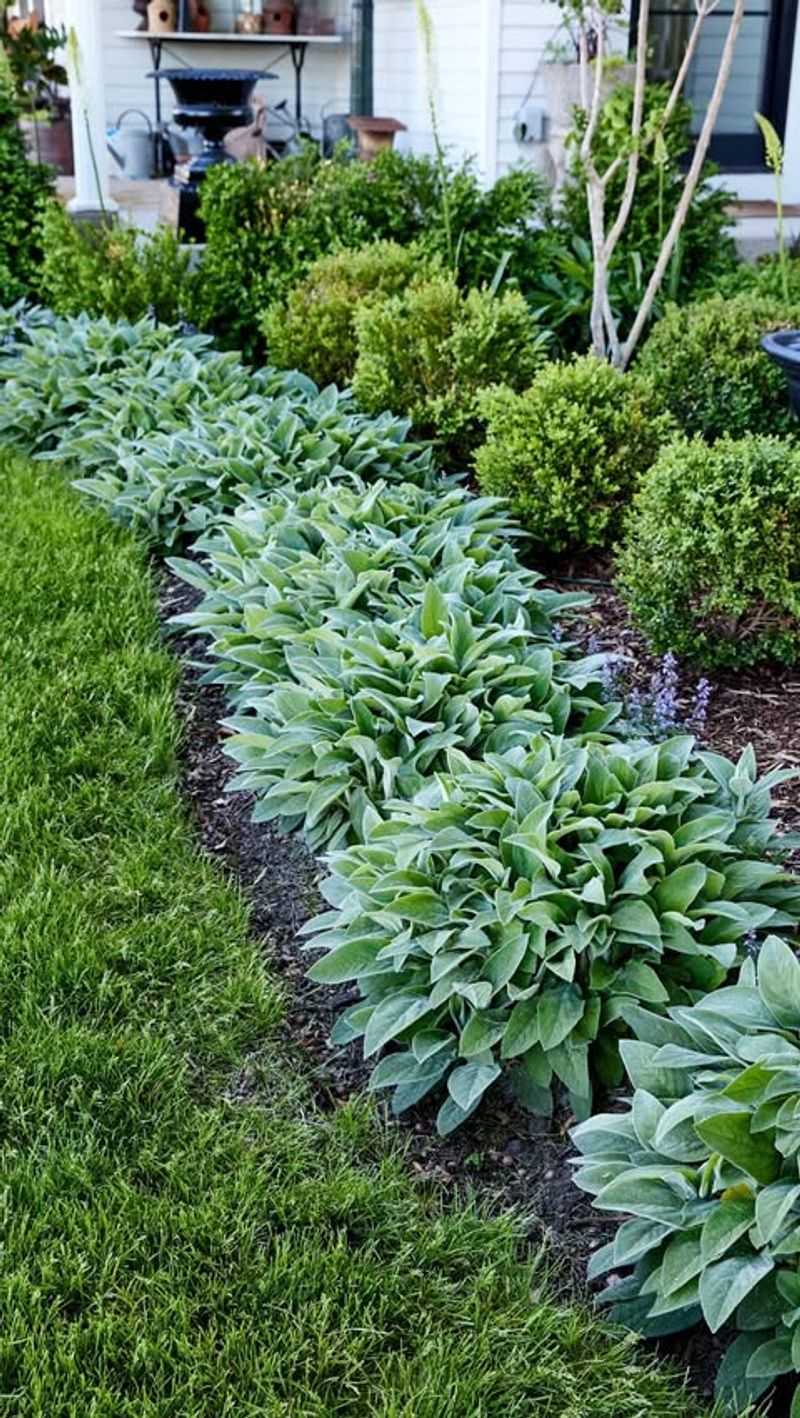
Fuzzy silver leaves feel like velvet when touched, making this plant irresistible to children and adults exploring the garden.
The soft texture and pale color brighten shady spots and create striking contrasts against darker green foliage.
Lamb’s ear spreads steadily to form a thick groundcover that suppresses weeds naturally along border edges.
Virginia’s humidity sometimes causes leaf spotting, but removing affected leaves quickly prevents spreading to healthy growth.
Tall flower spikes emerge in summer with small purple blooms, though many gardeners remove them to emphasize foliage.
This perennial tolerates poor soil and drought conditions better than most other border plants once established.
Space plants twelve to eighteen inches apart for complete coverage within one full growing season.
The silvery leaves reflect moonlight beautifully, making evening garden strolls more magical throughout Virginia neighborhoods.
Deer and rabbits typically leave lamb’s ear alone because the fuzzy texture doesn’t appeal to their browsing habits.
Combine it with purple or pink flowers for color combinations that look professionally designed yet remain easy to maintain.
5. Creeping Phlox (Phlox subulata)
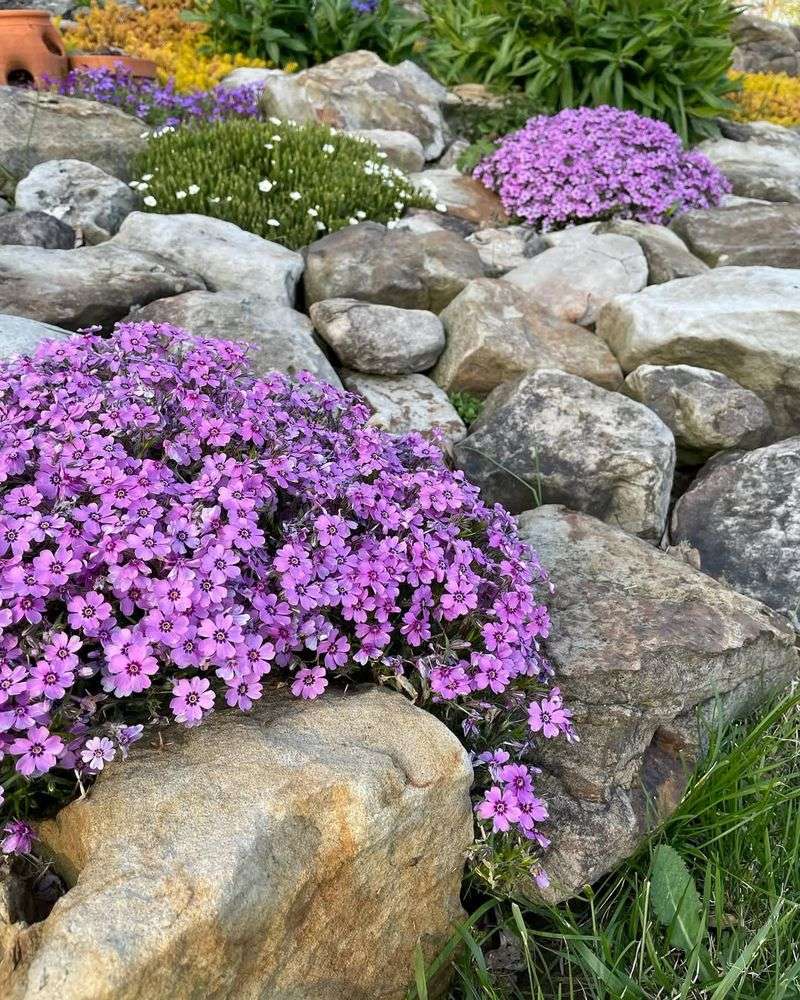
Carpets of vibrant flowers cover the ground each spring, transforming borders into rivers of pink, purple, white, or red.
This low-growing perennial hugs the ground tightly, making it perfect for edging pathways or cascading over retaining walls.
After blooming finishes, the evergreen foliage remains attractive throughout the year in Virginia’s moderate climate.
Creeping phlox handles slopes and uneven terrain better than many border plants, preventing soil erosion naturally.
Full sun exposure produces the most abundant flowering, though light afternoon shade won’t significantly reduce bloom numbers.
Virginia gardeners often plant different colored varieties together for a patchwork effect that mimics wildflower meadows.
This plant spreads slowly but steadily, filling gaps between stepping stones or along bed edges without becoming invasive.
Shearing back plants lightly after flowering encourages denser growth and potentially a lighter second bloom in fall.
Excellent drainage is important since wet winter soil can damage roots and reduce plant vigor.
Pair creeping phlox with spring bulbs like daffodils for a layered border that offers extended seasonal interest.
6. Coral Bells (Heuchera)
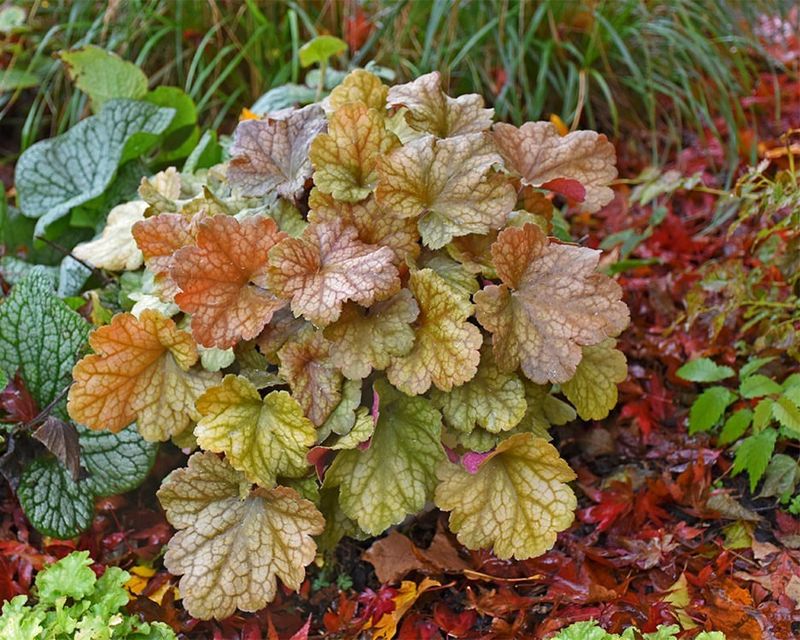
Leaves come in stunning colors ranging from deep burgundy to lime green, creating borders that look painted by an artist.
Delicate flower wands rise above foliage in late spring, adding vertical interest without overwhelming the colorful leaves below.
Virginia’s partial shade suits coral bells perfectly, making them ideal for borders under trees or along shaded walkways.
These perennials maintain their leaf color from spring through fall, providing consistent visual appeal throughout the growing season.
Gardeners can mix different varieties together for a tapestry effect that changes as light shifts during the day.
Coral bells tolerate Virginia’s summer humidity better than many shade-loving plants that struggle with fungal problems.
Space plants about twelve inches apart to allow air circulation while still achieving a full, lush appearance.
Removing spent flower stalks keeps energy focused on producing the vibrant foliage that makes these plants special.
Winter can cause some crown lifting in Virginia, so mulching lightly helps protect roots during cold snaps.
Combine coral bells with ferns and hostas for a sophisticated shade border that requires minimal maintenance.
7. Daylilies (Hemerocallis)
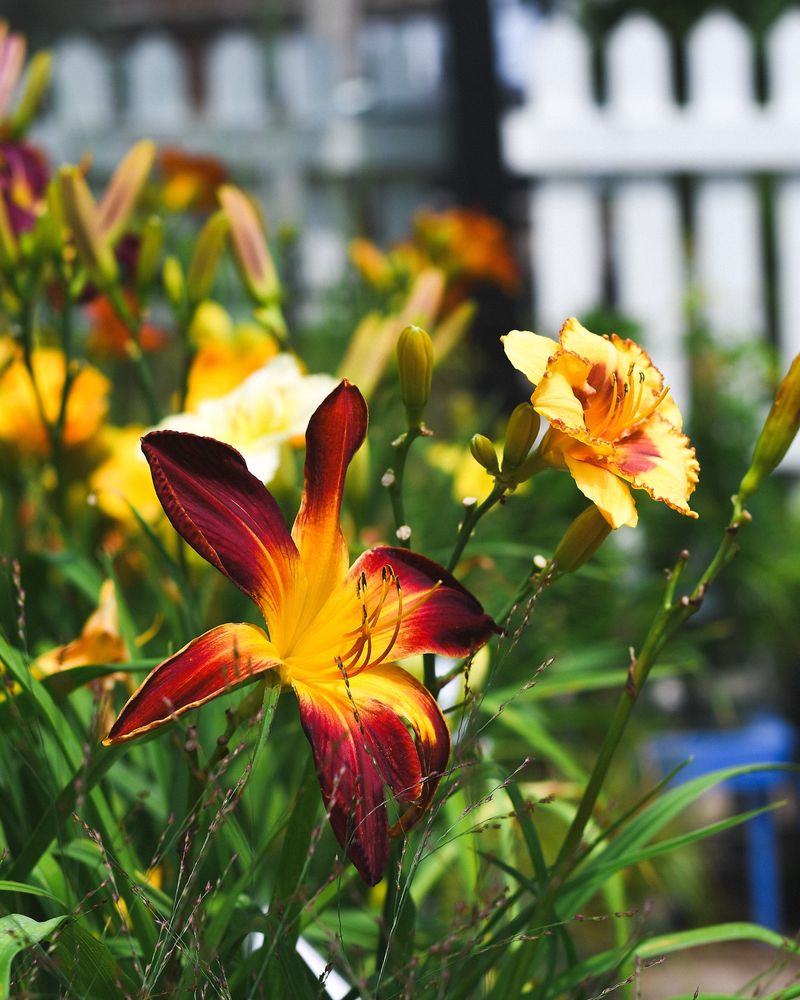
Trumpet-shaped flowers open fresh each morning in colors spanning yellow, orange, red, pink, and purple throughout summer months.
Tough and adaptable, daylilies survive Virginia’s clay soils, occasional drought, and temperature fluctuations without special care.
Each bloom lasts only one day, but numerous buds on each stalk ensure continuous flowering for weeks.
The arching foliage creates graceful mounds that look attractive even when plants aren’t blooming.
Daylilies multiply steadily, forming larger clumps that can be divided and replanted to extend borders economically.
These perennials tolerate both full sun and partial shade, giving Virginia gardeners flexibility in placement options.
Removing spent flowers prevents seed formation and encourages more buds to develop on existing stalks.
Deer occasionally browse daylily buds, but established clumps usually produce enough flowers that some damage remains acceptable.
Varieties with different bloom times can be combined for borders that flower from May through September.
Partner daylilies with ornamental grasses or black-eyed Susans for a naturalistic border style popular throughout Virginia.
8. Japanese Forest Grass (Hakonechloa macra)
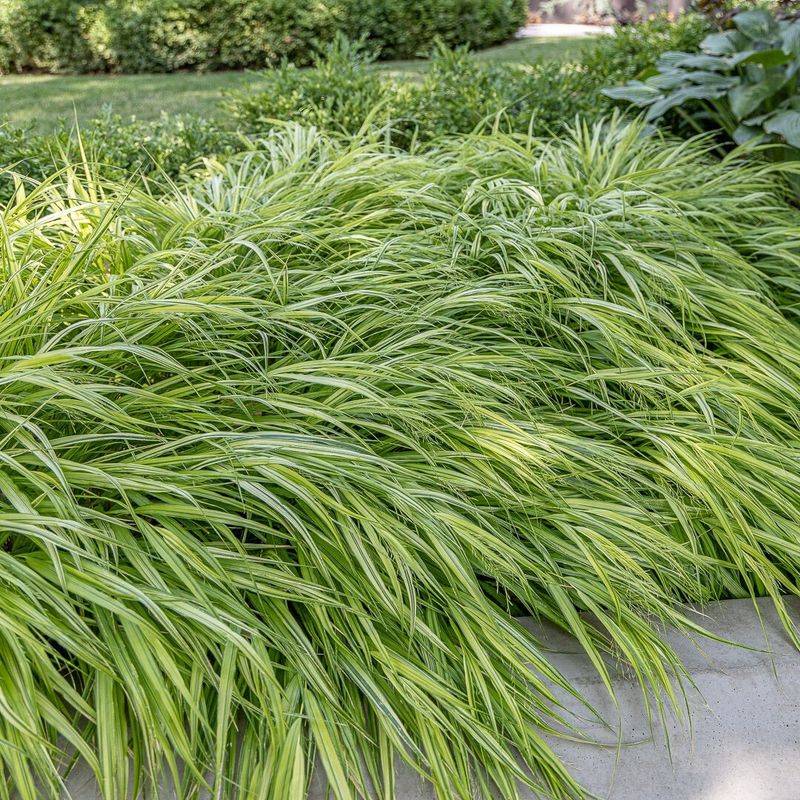
Graceful blades cascade like a waterfall, creating movement and texture that contrasts beautifully with broad-leaved plants.
Golden or variegated varieties brighten shaded Virginia borders where few other plants offer such vibrant color.
This ornamental grass grows slowly and stays compact, making it perfect for small spaces or formal garden designs.
Unlike aggressive spreading grasses, Japanese forest grass forms neat clumps that won’t invade neighboring plants.
Foliage turns pinkish or reddish in fall before fading to tan, providing seasonal interest beyond the growing season.
Virginia’s humidity suits this grass well since it naturally grows in moist woodland environments in its native habitat.
Plant it along shaded pathways where its arching form can spill slightly over edges for a softening effect.
Morning sun with afternoon shade produces the best color and prevents leaf scorching during hot Virginia summers.
Cutting back old foliage in early spring makes room for fresh new growth that emerges bright and vibrant.
Combine Japanese forest grass with hostas and ferns for a sophisticated shade border with varied textures.
9. Sedum (Sedum spectabile)
Thick succulent leaves store water efficiently, allowing sedum to thrive during Virginia’s occasional dry spells without supplemental irrigation.
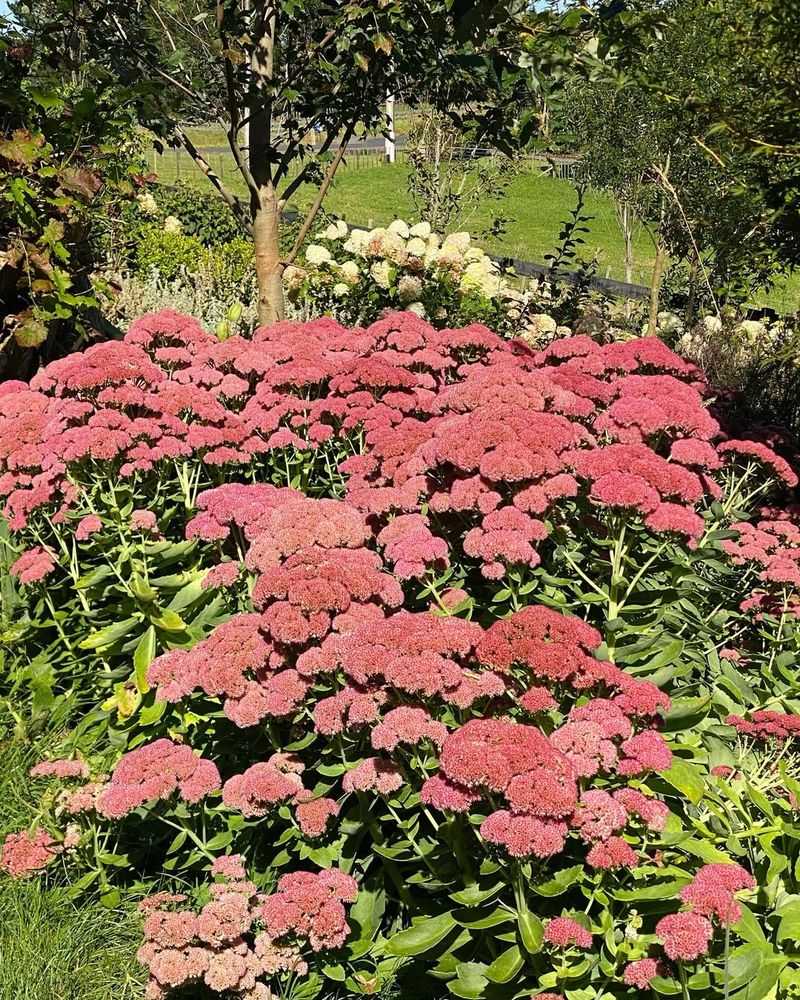
Flat flower clusters appear in late summer when many other border plants have finished blooming for the season.
Butterflies and bees cover the pink or red blooms, creating a buzzing, active border that feels alive.
The sturdy upright stems rarely need staking, even when heavy flowers develop at the top.
Sedum’s blue-green foliage looks attractive from spring through fall, providing structure long before flowers appear.
After frost, flower heads turn bronze and remain standing through winter, adding architectural interest to dormant borders.
Virginia gardeners appreciate sedum’s tolerance for poor soil and its ability to thrive with minimal attention.
Plant these perennials in full sun for the most compact growth and abundant flowering.
Dividing clumps every few years keeps plants vigorous and provides extras for expanding borders or sharing with neighbors.
Pair sedum with ornamental grasses and Russian sage for a late-season border that peaks when summer gardens fade.
10. Liriope (Liriope muscari)
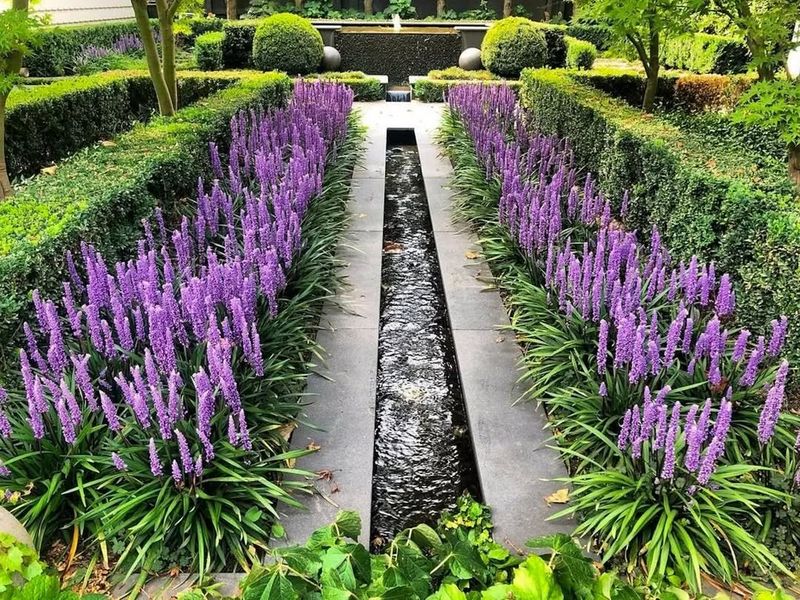
Grass-like leaves form dense tufts that stay green year-round, providing constant structure even during Virginia’s coldest months.
Purple or white flower spikes emerge in late summer, adding unexpected color when most spring bloomers have long finished.
This evergreen perennial tolerates deep shade, dry soil, and root competition from trees better than almost any other border plant.
Liriope spreads slowly to form a solid groundcover that prevents weeds without becoming invasive or difficult to control.
Virginia landscapers often use it under trees where grass struggles to grow, creating neat borders in challenging spots.
The dark green foliage contrasts nicely with lighter-colored plants, making it useful for defining bed edges clearly.
Mowing or cutting back foliage in early spring removes winter-damaged leaves and encourages fresh, tidy growth.
Black berries follow the flowers, adding another season of interest though they’re not particularly showy.
This plant handles foot traffic reasonably well, making it suitable for borders along frequently used pathways.
Combine liriope with hostas and ferns for a low-maintenance shade border that looks good throughout the year.
11. Coreopsis (Coreopsis verticillata)
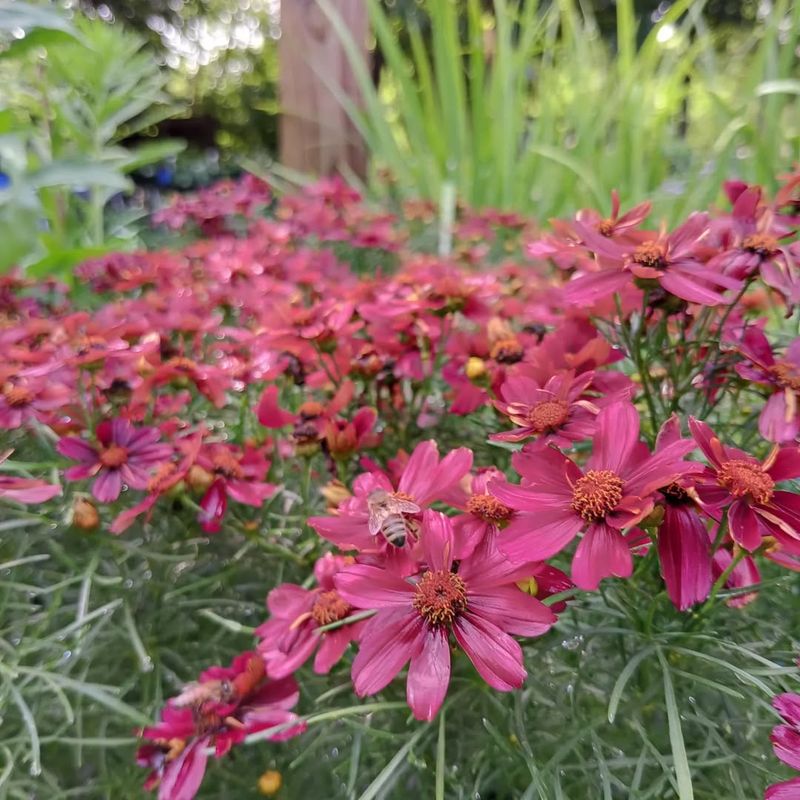
Cheerful yellow flowers bloom nonstop from early summer through fall, brightening borders with sunny color for months.
Fine-textured foliage creates an airy, delicate appearance that contrasts beautifully with bold-leaved plants nearby.
Virginia’s hot summers don’t slow coreopsis down; it actually thrives in heat that stresses many other perennials.
This native plant attracts butterflies and beneficial insects while requiring almost no maintenance once established in the ground.
Deadheading isn’t necessary since coreopsis blooms so prolifically that spent flowers barely show among fresh ones.
Drought tolerance makes it ideal for Virginia gardens focused on water conservation and sustainable landscaping practices.
Plant coreopsis in masses for maximum impact rather than scattering individual plants throughout the border.
The bright blooms show up beautifully against dark mulch or stone edging, creating crisp, professional-looking borders.
Cutting plants back by half in midsummer encourages bushier growth and refreshes tired-looking foliage.
Pair coreopsis with purple coneflowers and black-eyed Susans for a naturalistic border filled with native Virginia plants.
12. Lavender (Lavandula angustifolia)
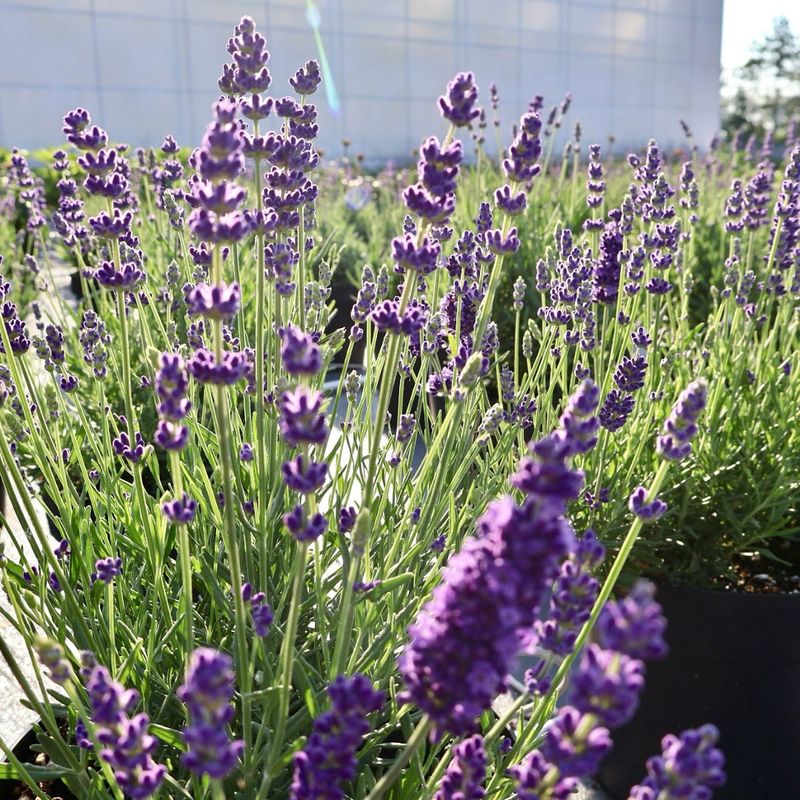
Fragrant purple flower spikes rise above silver-gray foliage, filling Virginia gardens with a soothing scent throughout summer.
Bees love lavender blooms, making borders buzz with activity while supporting important pollinator populations.
This Mediterranean herb prefers well-drained soil and full sun, thriving in Virginia’s hot summers when given proper conditions.
Harvest flower stems for drying and use in sachets, bringing your garden’s beauty and fragrance indoors.
Compact varieties stay under two feet tall, creating neat, rounded borders that don’t require frequent trimming.
Lavender’s evergreen foliage maintains structure through mild Virginia winters, especially in the state’s warmer southern regions.
Avoid overwatering since soggy soil causes root problems that can weaken or damage established plants.
Prune plants lightly after flowering to maintain shape and encourage denser growth for the following season.
The silvery foliage color brightens borders and provides excellent contrast against darker green plants nearby.
Combine lavender with roses and catmint for a classic cottage garden border that looks charming and smells wonderful.