9 Boxwood Alternatives That Instantly Elevate North Carolina Landscapes
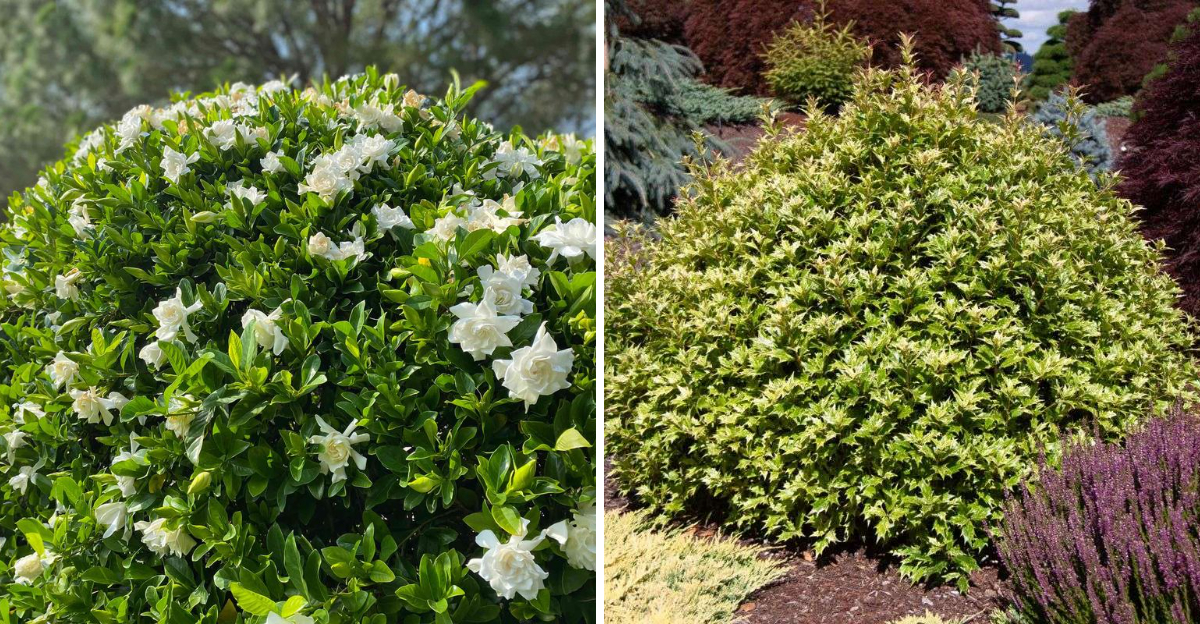
Boxwood shrubs have long been a go to choice in North Carolina landscapes, but they are no longer the easy favorite they once were. Disease issues, pest problems, and slow growth have many gardeners searching for better options that still offer structure and style.
The good news is there are plenty of shrubs that can match or even outshine boxwoods while handling North Carolina’s heat and humidity with less stress.
Some bring richer color, others grow faster, and many support pollinators and wildlife in ways boxwoods never could.
Whether you want clean lines for a formal look or a softer, more natural feel, the right alternative can instantly upgrade your yard. These standout choices prove you don’t have to stick with tradition to create a landscape that looks polished, healthy, and full of life.
1. Inkberry Holly (Ilex glabra)
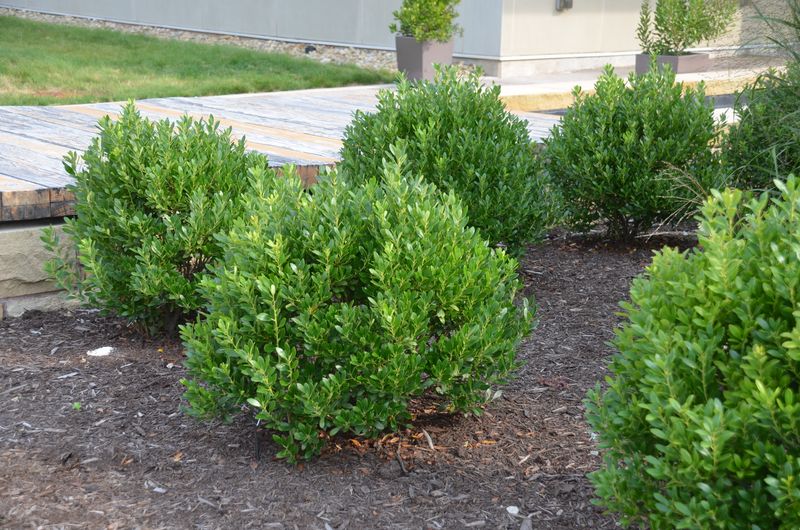
Few shrubs can match the quiet reliability of inkberry holly, especially across North Carolina’s varied growing regions. Native to the eastern United States, this glossy-leafed evergreen handles wet, acidic, and clay-heavy soils without complaint.
That alone makes it a standout in the Piedmont and Coastal Plain, where drainage can be unpredictable and summers get seriously hot.
Newer cultivars like ‘Shamrock’ and ‘Strongbox’ were specifically bred to mimic the compact, rounded shape that boxwood fans love so much.
You get that same clean, structured look without worrying about boxwood blight creeping through your foundation beds.
It is a genuinely smart swap for any North Carolina gardener who values low-maintenance beauty.
Inkberry holly also attracts birds with its small black berries, adding a bonus layer of life to your landscape. It tolerates partial shade gracefully, which makes it useful under large trees or along north-facing walls.
Shearing it into tidy hedges is easy, and the plant bounces back quickly after pruning. Plant it in groups for a bold evergreen border, or use a single specimen to anchor a mixed shrub bed.
Either way, inkberry holly earns its place with almost zero drama and a whole lot of year-round structure that North Carolina landscapes genuinely need.
2. Dwarf Yaupon Holly (Ilex vomitoria ‘Dwarf’)
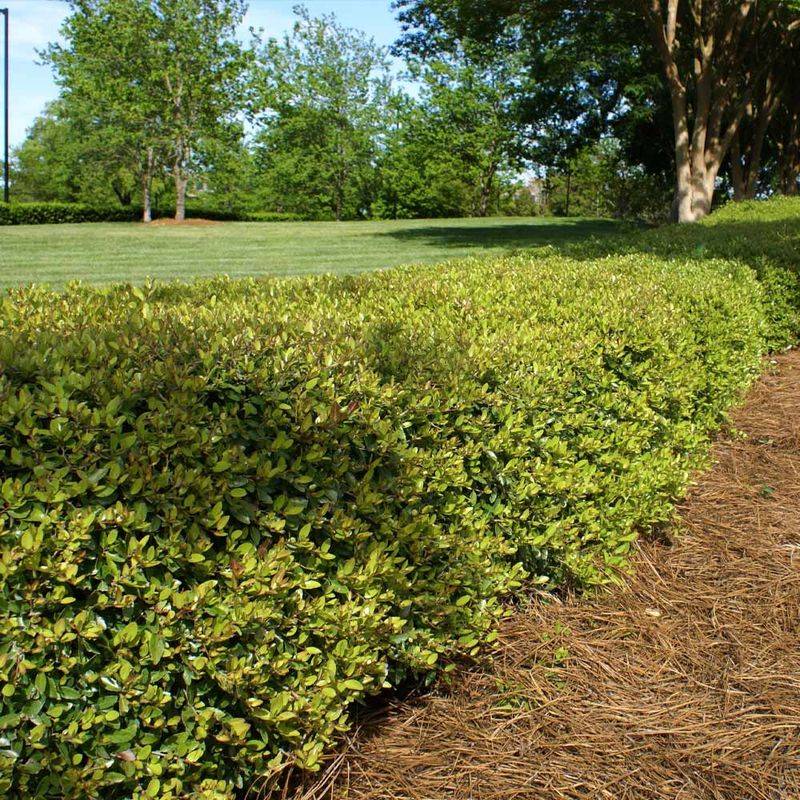
If a shrub could be described as practically bulletproof for North Carolina conditions, dwarf yaupon holly would be a top contender. It handles summer heat, drought, salt spray, and heavy clay with the kind of ease that makes other shrubs look high-maintenance by comparison.
Gardeners across the Piedmont and Coastal Plain have leaned on it for years, and for very good reason.
The naturally dense, rounded growth habit of this compact cultivar mirrors the tidy look that boxwood delivers, but without the vulnerability to blight or pests.
Its small, dark green leaves stay attractive all year long, giving your garden a polished, finished appearance through every season.
You can shear it formally or let it grow into its naturally neat mounded shape with almost no effort involved.
Dwarf yaupon holly is also native to the southeastern United States, which means it supports local wildlife and fits naturally into North Carolina’s ecosystem. It grows well in full sun to partial shade, making it flexible enough for many different spots in the yard.
Whether you line a walkway, frame a front door, or fill in a foundation bed, this little shrub shows up and performs consistently.
North Carolina gardeners who want reliable evergreen structure without constant upkeep will find dwarf yaupon holly genuinely hard to beat in any season.
3. Distylium (Distylium Hybrids)
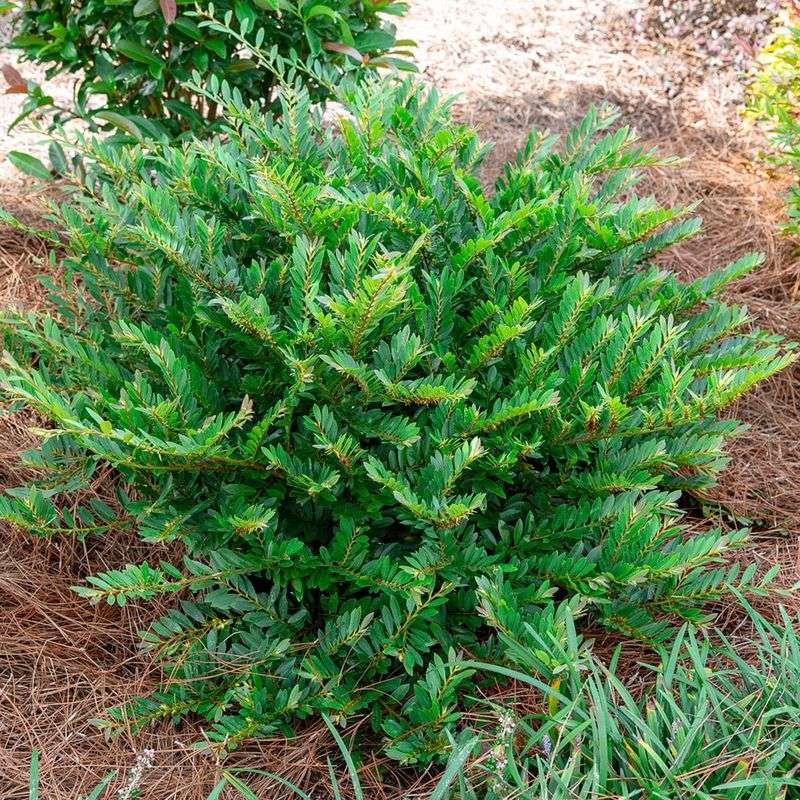
Distylium quietly walked onto the scene as one of the most exciting modern shrubs for Southern landscapes, and North Carolina gardeners are taking notice fast.
Bred for heat tolerance, disease resistance, and compact growth, these hybrids check nearly every box that boxwood used to fill. The glossy, dark green foliage stays dense and attractive through all four seasons without much fuss from you.
What really sets distylium apart is how little maintenance it actually needs. Unlike boxwood, it rarely demands precise shearing to stay looking sharp.
Many popular cultivars like ‘Vintage Jade’ and ‘Swing Low’ naturally maintain a low, spreading form that suits foundation plantings, borders, and slope coverage beautifully across North Carolina’s diverse landscapes.
Distylium also shows impressive resistance to the insect and disease problems that have plagued traditional boxwood plantings in recent years.
It tolerates both drought and occasional wet spells, which reflects the unpredictable weather patterns common throughout the Piedmont region.
In late winter and early spring, small reddish flowers add a subtle but charming seasonal touch that boxwood simply cannot offer.
For gardeners who want an evergreen workhorse that looks refined without demanding constant attention, distylium delivers that balance with real style. Planting it is one of the easiest upgrades you can make to a North Carolina garden bed this year.
4. Walter’s Viburnum ‘Raulston Hardy’ (Viburnum obovatum ‘Raulston Hardy’)
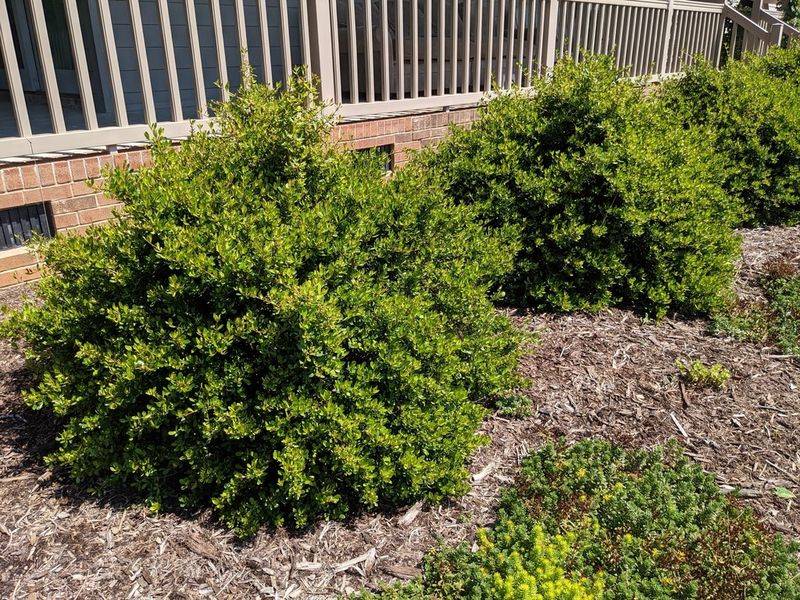
Named in honor of the legendary NC State plantsman J.C. Raulston, this cultivar carries a meaningful North Carolina connection that makes it feel right at home across the state.
‘Raulston Hardy’ is a dwarf selection of Walter’s viburnum, and it was specifically noted by NC State as a strong boxwood alternative for its tight, refined habit.
That kind of endorsement from a trusted local institution means a lot to gardeners in the region.
In spring, clusters of small white flowers emerge across the dense canopy, giving the shrub a seasonal charm that standard boxwood simply cannot match. After flowering, small dark fruits develop and attract birds, turning your landscape into a lively, welcoming space.
The foliage holds its deep green color through most of the year, maintaining that structured, polished appearance that formal garden designs depend on.
This cultivar performs most dependably in the southern Piedmont and Coastal Plain regions of North Carolina, where winters stay mild enough for consistent growth. It tolerates a range of soil conditions and holds up well through summer heat when established.
Use it as a low formal hedge, a foundation anchor, or a repeated element along a garden path. ‘Raulston Hardy’ brings more seasonal personality to the landscape than boxwood ever did, and it does it with genuine North Carolina roots behind every branch.
5. False Holly (Osmanthus heterophyllus)
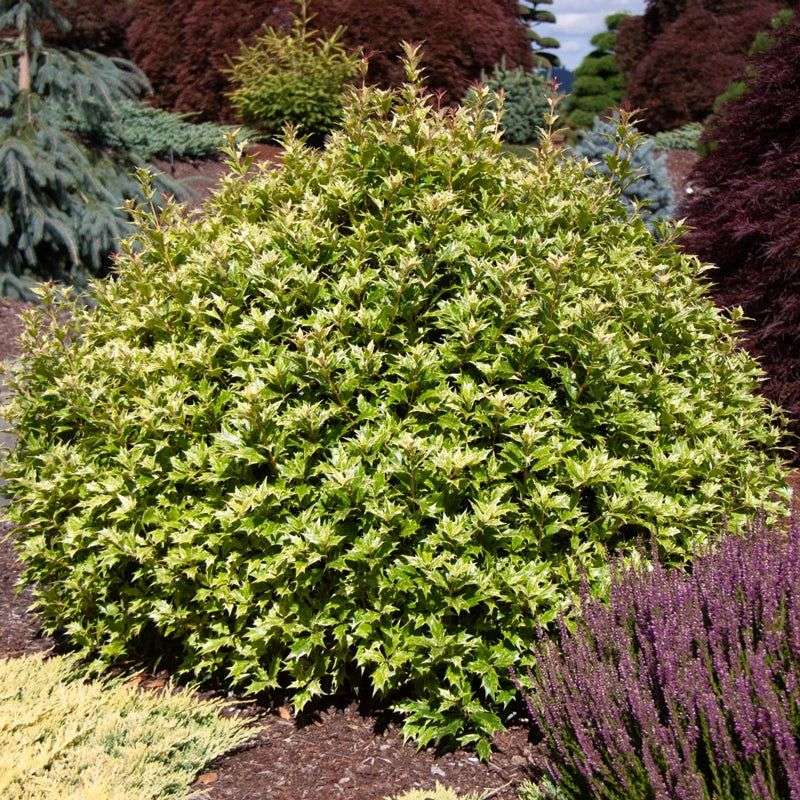
At first glance, false holly looks like it belongs in the holly family, but it is actually an osmanthus, and that mix-up works entirely in your favor.
The spiny, glossy leaves give it a sharper, more distinctive texture than typical boxwood, making it a real conversation piece in any North Carolina garden.
It brings a bold, architectural quality that adds genuine visual interest to foundation beds and formal borders alike.
Come fall, tiny white flowers appear tucked among the foliage, releasing a surprisingly sweet fragrance that drifts through the garden on warm evenings.
Most people do not expect that kind of sensory reward from a hedge plant, which makes false holly feel like a hidden gem. It shears cleanly into formal shapes or grows naturally into a dense, rounded mass with minimal guidance needed from you.
False holly thrives across much of North Carolina in well-drained soil with full sun to partial shade. It handles heat reasonably well once established, and its dense growth makes it an effective privacy screen along property lines or behind garden beds.
Pest and disease problems are rarely an issue, which is a refreshing change compared to the ongoing challenges that boxwood presents.
Whether you want a clipped formal hedge or a more relaxed evergreen screen, false holly brings texture, fragrance, and year-round structure to North Carolina landscapes with an unmistakable personality all its own.
6. Burkwood Osmanthus (Osmanthus x burkwoodii)
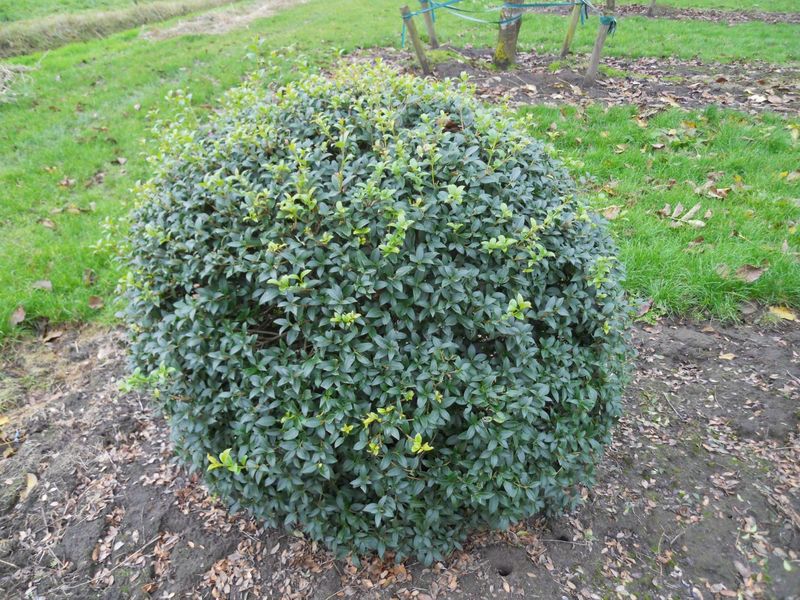
Burkwood osmanthus is the kind of shrub that rewards you far beyond what you expect when you first plant it. A hybrid of two osmanthus species, it combines dense, small-leafed evergreen foliage with an intensely sweet spring fragrance that stops visitors in their tracks.
In North Carolina gardens, where sensory appeal matters just as much as structure, this shrub earns its spot near entryways and formal beds without question.
The foliage is compact and slightly glossy, holding its rich green color through all four seasons. It responds beautifully to shearing, which means you can train it into crisp formal shapes or allow it to develop a more relaxed, naturally rounded silhouette.
Either approach works well in the kinds of polished residential landscapes that are common throughout the Piedmont and beyond.
Spring is when burkwood osmanthus truly shines, with clusters of small white blossoms covering the plant and filling the surrounding air with a honey-like scent.
It is one of the most fragrant shrubs available for North Carolina growing conditions, and that alone separates it from plain boxwood in a very meaningful way.
It grows at a moderate pace, stays tidy with minimal pruning, and tolerates the region’s summer heat once properly established.
For gardeners who want evergreen structure plus genuine seasonal excitement, burkwood osmanthus brings a level of elegance that standard boxwood simply cannot replicate.
7. Fragrant Tea Olive (Osmanthus fragrans)
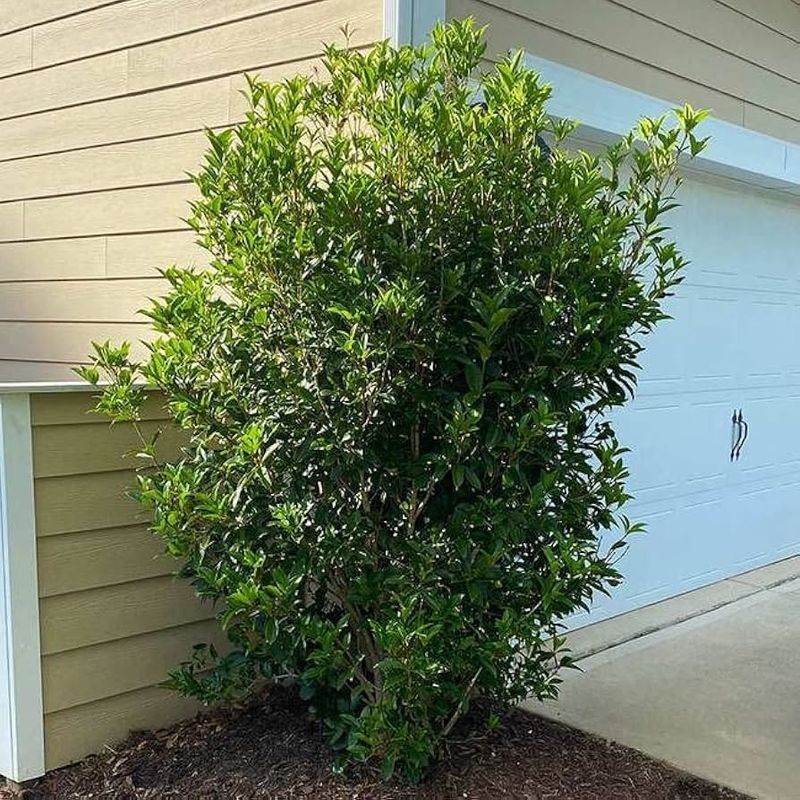
Walk past a fragrant tea olive in bloom and you will stop immediately, wondering where that incredible scent is coming from.
The flowers are tiny, almost invisible, but the fragrance they release is one of the most powerful and pleasant of any flowering shrub in North Carolina.
It has been grown in Southern gardens for centuries, and its popularity has never really faded because it simply delivers something no other plant can replicate.
Fragrant tea olive is a larger shrub than boxwood, so it plays a different role in the landscape. Rather than a clipped low hedge, it works beautifully as an evergreen anchor shrub, a tall screen, or a dramatic focal point near a patio or entryway.
In the warmer parts of North Carolina, especially the Coastal Plain, it grows vigorously and maintains its glossy dark green foliage through the entire year.
Blooming can happen multiple times from fall through spring, which means you get waves of fragrance across the cooler months when most other shrubs are quiet.
It tolerates partial shade reasonably well and prefers slightly acidic, well-drained soil that is common in much of the region.
For North Carolina gardeners who want an evergreen structure with maximum sensory impact, fragrant tea olive is an absolute upgrade over standard boxwood. It brings luxury, permanence, and an unforgettable presence to any outdoor space it occupies.
8. Sasanqua Camellia (Camellia sasanqua)
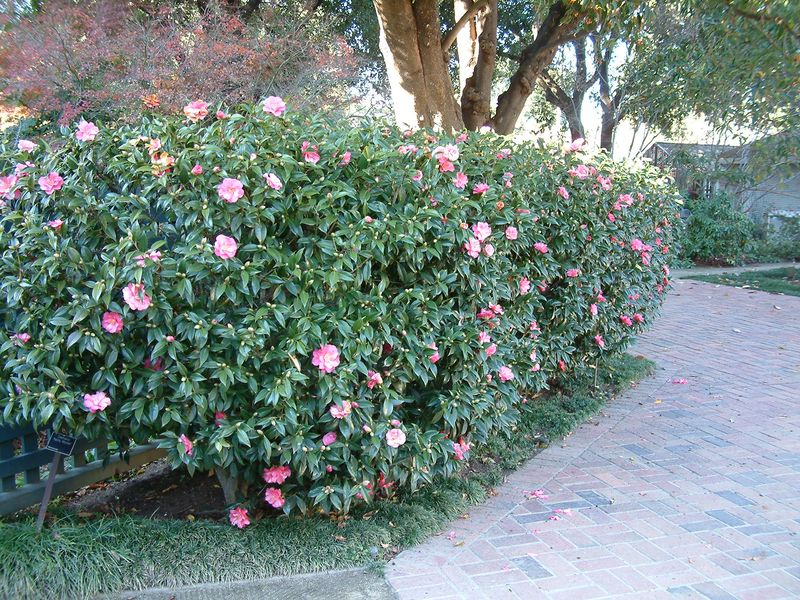
Sasanqua camellia brings a level of elegance to the fall garden that most evergreen shrubs simply cannot touch.
While other plants are winding down for the season, sasanqua bursts into bloom with flowers ranging from pure white to deep rose, creating a display that feels almost out of place in a good way.
For North Carolina gardeners who want their landscapes to look spectacular well into November, this shrub is an outstanding choice.
Beyond the flowers, sasanqua camellia offers dense, glossy evergreen foliage that holds its rich color through every season. It works well as a foundation planting, a privacy screen, or an anchor in a mixed evergreen border.
The texture is finer and softer than boxwood, giving the landscape a more graceful, upscale appearance that feels genuinely elevated rather than simply functional.
Sasanqua camellia prefers slightly acidic, well-drained soil and partial to full sun, conditions that are easy to meet across much of North Carolina. It grows at a moderate rate and can be lightly shaped after flowering to maintain a tidy form.
Unlike boxwood, it faces almost no serious blight or pest threats, which translates to far less worry and much more enjoyment.
Planting sasanqua camellia is one of the most rewarding decisions a North Carolina gardener can make when looking to replace tired or struggling boxwood with something truly spectacular.
9. Gardenia (Gardenia jasminoides)
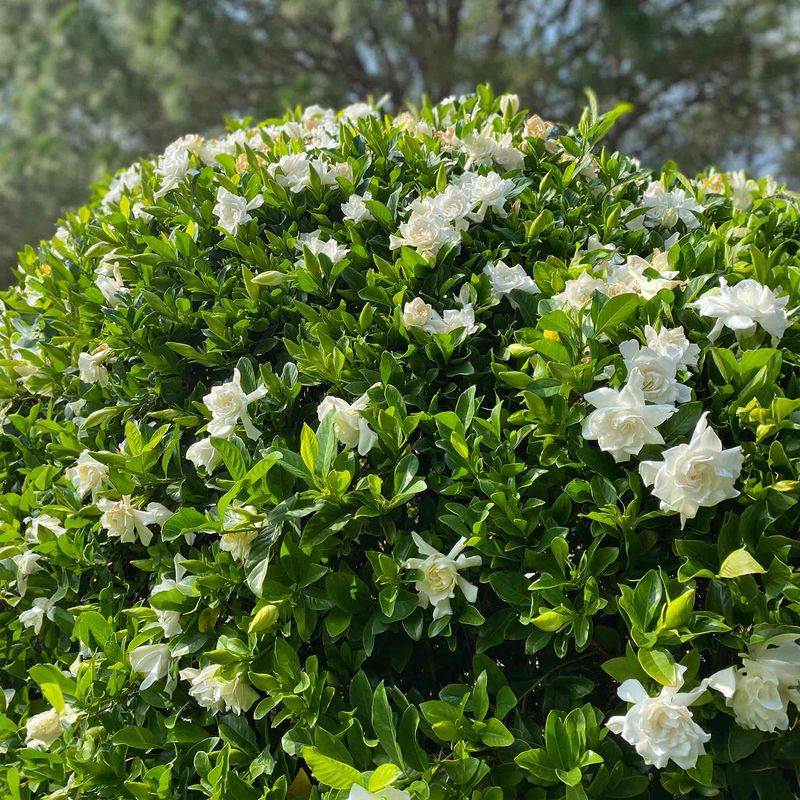
Few shrubs in the South carry the same romantic reputation as gardenia. The moment those creamy white flowers open, the fragrance fills the entire yard with something that feels almost tropical and completely irresistible.
North Carolina gardeners in the warmer parts of the state have long treasured gardenia as a statement plant, and it earns every bit of that admiration with its lush, glossy foliage and show-stopping blooms.
As a boxwood alternative, gardenia plays the role of the polished evergreen anchor shrub with considerably more drama. The thick, waxy leaves stay a rich, deep green throughout the year, giving foundation beds and mixed borders a full, vibrant look.
Compact cultivars like ‘Radicans’ and ‘Kleim’s Hardy’ keep the plant manageable in smaller spaces while still delivering that signature fragrance and flower power.
Gardenia grows best in acidic, well-drained soil with full sun to light shade, which suits many protected sites across North Carolina’s Piedmont and Coastal Plain regions.
It does prefer some shelter from harsh winter winds, so a south-facing wall or a protected courtyard setting brings out its best performance. Fertilizing with an acid-forming fertilizer keeps the foliage a healthy, vivid green.
For gardeners who want an evergreen shrub that brings fragrance, gloss, and genuine ornamental beauty to the landscape, gardenia is one of the most rewarding upgrades available anywhere in North Carolina.