Brighten Your Ohio Garden With These Top 10 Yellow Flowers
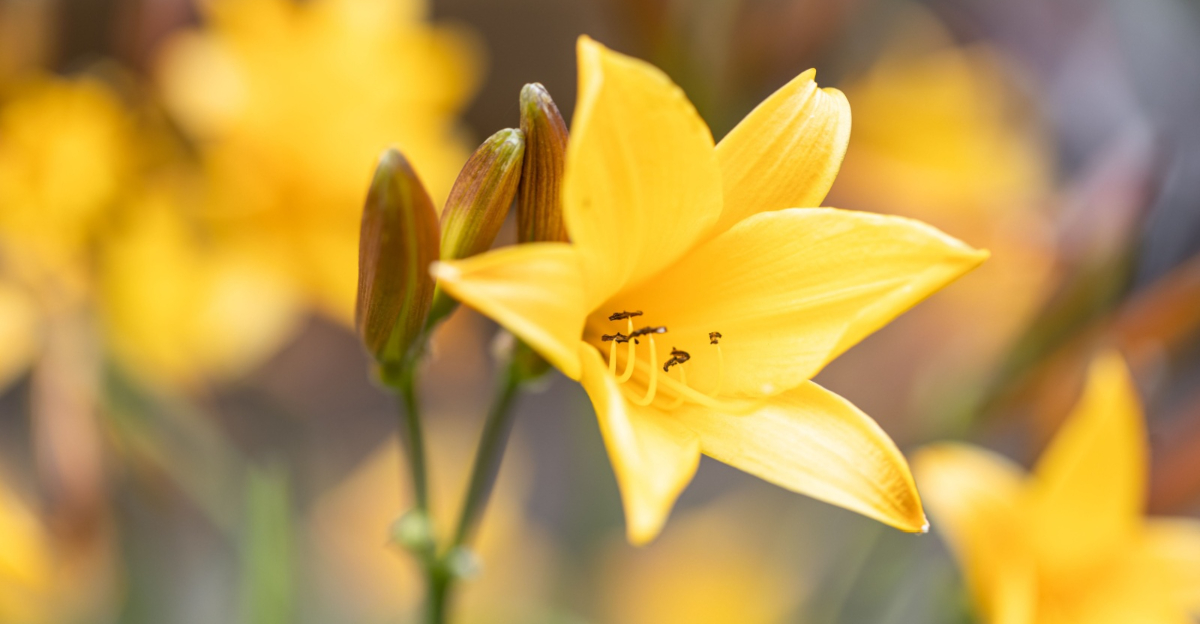
Yellow flowers bring instant sunshine to any garden, and Ohio gardeners have plenty of wonderful options that thrive in our climate. From native wildflowers that support local pollinators to reliable perennials that come back stronger each year, yellow blooms offer more than just cheerful color.
They create focal points, brighten shady corners, and keep your landscape interesting from spring through fall.
Whether you’re working with clay soil in Cincinnati, sandy patches in northwest Ohio, or the rocky ground near the Appalachian foothills, there’s a yellow flower perfectly suited to your conditions.
Many of these plants handle our humid summers, unpredictable springs, and occasional drought with impressive resilience. Best of all, most require minimal fussing once established, making them ideal for busy gardeners who want maximum impact with reasonable effort.
Ready to add some golden glow to your yard? These yellow flowers will transform your Ohio garden into a vibrant, pollinator-friendly space that looks beautiful all season long.
1. Black Eyed Susan Brings Classic Summer Color
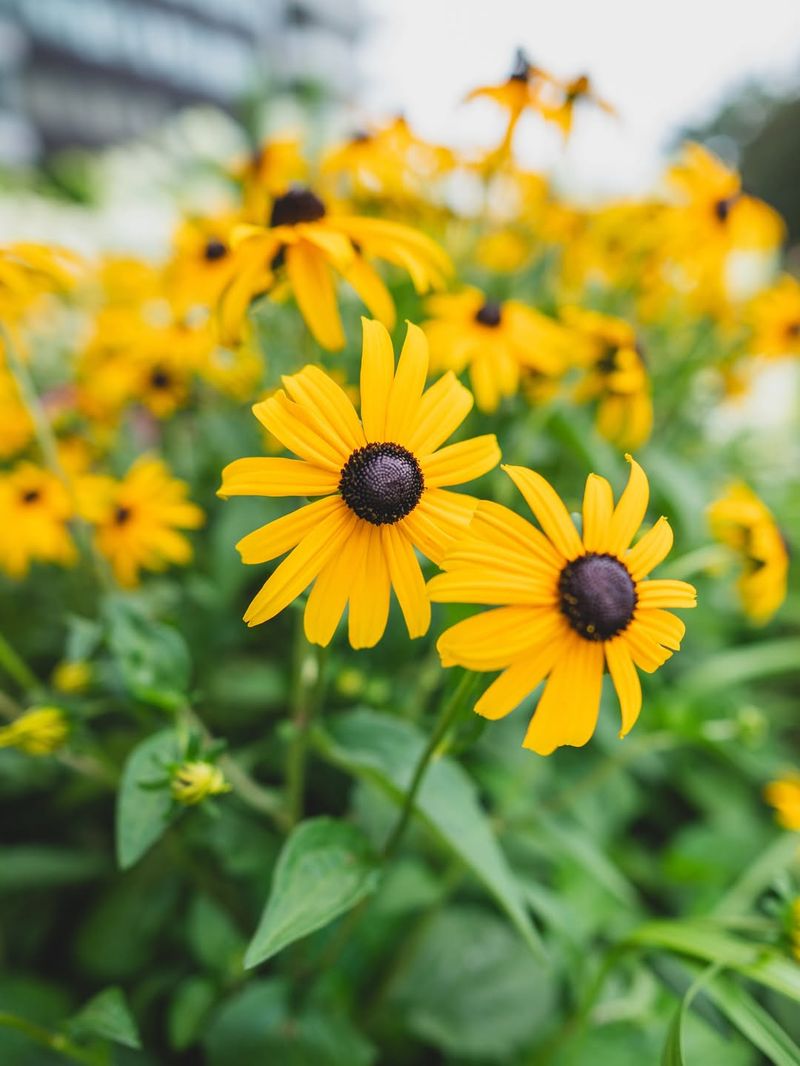
Native to Ohio and much of North America, Black Eyed Susan stands as one of our most recognizable wildflowers. These cheerful blooms appear in mid-summer and keep going strong until frost, providing months of reliable color when many other perennials take a break.
The golden petals surrounding dark chocolate centers create striking contrast that catches every eye.
Full sun suits these plants best, though they’ll tolerate a few hours of afternoon shade. Once established, Black Eyed Susans handle drought remarkably well, making them perfect for those hot July weeks when rain disappears.
Ohio’s clay soils don’t bother them much either, as long as water doesn’t stand around their roots during wet springs.
Pollinators absolutely love these flowers. Bees, butterflies, and beneficial insects visit constantly throughout the blooming season, and goldfinches arrive in fall to feast on the seed heads.
Leave some stems standing through winter to support birds and provide natural garden interest.
Plants spread gradually through self-seeding, creating natural drifts over time without becoming aggressive. Cutting back spent blooms encourages fresh flowers, but letting some go to seed ensures volunteers for next year.
These tough natives ask for almost nothing while delivering stunning summer performance year after year in Ohio gardens.
2. Coreopsis Blooms Bright All Summer Long
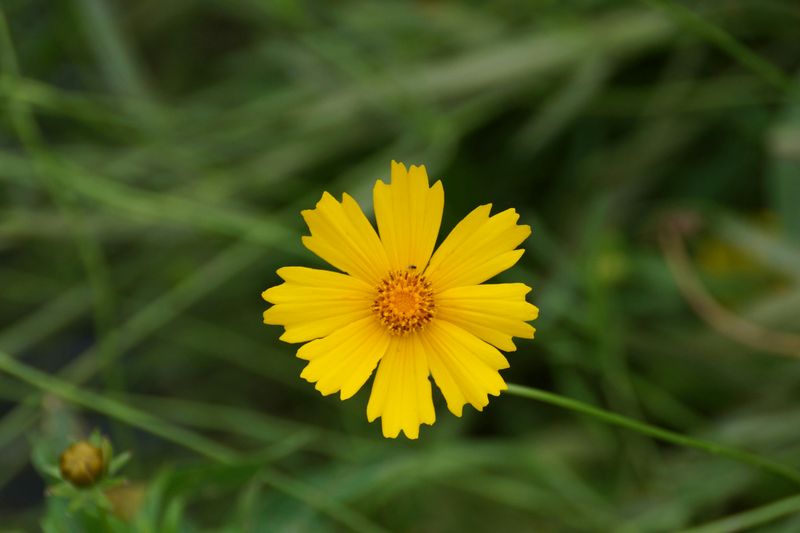
Few perennials match Coreopsis for sheer flower power throughout Ohio’s growing season. These sunny bloomers start opening in early June and continue producing fresh flowers well into September with minimal deadheading.
The threadleaf varieties create clouds of small golden stars, while larger-flowered types make bolder statements in borders and containers.
Sunshine fuels these plants, so give them at least six hours of direct light daily. They handle heat beautifully, never wilting or looking stressed during those steamy August afternoons that challenge so many garden plants.
Poor soil doesn’t faze them either, which makes Coreopsis ideal for newer beds where soil hasn’t been improved yet.
Drought tolerance ranks high with these flowers once their roots establish. After the first season, you can often skip supplemental watering except during extreme dry spells.
This low-maintenance quality appeals to weekend gardeners who can’t fuss over plants constantly.
Cutting plants back by one-third in mid-July refreshes tired stems and triggers another flush of blooms. This simple trim takes minutes but extends the show considerably.
Butterflies visit regularly, adding movement and life to sunny spots. Ohio gardeners appreciate how reliably Coreopsis performs without demanding constant attention or special care throughout our variable growing conditions.
3. Yellow Daylily Thrives In Almost Any Soil
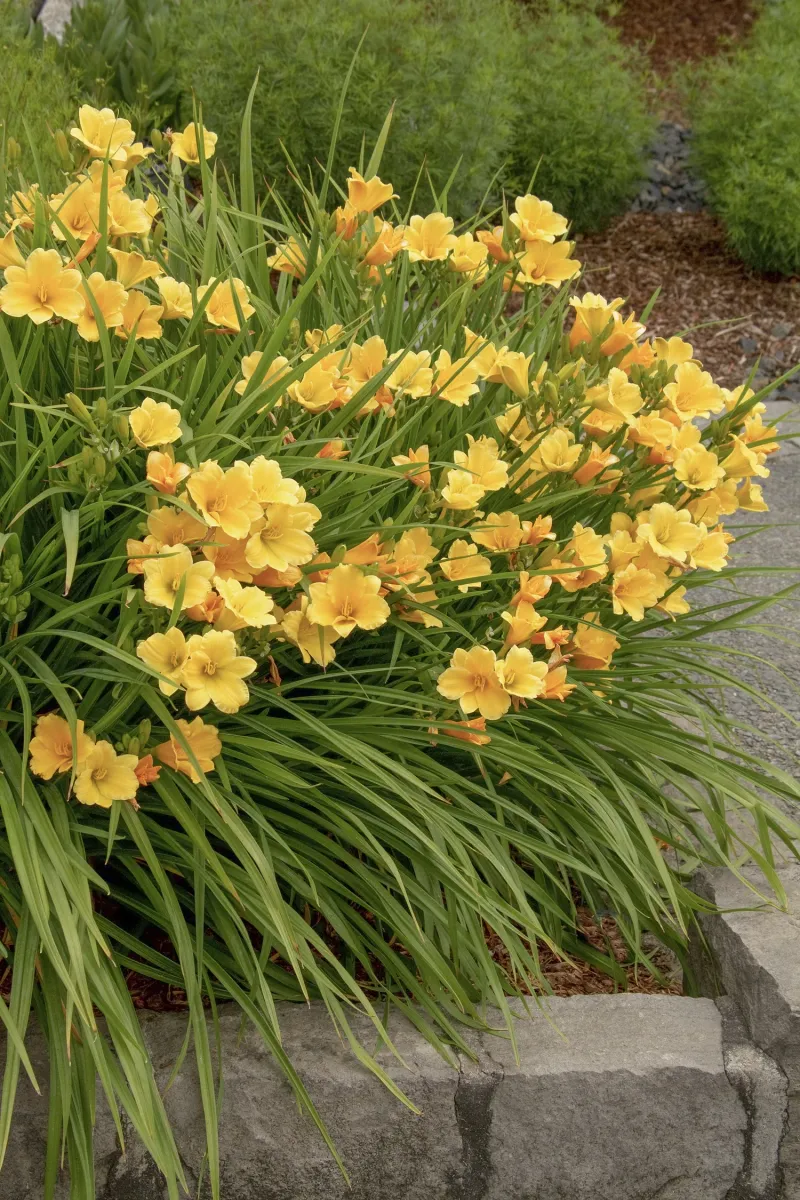
Adaptability defines the yellow daylily’s greatest strength in Ohio landscapes. These dependable perennials grow happily in clay, loam, or sandy soil, asking only for reasonable drainage during our wet springs.
Whether your garden bakes in full sun or receives dappled shade, daylilies adjust and bloom reliably year after year.
Each flower lasts just one day, but mature clumps produce so many buds that the show continues for weeks. Newer reblooming varieties flower in early summer, rest briefly, then push out another round of blooms in late August.
This extended performance makes them incredibly valuable for maintaining color through the entire season.
Clumps expand steadily but not aggressively, forming substantial plants that suppress weeds naturally. When they become crowded after four or five years, division proves simple.
Just dig clumps in early spring or fall, pull apart the roots, and replant sections wherever you need more yellow. Shared divisions make wonderful gifts for neighbors.
Yellow daylilies tolerate neglect better than most perennials, bouncing back even after tough winters or dry summers. Their grassy foliage stays attractive when not in bloom, providing texture and structure to garden beds.
Ohio gardeners count on these tough plants to deliver beauty without drama, making them perfect foundation pieces for low-maintenance landscapes throughout our diverse growing zones.
4. Yellow Coneflower Handles Heat And Drought
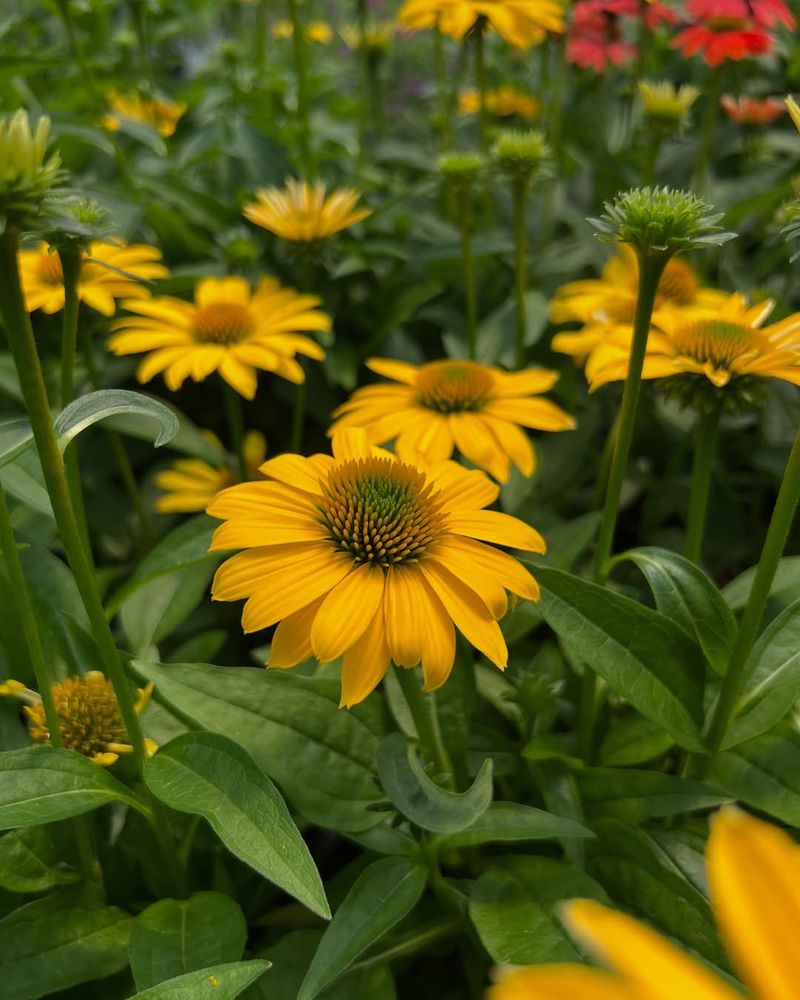
Toughness runs deep in yellow coneflower’s prairie heritage. These native perennials evolved on the Great Plains where blazing sun, limited rainfall, and harsh winters tested every plant’s survival skills.
That resilience translates perfectly to Ohio gardens, especially during those stretches when July heat lingers and rain stays away.
The distinctive drooping petals surrounding raised cone centers give these flowers architectural presence that photographs beautifully. Blooms appear in mid-summer and last for weeks, gradually fading to attractive russet tones that continue providing interest.
Unlike some coneflowers, the yellow varieties maintain excellent petal quality even through humid weather.
Pollinators recognize yellow coneflowers as reliable nectar sources, visiting constantly throughout the day. Bees particularly appreciate these blooms, working them methodically from dawn to dusk.
Later, goldfinches perch on dried seed heads, extracting seeds while providing delightful garden entertainment through fall and winter.
Once established, these plants need almost nothing from you. Skip fertilizer entirely since rich soil produces floppy growth.
Water only during extreme drought after the first year. Avoid deadheading too enthusiastically because those seed heads feed birds and provide winter structure.
Yellow coneflowers prove that native plants adapted to challenging conditions often outperform fussier hybrids in Ohio’s variable climate, delivering beauty with remarkable self-sufficiency year after year.
5. Yarrow Loves Sun And Dry Conditions
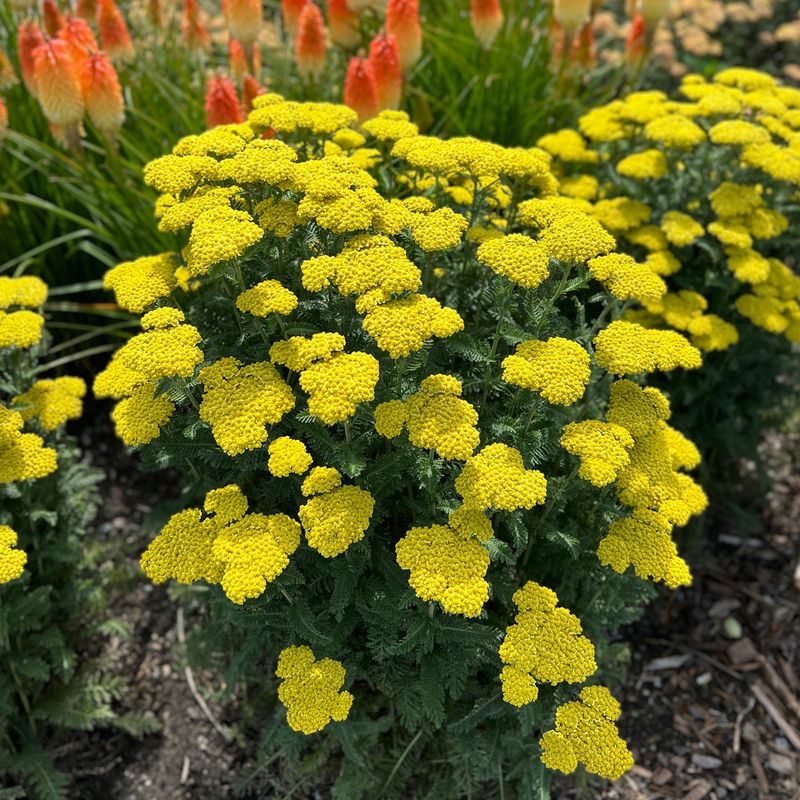
Drainage matters more to yarrow than almost any other factor. Plant it where water moves through soil quickly, and you’ll enjoy years of trouble-free golden blooms.
Soggy clay or poorly drained spots spell trouble, but sandy areas, slopes, and raised beds suit yarrow perfectly. Ohio gardeners with challenging dry spots finally find a winner here.
The flat-topped flower clusters create landing platforms that butterflies and beneficial insects adore. Each bloom head contains dozens of tiny flowers packed tightly together, providing abundant nectar and pollen throughout summer.
The ferny foliage stays attractive even when plants aren’t flowering, adding fine texture to perennial combinations.
Full sun brings out yarrow’s best performance. Six to eight hours of direct light keeps stems sturdy and flowers abundant.
Shade produces weak, floppy growth that flops over by mid-season. These sun-lovers actually prefer lean soil over rich, amended beds, which produce excessive leafy growth at the expense of blooms.
Cutting back spent flower stems encourages fresh blooms and prevents aggressive self-seeding. Yarrow spreads through underground runners but remains manageable with occasional division.
The plants tolerate neglect beautifully, bouncing back from drought, heat, and lean conditions that would stress less adapted perennials. For Ohio gardeners dealing with hot, dry exposures, yellow yarrow delivers consistent color without constant coddling or supplemental watering once roots establish deeply.
6. False Sunflower Blooms Strong For Weeks
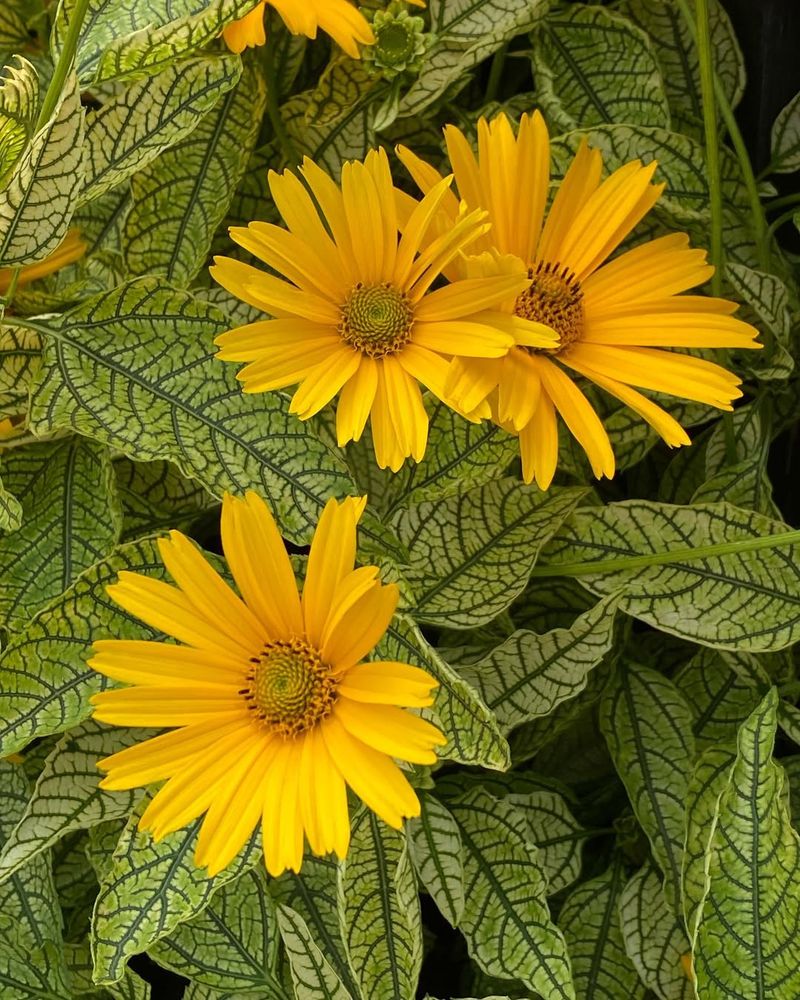
Native strength shows in every aspect of false sunflower’s performance. This Ohio wildflower produces armloads of cheerful yellow daisies from July through September, creating impressive displays that rival any cultivated perennial.
The flowers measure two to three inches across, large enough to make real impact in borders or meadow plantings.
Height varies by variety, with some reaching six feet while more compact selections stay around three feet tall. Taller types may need staking in rich soil but stand firmly in average garden conditions.
The sturdy stems hold flowers well above foliage, creating layers of color that add depth to planting schemes.
Full sun produces the most abundant flowering, though plants tolerate light afternoon shade in southern Ohio. Once established, false sunflower handles our humid summers without developing the mildew problems that plague some yellow daisies.
Drought tolerance improves significantly after the first season, making supplemental watering unnecessary except during severe dry spells.
Cutting plants back by half in late May produces bushier growth and delays blooming slightly, which helps coordinate flowering with other late-summer perennials. Deadheading extends the bloom period, but leaving some seed heads feeds birds through fall.
False sunflower spreads slowly through rhizomes, filling in gaps without becoming invasive. Ohio gardeners appreciate this native’s combination of striking beauty and tough, reliable performance throughout our variable growing conditions.
7. Blanket Flower Shines In Hot Sunny Spots
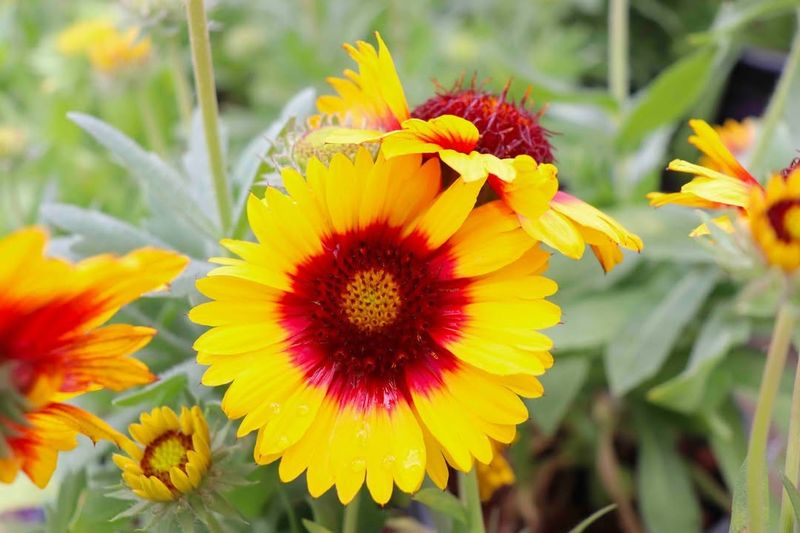
Heat brings out the best in blanket flower rather than stressing it. These tough perennials actually prefer those baking hot spots where other plants struggle, making them perfect for south-facing beds, parking strips, and areas near heat-reflecting driveways.
The more sun and warmth they receive, the more abundantly they bloom throughout Ohio’s summer.
Sandy or gravelly soil suits blanket flowers better than heavy clay. If you’re gardening in northwestern Ohio’s sandier regions, these plants will thrive with minimal care.
Gardeners dealing with clay should amend planting areas generously with coarse sand or gravel to improve drainage, or grow blanket flowers in raised beds.
The long blooming season starts in early June and continues through September with regular deadheading. Each flower lasts several days, and mature plants produce new buds constantly.
The bicolor blooms, typically yellow with red or orange zones, create vibrant displays that photograph beautifully and attract butterflies steadily.
Blanket flowers often behave as short-lived perennials in Ohio, lasting two to four years before declining. Fortunately, they self-seed reliably, ensuring replacement plants appear naturally.
You can also divide clumps in spring to refresh plantings. Avoid overwatering and skip fertilizer entirely, as rich conditions and excess moisture shorten these plants’ lifespan.
For hot, dry, sunny spots where little else thrives, blanket flower delivers reliable color throughout Ohio’s challenging summer weather.
8. Goldenrod Powers Late Season Pollinators
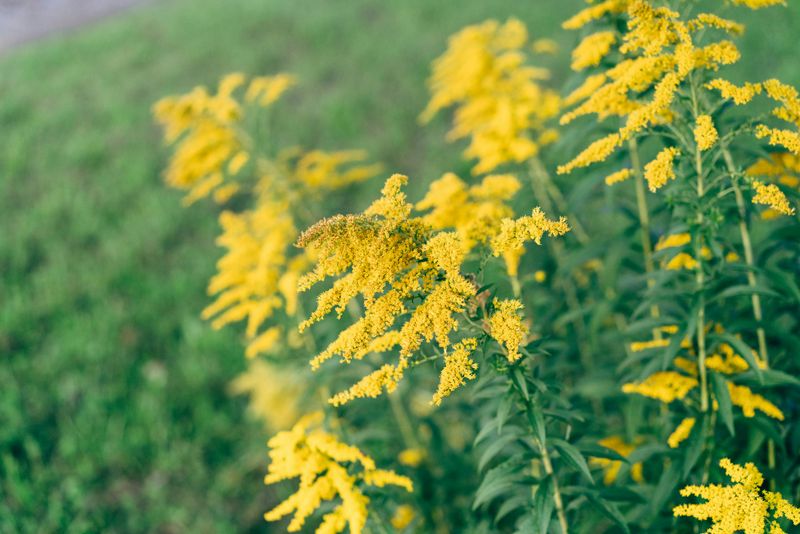
Late summer transforms Ohio gardens when goldenrod erupts in golden plumes. This native perennial provides crucial nectar and pollen precisely when monarch butterflies need fuel for their southward migration and bees prepare for winter.
The timing makes goldenrod irreplaceable in pollinator-friendly landscapes, supporting wildlife when few other plants offer substantial resources.
Contrary to persistent myths, goldenrod doesn’t cause allergies. Ragweed, which blooms simultaneously but has inconspicuous green flowers, creates the sneezing and misery.
Goldenrod’s heavy, sticky pollen moves via insects rather than wind, making it allergy-friendly despite blooming during peak hay fever season.
Multiple native goldenrod species thrive throughout Ohio, varying in height from two feet to over six feet. Shorter varieties work beautifully in formal borders, while taller types suit meadow plantings and naturalized areas.
All prefer full sun and tolerate our clay soils remarkably well once established.
Goldenrod spreads through underground rhizomes at varying rates depending on species. Some stay relatively compact while others colonize aggressively, so research specific varieties before planting.
Cutting plants back by half in early June produces bushier growth and reduces final height without sacrificing blooms.
The architectural flower plumes dry beautifully, providing winter interest and bird habitat through cold months. Ohio gardeners increasingly recognize goldenrod’s value beyond its striking beauty, appreciating how this native powerhouse supports local ecosystems while brightening autumn gardens with waves of golden color.
9. Evening Primrose Glows In Poor Soils
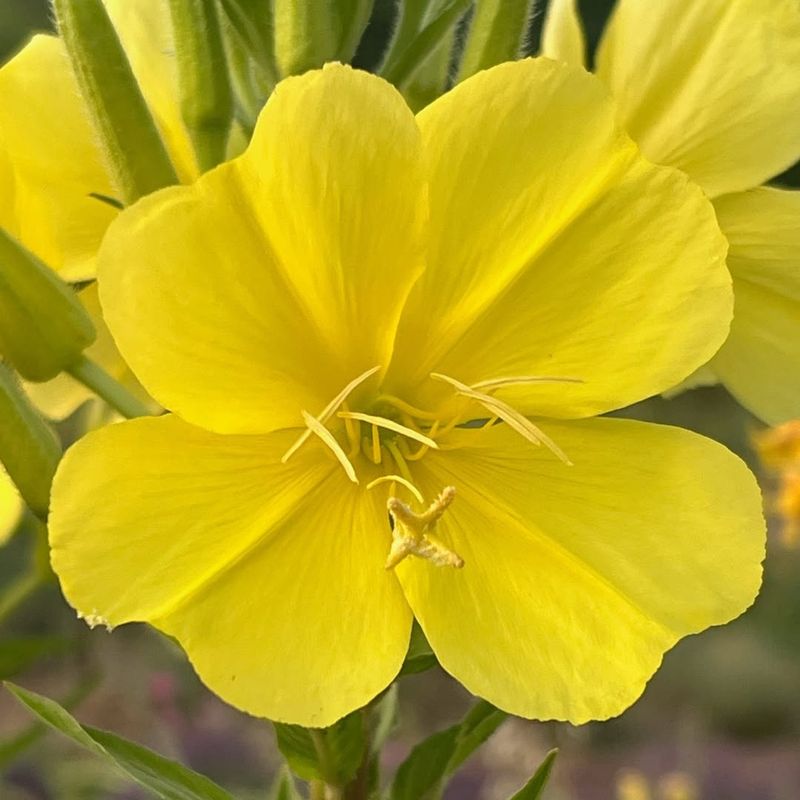
Soil that defeats other plants rarely bothers evening primrose. This adaptable native actually prefers lean, rocky, or sandy ground over rich garden beds.
Ohio gardeners struggling with poor soil conditions finally find a champion that thrives where amendments would cost a fortune. The worse your soil, the happier evening primrose seems to grow.
The blooming habit makes this plant special beyond its soil tolerance. Flowers open in late afternoon and evening, releasing sweet fragrance that attracts night-flying moths.
Each bloom lasts through the following morning before fading, replaced by fresh flowers the next evening. This nocturnal display adds unique interest to gardens enjoyed during evening hours.
Bright yellow blooms measure two to three inches across, creating glowing spots of color against reddish stems and narrow foliage. Plants bloom from June through August in Ohio, providing extended color with zero fussing.
Drought tolerance ranks excellent once roots establish, making supplemental watering unnecessary after the first season.
Evening primrose self-seeds enthusiastically, naturalizing into drifts over time. Some gardeners consider this weedy behavior while others appreciate the casual cottage garden effect.
Removing spent flower stems before seeds mature controls spread effectively. The plant tolerates poor drainage better than many drought-lovers, adapting to various Ohio soil conditions.
For challenging sites where little else succeeds, evening primrose delivers reliable beauty with remarkable adaptability and minimal care requirements throughout our diverse growing zones.
10. Yellow Chrysanthemum Finishes Fall With Color
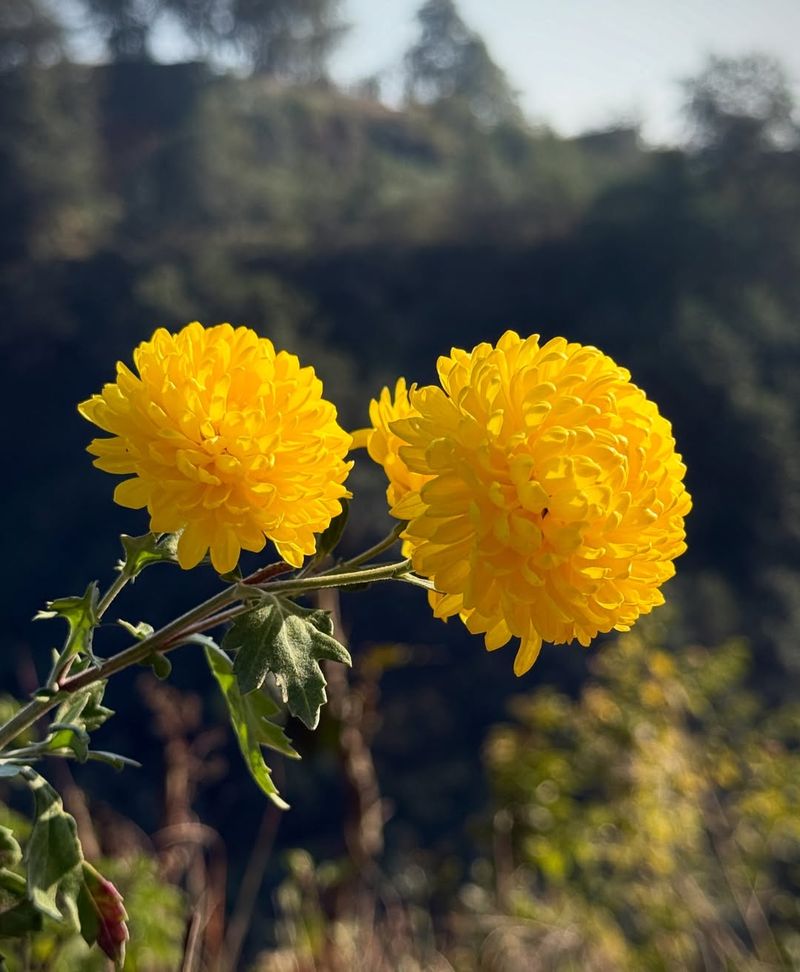
Autumn wouldn’t feel complete without chrysanthemums brightening Ohio gardens as temperatures drop and most perennials fade. Yellow varieties offer particularly cheerful color during those gray November days when winter feels inevitable.
These late bloomers extend the gardening season by weeks, providing vibrant displays well after frost has blackened tender annuals.
Hardy garden mums differ significantly from the potted florist types sold everywhere in fall. True perennial chrysanthemums survive Ohio winters reliably when planted in spring rather than fall, giving roots time to establish before cold arrives.
Spring planting also encourages better branching and more abundant fall flowers.
Full sun produces the most blooms and sturdiest stems. At least six hours of direct light keeps plants compact and covered with flowers.
Shade creates leggy growth that flops over by blooming time. Pinching stem tips every few weeks through early July encourages bushier plants and delays flowering until true fall arrives.
Cold tolerance varies by variety, with some types handling light frosts while continuing to bloom beautifully. The flowers actually intensify in color as temperatures drop, creating stunning displays against autumn foliage.
After blooming finishes, leave stems standing through winter to protect crown buds, then cut back in early spring.
Yellow chrysanthemums bring gardens full circle, finishing the growing season with the same sunny optimism that spring bulbs provided months earlier, reminding Ohio gardeners that beauty persists even as the year winds down and winter approaches.