7 Brilliant Reasons North Carolina Gardeners Never Throw Away Pistachio Shells
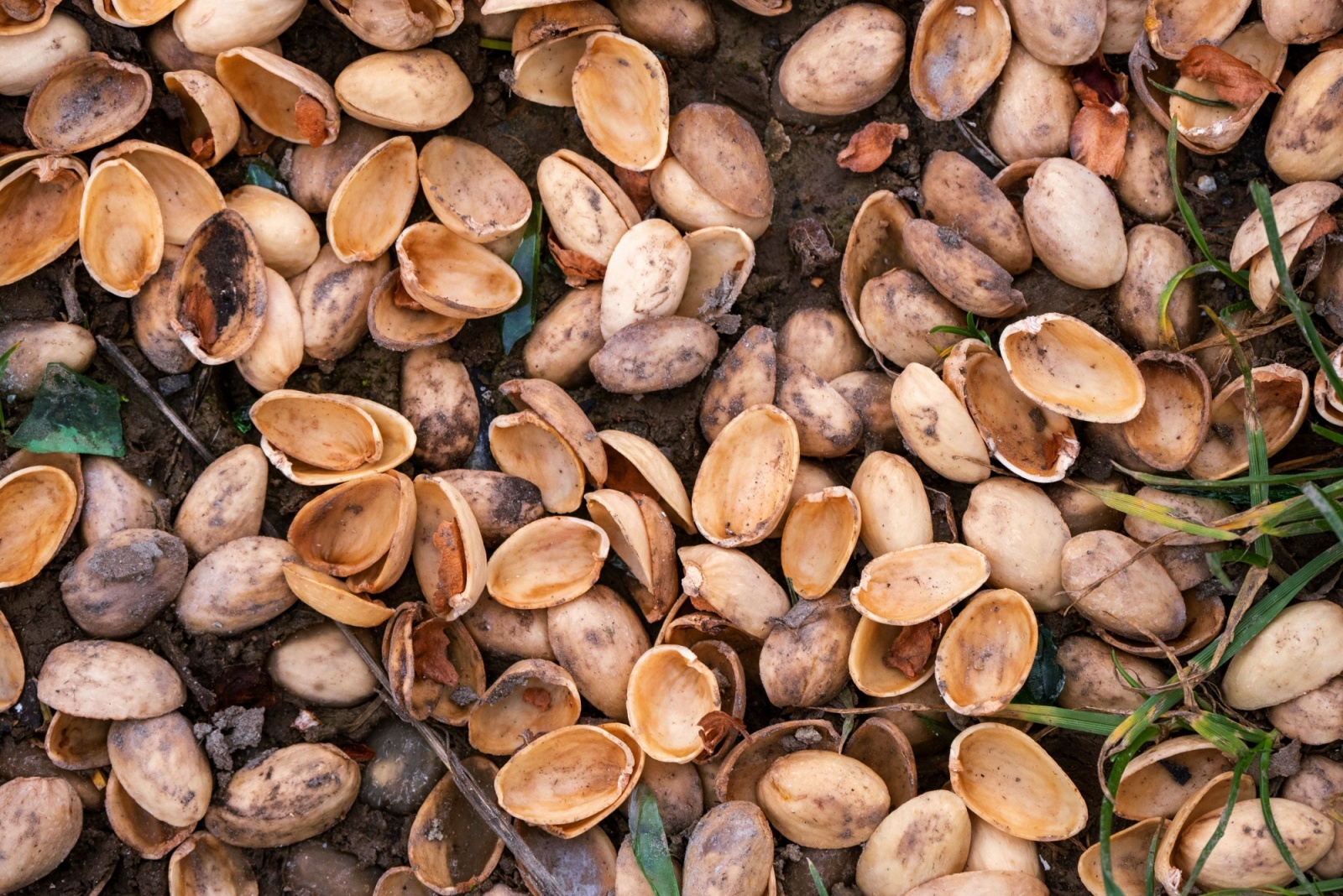
If you garden in North Carolina, chances are you already know that pistachios make a great snack. But here’s the twist most people miss: those little shells are secretly garden gold.
Before you toss them in the trash, take a second look. From fighting weeds to helping soil drain better in our famously clay-heavy ground, pistachio shells can pull their weight in surprising ways.
Even better, they are cheap, natural, and already sitting in your kitchen. Whether you grow tomatoes on a sunny patio, keep herbs on a porch, or manage raised beds in the backyard, these crunchy leftovers can upgrade your garden game without spending a dime.
And let’s be honest, who doesn’t love a clever reuse that also helps plants thrive? Get ready to see pistachio shells in a whole new light, because North Carolina gardeners are turning snack time leftovers into serious garden wins.
1. Mulching Garden Beds
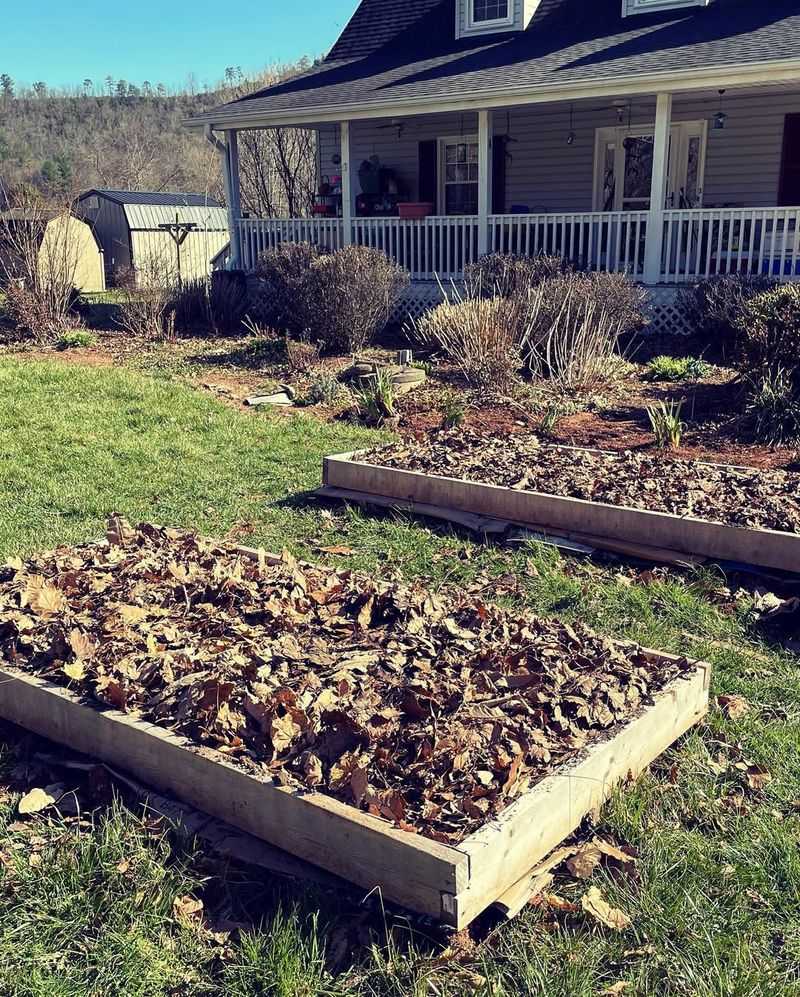
Your garden beds lose moisture faster than you might realize. North Carolina summers bring intense heat and sunshine.
Water evaporates quickly from exposed soil surfaces. Pistachio shells solve this problem beautifully when scattered around plants.
The lightweight shells create a protective barrier over the soil. This layer traps moisture underneath and keeps roots hydrated longer.
Apply shells about two inches deep around perennials and vegetables. Leave a small gap near plant stems to prevent rot.
The shells allow water to penetrate while blocking evaporation. Unlike heavy bark mulch, pistachio shells won’t compact over time.
They stay loose and airy throughout the season. Rain passes through easily to reach plant roots below. The tan color reflects some sunlight away from the soil. This keeps root zones cooler during hot afternoons.
Plants experience less heat stress and grow more vigorously. Best of all, you’re reusing materials that would otherwise fill landfills.
Each handful of shells represents smart recycling in action. Your garden benefits while you reduce household waste significantly.
2. Soil Aeration
Compacted soil causes serious problems for North Carolina gardens. Plant roots struggle to penetrate dense, airless earth.
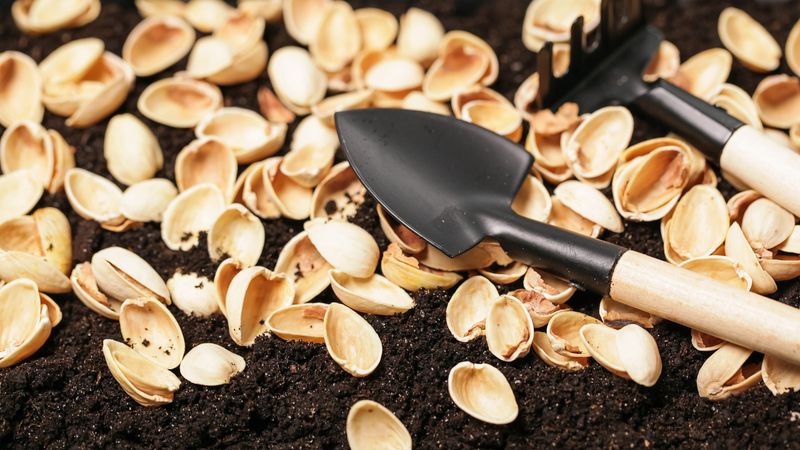
Growth slows down and vegetables produce smaller harvests. Crushing pistachio shells and mixing them into soil changes everything.
The shell fragments create tiny air channels throughout the growing area. Roots find it easier to spread and explore.
Break shells into quarter-inch pieces using a hammer or food processor. Work them into the top six inches of garden beds.
They’ll gradually break down while improving soil structure for years. Clay soils benefit tremendously from this simple amendment.
The shells prevent particles from cementing together after heavy rains. Water drains better instead of pooling on the surface.
Sandy soils also improve with shell additions surprisingly well. The organic material helps hold moisture without creating compaction.
Your soil becomes more balanced and easier to work. Beneficial soil organisms appreciate the improved environment you’ve created.
Earthworms move through aerated soil more easily. Microbes thrive in spaces with better oxygen circulation.
This natural amendment costs you nothing but saves money on commercial products. Your plants develop stronger root systems naturally.
3. Weed Suppression
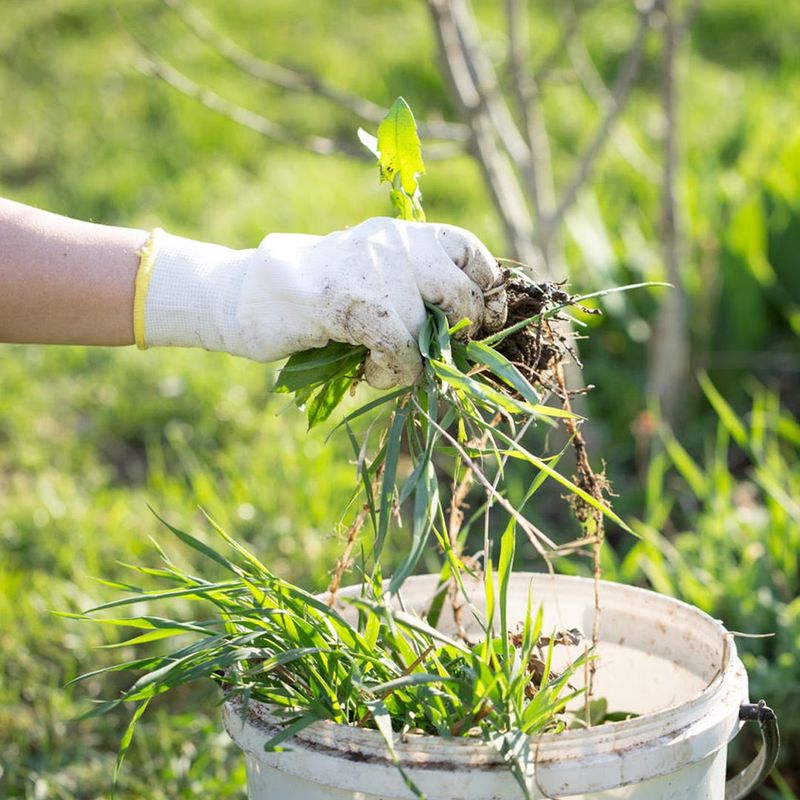
Weeds steal nutrients, water, and space from your favorite plants. Pulling them constantly feels like endless work.
Prevention makes much more sense than constant removal efforts. Pistachio shells block the sunlight that weed seeds desperately need.
Spread them thickly between rows and around established plants. Most weed seeds simply won’t germinate in darkness.
The shell layer needs to be about three inches deep for best results. This thickness prevents light from reaching the soil surface.
Annual weeds find it nearly impossible to break through. Perennial weeds with deep roots may still push through occasionally.
However, you’ll notice dramatically fewer weeds overall. The ones that do appear pull out more easily.
Unlike fabric weed barriers, shells look completely natural and attractive. They won’t tear or degrade into plastic fragments.
Your garden maintains its organic, eco-friendly character throughout. As shells slowly decompose, they add organic matter to your soil.
You’re feeding the earth while fighting weeds simultaneously. This dual benefit makes them incredibly efficient.
Replenish the shell layer each spring to maintain effectiveness. Save shells throughout winter for this purpose.
4. Decorative Ground Cover
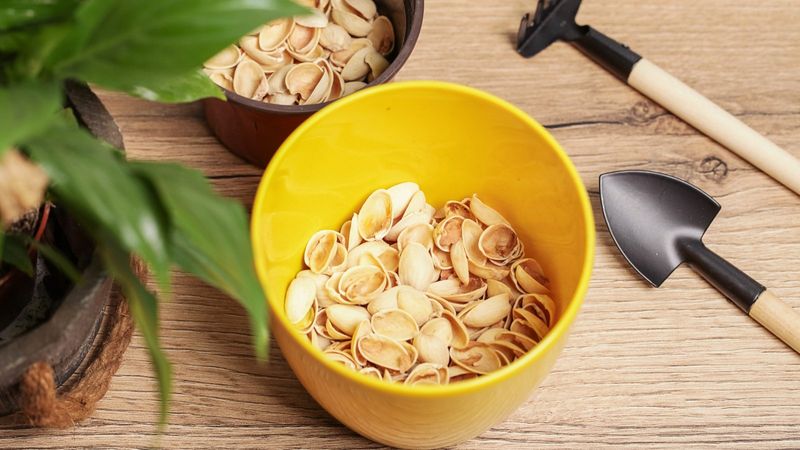
Garden aesthetics matter just as much as plant health does. Beautiful spaces inspire you to spend more time outdoors.
Natural materials create the most appealing visual effects. Pistachio shells bring a warm, earthy tone to garden designs.
Their neutral tan color complements virtually any flower or foliage. The natural variation in shell shades adds subtle visual interest.
Scatter shells around the base of shrubs for a finished look. They create clean borders that define planting areas beautifully.
Pathways lined with shells feel inviting and well-maintained. The irregular shapes and sizes of shells create texture underfoot.
This adds dimension that flat materials simply cannot match. Your garden gains character and personality through these small details.
Shells stay in place better than many decorative materials do. Wind doesn’t blow them away like lightweight options might.
Rain doesn’t wash them into unwanted areas either. Container gardens also benefit from a shell topdressing layer. The decorative surface hides plain potting soil from view. Your pots look professionally designed with minimal effort.
Visitors often comment on this unique landscaping choice with genuine curiosity. It’s a conversation starter that showcases your creative gardening approach.
5. Compost Enrichment
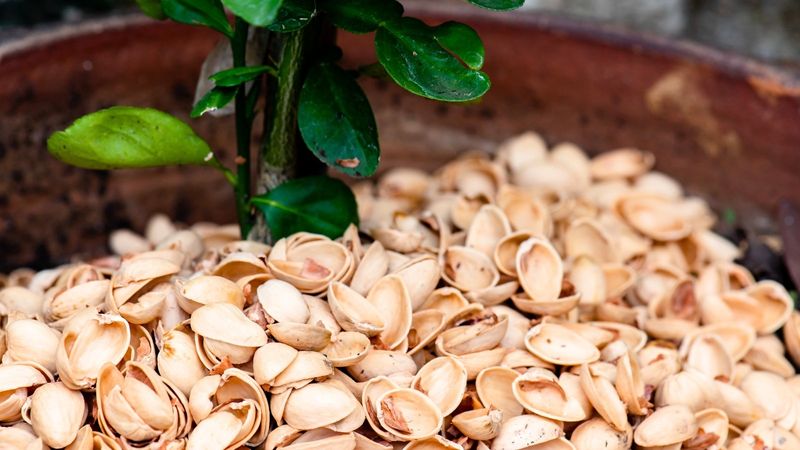
Building healthy compost takes patience and the right ingredient balance. Brown materials provide essential carbon that microbes need.
Pistachio shells qualify as excellent brown additions to your pile. Crush shells before adding them to speed decomposition significantly.
Whole shells take several years to break down completely. Smaller pieces integrate into finished compost within six to twelve months.
Mix crushed shells throughout your compost layers rather than dumping them in one spot. This distributes them evenly for consistent breakdown.
Your finished compost will have better texture and nutrient distribution. The shells add structure that prevents compost from becoming too dense. Air can circulate through the pile more effectively. This speeds up the entire decomposition process for all materials.
Some gardeners worry about salt content from salted pistachios affecting compost. Rain and normal decomposition processes leach away any minimal salt present.
Finished compost tests show no harmful salt levels. The calcium in shells benefits your compost chemistry over time.
This mineral helps balance pH and provides nutrition for plants. Your homemade compost becomes even more valuable. You’re closing the loop from kitchen to garden and back again.
6. Pest Deterrence
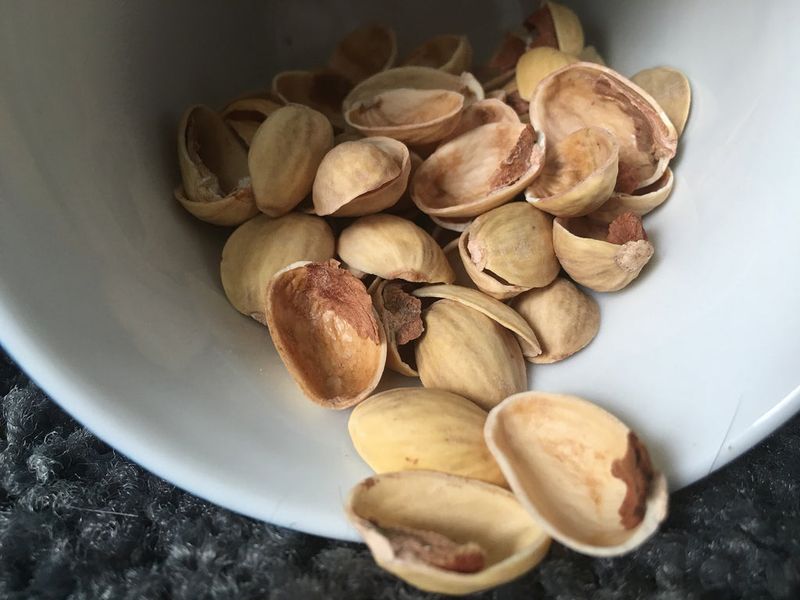
Slugs and snails cause frustrating damage to tender plants overnight. Their soft bodies need smooth surfaces to travel across easily.
Rough, sharp materials create uncomfortable barriers they typically avoid. Pistachio shells have jagged edges that deter these slimy pests effectively.
Create a border of shells around vulnerable plants like hostas. Slugs usually turn back rather than crossing this uncomfortable terrain.
The shells work best when kept dry and loose. Wet, compacted shells lose some of their deterrent properties.
Refresh borders after heavy rains to maintain effectiveness. This natural pest control method avoids harmful chemicals completely.
You protect beneficial insects while discouraging only problem species. Your garden ecosystem stays balanced and healthy.
Other soft-bodied pests like certain caterpillars also avoid shell barriers. The rough texture irritates their undersides during movement.
They seek easier paths to reach food sources. Combining shells with other organic pest strategies works even better.
Use them alongside companion planting and handpicking for comprehensive control. Multiple approaches create the strongest defense system.
Your vegetables and flowers suffer less damage throughout the growing season. Harvests improve when pests can’t reach plants easily.
7. Sustainable Waste Reduction
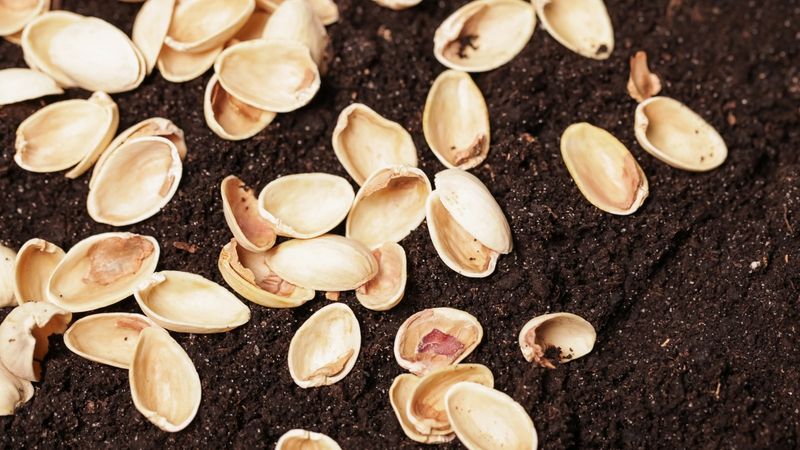
Americans generate enormous amounts of food waste every single year. Much of this material could serve useful purposes instead.
Pistachio shells represent a perfect example of reusable organic matter. Every shell you save from the trash reduces landfill contributions.
Landfills produce methane as organic materials decompose without oxygen. Your small action helps decrease greenhouse gas emissions meaningfully.
Repurposing shells demonstrates circular economy principles in action beautifully. Materials flow from food to garden and back to earth.
Nothing gets wasted in this sustainable cycle. Teaching children about shell reuse builds environmental awareness early.
They learn that everyday items have multiple potential uses. This mindset carries forward into adult decision-making habits.
Your garden becomes a living example of sustainability for neighbors. Others often adopt similar practices after seeing your success.
Community-wide impact grows from individual choices like yours. The money you save on commercial mulch and amendments adds up quickly.
Sustainability often proves more economical than wasteful alternatives. Your budget and the planet both benefit simultaneously.
North Carolina gardens thrive when gardeners think creatively about resources. Pistachio shells transform from trash into treasure through simple reuse.